
Papyrus 75 is the oldest manuscript containing the Gospels of Luke and John in the same book. It was copied by a Christian scribe in Egypt at the beginning of the third century, and about half of each Gospel is preserved. Long kept at the Bodmer Foundation near Geneva, since 2007 it has been housed in the Vatican Apostolic Library, where it was presented to the Holy Father by the Hanna family; for this reason it bears the name Papyrus Hanna 1, Mater Verbi. Below this article, we have placed every preserved line of the papyrus alongside today's Greek text, word for word. Out of every hundred readable words in the papyrus, more than ninety-five are identical to what we read today. The scribe worked with great care and rarely had to make corrections, and his text is virtually identical to Codex Vaticanus, the great manuscript of the complete Bible written more than a century later and kept in the very same library.
The verse by verse comparison of Papyrus 75 with today's Greek text is located below the article
The End of Luke and the Beginning of John on a Single Page
Papyrus 75 is the oldest manuscript that shows, on the very same page, how one Gospel ends and the other begins. At the top is the conclusion of Luke: “While he blessed them, he withdrew from them and was carried up into heaven.” (Lk 24:51) “They worshiped him and returned to Jerusalem with great joy” (Lk 24:52). Immediately below begins John: “In the beginning was the Word, and the Word was with God, and the Word was God.” (Jn 1:1). The scribe wrote the word God in that verse both times using the abbreviation for a sacred name, with a line overhead, just as early Christians wrote only the divine name.
On that single page everything is present: the disciples worship Jesus, and directly below it is written that the Word is God. Worship belongs to God alone, as Jesus himself tells Satan: “Get behind me, Satan! For it is written, ‘You shall worship the Lord your God, and you shall serve him only.’” (Lk 4:8). When the disciples worship Jesus, they worship God.
The Only Begotten God
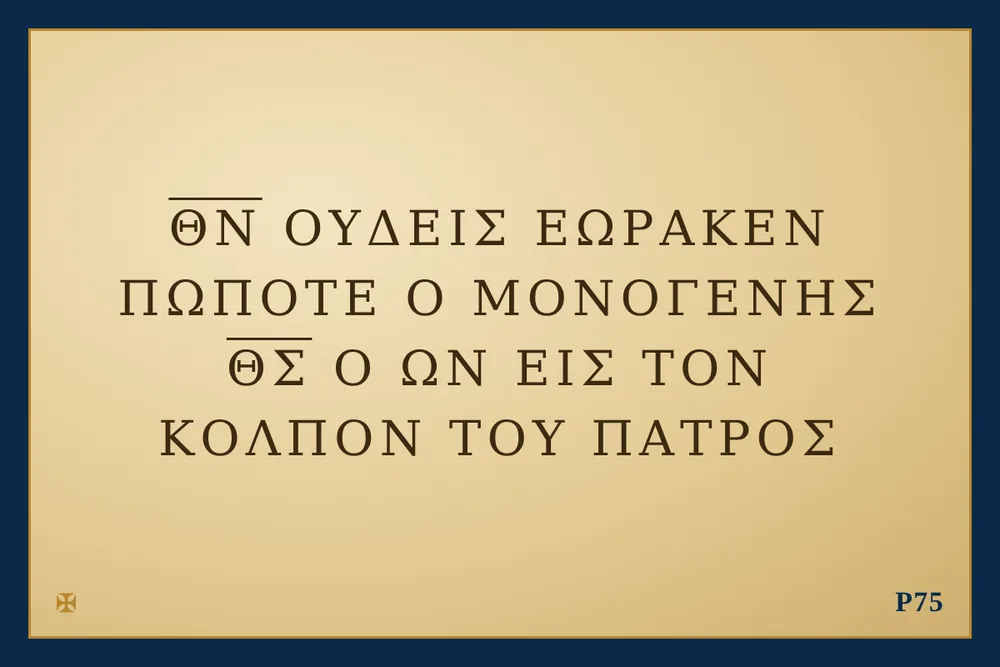
At the end of John's prologue, Papyrus 75 reads, just like Papyrus 66: “No one has ever seen God; the only-begotten God, who is in the bosom of the Father, he has made him known.” (Jn 1:18). Many later manuscripts read “the only begotten Son”, but the two oldest papyri of John's Gospel read “the only begotten God”. Papyrus 75 even includes the definite article: “the only begotten God”.
What God Has Done for You, What Jesus Did for Him
In Luke there is a verse that says everything without a single word of explanation. In the country of the Gerasenes, Jesus freed a demoniac and sent him home: “‘Return to your house, and declare what great things God has done for you.’ He went his way, proclaiming throughout the whole city what great things Jesus had done for him.” (Lk 8:39). Jesus says “God”, and the man proclaims “Jesus”. The scribe wrote both God and Jesus in that verse as a sacred name.
In another passage, John the Baptist sends his disciples, and the papyrus reads: “John sent them to the Lord, saying: Are you the one who is to come, or shall we look for another?” (Lk 7:19). Today's Greek text here has “to Jesus”, but Papyrus 75 reads “to the Lord”. In the Greek Old Testament, Lord is the name used to translate Yahweh.
I Am
In John, Jesus says: “Most certainly, I tell you, before Abraham came into existence, I AM.” (Jn 8:58). Papyrus 75 preserves this verse in full, letter for letter. This is the very name that God revealed to Moses: “God said to Moses, ‘I AM WHO I AM,’ and he said, ‘You shall tell the children of Israel this: ‘I AM has sent me to you.’’” (Exod 3:14). In Luke as well, before the Sanhedrin, Jesus answers with the same words: “They all said, ‘Are you then the Son of God?’ He said to them, ‘You say it, because I am.’” (Lk 22:70).
The opponents of Jesus understood perfectly what he was saying. The papyrus reads: “For this cause therefore the Jews sought all the more to kill him, because he not only broke the Sabbath, but also called God his own Father, making himself equal with God.” (Jn 5:18). And a second time: “We don’t stone you for a good work, but for blasphemy, because you, being a man, make yourself God.” (Jn 10:33).
The Holy Trinity
In Luke stands one of the most beautiful Trinitarian verses in the entire Gospel, and in the papyrus it is completely preserved: “In that same hour, Jesus rejoiced in the Holy Spirit, and said, ‘I thank you, O Father, Lord of heaven and earth, that you have hidden these things from the wise and understanding, and revealed them to little children. Yes, Father, for so it was well-pleasing in your sight.’” (Lk 10:21). Jesus rejoices in the Holy Spirit and praises the Father. Immediately afterward he says: “Turning to the disciples, he said, ‘All things have been delivered to me by my Father. No one knows who the Son is, except the Father, and who the Father is, except the Son, and he to whomever the Son desires to reveal him.’” (Lk 10:22). Only the Father knows the Son and only the Son knows the Father, and the scribe writes both names as a sacred name.
Jesus promises the Spirit as the Father's gift: “If you then, being evil, know how to give good gifts to your children, how much more will your heavenly Father give the Holy Spirit to those who ask him?” (Lk 11:13). At the end of the Gospel he tells the disciples: “Behold, I send out the promise of my Father on you. But wait in the city of Jerusalem until you are clothed with power from on high.” (Lk 24:49).
In John, the Baptist bears witness to the Father who sent him, to the Spirit who descends, and to the Son: “I didn’t recognize him, but he who sent me to baptize in water said to me, ‘On whomever you will see the Spirit descending and remaining on him is he who baptizes in the Holy Spirit.’” (Jn 1:33). And in his farewell discourse, Jesus says: “But the Counselor, the Holy Spirit, whom the Father will send in my name, will teach you all things, and will remind you of all that I said to you.” (Jn 14:26). The Father sends, the Spirit teaches, and the Father sends him in the name of the Son. The word Spirit in the papyrus is written as a sacred name, exactly like God and Jesus.
The Church in Nicaea in 325 and in Constantinople in 381 solemnly confessed one God in three Persons. Papyrus 75 was written more than a century before those councils, and faith in the Father, the Son, and the Holy Spirit is present on every one of its pages.
A Scribe Who Took Great Care
The scribe of Papyrus 75 wrote with a steady hand and corrected himself rarely, at only 92 places in the entire book. The differences compared with today's text are mostly minor: an alternate form of the same word, an extra or omitted “and” or “therefore”, numbers written as letters that served the Greeks as numerals. In a few places the scribe's eye skipped a sentence because two consecutive sentences ended with the same words. Two places are especially interesting: the papyrus is the only manuscript that preserves the name of the rich man from the parable of poor Lazarus, and in it Jesus says “I am the shepherd of the sheep” where today we read “I am the door of the sheep”. All these places are marked and explained in the comparison below the article.
John writes of the Word: “The Word became flesh and lived among us. We saw his glory, such glory as of the only born Son of the Father, full of grace and truth.” (Jn 1:14). This is the faith that the Church in Egypt read at the beginning of the third century, and which is kept today in the Vatican Library.
The whole article with the comparison as a PDF
Read also
- Papyrus 66: The Gospel of John around 200 AD, “and the Word was God”
- Papyrus 46: Paul's Letters around 200 AD, Christ “over all, God”
- Codex Sinaiticus: Gospel of Matthew, “God with Us”
- Codex Sinaiticus: Gospel of Mark, “I Am”
- Codex Sinaiticus: Gospel of Luke, “the mother of my Lord”
- Codex Sinaiticus: The Gospel of John, “My Lord and my God”
- Codex Sinaiticus: Acts of the Apostles, “The Church of God which He obtained with His own blood”
- Codex Sinaiticus: Epistle to the Romans, “Christ, God blessed forever”
- Codex Sinaiticus: Epistles to the Corinthians, “one Lord, Jesus Christ”
- Codex Sinaiticus: Galatians, Ephesians, Philippians, and Colossians, “all the fullness of deity”
- Codex Sinaiticus: Thessalonians, Timothy, Titus, and Philemon, “of the great God and our Savior Jesus Christ”
- Codex Sinaiticus: Epistle to the Hebrews, “Your Throne, O God”
- Codex Sinaiticus: the Catholic Epistles, “He is the true God”
- Codex Sinaiticus: Revelation, “I am the Alpha and the Omega”
- “God Christ”: The Oldest Copy of the Letters of Peter and Jude Witnesses That Jesus Is Yahweh
Word for word comparison
Here every preserved line of Papyrus 75 is set alongside today's Greek text, from which the Gospels are translated today. Every difference is marked, and the more important passages are explained. Chapters open by clicking on the heading.
- identical, letter for letter: 20,430 (95.3 %)
- same word, spelled differently: 509 (2.4 %)
- minor variations without change of meaning: 456 (2.1 %)
- slight nuance: 32 (0.1 %)
Based on 21,427 words of today's text that can be read in the papyrus. The papyrus also contains 109 words not found today. The text has been corrected in 92 places, mostly by the hand of the scribe himself. 2,422 words in damaged places are not counted.
How to read
Alongside each verse is the Catholic translation of the Bible (World English Bible, Catholic Edition), followed by today's Greek text and below it the papyrus, exactly as it was written: in capital letters, without accents. A line over a word indicates a sacred name: the scribe wrote the words God, Jesus, Christ, Lord, Father, Son, and Spirit in abbreviated form, with an overhead line.
- ΑΛΗΘΙΑΣ same word, spelled differently
- ΜΕΙΖΟΝΑ scribal slip or different form of the same word
- ΕΓΕΝΕΤΟ same word in a different place
- ΙΚΑΝΟΣ different word
- καὶ word omitted in the papyrus
- ΠΑΝΤΕΣ word found only in the papyrus
- ΛΟΓΟΣ word in a damaged spot, supplied by the editor
- ΘΣ sacred name
Passages worth knowing
Chapters
Gospel of Luke
Chapter 3preserved verses: 11 · with nuance in meaning: 0
Then with many other exhortations he preached good news to the people,
Πολλὰ μὲν οὖν καὶ ἕτερα παρακαλῶν, εὐηγγελίζετο τὸν λαόν.
… ΠΑΡΑΚΑΛΩΝ ΕΥΗΓΓΕΛΙΖΕΤΟ ΤΟΝ ΛΑΟΝ
but Herod the tetrarch, being reproved by him for Herodias, his brother’s wife, and for all the evil things which Herod had done,
Ὁ δὲ Ἡρῴδης ὁ τετράρχης, ἐλεγχόμενος ὑπʼ αὐτοῦ περὶ Ἡρῳδιάδος, τῆς γυναικὸς τοῦ ἀδελφοῦ αὐτοῦ, καὶ περὶ πάντων ὧν ἐποίησεν πονηρῶν ὁ Ἡρῴδης,
Ο ΔΕ ΗΡΩΔΗΣ Ο ΤΕΤΡΑΡΧΗΣ ΕΛΕΓΧΟΜΕΝΟΣ ΥΠ ΑΥΤΟΥ ΠΕΡΙ ΗΡΩΔΙΑΔΟΣ ΤΗΣ ΓΥΝΑΙΚΟΣ ΤΟΥ ΑΔΕΛΦΟΥ ΑΥΤΟΥ ΚΑΙ ΠΕΡΙ ΠΑΝΤΩΝ ΩΝ ΕΠΟΙΗΣΕΝ ΠΟΝΗΡΩΝ Ο ΗΡΩΔΗΣ
added this also to them all, that he shut up John in prison.
προσέθηκεν καὶ τοῦτο ἐπὶ πᾶσιν: κατέκλεισεν τὸν Ἰωάννην ἐν φυλακῇ.
ΠΡΟΣΕΘΗΚΕΝ ΚΑΙ ΤΟΥΤΟ ΕΠΙ ΠΑΣΙΝ ΚΑΤΕΚΛΕΙΣΕΝ ΤΟΝ ΙΩΑΝΝΗΝ ΕΝ ΦΥΛΑΚΗ
Now when all the people were baptized, Jesus also had been baptized and was praying. The sky was opened,
Ἐγένετο δὲ ἐν τῷ βαπτισθῆναι ἅπαντα τὸν λαὸν, καὶ Ἰησοῦ βαπτισθέντος, καὶ προσευχομένου ἀνεῳχθῆναι τὸν οὐρανὸν,
ΕΓΕΝΕΤΟ ΔΕ ΕΝ ΤΩ ΒΑΠΤΙΣΘΗΝΑΙ ΑΠΑΝΤΑ ΤΟΝ ΛΑΟΝ ΚΑΙ ΙΥ ΒΑΠΤΙΣΘΕΝΤΟΣ ΚΑΙ ΠΡΟΣΕΥΧΟΜΕΝΟΥ ΑΝΕΩΧΘΗΝΑΙ ΤΟΝ ΟΥΡΑΝΟΝ
and the Holy Spirit descended in a bodily form like a dove on him; and a voice came out of the sky, saying “You are my beloved Son. In you I am well pleased.”
καὶ καταβῆναι τὸ Πνεῦμα τὸ Ἅγιον σωματικῷ εἴδει, ὡς περιστερὰν ἐπʼ αὐτόν, καὶ φωνὴν ἐξ οὐρανοῦ γενέσθαι: “Σὺ εἶ ὁ Υἱός μου ὁ ἀγαπητός, ἐν σοὶ εὐδόκησα.”
ΚΑΙ ΚΑΤΑΒΗΝΑΙ ΤΟ ΠΝΑ ΤΟ ΑΓΙΟΝ ΣΩΜΑΤΙΚΩ ΕΙΔΕΙ ΩΣ ΠΕΡΙΣΤΕΡΑΝ …
the son of Amminadab, the son of Aram, the son of Hezron, the son of Perez, the son of Judah,
τοῦ Ἀμιναδὰβ, τοῦ Ἀδμὶν, τοῦ Ἀρνὶ, τοῦ Ἑσρὼμ, τοῦ Φαρὲς, τοῦ Ἰούδα,
… ΤΟΥ ΙΟΥΔΑ
the son of Jacob, the son of Isaac, the son of Abraham, the son of Terah, the son of Nahor,
τοῦ Ἰακὼβ, τοῦ Ἰσαὰκ, τοῦ Ἀβραὰμ, τοῦ Θάρα, τοῦ Ναχὼρ,
ΤΟΥ ΙΑΚΩΒ ΤΟΥ ΙΣΑΑΚ ΤΟΥ ΑΒΡΑΑΜ ΤΟΥ ΘΑΡΑ ΤΟΥ ΝΑΧΩΡ
the son of Serug, the son of Reu, the son of Peleg, the son of Eber, the son of Shelah,
τοῦ Σεροὺχ, τοῦ Ῥαγαὺ, τοῦ Φάλεκ, τοῦ Ἔβερ, τοῦ Σαλὰ,
ΤΟΥ ΣΕΡΟΥΧ ΤΟΥ ΡΑΓΑΥ ΤΟΥ ΦΑΛΕΚ ΤΟΥ ΕΒΕΡ ΤΟΥ ΣΑΛΑ
the son of Cainan, the son of Arphaxad, the son of Shem, the son of Noah, the son of Lamech,
τοῦ Καϊνὰμ, τοῦ Ἀρφαξὰδ, τοῦ Σὴμ, τοῦ Νῶε, τοῦ Λάμεχ,
… ΤΟΥ ΑΡΦΑΞΑΔ ΤΟΥ ΣΗΜ ΤΟΥ ΝΩΕ ΤΟΥ ΛΑΜΕΧ
the son of Methuselah, the son of Enoch, the son of Jared, the son of Mahalaleel, the son of Cainan,
τοῦ Μαθουσαλὰ, τοῦ Ἑνὼχ, τοῦ Ἰάρετ, τοῦ Μαλελεὴλ, τοῦ Καϊνὰμ,
ΤΟΥ ΜΑΘΟΥΣΑΛΑ ΤΟΥ ΕΝΩΧ ΤΟΥ ΙΑΡΕΤ ΤΟΥ ΜΑΛΕΛΕΗΛ ΤΟΥ ΚΑΙΝΑΜ
the son of Enos, the son of Seth, the son of Adam, the son of God.
τοῦ Ἐνὼς, τοῦ Σὴθ, τοῦ Ἀδὰμ, τοῦ Θεοῦ.
ΤΟΥ ΕΝΩΣ ΤΟΥ ΣΗΘ ΤΟΥ ΑΔΑΜ ΤΟΥ ΘΥ
Chapter 4preserved verses: 13 · with nuance in meaning: 0
Jesus, full of the Holy Spirit, returned from the Jordan and was led by the Spirit into the wilderness
Ἰησοῦς δὲ πλήρης Πνεύματος Ἁγίου, ὑπέστρεψεν ἀπὸ τοῦ Ἰορδάνου, καὶ ἤγετο ἐν τῷ Πνεύματι ἐν τῇ ἐρήμῳ,
ΙΗΣ ΔΕ ΠΛΗΡΗΣ ΠΝΟΣ ΑΓΙΟΥ ΥΠΕΣΤΡΕΨΕΝ ΑΠΟ ΤΟΥ ΙΟΡΔΑΝΟΥ ΚΑΙ ΗΓΕΤΟ ΕΝ ΤΩ ΠΝΙ ΕΝ ΤΗ ΕΡΗΜΩ
for forty days, being tempted by the devil. He ate nothing in those days. Afterward, when they were completed, he was hungry.
ἡμέρας τεσσεράκοντα πειραζόμενος ὑπὸ τοῦ διαβόλου. Καὶ οὐκ ἔφαγεν οὐδὲν ἐν ταῖς ἡμέραις ἐκείναις, καὶ συντελεσθεισῶν αὐτῶν, ἐπείνασεν.
ΗΜΕΡΑΣ Μ ΠΕΙΡΑΖΟΜΕΝΟΣ ΥΠΟ ΤΟΥ ΔΙΑΒΟΛΟΥ ΚΑΙ ΟΥΚ ΕΦΑΓΕΝ …
saying, “Ah! what have we to do with you, Jesus of Nazareth? Have you come to destroy us? I know who you are: the Holy One of God!”
“Ἔα! Τί ἡμῖν καὶ σοί, Ἰησοῦ Ναζαρηνέ; Ἦλθες ἀπολέσαι ἡμᾶς; Οἶδά σε τίς εἶ, ὁ Ἅγιος τοῦ Θεοῦ.”
… ΗΜΑΣ ΟΙΔΑ ΣΕ ΤΙΣ ΕΙ Ο ΑΓΙΟΣ ΤΟΥ ΘΥ
Jesus rebuked him, saying, “Be silent and come out of him!” When the demon had thrown him down in the middle of them, he came out of him, having done him no harm.
Καὶ ἐπετίμησεν αὐτῷ ὁ Ἰησοῦς λέγων, “Φιμώθητι, καὶ ἔξελθε ἐξ αὐτοῦ!” Καὶ ῥίψαν αὐτὸν τὸ δαιμόνιον εἰς τὸ μέσον, ἐξῆλθεν ἀπʼ αὐτοῦ, μηδὲν βλάψαν αὐτόν.
ΚΑΙ ΕΠΕΤΙΜΗΣΕΝ ΑΥΤΩ Ο ΙΗΣ ΛΕΓΩΝ ΦΙΜΩΘΗΤΙ ΚΑΙ ΕΞΕΛΘΕ ΕΞ ΑΥΤΟΥ ΚΑΙ ΡΕΙΨΑΝ ΑΥΤΟΝ ΤΟ ΔΑΙΜΟΝΙΟΝ ΕΙΣ ΤΟ ΜΕΣΟΝ ΕΞΗΛΘΕΝ ΕΞ ΑΥΤΟΥ ΜΗΔΕΝ ΒΛΑΨΑΝ ΑΥΤΟΝ
- minor details Scribal slips, other forms, or words such as “and” and “therefore”, without change of meaning: 1
Amazement came on all and they spoke together, one with another, saying, “What is this word? For with authority and power he commands the unclean spirits, and they come out!”
Καὶ ἐγένετο θάμβος ἐπὶ πάντας, καὶ συνελάλουν πρὸς ἀλλήλους λέγοντες, “Τίς ὁ λόγος οὗτος, ὅτι ἐν ἐξουσίᾳ καὶ δυνάμει ἐπιτάσσει τοῖς ἀκαθάρτοις πνεύμασιν, καὶ ἐξέρχονται;”
ΚΑΙ ΕΓΕΝΕΤΟ ΘΑΜΒΟΣ ΕΠΙ ΠΑΝΤΑΣ ΚΑΙ ΣΥΝΕΛΑΛΟΥΝ ΠΡΟΣ ΑΛΛΗΛΟΥΣ ΛΕΓΟΝΤΕΣ ΤΙΣ Ο ΛΟΓΟΣ ΟΥΤΟΣ ΟΤΙ ΕΝ ΕΞΟΥΣΙΑ ΚΑΙ ΔΥΝΑΜΕΙ ΕΠΙΤΑΣΣΕΙ ΤΟΙΣ ΑΚΑΘΑΡΤΟΙΣ ΠΝΑΣΙ ΚΑΙ ΕΞΕΡΧΟΝΤΑΙ
News about him went out into every place of the surrounding region.
Καὶ ἐξεπορεύετο ἦχος περὶ αὐτοῦ εἰς πάντα τόπον τῆς περιχώρου.
ΚΑΙ ΕΞΕΠΟΡΕΥΕΤΟ ΗΧΟΣ ΠΕΡΙ ΑΥΤΟΥ ΕΙΣ ΠΑΝΤΑ ΤΟΠΟΝ ΤΗΣ ΠΕΡΙΧΩΡΟΥ
He rose up from the synagogue and entered into Simon’s house. Simon’s mother-in-law was afflicted with a great fever, and they begged him to help her.
Ἀναστὰς δὲ ἀπὸ τῆς συναγωγῆς, εἰσῆλθεν εἰς τὴν οἰκίαν Σίμωνος. Πενθερὰ δὲ τοῦ Σίμωνος ἦν συνεχομένη πυρετῷ μεγάλῳ, καὶ ἠρώτησαν αὐτὸν περὶ αὐτῆς.
ΑΝΑΣΤΑΣ ΔΕ ΑΠΟ ΤΗΣ ΣΥΝΑΓΩΓΗΣ ΕΙΣΗΛΘΕΝ ΕΙΣ ΤΗΝ ΟΙΚΙΑΝ ΣΙΜΩΝΟΣ ΠΕΝΘΕΡΑ ΔΕ ΤΟΥ ΣΙΜΩΝΟΣ ΗΝ ΣΥΝΕΧΟΜΕΝΗ ΠΥΡΕΤΩ ΜΕΓΑΛΩ ΚΑΙ ΗΡΩΤΗΣΑΝ ΑΥΤΟΝ ΠΕΡΙ ΑΥΤΗΣ
He stood over her and rebuked the fever, and it left her. Immediately she rose up and served them.
Καὶ ἐπιστὰς ἐπάνω αὐτῆς, ἐπετίμησεν τῷ πυρετῷ, καὶ ἀφῆκεν αὐτήν· παραχρῆμα δὲ ἀναστᾶσα, διηκόνει αὐτοῖς.
ΚΑΙ ΕΠΙΣΤΑΣ ΕΠΑΝΩ ΑΥΤΗΣ ΕΠΕΤΙΜΗΣΕΝ ΤΩ ΠΥΡΕΤΩ ΚΑΙ ΑΦΗΚΕΝ ΑΥΤΗΝ ΠΑΡΑΧΡΗΜΑ ΔΕ ΑΝΑΣΤΑΣΑ ΔΙΗΚΟΝΕΙ ΑΥΤΟΙΣ
When the sun was setting, all those who had any sick with various diseases brought them to him; and he laid his hands on every one of them, and healed them.
Δύνοντος δὲ τοῦ ἡλίου, πάντες ὅσοι εἶχον ἀσθενοῦντας νόσοις ποικίλαις, ἤγαγον αὐτοὺς πρὸς αὐτόν, ὁ δὲ ἑνὶ ἑκάστῳ αὐτῶν, τὰς χεῖρας ἐπιτιθεὶς, ἐθεράπευεν αὐτούς.
ΔΥΝΟΝΤΟΣ ΔΕ ΤΟΥ ΗΛΙΟΥ ΑΠΑΝΤΕΣ ΟΣΟΙ ΕΙΧΟΝ ΑΣΘΕΝΟΥΝΤΑΣ ΝΟΣΟΙΣ ΠΟΙΚΙΛΑΙΣ ΗΓΑΓΟΝ ΑΥΤΟΥΣ ΠΡΟΣ ΑΥΤΟΝ Ο ΔΕ ΕΝΙ ΕΚΑΣΤΩ ΑΥΤΩΝ ΤΑΣ ΧΕΙΡΑΣ ΕΠΙΤΙΘΕΙΣ ΕΘΕΡΑΠΕΥΕΝ ΑΥΤΟΥΣ
- minor details Scribal slips, other forms, or words such as “and” and “therefore”, without change of meaning: 1
Demons also came out of many, crying out and saying, “You are the Christ, the Son of God!” Rebuking them, he didn’t allow them to speak, because they knew that he was the Christ.
Ἐξήρχετο δὲ καὶ δαιμόνια ἀπὸ πολλῶν, κράζοντα καὶ λέγοντα, ὅτι “Σὺ εἶ ὁ Υἱὸς τοῦ Θεοῦ.” Καὶ ἐπιτιμῶν, οὐκ εἴα αὐτὰ λαλεῖν, ὅτι ᾔδεισαν τὸν Χριστὸν αὐτὸν εἶναι.
ΕΞΗΡΧΕΤΟ ΔΕ ΚΑΙ ΔΑΙΜΟΝΙΑ ΑΠΟ ΠΟΛΛΩΝ ΚΡΑΥΓΑΖΟΝΤΑ ΚΑΙ ΛΕΓΟΝΤΑ ΟΤΙ ΣΥ ΕΙ Ο ΥΙΟΣ ΤΟΥ ΘΥ ΚΑΙ ΕΠΙΤΙΜΩΝ ΟΥΚ ΕΙΑ ΑΥΤΑ ΛΕΓΕΙΝ ΟΤΙ ΗΔΕΙΣΑΝ ΤΟΝ ΧΝ ΑΥΤΟΝ ΕΙΝΑΙ
- minor details Scribal slips, other forms, or words such as “and” and “therefore”, without change of meaning: 2
When it was day, he departed and went into an uninhabited place and the multitudes looked for him, and came to him, and held on to him, so that he wouldn’t go away from them.
Γενομένης δὲ ἡμέρας, ἐξελθὼν ἐπορεύθη εἰς ἔρημον τόπον, καὶ οἱ ὄχλοι ἐπεζήτουν αὐτόν, καὶ ἦλθον ἕως αὐτοῦ, καὶ κατεῖχον αὐτὸν τοῦ μὴ πορεύεσθαι ἀπʼ αὐτῶν.
ΓΕΝΟΜΕΝΗΣ ΔΕ ΗΜΕΡΑΣ ΕΞΕΛΘΩΝ ΕΠΟΡΕΥΘΗ ΕΙΣ ΕΡΗΜΟΝ ΤΟΠΟΝ ΚΑΙ ΟΙ ΟΧΛΟΙ ΕΠΕΖΗΤΟΥΝ ΑΥΤΟΝ ΚΑΙ ΗΛΘΟΝ ΕΩΣ ΑΥΤΟΥ ΚΑΙ ΚΑΤΕΙΧΟΝ ΑΥΤΟΝ ΤΟΥ ΜΗ ΠΟΡΕΥΕΣΘΑΙ ΑΠ ΑΥΤΩΝ
But he said to them, “I must preach the good news of God’s Kingdom to the other cities also. For this reason I have been sent.”
Ὁ δὲ εἶπεν πρὸς αὐτοὺς, ὅτι “Καὶ ταῖς ἑτέραις πόλεσιν εὐαγγελίσασθαί με δεῖ τὴν Βασιλείαν τοῦ Θεοῦ, ὅτι ἐπὶ τοῦτο ἀπεστάλην.”
Ο ΔΕ ΕΙΠΕΝ ΠΡΟΣ ΑΥΤΟΥΣ ΟΤΙ ΚΑΙ ΤΑΙΣ ΕΤΕΡΑΙΣ ΠΟΛΕΣΙΝ ΕΥΑΓΓΕΛΙΣΑΣΘΑΙ ΔΕΙ ΜΕ … ΤΗΝ ΒΑΣΙΛΕΙΑΝ ΤΟΥ ΘΥ ΟΤΙ ΕΠΙ ΤΟΥΤΟ ΑΠΕΣΤΑΛΗΝ
- minor details Scribal slips, other forms, or words such as “and” and “therefore”, without change of meaning: 1
He was preaching in the synagogues of Galilee.
Καὶ ἦν κηρύσσων εἰς τὰς συναγωγὰς τῆς Ἰουδαίας.
ΚΑΙ ΗΝ ΚΗΡΥΣΣΩΝ ΕΙΣ ΤΑΣ ΣΥΝΑΓΩΓΑΣ ΤΗΣ ΙΟΥΔΑΙΑΣ
Chapter 5preserved verses: 13 · with nuance in meaning: 0
Now while the multitude pressed on him and heard the word of God, he was standing by the lake of Gennesaret.
Ἐγένετο δὲ ἐν τῷ, τὸν ὄχλον ἐπικεῖσθαι αὐτῷ καὶ ἀκούειν τὸν λόγον τοῦ Θεοῦ, καὶ αὐτὸς ἦν ἑστὼς παρὰ τὴν λίμνην Γεννησαρέτ,
ΚΑΙ ΕΓΕΝΕΤΟ ∅ ΕΝ ΤΩ ΤΟΝ ΟΧΛΟΝ ΕΠΙΚΕΙΣΘΑΙ ΑΥΤΩ ΚΑΙ ΑΚΟΥΕΙΝ ΤΟΝ ΛΟΓΟΝ ΤΟΥ ΘΥ ΚΑΙ ΑΥΤΟΣ ΗΝ ΕΣΤΩΣ ΠΑΡΑ ΤΗΝ ΛΙΜΝΗΝ ΓΕΝΝΗΣΑΡΕΤ
- minor details Scribal slips, other forms, or words such as “and” and “therefore”, without change of meaning: 2
He saw two boats standing by the lake, but the fishermen had gone out of them and were washing their nets.
καὶ εἶδεν δύο πλοῖα ἑστῶτα παρὰ τὴν λίμνην, οἱ δὲ ἁλιεῖς ἀπʼ αὐτῶν ἀποβάντες, ἔπλυνον τὰ δίκτυα.
ΚΑΙ ΕΙΔΕΝ ΔΥΟ ΠΛΟΙΑ ΕΣΤΩΤΑ ΠΑΡΑ ΤΗΝ ΛΙΜΝΗΝ ΟΙ ΔΕ ΑΛΙΕΙΣ ΑΠ ΑΥΤΩΝ ΑΠΟΒΑΝΤΕΣ ΕΠΛΥΝΟΝ ΤΑ ΔΙΚΤΥΑ
He entered into one of the boats, which was Simon’s, and asked him to put out a little from the land. He sat down and taught the multitudes from the boat.
Ἐμβὰς δὲ εἰς ἓν τῶν πλοίων, ὃ ἦν Σίμωνος, ἠρώτησεν αὐτὸν ἀπὸ τῆς γῆς ἐπαναγαγεῖν ὀλίγον. Καθίσας δὲ, ἐδίδασκεν ἐκ τοῦ πλοίου τοὺς ὄχλους.
ΕΜΒΑΣ ΔΕ ΕΙΣ ΕΝ ΤΩΝ ΠΛΟΙΩΝ Ο ΗΝ ΣΙΜΩΝΟΣ ΗΡΩΤΗΣΕΝ ΑΥΤΟΝ ΑΠΟ ΤΗΣ ΓΗΣ ΕΠΑΝΑΓΑΓΕΙΝ ΟΛΙΓΟΝ ΚΑΘΙΣΑΣ ΔΕ ∅ ΕΚ ΤΟΥ ΠΛΟΙΟΥ ΕΔΙΔΑΣΚΕΝ ΤΟΥΣ ΟΧΛΟΥΣ
- minor details Scribal slips, other forms, or words such as “and” and “therefore”, without change of meaning: 2
When he had finished speaking, he said to Simon, “Put out into the deep and let down your nets for a catch.”
Ὡς δὲ ἐπαύσατο λαλῶν, εἶπεν πρὸς τὸν Σίμωνα, “Ἐπανάγαγε εἰς τὸ βάθος καὶ χαλάσατε τὰ δίκτυα ὑμῶν εἰς ἄγραν.”
ΩΣ ΔΕ ΕΠΑΥΣΑΤΟ ΛΑΛΩΝ ΕΙΠΕΝ ΠΡΟΣ ΤΟΝ ΣΙΜΩΝΑ ΕΠΑΝΑΓΑΓΕ ΕΙΣ ΤΟ ΒΑΘΟΣ ΚΑΙ ΧΑΛΑΣΑΤΕ ΤΑ ΔΙΚΤΥΑ ΥΜΩΝ ΕΙΣ ΑΓΡΑΝ
Simon answered him, “Master, we worked all night and caught nothing; but at your word I will let down the net.”
Καὶ ἀποκριθεὶς Σίμων εἶπεν, “Ἐπιστάτα, διʼ ὅλης νυκτὸς κοπιάσαντες, οὐδὲν ἐλάβομεν, ἐπὶ δὲ τῷ ῥήματί σου, χαλάσω τὰ δίκτυα.”
ΚΑΙ ΑΠΟΚΡΙΘΕΙΣ ΣΙΜΩΝ ΕΙΠΕΝ ΕΠΙΣΤΑΤΑ ΔΙ ΟΛΗΣ ΝΥΚΤΟΣ ΚΟΠΙΑΣΑΝΤΕΣ ΟΥΔΕΝ ΕΛΑΒΟΜΕΝ ΕΠΙ ΔΕ ΤΩ ΡΗΜΑΤΙ ΣΟΥ ΧΑΛΑΣΩ ΤΑ ΔΙΚΤΥΑ
When they had done this, they caught a great multitude of fish, and their net was breaking.
Καὶ τοῦτο ποιήσαντες, συνέκλεισαν πλῆθος ἰχθύων πολύ, διερρήσσετο δὲ τὰ δίκτυα αὐτῶν.
ΚΑΙ ΤΟΥΤΟ ΠΟΙΗΣΑΝΤΕΣ ΣΥΝΕΚΛΕΙΣΑΝ ΠΛΗΘΟΣ ΙΧΘΥΩΝ ΠΟΛΥ ΔΙΕΡΡΗΣΣΕΤΟ ΔΕ ΤΑ ΔΙΚΤΥΑ ΑΥΤΩΝ
They beckoned to their partners in the other boat, that they should come and help them. They came and filled both boats, so that they began to sink.
Καὶ κατένευσαν τοῖς μετόχοις ἐν τῷ ἑτέρῳ πλοίῳ, τοῦ ἐλθόντας συλλαβέσθαι αὐτοῖς· καὶ ἦλθον, καὶ ἔπλησαν ἀμφότερα τὰ πλοῖα, ὥστε βυθίζεσθαι αὐτά.
ΚΑΙ ΚΑΤΕΝΕΥΣΑΝ ΤΟΙΣ ΜΕΤΟΧΟΙΣ ΕΝ ΤΩ ΕΤΕΡΩ ΠΛΟΙΩ ΤΟΥ ΕΛΘΟΝΤΑΣ ΣΥΝΛΑΒΕΣΘΑΙ ΑΥΤΟΙΣ ΚΑΙ ΗΛΘΟΝ ΚΑΙ ΕΠΛΗΣΑΝ ΑΜΦΟΤΕΡΑ ΤΑ ΠΛΟΙΑ ΩΣΤΕ ΒΥΘΙΖΕΣΘΑΙ ΑΥΤΑ
- minor details Scribal slips, other forms, or words such as “and” and “therefore”, without change of meaning: 1
But Simon Peter, when he saw it, fell down at Jesus’ knees, saying, “Depart from me, for I am a sinful man, Lord.”
Ἰδὼν δὲ, Σίμων Πέτρος προσέπεσεν τοῖς γόνασιν Ἰησοῦ λέγων, “Ἔξελθε ἀπʼ ἐμοῦ, ὅτι ἀνὴρ ἁμαρτωλός εἰμι, Κύριε.”
ΙΔΩΝ ΔΕ ΣΙΜΩΝ ΠΕΤΡΟΣ ΠΡΟΣΕΠΕΣΕΝ ΤΟΙΣ ΓΟΝΑΣΙΝ ΙΥ ΛΕΓΩΝ ΕΞΕΛΘΕ ΑΠ ΕΜΟΥ ΟΤΙ ΑΝΗΡ ΑΜΑΡΤΩΛΟΣ ΕΙΜΙ ΚΕ
For he was amazed, and all who were with him, at the catch of fish which they had caught;
Θάμβος γὰρ περιέσχεν αὐτὸν καὶ πάντας τοὺς σὺν αὐτῷ, ἐπὶ τῇ ἄγρᾳ τῶν ἰχθύων ὧν συνέλαβον,
ΘΑΜΒΟΣ ΓΑΡ ΠΕΡΙΕΣΧΕΝ ΑΥΤΟΝ ΚΑΙ ΠΑΝΤΑΣ ΤΟΥΣ ΣΥΝ ΑΥΤΩ ΕΠΙ ΤΗ ΑΓΡΑ ΤΩΝ ΙΧΘΥΩΝ ΩΝ ΣΥΝΕΛΑΒΟΝ
and so also were James and John, sons of Zebedee, who were partners with Simon. Jesus said to Simon, “Don’t be afraid. From now on you will be catching people alive.”
ὁμοίως δὲ καὶ Ἰάκωβον καὶ Ἰωάννην, υἱοὺς Ζεβεδαίου, οἳ ἦσαν κοινωνοὶ τῷ Σίμωνι. Καὶ εἶπεν πρὸς τὸν Σίμωνα ὁ Ἰησοῦς, “Μὴ φοβοῦ· ἀπὸ τοῦ νῦν ἀνθρώπους ἔσῃ ζωγρῶν.”
ΟΜΟΙΩΣ ΔΕ ΚΑΙ ΙΑΚΩΒΟΝ ΚΑΙ ΙΩΑΝΗΝ ΥΙΟΥΣ ΖΕΒΕΔΑΙΟΥ ΟΙ ΗΣΑΝ ΚΟΙΝΩΝΟΙ ΤΩ ΣΙΜΩΝΙ ΚΑΙ ΕΙΠΕΝ ΠΡΟΣ ΤΟΝ …
No one puts new wine into old wineskins, or else the new wine will burst the skins, and it will be spilled and the skins will be destroyed.
Καὶ οὐδεὶς βάλλει οἶνον νέον εἰς ἀσκοὺς παλαιούς· εἰ δὲ μή γε ῥήξει ὁ οἶνος ὁ νέος τοὺς ἀσκούς, καὶ αὐτὸς ἐκχυθήσεται, καὶ οἱ ἀσκοὶ ἀπολοῦνται.
… ΑΣΚΟΥΣ ΚΑΙ ΑΥΤΟΣ ΕΚΧΥΘΗΣΕΤΑΙ ΚΑΙ ΟΙ ΑΣΚΟΙ ΑΠΟΛΟΥΝΤΑΙ
But new wine must be put into fresh wineskins, and both are preserved.
Ἀλλὰ οἶνον νέον εἰς ἀσκοὺς καινοὺς βλητέον.
ΑΛΛΑ ΟΙΝΟΝ ΝΕΟΝ ΕΙΣ ΑΣΚΟΥΣ ΚΑΙΝΟΥΣ ΒΛΗΤΕΟΝ
No man having drunk old wine immediately desires new, for he says, ‘The old is better.’”
Οὐδεὶς πιὼν παλαιὸν θέλει νέον· λέγει γάρ, ‘Ὁ παλαιὸς χρηστός ἐστιν.’”
ΟΥΔΕΙΣ ΠΕΙΩΝ ΠΑΛΑΙΟΝ ΘΕΛΕΙ ΝΕΟΝ ΛΕΓΕΙ ΓΑΡ Ο ΠΑΛΑΙΟΣ ΧΡΗΣΤΟΣ ΕΣΤΙΝ
Chapter 6preserved verses: 44 · with nuance in meaning: 0
Now on the second Sabbath after the first, he was going through the grain fields. His disciples plucked the heads of grain and ate, rubbing them in their hands.
Ἐγένετο δὲ ἐν Σαββάτῳ διαπορεύεσθαι αὐτὸν διὰ σπορίμων, καὶ ἔτιλλον οἱ μαθηταὶ αὐτοῦ, καὶ ἤσθιον τοὺς στάχυας, ψώχοντες ταῖς χερσίν.
ΕΓΕΝΕΤΟ ΔΕ ΕΝ ΣΑΒΒΑΤΩ ΔΙΑΠΟΡΕΥΕΣΘΑΙ ΑΥΤΟΝ ΔΙΑ ΣΠΟΡΙΜΩΝ ΚΑΙ ΕΤΙΛΛΟΝ ΟΙ ΜΑΘΗΤΑΙ ΑΥΤΟΥ ΚΑΙ ΗΣΘΙΟΝ ΤΟΥΣ ΣΤΑΧΥΑΣ ΨΩΧΟΝΤΕΣ ΤΑΙΣ ΧΕΡΣΙΝ
But some of the Pharisees said to them, “Why do you do that which is not lawful to do on the Sabbath day?”
Τινὲς δὲ τῶν Φαρισαίων εἶπον, “Τί ποιεῖτε ὃ οὐκ ἔξεστιν τοῖς Σάββασιν;”
ΤΙΝΕΣ ΔΕ ΤΩΝ ΦΑΡΙΣΑΙΩΝ ΕΙΠΑΝ ΤΙ ΠΟΙΕΙΤΕ Ο ΟΥΚ ΕΞΕΣΤΙΝ ΤΟΙΣ ΣΑΒΒΑΣΙΝ
- minor details Scribal slips, other forms, or words such as “and” and “therefore”, without change of meaning: 1
Jesus, answering them, said, “Haven’t you read what David did when he was hungry, he and those who were with him,
Καὶ ἀποκριθεὶς πρὸς αὐτοὺς εἶπεν ὁ Ἰησοῦς, “Οὐδὲ τοῦτο ἀνέγνωτε, ὃ ἐποίησεν Δαυὶδ ὅτε ἐπείνασεν αὐτὸς, καὶ οἱ μετʼ αὐτοῦ
ΚΑΙ ΑΠΟΚΡΙΘΕΙΣ ΠΡΟΣ ΑΥΤΟΥΣ ΕΙΠΕΝ Ο ΙΣ ΟΥΔΕ ΤΟΥΤΟ ΑΝΕΓΝΩΤΕ Ο ΕΠΟΙΗΣΕΝ ΔΑΥΙΔ ΟΤΕ ΕΠΕΙΝΑΣΕΝ ΑΥΤΟΣ ΚΑΙ ΟΙ ΜΕΤ ΑΥΤΟΥ
- minor details Scribal slips, other forms, or words such as “and” and “therefore”, without change of meaning: 1
how he entered into God’s house, and took and ate the show bread, and gave also to those who were with him, which is not lawful to eat except for the priests alone?”
ὡς εἰσῆλθεν εἰς τὸν οἶκον τοῦ Θεοῦ, καὶ τοὺς ἄρτους τῆς Προθέσεως λαβὼν, ἔφαγεν καὶ ἔδωκεν τοῖς μετʼ αὐτοῦ, οὓς οὐκ ἔξεστιν φαγεῖν, εἰ μὴ μόνους τοὺς ἱερεῖς;”
… ΕΙΣΗΛΘΕΝ ΕΙΣ ΤΟΝ ΟΙΚΟΝ ΤΟΥ ΘΥ ΚΑΙ ΤΟΥΣ ΑΡΤΟΥΣ ΤΗΣ ΠΡΟΘΕΣΕΩΣ …
He looked around at them all, and said to the man, “Stretch out your hand.” He did, and his hand was restored as sound as the other.
Καὶ περιβλεψάμενος πάντας αὐτοὺς, εἶπεν αὐτῷ, “Ἔκτεινον τὴν χεῖρά σου.” Ὁ δὲ ἐποίησεν, καὶ ἀποκατεστάθη ἡ χεὶρ αὐτοῦ.
… ΑΥΤΟΥ
But they were filled with rage, and talked with one another about what they might do to Jesus.
Αὐτοὶ δὲ ἐπλήσθησαν ἀνοίας, καὶ διελάλουν πρὸς ἀλλήλους τί ἂν ποιήσαιεν τῷ Ἰησοῦ.
ΑΥΤΟΙ ΔΕ ΕΠΛΗΣΘΗΣΑΝ ΑΝΟΙΑΣ ΚΑΙ ΔΙΕΛΑΛΟΥΝ ΠΡΟΣ ΑΛΛΗΛΟΥΣ ΤΙ ΑΝ ΠΟΙΗΣΑΙΕΝ ΤΩ ΙΗΥ
In these days, he went out to the mountain to pray, and he continued all night in prayer to God.
Ἐγένετο δὲ ἐν ταῖς ἡμέραις ταύταις, ἐξελθεῖν αὐτὸν εἰς τὸ ὄρος προσεύξασθαι, καὶ ἦν διανυκτερεύων ἐν τῇ προσευχῇ τοῦ Θεοῦ.
ΕΓΕΝΕΤΟ ΔΕ ΕΝ ΤΑΙΣ ΗΜΕΡΑΙΣ ΤΑΥΤΑΙΣ ΕΞΕΛΘΕΙΝ ΑΥΤΟΝ ΕΙΣ ΤΟ ΟΡΟΣ ΠΡΟΣΕΥΞΑΣΘΑΙ ΚΑΙ ΗΝ ΔΙΑΝΥΚΤΕΡΕΥΩΝ ΕΝ ΤΗ ΠΡΟΣΕΥΧΗ ΤΟΥ ΘΥ
When it was day, he called his disciples, and from them he chose twelve, whom he also named apostles:
Καὶ ὅτε ἐγένετο ἡμέρα, προσεφώνησεν τοὺς μαθητὰς αὐτοῦ, καὶ ἐκλεξάμενος ἀπʼ αὐτῶν δώδεκα, οὓς καὶ ἀποστόλους ὠνόμασεν:
ΚΑΙ ΟΤΕ ΕΓΕΝΕΤΟ ΗΜΕΡΑ ΠΡΟΣΕΦΩΝΗΣΕΝ ΤΟΥΣ ΜΑΘΗΤΑΣ ΑΥΤΟΥ ΚΑΙ ΕΚΛΕΞΑΜΕΝΟΣ ΑΠ ΑΥΤΩΝ ΙΒ ΟΥΣ ΚΑΙ ΑΠΟΣΤΟΛΟΥΣ ΩΝΟΜΑΣΕΝ
Simon, whom he also named Peter; Andrew, his brother; James; John; Philip; Bartholomew;
Σίμωνα ὃν καὶ ὠνόμασεν Πέτρον, καὶ Ἀνδρέαν τὸν ἀδελφὸν αὐτοῦ, καὶ Ἰάκωβον, καὶ Ἰωάννην, καὶ Φίλιππον, καὶ Βαρθολομαῖον,
ΣΙΜΩΝΑ ΟΝ ΚΑΙ ΩΝΟΜΑΣΕΝ ΠΕΤΡΟΝ ΚΑΙ ΑΝΔΡΕΑΝ ΤΟΥ ΑΔΕΛΦΟΥ ΑΥΤΟΥ ΚΑΙ ΙΑΚΩΒΟΝ ΚΑΙ ΙΩΑΝΗΝ ΚΑΙ ΦΙΛΙΠΠΟΝ ΚΑΙ ΒΑΡΘΟΛΟΜΑΙΟΝ
- minor details Scribal slips, other forms, or words such as “and” and “therefore”, without change of meaning: 1
Matthew; Thomas; James the son of Alphaeus; Simon who was called the Zealot;
καὶ Μαθθαῖον, καὶ Θωμᾶν, Ἰάκωβον Ἁλφαίου, καὶ Σίμωνα τὸν καλούμενον Ζηλωτὴν,
ΚΑΙ ΜΑΘΘΑΙΟΝ ΚΑΙ ΘΩΜΑΝ ΙΑΚΩΒΟΝ ΑΛΦΑΙΟΥ ΚΑΙ ΣΙΜΩΝΑ ΤΟΝ ΚΑΛΟΥΜΕΝΟΝ ΖΗΛΩΤΗΝ
Judas the son of James; and Judas Iscariot, who also became a traitor.
καὶ Ἰούδαν Ἰακώβου, καὶ Ἰούδαν Ἰσκαριὼθ, ὃς ἐγένετο προδότης.
ΚΑΙ ΙΟΥΔΑΝ ΙΑΚΩΒΟΥ ΚΑΙ ΙΟΥΔΑΝ ΙΣΚΑΡΙΩΘ ΟΣ ΕΓΕΝΕΤΟ ΠΡΟΔΟΤΗΣ
He came down with them and stood on a level place, with a crowd of his disciples and a great number of the people from all Judea and Jerusalem and the sea coast of Tyre and Sidon, who came to hear him and to be healed of their diseases,
Καὶ καταβὰς μετʼ αὐτῶν, ἔστη ἐπὶ τόπου πεδινοῦ, καὶ ὄχλος πολὺς μαθητῶν αὐτοῦ, καὶ πλῆθος πολὺ τοῦ λαοῦ ἀπὸ πάσης τῆς Ἰουδαίας, καὶ Ἰερουσαλὴμ, καὶ τῆς παραλίου Τύρου καὶ Σιδῶνος,
ΚΑΙ ΚΑΤΑΒΑΣ ΜΕΤ ΑΥΤΩΝ ΕΣΤΗ ΕΠΙ ΤΟΠΟΥ ΠΕΔΙΝΟΥ ΚΑΙ ΟΧΛΟΣ ΠΟΛΥΣ ΜΑΘΗΤΩΝ ΑΥΤΟΥ ΚΑΙ ΠΛΗΘΟΣ ΠΟΛΥ ΤΟΥ ΛΑΟΥ ΑΠΟ ΠΑΣΗΣ ΤΗΣ ΙΟΥΔΑΙΑΣ ΚΑΙ ΙΕΡΟΥΣΑΛΗΜ ΚΑΙ ΤΗΣ ΠΑΡΑΛΙΟΥ ΤΥΡΟΥ ΚΑΙ ΣΙΔΩΝΟΣ
as well as those who were troubled by unclean spirits; and they were being healed.
οἳ ἦλθον ἀκοῦσαι αὐτοῦ καὶ ἰαθῆναι ἀπὸ τῶν νόσων αὐτῶν. Καὶ οἱ ἐνοχλούμενοι ἀπὸ πνευμάτων ἀκαθάρτων ἐθεραπεύοντο.
ΟΙ ΗΛΘΟΝ ΑΚΟΥΣΑΙ ΑΥΤΟΥ ΚΑΙ ΙΑΘΗΝΑΙ ΑΠΟ ΤΩΝ ΝΟΣΩΝ ΑΥΤΩΝ ΚΑΙ ΟΙ ΕΝΟΧΛΟΥΜΕΝΟΙ ΑΠΟ ΠΝΑΤΩΝ ΑΚΑΘΑΡΤΩΝ ΕΘΕΡΑΠΕΥΟΝΤΟ
All the multitude sought to touch him, for power came out of him and healed them all.
Καὶ πᾶς ὁ ὄχλος ἐζήτουν ἅπτεσθαι αὐτοῦ, ὅτι δύναμις παρʼ αὐτοῦ ἐξήρχετο καὶ ἰᾶτο πάντας.
ΚΑΙ ΠΑΣ Ο ΟΧΛΟΣ ΕΖΗΤΟΥΝ ΑΠΤΕΣΘΑΙ ΑΥΤΟΥ ΟΤΙ ΔΥΝΑΜΙΣ ΠΑΡ ΑΥΤΟΥ ΕΞΗΡΧΕΤΟ ΚΑΙ ΙΑΤΟ ΠΑΝΤΑΣ
He lifted up his eyes to his disciples, and said: “Blessed are you who are poor, for God’s Kingdom is yours.
Καὶ αὐτὸς ἐπάρας τοὺς ὀφθαλμοὺς αὐτοῦ εἰς τοὺς μαθητὰς αὐτοῦ ἔλεγεν, “Μακάριοι οἱ πτωχοί, ὅτι ὑμετέρα ἐστὶν ἡ Βασιλεία τοῦ Θεοῦ.
ΚΑΙ ΑΥΤΟΣ ΕΠΑΡΑΣ ΤΟΥΣ ΟΦΘΑΛΜΟΥΣ ΑΥΤΟΥ ΕΙΣ ΤΟΥΣ ΜΑΘΗΤΑΣ ΑΥΤΟΥ ΕΛΕΓΕΝ ΜΑΚΑΡΙΟΙ ΟΙ ΠΤΩΧΟΙ ΟΤΙ ΥΜΕΤΕΡΑ ΕΣΤΙΝ Η ΒΑΣΙΛΕΙΑ ΤΟΥ ΘΥ
Blessed are you who hunger now, for you will be filled. Blessed are you who weep now, for you will laugh.
Μακάριοι οἱ πεινῶντες νῦν, ὅτι χορτασθήσεσθε. Μακάριοι οἱ κλαίοντες νῦν, ὅτι γελάσετε.
ΜΑΚΑΡΙΟΙ ΟΙ ΠΕΙΝΩΝΤΕΣ ΝΥΝ ΟΤΙ ΧΟΡΤΑΣΘΗΣΕΣΘΕ ΜΑΚΑΡΙΟΙ ΟΙ ΚΛΑΙΟΝΤΕΣ ΝΥΝ ΟΤΙ ΓΕΛΑΣΕΤΕ
Blessed are you when men hate you, and when they exclude and mock you, and throw out your name as evil, for the Son of Man’s sake.
Μακάριοί ἐστε ὅταν μισήσωσιν ὑμᾶς οἱ ἄνθρωποι, καὶ ὅταν ἀφορίσωσιν ὑμᾶς, καὶ ὀνειδίσωσιν, καὶ ἐκβάλωσιν τὸ ὄνομα ὑμῶν ὡς πονηρὸν, ἕνεκα τοῦ Υἱοῦ τοῦ Ἀνθρώπου.
ΕΣΤΕ ΜΑΚΑΡΙΟΙ ∅ ΟΤΑΝ ΜΙΣΗΣΩΣΙΝ ΥΜΑΣ ΟΙ ΑΝΟΙ ΚΑΙ ΟΤΑΝ ΑΦΟΡΙΣΩΣΙΝ … ΚΑΙ ΟΝΕΙΔΙΣΩΣΙΝ ΚΑΙ ΕΚΒΑΛΩΣΙΝ ΤΟ ΟΝΟΜΑ ΥΜΩΝ ΩΣ ΠΟΝΗΡΟΝ ΕΝΕΚΑ ΤΟΥ ΥΙΟΥ ΤΟΥ ΑΝΟΥ
- minor details Scribal slips, other forms, or words such as “and” and “therefore”, without change of meaning: 2
Rejoice in that day and leap for joy, for behold, your reward is great in heaven, for their fathers did the same thing to the prophets.
Χάρητε ἐν ἐκείνῃ τῇ ἡμέρᾳ, καὶ σκιρτήσατε, ἰδοὺ γὰρ, ὁ μισθὸς ὑμῶν πολὺς ἐν τῷ οὐρανῷ. Κατὰ τὰ αὐτὰ γὰρ ἐποίουν τοῖς προφήταις οἱ πατέρες αὐτῶν.
ΧΑΡΗΤΕ ΕΝ ΕΚΕΙΝΗ ΤΗ ΗΜΕΡΑ ΚΑΙ ΣΚΙΡΤΗΣΑΤΕ ΙΔΟΥ ΓΑΡ Ο ΜΙΣΘΟΣ ΥΜΩΝ ΕΣΤΙ ΠΟΛΥΣ ΕΝ ΤΩΙ ΟΥΡΑΝΩ ΚΑΤΑ ΤΑ ΑΥΤΑ ΓΑΡ ΕΠΟΙΟΥΝ ΤΟΙΣ ΠΡΟΦΗΤΑΙΣ ΟΙ ΠΑΤΕΡΕΣ ΑΥΤΩΝ
- minor details Scribal slips, other forms, or words such as “and” and “therefore”, without change of meaning: 2
“But woe to you who are rich! For you have received your consolation.
Πλὴν οὐαὶ ὑμῖν τοῖς πλουσίοις, ὅτι ἀπέχετε τὴν παράκλησιν ὑμῶν.
ΠΛΗΝ ΟΥΑΙ ΥΜΙΝ ΤΟΙΣ ΠΛΟΥΣΙΟΙΣ ΟΤΙ ΑΠΕΧΕΤΕ ΤΗΝ ΠΑΡΑΚΛΗΣΙΝ ΥΜΩΝ
Woe to you, you who are full now, for you will be hungry. Woe to you who laugh now, for you will mourn and weep.
Οὐαὶ ὑμῖν, οἱ ἐμπεπλησμένοι νῦν, ὅτι πεινάσετε. Οὐαί, οἱ γελῶντες νῦν, ὅτι πενθήσετε καὶ κλαύσετε.
ΟΥΑΙ ΥΜΙΝ ΟΙ ΕΜΠΕΠΛΗΣΜΕΝΟΙ ΝΥΝ ΟΤΙ ΠΕΙΝΑΣΕΤΕ ΟΥΑΙ ΥΜΙΝ ΟΙ ΓΕΛΩΝΤΕΣ ΝΥΝ ΟΤΙ ΠΕΝΘΗΣΕΤΕ ΚΑΙ ΚΛΑΥΣΕΤΕ
- minor details Scribal slips, other forms, or words such as “and” and “therefore”, without change of meaning: 1
Woe, when men speak well of you, for their fathers did the same thing to the false prophets.
Οὐαὶ ὅταν ὑμᾶς καλῶς εἴπωσιν πάντες οἱ ἄνθρωποι, κατὰ τὰ αὐτὰ γὰρ ἐποίουν τοῖς ψευδοπροφήταις οἱ πατέρες αὐτῶν.1
ΟΥΑΙ ΟΤΑΝ ΥΜΑΣ ΚΑΛΩΣ ΕΙΠΩΣΙ ΠΑΝΤΕΣ ΟΙ ΑΝΟΙ ΚΑΤΑ ΤΑ ΑΥΤΑ ΓΑΡ ΕΠΟΙΟΥΝ ΤΟΙΣ ΨΕΥΔΟΠΡΟΦΗΤΑΙΣ ∅1
- 1same meaning The papyrus omits the words “their fathers”: “in the same way they did to the false prophets”. Same meaning.
“But I tell you who hear: love your enemies, do good to those who hate you,
Ἀλλὰ ὑμῖν λέγω τοῖς ἀκούουσιν, ἀγαπᾶτε τοὺς ἐχθροὺς ὑμῶν, καλῶς ποιεῖτε τοῖς μισοῦσιν ὑμᾶς,
ΑΛΛΑ ΥΜΙΝ ΛΕΓΩ ΤΟΙΣ ΑΚΟΥΟΥΣΙΝ ΑΓΑΠΑΤΕ ΤΟΥΣ ΕΧΘΡΟΥΣ ΥΜΩΝ ΚΑΛΩΣ ΠΟΙΕΙΤΕ ΤΟΙΣ ΜΙΣΟΥΣΙΝ ΥΜΑΣ
bless those who curse you, and pray for those who mistreat you.
εὐλογεῖτε τοὺς καταρωμένους ὑμᾶς, προσεύχεσθε περὶ τῶν ἐπηρεαζόντων ὑμᾶς.
ΕΥΛΟΓΕΙΤΕ ΤΟΥΣ ΚΑΤΑΡΩΜΕΝΟΥΣ ΥΜΙΝ ΠΡΟΣΕΥΧΕΣΘΕ ΠΕΡΙ ΤΩΝ ΕΠΗΡΕΑΖΟΝΤΩΝ ΥΜΑΣ
- minor details Scribal slips, other forms, or words such as “and” and “therefore”, without change of meaning: 1
To him who strikes you on the cheek, offer also the other; and from him who takes away your cloak, don’t withhold your coat also.
Τῷ τύπτοντί σε ἐπὶ τὴν σιαγόνα, πάρεχε καὶ τὴν ἄλλην, καὶ ἀπὸ τοῦ αἴροντός σου τὸ ἱμάτιον, καὶ τὸν χιτῶνα μὴ κωλύσῃς.
ΤΩ ΤΥΠΤΟΝΤΙ ΣΕ ΕΠΙ ΤΗΝ ΣΙΑΓΟΝΑ ΠΑΡΕΧΕ ΚΑΙ ΤΗΝ ΑΛΛΗΝ ΚΑΙ ΑΠΟ ΤΟΥ ΑΙΡΟΝΤΟΣ ΣΟΥ ΤΟ ΙΜΑΤΙΟΝ ΚΑΙ ΤΟΝ ΧΙΤΩΝΑ ΜΗ ΚΩΛΥΣΗΣ
Give to everyone who asks you, and don’t ask him who takes away your goods to give them back again.
Παντὶ αἰτοῦντί σε δίδου, καὶ ἀπὸ τοῦ αἴροντος τὰ σὰ, μὴ ἀπαίτει.
ΠΑΝΤΙ ΑΙΤΟΥΝΤΙ ΣΕ ΔΙΔΟΥ ΚΑΙ ΑΠΟ ΤΟΥ ΑΙΡΟΝΤΟΣ ΤΑ ΣΑ ΜΗ ΑΠΑΙΤΕΙ
“As you would like people to do to you, do exactly so to them.
Καὶ καθὼς θέλετε ἵνα ποιῶσιν ὑμῖν οἱ ἄνθρωποι, ποιεῖτε αὐτοῖς ὁμοίως.
ΚΑΙ ΚΑΘΩΣ ΘΕΛΕΤΕ ΙΝΑ ΠΟΙΩΣΙΝ ΥΜΙΝ ΟΙ ΑΝΟΙ ΠΟΙΕΙΤΕ ΑΥΤΟΙΣ ΟΜΟΙΩΣ
“If you love those who love you, what credit is that to you? For even sinners love those who love them.
Καὶ εἰ ἀγαπᾶτε τοὺς ἀγαπῶντας ὑμᾶς, ποία ὑμῖν χάρις ἐστίν; Καὶ γὰρ οἱ ἁμαρτωλοὶ τοὺς ἀγαπῶντας αὐτοὺς ἀγαπῶσιν.
ΚΑΙ ΕΙ ΑΓΑΠΑΤΕ ΤΟΥΣ ΑΓΑΠΩΝΤΑΣ ΥΜΑΣ ΠΟΙΑ ΥΜΙΝ ΧΑΡΙΣ ΕΣΤΙΝ ΚΑΙ ΓΑΡ ΟΙ ΑΜΑΡΤΩΛΟΙ ΤΟΥΣ ΑΓΑΠΩΝΤΑΣ ΑΥΤΟΥΣ ΑΓΑΠΩΣΙΝ
If you do good to those who do good to you, what credit is that to you? For even sinners do the same.
Καὶ γὰρ ἐὰν ἀγαθοποιῆτε τοὺς ἀγαθοποιοῦντας ὑμᾶς, ποία ὑμῖν χάρις ἐστίν; Καὶ οἱ ἁμαρτωλοὶ τὸ αὐτὸ ποιοῦσιν.
ΚΑΙ ΓΑΡ ΕΑΝ ΑΓΑΘΟΠΟΙΗΤΕ ΤΟΥΣ ΑΓΑΘΟΠΟΙΟΥΝΤΑΣ ΥΜΑΣ ΠΟΙΑ ΥΜΙΝ ΧΑΡΙΣ ΕΣΤΙΝ ΚΑΙ ΟΙ ΑΜΑΡΤΩΛΟΙ ΤΟ ΑΥΤΟ ΠΟΙΟΥΣΙΝ
If you lend to those from whom you hope to receive, what credit is that to you? Even sinners lend to sinners, to receive back as much.
Καὶ ἐὰν δανίσητε παρʼ ὧν ἐλπίζετε λαβεῖν, ποία ὑμῖν χάρις ἐστίν; Καὶ ἁμαρτωλοὶ ἁμαρτωλοῖς δανίζουσιν, ἵνα ἀπολάβωσιν τὰ ἴσα.
ΚΑΙ ΕΑΝ ΔΑΝΕΙΣΗΤΕ ΠΑΡ ΩΝ ΕΛΠΙΖΕΤΕ ΛΑΒΕΙΝ ΠΟΙΑ ΥΜΙΝ ΧΑΡΙΣ … ΚΑΙ ΑΜΑΡΤΩΛΟΙ ΑΜΑΡΤΩΛΟΙΣ ΔΑΝΙΖΟΥΣΙΝ ΙΝΑ ΑΠΟΛΑΒΩΣΙΝ ΤΑ ΙΣΑ
But love your enemies, and do good, and lend, expecting nothing back; and your reward will be great, and you will be children of the Most High; for he is kind toward the unthankful and evil.
Πλὴν ἀγαπᾶτε τοὺς ἐχθροὺς ὑμῶν, καὶ ἀγαθοποιεῖτε, καὶ δανίζετε μηδὲν ἀπελπίζοντες· καὶ ἔσται ὁ μισθὸς ὑμῶν πολύς, καὶ ἔσεσθε υἱοὶ Ὑψίστου, ὅτι αὐτὸς χρηστός ἐστιν ἐπὶ τοὺς ἀχαρίστους καὶ πονηρούς.
ΠΛΗΝ ΑΓΑΠΑΤΕ ΤΟΥΣ ΕΧΘΡΟΥΣ ΥΜΩΝ ΚΑΙ ΑΓΑΘΟΠΟΙΕΙΤΕ ΚΑΙ ΔΑΝΕΙΖΕΤΕ ΜΗΔΕΝ ΑΠΕΛΠΙΖΟΝΤΕΣ ΚΑΙ ΕΣΤΑΙ Ο ΜΙΣΘΟΣ ΥΜΩΝ ΠΟΛΥΣ ΚΑΙ ΕΣΕΣΘΕ ΥΙΟΙ ΥΨΙΣΤΟΥ ΟΤΙ ΑΥΤΟΣ ΧΡΗΣΤΟΣ ΕΣΤΙΝ ΕΠΙ ΤΟΥΣ ΑΧΑΡΙΣΤΟΥΣ ΚΑΙ ΠΟΝΗΡΟΥΣ
“Therefore be merciful, even as your Father is also merciful.
Γίνεσθε οἰκτίρμονες, καθὼς ὁ Πατὴρ ὑμῶν οἰκτίρμων ἐστίν.
ΓΕΙΝΕΣΘΕ ΟΙΚΤΕΙΡΜΟΝΕΣ ΚΑΘΩΣ Ο ΠΑΤΗΡ ΥΜΩΝ ΟΙΚΤΕΙΡΜΩΝ ΕΣΤΙΝ
Don’t judge, and you won’t be judged. Don’t condemn, and you won’t be condemned. Set free, and you will be set free.
Καὶ μὴ κρίνετε, καὶ οὐ μὴ κριθῆτε. Καὶ μὴ καταδικάζετε, καὶ οὐ μὴ καταδικασθῆτε. Ἀπολύετε, καὶ ἀπολυθήσεσθε.
ΚΑΙ ΜΗ ΚΡΙΝΕΤΕ ΚΑΙ ΟΥ ΜΗ ΚΡΙΘΗΤΕ ΚΑΙ ΜΗ ΔΙΚΑΖΕΤΕ1 ΚΑΙ ΟΥ ΜΗ ΔΙΚΑΣΘΗΤΕ1 ΑΠΟΛΥΕΤΕ ΚΑΙ ΑΠΟΛΥΘΗΣΕΣΘΕ
- 1same meaning Today: “do not condemn and you will not be condemned”. The papyrus uses a simpler verb: “do not judge and you will not be judged”. Same meaning.
“Give, and it will be given to you: good measure, pressed down, shaken together, and running over, will be given to you. For with the same measure you measure it will be measured back to you.”
Δίδοτε, καὶ δοθήσεται ὑμῖν· μέτρον καλὸν, πεπιεσμένον σεσαλευμένον ὑπερεκχυννόμενον, δώσουσιν εἰς τὸν κόλπον ὑμῶν, ᾧ γὰρ μέτρῳ μετρεῖτε, ἀντιμετρηθήσεται ὑμῖν.”
ΔΙΔΟΤΕ ΚΑΙ ΔΟΘΗΣΕΤΑΙ ΥΜΙΝ ΜΕΤΡΟΝ ΚΑΛΟΝ ΠΕΠΕΙΕΣΜΕΝΟΝ ΣΕΣΑΛΕΥΜΕΝΟΝ ΥΠΕΡΕΚΧΥΝΝΟΜΕΝΟΝ ΔΩΣΟΥΣΙΝ ΕΙΣ ΤΟΝ ΚΟΛΠΟΝ ΥΜΩΝ Ω ΓΑΡ ΜΕΤΡΩ ΜΕΤΡΕΙΤΕ ΑΝΤΙΜΕΤΡΗΘΗΣΕΤΑΙ ΥΜΙΝ
He spoke a parable to them. “Can the blind guide the blind? Won’t they both fall into a pit?
Εἶπεν δὲ καὶ παραβολὴν αὐτοῖς: “Μήτι δύναται τυφλὸς τυφλὸν ὁδηγεῖν; Οὐχὶ ἀμφότεροι εἰς βόθυνον πεσοῦνται;
ΕΙΠΕΝ ΔΕ ΚΑΙ ΠΑΡΑΒΟΛΗΝ ΑΥΤΟΙΣ ΜΗΤΙ ΔΥΝΑΤΑΙ ΤΥΦΛΟΣ ΤΥΦΛΟΝ ΟΔΗΓΕΙΝ ΟΥΧΙ ΑΜΦΟΤΕΡΟΙ ΕΙΣ ΒΟΘΥΝΟΝ ΠΕΣΟΥΝΤΑΙ
A disciple is not above his teacher, but everyone when he is fully trained will be like his teacher.
Οὐκ ἔστιν μαθητὴς ὑπὲρ τὸν διδάσκαλον, κατηρτισμένος δὲ πᾶς ἔσται ὡς ὁ διδάσκαλος αὐτοῦ.
ΟΥΚ Ε ΣΤΙΝ ΜΑΘΗΤΗΣ ΥΠΕΡ ΤΟΝ ΔΙΔΑΣΚΑΛΟΝ ΚΑΤΗΡΤΙΣΜΕΝΟΣ ΔΕ ΠΑΣ ΕΣΤΑΙ ΩΣ Ο ΔΙΔΑΣΚΑΛΟΣ ΑΥΤΟΥ
Why do you see the speck of chaff that is in your brother’s eye, but don’t consider the beam that is in your own eye?
Τί δὲ βλέπεις τὸ κάρφος τὸ ἐν τῷ ὀφθαλμῷ τοῦ ἀδελφοῦ σου, τὴν δὲ δοκὸν τὴν ἐν τῷ ἰδίῳ ὀφθαλμῷ οὐ κατανοεῖς;
ΤΙ ∅ ΒΛΕΠΕΙΣ ΤΟ ΚΑΡΦΟΣ ΤΟ ΕΝ ΤΩ ΟΦΘΑΛΜΩ ΤΟΥ ΑΔΕΛΦΟΥ ΣΟΥ ΤΗΝ ΔΕ ΔΟΚΟΝ ΤΗΝ ΕΝ ΤΩ ΙΔΙΩ ΟΦΘΑΛΜΩ ΟΥ ΚΑΤΑΝΟΕΙΣ
- minor details Scribal slips, other forms, or words such as “and” and “therefore”, without change of meaning: 1
Or how can you tell your brother, ‘Brother, let me remove the speck of chaff that is in your eye,’ when you yourself don’t see the beam that is in your own eye? You hypocrite! First remove the beam from your own eye, and then you can see clearly to remove the speck of chaff that is in your brother’s eye.
Πῶς δύνασαι λέγειν τῷ ἀδελφῷ σου, ‘Ἀδελφέ, ἄφες ἐκβάλω τὸ κάρφος τὸ ἐν τῷ ὀφθαλμῷ σου’, αὐτὸς τὴν ἐν τῷ ὀφθαλμῷ σοῦ δοκὸν οὐ βλέπων; Ὑποκριτά, ἔκβαλε πρῶτον τὴν δοκὸν ἐκ τοῦ ὀφθαλμοῦ σοῦ, καὶ τότε διαβλέψεις τὸ κάρφος τὸ ἐν τῷ ὀφθαλμῷ τοῦ ἀδελφοῦ σου ἐκβαλεῖν.
ΠΩΣ ΔΥΝΑΣΑΙ ΛΕΓΕΙΝ ΤΩ ΑΔΕΛΦΩ ΣΟΥ ΑΔΕΛΦΕ ΑΦΕΣ ΕΚΒΑΛΩ ΤΟ ΚΑΡΦΟΣ ΤΟ ΕΝ ΤΩ ΟΦΘΑΛΜΩ ΣΟΥ ΑΥΤΟΣ ΤΗΝ ΕΝ ΤΩ ΟΦΘΑΛΜΩ ΣΟΥ ΔΟΚΟΝ ΟΥ ΒΛΕΠΩΝ ΥΠΟΚΡΙΤΑ ΕΚΒΑΛΕ ΠΡΩΤΟΝ ΤΗΝ ΔΟΚΟΝ ΕΚ ΤΟΥ ΟΦΘΑΛΜΟΥ ΣΟΥ ΚΑΙ ΤΟΤΕ ΔΙΑΒΛΕΨΕΙΣ ΤΟ ΚΑΡΦΟΣ ΤΟ ΕΝ ΤΩ ΟΦΘΑΛΜΩ ΤΟΥ ΑΔΕΛΦΟΥ ΣΟΥ ΕΚΒΑΛΕΙΝ
“For there is no good tree that produces rotten fruit, nor again a rotten tree that produces good fruit.
Οὐ γάρ ἐστιν δένδρον καλὸν ποιοῦν καρπὸν σαπρόν, οὐδὲ πάλιν δένδρον σαπρὸν ποιοῦν καρπὸν καλόν.
ΟΥ ΓΑΡ ΕΣΤΙΝ ΔΕΝΔΡΟΝ ΚΑΛΟΝ ΠΟΙΟΥΝ ΚΑΡΠΟΝ ΣΑΠΡΟΝ ΟΥΔΕ ΠΑΛΙΝ ΔΕΝΔΡΟΝ ΣΑΠΡΟΝ ΠΟΙΟΥΝ ΚΑΡΠΟΝ ΚΑΛΟΝ
For each tree is known by its own fruit. For people don’t gather figs from thorns, nor do they gather grapes from a bramble bush.
Ἕκαστον γὰρ δένδρον ἐκ τοῦ ἰδίου καρποῦ γινώσκεται. Οὐ γὰρ ἐξ ἀκανθῶν συλλέγουσιν σῦκα, οὐδὲ ἐκ βάτου σταφυλὴν τρυγῶσιν.
ΕΚΑΣΤΟΝ ΓΑΡ ΔΕΝΔΡΟΝ ΕΚ ΤΟΥ ΙΔΙΟΥ ΚΑΡΠΟΥ ΓΕΙΝΩΣΚΕΤΕ ΟΥ ΓΑΡ ΕΞ ΑΚΑΝΘΩΝ ΣΥΛΛΕΓΟΥΣΙΝ ΣΥΚΑ ΟΥΔΕ ΕΚ ΒΑΤΟΥ ΣΤΑΦΥΛΗΝ ΤΡΥΓΩΣΙΝ
The good man out of the good treasure of his heart brings out that which is good, and the evil man out of the evil treasure of his heart brings out that which is evil, for out of the abundance of the heart, his mouth speaks.
Ὁ ἀγαθὸς ἄνθρωπος ἐκ τοῦ ἀγαθοῦ θησαυροῦ τῆς καρδίας αὑτοῦ προφέρει τὸ ἀγαθόν, καὶ ὁ πονηρὸς ἐκ τοῦ πονηροῦ προφέρει τὸ πονηρόν. Ἐκ γὰρ περισσεύματος καρδίας λαλεῖ τὸ στόμα αὐτοῦ.
Ο ΑΓΑΘΟΣ ΑΝΟΣ ΕΚ ΤΟΥ ΑΓΑΘΟΥ ΘΗΣΑΥΡΟΥ ΤΗΣ ΚΑΡΔΙΑΣ … ΠΡΟΦΕΡΕΙ ΤΟ ΑΓΑΘΟΝ ΚΑΙ Ο ΠΟΝΗΡΟΣ ΕΚ ΤΟΥ ΠΟΝΗΡΟΥ ΠΡΟΦΕΡΕΙ ΤΟ ΠΟΝΗΡΟΝ ΕΚ ΓΑΡ ΠΕΡΙΣΣΕΥΜΑΤΟΣ ΚΑΡΔΙΑΣ ΛΑΛΕΙ ΤΟ ΣΤΟΜΑ ΑΥΤΟΥ
“Why do you call me, ‘Lord, Lord,’ and don’t do the things which I say?
Τί δέ με καλεῖτε “Κύριε, Κύριε”, καὶ οὐ ποιεῖτε ἃ λέγω;
ΤΙ ΔΕ ΜΕ ΚΑΛΕΙΤΕ ΚΕ ΚΕ ΚΑΙ ΟΥ ΠΟΙΕΙΤΕ Ο ΛΕΓΩ
- minor details Scribal slips, other forms, or words such as “and” and “therefore”, without change of meaning: 1
Everyone who comes to me, and hears my words and does them, I will show you who he is like.
Πᾶς ὁ ἐρχόμενος πρός με, καὶ ἀκούων μου τῶν λόγων καὶ ποιῶν αὐτούς, ὑποδείξω ὑμῖν τίνι ἐστὶν ὅμοιος:
ΠΑΣ Ο ΕΡΧΟΜΕΝΟΣ ΠΡΟΣ ΜΕ ΚΑΙ ΑΚΟΥΩΝ ΜΟΥ ΤΩΝ ΛΟΓΩΝ ΚΑΙ ΠΟΙΩΝ ΑΥΤΟΥΣ ΥΠΟΔΕΙΞΩ ΥΜΙΝ ΤΙΝΙ ΕΣΤΙΝ ΟΜΟΙΟΣ
He is like a man building a house, who dug and went deep and laid a foundation on the rock. When a flood arose, the stream broke against that house, and could not shake it, because it was founded on the rock.
ὅμοιός ἐστιν ἀνθρώπῳ οἰκοδομοῦντι οἰκίαν, ὃς ἔσκαψεν καὶ ἐβάθυνεν καὶ ἔθηκεν θεμέλιον ἐπὶ τὴν πέτραν· πλημμύρης δὲ γενομένης προσέρηξεν ὁ ποταμὸς τῇ οἰκίᾳ ἐκείνῃ, καὶ οὐκ ἴσχυσεν σαλεῦσαι αὐτὴν, διὰ τὸ καλῶς οἰκοδομῆσθαι αὐτήν.
ΟΜΟΙΟΣ ΕΣΤΙΝ ΑΝΩ ΟΙΚΟΔΟΜΟΥΝΤΙ ΟΙΚΙΑΝ ΟΣ ΕΣΚΑΨΕΝ ΚΑΙ ΕΒΑΘΥΝΕΝ ΚΑΙ ΕΘΗΚΕΝ ΘΕΜΕΛΙΟΝ ΕΠΙ ΤΗΝ ΠΕΤΡΑΝ ΠΛΗΜΥΡΗΣ ΔΕ ΓΕΝΟΜΕΝΗΣ ΠΡΟΣΕΡΡΗΞΕΝ Ο ΠΟΤΑΜΟΣ ΤΗ ΟΙΚΙΑ ΕΚΕΙΝΗ ΚΑΙ ΟΥΚ ΙΣΧΥΣΕΝ ΣΑΛΕΥΣΑΙ ΑΥΤΗΝ ΔΙΑ ΤΟ ΚΑΛΩΣ ΩΚΟΔΟΜΗΣΘΑΙ ΑΥΤΗΝ
- minor details Scribal slips, other forms, or words such as “and” and “therefore”, without change of meaning: 1
But he who hears and doesn’t do, is like a man who built a house on the earth without a foundation, against which the stream broke, and immediately it fell; and the ruin of that house was great.”
Ὁ δὲ ἀκούσας καὶ μὴ ποιήσας, ὅμοιός ἐστιν ἀνθρώπῳ οἰκοδομήσαντι οἰκίαν ἐπὶ τὴν γῆν χωρὶς θεμελίου, ᾗ προσέρρηξεν ὁ ποταμός καὶ εὐθὺς συνέπεσεν, καὶ ἐγένετο τὸ ῥῆγμα τῆς οἰκίας ἐκείνης μέγα.”
Ο ΔΕ ΑΚΟΥΣΑΣ ΚΑΙ ΜΗ ΠΟΙΗΣΑΣ ΟΜΟΙΟΣ ΕΣΤΙΝ ΑΝΘΡΩΠΩ ΟΙΚΟΔΟΜΗΣΑΝΤΙ ΤΗΝ ΟΙΚΙΑΝ ΕΠΙ ΤΗΝ ΓΗΝ ΧΩΡΙΣ ΘΕΜΕΛΙΟΥ Η ΠΡΟΣΕΡΡΗΞΕΝ Ο ΠΟΤΑΜΟΣ ΚΑΙ ΕΥΘΥΣ ΣΥΝΕΠΕΣΕΝ ΚΑΙ ΕΓΕΝΕΤΟ ΤΟ ΡΗΓΜΑ ΤΗΣ ΟΙΚΙΑΣ ΕΚΕΙΝΗΣ ΜΕΓΑ
- minor details Scribal slips, other forms, or words such as “and” and “therefore”, without change of meaning: 1
Chapter 7preserved verses: 45 · with nuance in meaning: 1
After he had finished speaking in the hearing of the people, he entered into Capernaum.
Ἐπειδὴ ἐπλήρωσεν πάντα τὰ ῥήματα αὐτοῦ εἰς τὰς ἀκοὰς τοῦ λαοῦ, εἰσῆλθεν εἰς Καφαρναούμ.
ΕΠΕΙΔΗ ΕΠΛΗΡΩΣΕΝ ΠΑΝΤΑ ΤΑ ΡΗΜΑΤΑ ΑΥΤΟΥ ΕΙΣ ΤΑΣ ΑΚΟΑΣ ΤΟΥ ΛΑΟΥ ΕΙΣΗΛΘΕΝ ΕΙΣ ΚΑΦΑΡΝΑΟΥΜ
A certain centurion’s servant, who was dear to him, was sick and at the point of death.
Ἑκατοντάρχου δέ τινος δοῦλος κακῶς ἔχων, ἤμελλεν τελευτᾶν, ὃς ἦν αὐτῷ ἔντιμος.
ΕΚΑΤΟΝΤΑΡΧΟΥ ΔΕ ΤΙΝΟΣ ΔΟΥΛΟΣ ΚΑΚΩΣ ΕΧΩΝ ΗΜΕΛΛΕΝ ΤΕΛΕΥΤΑΝ ΟΣ ΗΝ ΑΥΤΩ ΕΝΤΙΜΟΣ
When he heard about Jesus, he sent to him elders of the Jews, asking him to come and save his servant.
Ἀκούσας δὲ περὶ τοῦ Ἰησοῦ, ἀπέστειλεν πρὸς αὐτὸν πρεσβυτέρους τῶν Ἰουδαίων, ἐρωτῶν αὐτὸν ὅπως ἐλθὼν διασώσῃ τὸν δοῦλον αὐτοῦ.
ΑΚΟΥΣΑΣ ΔΕ ΠΕΡΙ ΤΟΥ ΙΥ ΑΠΕΣΤΕΙΛΕ ΠΡΟΣ ΑΥΤΟΝ ΠΡΕΣΒΥΤΕΡΟΥΣ ΤΩΝ ΙΟΥΔΑΙΩΝ ΕΡΩΤΩΝ ΑΥΤΟΝ ΟΠΩΣ ΕΛΘΩΝ ΔΙΑΣΩΣΗ ΤΟΝ ΔΟΥΛΟΝ ΑΥΤΟΥ
When they came to Jesus, they begged him earnestly, saying, “He is worthy for you to do this for him,
Οἱ δὲ παραγενόμενοι πρὸς τὸν Ἰησοῦν, παρεκάλουν αὐτὸν σπουδαίως λέγοντες ὅτι “Ἄξιός ἐστιν ᾧ παρέξῃ τοῦτο,
ΟΙ ΔΕ ΠΑΡΑΓΕΝΟΜΕΝΟΙ ΠΡΟΣ ΤΟΝ ΙΝ ΠΑΡΕΚΑΛΟΥΝ ΑΥΤΟΝ ΣΠΟΥΔΑΙΩΣ ΛΕΓΟΝΤΕΣ ΟΤΙ ΑΞΙΟΣ ΕΣΤΙΝ Ο ΠΑΡΕΞΗ ΤΟΥΤΟ
for he loves our nation, and he built our synagogue for us.”
ἀγαπᾷ γὰρ τὸ ἔθνος ἡμῶν, καὶ τὴν συναγωγὴν αὐτὸς ᾠκοδόμησεν ἡμῖν.”
ΑΓΑΠΑ ΓΑΡ ΤΟ ΕΘΝΟΣ ΗΜΩΝ ΚΑΙ ΤΗΝ ΣΥΝΑΓΩΓΗΝ ΑΥΤΟΣ ΩΚΟΔΟΜΗΣΕΝ ΗΜΙΝ
Jesus went with them. When he was now not far from the house, the centurion sent friends to him, saying to him, “Lord, don’t trouble yourself, for I am not worthy for you to come under my roof.
Ὁ δὲ Ἰησοῦς ἐπορεύετο σὺν αὐτοῖς. Ἤδη δὲ αὐτοῦ οὐ μακρὰν ἀπέχοντος ἀπὸ τῆς οἰκίας, ἔπεμψεν ὁ ἑκατόνταρχος φίλους λέγων αὐτῷ, “Κύριε, μὴ σκύλλου, οὐ γὰρ ἱκανός εἰμι ἵνα ὑπὸ τὴν στέγην μου εἰσέλθῃς·
Ο ΔΕ ΙΣ ΕΠΟΡΕΥΕΤΟ ΣΥΝ ΑΥΤΟΙΣ ΗΔΗ ΔΕ ΑΥΤΟΥ ΟΥ ΜΑΚΡΑΝ ΑΠΕΧΟΝΤΟΣ ΑΠΟ ΤΗΣ ΟΙΚΙΑΣ ΕΠΕΜΨΕΝ ΦΙΛΟΥΣ1 Ο ΕΚΑΤΟΝΤΑΡΧΗΣ ΑΥΤΩ1 ΛΕΓΩΝ … ΚΕ ΜΗ ΣΚΥΛΛΟΥ ΟΥ ΓΑΡ ΙΚΑΝΟΣ ΕΙΜΙ ΙΝΑ ΥΠΟ ΤΗΝ ΣΤΕΓΗΝ ΜΟΥ ΕΙΣΕΛΘΗΣ
- 1same meaning Same words in a different order: “the centurion sent friends”. Same meaning.
Therefore I didn’t even think myself worthy to come to you; but say the word, and my servant will be healed.
διὸ οὐδὲ ἐμαυτὸν ἠξίωσα πρὸς σὲ ἐλθεῖν· ἀλλὰ εἰπὲ λόγῳ, καὶ ἰαθήτω ὁ παῖς μου.
ΔΙΟ ΟΥΔΕ ΕΜΑΥΤΟΝ ΗΞΙΩΣΑ ΠΡΟΣ ΣΕ ΕΛΘΕΙΝ ΑΛΛΑ ΕΙΠΕ ΛΟΓΩ ΚΑΙ ΙΑΘΗΤΩ Ο ΠΑΙΣ ΜΟΥ
For I also am a man placed under authority, having under myself soldiers. I tell this one, ‘Go!’ and he goes; and to another, ‘Come!’ and he comes; and to my servant, ‘Do this,’ and he does it.”
Καὶ γὰρ ἐγὼ ἄνθρωπός εἰμι ὑπὸ ἐξουσίαν τασσόμενος, ἔχων ὑπʼ ἐμαυτὸν στρατιώτας, καὶ λέγω τούτῳ, ‘Πορεύθητι’, καὶ πορεύεται, καὶ ἄλλῳ, ‘Ἔρχου’, καὶ ἔρχεται, καὶ τῷ δούλῳ μου, ‘Ποίησον τοῦτο’, καὶ ποιεῖ.”
ΚΑΙ ΓΑΡ ΕΓΩ ΑΝΟΣ ΕΙΜΙ ΥΠΟ ΕΞΟΥΣΙΑΝ ΤΑΣΣΟΜΕΝΟΣ ΕΧΩΝ ΥΠ ΕΜΑΥΤΟΝ ΣΤΡΑΤΙΩΤΑΣ ΚΑΙ ΛΕΓΩ ΤΟΥΤΩ ΠΟΡΕΥΘΗΤΙ ΚΑΙ ΠΟΡΕΥΕΤΑΙ ΚΑΙ ΑΛΛΩ ΕΡΧΟΥ ΚΑΙ ΕΡΧΕΤΑΙ ΚΑΙ ΤΩ ΔΟΥΛΩ ΜΟΥ ΠΟΙΗΣΟΝ ΤΟΥΤΟ ΚΑΙ ΠΟΙΕΙ
When Jesus heard these things, he marveled at him, and turned and said to the multitude who followed him, “I tell you, I have not found such great faith, no, not in Israel.”
Ἀκούσας δὲ ταῦτα ὁ Ἰησοῦς, ἐθαύμασεν αὐτόν, καὶ στραφεὶς τῷ ἀκολουθοῦντι αὐτῷ ὄχλῳ εἶπεν, “Λέγω ὑμῖν, οὐδὲ ἐν τῷ Ἰσραὴλ τοσαύτην πίστιν εὗρον.”
ΑΚΟΥΣΑΣ ΔΕ ΤΑΥΤΑ Ο ΙΣ ΕΘΑΥΜΑΣΕΝ ΑΥΤΟΝ ΚΑΙ ΣΤΡΑΦΕΙΣ ΤΩ ΑΚΟΛΟΥΘΟΥΝΤΙ ΑΥΤΩ ΟΧΛΩ ΕΙΠΕΝ ΛΕΓΩ ΥΜΙΝ ΟΥΔΕ ΕΝ ΤΩ ΙΗΛ ΤΟΣΑΥΤΗΝ ΠΙΣΤΙΝ ΕΥΡΟΝ
Those who were sent, returning to the house, found that the servant who had been sick was well.
Καὶ ὑποστρέψαντες εἰς τὸν οἶκον οἱ πεμφθέντες, εὗρον τὸν δοῦλον ὑγιαίνοντα.
ΚΑΙ ΥΠΟΣΤΡΕΨΑΝΤΕΣ ΕΙΣ ΤΟΝ ΟΙΚΟΝ ΟΙ ΠΕΜΦΘΕΝΤΕΣ ΕΥΡΟΝ ΤΟΝ ΔΟΥΛΟΝ ΥΓΙΑΙΝΟΝΤΑ
Soon afterwards, he went to a city called Nain. Many of his disciples, along with a great multitude, went with him.
Καὶ ἐγένετο ἐν τῷ ἑξῆς, ἐπορεύθη εἰς πόλιν καλουμένην Ναΐν, καὶ συνεπορεύοντο αὐτῷ οἱ μαθηταὶ αὐτοῦ καὶ ὄχλος πολύς.
ΚΑΙ ΕΓΕΝΕΤΟ ΕΝ ΤΩ ΕΞΗΣ ΕΠΟΡΕΥΘΗ ΕΙΣ ΠΟΛΙΝ ΚΑΛΟΥΜΕΝΗΝ ΝΑΙΝ ΚΑΙ ΣΥΝΕΠΟΡΕΥΟΝΤΟ ΑΥΤΩ ΟΙ ΜΑΘΗΤΑΙ ΑΥΤΟΥ ΚΑΙ ΟΧΛΟΣ ΠΟΛΥΣ
Now when he came near to the gate of the city, behold, one who was dead was carried out, the only born son of his mother, and she was a widow. Many people of the city were with her.
Ὡς δὲ ἤγγισεν τῇ πύλῃ τῆς πόλεως, καὶ ἰδοὺ ἐξεκομίζετο τεθνηκὼς μονογενὴς υἱὸς τῇ μητρὶ αὐτοῦ, καὶ αὐτὴ ἦν χήρα, καὶ ὄχλος τῆς πόλεως ἱκανὸς ἦν σὺν αὐτῇ.
ΩΣ ΔΕ ΗΓΓΙΣΕΝ ΤΗ ΠΥΛΗ ΤΗΣ ΠΟΛΕΩΣ ΚΑΙ ΙΔΟΥ ΕΞΕΚΟΜΙΖΕΤΟ ΤΕΘΝΗΚΩΣ ΜΟΝΟΓΕΝΗΣ ΥΙΟΣ ΤΗ ΜΗΤΡΙ ΑΥΤΟΥ ΚΑΙ ΑΥΤΗ ΗΝ ΧΗΡΑ ΚΑΙ ΟΧΛΟΣ ΤΗΣ ΠΟΛΕΩΣ ΙΚΑΝΟΣ ΗΝ ΣΥΝ ΑΥΤΗ
When the Lord saw her, he had compassion on her and said to her, “Don’t cry.”
Καὶ ἰδὼν αὐτὴν, ὁ Κύριος ἐσπλαγχνίσθη ἐπʼ αὐτῇ, καὶ εἶπεν αὐτῇ, “Μὴ κλαῖε.”
ΚΑΙ ΙΔΩΝ ΑΥΤΗΝ Ο ΚΣ ΕΣΠΛΑΓΧΝΙΣΘΗ ΕΠ ΑΥΤΗ ΚΑΙ ΕΙΠΕΝ ΑΥΤΗ ΜΗ ΚΛΑΙΕ
He came near and touched the coffin, and the bearers stood still. He said, “Young man, I tell you, arise!”
Καὶ προσελθὼν, ἥψατο τῆς σοροῦ, οἱ δὲ βαστάζοντες ἔστησαν, καὶ εἶπεν, “Νεανίσκε, σοὶ λέγω, ‘Ἐγέρθητι!’”
ΚΑΙ ΠΡΟΣΕΛΘΩΝ ΗΨΑΤΟ ΤΗΣ ΣΟΡΟΥ ΟΙ ΔΕ ΒΑΣΤΑΖΟΝΤΕΣ ΕΣΤΗΣΑΝ ΚΑΙ ΕΙΠΕΝ ΝΕΑΝΙΣΚΕ ΣΟΙ ΛΕΓΩ ΕΓΕΡΘΗΤΙ
He who was dead sat up and began to speak. Then he gave him to his mother.
Καὶ ἀνεκάθισεν ὁ νεκρὸς καὶ ἤρξατο λαλεῖν, καὶ ἔδωκεν αὐτὸν τῇ μητρὶ αὐτοῦ.
ΚΑΙ ΑΝΕΚΑΘΙΣΕΝ Ο ΝΕΚΡΟΣ ΚΑΙ ΗΡΞΑΤΟ ΛΑΛΕΙΝ ΚΑΙ ΕΔΩΚΕΝ ΑΥΤΟΝ ΤΗ ΜΗΤΡΙ ΑΥΤΟΥ
Fear took hold of all, and they glorified God, saying, “A great prophet has arisen among us!” and, “God has visited his people!”
Ἔλαβεν δὲ φόβος πάντας, καὶ ἐδόξαζον τὸν Θεὸν λέγοντες, ὅτι “Προφήτης μέγας ἠγέρθη ἐν ἡμῖν!” Καὶ, ὅτι “Ἐπεσκέψατο ὁ Θεὸς τὸν λαὸν αὐτοῦ!”
ΕΛΑΒΕΝ ΔΕ ΦΟΒΟΣ ΠΑΝΤΑΣ ΚΑΙ ΕΔΟΞΑΖΟΝ ΤΟΝ ΘΝ ΛΕΓΟΝΤΕΣ ΟΤΙ ΠΡΟΦΗΤΗΣ ΜΕΓΑΣ ΗΓΕΡΘΗ ΕΝ ΗΜΙΝ ΚΑΙ ΟΤΙ ΕΠΕΣΚΕΨΑΤΟ Ο ΘΣ ΤΟΝ ΛΑΟΝ ΑΥΤΟΥ
This report went out concerning him in the whole of Judea and in all the surrounding region.
Καὶ ἐξῆλθεν ὁ λόγος οὗτος ἐν ὅλῃ τῇ Ἰουδαίᾳ περὶ αὐτοῦ, καὶ πάσῃ τῇ περιχώρῳ.
ΚΑΙ ΕΞΗΛΘΕΝ Ο ΛΟΓΟΣ ΟΥΤΟΣ ΕΝ ΟΛΗ ΤΗ ΙΟΥΔΑΙΑ ΠΕΡΙ ΑΥΤΟΥ ΚΑΙ ΠΑΣΗ ΤΗ ΠΕΡΙΧΩΡΩ
The disciples of John told him about all these things.
Καὶ ἀπήγγειλαν Ἰωάννῃ οἱ μαθηταὶ αὐτοῦ περὶ πάντων τούτων. Καὶ προσκαλεσάμενος δύο τινὰς τῶν μαθητῶν αὐτοῦ, ὁ Ἰωάννης
ΚΑΙ ΑΠΗΓΓΕΙΛΑΝ ΙΩΑΝΕΙ ΟΙ ΜΑΘΗΤΑΙ ΑΥΤΟΥ ΠΕΡΙ ΠΑΝΤΩΝ ΤΟΥΤΩΝ ΚΑΙ ΠΡΟΣΚΑΛΕΣΑΜΕΝΟΣ ΔΥΟ ΤΙΝΑΣ ΤΩΝ ΜΑΘΗΤΩΝ ΑΥΤΟΥ Ο ΙΩΑΝΗΣ
John, calling to himself two of his disciples, sent them to Jesus, saying, “Are you the one who is coming, or should we look for another?”
ἔπεμψεν πρὸς τὸν Ἰησοῦν λέγων, “Σὺ εἶ ὁ ἐρχόμενος ἢ ἕτερον προσδοκῶμεν;”
ΕΠΕΜΨΕΝ ΠΡΟΣ ΤΟΝ ΚΝ1 ΛΕΓΩΝ ΣΥ ΕΙ Ο ΕΡΧΟΜΕΝΟΣ Η ΕΤΕΡΟΝ ΠΡΟΣΔΟΚΩΜΕΝ
- 1slight nuance Today: “sent them to Jesus”. Papyrus: “sent them to the Lord”, writing that word as a sacred name. For the scribe, Jesus is the Lord.
When the men had come to him, they said, “John the Baptizer has sent us to you, saying, ‘Are you he who comes, or should we look for another?’”
Παραγενόμενοι δὲ πρὸς αὐτὸν, οἱ ἄνδρες εἶπαν, “Ἰωάννης ὁ Βαπτιστὴς ἀπέστειλεν ἡμᾶς πρὸς σὲ λέγων, ‘Σὺ εἶ ὁ ἐρχόμενος ἢ ἄλλον προσδοκῶμεν;’”
ΠΑΡΑΓΕΝΟΜΕΝΟΙ ΔΕ ΠΡΟΣ ΑΥΤΟΝ ΟΙ ΑΝΔΡΕΣ ΕΙΠΑΝ ΙΩΑΝΗΣ Ο ΒΑΠΤΙΣΤΗΣ ΑΠΕΣΤΕΙΛΕΝ ΗΜΑΣ ΠΡΟΣ ΣΕ ΛΕΓΩΝ ΣΥ ΕΙ Ο ΕΡΧΟΜΕΝΟΣ Η ΑΛΛΟΝ ΠΡΟΣΔΟΚΩΜΕΝ
In that hour he cured many of diseases and plagues and evil spirits; and to many who were blind he gave sight.
Ἐν ἐκείνῃ τῇ ὥρᾳ, ἐθεράπευσεν πολλοὺς ἀπὸ νόσων, καὶ μαστίγων, καὶ πνευμάτων πονηρῶν καὶ τυφλοῖς πολλοῖς ἐχαρίσατο βλέπειν.
ΕΝ ΕΚΕΙΝΗ ΤΗ ΩΡΑ ΕΘΕΡΑΠΕΥΣΕΝ ΠΟΛΛΟΥΣ ΑΠΟ ΝΟΣΩΝ ΚΑΙ ΜΑΣΤΙΓΩΝ ΚΑΙ ΠΝΑΤΩΝ ΠΟΝΗΡΩΝ ΚΑΙ ΤΥΦΛΟΙΣ ΠΟΛΛΟΙΣ ΕΧΑΡΙ ΣΑΤΟ ΒΛΕΠΕΙΝ
Jesus answered them, “Go and tell John the things which you have seen and heard: that the blind receive their sight, the lame walk, the lepers are cleansed, the deaf hear, the dead are raised up, and the poor have good news preached to them.
Καὶ ἀποκριθεὶς εἶπεν αὐτοῖς, “Πορευθέντες, ἀπαγγείλατε Ἰωάννῃ ἃ εἴδετε καὶ ἠκούσατε: ‘τυφλοὶ ἀναβλέπουσιν’, χωλοὶ περιπατοῦσιν, λεπροὶ καθαρίζονται, καὶ κωφοὶ ἀκούουσιν, νεκροὶ ἐγείρονται, ‘πτωχοὶ εὐαγγελίζονται’.
ΚΑΙ ΑΠΟΚΡΕΙΘΕΙΣ ΕΙΠΕΝ ΑΥΤΟΙΣ ΠΟΡΕΥΘΕΝΤΕΣ ΑΠΑΓΓΕΙΛΑΤΕ ΙΩΑΝΕΙ Α ΕΙΔΕΤΕ ΚΑΙ ΗΚΟΥΣΑΤΕ ΤΥΦΛΟΙ ΑΝΑΒΛΕΠΟΥΣΙΝ ΚΑΙ ΧΩΛΟΙ ΠΕΡΙΠΑΤΟΥΣΙΝ ΛΕΠΡΟΙ ΚΑΘΑΡΙΖΟΝΤΑΙ ΚΑΙ ΚΩΦΟΙ ΑΚΟΥΟΥΣΙΝ ΝΕΚΡΟΙ ΕΓΕΙΡΟΝΤΑΙ ΠΤΩΧΟΙ ΕΥΑΓΓΕΛΙΖΟΝΤΑΙ
- minor details Scribal slips, other forms, or words such as “and” and “therefore”, without change of meaning: 1
Blessed is he who finds no occasion for stumbling in me.”
Καὶ μακάριός ἐστιν ὃς ἐὰν μὴ σκανδαλισθῇ ἐν ἐμοί.”
ΚΑΙ ΜΑΚΑΡΙΟΣ ΕΣΤΙΝ ΟΣ ΕΑΝ ΜΗ ΣΚΑΝΔΑΛΙΣΘΗ ΕΝ ΕΜΟΙ
When John’s messengers had departed, he began to tell the multitudes about John, “What did you go out into the wilderness to see? A reed shaken by the wind?
Ἀπελθόντων δὲ τῶν ἀγγέλων Ἰωάννου, ἤρξατο λέγειν πρὸς τοὺς ὄχλους περὶ Ἰωάννου, “Τί ἐξήλθατε εἰς τὴν ἔρημον θεάσασθαι; Κάλαμον ὑπὸ ἀνέμου σαλευόμενον;
ΑΠΕΛΘΟΝΤΩΝ ΔΕ ΤΩΝ ΑΓΓΕΛΩΝ ΙΩΑΝΟΥ ΗΡΞΑΤΟ ΛΕΓΕΙΝ ΠΡΟΣ ΤΟΥ ΟΧΛΟΥ ΠΕΡΙ ΙΩΑΝΟΥ ΤΙ ΕΞΗΛΘΑΤΕ ΕΙΣ ΤΗΝ ΕΡΗΜΟΝ ΘΕΑΣΑΣΘΑΙ ΚΑΛΑΜΟΝ ΥΠΟ ΑΝΕΜΟΥ ΣΑΛΕΥΟΜΕΝΟΝ
- minor details Scribal slips, other forms, or words such as “and” and “therefore”, without change of meaning: 1
But what did you go out to see? A man clothed in soft clothing? Behold, those who are gorgeously dressed and live delicately are in kings’ courts.
Ἀλλὰ τί ἐξήλθατε ἰδεῖν; Ἄνθρωπον ἐν μαλακοῖς ἱματίοις ἠμφιεσμένον; Ἰδοὺ, οἱ ἐν ἱματισμῷ ἐνδόξῳ καὶ τρυφῇ ὑπάρχοντες ἐν τοῖς βασιλείοις εἰσίν.
ΑΛΛΑ ΤΙ ΕΞΗΛΘΑΤΕ ΙΔΕΙΝ ΑΝΟΝ ΕΝ ΜΑΛΑΚΟΙΣ ΙΜΑΤΙΟΙΣ ΗΜΦΙΕΣΜΕΝΟΝ ΙΔΟΥ ΟΙ ΕΝ ΙΜΑΤΙΣΜΩ ΕΝΔΟΞΩ ΚΑΙ ΤΡΥΦΗ ΥΠΑΡΧΟΝΤΕΣ ΕΝ ΤΟΙΣ ΒΑΣΙΛΕΙΟΙΣ ΕΙΣΙΝ
But what did you go out to see? A prophet? Yes, I tell you, and much more than a prophet.
Ἀλλὰ τί ἐξήλθατε ἰδεῖν; Προφήτην; Ναί, λέγω ὑμῖν, καὶ περισσότερον προφήτου.
ΑΛΛΑ ΤΙ ΕΞΗΛΘΑΤΕ ΙΔΕΙΝ ΠΡΟΦΗΤΗΝ ΝΑΙ ΛΕΓΩ ΥΜΙΝ ΚΑΙ ΠΕΡΙΣΣΟΤΕΡΟΝ ΠΡΟΦΗΤΟΥ
This is he of whom it is written, ‘Behold, I send my messenger before your face, who will prepare your way before you.’
Οὗτός ἐστιν περὶ οὗ γέγραπται, ‘Ἰδοὺ, ἀποστέλλω τὸν ἄγγελόν μου πρὸ προσώπου σου, ὃς κατασκευάσει τὴν ὁδόν σου ἔμπροσθέν σου.’
ΟΥΤΟΣ ΕΣΤΙΝ ΠΕΡΙ ΟΥ ΓΕΓΡΑΠΤΑΙ ΙΔΟΥ ΑΠΟΣΤΕΛΛΩ ΤΟΝ ΑΓΓΕΛΟΝ ΜΟΥ ΠΡΟ ΠΡΟΣΩΠΟΥ ΣΟΥ ΟΣ ΚΑΤΑΣΚΕΥΑΣΕΙ ΤΗΝ ΟΔΟΝ ΣΟΥ ΕΜΠΡΟΣΘΕΝ ΣΟΥ
“For I tell you, among those who are born of women there is not a greater prophet than John the Baptizer; yet he who is least in God’s Kingdom is greater than he.”
Λέγω ὑμῖν, μείζων ἐν γεννητοῖς γυναικῶν Ἰωάννου οὐδείς ἐστιν· ὁ δὲ μικρότερος ἐν τῇ Βασιλείᾳ τοῦ Θεοῦ μείζων αὐτοῦ ἐστιν.”
ΛΕΓΩ ΥΜΙΝ ΜΕΙΖΩΝ ΕΝ ΓΕΝΝΗΤΟΙΣ ΓΥΝΑΙΚΩΝ ΙΩΑΝΟΥ ΟΥΔΕΙΣ ΕΣΤΙΝ Ο ΔΕ ΜΕΙΚΡΟΤΕΡΟΣ ΕΝ ΤΗ ΒΑΣΙΛΕΙΑ ΤΟΥ ΘΥ ΜΕΙΖΩΝ ΑΥΤΟΥ ΕΣΤΙΝ
When all the people and the tax collectors heard this, they declared God to be just, having been baptized with John’s baptism.
(Καὶ πᾶς ὁ λαὸς ἀκούσας καὶ οἱ τελῶναι, ἐδικαίωσαν τὸν Θεόν, βαπτισθέντες τὸ βάπτισμα Ἰωάννου·
ΚΑΙ ΠΑΣ Ο ΛΑΟΣ ΑΚΟΥΣΑΣ ΚΑΙ ΟΙ ΤΕΛΩΝΑΙ ΕΔΙΚΑΙΩΣΑΝ ΤΟΝ ΘΝ ΒΑΠΤΙΣΘΕΝΤΕΣ ΤΟ ΒΑΠΤΙΣΜΑ ΙΩΑΝΟΥ
But the Pharisees and the lawyers rejected the counsel of God, not being baptized by him themselves.
οἱ δὲ Φαρισαῖοι καὶ οἱ νομικοὶ, τὴν βουλὴν τοῦ Θεοῦ ἠθέτησαν εἰς ἑαυτούς, μὴ βαπτισθέντες ὑπʼ αὐτοῦ.)
ΟΙ ΔΕ ΦΑΡΙΣΑΙΟΙ ΚΑΙ ΟΙ ΝΟΜΙΚΟΙ ΤΗΝ ΒΟΥΛΗΝ ΤΟΥ ΘΥ ΗΘΕΤΗΣΑΝ ΕΙΣ ΕΑΥΤΟΥΣ ΜΗ ΒΑΠΤΙΣΘΕΝΤΕΣ ΥΠ ΑΥΤΟΥ
“To what then should I compare the people of this generation? What are they like?
“Τίνι οὖν ὁμοιώσω τοὺς ἀνθρώπους τῆς γενεᾶς ταύτης, καὶ τίνι εἰσὶν ὅμοιοι;
ΤΙΝΙ ΟΥΝ ΟΜΟΙΩΣΩ ΤΟΥΣ ΑΝΟΥΣ ΤΗΣ ΓΕΝΕΑΣ ΤΑΥΤΗΣ ΚΑΙ ΤΙΝΙ ΕΙΣΙΝ ΟΜΟΙΟΙ
They are like children who sit in the marketplace and call to one another, saying, ‘We piped to you, and you didn’t dance. We mourned, and you didn’t weep.’
Ὅμοιοί εἰσιν παιδίοις τοῖς ἐν ἀγορᾷ καθημένοις, καὶ προσφωνοῦσιν ἀλλήλοις, ἃ λέγει, ‘Ηὐλήσαμεν ὑμῖν καὶ οὐκ ὠρχήσασθε· ἐθρηνήσαμεν καὶ οὐκ ἐκλαύσατε.’
ΟΜΟΙΟΙ ΕΙΣΙΝ ΠΑΙΔΙΟΙΣ ΤΟΙΣ ΕΝ ΑΓΟΡΑ ΚΑΘΗΜΕΝΟΙΣ ΚΑΙ ΠΡΟΣΦΩΝΟΥΣΙΝ ΑΛΛΗΛΟΙΣ …
Wisdom is justified by all her children.”
Καὶ ἐδικαιώθη ἡ σοφία ἀπὸ πάντων τῶν τέκνων αὐτῆς.”
… ΠΑΝΤΩΝ ΤΩΝ ΤΕΚΝΩΝ ΑΥΤΗΣ
One of the Pharisees invited him to eat with him. He entered into the Pharisee’s house and sat at the table.
Ἠρώτα δέ τις αὐτὸν τῶν Φαρισαίων ἵνα φάγῃ μετʼ αὐτοῦ· καὶ εἰσελθὼν εἰς τὸν οἶκον τοῦ Φαρισαίου, κατεκλίθη.
ΗΡΩΤΑ ΔΕ ΤΙΣ ΑΥΤΟΝ ΤΩΝ ΦΑΡΙΣΑΙΩΝ ΙΝΑ ΦΑΓΗ ΜΕΤ ΑΥΤΟΥ ΚΑΙ ΕΙΣΕΛΘΩΝ ΕΙΣ ΤΟΝ ΟΙΚΟΝ ΤΟΥ ΦΑΡΙΣΑΙΟΥ ΚΑΤΕΚΛΙΘΗ
Behold, a woman in the city who was a sinner, when she knew that he was reclining in the Pharisee’s house, brought an alabaster jar of ointment.
Καὶ ἰδοὺ γυνὴ ἥτις ἦν ἐν τῇ πόλει ἁμαρτωλός, καὶ ἐπιγνοῦσα ὅτι κατάκειται ἐν τῇ οἰκίᾳ τοῦ Φαρισαίου, κομίσασα ἀλάβαστρον μύρου,
ΚΑΙ ΙΔΟΥ ΓΥΝΗ ΗΤΙΣ ΗΝ ΕΝ ΤΗ ΠΟΛΕΙ ΑΜΑΡΤΩΛΟΣ ΚΑΙ ΕΠΙΓΝΟΥΣΑ ΟΤΙ ΚΑΤΑΚΕΙΤΑΙ ΕΝ ΤΗ ΟΙΚΙΑ ΤΟΥ ΦΑΡΙΣΑΙΟΥ ΚΟΜΙΣΑΣΑ ΑΛΑΒΑΣΤΡΟΝ ΜΥΡΟΥ
Standing behind at his feet weeping, she began to wet his feet with her tears, and she wiped them with the hair of her head, kissed his feet, and anointed them with the ointment.
καὶ στᾶσα ὀπίσω παρὰ τοὺς πόδας αὐτοῦ κλαίουσα, τοῖς δάκρυσιν ἤρξατο βρέχειν τοὺς πόδας αὐτοῦ, καὶ ταῖς θριξὶν τῆς κεφαλῆς αὐτῆς ἐξέμασσεν, καὶ κατεφίλει τοὺς πόδας αὐτοῦ, καὶ ἤλειφεν τῷ μύρῳ.
ΚΑΙ ΣΤΑΣΑ ΟΠΙΣΩ ΠΑΡΑ ΤΟΥΣ ΠΟΔΑΣ ΑΥΤΟΥ ΚΛΑΙΟΥΣΑ ΤΟΙΣ ΔΑΚΡΥΣΙΝ ΗΡΞΑΤΟ ΒΡΕΧΕΙΝ ΤΟΥΣ ΠΟΔΑΣ ΑΥΤΟΥ ΚΑΙ ΤΑΙΣ ΘΡΙΞΙΝ ΤΗΣ ΚΕΦΑΛΗΣ ΑΥΤΗΣ ΕΞΕΜΑΣΣΕΝ ΚΑΙ ΚΑΤΕΦΙΛΕΙ ΤΟΥΣ ΠΟΔΑΣ ΑΥΤΟΥ ΚΑΙ ΗΛΕΙΦΕΝ ΤΩ ΜΥΡΩ
Now when the Pharisee who had invited him saw it, he said to himself, “This man, if he were a prophet, would have perceived who and what kind of woman this is who touches him, that she is a sinner.”
Ἰδὼν δὲ ὁ Φαρισαῖος, ὁ καλέσας αὐτὸν, εἶπεν ἐν ἑαυτῷ λέγων, “Οὗτος εἰ ἦν προφήτης, ἐγίνωσκεν ἂν τίς καὶ ποταπὴ ἡ γυνὴ, ἥτις ἅπτεται αὐτοῦ, ὅτι ἁμαρτωλός ἐστιν.”
ΙΔΩΝ ΔΕ Ο ΦΑΡΙΣΑΙΟΣ Ο ΚΑΛΕΣΑΣ ΑΥΤΟΝ ΕΙΠΕΝ ΕΝ ΕΑΥΤΩ ΛΕΓΩΝ …
“A certain lender had two debtors. The one owed five hundred denarii, and the other fifty.
“Δύο χρεοφειλέται ἦσαν δανιστῇ τινι: ὁ εἷς ὤφειλεν δηνάρια πεντακόσια, ὁ δὲ ἕτερος πεντήκοντα.
… ΕΤΕΡΟΣ ΠΕΝΤΗΚΟΝΤΑ
When they couldn’t pay, he forgave them both. Which of them therefore will love him most?”
Μὴ ἐχόντων δὲ αὐτῶν ἀποδοῦναι, ἀμφοτέροις ἐχαρίσατο. Τίς οὖν αὐτῶν, πλεῖον ἀγαπήσει αὐτόν;”
ΜΗ ΕΧΟΝΤΩΝ … ΑΥΤΩΝ ΑΠΟΔΟΥΝΑΙ ΑΜΦΟΤΕΡΟΙΣ ΕΧΑΡΙΣΑΤΟ ΤΙΣ ΟΥΝ ΑΥΤΩΝ ΠΛΕΙΟΝ ΑΓΑΠΗΣΕΙ ΑΥΤΟΝ
Simon answered, “He, I suppose, to whom he forgave the most.” He said to him, “You have judged correctly.”
Ἀποκριθεὶς δὲ Σίμων εἶπεν, “Ὑπολαμβάνω ὅτι ᾧ τὸ πλεῖον ἐχαρίσατο.” Ὁ δὲ εἶπεν αὐτῷ, “Ὀρθῶς ἔκρινας.”
ΑΠΟΚΡΙΘΕΙΣ … ΣΙΜΩΝ …
You didn’t anoint my head with oil, but she has anointed my feet with ointment.
Ἐλαίῳ τὴν κεφαλήν μου οὐκ ἤλειψας· αὕτη δὲ μύρῳ ἤλειψεν τοὺς πόδας μου.
… ΚΕΦΑΛΗΝ ΜΟΥ ΟΥΚ ΗΛΕΙΨΑΣ ΑΥΤΗ ΔΕ ΜΥΡΩ ΗΛΕΙΨΕΝ ΤΟΥΣ ΠΟΔΑΣ ΜΟΥ
Therefore I tell you, her sins, which are many, are forgiven, for she loved much. But one to whom little is forgiven, loves little.”
Οὗ χάριν, λέγω σοι, ἀφέωνται αἱ ἁμαρτίαι αὐτῆς αἱ πολλαί, ὅτι ἠγάπησεν πολύ· ᾧ δὲ ὀλίγον ἀφίεται, ὀλίγον ἀγαπᾷ.”
ΟΥ ΧΑΡΙΝ ΛΕΓΩ ΣΟΙ ΑΦΕΩΝΤΑΙ ΑΙ ΑΜΑΡΤΙΑΙ ΑΥΤΗΣ ΑΙ ΠΟΛΛΑΙ ΟΤΙ ΗΓΑΠΗΣΕΝ ΠΟΛΥ Ω ΔΕ ΟΛΙΓΟΝ ΑΦΙΕΤΑΙ ΟΛΙΓΟΝ ΑΓΑΠΑ
He said to her, “Your sins are forgiven.”
Εἶπεν δὲ αὐτῇ, “Ἀφέωνταί σου αἱ ἁμαρτίαι.”
ΕΙΠΕΝ ΔΕ ΑΥΤΗ ΑΦΕΩΝΤΑΙ ΣΟΥ ΑΙ ΑΜΑΡΤΙΑΙ
Those who sat at the table with him began to say to themselves, “Who is this who even forgives sins?”
Καὶ ἤρξαντο οἱ συνανακείμενοι λέγειν ἐν ἑαυτοῖς, “Τίς οὗτός ἐστιν ὃς καὶ ἁμαρτίας ἀφίησιν;”
ΚΑΙ ΗΡΞΑΝΤΟ ΟΙ ΣΥΝΑΝΑΚΕΙΜΕΝΟΙ ΛΕΓΕΙΝ ΕΝ ΕΑΥΤΟΙΣ ΤΙΣ ΟΥΤΟΣ ΕΣΤΙΝ ΟΣ ΚΑΙ ΑΜΑΡΤΙΑΣ ΑΦΙΗΣΙΝ
He said to the woman, “Your faith has saved you. Go in peace.”
Εἶπεν δὲ πρὸς τὴν γυναῖκα, “Ἡ πίστις σου σέσωκέν σε· πορεύου εἰς εἰρήνην.”
ΕΙΠΕΝ ΔΕ ΠΡΟΣ ΤΗΝ ΓΥΝΑΙΚΑ Η ΠΙΣΤΙΣ ΣΟΥ ΣΕΣΩΚΕΝ ΣΕ ΠΟΡΕΥΟΥ ΕΙΣ ΕΙΡΗΝΗΝ
Chapter 8preserved verses: 56 · with nuance in meaning: 0
Soon afterwards, he went about through cities and villages, preaching and bringing the good news of God’s Kingdom. With him were the twelve,
Καὶ ἐγένετο ἐν τῷ καθεξῆς, καὶ αὐτὸς διώδευεν κατὰ πόλιν καὶ κώμην, κηρύσσων καὶ εὐαγγελιζόμενος τὴν Βασιλείαν τοῦ Θεοῦ, καὶ οἱ δώδεκα σὺν αὐτῷ,
ΚΑΙ ΕΓΕΝΕΤΟ ΕΝ ΤΩ ΚΑΘΕΞΗΣ ΚΑΙ ΑΥΤΟΣ ΔΙΩΔΕΥΕΝ ΚΑΤΑ ΠΟΛΙΝ ΚΑΙ ΚΩΜΗΝ ΚΗΡΥΣΣΩΝ ΚΑΙ ΕΥΑΓΓΕΛΙΖΟΜΕΝΟΣ ΤΗΝ ΒΑΣΙΛΕΙΑΝ ΤΟΥ ΘΥ ΚΑΙ ΟΙ ΙΒ ΣΥΝ ΑΥΤΩ
and certain women who had been healed of evil spirits and infirmities: Mary who was called Magdalene, from whom seven demons had gone out;
καὶ γυναῖκές τινες αἳ ἦσαν τεθεραπευμέναι ἀπὸ πνευμάτων πονηρῶν καὶ ἀσθενειῶν: Μαρία ἡ καλουμένη Μαγδαληνή, ἀφʼ ἧς δαιμόνια ἑπτὰ ἐξεληλύθει,
ΚΑΙ ΓΥΝΑΙΚΕΣ ΤΙΝΕΣ ΑΙ ΗΣΑΝ ΤΕΘΕΡΑΠΕΥΜΕΝΑΙ ΑΠΟ ΠΝΑΤΩΝ ΠΟΝΗΡΩΝ ΚΑΙ ΑΣΘΕΝΕΙΩΝ ΜΑΡΙΑ Η ΚΑΛΟΥΜΕΝΗ ΜΑΓΔΑΛΗΝΗ ΑΦ ΗΣ ΔΑΙΜΟΝΙΑ Ζ ΕΞΕΛΗΛΥΘΕΙ
and Joanna, the wife of Chuzas, Herod’s steward; Susanna; and many others who served them from their possessions.
καὶ Ἰωάννα γυνὴ Χουζᾶ ἐπιτρόπου Ἡρῴδου, καὶ Σουσάννα, καὶ ἕτεραι πολλαί, αἵτινες διηκόνουν αὐτοῖς ἐκ τῶν ὑπαρχόντων αὐταῖς.
ΚΑΙ ΙΩΑΝΝΑ ΓΥΝΗ ΧΟΥΖΑ ΕΠΙΤΡΟΠΟΥ ΗΡΩΔΟΥ ΚΑΙ ΣΟΥΣΑΝΝΑ ΚΑΙ ΕΤΕΡΑΙ ΠΟΛΛΑΙ ΑΙΤΙΝΕΣ ΔΙΗΚΟΝΟΥΝ ΑΥΤΟΙΣ ΕΚ ΤΩΝ ΥΠΑΡΧΟΝΤΩΝ ΑΥΤΑΙΣ
When a great multitude came together and people from every city were coming to him, he spoke by a parable:
Συνιόντος δὲ ὄχλου πολλοῦ καὶ τῶν κατὰ πόλιν ἐπιπορευομένων πρὸς αὐτὸν, εἶπεν διὰ παραβολῆς:
ΣΥΝΙΟΝΤΟΣ ΔΕ ΟΧΛΟΥ ΠΟΛΛΟΥ ΚΑΙ ΤΩΝ ΚΑΤΑ ΠΟΛΙΝ ΕΠΙΠΟΡΕΥΟΜΕΝΩΝ ΠΡΟΣ ΑΥΤΟΝ ΕΙΠΕΝ ΔΙΑ ΠΑΡΑΒΟΛΗΣ
“The farmer went out to sow his seed. As he sowed, some fell along the road, and it was trampled under foot, and the birds of the sky devoured it.
“Ἐξῆλθεν ὁ σπείρων τοῦ σπεῖραι τὸν σπόρον αὐτοῦ. Καὶ ἐν τῷ σπείρειν αὐτὸν, ὃ μὲν ἔπεσεν παρὰ τὴν ὁδόν, καὶ κατεπατήθη καὶ τὰ πετεινὰ τοῦ οὐρανοῦ κατέφαγεν αὐτό.
ΕΞΗΛΘΕΝ Ο ΣΠΕΙΡΩΝ ΤΟΥ ΣΠΕΙΡΑΙ ΤΟΝ ΣΠΟΡΟΝ ΑΥΤΟΥ ΚΑΙ ΕΝ ΤΩ ΣΠΕΙΡΕΙΝ ΑΥΤΟΝ Ο ΜΕΝ ΕΠΕΣΕΝ ΠΑΡΑ ΤΗΝ ΟΔΟΝ ΚΑΙ ΚΑΤΕΠΑΤΗΘΗ ΚΑΙ ΤΑ ΠΕΤΕΙΝΑ ΤΟΥ ΟΥΡΑΝΟΥ ΚΑΤΕΦΑΓΕΝ ΑΥΤΑ
- minor details Scribal slips, other forms, or words such as “and” and “therefore”, without change of meaning: 1
Some seed fell on the rock, and as soon as it grew, it withered away, because it had no moisture.
Καὶ ἕτερον κατέπεσεν ἐπὶ τὴν πέτραν, καὶ φυὲν ἐξηράνθη διὰ τὸ μὴ ἔχειν ἰκμάδα.
ΚΑΙ ΕΤΕΡΟΝ ΚΑΤΕΠΕΣΕΝ ΕΠΙ ∅ ΠΕΤΡΑΝ ΚΑΙ ΦΥΕΝ ΕΞΗΡΑΝΘΗ ΔΙΑ ΤΟ ΜΗ ΕΧΕΙΝ ΙΚΜΑΔΑ
- minor details Scribal slips, other forms, or words such as “and” and “therefore”, without change of meaning: 1
Some fell amid the thorns, and the thorns grew with it and choked it.
Καὶ ἕτερον ἔπεσεν ἐν μέσῳ τῶν ἀκανθῶν, καὶ συμφυεῖσαι αἱ ἄκανθαι ἀπέπνιξαν αὐτό.
ΚΑΙ ΕΤΕΡΟΝ ΕΠΕΣΕΝ ΕΝ ΜΕΣΩ ΤΩΝ ΑΚΑΝΘΩΝ ΚΑΙ ΣΥΜΦΥΙΣΑΙ ΑΙ ΑΚΑΝΘΑΙ ΑΠΕΠΝΙΞΑΝ ΑΥΤΑ
- minor details Scribal slips, other forms, or words such as “and” and “therefore”, without change of meaning: 2
Some fell into the good ground and grew and produced one hundred times as much fruit.” As he said these things, he called out, “He who has ears to hear, let him hear!”
Καὶ ἕτερον ἔπεσεν εἰς τὴν γῆν τὴν ἀγαθήν, καὶ φυὲν ἐποίησεν καρπὸν ἑκατονταπλασίονα.” Ταῦτα λέγων, ἐφώνει, “Ὁ ἔχων ὦτα ἀκούειν, ἀκουέτω.”
ΚΑΙ ΕΤΕΡΟΝ ΕΠΕΣΕΝ ΕΙΣ ΤΗΝ ΓΗΝ ΤΗΝ ΑΓΑΘΗΝ ΚΑΙ ΦΥΕΝ ΕΠΟΙΗΣΕΝ ΚΑΡΠΟΝ ΕΚΑΤΟΝΤΑΠΛΑΣΙΟΝΑ ΤΑΥΤΑ ΛΕΓΩΝ ΕΦΩΝΕΙ Ο ΕΧΩΝ ΩΤΑ ΑΚΟΥΕΙΝ ΑΚΟΥΕΤΩ
Then his disciples asked him, “What does this parable mean?”
Ἐπηρώτων δὲ αὐτὸν οἱ μαθηταὶ αὐτοῦ, “Τίς αὕτη εἴη ἡ παραβολή;”
ΕΠΗΡΩΤΩΝ ΔΕ ΑΥΤΟΝ ΟΙ ΜΑΘΗΤΑΙ ΑΥΤΟΥ ΤΙΣ ΑΥΤΗ ΕΙΗ Η ΠΑΡΑΒΟΛΗ
He said, “To you it is given to know the mysteries of God’s Kingdom, but to the rest it is given in parables, that ‘seeing they may not see, and hearing they may not understand.’
Ὁ δὲ εἶπεν, “Ὑμῖν δέδοται γνῶναι τὰ μυστήρια τῆς Βασιλείας τοῦ Θεοῦ, τοῖς δὲ λοιποῖς ἐν παραβολαῖς, ἵνα ‘βλέποντες μὴ βλέπωσιν, καὶ ἀκούοντες μὴ συνιῶσιν’.
Ο ΔΕ ΕΙΠΕΝ ΥΜΙΝ ΔΕΔΟΤΑΙ ΓΝΩΝΑΙ ΤΑ ΜΥΣΤΗΡΙΑ ΤΗΣ ΒΑΣΙΛΕΙΑΣ ΤΟΥ ΘΥ ΤΟΙΣ ΔΕ ΛΟΙΠΟΙΣ ΕΝ ΠΑΡΑΒΟΛΑΙΣ ΙΝΑ ΒΛΕΠΟΝΤΕΣ ΜΗ ΒΛΕΠΩΣΙΝ ΚΑΙ ΑΚΟΥΟΝΤΕΣ ΜΗ ΣΥΝΙΩΣΙΝ
“Now the parable is this: The seed is the word of God.
Ἔστιν δὲ αὕτη ἡ παραβολή: ὁ σπόρος ἐστὶν ὁ λόγος τοῦ Θεοῦ.
ΕΣΤΙΝ ΔΕ ΑΥΤΗ Η ΠΑΡΑΒΟΛΗ Ο ΣΠΟΡΟΣ ΕΣΤΙΝ Ο ΛΟΓΟΣ ΤΟΥ ΘΥ
Those along the road are those who hear; then the devil comes and takes away the word from their heart, that they may not believe and be saved.
Οἱ δὲ παρὰ τὴν ὁδόν εἰσιν οἱ ἀκούσαντες, εἶτα ἔρχεται ὁ διάβολος καὶ αἴρει τὸν λόγον ἀπὸ τῆς καρδίας αὐτῶν, ἵνα μὴ πιστεύσαντες σωθῶσιν.
ΟΙ ΔΕ ΠΑΡΑ ΤΗΝ ΟΔΟΝ ΕΙΣΙΝ ΟΙ ΑΚΟΥΣΑΝΤΕΣ ΕΙΤΑ ΕΡΧΕΤΑΙ Ο ΔΙΑΒΟΛΟΣ ΚΑΙ ΑΙΡΕΙ ΤΟΝ ΛΟΓΟΝ ΑΠΟ ΤΗΣ ΚΑΡΔΙΑΣ ΑΥΤΩΝ ΙΝΑ ΜΗ ΠΙΣΤΕΥΣΑΝΤΕΣ ΣΩΘΩΣΙΝ
Those on the rock are they who, when they hear, receive the word with joy; but these have no root. They believe for a while, then fall away in time of temptation.
Οἱ δὲ ἐπὶ τῆς πέτρας, οἳ ὅταν ἀκούσωσιν μετὰ χαρᾶς δέχονται τὸν λόγον, καὶ οὗτοι ῥίζαν οὐκ ἔχουσιν, οἳ πρὸς καιρὸν πιστεύουσιν, καὶ ἐν καιρῷ πειρασμοῦ ἀφίστανται.
ΟΙ ΔΕ ΕΠΙ ΤΗΣ ΠΕΤΡΑΣ ΟΙ ΟΤΑΝ ΑΚΟΥΣΩΣΙΝ ΜΕΤΑ ΧΑΡΑΣ ΔΕΧΟΝΤΑΙ ΤΟΝ ΛΟΓΟΝ ΚΑΙ ΟΥΤΟΙ ΡΙΖΑΝ ΟΥΚ ΕΧΟΥΣΙΝ ΟΙ ΠΡΟΣ ΚΑΙΡΟΝ ΠΙΣΤΕΥΟΥΣΙΝ ΚΑΙ ΕΝ ΚΑΙΡΩΙ ΠΕΙΡΑΣΜΟΥ ΑΦΙΣΤΑΤΑΙ
- minor details Scribal slips, other forms, or words such as “and” and “therefore”, without change of meaning: 2
What fell among the thorns, these are those who have heard, and as they go on their way they are choked with cares, riches, and pleasures of life; and they bring no fruit to maturity.
Τὸ δὲ εἰς τὰς ἀκάνθας πεσόν, οὗτοί εἰσιν οἱ ἀκούσαντες, καὶ ὑπὸ μεριμνῶν, καὶ πλούτου, καὶ ἡδονῶν τοῦ βίου, πορευόμενοι συμπνίγονται καὶ οὐ τελεσφοροῦσιν.
ΤΟ ΔΕ ΕΙΣ ΤΑΣ ΑΚΑΝΘΑΣ ΠΕΣΟΝ ΟΥΤΟΙ ΕΙΣΙΝ ΟΙ ΑΚΟΥΣΑΝΤΕΣ ΚΑΙ ΥΠΟ ΜΕΡΙΜΝΩΝ ΚΑΙ ΠΛΟΥΤΟΥ ΚΑΙ ΗΔΟΝΩΝ ΤΟΥ ΒΙΟΥ ΠΟΡΕΥΟΜΕΝΟΙ ΣΥΝΠΝΕΙΓΟΝΤΑΙ ΚΑΙ ΟΥ ΤΕΛΕΣΦΟΡΟΥΣΙΝ
Those in the good ground, these are those who with an honest and good heart, having heard the word, hold it tightly, and produce fruit with perseverance.
Τὸ δὲ ἐν τῇ καλῇ γῇ, οὗτοί εἰσιν οἵτινες ἐν καρδίᾳ καλῇ καὶ ἀγαθῇ, ἀκούσαντες τὸν λόγον κατέχουσιν, καὶ καρποφοροῦσιν ἐν ὑπομονῇ.
ΤΟ ΔΕ ΕΝ ΤΗ ΚΑΛΗ ΓΗ ΟΥΤΟΙ ΕΙΣΙΝ ΟΙΤΙΝΕΣ ΕΝ ΚΑΡΔΙΑ ΚΑΛΗ ΚΑΙ ΑΓΑΘΗ ΑΚΟΥΣΑΝΤΕΣ ΤΟΝ ΛΟΓΟΝ ΚΑΤΕΧΟΥΣΙΝ ΚΑΙ ΚΑΡΠΟΦΟΡΟΥΣΙΝ ΕΝ ΥΠΟΜΟΝΗ
“No one, when he has lit a lamp, covers it with a container or puts it under a bed; but puts it on a stand, that those who enter in may see the light.
Οὐδεὶς δὲ λύχνον ἅψας, καλύπτει αὐτὸν σκεύει ἢ ὑποκάτω κλίνης τίθησιν, ἀλλʼ ἐπὶ λυχνίας τίθησιν, ἵνα οἱ εἰσπορευόμενοι βλέπωσιν τὸ φῶς.1
ΟΥΔΕΙΣ ΔΕ ΛΥΧΝΟΝ ΑΨΑΣ ΚΑΛΥΠΤΕΙ ΑΥΤΟΝ ΣΚΕΥΕΙ Η ΥΠΟΚΑΤΩ ΚΛΕΙΝΗΣ ΤΙΘΗ ΣΙΝ ΑΛΛ ΕΠΙ ΛΥΧΝΙΑΣ ΤΙΘΗΣΙΝ ∅1
- 1same meaning The papyrus lacks the words “so that those who enter may see the light”. The same words appear in Lk 11:33, where the papyrus has them.
For nothing is hidden that will not be revealed, nor anything secret that will not be known and come to light.
Οὐ γάρ ἐστιν κρυπτὸν ὃ οὐ φανερὸν γενήσεται, οὐδὲ ἀπόκρυφον ὃ οὐ μὴ γνωσθῇ καὶ εἰς φανερὸν ἔλθῃ.
ΟΥ ΓΑΡ ΕΣΤΙΝ ΚΡΥΠΤΟΝ Ο ΟΥ ΦΑΝΕΡΟΝ ΓΕΝΗΣΕΤΑΙ ΟΥΔΕ ΑΠΟΚΡΥΦΟΝ Ο ΟΥ ΜΗ ΓΝΩΣΘΗ ΚΑΙ ΕΙΣ ΦΑΝΕΡΟΝ ΕΛΘΗ
Be careful therefore how you hear. For whoever has, to him will be given; and whoever doesn’t have, from him will be taken away even that which he thinks he has.”
Βλέπετε οὖν πῶς ἀκούετε· ὃς ἂν γὰρ ἔχῃ, δοθήσεται αὐτῷ, καὶ ὃς ἂν μὴ ἔχῃ, καὶ ὃ δοκεῖ ἔχειν ἀρθήσεται ἀπʼ αὐτοῦ.”
ΒΛΕΠΕΤΕ ΟΥΝ ΠΩΣ ΑΚΟΥΕΤΕ ΟΣΟΝ ΓΑΡ ΕΧΗ ΔΟΘΗΣΕΤΑΙ ΑΥΤΩ ΚΑΙ ΟΣ ΑΝ ΜΗ ΕΧΗ ΚΑΙ Ο ΔΟΚΕΙ ΕΧΕΙΝ ΑΡΘΗΣΕΤΑΙ ΑΠ ΑΥΤΟΥ
- minor details Scribal slips, other forms, or words such as “and” and “therefore”, without change of meaning: 1
His mother and brothers came to him, and they could not come near him for the crowd.
Παρεγένετο δὲ πρὸς αὐτὸν ἡ μήτηρ καὶ οἱ ἀδελφοὶ αὐτοῦ, καὶ οὐκ ἠδύναντο συντυχεῖν αὐτῷ διὰ τὸν ὄχλον.
ΠΑΡΕΓΕΝΕΤΟ ΔΕ ΠΡΟΣ ΑΥΤΟΝ Η ΜΗΤΗΡ ΚΑΙ ΟΙ ΑΔΕΛΦΟΙ ΑΥΤΟΥ ΚΑΙ ΟΥΚ ΗΔΥΝΑΝΤΟ ΣΥΝΤΥΧΕΙΝ ΑΥΤΩ ΔΙΑ ΤΟΝ ΟΧΛΟΝ
Some people told him, “Your mother and your brothers stand outside, desiring to see you.”
Ἀπηγγέλη δὲ αὐτῷ, “Ἡ μήτηρ σου καὶ οἱ ἀδελφοί σου, ἑστήκασιν ἔξω ἰδεῖν θέλοντές σε.”
ΑΠΗΓΓΕΛΛΗ ΔΕ ΑΥΤΩ Η ΜΗΤΗΡ ∅ ΚΑΙ ΟΙ ΑΔΕΛΦΟΙ ΣΟΥ ΕΣΤΗΚΑΣΙΝ ΕΞΩ ΙΔΕΙΝ ΘΕΛΟΝΤΕΣ ΣΕ
- minor details Scribal slips, other forms, or words such as “and” and “therefore”, without change of meaning: 1
But he answered them, “My mother and my brothers are these who hear the word of God and do it.”
Ὁ δὲ ἀποκριθεὶς εἶπεν πρὸς αὐτούς, “Μήτηρ μου καὶ ἀδελφοί μου, οὗτοί εἰσιν οἱ τὸν λόγον τοῦ Θεοῦ ἀκούοντες καὶ ποιοῦντες.”
Ο ΔΕ ΑΠΟΚΡΙΘΕΙΣ ΕΙΠΕΝ ΠΡΟΣ ΑΥΤΟΝ ΜΗΤΗΡ ΜΟΥ ΚΑΙ ΑΔΕΛΦΟΙ ΜΟΥ ΟΥΤΟΙ ΕΙΣΙΝ ΟΙ ΤΟΝ ΛΟΓΟΝ ΤΟΥ ΘΥ ΑΚΟΥΟΝΤΕΣ ΚΑΙ ΠΟΙΟΥΝΤΕΣ
- minor details Scribal slips, other forms, or words such as “and” and “therefore”, without change of meaning: 1
Now on one of those days, he entered into a boat, himself and his disciples, and he said to them, “Let’s go over to the other side of the lake.” So they launched out.
Ἐγένετο δὲ ἐν μιᾷ τῶν ἡμερῶν, καὶ αὐτὸς ἐνέβη εἰς πλοῖον καὶ οἱ μαθηταὶ αὐτοῦ, καὶ εἶπεν πρὸς αὐτούς, “Διέλθωμεν εἰς τὸ πέραν τῆς λίμνης”. Καὶ ἀνήχθησαν.
ΕΓΕΝΕΤΟ ΔΕ ΕΝ ΜΙΑ ΤΩΝ ΗΜΕΡΩΝ ΚΑΙ ΑΝΕΒΗ ΕΙΣ ΠΛΟΙΟΝ ΚΑΙ ΟΙ ΜΑΘΗΤΑΙ ΑΥΤΟΥ ΚΑΙ ΕΙΠΕΝ ΠΡΟΣ ΑΥΤΟΥΣ ΔΙΕΛΘΩΜΕΝ ΕΙΣ ΤΟ ΠΕΡΑΝ ΤΗΣ ΛΙΜΝΗΣ ΚΑΙ ΑΝΗΧΘΗΣΑΝ
- minor details Scribal slips, other forms, or words such as “and” and “therefore”, without change of meaning: 1
But as they sailed, he fell asleep. A wind storm came down on the lake, and they were taking on dangerous amounts of water.
Πλεόντων δὲ αὐτῶν, ἀφύπνωσεν. Καὶ κατέβη λαῖλαψ ἀνέμου εἰς τὴν λίμνην, καὶ συνεπληροῦντο καὶ ἐκινδύνευον.
ΠΛΕΟΝΤΩΝ ΔΕ ΑΥΤΩΝ ΑΦΥΠΝΩΣΕΝ ΚΑΙ ΚΑΤΕΒΗ ΛΑΙΛΑΨ ∅ ΕΙΣ ΤΗΝ ΛΙΜΝΗΝ ΑΝΕΜΟΥ ΚΑΙ ΣΥΝΕΠΛΗΡΟΥΝΤΟ ΚΑΙ ΕΚΙΝΔΥΝΕΥΟΝ
- minor details Scribal slips, other forms, or words such as “and” and “therefore”, without change of meaning: 2
They came to him and awoke him, saying, “Master, Master, we are dying!” He awoke and rebuked the wind and the raging of the water; then they ceased, and it was calm.
Προσελθόντες δὲ, διήγειραν αὐτὸν λέγοντες, “Ἐπιστάτα, Ἐπιστάτα, ἀπολλύμεθα!” Ὁ δὲ διεγερθεὶς, ἐπετίμησεν τῷ ἀνέμῳ, καὶ τῷ κλύδωνι, τοῦ ὕδατος, καὶ ἐπαύσαντο καὶ ἐγένετο γαλήνη.
ΠΡΟΣΕΛΘΟΝΤΕΣ ΔΕ ΔΙΗΓΕΙΡΑΝ ΑΥΤΟΝ ΛΕΓΟΝΤΕΣ ΕΠΙΣΤΑΤΑ ΕΠΙΣΤΑΤΑ ΑΠΟΛΛΥΜΕΘΑ Ο ΔΕ ΔΙΕΓΕΡΘΕΙΣ ΕΠΕΤΙΜΗΣΕΝ ΤΩ ΑΝΕΜΩ ΚΑΙ ΤΩ ΚΛΥΔΩΝΙ ΤΟΥ ΥΔΑΤΟΣ ΚΑΙ ΕΠΑΥΣΑΝΤΟ ΚΑΙ ΕΓΕΝΕΤΟ ΓΑΛΗΝΗ
He said to them, “Where is your faith?” Being afraid, they marveled, saying to one another, “Who is this then, that he commands even the winds and the water, and they obey him?”
Εἶπεν δὲ αὐτοῖς, “Ποῦ ἡ πίστις ὑμῶν;” Φοβηθέντες δὲ, ἐθαύμασαν λέγοντες πρὸς ἀλλήλους, “Τίς ἄρα οὗτός ἐστιν, ὅτι καὶ τοῖς ἀνέμοις ἐπιτάσσει καὶ τῷ ὕδατι;” καὶ ὑπακούουσιν αὐτῷ;”1
ΕΙΠΕΝ ΔΕ ΑΥΤΟΙΣ ΠΟΥ Η ΠΙΣΤΙΣ ΥΜΩΝ ΦΟΒΗΘΕΝΤΕΣ ΔΕ ΕΘΑΥΜΑΣΑΝ ΛΕΓΟΝΤΕΣ ΠΡΟΣ ΑΛΛΗΛΟΥΣ ΤΙΣ ΑΡΑ ΟΥΤΟΣ ΕΣΤΙΝ ΟΤΙ ΚΑΙ ΤΟΙΣ ΑΝΕΜΟΙΣ ΕΠΙΤΑΣΣΕΙ ΚΑΙ ΤΩ ΥΔΑΤΙ ∅1
- 1same meaning The papyrus lacks “and they obey him?”: “Who is this that commands even the winds and the water?”. Same meaning.
Then they arrived at the country of the Gadarenes, which is opposite Galilee.
Καὶ κατέπλευσαν εἰς τὴν χώραν τῶν Γερασηνῶν, ἥτις ἐστὶν ἀντιπέρα τῆς Γαλιλαίας.
ΚΑΙ ΚΑΤΕΠΛΕΥΣΑΝ ΕΙΣ ΤΗΝ ΧΩΡΑΝ ΤΩΝ ΓΕΡΑΣΗΝΩΝ ΗΤΙΣ ΕΣΤΙΝ ΑΝΤΙΠΕΡΑ ΤΗΣ ΓΑΛΙΛΑΙΑΣ
When Jesus stepped ashore, a certain man out of the city who had demons for a long time met him. He wore no clothes, and didn’t live in a house, but in the tombs.
Ἐξελθόντι δὲ αὐτῷ ἐπὶ τὴν γῆν, ὑπήντησεν ἀνήρ τις ἐκ τῆς πόλεως ἔχων δαιμόνια, καὶ χρόνῳ ἱκανῷ οὐκ ἐνεδύσατο ἱμάτιον, καὶ ἐν οἰκίᾳ οὐκ ἔμενεν, ἀλλʼ ἐν τοῖς μνήμασιν.
ΕΞΕΛΘΟΝΤΙ ΔΕ ΑΥΤΩ ΕΠΙ ΤΗΝ ΓΗΝ ΥΠΗΝΤΗΣΕΝ ΑΝΗΡ ΤΙΣ ΕΚ ΤΗΣ ΠΟΛΕΩΣ ΕΧΩΝ ΔΑΙΜΟΝΙΑ ΚΑΙ ΧΡΟΝΩ ΙΚΑΝΩ ΟΥΚ ΕΝΕΔΥΣΑΤΟ ΙΜΑΤΙΟΝ ΚΑΙ ΕΝ ΟΙΚΙΑ ΟΥΚ ΕΜΕΝΕΝ ΑΛΛ ΕΝ ΤΟΙΣ ΜΝΗΜΑΣΙΝ
When he saw Jesus, he cried out and fell down before him, and with a loud voice said, “What do I have to do with you, Jesus, you Son of the Most High God? I beg you, don’t torment me!”
Ἰδὼν δὲ τὸν Ἰησοῦν, ἀνακράξας προσέπεσεν αὐτῷ, καὶ φωνῇ μεγάλῃ εἶπεν, “Τί ἐμοὶ καὶ σοί, Ἰησοῦ,1 Υἱὲ τοῦ Θεοῦ τοῦ Ὑψίστου; Δέομαί σου, μή με βασανίσῃς!”
ΙΔΩΝ ΔΕ ΤΟΝ ΙΝ ΑΝΑΚΡΑΞΑΣ ΠΡΟΣΕΠΕΣΕΝ ΑΥΤΩ ΚΑΙ ΦΩΝΗ ΜΕΓΑΛΗ ΕΙΠΕΝ ΤΙ ΕΜΟΙ ΚΑΙ ΣΟΙ ∅1 ΥΙΕ ΤΟΥ ΘΥ ΤΟΥ ΥΨΙΣΤΟΥ ΔΕΟΜΑΙ ΣΟΥ ΜΗ ΜΕ ΒΑΣΑΝΙΣΗΣ
- 1same meaning Today: “Jesus, Son of the Most High God”. Papyrus: “Son of the Most High God”, without the name. Same meaning.
For Jesus was commanding the unclean spirit to come out of the man. For the unclean spirit had often seized the man. He was kept under guard and bound with chains and fetters. Breaking the bonds apart, he was driven by the demon into the desert.
Παρήγγειλεν γὰρ τῷ πνεύματι τῷ ἀκαθάρτῳ ἐξελθεῖν ἀπὸ τοῦ ἀνθρώπου. Πολλοῖς γὰρ χρόνοις συνηρπάκει αὐτόν, καὶ ἐδεσμεύετο ἁλύσεσιν καὶ πέδαις, φυλασσόμενος, καὶ διαρρήσσων τὰ δεσμὰ, ἠλαύνετο ὑπὸ τοῦ δαιμονίου εἰς τὰς ἐρήμους.
ΠΑΡΗΓΓΕΙΛΕΝ ΓΑΡ ΤΩ ΠΝΙ ΤΩ ΑΚΑΘΑΡΤΩ ΕΞΕΛΘΕΙΝ ΑΠΟ ΤΟΥ ΑΝΟΥ ΠΟΛΛΟΙΣ ΓΑΡ ΧΡΟΝΟΙΣ ΣΥΝΗΡΠΑΚΕΙ ΑΥΤΟΝ ΚΑΙ ΕΔΕΣΜΕΥΕΤΟ ΑΛΥΣΕΣΙ ΚΑΙ ΠΕΔΑΙΣ ΦΥΛΑΣΣΟΜΕΝΟΣ ΚΑΙ ΔΙΑΡΗΣΣΩΝ ΤΑ ΔΕΣΜΑ ΗΛΑΥΝΕΤΟ ΥΠΟ ΤΟΥ ΔΑΙΜΟΝΙΟΥ ΕΙΣ ΤΑΣ ΕΡΗΜΟΥΣ
Jesus asked him, “What is your name?” He said, “Legion,” for many demons had entered into him.
Ἐπηρώτησεν δὲ αὐτὸν ὁ Ἰησοῦς, “Τί σοι ὄνομά ἐστιν;” Ὁ δὲ εἶπεν, “Λεγεών”, ὅτι εἰσῆλθεν δαιμόνια πολλὰ εἰς αὐτόν.
ΕΠΗΡΩΤΗΣΕΝ ΔΕ ΑΥΤΟΝ Ο ΙΣ ΤΙ ΣΟΙ ΟΝΟΜΑ ΕΣΤΙΝ Ο ΔΕ ΕΙΠΕΝ ΛΕΓΕΩΝ ΟΤΙ ΕΙΣΗΛΘΕΝ ΔΑΙΜΟΝΙΑ ΠΟΛΛΑ ΕΙΣ ΑΥΤΟΝ
They begged him that he would not command them to go into the abyss.
Καὶ παρεκάλουν αὐτὸν ἵνα μὴ ἐπιτάξῃ αὐτοῖς εἰς τὴν Ἄβυσσον ἀπελθεῖν.
ΚΑΙ ΠΑΡΕΚΑΛΟΥΝ ΑΥΤΟΝ ΙΝΑ ΜΗ ΕΠΙΤΑΞΗ ΑΥΤΟΙΣ ΕΙΣ ΤΗΝ ΑΒΥΣΣΟΝ ΑΠΕΛΘΕΙΝ
Now there was there a herd of many pigs feeding on the mountain, and they begged him that he would allow them to enter into those. Then he allowed them.
Ἦν δὲ ἐκεῖ ἀγέλη χοίρων ἱκανῶν βοσκομένη ἐν τῷ ὄρει, καὶ παρεκάλεσαν αὐτὸν ἵνα ἐπιτρέψῃ αὐτοῖς εἰς ἐκείνους εἰσελθεῖν. Καὶ ἐπέτρεψεν αὐτοῖς.
ΗΝ ΔΕ ΕΚΕΙ ΑΓΕΛΗ ΧΟΙΡΩΝ ΙΚΑΝΩΝ ΒΟΣΚΟΜΕΝΗ ΕΝ ΤΩ ΟΡΕΙ ΚΑΙ ΠΑΡΕΚΑΛΕΣΑΝ ΑΥΤΟΝ ΙΝΑ ΕΠΙΤΡΕΨΗ ΑΥΤΟΙΣ ΕΙΣ ΕΚΕΙΝΟΥΣ ΕΙΣΕΛΘΕΙΝ ΚΑΙ ΕΠΕΣΤΡΕΨΕΝ ΑΥΤΟΙΣ
- minor details Scribal slips, other forms, or words such as “and” and “therefore”, without change of meaning: 1
The demons came out of the man and entered into the pigs, and the herd rushed down the steep bank into the lake and were drowned.
Ἐξελθόντα δὲ τὰ δαιμόνια ἀπὸ τοῦ ἀνθρώπου, εἰσῆλθον εἰς τοὺς χοίρους, καὶ ὥρμησεν ἡ ἀγέλη κατὰ τοῦ κρημνοῦ εἰς τὴν λίμνην, καὶ ἀπεπνίγη.
ΕΞΕΛΘΟΝΤΑ ΔΕ ΤΑ ΔΑΙΜΟΝΙΑ ΑΠΟ ΤΟΥ ΑΝΟΥ ΕΙΣΗΛΘΟΝ ΕΙΣ ΤΟΥΣ ΧΟΙΡΟΥΣ ΚΑΙ ΩΡΜΗΣΕΝ Η ΑΓΕΛΗ ΚΑΤΑ ΤΟΥ ΚΡΗΜΝΟΥ ΕΙΣ ΤΗΝ ΛΙΜΝΗΝ ΚΑΙ ΑΠΕΠΝΙΓΗ
When those who fed them saw what had happened, they fled and told it in the city and in the country.
Ἰδόντες δὲ οἱ βόσκοντες, τὸ γεγονὸς, ἔφυγον καὶ ἀπήγγειλαν εἰς τὴν πόλιν καὶ εἰς τοὺς ἀγρούς.
ΙΔΟΝΤΕΣ ΔΕ ΟΙ ΒΟΣΚΟΝΤΕΣ ΤΟ ΓΕΓΟΝΟΣ ΕΦΥΓΟΝ ΚΑΙ ΑΠΗΓΓΕΙΛΑΝ ΕΙΣ ΤΗΝ ΠΟΛΙΝ ΚΑΙ ΕΙΣ ΤΟΥΣ ΑΓΡΟΥΣ
People went out to see what had happened. They came to Jesus and found the man from whom the demons had gone out, sitting at Jesus’ feet, clothed and in his right mind; and they were afraid.
Ἐξῆλθον δὲ ἰδεῖν τὸ γεγονὸς, καὶ ἦλθαν πρὸς τὸν Ἰησοῦν, καὶ εὗραν καθήμενον τὸν ἄνθρωπον, ἀφʼ οὗ τὰ δαιμόνια ἐξῆλθεν, ἱματισμένον καὶ σωφρονοῦντα παρὰ τοὺς πόδας τοῦ Ἰησοῦ, καὶ ἐφοβήθησαν.
ΕΞΗΛΘΟΝ ΔΕ ΙΔΕΙΝ ΤΟ ΓΕΓΟΝΟΣ ΚΑΙ ΗΛΘΑΝ ΠΡΟΣ ΤΟΝ ΙΗΝ ΚΑΙ ΕΥΡΑΝ ΚΑΘΗΜΕΝΟΝ ΤΟΝ ΑΝΟΝ ΑΦ ΟΥ ΤΑ ΔΑΙΜΟΝΙΑ ΕΞΗΛΘΕΝ ΕΙΜΑΤΙΣΜΕΝΟΝ ΚΑΙ ΣΩΦΡΟΝΟΥΝΤΑ ΠΑΡΑ ΤΟΥΣ ΠΟΔΑΣ ∅ ΙΥ ΚΑΙ ΕΦΟΒΗΘΗΣΑΝ
- minor details Scribal slips, other forms, or words such as “and” and “therefore”, without change of meaning: 1
Those who saw it told them how he who had been possessed by demons was healed.
Ἀπήγγειλαν δὲ αὐτοῖς οἱ ἰδόντες, πῶς ἐσώθη ὁ δαιμονισθείς.
ΑΠΗΓΓΕΙΛΑΝ ΔΕ ΑΥΤΟΙΣ ΟΙ ΙΔΟΝΤΕΣ ΠΩΣ ΕΣΩΘΗ Ο ΔΑΙΜΟΝΙΣΘΕΙΣ
All the people of the surrounding country of the Gadarenes asked him to depart from them, for they were very much afraid. Then he entered into the boat and returned.
Καὶ ἠρώτησεν αὐτὸν ἅπαν τὸ πλῆθος τῆς περιχώρου τῶν Γερασηνῶν, ἀπελθεῖν ἀπʼ αὐτῶν, ὅτι φόβῳ μεγάλῳ συνείχοντο. Αὐτὸς δὲ ἐμβὰς, εἰς πλοῖον, ὑπέστρεψεν.
ΚΑΙ ΗΡΩΤΗΣΕΝ ΑΥΤΟΝ ΑΠΑΝ ΤΟ ΠΛΗΘΟΣ ΤΗΣ ΠΕΡΙΧΩΡΟΥ ΤΩΝ ΓΕΡΑΣΗΝΩΝ ΑΠΕΛΘΕΙΝ ΑΠ ΑΥΤΩΝ ΟΤΙ ΦΟΒΩ ΜΕΓΑΛΩ ΣΥΝΕΙΧΟΝΤΟ ΑΥΤΟΣ ΔΕ ΕΜΒΑΣ ΕΙΣ ΤΟ ΠΛΟΙΟΝ ΥΠΕΣΤΡΕΨΕΝ
- minor details Scribal slips, other forms, or words such as “and” and “therefore”, without change of meaning: 1
But the man from whom the demons had gone out begged him that he might go with him, but Jesus sent him away, saying,
Ἐδεῖτο δὲ αὐτοῦ ὁ ἀνὴρ ἀφʼ οὗ ἐξεληλύθει τὰ δαιμόνια, εἶναι σὺν αὐτῷ. Ἀπέλυσεν δὲ αὐτὸν λέγων,
ΕΔΕΤΟ ΔΕ ΑΥΤΟΥ Ο ΑΝΗΡ ΑΦ ΟΥ ΕΞΕΛΗΛΥΘΕΙ ΤΑ ΔΑΙΜΟΝΙΑ ΕΙΝΑΙ ΣΥΝ ΑΥΤΩ ΑΠΕΛΥΣΕΝ ΔΕ ΑΥΤΟΝ ΛΕΓΩΝ
- minor details Scribal slips, other forms, or words such as “and” and “therefore”, without change of meaning: 1
“Return to your house, and declare what great things God has done for you.” He went his way, proclaiming throughout the whole city what great things Jesus had done for him.
“Ὑπόστρεφε εἰς τὸν οἶκόν σου, καὶ διηγοῦ ὅσα σοι ἐποίησεν ὁ Θεός.” Καὶ ἀπῆλθεν καθʼ ὅλην τὴν πόλιν, κηρύσσων ὅσα ἐποίησεν αὐτῷ ὁ Ἰησοῦς.
ΥΠΟΣΤΡΕΦΕ ΕΙΣ ΤΟΝ ΟΙΚΟΝ ΣΟΥ ΚΑΙ ΔΙΗΓΟΥ ΟΣΑ ΣΟΙ ΕΠΟΙΗΣΕΝ Ο ΘΣ ΚΑΙ ΑΠΗΛΘΕΝ ΚΑΘ ΟΛΗΝ ΤΗΝ ΠΟΛΙΝ ΚΗΡΥΣΣΩΝ ΟΣΑ ΕΠΟΙΗΣΕΝ ΑΥΤΩ Ο ΙΣ
- why it matters Jesus says “what God has done for you”, and the man proclaims “what Jesus did for him”. Both God and Jesus are written as a sacred name.
When Jesus returned, the multitude welcomed him, for they were all waiting for him.
Ἐν δὲ τῷ ὑποστρέφειν τὸν Ἰησοῦν, ἀπεδέξατο αὐτὸν ὁ ὄχλος, ἦσαν γὰρ πάντες προσδοκῶντες αὐτόν.
ΕΝ ΔΕ ΤΩ ΥΠΟΣΤΡΕΦΕΙΝ ΤΟΝ ΙΝ ΑΠΕΔΕΞΑΤΟ ΑΥΤΟΝ Ο ΟΧΛΟΣ ΗΣΑΝ ΓΑΡ ΠΑΝΤΕΣ ΠΡΟΣΔΟΚΩΝΤΕΣ ΑΥΤΟΝ
Behold, a man named Jairus came. He was a ruler of the synagogue. He fell down at Jesus’ feet and begged him to come into his house,
Καὶ ἰδοὺ, ἦλθεν ἀνὴρ ᾧ ὄνομα Ἰάειρος, καὶ οὗτος ἄρχων τῆς συναγωγῆς ὑπῆρχεν, καὶ πεσὼν παρὰ τοὺς πόδας Ἰησοῦ, παρεκάλει αὐτὸν εἰσελθεῖν εἰς τὸν οἶκον αὐτοῦ,
ΚΑΙ ΙΔΟΥ ΗΛΘΕΝ ΑΝΗΡ Ω ΟΝΟΜΑ ΙΑΕΙΡΟΣ ΚΑΙ ΟΥΤΟΣ ΑΡΧΩΝ ΤΗΣ ΣΥΝΑΓΩΓΗΣ ΥΠΗΡΧΕΝ ΚΑΙ ΠΕΣΩΝ ΠΑΡΑ ΤΟΥΣ ΠΟΔΑΣ ΙΥ ΠΑΡΕΚΑΛΕΙ ΑΥΤΟΝ ΕΙΣΕΛΘΕΙΝ ΕΙΣ ΤΟΝ ΟΙΚΟΝ ΑΥΤΟΥ
for he had an only born daughter, about twelve years of age, and she was dying. But as he went, the multitudes pressed against him.
ὅτι θυγάτηρ μονογενὴς ἦν αὐτῷ, ὡς ἐτῶν δώδεκα, καὶ αὐτὴ ἀπέθνῃσκεν. Ἐν δὲ τῷ ὑπάγειν αὐτὸν, οἱ ὄχλοι συνέπνιγον αὐτόν.
ΟΤΙ ΘΥΓΑΤΗΡ ΜΟΝΟΓΕΝΗΣ ΗΝ ΑΥΤΩ ΩΣ ΕΤΩΝ ΙΒ ΚΑΙ ΑΥΤΗ ΑΠΕΘΝΗΣΚΕΝ ΕΝ ΔΕ ΤΩ ΥΠΑΓΕΙΝ ΑΥΤΟΝ ΟΙ ΟΧΛΟΙ ΣΥΝΕΠΝΕΙΓΟΝ ΑΥΤΟΝ
A woman who had a flow of blood for twelve years, who had spent all her living on physicians and could not be healed by any,
Καὶ γυνὴ οὖσα ἐν ῥύσει αἵματος ἀπὸ ἐτῶν δώδεκα, ἥτις οὐκ ἴσχυσεν ἀπʼ οὐδενὸς θεραπευθῆναι,
ΚΑΙ ΓΥΝΗ ΟΥΣΑ ΕΝ ΡΥΣΙ ΑΙΜΑΤΟΣ ΑΠΟ ΕΤΩΝ ΙΒ ΗΤΙΣ ΟΥΚ ΙΣΧΥΣΕΝ ΑΠ ΟΥΔΕΝΟΣ ΘΕΡΑΠΕΥΘΗΝΑΙ
came behind him and touched the fringe of his cloak. Immediately the flow of her blood stopped.
προσελθοῦσα ὄπισθεν, ἥψατο τοῦ κρασπέδου τοῦ ἱματίου αὐτοῦ, καὶ παραχρῆμα ἔστη ἡ ῥύσις τοῦ αἵματος αὐτῆς.
ΠΡΟΣΕΛΘΟΥΣΑ ΟΠΙΣΘΕΝ ΗΨΑΤΟ ΤΟΥ ΚΡΑΣΠΕΔΟΥ ΤΟΥ ΙΜΑΤΙΟΥ ΑΥΤΟΥ ΚΑΙ ΠΑΡΑΧΡΗΜΑ ΕΣΤΗ Η ΡΥΣΙΣ ΤΟΥ ΑΙΜΑΤΟΣ ΑΥΤΗΣ
Jesus said, “Who touched me?” When all denied it, Peter and those with him said, “Master, the multitudes press and jostle you, and you say, ‘Who touched me?’”
Καὶ εἶπεν ὁ Ἰησοῦς, “Τίς ὁ ἁψάμενός μου;” Ἀρνουμένων δὲ πάντων, εἶπεν ὁ Πέτρος, “Ἐπιστάτα, οἱ ὄχλοι συνέχουσίν σε καὶ ἀποθλίβουσιν.”
ΚΑΙ ΕΙΠΕΝ Ο ΙΣ ΤΙΣ Ο ΑΨΑΜΕΝΟΣ ΜΟΥ ΑΡΝΟΥΜΕΝΩΝ ΔΕ ΠΑΝΤΩΝ ΕΙΠΕΝ Ο ΠΕΤΡΟΣ ΕΠΙΣΤΑΤΑ ΟΙ ΟΧΛΟΙ ΣΥΝΕΧΟΥΣΙΝ ΣΕ ΚΑΙ ΑΠΟΘΛΕΙΒΟΥΣΙΝ
But Jesus said, “Someone did touch me, for I perceived that power has gone out of me.”
Ὁ δὲ Ἰησοῦς εἶπεν, “Ἥψατό μού τις, ἐγὼ γὰρ ἔγνων δύναμιν ἐξεληλυθυῖαν ἀπʼ ἐμοῦ.”
Ο ΔΕ ΙΣ ΕΙΠΕΝ ΗΨΑΤΟ ΜΟΥ ΤΙΣ ΕΓΩ ΓΑΡ ΕΓΝΩΝ ΔΥΝΑΜΙΝ ΕΞΕΛΗΛΥΘΥΙΑΝ ΑΠ ΕΜΟΥ
When the woman saw that she was not hidden, she came trembling; and falling down before him declared to him in the presence of all the people the reason why she had touched him, and how she was healed immediately.
Ἰδοῦσα δὲ ἡ γυνὴ ὅτι οὐκ ἔλαθεν, τρέμουσα ἦλθεν καὶ προσπεσοῦσα αὐτῷ, διʼ ἣν αἰτίαν ἥψατο αὐτοῦ, ἀπήγγειλεν ἐνώπιον παντὸς τοῦ λαοῦ, καὶ ὡς ἰάθη παραχρῆμα.
ΙΔΟΥΣΑ ΔΕ Η ΓΥΝΗ ΟΤΙ ΟΥΚ ΕΛΑΘΕΝ ΤΡΕΜΟΥΣΑ ΗΛΘΕΝ ΚΑΙ ΠΡΟΣΠΕΣΟΥΣΑ ΑΥΤΩ ΔΙ ΗΝ ΑΙΤΙΑΝ ΗΨΑΤΟ ΑΥΤΟΥ ΑΠΗΓΓΕΙΛΕΝ ΕΝΩΠΙΟΝ ΠΑΝΤΟΣ ΤΟΥ ΛΑΟΥ ΚΑΙ ΩΣ ΙΑΘΗ ΠΑΡΑΧΡΗΜΑ
He said to her, “Daughter, cheer up. Your faith has made you well. Go in peace.”
Ὁ δὲ εἶπεν αὐτῇ, “Θύγατερ, ἡ πίστις σου σέσωκέν σε· πορεύου εἰς εἰρήνην.”
Ο ΔΕ ΕΙΠΕΝ ΑΥΤΗ ΘΥΓΑΤΗΡ Η ΠΙΣΤΙΣ ΣΟΥ ΣΕΣΩΚΕΝ ΣΕ ΠΟΡΕΥΟΥ ΕΙΣ ΕΙΡΗΝΗΝ
- minor details Scribal slips, other forms, or words such as “and” and “therefore”, without change of meaning: 1
While he still spoke, one from the ruler of the synagogue’s house came, saying to him, “Your daughter is dead. Don’t trouble the Teacher.”
Ἔτι αὐτοῦ λαλοῦντος, ἔρχεταί τις παρὰ τοῦ ἀρχισυναγώγου λέγων, ὅτι “Τέθνηκεν ἡ θυγάτηρ σου, μηκέτι σκύλλε τὸν διδάσκαλον.”
ΕΤΙ ΑΥΤΟΥ ΛΑΛΟΥΝΤΟΣ ΕΡΧΕΤΑΙ ΤΙΣ ΠΑΡΑ ΤΟΥ ΑΡΧΙΣΥΝΑΓΩΓΟΥ ΛΕΓΩΝ ΟΤΙ ΤΕΘΝΗΚΕΝ Η ΘΥΓΑΤΗΡ ΣΟΥ ΜΗΚΕΤΙ ΣΚΥΛΛΕ ΤΟΝ ΔΙΔΑΣΚΑΛΟΝ
But Jesus hearing it, answered him, “Don’t be afraid. Only believe, and she will be healed.”
Ὁ δὲ Ἰησοῦς ἀκούσας, ἀπεκρίθη αὐτῷ, “Μὴ φοβοῦ, μόνον πίστευε, καὶ σωθήσεται.”
Ο ΔΕ ΙΣ ΑΚΟΥΣΑΣ ΑΠΕΚΡΙΘΗ ΑΥΤΩ ΜΗ ΦΟΒΟΥ ΜΟΝΟΝ ΠΙΣΤΕΥΣΟΝ ΚΑΙ ΣΩΘΗΣΕΤΑΙ
- minor details Scribal slips, other forms, or words such as “and” and “therefore”, without change of meaning: 1
When he came to the house, he didn’t allow anyone to enter in, except Peter, John, James, the father of the child, and her mother.
Ἐλθὼν δὲ εἰς τὴν οἰκίαν, οὐκ ἀφῆκεν εἰσελθεῖν τινα σὺν αὐτῷ, εἰ μὴ Πέτρον, καὶ Ἰωάννην, καὶ Ἰάκωβον, καὶ τὸν πατέρα τῆς παιδὸς, καὶ τὴν μητέρα.
ΕΛΘΩΝ ΔΕ ΕΙΣ ΤΗΝ ΟΙΚΙΑΝ ΟΥΚ ΑΦΗΚΕΝ ΕΙΣΕΛΘΕΙΝ ΤΙΝΑ ΣΥΝ ΑΥΤΩ ΕΙ ΜΗ ΠΕΤΡΟΝ ΚΑΙ ΙΩΑΝΗΝ ΚΑΙ ΙΑΚΩΒΟΝ ΚΑΙ ΤΟΝ ΠΡΑ ΤΗΣ ΠΑΙΔΟΣ ΚΑΙ ΤΗΝ ΜΗΤΕΡΑ
All were weeping and mourning her, but he said, “Don’t weep. She isn’t dead, but sleeping.”
Ἔκλαιον δὲ πάντες καὶ ἐκόπτοντο αὐτήν. Ὁ δὲ εἶπεν, “Μὴ κλαίετε, οὐ γὰρ ἀπέθανεν, ἀλλὰ καθεύδει.”
ΕΚΛΑΙΟΝ ΔΕ ΠΑΝΤΕΣ ΚΑΙ ΕΚΟΠΤΟΝΤΟ ΑΥΤΗΝ Ο ΔΕ ΕΙΠΕΝ ΜΗ ΚΛΑΙΕΤΕ ΟΥΚ ΑΠΕΘΑΝΕΝ ΑΛΛΑ ΚΑΘΕΥ ΔΕΙ
- minor details Scribal slips, other forms, or words such as “and” and “therefore”, without change of meaning: 1
They were ridiculing him, knowing that she was dead.
Καὶ κατεγέλων αὐτοῦ, εἰδότες ὅτι ἀπέθανεν.
ΚΑΙ ΚΑΤΕΓΕΛΩΝ ΑΥΤΟΥ ΕΙΔΟΤΕΣ ΟΤΙ ΑΠΕΘΑΝΕΝ
But he put them all outside, and taking her by the hand, he called, saying, “Child, arise!”
Αὐτὸς δὲ κρατήσας τῆς χειρὸς αὐτῆς, ἐφώνησεν λέγων, “Ἡ παῖς, ἔγειρε!”
ΑΥΤΟΣ ΔΕ ΚΡΑΤΗΣΑΣ ΤΗΣ ΧΕΙΡΟΣ ΑΥΤΗΣ ΕΦΩΝΗΣΕΝ ΛΕΓΩΝ Η ΠΑΙΣ ΕΓΕΙΡΕ
Her spirit returned, and she rose up immediately. He commanded that something be given to her to eat.
Καὶ ἐπέστρεψεν τὸ πνεῦμα αὐτῆς, καὶ ἀνέστη παραχρῆμα, καὶ διέταξεν αὐτῇ δοθῆναι φαγεῖν.
ΚΑΙ ΕΠΕΣΤΡΕΨΕΝ ΤΟ ΠΝΑ ΑΥΤΗΣ ΚΑΙ ΑΝΕΣΤΗ ΠΑΡΑΧΡΗΜΑ ΚΑΙ ΔΙΕΤΑΞΕΝ ΑΥΤΗ ΔΟΘΗΝΑΙ ΦΑΓΕΙΝ
Her parents were amazed, but he commanded them to tell no one what had been done.
Καὶ ἐξέστησαν οἱ γονεῖς αὐτῆς· ὁ δὲ παρήγγειλεν αὐτοῖς μηδενὶ εἰπεῖν τὸ γεγονός.
ΚΑΙ ΕΞΕΣΤΗΣΑΝ ΟΙ ΓΟΝΕΙΣ ΑΥΤΗΣ Ο ΔΕ ΠΑΡΗΓΓΕΙΛΕΝ ΑΥΤΟΙΣ ΜΗΔΕΝΙ ΕΙΠΕΙΝ ΤΟ ΓΕΓΟΝΟΣ
Chapter 9preserved verses: 61 · with nuance in meaning: 0
He called the twelve together and gave them power and authority over all demons, and to cure diseases.
Συγκαλεσάμενος δὲ τοὺς δώδεκα, ἔδωκεν αὐτοῖς δύναμιν καὶ ἐξουσίαν ἐπὶ πάντα τὰ δαιμόνια, καὶ νόσους θεραπεύειν,
ΣΥΓΚΑΛΕΣΑΜΕΝΟΣ ΔΕ ΤΟΥΣ ΙΒ ΕΔΩΚΕΝ ΑΥΤΟΙΣ ΔΥΝΑΜΙΝ ΚΑΙ ΕΞΟΥΣΙΑΝ ΕΠΙ ΠΑΝΤΑ … ΔΑΙΜΟΝΙΑ ΚΑΙ ΝΟΣΟΥΣ ΘΕΡΑΠΕΥΕΙΝ
He sent them out to preach God’s Kingdom and to heal the sick.
καὶ ἀπέστειλεν αὐτοὺς κηρύσσειν τὴν Βασιλείαν τοῦ Θεοῦ, καὶ ἰᾶσθαι τοὺς ἀσθενεῖς.
ΚΑΙ ΑΠΕΣΤΕΙΛΕΝ …
Into whatever house you enter, stay there, and depart from there.
Καὶ εἰς ἣν ἂν οἰκίαν εἰσέλθητε, ἐκεῖ μένετε καὶ ἐκεῖθεν ἐξέρχεσθε.
… ΜΕΝΕΤΕ ΚΑΙ ΕΚΕΙΘΕΝ ΕΞΕΡΧΕΣΘΕ
As many as don’t receive you, when you depart from that city, shake off even the dust from your feet for a testimony against them.”
Καὶ ὅσοι ἂν μὴ δέχωνται ὑμᾶς, ἐξερχόμενοι ἀπὸ τῆς πόλεως ἐκείνης, τὸν κονιορτὸν ἀπὸ τῶν ποδῶν ὑμῶν ἀποτινάσσετε, εἰς μαρτύριον ἐπʼ αὐτούς.”
ΚΑΙ ΟΣΟΙ ΕΑΝ ΜΗ ΔΕΧΩΝΤΑΙ ΥΜΑΣ ΕΞΕΡΧΟΜΕΝΟΙ ΑΠΟ ΤΗΣ ΠΟΛΕΩΣ ΕΚΕΙΝΗΣ ΤΟΝ ΚΟΝΙΟΡΤΟΝ ΑΠΟ ΤΩΝ ΠΟΔΩΝ ΥΜΩΝ ΑΠΟΤΙΝΑΣΣΕΤΕ ΕΙΣ ΜΑΡΤΥΡΙΟΝ ΕΠ ΑΥΤΟΥΣ
- minor details Scribal slips, other forms, or words such as “and” and “therefore”, without change of meaning: 1
They departed and went throughout the villages, preaching the Good News and healing everywhere.
Ἐξερχόμενοι δὲ, διήρχοντο κατὰ τὰς κώμας, εὐαγγελιζόμενοι καὶ θεραπεύοντες πανταχοῦ.
ΕΞΕΡΧΟΜΕΝΟΙ ΔΕ ΔΙΗΡΧΟΝΤΟ ΚΑΤΑ ΤΑΣ ΚΩΜΑΣ ΕΥΑΓΓΕΛΙΖΟΜΕΝΟΙ ΚΑΙ ΘΕΡΑΠΕΥΟΝΤΕΣ ΠΑΝΤΑΧΟΥ
Now Herod the tetrarch heard of all that was done by him; and he was very perplexed, because it was said by some that John had risen from the dead,
Ἤκουσεν δὲ Ἡρῴδης ὁ τετράρχης τὰ γινόμενα πάντα, καὶ διηπόρει, διὰ τὸ λέγεσθαι ὑπό τινων ὅτι Ἰωάννης ἠγέρθη ἐκ νεκρῶν,
ΗΚΟΥΣΕΝ ΔΕ ΗΡΩΔΗΣ Ο ΤΕΤΡΑΡΧΗΣ ΤΑ ΓΕΙΝΟΜΕΝΑ ΠΑΝΤΑ ΚΑΙ ΔΙΗΠΟΡΕΙ ΔΙΑ ΤΟ ΛΕΓΕΣΘΑΙ ΥΠΟ ΤΙΝΩΝ ΟΤΙ ΙΩΑΝΗΣ ΗΓΕΡΘΗ ΕΚ ΝΕΚΡΩΝ
and by some that Elijah had appeared, and by others that one of the old prophets had risen again.
ὑπό τινων δὲ ὅτι Ἠλίας ἐφάνη, ἄλλων δὲ ὅτι προφήτης τις τῶν ἀρχαίων ἀνέστη.
ΥΠΟ ΤΙΝΩΝ ΔΕ ΟΤΙ ΗΛΕΙΑΣ ΕΦΑΝΗ ΑΛΛΩΝ ΔΕ ΟΤΙ ΠΡΟΦΗΤΗΣ ΤΙΣ ΤΩΝ ΑΡΧΑΙΩΝ ΑΝΕΣΤΗ
Herod said, “I beheaded John, but who is this about whom I hear such things?” He sought to see him.
Εἶπεν δὲ Ἡρῴδης, “Ἰωάννην ἐγὼ ἀπεκεφάλισα, τίς δέ ἐστιν οὗτος περὶ οὗ ἀκούω τοιαῦτα;” Καὶ ἐζήτει ἰδεῖν αὐτόν.
ΕΙΠΕΝ ΔΕ ΗΡΩΔΗΣ ΙΩΑΝΗΝ ΕΓΩ ΑΠΕΚΕΦΑΛΙΣΑ ΤΙΣ ΔΕ ΕΣΤΙΝ ∅ ΠΕΡΙ ΟΥ ΑΚΟΥΩ ΤΟΙΑΥΤΑ ΚΑΙ ΕΖΗΤΕΙ ΙΔΕΙΝ ΑΥΤΟΝ
- minor details Scribal slips, other forms, or words such as “and” and “therefore”, without change of meaning: 1
The apostles, when they had returned, told him what things they had done. He took them and withdrew apart to a desert region of a city called Bethsaida.
Καὶ ὑποστρέψαντες, οἱ ἀπόστολοι διηγήσαντο αὐτῷ ὅσα ἐποίησαν. Καὶ παραλαβὼν αὐτοὺς, ὑπεχώρησεν κατʼ ἰδίαν εἰς πόλιν καλουμένην Βηθσαϊδά.
ΚΑΙ ΥΠΟΣΤΡΕΨΑΝΤΕΣ ΟΙ ΑΠΟΣΤΟΛΟΙ ΔΙΗΣΑΝΤΟ ΑΥΤΩ ΟΣΑ ΕΠΟΙΗΣΑΝ ΚΑΙ ΠΑΡΑΛΑΒΩΝ ΑΥΤΟΥΣ ΥΠΕΧΩΡΗΣΕΝ ΚΑΤ ΙΔΙΑΝ ΕΙΣ ΠΟΛΙΝ ΚΑΛΟΥΜΕΝΗΝ ΒΗΔΣΑΙΔΑ
- minor details Scribal slips, other forms, or words such as “and” and “therefore”, without change of meaning: 2
But the multitudes, perceiving it, followed him. He welcomed them, spoke to them of God’s Kingdom, and he cured those who needed healing.
Οἱ δὲ ὄχλοι γνόντες, ἠκολούθησαν αὐτῷ. Καὶ ἀποδεξάμενος αὐτοὺς, ἐλάλει αὐτοῖς περὶ τῆς Βασιλείας τοῦ Θεοῦ, καὶ τοὺς χρείαν ἔχοντας θεραπείας, ἰᾶτο.
ΟΙ ΔΕ ΟΧΛΟΙ ΓΝΟΝΤΕΣ ΗΚΟΛΟΥΘΗΣΑΝ ΑΥΤΩ ΚΑΙ ΑΠΟΔΕΞΑΜΕΝΟΣ ΑΥΤΟΥΣ ΕΛΑΛΕΙ ΑΥΤΟΙΣ ΠΕΡΙ ΤΗΣ ΒΑΣΙΛΕΙΑΣ ΤΟΥ ΘΥ ΚΑΙ ΤΟΥΣ ΧΡΕΙΑΝ ΕΧΟΝΤΑΣ ΘΕΡΑΠΕΙΑΣ ΙΑΤΟ
The day began to wear away; and the twelve came and said to him, “Send the multitude away, that they may go into the surrounding villages and farms and lodge and get food, for we are here in a deserted place.”
Ἡ δὲ ἡμέρα ἤρξατο κλίνειν, προσελθόντες δὲ οἱ δώδεκα εἶπον αὐτῷ, “Ἀπόλυσον τὸν ὄχλον, ἵνα πορευθέντες εἰς τὰς κύκλῳ κώμας καὶ ἀγροὺς, καταλύσωσιν καὶ εὕρωσιν ἐπισιτισμόν, ὅτι ὧδε ἐν ἐρήμῳ τόπῳ ἐσμέν.”
Η ΔΕ ΗΜΕΡΑ ΗΡΞΑΤΟ ΚΛΕΙΝΕΙΝ ΠΡΟΣΕΛΘΟΝΤΕΣ ΔΕ ΟΙ ΙΒ ΕΙΠΟΝ ΑΥΤΩ ΑΠΟΛΥΣΟΝ ΤΟΥΣ ΟΧΛΟΥΣ ΙΝΑ ΠΟΡΕΥΘΕΝΤΕΣ ΕΙΣ ΤΑΣ ΚΥΚΛΩ ΚΩΜΑΣ ΚΑΙ ΑΓΡΟΥΣ ΚΑΤΑΛΥΣΩΣΙΝ ΚΑΙ ΕΥΡΩΣΙΝ ΕΠΙΣΙΤΙΣΜΟΝ ΟΤΙ ΩΔΕ ΕΝ ΕΡΗΜΩ ΤΟΠΩ ΕΣΜΕΝ
- minor details Scribal slips, other forms, or words such as “and” and “therefore”, without change of meaning: 1
But he said to them, “You give them something to eat.” They said, “We have no more than five loaves and two fish, unless we should go and buy food for all these people.”
Εἶπεν δὲ πρὸς αὐτούς, “Δότε αὐτοῖς ὑμεῖς φαγεῖν.” Οἱ δὲ εἶπαν, “Οὐκ εἰσὶν ἡμῖν πλεῖον ἢ ἄρτοι πέντε καὶ ἰχθύες δύο, εἰ μήτι πορευθέντες, ἡμεῖς ἀγοράσωμεν εἰς πάντα τὸν λαὸν τοῦτον βρώματα.”
ΕΙΠΕΝ ΔΕ ΠΡΟΣ ΑΥΤΟΥΣ ΔΟΤΕ ΑΥΤΟΙΣ ΦΑΓΕΙΝ ΥΜΕΙΣ … ΟΙ ΔΕ ΕΙΠΑΝ ΟΥΚ ΕΙΣΙΝ ΗΜΙΝ ΠΛΕΙΟΝ Η ΑΡΤΟΙ Ε ΚΑΙ ΙΧΘΥΕΣ ΔΥΟ ΕΙ ΜΗΤΙ ΠΟΡΕΥΘΕΝΤΕΣ ΗΜΕΙΣ ΑΓΟΡΑΣΩΜΕΝ ΕΙΣ ΠΑΝΤΑ ΤΟΝ ΛΑΟΝ ΤΟΥΤΟΝ ΒΡΩΜΑΤΑ
- minor details Scribal slips, other forms, or words such as “and” and “therefore”, without change of meaning: 1
For they were about five thousand men. He said to his disciples, “Make them sit down in groups of about fifty each.”
(Ἦσαν γὰρ ὡσεὶ ἄνδρες πεντακισχίλιοι.) Εἶπεν δὲ πρὸς τοὺς μαθητὰς αὐτοῦ, “Κατακλίνατε αὐτοὺς κλισίας ὡσεὶ ἀνὰ πεντήκοντα.”
ΗΣΑΝ ΓΑΡ ΩΣΕΙ ΑΝΔΡΕΣ ΕΑ ΕΙΠΕΝ ΔΕ ΠΡΟΣ ΤΟΥΣ ΜΑΘΗΤΑΣ ΑΥΤΟΥ ΚΑΤΑΚΛΙΝΑΤΕ ΑΥΤΟΥΣ ΚΛΙΣΙΑΣ ΩΣΕΙ ΑΝΑ Ν
They did so, and made them all sit down.
Καὶ ἐποίησαν οὕτως, καὶ κατέκλιναν ἅπαντας.
ΚΑΙ ΕΠΟΙΗΣΑΝ ΟΥΤΩΣ ΚΑΙ ΚΑΤΕΚΛΙΝΑΝ ΑΠΑΝΤΑΣ
He took the five loaves and the two fish, and looking up to the sky, he blessed them, broke them, and gave them to the disciples to set before the multitude.
Λαβὼν δὲ τοὺς πέντε ἄρτους καὶ τοὺς δύο ἰχθύας, ἀναβλέψας εἰς τὸν οὐρανὸν, εὐλόγησεν αὐτοὺς καὶ κατέκλασεν, καὶ ἐδίδου τοῖς μαθηταῖς παραθεῖναι τῷ ὄχλῳ.
ΛΑΒΩΝ ΔΕ ΤΟΥΣ Ε ΑΡΤΟΥΣ ΚΑΙ ΤΟΥΣ Β ΙΧΘΥΑΣ ΑΝΑΒΛΕΨΑΣ ΕΙΣ ΤΟΝ ΟΥΡΑΝΟΝ ΗΥΛΟΓΗΣΕΝ ΑΥΤΟΥΣ ΚΑΙ ΚΑΤΕΚΛΑΣΕΝ ΚΑΙ ΕΔΙΔΟΥ ΤΟΙΣ ΜΑΘΗΤΑΙΣ ΠΑΡΑΘΕΙΝΑΙ ΤΩ ΟΧΛΩ
- minor details Scribal slips, other forms, or words such as “and” and “therefore”, without change of meaning: 1
They ate and were all filled. They gathered up twelve baskets of broken pieces that were left over.
Καὶ ἔφαγον καὶ ἐχορτάσθησαν πάντες, καὶ ἤρθη τὸ περισσεῦσαν αὐτοῖς κλασμάτων κόφινοι δώδεκα.
ΚΑΙ ΕΦΑΓΟΝ ΚΑΙ ΕΧΟΡΤΑΣΘΗΣΑΝ ΠΑΝΤΕΣ ΚΑΙ ΗΡΘΗ ΤΟ ΠΕΡΙΣΣΕΥΣΑΝ ΑΥΤΟΙΣ ΚΛΑΣΜΑΤΩΝ ΚΟΦΙΝΟΙ ΙΒ
As he was praying alone, the disciples were near him, and he asked them, “Who do the multitudes say that I am?”
Καὶ ἐγένετο ἐν τῷ εἶναι αὐτὸν προσευχόμενον κατὰ μόνας, συνῆσαν αὐτῷ οἱ μαθηταί, καὶ ἐπηρώτησεν αὐτοὺς λέγων, “Τίνα με λέγουσιν οἱ ὄχλοι εἶναι;”
ΚΑΙ ΕΓΕΝΕΤΟ ΕΝ ΤΩ ΕΙΝΑΙ ΑΥΤΟΝ ΠΡΟΣΕΥΧΟΜΕΝΟΝ ΚΑΤΑ ΜΟΝΑΣ ΣΥΝΗΤΗΣΑΝ ΑΥΤΩ ΟΙ ΜΑΘΗΤΑΙ ΚΑΙ ΕΠΗΡΩΤΗΣΕΝ ΑΥΤΟΥΣ ΛΕΓΩΝ ΤΙΝΑ ΜΕ ΛΕΓΟΥΣΙΝ ΟΙ ΟΧΛΟΙ ΕΙΝΑΙ
- minor details Scribal slips, other forms, or words such as “and” and “therefore”, without change of meaning: 1
They answered, “‘John the Baptizer,’ but others say, ‘Elijah,’ and others, that one of the old prophets has risen again.”
Οἱ δὲ ἀποκριθέντες εἶπαν, “Ἰωάννην τὸν Βαπτιστήν, ἄλλοι δὲ, Ἠλίαν, ἄλλοι δὲ ὅτι προφήτης τις τῶν ἀρχαίων ἀνέστη.”
ΟΙ ΔΕ ΑΠΟΚΡΙΝΘΕΝΤΕΣ ΕΙΠΑΝ ΙΩΑΝΗΝ ΤΟΝ ΒΑΠΤΙΣΤΗΝ ΑΛΛΟΙ ΔΕ ΗΛΕΙΑΝ ΑΛΛΟΙ ΔΕ ΟΤΙ ΠΡΟΦΗΤΗΣ ΤΙΣ ΤΩΝ ΑΡΧΑΙΩΝ ΑΝΕΣΤΗ
- minor details Scribal slips, other forms, or words such as “and” and “therefore”, without change of meaning: 1
He said to them, “But who do you say that I am?” Peter answered, “The Christ of God.”
Εἶπεν δὲ αὐτοῖς, “Ὑμεῖς δὲ τίνα με λέγετε εἶναι;” Πέτρος δὲ ἀποκριθεὶς εἶπεν, “Τὸν Χριστὸν τοῦ Θεοῦ.”
ΕΙΠΕΝ ΔΕ ΑΥΤΟΙΣ ΥΜΕΙΣ ΔΕ ΤΙΝΑ ΜΕ ΛΕΓΕΤΕ ΕΙΝΑΙ ΠΕΤΡΟΣ ΔΕ ΑΠΟΚΡΙΘΕΙΣ ΕΙΠΕΝ ΤΟΝ ΧΝ ΤΟΥ ΘΥ
But he warned them and commanded them to tell this to no one,
Ὁ δὲ, ἐπιτιμήσας αὐτοῖς, παρήγγειλεν μηδενὶ λέγειν τοῦτο,
Ο ΔΕ ΕΠΙΤΙΜΗΣΑΣ ΑΥΤΟΙΣ ΠΑΡΗΓΓΕΙΛΕΝ ΜΗΔΕΝΙ ΛΕΓΕΙΝ ΤΟΥΤΟ
saying, “The Son of Man must suffer many things, and be rejected by the elders, chief priests, and scribes, and be killed, and the third day be raised up.”
εἰπὼν, ὅτι “Δεῖ τὸν Υἱὸν τοῦ Ἀνθρώπου πολλὰ παθεῖν, καὶ ἀποδοκιμασθῆναι ἀπὸ τῶν πρεσβυτέρων, καὶ ἀρχιερέων, καὶ γραμματέων, καὶ ἀποκτανθῆναι καὶ τῇ τρίτῃ ἡμέρᾳ ἐγερθῆναι.”
ΕΙΠΩΝ ΟΤΙ ΔΕΙ ΤΟΝ ΥΙΟΝ ΤΟΥ ΑΝΟΥ ΠΟΛΛΑ ΠΑΘΕΙΝ ΚΑΙ ΑΠΟΔΟΚΙΜΑΣΘΗΝΑΙ ΑΠΟ ΤΩΝ ΠΡΕΣΒΥΤΕΡΩΝ ΚΑΙ ΑΡΧΙΕΡΕΩΝ ΚΑΙ ΓΡΑΜΜΑΤΕΩΝ ΚΑΙ ΑΠΟΚΤΑΝΘΗΝΑΙ ΚΑΙ ΤΗ ΤΡΙΤΗ ΗΜΕΡΑ ΕΓΕΡΘΗΝΑΙ
He said to all, “If anyone desires to come after me, let him deny himself, take up his cross, and follow me.
Ἔλεγεν δὲ πρὸς πάντας, “Εἴ τις θέλει ὀπίσω μου ἔρχεσθαι, ἀπαρνησάσθω ἑαυτὸν, καὶ ἀράτω τὸν σταυρὸν αὐτοῦ καθʼ ἡμέραν, καὶ ἀκολουθείτω μοι.
ΕΛΕΓΕΝ ΔΕ ΠΡΟΣ ΠΑΝΤΑΣ ΕΙ ΤΙΣ ΘΕΛΕΙ ΟΠΙΣΩ ΜΟΥ ΕΡΧΕΣΘΑΙ ΑΠΑΡΝΗΣΑΣΘΩ ΕΑΥΤΟΝ ΚΑΙ ΑΡΑΤΩ ΤΟΝ Σ⳨ΟΝ ΑΥΤΟΥ ΚΑΘ ΗΜΕΡΑΝ ΚΑΙ ΑΚΟΛΟΥΘΕΙΤΩ ΜΟΙ
For whoever desires to save his life will lose it, but whoever will lose his life for my sake will save it.
Ὃς γὰρ ἂν θέλῃ τὴν ψυχὴν αὐτοῦ σῶσαι, ἀπολέσει αὐτήν· ὃς δʼ ἂν ἀπολέσῃ τὴν ψυχὴν αὐτοῦ ἕνεκεν ἐμοῦ, οὗτος σώσει αὐτήν.
ΟΣ ΓΑΡ ΑΝ ΘΕΛΗ ΤΗΝ ΨΥΧΗΝ ΑΥΤΟΥ ΣΩΣΑΙ ΑΠΟΛΕΣΕΙ ΑΥΤΗΝ ΟΣ Δ ΑΝ ΑΠΟΛΕΣΗ ΤΗΝ ΨΥΧΗΝ ΑΥΤΟΥ ΕΙΝΕΚΕΝ ΕΜΟΥ ΟΥΤΟΣ ΣΩΣΕΙ ΑΥΤΗΝ
- minor details Scribal slips, other forms, or words such as “and” and “therefore”, without change of meaning: 1
For what does it profit a man if he gains the whole world, and loses or forfeits his own self?
Τί γὰρ ὠφελεῖται ἄνθρωπος, κερδήσας τὸν κόσμον ὅλον, ἑαυτὸν δὲ ἀπολέσας ἢ ζημιωθείς;
ΤΙ ΓΑΡ ΩΦΕΛΕΙΤΑΙ ΑΝΘΡΩΠΟΣ ΚΕΡΔΗΣΑΣ ΤΟΝ ΚΟΣΜΟΝ ΟΛΟΝ ΕΑΥΤΟΝ ΔΕ ΑΠΟΛΕΣΑΣ Η ΖΗΜΙΩΘΕΙΣ
For whoever will be ashamed of me and of my words, of him will the Son of Man be ashamed when he comes in his glory, and the glory of the Father, and of the holy angels.
Ὃς γὰρ ἂν ἐπαισχυνθῇ με καὶ τοὺς ἐμοὺς λόγους, τοῦτον ὁ Υἱὸς τοῦ Ἀνθρώπου ἐπαισχυνθήσεται, ὅταν ἔλθῃ ἐν τῇ δόξῃ αὐτοῦ, καὶ τοῦ Πατρὸς, καὶ τῶν ἁγίων ἀγγέλων.
ΟΣ ΓΑΡ ΑΝ ΕΠΑΙΣΧΥΝΘΗ ΜΕ ΚΑΙ ΤΟΥΣ ΕΜΟΥΣ ΛΟΓΟΥΣ ΤΟΥΤΟΝ Ο ΥΙΟΣ ΤΟΥ ΑΝΟΥ ΕΠΑΙΣΧΥΝΘΗΣΕΤΑΙ ΟΤΑΝ ΕΛΘΗ ΕΝ ΤΗ ΔΟΞΗ ΑΥΤΟΥ ΚΑΙ ΤΟΥ ΠΡΣ ΚΑΙ ΤΩΝ ΑΓΙΩΝ ΑΓΓΕΛΩΝ
But I tell you the truth: There are some of those who stand here who will in no way taste of death until they see God’s Kingdom.”
Λέγω δὲ ὑμῖν ἀληθῶς, εἰσίν τινες τῶν αὐτοῦ ἑστηκότων, οἳ οὐ μὴ γεύσωνται θανάτου, ἕως ἂν ἴδωσιν τὴν Βασιλείαν τοῦ Θεοῦ.”
ΛΕΓΩ ΔΕ ΥΜΙΝ ΟΤΙ ΑΛΗΘΩΣ ΕΙΣΙΝ ΤΙΝΕΣ ΤΩΝ ΑΥΤΟΥ ΕΣΤΗΚΟΤΩΝ ΟΙ ΟΥ ΜΗ ΓΕΥΣΩΝΤΑΙ ΘΑΝΑΤΟΥ ΕΩΣ ΑΝ ΙΔΩΣΙΝ ΤΗΝ ΒΑΣΙΛΕΙΑΝ ΤΟΥ ΘΥ
- minor details Scribal slips, other forms, or words such as “and” and “therefore”, without change of meaning: 1
About eight days after these sayings, he took with him Peter, John, and James, and went up onto the mountain to pray.
Ἐγένετο δὲ μετὰ τοὺς λόγους τούτους ὡσεὶ ἡμέραι ὀκτὼ, παραλαβὼν Πέτρον, καὶ Ἰωάννην, καὶ Ἰάκωβον,1 ἀνέβη εἰς τὸ ὄρος προσεύξασθαι.
ΕΓΕΝΕΤΟ ΔΕ ΜΕΤΑ ΤΟΥΣ ΛΟΓΟΥΣ ΤΟΥΤΟΥΣ ΩΣΕΙ ΗΜΕΡΑΙ Η ΠΑΡΑΛΑΒΩΝ ΠΕΤΡΟΝ ΚΑΙ ΙΑΚΩΒΟΝ ΚΑΙ1 ΙΩΑΝΗΝ ΚΑΙ ∅1 ΑΝΕΒΗ ΕΙΣ ΤΟ ΟΡΟΣ ΠΡΟΣΕΥΞΑΣΘΑΙ
- 1same meaning Same words in a different order: “James and John and Peter”. Same meaning.
As he was praying, the appearance of his face was altered, and his clothing became white and dazzling.
Καὶ ἐγένετο ἐν τῷ προσεύχεσθαι αὐτὸν, τὸ εἶδος τοῦ προσώπου αὐτοῦ ἕτερον, καὶ ὁ ἱματισμὸς αὐτοῦ λευκὸς ἐξαστράπτων.
ΚΑΙ ΕΓΕΝΕΤΟ ΕΝ ΤΩ ΠΡΟΣΕΥΧΕΣΘΑΙ ΑΥΤΟΝ ΤΟ ΕΙΔΟΣ ΤΟΥ ΠΡΟΣΩΠΟΥ ΑΥΤΟΥ ΕΤΕΡΟΝ ΚΑΙ Ο ΙΜΑΤΙΣΜΟΣ ΑΥΤΟΥ ΛΕΥΚΟΣ ΕΞΑΣΤΡΑΠΤΩΝ
Behold, two men were talking with him, who were Moses and Elijah,
Καὶ ἰδοὺ, ἄνδρες δύο συνελάλουν αὐτῷ, οἵτινες ἦσαν Μωϋσῆς καὶ Ἠλίας,
ΚΑΙ ΙΔΟΥ ΑΝΔΡΕΣ Β ΣΥΝΕΛΑΛΟΥΝ ΑΥΤΩ ΟΙΤΙΝΕΣ ΗΣΑΝ ΜΩΥΣΗΣ ΚΑΙ ΗΛΕΙΑΣ
who appeared in glory and spoke of his departure, which he was about to accomplish at Jerusalem.
οἳ ὀφθέντες ἐν δόξῃ, ἔλεγον τὴν ἔξοδον αὐτοῦ, ἣν ἤμελλεν πληροῦν ἐν Ἰερουσαλήμ.
ΟΙ ΟΦΘΕΝΤΕΣ ΕΝ ΔΟΞΗ ΕΛΕΓΟΝ ΤΗΝ ΕΞΟΔΟΝ ΑΥΤΟΥ ΗΝ ΗΜΕΛΛΕΝ ΠΛΗΡΟΥΝ ΕΝ ΙΛΗΜ
Now Peter and those who were with him were heavy with sleep, but when they were fully awake, they saw his glory, and the two men who stood with him.
Ὁ δὲ Πέτρος καὶ οἱ σὺν αὐτῷ ἦσαν βεβαρημένοι ὕπνῳ· διαγρηγορήσαντες δὲ εἶδον τὴν δόξαν αὐτοῦ, καὶ τοὺς δύο ἄνδρας τοὺς συνεστῶτας αὐτῷ.
Ο ΔΕ ΠΕΤΡΟΣ ΚΑΙ ΟΙ ΣΥΝ ΑΥΤΩ ΗΣΑΝ ΒΕΒΑΡΗΜΕΝΟΙ ΥΠΝΩ ΔΙΑΓΡΗΓΟΡΗΣΑΝΤΕΣ ΔΕ ΕΙΔΟΝ ΤΗΝ ΔΟΞΑΝ ΑΥΤΟΥ ΚΑΙ ΤΟΥΣ Β ΑΝΔΡΑΣ ΤΟΥΣ ΣΥΝΕΣΤΩΤΑΣ ΑΥΤΩ
As they were parting from him, Peter said to Jesus, “Master, it is good for us to be here. Let’s make three tents: one for you, one for Moses, and one for Elijah,” not knowing what he said.
Καὶ ἐγένετο ἐν τῷ διαχωρίζεσθαι αὐτοὺς ἀπʼ αὐτοῦ, εἶπεν ὁ Πέτρος πρὸς τὸν Ἰησοῦν, “Ἐπιστάτα, καλόν ἐστιν ἡμᾶς ὧδε εἶναι, καὶ ποιήσωμεν σκηνὰς τρεῖς: μίαν σοὶ, καὶ μίαν Μωϋσεῖ, καὶ μίαν Ἠλίᾳ”, μὴ εἰδὼς ὃ λέγει.
ΚΑΙ ΕΓΕΝΕΤΟ ΕΝ ΤΩ ΔΙΑΧΩΡΙΖΕΣΘΑΙ ΑΥΤΟΥΣ ΑΠ ΑΥΤΟΥ ΕΙΠΕΝ Ο ΠΕ ΤΡΟΣ ΠΡΟΣ ΤΟΝ ΙΝ ΕΠΙΣΤΑΤΑ ΚΑΛΟΝ ΕΣΤΙΝ ΗΜΑΣ ΩΔΕ ΕΙΝΑΙ ΚΑΙ ΠΟΙΗΣΩΜΕΝ ΣΚΗΝΑΣ Γ ΜΙΑΝ ΣΟΙ ΚΑΙ ΜΙΑΝ ΜΩΥΣΕΙ ΚΑΙ ΜΙΑΝ ΗΛΕΙΑ ΜΗ ΕΙΔΩΣ Ο ΛΕΓΕΙ
While he said these things, a cloud came and overshadowed them, and they were afraid as they entered into the cloud.
Ταῦτα δὲ αὐτοῦ λέγοντος, ἐγένετο νεφέλη καὶ ἐπεσκίαζεν αὐτούς· ἐφοβήθησαν δὲ ἐν τῷ εἰσελθεῖν αὐτοὺς εἰς τὴν νεφέλην.
ΤΑΥΤΑ ΔΕ ΑΥΤΟΥ ΛΕΓΟΝΤΟΣ ΕΓΕΝΕΤΟ ΝΕΦΕΛΗ ΚΑΙ ΕΠΕΣΚΙΑΖΕΝ ΑΥΤΟΥΣ ΕΦΟΒΗΘΗΣΑΝ ΔΕ ΕΝ ΤΩ ΕΙΣΕΛΘΕΙΝ ∅ ΕΙΣ ΤΗΝ ΝΕΦΕΛΗΝ
- minor details Scribal slips, other forms, or words such as “and” and “therefore”, without change of meaning: 1
A voice came out of the cloud, saying, “This is my beloved Son. Listen to him!”
Καὶ φωνὴ ἐγένετο ἐκ τῆς νεφέλης λέγουσα, “Οὗτός ἐστιν ὁ Υἱός μου, ὁ ἐκλελεγμένος, αὐτοῦ ἀκούετε.”
ΚΑΙ ΦΩΝΗ ΕΓΕΝΕΤΟ ΕΚ ΤΗΣ ΝΕΦΕΛΗΣ ΛΕΓΟΥΣΑ ΟΥΤΟΣ ΕΣΤΙΝ Ο ΥΙΟΣ ΜΟΥ Ο ΕΚΛΕΛΕΓΜΕΝΟΣ ΑΥΤΟΥ ΑΚΟΥΕΤΕ
When the voice came, Jesus was found alone. They were silent, and told no one in those days any of the things which they had seen.
Καὶ ἐν τῷ γενέσθαι τὴν φωνὴν, εὑρέθη Ἰησοῦς μόνος. Καὶ αὐτοὶ ἐσίγησαν, καὶ οὐδενὶ ἀπήγγειλαν ἐν ἐκείναις ταῖς ἡμέραις οὐδὲν ὧν ἑώρακαν.
ΚΑΙ ΕΝ ΤΩ ΓΕΝΕΣΘΑΙ ΤΗΝ ΦΩΝΗΝ ΕΥΡΕΘΗ ΙΣ ΜΟΝΟΣ ΚΑΙ ΑΥΤΟΙ ΕΣΕΙΓΗΣΑΝ ΚΑΙ ΟΥΔΕΝΙ ΑΠΗΓΓΕΙΛΑΝ ΕΝ ΕΚΕΙΝΑΙΣ ΤΑΙΣ ΗΜΕΡΑΙΣ ΟΥΔΕΝ ΩΝ ΕΩΡΑΚΑΝ
On the next day, when they had come down from the mountain, a great multitude met him.
Ἐγένετο δὲ τῇ ἑξῆς ἡμέρᾳ, κατελθόντων αὐτῶν ἀπὸ τοῦ ὄρους, συνήντησεν αὐτῷ ὄχλος πολύς.
ΕΓΕΝΕΤΟ ΔΕ ΤΗ ΕΞΗΣ ΗΜΕΡΑ ΚΑΤΕΛΘΟΝΤΩΝ ΑΥΤΩΝ ΑΠΟ ΤΟΥ ΟΡΟΥΣ ΣΥΝΗΝΤΗΣΕΝ ΑΥΤΩ ΟΧΛΟΣ ΠΟΛΥΣ
Behold, a man from the crowd called out, saying, “Teacher, I beg you to look at my son, for he is my only born child.
Καὶ ἰδοὺ, ἀνὴρ ἀπὸ τοῦ ὄχλου ἐβόησεν λέγων, “Διδάσκαλε, δέομαί σου ἐπιβλέψαι ἐπὶ τὸν υἱόν μου, ὅτι μονογενής μοί ἐστιν.”
ΚΑΙ ΙΔΟΥ ΑΝΗΡ ΑΠΟ ΤΟΥ ΟΧΛΟΥ ΕΒΟΗΣΕΝ ΛΕΓΩΝ ΔΙΔΑΣΚΑΛΕ ΔΕΟΜΑΙ ΣΟΥ ΕΠΙΒΛΕΨΑΙ ΕΠΙ ΤΟΝ ΥΙΟΝ ΜΟΥ ΟΤΙ ΜΟΝΟΓΕΝΗΣ ΜΟΙ ΕΣΤΙΝ
Behold, a spirit takes him, he suddenly cries out, and it convulses him so that he foams; and it hardly departs from him, bruising him severely.
Καὶ ἰδοὺ, πνεῦμα λαμβάνει αὐτόν, καὶ ἐξαίφνης κράζει καὶ σπαράσσει αὐτὸν μετὰ ἀφροῦ, καὶ μόγις ἀποχωρεῖ ἀπʼ αὐτοῦ, συντρῖβον αὐτόν.
ΚΑΙ ΙΔΟΥ ΠΝΑ ΛΑΜΒΑΝΕΙ ΑΥΤΟΝ ΚΑΙ ΕΞΑΙΦΝΗΣ ΚΡΑΖΕΙ ΚΑΙ ΣΠΑΡΑΣΣΕΙ ΑΥΤΟΝ ΜΕΤΑ ΑΦΡΟΥ ΚΑΙ ΜΟΓΙΣ ΑΠΟΧΩΡΕΙ ΑΠ ΑΥΤΟΥ ΣΥΝΤΡΕΙΒΟΝ ΑΥΤΟΝ
I begged your disciples to cast it out, and they couldn’t.”
Καὶ ἐδεήθην τῶν μαθητῶν σου ἵνα ἐκβάλωσιν αὐτό, καὶ οὐκ ἠδυνήθησαν.
ΚΑΙ ΕΔΕΗΘΗΝ ΤΩΝ ΜΑΘΗΤΩΝ ΣΟΥ ΙΝΑ ΕΚΒΑΛΩΣΙΝ ΑΥΤΟ ΚΑΙ ΟΥΚ ΕΔΥΝΗΘΗΣΑΝ
- minor details Scribal slips, other forms, or words such as “and” and “therefore”, without change of meaning: 1
Jesus answered, “Faithless and perverse generation, how long shall I be with you and bear with you? Bring your son here.”
Ἀποκριθεὶς δὲ ὁ Ἰησοῦς εἶπεν, “Ὦ γενεὰ ἄπιστος καὶ διεστραμμένη, ἕως πότε ἔσομαι πρὸς ὑμᾶς καὶ ἀνέξομαι ὑμῶν; Προσάγαγε ὧδε τὸν υἱόν σου.”
ΑΠΟΚΡΙΘΕΙΣ ΔΕ Ο ΙΣ ΕΙΠΕΝ Ω ΓΕΝΕΑ ΑΠΙΣΤΟΣ ΚΑΙ ΔΙΕΣΤΡΑΜΜΕΝΗ ΕΩΣ ΠΟΤΕ ΕΣΟΜΑΙ ΠΡΟΣ ΥΜΑΣ ΚΑΙ ΑΝΕΞΟΜΑΙ ΥΜΩΝ ΠΡΟΣΑΓΑΓΕ ΩΔΕ ΤΟΝ ΥΝ ΣΟΥ
While he was still coming, the demon threw him down and convulsed him violently. But Jesus rebuked the unclean spirit, healed the boy, and gave him back to his father.
Ἔτι δὲ προσερχομένου αὐτοῦ, ἔρρηξεν αὐτὸν τὸ δαιμόνιον καὶ συνεσπάραξεν. Ἐπετίμησεν δὲ ὁ Ἰησοῦς τῷ πνεύματι τῷ ἀκαθάρτῳ, καὶ ἰάσατο τὸν παῖδα καὶ ἀπέδωκεν αὐτὸν τῷ πατρὶ αὐτοῦ.
ΕΤΙ ΔΕ ΠΡΟΣΕΡΧΟΜΕΝΟΥ ΑΥΤΟΥ ΕΡΡΗΞΕΝ ΑΥΤΟΝ ΤΟ ΔΑΙΜΟΝΙΟΝ ΚΑΙ ΣΥΝΕΣΠΑΡΑΞΕΝ ΕΠΕΤΙΜΗΣΕΝ ∅ Ο ΙΣ ΤΩ ΠΝΙ ΤΩ ΑΚΑΘΑΡΤΩ ΚΑΙ ΙΣΑΤΟ ΤΟΝ ΠΑΙΔΑ ΚΑΙ ΑΠΕΔΩΚΕΝ ΑΥΤΟΝ ΤΩ ΠΑΤΡΙ ΑΥΤΟΥ
- minor details Scribal slips, other forms, or words such as “and” and “therefore”, without change of meaning: 2
They were all astonished at the majesty of God. But while all were marveling at all the things which Jesus did, he said to his disciples,
Ἐξεπλήσσοντο δὲ πάντες ἐπὶ τῇ μεγαλειότητι τοῦ Θεοῦ. Πάντων δὲ θαυμαζόντων ἐπὶ πᾶσιν οἷς ἐποίει, εἶπεν πρὸς τοὺς μαθητὰς αὐτοῦ,
ΕΞΕΠΛΗΣΣΟΝΤΟ ΔΕ ΠΑΝΤΕΣ ΕΠΙ ΤΗ ΜΕΓΑΛΕΙΟΤΗΤΙ ΤΟΥ ΘΥ ΠΑΝΤΩΝ ΔΕ ΘΑΥΜΑΖΟΝΤΩΝ ΕΠΙ ΠΑΣΙΝ ΟΙΣ ΕΠΟΙΕΙ ΕΙΠΕΝ ΠΡΟΣ ΤΟΥΣ ΜΑΘΗΤΑΣ ΑΥΤΟΥ
“Let these words sink into your ears, for the Son of Man will be delivered up into the hands of men.”
“Θέσθε ὑμεῖς εἰς τὰ ὦτα ὑμῶν τοὺς λόγους τούτους, ὁ γὰρ Υἱὸς τοῦ Ἀνθρώπου μέλλει παραδίδοσθαι εἰς χεῖρας ἀνθρώπων.”
ΘΕΣΘΕ ΥΜΕΙΣ ΕΙΣ ΤΑ ΩΤΑ ΥΜΩΝ ΤΟΥΣ ΛΟΓΟΥΣ ΤΟΥΤΟΥΣ Ο ΓΑΡ ΥΣ ΤΟΥ ΑΝΟΥ ΜΕΛΛΕΙ ΠΑΡΑΔΙΔΟΣΘΑΙ ΕΙΣ ΧΕΙΡΑΣ ΑΝΩΝ
But they didn’t understand this saying. It was concealed from them, that they should not perceive it, and they were afraid to ask him about this saying.
Οἱ δὲ ἠγνόουν τὸ ῥῆμα τοῦτο, καὶ ἦν παρακεκαλυμμένον ἀπʼ αὐτῶν, ἵνα μὴ αἴσθωνται αὐτό, καὶ ἐφοβοῦντο ἐρωτῆσαι αὐτὸν περὶ τοῦ ῥήματος τούτου.
ΟΙ ΔΕ ΗΓΝΟΟΥΝ ΤΟ ΡΗΜΑ ΤΟΥΤΟ ΚΑΙ ΗΝ ΠΑΡΑΚΕΚΑΛΥΜΜΕΝΟΝ ΑΠ ΑΥΤΩΝ ΙΝΑ ΜΗ ΑΙΣΘΩΝΤΑΙ ΑΥΤΟ ΚΑΙ ΕΦΟΒΟΥΝΤΟ ΕΡΩΤΗΣΑΙ ΑΥΤΟΝ ΠΕΡΙ ΤΟΥ ΡΗΜΑΤΟΣ ΤΟΥΤΟΥ
An argument arose among them about which of them was the greatest.
Εἰσῆλθεν δὲ διαλογισμὸς ἐν αὐτοῖς, τὸ τίς ἂν εἴη μείζων αὐτῶν.
ΕΙΣΗΛΘΕΝ ΔΕ ΔΙΑΛΟΓΙΣΜΟΣ ΕΝ ΑΥΤΟΙΣ ΤΟ ΤΙΣ ΑΝ ΕΙΗ ΜΕΙΖΩΝ ΑΥΤΩΝ
Jesus, perceiving the reasoning of their hearts, took a little child, and set him by his side,
Ὁ δὲ Ἰησοῦς εἰδὼς τὸν διαλογισμὸν τῆς καρδίας αὐτῶν, ἐπιλαβόμενος παιδίον, ἔστησεν αὐτὸ παρʼ ἑαυτῷ,
Ο ΔΕ ΙΣ ΕΙΔΩΣ ΤΟΝ ΔΙΑΛΟΓΙΣΜΟΝ ΤΗΣ ΚΑΡΔΙΑΣ ΑΥΤΩΝ ΕΠΙΛΑΒΟΜΕΝΟΣ ΠΑΙΔΙΟΝ ΕΣΤΗΣΕΝ ΑΥΤΟ ΠΑΡ ΕΑΥΤΩ
and said to them, “Whoever receives this little child in my name receives me. Whoever receives me receives him who sent me. For whoever is least among you all, this one will be great.”
καὶ εἶπεν αὐτοῖς, “Ὃς ἐὰν δέξηται τοῦτο τὸ παιδίον ἐπὶ τῷ ὀνόματί μου, ἐμὲ δέχεται, καὶ ὃς ἂν ἐμὲ δέξηται, δέχεται τὸν ἀποστείλαντά με. Ὁ γὰρ μικρότερος ἐν πᾶσιν ὑμῖν ὑπάρχων, οὗτός ἐστιν μέγας.”
ΚΑΙ ΕΙΠΕΝ ΑΥΤΟΙΣ ΟΣ ΕΑΝ ΔΕΞΗΤΑΙ ∅ ΤΟ ΠΑΙΔΙΟΝ ΤΟΥΤΟ ΕΠΙ ΤΩ ΟΝΟΜΑΤΙ ΜΟΥ ΕΜΕ ΔΕΧΗΤΑΙ ΚΑΙ ΟΣ Δ ΑΝ ΕΜΕ ΔΕΞΗΤΑΙ ΔΕΧΕΤΑΙ ΤΟΝ ΑΠΟΣΤΕΙΛΑΝΤΑ ΜΕ Ο ΓΑΡ ΜΕΙΚΡΟΤΕΡΟΣ ΕΝ ΠΑΣΙΝ ΥΜΙΝ ΥΠΑΡΧΩΝ ΟΥΤΟΣ ΕΣΤΙΝ ΜΕΓΑΣ
- minor details Scribal slips, other forms, or words such as “and” and “therefore”, without change of meaning: 4
John answered, “Master, we saw someone casting out demons in your name, and we forbade him, because he doesn’t follow with us.”
Ἀποκριθεὶς δὲ Ἰωάννης εἶπεν, “Ἐπιστάτα, εἴδομέν τινα ἐν τῷ ὀνόματί σου ἐκβάλλοντα δαιμόνια, καὶ ἐκωλύομεν αὐτὸν, ὅτι οὐκ ἀκολουθεῖ μεθʼ ἡμῶν.”
ΑΠΟΚΡΙΘΕΙΣ ΔΕ ΙΩΑΝΗΣ ΕΙΠΕΝ ΕΠΙΣΤΑΤΑ ΕΙΔΟΜΕΝ ΤΙΝΑ ΕΝ ΤΩ ΟΝΟΜΑΤΙ ΣΟΥ ΕΚΒΑΛΛΟΝΤΑ ΔΑΙΜΟΝΙΑ ΚΑΙ ΕΚΩΛΥΟΜΕΝ ΑΥΤΟΝ ΟΤΙ ΟΥΚ ΑΚΟΛΟΥΘΕΙ ΜΕΘ ΗΜΩΝ
Jesus said to him, “Don’t forbid him, for he who is not against us is for us.”
Εἶπεν δὲ πρὸς αὐτὸν ὁ Ἰησοῦς, “Μὴ κωλύετε, ὃς γὰρ οὐκ ἔστιν καθʼ ὑμῶν, ὑπὲρ ὑμῶν ἐστιν.”
ΕΙΠΕΝ ΔΕ ΠΡΟΣ ΑΥΤΟΝ Ο ΙΣ ΜΗ ΚΩΛΥΕΤΕ ΟΣ ΓΑΡ ΟΥΚ ΕΣΤΙΝ ΚΑΘ ΥΜΩΝ ΥΠΕΡ ΥΜΩΝ ΕΣΤΙΝ
It came to pass, when the days were near that he should be taken up, he intently set his face to go to Jerusalem
Ἐγένετο δὲ ἐν τῷ συμπληροῦσθαι τὰς ἡμέρας τῆς ἀναλήμψεως αὐτοῦ, καὶ αὐτὸς τὸ πρόσωπον ἐστήρισεν, τοῦ πορεύεσθαι εἰς Ἰερουσαλήμ,
ΕΓΕΝΕΤΟ ΔΕ ΕΝ ΤΩ ΣΥΜΠΛΗΡΟΥΣΘΑΙ ΤΑΣ ΗΜΕΡΑΣ ΤΗΣ ΑΝΑΛΗΜΨΕΩΣ ΑΥΤΟΥ ΚΑΙ ΑΥΤΟΣ ΤΟ ΠΡΟΣΩΠΟΝ ΕΣΤΗΡΙΣΕΝ ΤΟΥ ΠΟΡΕΥΕΣΘΑΙ ΕΙΣ ΙΛΗΜ
and sent messengers before his face. They went and entered into a village of the Samaritans, so as to prepare for him.
καὶ ἀπέστειλεν ἀγγέλους πρὸ προσώπου αὐτοῦ. Καὶ πορευθέντες, εἰσῆλθον εἰς κώμην Σαμαρειτῶν, ὡς ἑτοιμάσαι αὐτῷ.
ΚΑΙ ΑΠΕΣΤΕΙΛΕΝ ΑΓΓΕΛΟΥΣ ΠΡΟ ΠΡΟΣΩΠΟΥ ΑΥΤΟΥ ΚΑΙ ΠΟΡΕΥΘΕΝΤΕΣ ΕΙΣΗΛΘΕΝ ΕΙΣ ΚΩΜΗΝ ΣΑΜΑΡΕΙΤΩΝ ΩΣ ΕΤΟΙΜΑΣΑΙ ΑΥΤΩ
- minor details Scribal slips, other forms, or words such as “and” and “therefore”, without change of meaning: 1
They didn’t receive him, because he was traveling with his face set toward Jerusalem.
Καὶ οὐκ ἐδέξαντο αὐτόν, ὅτι τὸ πρόσωπον αὐτοῦ ἦν πορευόμενον εἰς Ἰερουσαλήμ.
ΚΑΙ ΟΥΚ ΕΔΕΞΑΝΤΟ ΑΥΤΟΝ ΟΤΙ ΤΟ ΠΡΟΣΩΠΟΝ ΑΥΤΟΥ ΗΝ ΠΟΡΕΥΟΜΕΝΟΝ ΕΙΣ ΙΛΗΜ
When his disciples, James and John, saw this, they said, “Lord, do you want us to command fire to come down from the sky and destroy them, just as Elijah did?”
Ἰδόντες δὲ, οἱ μαθηταὶ Ἰάκωβος καὶ Ἰωάννης εἶπαν, “Κύριε, θέλεις εἴπωμεν πῦρ καταβῆναι ἀπὸ τοῦ οὐρανοῦ καὶ ἀναλῶσαι αὐτούς;”
ΙΔΟΝΤΕΣ ΔΕ ΟΙ ΜΑΘΗΤΑΙ ΙΑΚΩΒΟΣ ΚΑΙ ΙΩΑΝΗΣ ΕΙΠΑΝ ΚΕ ΘΕΛΕΙΣ ΕΙΠΩΜΕΝ ΠΥΡ ΚΑΤΑΒΗΝΑΙ ΑΠΟ ΤΟΥ ΟΥΡΑΝΟΥ ΚΑΙ ΑΝΑΛΩΣΑΙ ΑΥΤΟΥΣ
But he turned and rebuked them, “You don’t know of what kind of spirit you are.
Στραφεὶς δὲ, ἐπετίμησεν αὐτοῖς.
ΣΤΡΑΦΕΙΣ ΔΕ ΕΠΕΤΙΜΗΣΕΝ ΑΥΤΟΙΣ
For the Son of Man didn’t come to destroy men’s lives, but to save them.” They went to another village.
Καὶ ἐπορεύθησαν εἰς ἑτέραν κώμην.
ΚΑΙ ΕΠΟΡΕΥΘΗΣΑΝ ΕΙΣ ΕΤΕΡΑΝ ΚΩΜΗΝ
As they went on the way, a certain man said to him, “I want to follow you wherever you go, Lord.”
Καὶ πορευομένων αὐτῶν ἐν τῇ ὁδῷ, εἶπέν τις πρὸς αὐτόν, “Ἀκολουθήσω σοι ὅπου ἐὰν ἀπέρχῃ.”
ΚΑΙ ΠΟΡΕΥΟΜΕΝΩΝ ΑΥΤΩΝ ΕΝ ΤΗ ΟΔΩ ΕΙΠΕΝ ΤΙΣ ΠΡΟΣ ΑΥΤΟΝ ΑΚΟΛΟΥΘΗΣΩ ΣΟΙ ΟΠΟΥ ΕΑΝ ΑΠΕΡΧΗ
Jesus said to him, “The foxes have holes and the birds of the sky have nests, but the Son of Man has no place to lay his head.”
Καὶ εἶπεν αὐτῷ ὁ Ἰησοῦς, “Αἱ ἀλώπεκες φωλεοὺς ἔχουσιν, καὶ τὰ πετεινὰ τοῦ οὐρανοῦ κατασκηνώσεις, ὁ δὲ Υἱὸς τοῦ Ἀνθρώπου οὐκ ἔχει ποῦ τὴν κεφαλὴν κλίνῃ.”
ΚΑΙ ΕΙΠΕΝ ΑΥΤΩ Ο ΙΣ ΑΙ ΑΛΩΠΕΚΕΣ ΦΩΛΕΟΥΣ ΕΧΟΥΣΙΝ ΚΑΙ ΤΑ ΠΕΤΕΙΝΑ ΤΟΥ ΟΥΡΑΝΟΥ ΚΑΤΑΣΚΗΝΩΣΕΙΣ Ο ΔΕ ΥΙΟΣ ΤΟΥ ΑΝΟΥ ΟΥΚ ΕΧΕΙ ΠΟΥ ΤΗΝ ΚΕΦΑΛΗΝ ΚΛΕΙΝΗ
He said to another, “Follow me!” But he said, “Lord, allow me first to go and bury my father.”
Εἶπεν δὲ πρὸς ἕτερον, “Ἀκολούθει μοι.” Ὁ δὲ εἶπεν, “Κύριε, ἐπίτρεψόν μοι ἀπελθόντι, πρῶτον θάψαι τὸν πατέρα μου.”
ΕΙΠΕΝ ΔΕ ΠΡΟΣ ΕΤΕΡΟΝ ΑΚΟΛΟΥΘΕΙ ΜΟΙ Ο ΔΕ ΕΙΠΕΝ ΚΕ ΕΠΙΤΡΕΨΟΝ ΜΟΙ ΑΠΕΛΘΟΝΤΙ ΠΡΩΤΟΝ ΘΑΨΑΙ ΤΟΝ ΠΑΤΕΡΑ ΜΟΥ
But Jesus said to him, “Leave the dead to bury their own dead, but you go and announce God’s Kingdom.”
Εἶπεν δὲ αὐτῷ, “Ἄφες τοὺς νεκροὺς θάψαι τοὺς ἑαυτῶν νεκρούς, σὺ δὲ ἀπελθὼν, διάγγελλε τὴν Βασιλείαν τοῦ Θεοῦ.”
ΕΙΠΕΝ ΔΕ ΑΥΤΩ ΑΦΕΣ ΤΟΥΣ ΝΕΚΡΟΥΣ ΘΑΨΑΙ ΤΟΥΣ ΕΑΥΤΩΝ ΝΕΚΡΟΥΣ ΣΥ ΔΕ ΑΠΕΛΘΩΝ ΔΙΑΓΓΕΛΕ ΤΗΝ ΒΑΣΙΛΕΙΑΝ ΤΟΥ ΘΥ
Another also said, “I want to follow you, Lord, but first allow me to say good-bye to those who are at my house.”
Εἶπεν δὲ καὶ ἕτερος, “Ἀκολουθήσω σοι, Κύριε, πρῶτον δὲ ἐπίτρεψόν μοι ἀποτάξασθαι τοῖς εἰς τὸν οἶκόν μου.”
ΕΙΠΕΝ ΔΕ ΚΑΙ ΕΤΕΡΟΣ ΑΚΟΛΟΥΘΗΣΩ ΣΟΙ ΚΕ ΠΡΩΤΟΝ ΔΕ ΕΠΙΤΡΕΨΟΝ ΜΟΙ ΑΠΟΤΑΞΑΣΘΑΙ ΤΟΙΣ ΕΙΣ ΤΟΝ ΟΙΚΟΝ ΜΟΥ
But Jesus said to him, “No one, having put his hand to the plow and looking back, is fit for God’s Kingdom.”
Εἶπεν δὲ ὁ Ἰησοῦς, “Οὐδεὶς ἐπιβαλὼν τὴν χεῖρα αὐτοῦ ἐπʼ ἄροτρον, καὶ βλέπων εἰς τὰ ὀπίσω, εὔθετός ἐστιν τῇ Βασιλείᾳ τοῦ Θεοῦ.”
ΕΙΠΕΝ ΔΕ Ο ΙΣ ΟΥΔΕΙΣ ΕΠΙΒΑΛΛΩΝ ΤΗΝ ΧΕΙΡΑ ∅ ΕΠ ΑΡΟΤΡΟΝ ΚΑΙ ΒΛΕΠΩΝ ΕΙΣ ΤΑ ΟΠΙΣΩ ΕΥΘΕΤΟΣ ΕΣΤΙΝ ΕΝ ΤΗ ΒΑΣΙΛΕΙΑ ΤΟΥ ΘΥ
- minor details Scribal slips, other forms, or words such as “and” and “therefore”, without change of meaning: 2
Chapter 10preserved verses: 42 · with nuance in meaning: 0
Now after these things, the Lord also appointed seventy others, and sent them two by two ahead of him into every city and place where he was about to come.
Μετὰ δὲ ταῦτα, ἀνέδειξεν ὁ Κύριος ἑτέρους ἑβδομήκοντα δύο, καὶ ἀπέστειλεν αὐτοὺς ἀνὰ δύο πρὸ προσώπου αὐτοῦ, εἰς πᾶσαν πόλιν καὶ τόπον οὗ ἤμελλεν αὐτὸς ἔρχεσθαι.
ΜΕΤΑ ΔΕ ΤΑΥΤΑ ΕΝΕΔΕΙΞΕΝ Ο ΚΣ ΕΤΕΡΟΥΣ Ο Β ΚΑΙ ΑΠΕΣΤΕΙΛΕΝ ∅ ΑΝΑ Β ΠΡΟ ΠΡΟΣΩΠΟΥ ΑΥΤΟΥ ΕΙΣ ΠΑΣΑΝ ΠΟΛΙΝ ΚΑΙ ΤΟΠΟΝ ΟΥ ΗΜΕΛΛΕΝ ΑΥΤΟΣ ΕΡΧΕΣΘΑΙ
- minor details Scribal slips, other forms, or words such as “and” and “therefore”, without change of meaning: 2
Then he said to them, “The harvest is indeed plentiful, but the laborers are few. Pray therefore to the Lord of the harvest, that he may send out laborers into his harvest.
Ἔλεγεν δὲ πρὸς αὐτούς, “Ὁ μὲν θερισμὸς πολύς, οἱ δὲ ἐργάται ὀλίγοι. Δεήθητε οὖν τοῦ Κυρίου τοῦ θερισμοῦ, ὅπως ἐργάτας ἐκβάλῃ εἰς τὸν θερισμὸν αὐτοῦ.
ΕΛΕΓΕΝ ΔΕ ΠΡΟΣ ΑΥΤΟΥΣ Ο ΜΕΝ ΘΕΡΙΣΜΟΣ ΠΟΛΥΣ ΟΙ ΔΕ ΕΡΓΑΤΑΙ ΟΛΙΓΟΙ ΔΕΗΘΗΤΕ ΟΥΝ ΤΟΥ ΚΥ ΤΟΥ ΘΕΡΙΣΜΟΥ ΟΠΩΣ ΕΡΓΑΤΗΣ ΕΚΒΑΛΗ ΕΙΣ ΤΟΝ ΘΕΡΙΣΜΟΝ ΑΥΤΟΥ
- minor details Scribal slips, other forms, or words such as “and” and “therefore”, without change of meaning: 1
Go your ways. Behold, I send you out as lambs among wolves.
Ὑπάγετε ἰδοὺ, ἀποστέλλω ὑμᾶς ὡς ἄρνας ἐν μέσῳ λύκων.
ΥΠΑΓΕΤΕ ΙΔΟΥ ΑΠΟΣΤΕΛΛΩ ΥΜΑΣ ΩΣ ΑΡΝΑΣ ΕΝ ΜΕΣΩ ΛΥΚΩΝ
Carry no purse, nor wallet, nor sandals. Greet no one on the way.
Μὴ βαστάζετε βαλλάντιον, μὴ πήραν, μὴ ὑποδήματα, καὶ μηδένα κατὰ τὴν ὁδὸν ἀσπάσησθε.
ΜΗ ΒΑΣΤΑΖΕΤΕ ΒΑΛΛΑΝΤΙΟΝ ΜΗ ΠΗΡΑΝ ΜΗ ΥΠΟΔΗΜΑΤΑ ΚΑΙ ΜΗΔΕΝΑ ΚΑΤΑ ΤΗΝ ΟΔΟΝ ΑΣΠΑΣΗΣΘΕ
Into whatever house you enter, first say, ‘Peace be to this house.’
Εἰς ἣν δʼ ἂν εἰσέλθητε οἰκίαν, πρῶτον λέγετε, ‘Εἰρήνη τῷ οἴκῳ τούτῳ.’
ΕΙΣ ΗΝ Δ ΑΝ ΕΙΣΕΛΘΗΤΕ ΟΙΚΙΑΝ ΠΡΩΤΟΝ ΛΕΓΕΤΕ ΕΙΡΗΝΗ ΤΩ ΟΙΚΩ ΤΟΥΤΩ
If a son of peace is there, your peace will rest on him; but if not, it will return to you.
Καὶ ἐὰν ἐκεῖ ᾖ υἱὸς εἰρήνης, ἐπαναπαήσεται ἐπʼ αὐτὸν ἡ εἰρήνη ὑμῶν· εἰ δὲ μή γε ἐφʼ ὑμᾶς ἀνακάμψει.
ΚΑΙ ΕΑΝ ΕΚΕΙ Η ΥΙΟΣ ΕΙΡΗΝΗΣ ΕΠΑΝΑΠΑΗΣΕΤΑΙ ΕΠ ΑΥΤΟΝ Η ΕΙΡΗΝΗ ΥΜΩΝ ΕΙ ΔΕ ΜΗ ΓΕ ΕΦ ΥΜΑΣ ΑΝΑΚΑΜΨΕΙ
Remain in that same house, eating and drinking the things they give, for the laborer is worthy of his wages. Don’t go from house to house.
Ἐν αὐτῇ δὲ τῇ οἰκίᾳ μένετε, ἐσθίοντες καὶ πίνοντες τὰ παρʼ αὐτῶν, ἄξιος γὰρ ὁ ἐργάτης τοῦ μισθοῦ αὐτοῦ. Μὴ μεταβαίνετε ἐξ οἰκίας εἰς οἰκίαν.
ΕΝ ΑΥΤΗ ΔΕ ΤΗ ΟΙΚΙΑ ΜΕΝ ΤΕ ΕΣΘΙΟΝΤΕΣ ΚΑΙ ΠΕΙΝΟΝΤΕΣ ΤΑ ΠΑΡ ΑΥΤΩΝ ΑΞΙΟΣ ΓΑΡ Ο ΕΡΓΑΤΗΣ ΤΟΥ ΜΙΣΘΟΥ ΑΥΤΟΥ ΜΗ ΜΕΤΑΒΑΙΝΕΤΕ ΕΞ ΟΙΚΙΑΣ ΕΙΣ ΟΙΚΙΑΝ
- minor details Scribal slips, other forms, or words such as “and” and “therefore”, without change of meaning: 1
Into whatever city you enter and they receive you, eat the things that are set before you.
Καὶ εἰς ἣν ἂν πόλιν εἰσέρχησθε, καὶ δέχωνται ὑμᾶς, ἐσθίετε τὰ παρατιθέμενα ὑμῖν.
ΚΑΙ ΕΙΣ ΗΝ ΑΝ ΠΟΛΙΝ ΕΙΣΕΡΧΗΣΘΕ ΚΑΙ ΔΕΧΩΝΤΑΙ ΥΜΑΣ ΕΣΘΙΕΤΕ ΤΑ ΠΑΡΑΤΙ ΘΕΜΕΝΑ ΥΜΙΝ
Heal the sick who are there and tell them, ‘God’s Kingdom has come near to you.’
Καὶ θεραπεύετε τοὺς ἐν αὐτῇ ἀσθενεῖς, καὶ λέγετε αὐτοῖς, ‘Ἤγγικεν ἐφʼ ὑμᾶς ἡ Βασιλεία τοῦ Θεοῦ.’
ΚΑΙ ΘΕΡΑΠΕΥΕΤΕ ΤΟΥΣ ΕΝ ΑΥΤΗ ΑΣΘΕΝΕΙΣ ΚΑΙ ΛΕΓΕΤΕ ΑΥΤΟΙΣ ΗΓΓΙΚΕΝ ΕΦ ΥΜΑΣ Η ΒΑΣΙΛΕΙΑ ΤΟΥ ΘΥ
But into whatever city you enter and they don’t receive you, go out into its streets and say,
Εἰς ἣν δʼ ἂν πόλιν εἰσέλθητε, καὶ μὴ δέχωνται ὑμᾶς, ἐξελθόντες εἰς τὰς πλατείας αὐτῆς εἴπατε,
ΕΙΣ ΗΝ Δ ΑΝ ΠΟΛΙΝ ΕΙΣΕΛΘΗΤΕ ΚΑΙ ΜΗ ΔΕΧΩΝΤΑΙ ΥΜΑΣ ΕΞΕΛΘΟΝΤΕΣ ΕΙΣ ΤΑΣ ΠΛΑΤΕΙΑΣ ΑΥΤΗΣ ΕΙΠΑΤΕ
‘Even the dust from your city that clings to us, we wipe off against you. Nevertheless know this, that God’s Kingdom has come near to you.’
‘Καὶ τὸν κονιορτὸν τὸν κολληθέντα ἡμῖν ἐκ τῆς πόλεως ὑμῶν εἰς τοὺς πόδας ἀπομασσόμεθα ὑμῖν· πλὴν τοῦτο γινώσκετε ὅτι ἤγγικεν ἡ Βασιλεία τοῦ Θεοῦ.’
ΚΑΙ ΤΟΝ ΚΟΝΙΟΡΤΟΝ ΤΟΝ ΚΟΛΛΗΘΕΝΤΑ ΗΜΙΝ ΕΚ ΤΗΣ ΠΟΛΕΩΣ ΥΜΩΝ ΕΙΣ ΤΟΥΣ ΠΟΔΑΣ ΑΠΟΜΑΣΣΟΜΕΘΑ ΥΜΙΝ ΠΛΗΝ ΤΟΥΤΟ ΓΙΝΩΣΚΕΤΕ ΟΤΙ ΗΓΓΙΚΕΝ Η ΒΑΣΙΛΕΙΑ ΤΟΥ ΘΥ
I tell you, it will be more tolerable in that day for Sodom than for that city.
Λέγω ὑμῖν ὅτι Σοδόμοις ἐν τῇ ἡμέρᾳ ἐκείνῃ ἀνεκτότερον ἔσται, ἢ τῇ πόλει ἐκείνῃ.
ΛΕΓΩ ΥΜΙΝ ΟΤΙ ΣΟΔΟΜΟΙΣ ΕΝ ΤΗ ΗΜΕΡΑ ΕΚΕΙΝΗ ΑΝΕΚΤΟΤΕΡΟΝ ΕΣΤΑΙ Η ΤΗ ΠΟΛΕΙ ΕΚΕΙΝΗ
“Woe to you, Chorazin! Woe to you, Bethsaida! For if the mighty works had been done in Tyre and Sidon which were done in you, they would have repented long ago, sitting in sackcloth and ashes.
Οὐαί σοι, Χοραζίν! Οὐαί σοι, Βηθσαϊδά! Ὅτι εἰ ἐν Τύρῳ καὶ Σιδῶνι ἐγενήθησαν αἱ δυνάμεις, αἱ γενόμεναι ἐν ὑμῖν, πάλαι ἂν ἐν σάκκῳ καὶ σποδῷ καθήμενοι μετενόησαν.
ΟΥΑΙ ΣΟΙ ΧΟΡΑΖΕΙΝ ΟΥΑΙ ΣΟΙ ΒΗΔΣΑΙΔΑ ΟΤΙ ΕΙ ΕΝ ΤΥΡΩ ΚΑΙ ΣΙΔΟΝΙ ΕΓΕΝΝΗΘΗΣΑΝ ΑΙ ΔΥΝΑΜΕΙΣ ΑΙ ΓΕΝΟΜΕΝΑΙ ΕΝ ΥΜΙΝ ΠΑΛΑΙ ΑΝ ΕΝ ΣΑΚΚΩ ΚΑΙ ΣΠΟΔΩ ΚΑΘΗΜΕΝΟΙ ΜΕΤΕΝΟΗΣΑΝ
But it will be more tolerable for Tyre and Sidon in the judgment than for you.
Πλὴν Τύρῳ καὶ Σιδῶνι, ἀνεκτότερον ἔσται ἐν τῇ κρίσει ἢ ὑμῖν.
ΠΛΗΝ ΤΥΡΩ ΚΑΙ ΣΕΙΔΩΝΙ ΑΝΕΚΤΟΤΕΡΟΝ ΕΣΤΑΙ ΕΝ ΤΗ ΚΡΙΣΕΙ Η ΥΜΙΝ
You, Capernaum, who are exalted to heaven, will be brought down to Hades.
Καὶ σύ, Καφαρναούμ, μὴ ἕως οὐρανοῦ ὑψωθήσῃ; Ἕως ἍΙδου καταβήσῃ.
ΚΑΙ ΣΥ ΚΑΦΑΡΝΑΟΥΜ ΜΗ ΕΩΣ ΟΥΡΑΝΟΥ ΥΨΩΘΗΣΗ ΕΩΣ ΤΟΥ ΑΔΟΥ ΚΑΤΑΒΗΣΗ
- minor details Scribal slips, other forms, or words such as “and” and “therefore”, without change of meaning: 1
Whoever listens to you listens to me, and whoever rejects you rejects me. Whoever rejects me rejects him who sent me.”
Ὁ ἀκούων ὑμῶν, ἐμοῦ ἀκούει, καὶ ὁ ἀθετῶν ὑμᾶς, ἐμὲ ἀθετεῖ· ὁ δὲ ἐμὲ ἀθετῶν, ἀθετεῖ τὸν ἀποστείλαντά με.”
Ο ΑΚΟΥΩΝ ΥΜΩΝ ΕΜΟΥ ΑΚΟΥΕΙ ΚΑΙ Ο ΑΘΕΤΩΝ ΥΜΑΣ ΕΜΕ ΑΘΕΤΕΙ Ο ΔΕ ΕΜΕ ΑΘΕΤΩΝ ΑΘΕΤΕΙ ΤΟΝ ΑΠΟΣΤΕΙΛΑΝΤΑ ΜΕ
The seventy returned with joy, saying, “Lord, even the demons are subject to us in your name!”
Ὑπέστρεψαν δὲ οἱ ἑβδομήκοντα δύο μετὰ χαρᾶς λέγοντες, “Κύριε, καὶ τὰ δαιμόνια ὑποτάσσεται ἡμῖν ἐν τῷ ὀνόματί σου.”
ΥΠΕΣΤΡΕΨΑΝ ΔΕ ΟΙ Ο Β ΜΕΤΑ ΧΑΡΑΣ ΛΕΓΟΝΤΕΣ ΚΕ ΚΑΙ ΤΑ ΔΑΙΜΟΝΙΑ ΥΠΟΤΑΣΣΕΤΑΙ ΗΜΙΝ ΕΝ ΤΩ ΟΝΟΜΑΤΙ ΣΟΥ
He said to them, “I saw Satan having fallen like lightning from heaven.
Εἶπεν δὲ αὐτοῖς, “Ἐθεώρουν τὸν Σατανᾶν ὡς ἀστραπὴν ἐκ τοῦ οὐρανοῦ πεσόντα.
ΕΙΠΕΝ ΔΕ ΑΥΤΟΙΣ ΕΘΕΩΡΟΥΝ ΤΟΝ ΣΑΤΑΝΑΝ ΩΣ ΑΣΤΡΑΠΗΝ ΠΕΣΟΝΤΑ ΕΚ ΤΟΥ ΟΥΡΑΝΟΥ ∅
- minor details Scribal slips, other forms, or words such as “and” and “therefore”, without change of meaning: 2
Behold, I give you authority to tread on serpents and scorpions, and over all the power of the enemy. Nothing will in any way hurt you.
Ἰδοὺ, δέδωκα ὑμῖν τὴν ἐξουσίαν τοῦ πατεῖν ἐπάνω ὄφεων καὶ σκορπίων, καὶ ἐπὶ πᾶσαν τὴν δύναμιν τοῦ ἐχθροῦ, καὶ οὐδὲν ὑμᾶς οὐ μὴ ἀδικήσῃ.
ΙΔΟΥ ΔΕΔΩΚΑ ΥΜΙΝ ΤΗΝ ΕΞΟΥΣΙΑΝ ΤΟΥ ΠΑΤΕΙΝ ΕΠΑΝΩ ΟΦΕΩΝ ΚΑΙ ΣΚΟΡΠΙΩΝ ΚΑΙ ΕΠΙ ΠΑΣΑΝ ΤΗΝ ΔΥΝΑΜΙΝ ΤΟΥ ΕΧΘΡΟΥ ΚΑΙ ΟΥΔΕΝ ΥΜΑΣ ΟΥ ΜΗ ΑΔΙΚΗΣΗ
Nevertheless, don’t rejoice in this, that the spirits are subject to you, but rejoice that your names are written in heaven.”
Πλὴν ἐν τούτῳ μὴ χαίρετε ὅτι τὰ πνεύματα ὑμῖν ὑποτάσσεται, χαίρετε δὲ ὅτι τὰ ὀνόματα ὑμῶν ἐγγέγραπται ἐν τοῖς οὐρανοῖς.”
ΠΛΗΝ ΕΝ ΤΟΥΤΩ ΜΗ ΧΑΙΡΕΤΕ ΟΤΙ ΤΑ ΠΝΕΥΜΑΤΑ ΥΜΙΝ ΥΠΟΤΑΣΣΕΤΑΙ ΧΑΙΡΕΤΕ ΔΕ ΟΤΙ ΤΑ ΟΝΟΜΑΤΑ ΥΜΩΝ ΕΝΓΕ ΓΡΑΠΤΑΙ ΕΝ ΤΟΙΣ ΟΥΡΑΝΟΙΣ
In that same hour, Jesus rejoiced in the Holy Spirit, and said, “I thank you, O Father, Lord of heaven and earth, that you have hidden these things from the wise and understanding, and revealed them to little children. Yes, Father, for so it was well-pleasing in your sight.”
Ἐν αὐτῇ τῇ ὥρᾳ, ἠγαλλιάσατο τῷ Πνεύματι τῷ Ἁγίῳ καὶ εἶπεν, “Ἐξομολογοῦμαί σοι, Πάτερ, Κύριε τοῦ οὐρανοῦ καὶ τῆς γῆς, ὅτι ἀπέκρυψας ταῦτα ἀπὸ σοφῶν καὶ συνετῶν, καὶ ἀπεκάλυψας αὐτὰ νηπίοις. Ναί, ὁ Πατήρ, ὅτι οὕτως εὐδοκία ἐγένετο ἔμπροσθέν σου.
ΕΝ ΑΥΤΗ ΤΗ ΩΡΑ ΗΓΑΛΛΙΑΣΑΤΟ ΤΩ ΠΝΙ ΤΩ ΑΓΙΩ ΚΑΙ ΕΙΠΕΝ ΕΞΟΜΟΛΟΓΟΥΜΑΙ ΣΟΙ ΠΑΤΕΡ ΚΕ ΤΟΥ ΟΥΡΑΝΟΥ ΚΑΙ ΤΗΣ ΓΗΣ ΟΤΙ ΑΠΕΚΡΥΨΑΣ ΤΑΥΤΑ ΑΠΟ ΣΟΦΩΝ ΚΑΙ ΣΥΝΕΤΩΝ ΚΑΙ ΑΠΕΚΑΛΥΨΑΣ ΑΥΤΑ ΝΗΠΙΟΙΣ ΝΑΙ Ο ΠΑΤΗΡ ΟΤΙ ΟΥΤΩΣ ΕΥΔΟΚΙΑ ΕΓΕΝΕΤΟ ΕΜΠΡΟΣΘΕΝ ΣΟΥ
- why it matters Jesus rejoices in the Holy Spirit and praises the Father: Father, Son, and Spirit in a single verse.
Turning to the disciples, he said, “All things have been delivered to me by my Father. No one knows who the Son is, except the Father, and who the Father is, except the Son, and he to whomever the Son desires to reveal him.”
Πάντα μοι παρεδόθη ὑπὸ τοῦ Πατρός μου, καὶ οὐδεὶς γινώσκει τίς ἐστιν ὁ Υἱὸς, εἰ μὴ ὁ Πατήρ, καὶ τίς ἐστιν ὁ Πατὴρ, εἰ μὴ ὁ Υἱὸς καὶ ᾧ ἐὰν βούληται ὁ Υἱὸς ἀποκαλύψαι.”
ΠΑΝΤΑ ΜΟΙ ΠΑΡΕΔΟΘΗ ΥΠΟ ΤΟΥ ΠΡΣ ΜΟΥ ΚΑΙ ΟΥΔΕΙΣ ΓΕΙΝΩΣΚΕΙ ΤΙΣ ΕΣΤΙΝ Ο ΥΣ ΕΙ ΜΗ Ο ΠΡ ΚΑΙ ΤΙΣ ΕΣΤΙΝ Ο ΠΡ ΕΙ ΜΗ Ο ΥΣ ΚΑΙ Ω ΕΑΝ ΒΟΥΛΗΤΑΙ Ο ΥΙΟΣ ΑΠΟΚΑΛΥΨΑΙ
- why it matters Only the Father knows the Son and only the Son knows the Father. The scribe writes both names as a sacred name.
Turning to the disciples, he said privately, “Blessed are the eyes which see the things that you see,
Καὶ στραφεὶς πρὸς τοὺς μαθητὰς κατʼ ἰδίαν, εἶπεν, “Μακάριοι οἱ ὀφθαλμοὶ οἱ βλέποντες ἃ βλέπετε!
ΚΑΙ ΣΤΡΑΦΕΙΣ ΠΡΟΣ ΤΟΥΣ ΜΑΘΗΤΑΣ ΚΑΤ ΙΔΙΑΝ ΕΙΠΕΝ ΜΑΚΑΡΙΟΙ ΟΙ ΟΦΘΑΛΜΟΙ ΟΙ ΒΛΕΠΟΝΤΕΣ Α ΒΛΕΠΕΤΕ
for I tell you that many prophets and kings desired to see the things which you see, and didn’t see them, and to hear the things which you hear, and didn’t hear them.”
Λέγω γὰρ ὑμῖν ὅτι πολλοὶ προφῆται καὶ βασιλεῖς ἠθέλησαν ἰδεῖν ἃ ὑμεῖς βλέπετε, καὶ οὐκ εἶδαν, καὶ ἀκοῦσαι ἃ ἀκούετε, καὶ οὐκ ἤκουσαν.”
ΛΕΓΩ ∅ ΥΜΙΝ ΟΤΙ ΠΟΛΛΟΙ ΠΡΟΦΗΤΑΙ ΚΑΙ ΒΑΣΙΛΕΙΣ ΗΘΕΛΗΣΑΝ ΙΔΕΙΝ Α ΥΜΕΙΣ ΒΛΕΠΕΤΕ ΚΑΙ ΟΥΚ ΕΙΔΑΝ ΚΑΙ ΑΚΟΥΣΑΙ ΜΟΥ Α ΑΚΟΥΕΤΕ ΚΑΙ ΟΥΚ ΗΚΟΥΣΑΝ
- minor details Scribal slips, other forms, or words such as “and” and “therefore”, without change of meaning: 2
Behold, a certain lawyer stood up and tested him, saying, “Teacher, what shall I do to inherit eternal life?”
Καὶ ἰδοὺ, νομικός τις ἀνέστη, ἐκπειράζων αὐτὸν λέγων, “Διδάσκαλε, τί ποιήσας, ζωὴν αἰώνιον κληρονομήσω;”
ΚΑΙ ΙΔΟΥ ΝΟΜΙΚΟΣ ΤΙΣ ΑΝΕΣΤΗ ΕΚΠΕΙΡΑΖΩΝ ΑΥΤΟΝ ΛΕΓΩΝ ΔΙΔΑΣΚΑΛΕ ΤΙ ΠΟΙΗΣΑΣ ΖΩΗΝ ΑΙΩΝΙΟΝ ΚΛΗΡΟΝΟΜΗΣΩ
He said to him, “What is written in the law? How do you read it?”
Ὁ δὲ εἶπεν πρὸς αὐτόν, “Ἐν τῷ νόμῳ τί γέγραπται; Πῶς ἀναγινώσκεις;”
Ο ΔΕ ΕΙΠΕΝ ΠΡΟΣ ΑΥΤΟΝ ΕΝ ΤΩ ΝΟΜΩ ΤΙ ΓΕΓΡΑΠΤΑΙ ΠΩΣ ΑΝΑΓΕΙΝΩΣΚΕΙΣ
He answered, “You shall love the Lord your God with all your heart, with all your soul, with all your strength, and with all your mind; and your neighbor as yourself.”
Ὁ δὲ ἀποκριθεὶς εἶπεν, “‘Ἀγαπήσεις Κύριον τὸν Θεόν σου, ἐξ ὅλης καρδίας σου, καὶ ἐν ὅλῃ τῇ ψυχῇ σου, καὶ ἐν ὅλῃ τῇ ἰσχύϊ σου, καὶ ἐν ὅλῃ τῇ διανοίᾳ σου’, καὶ, ‘Τὸν πλησίον σου ὡς σεαυτόν.’”
Ο ΔΕ ΑΠΟΚΡΕΙΘΕΙΣ ΕΙΠΕΝ ΑΓΑΠΗΣΕΙΣ ΚΝ ΤΟΝ ΘΝ ΣΟΥ ΕΞ ΟΛΗΣ ΚΑΡΔΙΑΣ ΣΟΥ ∅ ΕΝ ΟΛΗ ΤΗ ΨΥΧΗ ΣΟΥ ΚΑΙ ΕΝ ΟΛΗ ΤΗ ΙΣΧΥΙ ΣΟΥ ΚΑΙ ΕΝ ΟΛΗ ΤΗ ΔΙΑΝΟΙΑ ΣΟΥ ΚΑΙ ΤΟΝ ΠΛΗΣΙΟΝ ΣΟΥ ΩΣ ΣΕΑΥΤΟΝ
- minor details Scribal slips, other forms, or words such as “and” and “therefore”, without change of meaning: 1
He said to him, “You have answered correctly. Do this, and you will live.”
Εἶπεν δὲ αὐτῷ, “Ὀρθῶς ἀπεκρίθης. Τοῦτο ποίει, καὶ ζήσῃ.”
ΕΙΠΕΝ ΔΕ ΑΥΤΩ ΟΡΘΩΣ ΑΠΕΚΡΙΘΗΣ ΤΟΥΤΟ ΠΟΙΕΙ ΚΑΙ ΖΗΣΗ
But he, desiring to justify himself, asked Jesus, “Who is my neighbor?”
Ὁ δὲ θέλων δικαιῶσαι ἑαυτὸν, εἶπεν πρὸς τὸν Ἰησοῦν, “Καὶ τίς ἐστίν μου πλησίον;”
Ο ΔΕ ΘΕΛΩΝ ΔΙΚΑΙΩΣΑΙ ΕΑΥΤΟΝ ΕΙΠΕΝ ΠΡΟΣ ΤΟΝ ΙΝ ΚΑΙ ΤΙΣ ΕΣΤΙΝ ΜΟΥ ΠΛΗΣΙΟΝ
Jesus answered, “A certain man was going down from Jerusalem to Jericho, and he fell among robbers, who both stripped him and beat him, and departed, leaving him half dead.
Ὑπολαβὼν ὁ Ἰησοῦς εἶπεν, “Ἄνθρωπός τις κατέβαινεν ἀπὸ Ἰερουσαλὴμ εἰς Ἰεριχὼ, καὶ λῃσταῖς περιέπεσεν, οἳ καὶ ἐκδύσαντες αὐτὸν, καὶ πληγὰς ἐπιθέντες, ἀπῆλθον ἀφέντες ἡμιθανῆ.
ΥΠΟΛΑΒΩΝ Ο ΙΣ ΕΙΠΕΝ ΑΝΟΣ ΤΙΣ ΚΑΤΕΒΑΙΝΕΝ ΑΠΟ ΙΛΗΜ ΕΙΣ ΙΕΡΕΙΧΩ ΚΑΙ ΛΗΣΤΑΙΣ ΠΕΡΙΕΠΕΣΕΝ ΟΙ ΚΑΙ ΕΚΔΥΣΑΝΤΕΣ ΑΥΤΟΝ ΚΑΙ ΠΛΗΓΑΣ ΕΠΙΘΕΝΤΕΣ ΑΠΗΛΘΑΝ ΑΦΕΝΤΕΣ ΗΜΙΘΑΝΗ
- minor details Scribal slips, other forms, or words such as “and” and “therefore”, without change of meaning: 1
By chance a certain priest was going down that way. When he saw him, he passed by on the other side.
Κατὰ συγκυρίαν δὲ ἱερεύς τις κατέβαινεν ἐν τῇ ὁδῷ ἐκείνῃ, καὶ ἰδὼν αὐτὸν ἀντιπαρῆλθεν.
ΚΑΤΑ ΣΥΓΤΥΧΕΙΑΝ ΔΕ ΙΕΡΕΥΣ ΤΙΣ ΚΑΤΕΒΑΙΝΕΝ ΕΝ ΤΗ ΟΔΩ ΕΚΕΙΝΗ ΚΑΙ ΙΔΩΝ ΑΥΤΟΝ ΑΝΤΙΠΑΡΗΛΘΕΝ
- minor details Scribal slips, other forms, or words such as “and” and “therefore”, without change of meaning: 1
In the same way a Levite also, when he came to the place and saw him, passed by on the other side.
Ὁμοίως δὲ καὶ Λευίτης γενόμενος κατὰ τὸν τόπον, ἐλθὼν καὶ ἰδὼν ἀντιπαρῆλθεν.
ΟΜΟΙ ΩΣ ΔΕ ΚΑΙ ΛΕΥΕΙΤΗΣ ∅ ΚΑΤΑ ΤΟΝ ΤΟΠΟΝ ΕΛΘΩΝ ΚΑΙ ΙΔΩΝ ΑΝΤΙΠΑΡΗΛΘΕΝ
- minor details Scribal slips, other forms, or words such as “and” and “therefore”, without change of meaning: 1
But a certain Samaritan, as he traveled, came where he was. When he saw him, he was moved with compassion,
Σαμαρείτης δέ τις ὁδεύων ἦλθεν κατʼ αὐτὸν, καὶ ἰδὼν ἐσπλαγχνίσθη
ΣΑΜΑΡΕΙΤΗΣ ΔΕ ΤΙΣ ΟΔΕΥΩΝ ΗΛΘΕΝ ΚΑΤ ΑΥΤΟΝ ΚΑΙ ΙΔΩΝ ΕΣΠΛΑΓΧΝΙΣΘΗ
came to him, and bound up his wounds, pouring on oil and wine. He set him on his own animal, brought him to an inn, and took care of him.
καὶ προσελθὼν, κατέδησεν τὰ τραύματα αὐτοῦ, ἐπιχέων ἔλαιον καὶ οἶνον, ἐπιβιβάσας δὲ αὐτὸν ἐπὶ τὸ ἴδιον κτῆνος, ἤγαγεν αὐτὸν εἰς πανδοχεῖον καὶ ἐπεμελήθη αὐτοῦ.
ΚΑΙ ΠΡΟΣΕΛΘΩΝ ΚΑΤΕΔΗΣΕΝ ΤΑ ΤΡΑΥΜΑΤΑ ΑΥΤΟΥ ΕΠΙΧΕΩΝ ΕΛΑΙΟΝ ΚΑΙ ΟΙΝΟΝ ΕΠΙΒΙΒΑΣΑΣ ΔΕ ΑΥΤΟΝ ΕΠΙ ΤΟ ΙΔΙΟΝ ΚΤΗΝΟΣ ΗΓΑΓΕΝ ΑΥΤΟΝ ΕΙΣ ΠΑΝΔΟΧΕΙΟΝ ΚΑΙ ΕΠΕΜΕΛΗΘΗ ΑΥΤΟΥ
On the next day, when he departed, he took out two denarii, gave them to the host, and said to him, ‘Take care of him. Whatever you spend beyond that, I will repay you when I return.’
Καὶ ἐπὶ τὴν αὔριον ἐκβαλὼν, ἔδωκεν δύο δηνάρια τῷ πανδοχεῖ, καὶ εἶπεν, ‘Ἐπιμελήθητι αὐτοῦ, καὶ ὅ τι ἂν προσδαπανήσῃς, ἐγὼ ἐν τῷ ἐπανέρχεσθαί με ἀποδώσω σοι.’
ΚΑΙ ΕΠΙ ΤΗΝ ΑΥΡΙΟΝ ΕΚΒΑΛΩΝ ΕΔΩΚΕΝ Β ΔΗΝΑΡΙΑ ΤΩ ΠΑΝΔΟΧΕΙ ΚΑΙ ΕΙΠΕΝ ΕΠΙΜΕΛΗΘΗΤΙ ΑΥΤΟΥ ΚΑΙ Ο ΤΙ ΕΑΝ ΠΡΟΣΔΑΠΑΝΗΣΗΣ ΕΓΩ ΕΝ ΤΩ ΕΠΑΝΕΡΧΕΣΘΑΙ ΜΕ ΑΠΟΔΩΣΩ ΣΟΙ
- minor details Scribal slips, other forms, or words such as “and” and “therefore”, without change of meaning: 1
Now which of these three do you think seemed to be a neighbor to him who fell among the robbers?”
Τίς τούτων τῶν τριῶν πλησίον δοκεῖ σοι γεγονέναι, τοῦ ἐμπεσόντος εἰς τοὺς λῃστάς;”
ΤΙΣ ΤΟΥΤΩΝ ΤΩΝ ΤΡΙΩΝ ΠΛΗΣΙΟΝ ΔΟΚΕΙ ΣΟΙ ΓΕΓΟΝΕΝΑΙ ΤΟΥ ΕΜΠΕΣΟΝΤΟΣ ΕΙΣ ΤΟΥΣ ΛΗΣΤΑΣ
He said, “He who showed mercy on him.” Then Jesus said to him, “Go and do likewise.”
Ὁ δὲ εἶπεν, “Ὁ ποιήσας τὸ ἔλεος μετʼ αὐτοῦ.” Εἶπεν δὲ αὐτῷ ὁ Ἰησοῦς, “Πορεύου καὶ σὺ ποίει ὁμοίως.”
Ο ΔΕ ΕΙΠΕΝ Ο ΠΟΙΗΣΑΣ ΤΟ ΕΛΕΟΣ ΜΕΤ ΑΥΤΟΥ ΕΙΠΕΝ ΔΕ ΑΥΤΩ Ο ΙΣ ΠΟΡΕΥΟΥ ΚΑΙ ΣΟΙ ΠΟΙΕΙ ΟΜΟΙΩΣ
As they went on their way, he entered into a certain village, and a certain woman named Martha received him into her house.
Ἐν δὲ τῷ πορεύεσθαι αὐτοὺς, αὐτὸς εἰσῆλθεν εἰς κώμην τινά· γυνὴ δέ τις ὀνόματι Μάρθα ὑπεδέξατο αὐτὸν,
ΕΝ ΔΕ ΤΩ ΠΟΡΕΥΕΣΘΑΙ ΑΥΤΟΥΣ ΑΥΤΟΣ ΕΙΣΗΛΘΕΝ ΕΙΣ ΚΩΜΗΝ ΤΙΝΑ ΓΥΝΗ ΔΕ ΤΙΣ ΟΝΟΜΑΤΙ ΜΑΡΘΑ ΥΠΕΔΕΞΑΤΟ ΑΥΤΟΝ
She had a sister called Mary, who also sat at Jesus’ feet and heard his word.
καὶ τῇδε ἦν ἀδελφὴ καλουμένη Μαριάμ, ἣ καὶ παρακαθεσθεῖσα πρὸς τοὺς πόδας τοῦ Ἰησοῦ, ἤκουεν τὸν λόγον αὐτοῦ.
ΚΑΙ ΤΗΔΕ ΗΝ ΑΔΕΛΦΗ ΚΑΛΟΥΜΕΝΗ ΜΑΡΙΑΜ ∅ ΚΑΙ ΠΑΡΑΚΑΘΕΣΘΕΙΣΑ ΠΡΟΣ ΤΟΥΣ ΠΟΔΑΣ ∅ ΙΥ ΗΚΟΥΕΝ ΤΟΝ ΛΟΓΟΝ ΑΥΤΟΥ
- minor details Scribal slips, other forms, or words such as “and” and “therefore”, without change of meaning: 2
But Martha was distracted with much serving, and she came up to him, and said, “Lord, don’t you care that my sister left me to serve alone? Ask her therefore to help me.”
Ἡ δὲ Μάρθα περιεσπᾶτο περὶ πολλὴν διακονίαν· ἐπιστᾶσα δὲ εἶπεν, “Κύριε, οὐ μέλει σοι ὅτι ἡ ἀδελφή μου μόνην με κατέλιπεν διακονεῖν; Εἰπὲ οὖν αὐτῇ ἵνα μοι συναντιλάβηται!”
Η ΔΕ ΜΑΡΘΑ ΠΕΡΙΕΣΠΑΤΟ ΠΕΡΙ ΠΟΛΛΗΝ ΔΙΑΚΟΝΙΑΝ ΕΠΙΣΤΑΣΑ ΔΕ ΕΙΠΕΝ ΚΕ ΟΥ ΜΕΛΕΙ ΣΟΙ ΟΤΙ Η ΑΔΕΛΦΗ ΜΟΥ ΜΟΝΗΝ ΜΕ ΚΑΤΕΛΙΠΕΝ ΔΙΑΚΟΝΕΙΝ ΕΙΠΕ ΟΥΝ ΑΥΤΗ ΙΝΑ ΜΟΙ ΣΥΝΑΝΤΙΛΑΒΗΤΑΙ
Jesus answered her, “Martha, Martha, you are anxious and troubled about many things,
Ἀποκριθεὶς δὲ εἶπεν αὐτῇ ὁ Κύριος, “Μάρθα, Μάρθα, μεριμνᾷς καὶ θορυβάζῃ περὶ πολλά,
ΑΠΟΚΡΙΘΕΙΣ ΔΕ ΕΙΠΕΝ ΑΥΤΗ Ο ΚΣ ΜΑΡΘΑ ΜΑΡΘΑ ΜΕΡΙΜΝΑΣ ΚΑΙ ΘΟΡΥΒΑΖΗ ΠΕΡΙ ΠΟΛΛΑ
but one thing is needed. Mary has chosen the good part, which will not be taken away from her.”
ἑνὸς δέ ἐστιν χρεία· Μαριὰμ γὰρ τὴν ἀγαθὴν μερίδα ἐξελέξατο, ἥτις οὐκ ἀφαιρεθήσεται ἀπʼ αὐτῆς.”
ΕΝΟΣ ΔΕ ΕΣΤΙΝ ΧΡΕΙΑ ΜΑΡΙΑΜ ΓΑΡ ΤΗΝ ΑΓΑΘΗΝ ΜΕΡΙΔΑ ΕΞΕΛΕΞΑΤΟ ΗΤΙΣ ΟΥΚ ΑΦΑΙΡΕΘΗΣΕΤΑΙ ΑΠ ΑΥΤΗΣ
Chapter 11preserved verses: 54 · with nuance in meaning: 0
When he finished praying in a certain place, one of his disciples said to him, “Lord, teach us to pray, just as John also taught his disciples.”
Καὶ ἐγένετο ἐν τῷ εἶναι αὐτὸν ἐν τόπῳ τινὶ προσευχόμενον, ὡς ἐπαύσατο, εἶπέν τις τῶν μαθητῶν αὐτοῦ πρὸς αὐτόν, “Κύριε, δίδαξον ἡμᾶς προσεύχεσθαι, καθὼς καὶ Ἰωάννης ἐδίδαξεν τοὺς μαθητὰς αὐτοῦ.”
ΚΑΙ ΕΓΕΝΕΤΟ ΕΝ ΤΩ ΕΙΝΑΙ ΑΥΤΟΝ ΕΝ ΤΟΠΩ ΤΙΝΙ ΠΡΟΣΕΥΧΟΜΕΝΟΝ ΩΣ ΕΠΑΥΣΑΤΟ ΕΙΠΕΝ ΤΙΣ ΤΩΝ ΜΑΘΗΤΩΝ ΑΥΤΟΥ ΠΡΟΣ ΑΥΤΟΝ ΚΕ ΔΙΔΑΞΟΝ ΗΜΑΣ ΠΡΟΣΕΥΧΕΣΘΑΙ ΚΑΘΩΣ ΚΑΙ ΙΩΑΝΗΣ ΕΔΙΔΑΞΕΝ ΤΟΥΣ ΜΑΘΗΤΑΣ ΑΥΤΟΥ
He said to them, “When you pray, say, ‘Our Father in heaven, may your name be kept holy. May your Kingdom come. May your will be done on earth, as it is in heaven.
Εἶπεν δὲ αὐτοῖς, “Ὅταν προσεύχησθε, λέγετε, ‘Πάτερ, ἁγιασθήτω τὸ ὄνομά σου. Ἐλθάτω ἡ βασιλεία σου.
ΕΙΠΕΝ ΔΕ ΑΥΤΟΙΣ ΟΤΑΝ ΠΡΟΣΕΥΧΕΣΘΕ ΛΕΓΕΤΕ ΠΑΤΕΡ ΑΓΙΑΣΘΗΤΩ ΤΟ ΟΝΟΜΑ ΣΟΥ ΕΛΘΑΤΩ ∅ ΒΑΣΙΛΕΙΑ ΣΟΥ
- minor details Scribal slips, other forms, or words such as “and” and “therefore”, without change of meaning: 2
Give us day by day our daily bread.
Τὸν ἄρτον ἡμῶν τὸν ἐπιούσιον, δίδου ἡμῖν τὸ καθʼ ἡμέραν.
ΤΟΝ ΑΡΤΟΝ ΗΜΩΝ ΤΟΝ ΕΠΙΟΥΣΙΟΝ ΔΙΔΟΥ ΗΜΙΝ ΤΟ ΚΑΘ ΗΜΕΡΑΝ
Forgive us our sins, for we ourselves also forgive everyone who is indebted to us. Bring us not into temptation, but deliver us from the evil one.’”
Καὶ ἄφες ἡμῖν τὰς ἁμαρτίας ἡμῶν, καὶ γὰρ αὐτοὶ ἀφίομεν παντὶ ὀφείλοντι ἡμῖν. Καὶ μὴ εἰσενέγκῃς ἡμᾶς εἰς πειρασμόν.’”
ΚΑΙ ΑΦΕΣ ΗΜΙΝ ΤΑΣ ΑΜΑΡΤΙΑΣ ΗΜΩΝ ΚΑΙ ΓΑΡ ΑΥΤΟΙ ΑΦΙΟΜΕΝ ΠΑΝΤΙ ΟΦΕΙΛΟΝΤΙ ΗΜΙΝ ΚΑΙ ΜΗ ΕΙΣΕΝΕΓΚΗΣ ΗΜΑΣ ΕΙΣ ΠΕΙΡΑΣΜΟΝ
He said to them, “Which of you, if you go to a friend at midnight and tell him, ‘Friend, lend me three loaves of bread,
Καὶ εἶπεν πρὸς αὐτούς, “Τίς ἐξ ὑμῶν ἕξει φίλον, καὶ πορεύσεται πρὸς αὐτὸν μεσονυκτίου, καὶ εἴπῃ αὐτῷ, ‘Φίλε, χρῆσόν μοι τρεῖς ἄρτους,
ΚΑΙ ΕΙΠΕΝ ΠΡΟΣ ΑΥΤΟΥΣ ΤΙΣ ΕΞ ΥΜΩΝ ΕΞΕΙ ΦΙΛΟΝ ΚΑΙ ΠΟΡΕΥΣΕΤΑΙ ΠΡΟΣ ΑΥΤΟΝ ΜΕΣΟΝΥΚΤΙΟΥ ΚΑΙ ΕΙΠΗ ΑΥΤΩ ΦΙΛΕ ΧΡΗΣΟΝ ΜΟΙ ΤΡΕΙΣ ΑΡΤΟΥΣ
for a friend of mine has come to me from a journey, and I have nothing to set before him,’
ἐπειδὴ φίλος μου παρεγένετο ἐξ ὁδοῦ πρός με, καὶ οὐκ ἔχω ὃ παραθήσω αὐτῷ.’
ΕΠΕΙΔΗ ΦΙΛΟΣ ΜΟΥ ΠΑΡΕΓΕΝΕΤΟ ΕΞ ΟΔΟΥ ΠΡΟΣ ΜΕ ΚΑΙ ΟΥΚ ΕΧΩ Ο ΠΑΡΑΘΗΣΩ ΑΥΤΩ
and he from within will answer and say, ‘Don’t bother me. The door is now shut, and my children are with me in bed. I can’t get up and give it to you’?
Κἀκεῖνος ἔσωθεν ἀποκριθεὶς εἴπῃ, ‘Μή μοι κόπους πάρεχε· ἤδη ἡ θύρα κέκλεισται, καὶ τὰ παιδία μου μετʼ ἐμοῦ εἰς τὴν κοίτην εἰσίν· οὐ δύναμαι ἀναστὰς δοῦναί σοι.’
ΚΑΚΕΙΝΟΣ ΕΣΩΘΕΝ ΑΠΟΚΡΙΘΕΙΣ ΕΙΠΗ ΜΗ ΜΟΙ ΚΟΠΟΥΣ ΠΑΡΕΧΕ ΗΔΗ Η ΘΥΡΑ ΜΟΥ ΚΕΚΛΕΙΣΤΑΙ ΚΑΙ ΤΑ ΠΑΙΔΑ ΜΟΥ ΜΕΤ ΕΜΟΥ ΕΙΣ ΤΗΝ ΚΟΙΤΗΝ ΕΙΣΙΝ ΟΥ ΔΥΝΑΜΑΙ ΑΝΑΣΤΑΣ ΔΟΥΝΑΙ ΣΟΙ
- minor details Scribal slips, other forms, or words such as “and” and “therefore”, without change of meaning: 2
I tell you, although he will not rise and give it to him because he is his friend, yet because of his persistence, he will get up and give him as many as he needs.
Λέγω ὑμῖν, εἰ καὶ οὐ δώσει αὐτῷ ἀναστὰς, διὰ τὸ εἶναι φίλον αὐτοῦ, διά γε τὴν ἀναίδειαν αὐτοῦ ἐγερθεὶς, δώσει αὐτῷ ὅσων χρῄζει.
ΛΕΓΩ ΥΜΙΝ ΕΙ ΚΑΙ ΟΥ ΔΩΣΕΙ ΑΥΤΩ ΑΝΑΣΤΑΣ ΔΙΑ ΤΟ ΕΙΝΑΙ ΦΙΛΟΝ ΑΥΤΟΥ ΔΙΑ ΓΕ ΤΗΝ ΑΝΑΙΔΕΙΑΝ ΑΥΤΟΥ ΕΓΕΡΘΕΙΣ ΔΩΣΕΙ ΑΥΤΩ ΟΣΩΝ ΧΡΗΖΕΙ
“I tell you, keep asking, and it will be given you. Keep seeking, and you will find. Keep knocking, and it will be opened to you.
Κἀγὼ ὑμῖν λέγω, ‘Αἰτεῖτε, καὶ δοθήσεται ὑμῖν· ζητεῖτε, καὶ εὑρήσετε· κρούετε, καὶ ἀνοιγήσεται ὑμῖν.
ΚΑΓΩ ΥΜΙΝ ΛΕΓΩ ΑΙΤΕΙΤΕ ΚΑΙ ΔΟΘΗΣΕΤΑΙ ΥΜΙΝ ΖΗΤΕΙΤΕ ΚΑΙ ΕΥΡΗΣΕΤΕ ΚΡΟΥΕΤΕ ΚΑΙ ΑΝΟΙΓΗΣΕΤΑΙ ΥΜΙΝ
For everyone who asks receives. He who seeks finds. To him who knocks it will be opened.
Πᾶς γὰρ ὁ αἰτῶν λαμβάνει, καὶ ὁ ζητῶν εὑρίσκει, καὶ τῷ κρούοντι ἀνοιγήσεται.’
ΠΑΣ ΓΑΡ Ο ΑΙΤΩΝ ΛΑΜΒΑΝΕΙ ΚΑΙ Ο ΖΗΤΩΝ ΕΥΡΙΣΚΕΙ ΚΑΙ ΤΩ ΚΡΟΥΟΝΤΙ ΑΝΟΙΓΕΤΑΙ
- minor details Scribal slips, other forms, or words such as “and” and “therefore”, without change of meaning: 1
“Which of you fathers, if your son asks for bread, will give him a stone? Or if he asks for a fish, he won’t give him a snake instead of a fish, will he?
Τίνα δὲ ἐξ ὑμῶν τὸν πατέρα αἰτήσει ὁ υἱὸς ἰχθύν, καὶ ἀντὶ ἰχθύος, ὄφιν αὐτῷ ἐπιδώσει;
ΤΙΝΑ ΔΕ ΕΞ ΥΜΩΝ ΑΙΤΗΣΕΙ ΠΡΑ ∅ Ο ΥΙΟΣ ΙΣΧΥΝ ΚΑΙ ΑΝΤΙ ΙΧΘΥΟΣ ΟΦΙΝ ΑΥΤΩ ΕΠΙΔΩΣΕΙ
- minor details Scribal slips, other forms, or words such as “and” and “therefore”, without change of meaning: 3
Or if he asks for an egg, he won’t give him a scorpion, will he?
ἢ καὶ αἰτήσει ᾠόν, ἐπιδώσει αὐτῷ σκορπίον;
Η ΚΑΙ ΑΙΤΗΣΕΙ ΩΟΝ ΕΠΙΔΩΣΕΙ ΑΥΤΩ ΣΚΟΡΠΙΟΝ
If you then, being evil, know how to give good gifts to your children, how much more will your heavenly Father give the Holy Spirit to those who ask him?”
Εἰ οὖν ὑμεῖς πονηροὶ ὑπάρχοντες, οἴδατε δόματα ἀγαθὰ διδόναι τοῖς τέκνοις ὑμῶν, πόσῳ μᾶλλον ὁ Πατὴρ ὁ ἐξ οὐρανοῦ δώσει Πνεῦμα Ἅγιον τοῖς αἰτοῦσιν αὐτόν;”
ΕΙ ΟΥΝ ΥΜΕΙΣ ΠΟΝΗΡΟΙ ΥΠΑΡΧΟΝΤΕΣ ΟΙΔΑΤΕ ΔΟΜΑΤΑ ΑΓΑΘΑ ΔΙΔΟΝΑΙ ΤΟΙΣ ΤΕΚΝΟΙΣ ΥΜΩΝ ΠΟΣΩ ΜΑΛΛΟΝ Ο ΠΡ ∅ ΕΞ ΟΥΡΑΝΟΥ ΔΩΣΕΙ ΠΝΑ ΑΓΙΟΝ ΤΟΙΣ ΑΙΤΟΥΣΙΝ ΑΥΤΟΝ
- why it matters The Heavenly Father gives the Holy Spirit.
- minor details Scribal slips, other forms, or words such as “and” and “therefore”, without change of meaning: 1
He was casting out a demon, and it was mute. When the demon had gone out, the mute man spoke; and the multitudes marveled.
Καὶ ἦν ἐκβάλλων δαιμόνιον κωφόν. Ἐγένετο δὲ τοῦ δαιμονίου ἐξελθόντος, ἐλάλησεν ὁ κωφός. Καὶ ἐθαύμασαν οἱ ὄχλοι.
ΚΑΙ ΗΝ ΕΚΒΑΛΛΩΝ ΔΑΙΜΟΝΙΟΝ ΚΩΦΟΝ ΕΓΕΝΕΤΟ ΔΕ ΤΟΥ ΔΑΙΜΟΝΙΟΥ ΕΞΕΛΘΟΝΤΟΣ ΕΛΑΛΗΣΕΝ Ο ΚΩΦΟΣ ΚΑΙ ΕΘΑΥΜΑΣΑΝ ΟΙ ΟΧΛΟΙ
But some of them said, “He casts out demons by Beelzebul, the prince of the demons.”
Τινὲς δὲ ἐξ αὐτῶν εἶπον, “Ἐν Βεελζεβοὺλ τῷ ἄρχοντι τῶν δαιμονίων, ἐκβάλλει τὰ δαιμόνια.”
ΤΙΝΕΣ ΔΕ ΕΞ ΑΥΤΩΝ ΕΙΠΟΝ ΕΝ ΒΕΕΛΖΕΒΟΥΛ ΤΩ ΑΡΧΟΝΤΙ ΤΩΝ ΔΑΙΜΟΝΙΩΝ ΕΚΒΑΛΛΕΙ ΤΑ ΔΑΙΜΟΝΙΑ
Others, testing him, sought from him a sign from heaven.
Ἕτεροι δὲ πειράζοντες, σημεῖον ἐξ οὐρανοῦ ἐζήτουν παρʼ αὐτοῦ.
ΕΤΕΡΟΙ ΔΕ ΠΕΙΡΑΖΟΝΤΕΣ ΣΗΜΕΙΟΝ ΕΞ ΟΥΡΑΝΟΥ ΕΖΗΤΟΥΝ ΠΑΡ ΑΥΤΟΥ
But he, knowing their thoughts, said to them, “Every kingdom divided against itself is brought to desolation. A house divided against itself falls.
Αὐτὸς δὲ εἰδὼς αὐτῶν τὰ διανοήματα εἶπεν αὐτοῖς, “Πᾶσα βασιλεία ἐφʼ ἑαυτὴν διαμερισθεῖσα ἐρημοῦται, καὶ οἶκος ἐπὶ οἶκον πίπτει.
ΑΥΤΟΣ ΔΕ ΕΙΔΩΣ ΑΥΤΩΝ ΤΑ ΔΙΑΝΟΗΜΑΤΑ ΕΙΠΕΝ ΑΥΤΟΙΣ ΠΑΣΑ ΒΑΣΙΛΕΙΑ ΕΦ ΕΑΥΤΗΝ ΔΙΑΜΕΡΙΣΘΕΙΣΑ ΕΡΗΜΟΥΤΑΙ ΚΑΙ ΟΙΚΟΣ ΕΠΙ ΟΙΚΟΝ ΠΙΠΤΕΙ
If Satan also is divided against himself, how will his kingdom stand? For you say that I cast out demons by Beelzebul.
Εἰ δὲ καὶ ὁ Σατανᾶς ἐφʼ ἑαυτὸν διεμερίσθη, πῶς σταθήσεται ἡ βασιλεία αὐτοῦ; Ὅτι λέγετε, ἐν Βεελζεβοὺλ ἐκβάλλειν με τὰ δαιμόνια.
ΕΙ ΔΕ ΚΑΙ Ο ΣΑΤΑΝΟΣ ΕΦ ΕΑΥΤΟΝ ΔΙΕΜΕΡΙΣΘΗ ΠΩΣ ΣΤΑΘΗΣΕΤΑΙ Η ΒΑΣΙΛΕΙΑ ΑΥΤΟΥ ΟΤΙ ΛΕΓΕΤΕ ΕΝ ΒΕΕΛΖΕΒΟΥΛ ΕΚΒΑΛΛΕΙΝ ΜΕ ΤΑ ΔΑΙΜΟΝΙΑ
- minor details Scribal slips, other forms, or words such as “and” and “therefore”, without change of meaning: 1
But if I cast out demons by Beelzebul, by whom do your children cast them out? Therefore they will be your judges.
Εἰ δὲ ἐγὼ ἐν Βεελζεβοὺλ ἐκβάλλω τὰ δαιμόνια, οἱ υἱοὶ ὑμῶν ἐν τίνι ἐκβάλλουσιν; Διὰ τοῦτο, αὐτοὶ ὑμῶν κριταὶ ἔσονται.
ΕΙ ΔΕ ΕΓΩ ΕΝ ΒΕΕΛΖΕΒΟΥΛ ΕΚΒΑΛΛΩ ΤΑ ΔΑΙΜΟΝΙΑ ΟΙ ΥΙΟΙ ΥΜΩΝ ΕΚ ΤΙΝΙ ΕΚΒΑΛΛΟΥΣΙΝ ΔΙΑ ΤΟΥΤΟ ΑΥΤΟΙ ΥΜΩΝ ΚΡΙΤΑΙ ΕΣΟΝΤΑΙ
- minor details Scribal slips, other forms, or words such as “and” and “therefore”, without change of meaning: 1
But if I by God’s finger cast out demons, then God’s Kingdom has come to you.
Εἰ δὲ ἐν δακτύλῳ Θεοῦ, ἐγὼ ἐκβάλλω τὰ δαιμόνια, ἄρα ἔφθασεν ἐφʼ ὑμᾶς ἡ Βασιλεία τοῦ Θεοῦ.
ΕΙ ΔΕ ΕΝ ΔΑΚΤΥΛΩ ΘΥ ΕΓΩ ΕΚΒΑΛΛΩ ΤΑ ΔΑΙΜΟΝΙΑ ΑΡΑ ΕΦΘΑΣΕΝ ΕΦ ΥΜΑΣ Η ΒΑΣΙΛΕΙΑ ΤΟΥ ΘΥ
“When the strong man, fully armed, guards his own dwelling, his goods are safe.
Ὅταν ὁ ἰσχυρὸς καθωπλισμένος, φυλάσσῃ τὴν ἑαυτοῦ αὐλήν, ἐν εἰρήνῃ ἐστὶν τὰ ὑπάρχοντα αὐτοῦ·
ΟΤΑΝ Ο ΙΣΧΥΡΟΣ ΚΑΘΩΠΛΙΣΜΕΝΟΣ ΦΥΛΑΣΣΗ ΤΗΝ ΕΑΥΤΟΥ ΑΥΛΗΝ ΕΝ ΕΙΡΗΝΗ ΕΣΤΙΝ ΤΑ ΥΠΑΡΧΟΝΤΑ ΑΥΤΟΥ
But when someone stronger attacks him and overcomes him, he takes from him his whole armor in which he trusted, and divides his plunder.
ἐπὰν δὲ ἰσχυρότερος αὐτοῦ ἐπελθὼν, νικήσῃ αὐτόν, τὴν πανοπλίαν αὐτοῦ αἴρει ἐφʼ ᾗ ἐπεποίθει, καὶ τὰ σκῦλα αὐτοῦ διαδίδωσιν.
ΕΠΑΝ ΔΕ ΙΣΧΥΡΟΤΕΡΟΣ ΕΛΘΩΝ ΝΙΚΗΣΗ ΑΥΤΟΝ ΤΗΝ ΠΑΝΟΠΛΙΑΝ ΑΥΤΟΥ ΑΙΡΕΙ ΕΦ Η ΕΠΕΠΟΙΘΕΙ ΚΑΙ ΤΑ ΣΚΥΛΛΑ ΑΥΤΟΥ ΔΙΑΔΙΔΩΣΙΝ
- minor details Scribal slips, other forms, or words such as “and” and “therefore”, without change of meaning: 1
“He who is not with me is against me. He who doesn’t gather with me scatters.
Ὁ μὴ ὢν μετʼ ἐμοῦ, κατʼ ἐμοῦ ἐστιν, καὶ ὁ μὴ συνάγων μετʼ ἐμοῦ, σκορπίζει.
Ο ΜΗ ΩΝ ΜΕΤ ΕΜΟΥ ΚΑΤ ΕΜΟΥ ΕΣΤΙΝ ΚΑΙ Ο ΜΗ ΣΥΝΑΓΩΝ ΜΕΤ ΕΜΟΥ ΣΚΟΡΠΙΣΕΙ
- minor details Scribal slips, other forms, or words such as “and” and “therefore”, without change of meaning: 1
The unclean spirit, when he has gone out of the man, passes through dry places, seeking rest; and finding none, he says, ‘I will turn back to my house from which I came out.’
Ὅταν τὸ ἀκάθαρτον πνεῦμα ἐξέλθῃ ἀπὸ τοῦ ἀνθρώπου, διέρχεται διʼ ἀνύδρων τόπων ζητοῦν ἀνάπαυσιν, καὶ μὴ εὑρίσκον, λέγει, ‘Ὑποστρέψω εἰς τὸν οἶκόν μου, ὅθεν ἐξῆλθον.’
ΟΤΑΝ ΔΕ ΤΟ ΑΚΑΘΑΡΤΟΝ ΠΝΑ ΕΞΕΛΘΗ ΑΠΟ ΤΟΥ ΑΝΟΥ ΔΙΕΡΧΕΤΑΙ ΔΙ ΑΝΥΔΡΩΝ ΤΟΠΩΝ ΖΗΤΟΥΝ ΑΝΑΠΑΥΣΙΝ ΚΑΙ ΜΗ ΕΥΡΙΣΚΟΝ ΤΟΤΕ ΛΕΓΕΙ ΥΠΟΣΤΡΕΨΩ ΕΙΣ ΤΟΝ ΟΙΚΟΝ ΜΟΥ ΟΘΕΝ ΕΞΗΛΘΟΝ
- minor details Scribal slips, other forms, or words such as “and” and “therefore”, without change of meaning: 2
When he returns, he finds it swept and put in order.
Καὶ ἐλθὸν, εὑρίσκει σεσαρωμένον καὶ κεκοσμημένον.
ΚΑΙ ΕΛΘΟΝ ΕΥΡΙΣΚΕΙ ΣΕΣΑΡΩΜΕΝΟΝ ΚΑΙ ΚΕΚΟΣΜΗΜΕΝΟΝ
Then he goes and takes seven other spirits more evil than himself, and they enter in and dwell there. The last state of that man becomes worse than the first.”
Τότε πορεύεται καὶ παραλαμβάνει ἕτερα πνεύματα πονηρότερα ἑαυτοῦ ἑπτά, καὶ εἰσελθόντα, κατοικεῖ ἐκεῖ, καὶ γίνεται τὰ ἔσχατα τοῦ ἀνθρώπου ἐκείνου, χείρονα τῶν πρώτων.”
ΤΟΤΕ ΠΟΡΕΥΕΤΑΙ ΚΑΙ ΠΑΡΑΛΑΜΒΑΝΕΙ ΕΤΕΡΑ ΠΝΤΑ ΠΟΝΗΡΟΤΕΡΑ ΕΑΥΤΟΥ Ζ ΚΑΙ ΕΙΣΕΛΘΟΝΤΑ ΚΑΤΟΙΚΕΙ ΕΚΕΙ ΚΑΙ ΓΕΙΝΕΤΑΙ ΤΑ ΕΣΧΑΤΑ ΤΟΥ ΑΝΟΥ ΕΚΕΙΝΟΥ ΧΕΙΡΟΝΑ ΤΩΝ ΠΡΩΤΩΝ
It came to pass, as he said these things, a certain woman out of the multitude lifted up her voice and said to him, “Blessed is the womb that bore you, and the breasts which nursed you!”
Ἐγένετο δὲ ἐν τῷ λέγειν αὐτὸν ταῦτα, ἐπάρασά τις φωνὴν γυνὴ ἐκ τοῦ ὄχλου, εἶπεν αὐτῷ, “Μακαρία ἡ κοιλία ἡ βαστάσασά σε, καὶ μαστοὶ οὓς ἐθήλασας.”
ΕΓΕΝΕΤΟ ΔΕ ΕΝ ΤΩ ΛΕΓΕΙΝ ΑΥΤΟΝ ∅ ΕΠΑΡΑΣΑ ΤΙΣ ΦΩΝΗΝ ΓΥΝΗ ΕΚ ΤΟΥ ΟΧΛΟΥ ΕΙΠΕΝ ΑΥΤΩ ΜΑΚΑΡΙΑ Η ΚΟΙΛΙΑ Η ΒΑΣΤΑΣΑΣΑ ΣΕ ΚΑΙ ΜΑΣΤΟΙ ΟΥΣ ΕΘΗΛΑΣΑΣ
- minor details Scribal slips, other forms, or words such as “and” and “therefore”, without change of meaning: 1
But he said, “On the contrary, blessed are those who hear the word of God, and keep it.”
Αὐτὸς δὲ εἶπεν, “Μενοῦν, μακάριοι οἱ ἀκούοντες τὸν λόγον τοῦ Θεοῦ καὶ φυλάσσοντες.”
ΑΥΤΟΣ ΔΕ ΕΙΠΕΝ ΜΕΝΟΥΝ ΜΑΚΑΡΙΟΙ ΟΙ ΑΚΟΥΟΝΤΕΣ ΤΟΝ ΛΟΓΟΝ ΤΟΥ ΘΥ ΚΑΙ ΦΥΛΑΣΣΟΝΤΕΣ
When the multitudes were gathering together to him, he began to say, “This is an evil generation. It seeks after a sign. No sign will be given to it but the sign of Jonah the prophet.
Τῶν δὲ ὄχλων ἐπαθροιζομένων, ἤρξατο λέγειν, “Ἡ γενεὰ αὕτη γενεὰ πονηρά ἐστιν· σημεῖον ζητεῖ καὶ σημεῖον οὐ δοθήσεται αὐτῇ, εἰ μὴ τὸ σημεῖον Ἰωνᾶ.
ΤΩΝ ΔΕ ΟΧΛΩΝ ΕΠΑΘΡΟΙΖΟΜΕΝΩΝ ΗΡΞΑΤΟ ΛΕΓΕΙΝ Η ΓΕΝΕΑ ΑΥΤΗ ΓΕΝΕΑ ΠΟΝΗΡΑ ΕΣΤΙΝ ΣΗΜΕΙΟΝ ΖΗΤΕΙ ΚΑΙ ΣΗΜΕΙΟΝ ΟΥ ΔΟΘΗΣΕΤΑΙ ΑΥΤΗ ΕΙ ΜΗ ΤΟ ΣΗΜΕΙΟΝ ΙΩΝΑ
For even as Jonah became a sign to the Ninevites, so the Son of Man will also be to this generation.
Καθὼς γὰρ ἐγένετο Ἰωνᾶς τοῖς Νινευίταις σημεῖον, οὕτως ἔσται καὶ ὁ Υἱὸς τοῦ Ἀνθρώπου τῇ γενεᾷ ταύτῃ.
ΚΑΘΩΣ ΓΑΡ ΕΓΕΝΕΤΟ ΙΩΝΑΣ ΤΟΙΣ ΝΙΝΕΥΕΙΤΑΙΣ ΣΗΜΕΙΟΝ ΟΥΤΩΣ ΕΣΤΑΙ ΚΑΙ Ο ΥΣ ΤΟΥ ΑΝΟΥ ΤΗ ΓΕΝΕΑ ΤΑΥΤΗ
The Queen of the South will rise up in the judgment with the men of this generation and will condemn them, for she came from the ends of the earth to hear the wisdom of Solomon; and behold, one greater than Solomon is here.
Βασίλισσα νότου ἐγερθήσεται ἐν τῇ κρίσει μετὰ τῶν ἀνδρῶν τῆς γενεᾶς ταύτης, καὶ κατακρινεῖ αὐτούς, ὅτι ἦλθεν ἐκ τῶν περάτων τῆς γῆς ἀκοῦσαι τὴν σοφίαν Σολομῶνος, καὶ ἰδοὺ, πλεῖον Σολομῶνος ὧδε.
ΒΑΣΙΛΙΣΑ ΝΟΤΟΥ ΕΓΕΡΘΗΣΕΤΑΙ ΕΝ ΤΗ ΚΡΙΣΕΙ ΜΕΤΑ ΤΩΝ ΑΝΔΡΩΝ ΤΗΣ ΓΕΝΕΑΣ ΤΑΥΤΗΣ ΚΑΙ ΚΑΤΑΚΡΙΝΕΙ ΑΥΤΗΝ ΟΤΙ ΗΛΘΕΝ ΕΚ ΤΩΝ ΠΕΡΑΤΩΝ ΤΗΣ ΓΗΣ ΑΚΟΥΣΑΙ ΤΗΝ ΣΟΦΙΑΝ ΣΟΛΟΜΩΝΟΣ ΚΑΙ ΙΔΟΥ ΠΛΕΙΟΝ ΣΟΛΟΜΩΝΟΣ ΩΔΕ
- minor details Scribal slips, other forms, or words such as “and” and “therefore”, without change of meaning: 1
The men of Nineveh will stand up in the judgment with this generation, and will condemn it, for they repented at the preaching of Jonah; and behold, one greater than Jonah is here.
Ἄνδρες Νινευῖται ἀναστήσονται ἐν τῇ κρίσει μετὰ τῆς γενεᾶς ταύτης, καὶ κατακρινοῦσιν αὐτήν, ὅτι μετενόησαν εἰς τὸ κήρυγμα Ἰωνᾶ, καὶ ἰδοὺ, πλεῖον Ἰωνᾶ ὧδε.
ΑΝΔΡΕΣ ΝΙΝΕΥΕΙΤΑΙ ΑΝΑΣΤΗΣΟΝΤΑΙ ΕΝ ΤΗ ΚΡΙΣΕΙ ΜΕΤΑ ΤΗΣ ΓΕΝΕΑΣ ΤΑΥΤΗΣ ΚΑΙ ΚΑΤΑΚΡΙΝΟΥΣΙΝ ΑΥΤΗΝ ΟΤΙ ΜΕΤΕΝΟΗΣΑΝ ΕΙΣ ΤΟ ΚΗΡΥΓΜΑ ΙΩΝΑ ΚΑΙ ΙΔΟΥ ΠΛΕΙΟΝΑ ΙΩΝΑ ΩΔΕ
- minor details Scribal slips, other forms, or words such as “and” and “therefore”, without change of meaning: 1
“No one, when he has lit a lamp, puts it in a cellar or under a basket, but on a stand, that those who come in may see the light.
Οὐδεὶς λύχνον ἅψας εἰς κρύπτην τίθησιν, οὐδὲ ὑπὸ τὸν μόδιον,1 ἀλλʼ ἐπὶ τὴν λυχνίαν, ἵνα οἱ εἰσπορευόμενοι τὸ φῶς βλέπωσιν.
ΟΥΔΕΙΣ ΛΥΧΝΟΝ ΑΨΑΣ ΕΙΣ ΚΡΥΠΤΗΝ ΤΙΘΗΣΙΝ ∅1 ΑΛΛ ΕΠΙ ΤΗΝ ΛΥΧΝΙΑΝ ΙΝΑ ΟΙ ΕΙΣΠΟΡΕΥΟΜΕΝΟΙ ΤΟ ΦΩΣ ΒΛΕΠΩΣΙΝ
- 1same meaning The papyrus omits the words “nor under a vessel”. Same meaning.
The lamp of the body is the eye. Therefore when your eye is good, your whole body is also full of light; but when it is evil, your body also is full of darkness.
Ὁ λύχνος τοῦ σώματός ἐστιν ὁ ὀφθαλμός σου. Ὅταν ὁ ὀφθαλμός σου ἁπλοῦς ᾖ, καὶ ὅλον τὸ σῶμά σου φωτεινόν ἐστιν· ἐπὰν δὲ πονηρὸς ᾖ, καὶ τὸ σῶμά σου σκοτεινόν.
Ο ΛΥΧΝΟΣ ΤΟΥ ΣΩΜΑΤΟΣ ΕΣΤΙΝ Ο ΟΦΘΑΛΜΟΣ ΣΟΥ ΟΤΑΝ Ο ΟΦΘΑΛΜΟΣ ΣΟΥ ΑΠΛΟΥΣ Η ΚΑΙ ΟΛΟΝ ΤΟ ΣΩΜΑ ΣΟΥ ΦΩΤΕΙΝΟΝ ΕΣΤΙΝ ΕΠΑΝ ΔΕ ΠΟΝΗΡΟΣ Η ΚΑΙ ΤΟ ΣΩΜΑ ΣΟΥ ΣΚΟΤΕΙΝΟΝ
Therefore see whether the light that is in you isn’t darkness.
Σκόπει οὖν, μὴ τὸ φῶς τὸ ἐν σοὶ σκότος ἐστίν.
ΣΚΟΠΕΙ ΟΥΝ ΜΗ ΤΟ ΦΩΣ ΤΟ ΕΝ ΣΟΙ ΣΚΟΤΟΣ ΕΣΤΙΝ
If therefore your whole body is full of light, having no part dark, it will be wholly full of light, as when the lamp with its bright shining gives you light.”
Εἰ οὖν τὸ σῶμά σου ὅλον φωτεινόν, μὴ ἔχον μέρος τι σκοτεινόν, ἔσται φωτεινὸν ὅλον, ὡς ὅταν ὁ λύχνος τῇ ἀστραπῇ φωτίζῃ σε.”
ΕΙ ΟΥΝ ΤΟ ΣΩΜΑ ΣΟΥ ΟΛΟΝ ΦΩΤΕΙΝΟΝ ΜΗ ΕΧΟΝ ΜΕΡΟΣ ΤΙ ΣΚΟΤΕΙΝΟΝ ΕΣΤΑΙ ΦΩΤΕΙΝΟΝ ΟΛΟΝ ΩΣ ΟΤΑΝ Ο ΛΥΧΝΟΣ ΤΗ ΑΣΤΡΑΠΗ ΦΩΤΙΖΗ ΣΕ
Now as he spoke, a certain Pharisee asked him to dine with him. He went in and sat at the table.
Ἐν δὲ τῷ λαλῆσαι, ἐρωτᾷ αὐτὸν Φαρισαῖος ὅπως ἀριστήσῃ παρʼ αὐτῷ, εἰσελθὼν δὲ, ἀνέπεσεν.
ΕΝ ΔΕ ΤΩ ΛΑΛΗΣΑΙ ΕΡΩΤΑ ΑΥΤΟΝ ΦΑΡΙΣΑΙΟΣ ΟΠΩΣ ΑΡΙΣΤΗΣΗ ΠΑΡ ΑΥΤΩ ΕΙΣΕΛΘΩΝ ΔΕ ΑΝΕΠΕΣΕΝ
When the Pharisee saw it, he marveled that he had not first washed himself before dinner.
Ὁ δὲ Φαρισαῖος ἰδὼν, ἐθαύμασεν ὅτι οὐ πρῶτον ἐβαπτίσθη πρὸ τοῦ ἀρίστου.
Ο ΔΕ ΦΑΡΙΣΑΙΟΣ ΙΔΩΝ ΕΘΑΥΜΑΣΕΝ ΟΤΙ ΟΥ ΠΡΩΤΟΝ ΕΒΑΠΤΙΣΘΗ ΠΡΟ ΤΟΥ ΑΡΙΣΤΟΥ
The Lord said to him, “Now you Pharisees cleanse the outside of the cup and of the platter, but your inward part is full of extortion and wickedness.
Εἶπεν δὲ ὁ Κύριος πρὸς αὐτόν, “Νῦν ὑμεῖς οἱ Φαρισαῖοι τὸ ἔξωθεν τοῦ ποτηρίου καὶ τοῦ πίνακος καθαρίζετε, τὸ δὲ ἔσωθεν ὑμῶν γέμει ἁρπαγῆς καὶ πονηρίας.
ΕΙΠΕΝ ΔΕ Ο ΚΣ ΠΡΟΣ ΑΥΤΟΝ ΝΥΝ ΥΜΕΙΣ ΟΙ ΦΑΡΙΣΑΙΟΙ ΤΟ ΕΞΩΘΕΝ ΤΟΥ ΠΟΤΗΡΙΟΥ ΚΑΙ ΤΟΥ ΠΙΝΑΚΟΣ ΚΑΘΑΡΙΖΕΤΕ ΤΟ ΤΕ ΕΣΩΘΕΝ ΥΜΙΝ ΓΕΜΕΙ ΑΡΠΑΓΗΣ ΚΑΙ ΠΟΝΗΡΙΑΣ
- minor details Scribal slips, other forms, or words such as “and” and “therefore”, without change of meaning: 2
You foolish ones, didn’t he who made the outside make the inside also?
Ἄφρονες! Οὐχ ὁ ποιήσας τὸ ἔξωθεν, καὶ τὸ ἔσωθεν ἐποίησεν;
ΑΦΡΟΝΕΣ ΟΥΧ Ο ΠΟΙΗΣΑΣ ΤΟ ΕΞΩΘΕΝ ΚΑΙ ΤΟ ΕΣΩΘΕΝ ΕΠΟΙΗΣΕΝ
But give for gifts to the needy those things which are within, and behold, all things will be clean to you.
Πλὴν τὰ ἐνόντα δότε ἐλεημοσύνην, καὶ ἰδοὺ, πάντα καθαρὰ ὑμῖν ἐστιν.
ΠΛΗΝ ΤΑ ΕΝΟΝΤΑ ΔΟΤΕ ΕΛΕΗΜΟΣΥΝΗΝ ΚΑΙ ΙΔΟΥ ΑΠΑΝΤΑ ΚΑΘΑΡΑ ΥΜΙΝ ΕΣΤΙΝ
- minor details Scribal slips, other forms, or words such as “and” and “therefore”, without change of meaning: 1
But woe to you Pharisees! For you tithe mint and rue and every herb, but you bypass justice and God’s love. You ought to have done these, and not to have left the other undone.
Ἀλλὰ οὐαὶ ὑμῖν τοῖς Φαρισαίοις, ὅτι ἀποδεκατοῦτε τὸ ἡδύοσμον, καὶ τὸ πήγανον, καὶ πᾶν λάχανον, καὶ παρέρχεσθε τὴν κρίσιν καὶ τὴν ἀγάπην τοῦ Θεοῦ. Ταῦτα δὲ ἔδει ποιῆσαι, κἀκεῖνα μὴ παρεῖναι.
ΑΛΛΑ ΟΥΑΙ ΥΜΙΝ ΤΟΙΣ ΦΑΡΙΣΑΙΟΙΣ ΟΤΕ ΑΠΟΔΕΚΑΤΟΥΤΕ ΤΟ ΗΔΥΟΣΜΟΝ ΚΑΙ ΤΟ ΠΗΓΑΝΟΝ ΚΑΙ ΠΑΝ ΛΑΧΑΝΟΝ ΚΑΙ ΠΑΡΕΡΧΕΣΘΕ ΤΗΝ ΚΡΙΣΙΝ ΚΑΙ ΤΗΝ ΑΓΑΠΗΝ ΤΟΥ ΘΥ ΤΑΥΤΑ ΔΕ ΕΔΕΙ ΠΟΙΗΣΑΙ ΚΑΚΕΙΝΑ ΜΗ ΠΑΡΕΙΝΑΙ
- minor details Scribal slips, other forms, or words such as “and” and “therefore”, without change of meaning: 1
Woe to you Pharisees! For you love the best seats in the synagogues and the greetings in the marketplaces.
Οὐαὶ ὑμῖν τοῖς Φαρισαίοις, ὅτι ἀγαπᾶτε τὴν πρωτοκαθεδρίαν ἐν ταῖς συναγωγαῖς, καὶ τοὺς ἀσπασμοὺς ἐν ταῖς ἀγοραῖς.
ΟΥΑΙ ΥΜΙΝ ΤΟΙΣ ΦΑΡΙΣΑΙΟΙΣ ΟΤΙ ΑΓΑΠΑΤΕ ΤΗΝ ΠΡΩΤΟΚΑΘΕΔΡΙΑΝ ΕΝ ΤΑΙΣ ΣΥΝΑΓΩΓΑΙΣ ΚΑΙ ΤΟΥΣ ΑΣΠΑΣΜΟΥΣ ΕΝ ΤΑΙΣ ΑΓΟΡΑΙΣ
Woe to you, scribes and Pharisees, hypocrites! For you are like hidden graves, and the men who walk over them don’t know it.”
Οὐαὶ ὑμῖν, ὅτι ἐστὲ ὡς τὰ μνημεῖα τὰ ἄδηλα, καὶ οἱ ἄνθρωποι περιπατοῦντες ἐπάνω οὐκ οἴδασιν.”
ΟΥΑΙ ΥΜΙΝ ΟΤΙ ΕΣΤΕ ΩΣ ΤΑ ΜΝΗΜΕΙΑ ΤΑ ΑΔΗΛΑ ΚΑΙ ΟΙ ΑΝΘΡΩΠΟΙ ΠΕΡΙΠΑΤΟΥΝΤΕΣ ΕΠΑΝΩ ΟΥΚ ΟΙΔΑΣΙΝ
One of the lawyers answered him, “Teacher, in saying this you insult us also.”
Ἀποκριθεὶς δέ τις τῶν νομικῶν λέγει αὐτῷ, “Διδάσκαλε, ταῦτα λέγων, καὶ ἡμᾶς ὑβρίζεις.”
ΑΠΟΚΡΙΘΕΙΣ ΔΕ ΤΙΣ ΤΩΝ ΝΟΜΙΚΩΝ ΛΕΓΕΙ ΑΥΤΩ ΔΙΔΑΣΚΑΛΕ ΤΑΥΤΑ ΛΕΓΩΝ ΚΑΙ ΗΜΑΣ ΥΒΡΙΖΕΙΣ
He said, “Woe to you lawyers also! For you load men with burdens that are difficult to carry, and you yourselves won’t even lift one finger to help carry those burdens.
Ὁ δὲ εἶπεν, “Καὶ ὑμῖν τοῖς νομικοῖς οὐαί! Ὅτι φορτίζετε τοὺς ἀνθρώπους φορτία δυσβάστακτα, καὶ αὐτοὶ ἑνὶ τῶν δακτύλων ὑμῶν οὐ προσψαύετε τοῖς φορτίοις.
Ο ΔΕ ΕΙΠΕΝ ΚΑΙ ΥΜΙΝ ΤΟΙΣ ΝΟΜΙΚΟΙΣ ΟΥΑΙ ΟΤΙ ΦΟΡΤΙΖΕΤΕ ΤΟΥΣ ΑΝΟΥΣ ΦΟΡΤΙΑ ΔΥΣΒΑΣΤΑΚΤΑ ΚΑΙ ΑΥΤΟΙ ΥΜΕΙΣ ΕΝΙ ΤΩΝ ΔΑΚΤΥΛΩΝ ∅ ΟΥ ΠΡΟΣΨΑΥΕΤΕ ΤΟΙΣ ΦΟΡΤΙΟΙΣ
- minor details Scribal slips, other forms, or words such as “and” and “therefore”, without change of meaning: 2
Woe to you! For you build the tombs of the prophets, and your fathers killed them.
Οὐαὶ ὑμῖν, ὅτι οἰκοδομεῖτε τὰ μνημεῖα τῶν προφητῶν, οἱ δὲ πατέρες ὑμῶν ἀπέκτειναν αὐτούς.
ΟΥΑΙ ΥΜΙΝ ΟΤΙ ΟΙΚΟΔΟΜΕΙΤΕ ΤΑ ΜΝΗΜΕΙΑ ΤΩΝ ΠΡΟΦΗΤΩΝ ΟΙ ΔΕ ΠΑΤΕΡΕΣ ΥΜΩΝ ΑΠΕΚΤΕΙΝΑΝ ΑΥΤΟΥΣ
So you testify and consent to the works of your fathers. For they killed them, and you build their tombs.
Ἄρα μαρτυρεῖτε καὶ συνευδοκεῖτε τοῖς ἔργοις τῶν πατέρων ὑμῶν, ὅτι αὐτοὶ μὲν ἀπέκτειναν αὐτοὺς, ὑμεῖς δὲ οἰκοδομεῖτε.
ΑΡΑ ΜΑΡΤΥΡΕΙΤΕ ΚΑΙ ΣΥΝΕΥΔΟΚΕΙΤΕ ΤΟΙΣ ΕΡΓΟΙΣ ΤΩΝ ΠΑΤΕΡΩΝ ΥΜΩΝ ΟΤΙ ΑΥΤΟΙ ΜΕΝ ΑΠΕΚΤΕΙΝΑΝ ΑΥΤΟΥΣ ΥΜΕΙΣ ΔΕ ΟΙΚΟΔΟΜΕΙΤΕ
Therefore also the wisdom of God said, ‘I will send to them prophets and apostles; and some of them they will kill and persecute,
Διὰ τοῦτο καὶ ἡ σοφία τοῦ Θεοῦ εἶπεν, ‘Ἀποστελῶ εἰς αὐτοὺς προφήτας καὶ ἀποστόλους, καὶ ἐξ αὐτῶν ἀποκτενοῦσιν καὶ διώξουσιν,
ΔΙΑ ΤΟΥΤΟ ΚΑΙ Η ΣΟΦΙΑ ΤΟΥ ΘΥ ΕΙΠΕΝ ΑΠΟΣΤΕΛΩ ΕΙΣ ΑΥΤΟΥΣ ΠΡΟΦΗΤΑΣ ΚΑΙ ΑΠΟΣΤΟΛΟΥΣ ΚΑΙ ΕΞ ΑΥΤΩΝ ΑΠΟΚΤΕΝΟΥΣΙΝ ΚΑΙ ΔΙΩΞΟΥΣΙΝ
that the blood of all the prophets, which was shed from the foundation of the world, may be required of this generation,
ἵνα ἐκζητηθῇ τὸ αἷμα πάντων τῶν προφητῶν, τὸ ἐκχυννόμενον ἀπὸ καταβολῆς κόσμου, ἀπὸ τῆς γενεᾶς ταύτης,
ΙΝΑ ΕΚΖΗΤΗΘΗ ΤΟ ΑΙΜΑ ΠΑΝΤΩΝ ΤΩΝ ΠΡΟΦΗΤΩΝ ΤΟ ΕΚΧΥΝΟΜΕΝΟΝ ΑΠΟ ΚΑΤΑΒΟΛΗΣ ΚΟΣΜΟΥ ΑΠΟ ΤΗΣ ΓΕΝΕΑΣ ΤΑΥΤΗΣ
from the blood of Abel to the blood of Zachariah, who perished between the altar and the sanctuary.’ Yes, I tell you, it will be required of this generation.
ἀπὸ αἵματος Ἅβελ ἕως αἵματος Ζαχαρίου, τοῦ ἀπολομένου μεταξὺ τοῦ θυσιαστηρίου καὶ τοῦ οἴκου. Ναί, λέγω ὑμῖν, ἐκζητηθήσεται ἀπὸ τῆς γενεᾶς ταύτης.’
ΑΠΟ ΑΙΜΑΤΟΣ ΑΒΕΛ ΕΩΣ ΑΙΜΑΤΟΣ ΖΑΧΑΡΙΟΥ ΤΟΥ ΑΠΟΛΟΜΕΝΟΥ ΜΕΤΑΞΥ ΤΟΥ ΘΥΣΙΑΣΤΗΡΙΟΥ ΚΑΙ ΤΟΥ ΟΙΚΟΥ ΝΑΙ ΛΕΓΩ ΥΜΙΝ ΕΚΖΗΤΗΘΗΣΕΤΑΙ ΑΠΟ ΤΗΣ ΓΕΝΕΑΣ ΑΥΤΗΣ
- minor details Scribal slips, other forms, or words such as “and” and “therefore”, without change of meaning: 1
Woe to you lawyers! For you took away the key of knowledge. You didn’t enter in yourselves, and those who were entering in, you hindered.”
Οὐαὶ ὑμῖν τοῖς νομικοῖς, ὅτι ἤρατε τὴν κλεῖδα τῆς γνώσεως· αὐτοὶ οὐκ εἰσήλθατε, καὶ τοὺς εἰσερχομένους ἐκωλύσατε.”
ΟΥΑΙ ΥΜΙΝ ΤΟΙΣ ΝΟΜΙΚΟΙΣ ΟΤΙ ΗΡΑΤΕ ΤΗΝ ΚΛΕΙΔΑ ΤΗΣ ΓΝΩΣΕΩΣ ΑΥΤΟΙ ΟΥΚ ΕΙΣΗΛΘΑΤΕ ΚΑΙ ΤΟΥΣ ΕΙΣΕΡΧΟΜΕΝΟΥΣ ΕΚΩΛΥΣΑΤΕ
As he said these things to them, the scribes and the Pharisees began to be terribly angry, and to draw many things out of him,
Κἀκεῖθεν ἐξελθόντος αὐτοῦ, ἤρξαντο οἱ γραμματεῖς καὶ οἱ Φαρισαῖοι δεινῶς ἐνέχειν, καὶ ἀποστοματίζειν αὐτὸν περὶ πλειόνων,
ΚΑΚΕΙΘΕΝ ΕΞΕΛΘΟΝΤΕΣ ΑΥΤΟΥ ΗΡΞΑΝΤΟ ΟΙ ΓΡΑΜΜΑΤΕΙΣ ΚΑΙ ΟΙ ΦΑΡΙΣΑΙΟΙ ΔΕΙΝΩΣ ΕΝΕΧΕΙΝ ΚΑΙ ΑΠΟΣΤΟΜΑΤΙΖΕΙΝ ΑΥΤΟΝ ΠΕΡΙ ΠΛΕΙΟΝΩΝ
- minor details Scribal slips, other forms, or words such as “and” and “therefore”, without change of meaning: 1
lying in wait for him, and seeking to catch him in something he might say, that they might accuse him.
ἐνεδρεύοντες αὐτὸν θηρεῦσαί τι ἐκ τοῦ στόματος αὐτοῦ.
ΕΝΕΔΡΕΥΟΝΤΕΣ ΑΥΤΟΝ ΘΗΡΕΥΣΑΙ ΤΙ ΕΚ ΤΟΥ ΣΤΟΜΑΤΟΣ ΑΥΤΟΥ
Chapter 12preserved verses: 59 · with nuance in meaning: 0
Meanwhile, when a multitude of many thousands had gathered together, so much so that they trampled on each other, he began to tell his disciples first of all, “Beware of the yeast of the Pharisees, which is hypocrisy.
Ἐν οἷς ἐπισυναχθεισῶν τῶν μυριάδων τοῦ ὄχλου, ὥστε καταπατεῖν ἀλλήλους, ἤρξατο λέγειν πρὸς τοὺς μαθητὰς αὐτοῦ πρῶτον, “Προσέχετε ἑαυτοῖς ἀπὸ τῆς ζύμης, τῶν Φαρισαίων, ἥτις ἐστὶν ὑπόκρισις.
ΕΝ ΟΙΣ ΕΠΙΣΥΝΑΧΘΕΙΣΩΝ ΤΩΝ ΜΥΡΙΑΔΩΝ ΤΟΥ ΟΧΛΟΥ ΩΣΤΕ ΚΑΤΑΠΑΤΕΙΝ ΑΛΛΗΛΟΥΣ ΗΡΞΑΤΟ ΛΕΓΕΙΝ ΠΡΟΣ ΤΟΥΣ ΜΑΘΗΤΑΣ ΑΥΤΟΥ ΠΡΩΤΟΝ ΠΡΟΣΕΧΕΤΕ ΕΑΥΤΟΙΣ ΑΠΟ ΤΗΣ ΖΥΜΗΣ ∅ ΗΤΙΣ ΕΣΤΙΝ ΥΠΟΚΡΙΣΙΣ ΤΩΝ ΦΑΡΙΣΑΙΩΝ
- minor details Scribal slips, other forms, or words such as “and” and “therefore”, without change of meaning: 2
But there is nothing covered up that will not be revealed, nor hidden that will not be known.
Οὐδὲν δὲ συγκεκαλυμμένον ἐστὶν, ὃ οὐκ ἀποκαλυφθήσεται, καὶ κρυπτὸν ὃ οὐ γνωσθήσεται.
ΟΥΔΕΝ ΔΕ ΣΥΝΚΕΚΑΛΥΜΜΕΝΟΝ ΕΣΤΙΝ Ο ΟΥΚ ΑΠΟΚΑΛΥΦΘΗΣΕΤΑΙ ΚΑΙ ΚΡΥΠΤΟΝ Ο ΟΥ ΓΝΩΣΘΗΣΕΤΑΙ
Therefore whatever you have said in the darkness will be heard in the light. What you have spoken in the ear in the inner rooms will be proclaimed on the housetops.
Ἀνθʼ ὧν ὅσα ἐν τῇ σκοτίᾳ εἴπατε, ἐν τῷ φωτὶ ἀκουσθήσεται, καὶ ὃ πρὸς τὸ οὖς ἐλαλήσατε ἐν τοῖς ταμείοις, κηρυχθήσεται ἐπὶ τῶν δωμάτων.
ΑΝΘ ΩΝ ΟΣΑ ΕΝ ΤΗ ΣΚΟΤΕΙΑ ΕΙΠΑΤΕ ΕΝ ΤΩ ΦΩΤΙ ΑΚΟΥΣΘΗΣΕΤΑΙ ΚΑΙ Ο ΠΡΟΣ ΤΟ ΟΥΣ ΕΛΑΛΗΣΑΤΕ ΕΝ ΤΟΙΣ ΤΑΜΕΙΟΙΣ ΚΗΡΥΧΘΗΣΕΤΑΙ ΕΠΙ ΤΩΝ ΔΩΜΑΤΩΝ
“I tell you, my friends, don’t be afraid of those who kill the body, and after that have no more that they can do.
Λέγω δὲ ὑμῖν, τοῖς φίλοις μου, μὴ φοβηθῆτε ἀπὸ τῶν ἀποκτεινόντων τὸ σῶμα, καὶ μετὰ ταῦτα μὴ ἐχόντων περισσότερόν τι ποιῆσαι.
ΛΕΓΩ ΔΕ ΥΜΙΝ ΤΟΙΣ ΦΙΛΟΙΣ ΜΟΥ ΜΗ ΦΟΒΗΘΗΤΕ ΑΠΟ ΤΩΝ ΑΠΟΚΤΕΙΝΟΝΤΩΝ ΤΟ ΣΩΜΑ ΚΑΙ ΜΕΤΑ ΤΑΥΤΑ ΜΗ ΕΧΟΝΤΩΝ ΠΕΡΙΣΣΟΤΕΡΟΝ ΤΙ ΠΟΙΗΣΑΙ
But I will warn you whom you should fear. Fear him who after he has killed, has power to cast into Gehenna. Yes, I tell you, fear him.
Ὑποδείξω δὲ ὑμῖν τίνα φοβηθῆτε: φοβήθητε τὸν μετὰ τὸ ἀποκτεῖναι, ἔχοντα ἐξουσίαν ἐμβαλεῖν εἰς τὴν Γέενναν· ναί, λέγω ὑμῖν, τοῦτον φοβήθητε.
ΥΠΟΔΕΙΞΩ ΔΕ ΥΜΙΝ ΤΙΝΑ ΦΟΒΗΘΗΤΕ ΦΟΒΗΘΗΤΕ ΤΟΝ ΜΕΤΑ ΤΟ ΑΠΟΚΤΕΙΝΑΙ ΕΧΟΝΤΑ ΕΞΟΥΣΙΑΝ ΕΜΒΑΛΕΙΝ ΕΙΣ ΤΗΝ ΓΕΕΝΝΑΝ ΝΑΙ ΛΕΓΩ ΥΜΙΝ ΤΟΥΤΟΝ ΦΟΒΗΘΗΤΕ
“Aren’t five sparrows sold for two assaria coins? Not one of them is forgotten by God.
Οὐχὶ πέντε στρουθία πωλοῦνται ἀσσαρίων δύο; Καὶ ἓν ἐξ αὐτῶν οὐκ ἔστιν ἐπιλελησμένον ἐνώπιον τοῦ Θεοῦ.
ΟΥΧΙ Ε ΣΤΡΟΥΘΙΑ ΠΩΛΟΥΝΤΑΙ ΑΣΣΑΡΙΩΝ ΔΥΟ ΚΑΙ ΕΝ ΕΞ ΑΥΤΩΝ ΟΥΚ ΕΣΤΙΝ ΕΠΙΛΕΛΗΣΜΕΝΟΝ ΕΝΩΠΙΟΝ ΤΟΥ ΘΥ
But the very hairs of your head are all counted. Therefore don’t be afraid. You are of more value than many sparrows.
Ἀλλὰ καὶ αἱ τρίχες τῆς κεφαλῆς ὑμῶν πᾶσαι ἠρίθμηνται. Μὴ φοβεῖσθε, πολλῶν στρουθίων διαφέρετε.
ΑΛΛΑ ΚΑΙ ΑΙ ΤΡΙΧΕΣ ΤΗΣ ΚΕΦΑΛΗΣ ΥΜΩΝ ΠΑΣΑΙ ΗΡΙΘΜΗΝΤΑΙ ΜΗ ΦΟΒΕΙΣΘΕ ΠΟΛΛΩΝ ΣΤΡΟΥΘΙΩΝ ΔΙΑΦΕΡΕΤΕ
“I tell you, everyone who confesses me before men, the Son of Man will also confess before the angels of God;
Λέγω δὲ ὑμῖν, πᾶς ὃς ἂν ὁμολογήσῃ ἐν ἐμοὶ ἔμπροσθεν τῶν ἀνθρώπων, καὶ ὁ Υἱὸς τοῦ Ἀνθρώπου ὁμολογήσει, ἐν αὐτῷ ἔμπροσθεν τῶν ἀγγέλων τοῦ Θεοῦ·
ΛΕΓΩ ΔΕ ΥΜΙΝ ΠΑΣ ΟΣ ΑΝ ΟΜΟΛΟΓΗΣΗ ΕΝ ΕΜΟΙ ΕΜΠΡΟΣΘΕΝ ΤΩΝ ΑΝΩΝ ΚΑΙ Ο ΥΙΟΣ ΤΟΥ ΑΝΟΥ ΟΜΟΛΟΓΗΣΕΙ ΕΝ ΑΥΤΩ ΕΜΠΡΟΣΘΕΝ ΤΩΝ ΑΓΓΕΛΩΝ ΤΟΥ ΘΥ
but he who denies me in the presence of men will be denied in the presence of God’s angels.
ὁ δὲ ἀρνησάμενός με ἐνώπιον τῶν ἀνθρώπων, ἀπαρνηθήσεται ἐνώπιον τῶν ἀγγέλων τοῦ Θεοῦ.
Ο ΔΕ ΑΡΝΗΣΑΜΕΝΟΣ ΜΕ ΕΝΩΠΙΟΝ ΤΩΝ ΑΝΩΝ ΑΠΑΡΝΗΘΗΣΕΤΑΙ ΕΝΩΠΙΟΝ ΤΩΝ ΑΓΓΕΛΩΝ ΤΟΥ ΘΥ
Everyone who speaks a word against the Son of Man will be forgiven, but those who blaspheme against the Holy Spirit will not be forgiven.
Καὶ πᾶς ὃς ἐρεῖ λόγον εἰς τὸν Υἱὸν τοῦ Ἀνθρώπου, ἀφεθήσεται αὐτῷ· τῷ δὲ εἰς τὸ Ἅγιον Πνεῦμα βλασφημήσαντι, οὐκ ἀφεθήσεται.
ΚΑΙ ΠΑΣ ΟΣ ΕΡΕΙ ΛΟΓΟΝ ΕΙΣ ΤΟΝ ΥΙΟΝ ΤΟΥ ΑΝΟΥ ΑΦΕΘΗΣΕΤΑΙ ΑΥΤΩ ΤΩ ΔΕ ΕΙΣ ΤΟ ΑΓΙΟΝ ΠΝΑ ΒΛΑΣΦΗΜΗΣΑΝΤΙ ΟΥΚ ΑΦΕΘΗΣΕΤΑΙ
When they bring you before the synagogues, the rulers, and the authorities, don’t be anxious how or what you will answer or what you will say;
Ὅταν δὲ εἰσφέρωσιν ὑμᾶς ἐπὶ τὰς συναγωγὰς, καὶ τὰς ἀρχὰς, καὶ τὰς ἐξουσίας, μὴ μεριμνήσητε πῶς ἢ τί ἀπολογήσησθε ἢ τί εἴπητε·
ΟΤΑΝ ΔΕ ΕΙΣ ΕΙΣΦΕΡΩΣΙΝ ΥΜΑΣ ΕΠΙ ΤΑΣ ΣΥΝΑΓΩΓΑΣ ΚΑΙ ΤΑΣ ΑΡΧΑΣ ΚΑΙ ΤΑΣ ΕΞΟΥΣΙΑΣ ΜΗ ΜΕΡΙΜΝΗ ΜΗ1 ΜΕΡΙΜΝΗΣΗΤΕ ΠΩΣ Η ΤΙ ΑΠΟΛΟΓΗΣΗΣΘΕ Η ΤΙ ΕΙΠΗΤΕ
- 1same meaning The papyrus adds “do not be anxious”. Same meaning.
- minor details Scribal slips, other forms, or words such as “and” and “therefore”, without change of meaning: 1
for the Holy Spirit will teach you in that same hour what you must say.”
τὸ γὰρ Ἅγιον Πνεῦμα διδάξει ὑμᾶς ἐν αὐτῇ τῇ ὥρᾳ ἃ δεῖ εἰπεῖν.”
ΤΟ ΓΑΡ ΑΓΙΟΝ ΠΝΑ ΔΙΔΑΞΕΙ ΥΜΑΣ ΕΝ ΑΥΤΗ ΤΗ ΩΡΑ Α ΔΕΙ ΕΙΠΕΙΝ
One of the multitude said to him, “Teacher, tell my brother to divide the inheritance with me.”
Εἶπεν δέ τις ἐκ τοῦ ὄχλου αὐτῷ, “Διδάσκαλε, εἰπὲ τῷ ἀδελφῷ μου μερίσασθαι μετʼ ἐμοῦ τὴν κληρονομίαν.”
ΕΙΠΕΝ ΔΕ ΤΙΣ ΕΚ ΤΟΥ ΟΧΛΟΥ ΑΥΤΩ ΔΙΔΑΣΚΑΛΕ ΕΙΠΕ ΤΩ ΑΔΕΛΦΩ ΜΟΥ ΜΕΡΙΣΑΣΘΑΙ ΜΕΤ ΕΜΟΥ ΤΗΝ ΚΛΗΡΟΝΟΜΙΑΝ
But he said to him, “Man, who made me a judge or an arbitrator over you?”
Ὁ δὲ εἶπεν αὐτῷ, “Ἄνθρωπε, τίς με κατέστησεν κριτὴν ἢ μεριστὴν ἐφʼ ὑμᾶς;”
Ο ΔΕ ΕΙΠΕΝ ΑΥΤΩ ΑΝΘΡΩΠΕ ΤΙΣ ΜΕ ΚΑΤΕΣΤΗΣΕ ΚΡΙΤΗΝ Η ΜΕΡΙΣΤΗΝ ΕΦ ΥΜΑΣ
He said to them, “Beware! Keep yourselves from covetousness, for a man’s life doesn’t consist of the abundance of the things which he possesses.”
Εἶπεν δὲ πρὸς αὐτούς, “Ὁρᾶτε καὶ φυλάσσεσθε ἀπὸ πάσης πλεονεξίας, ὅτι οὐκ ἐν τῷ περισσεύειν τινὶ, ἡ ζωὴ αὐτοῦ ἐστιν ἐκ τῶν ὑπαρχόντων αὐτῷ.”
ΕΙΠΕΝ ΔΕ ΠΡΟΣ ΑΥΤΟΥΣ ΟΡΑΤΕ ΚΑΙ ΦΥΛΑΣΣΕΣΘΕ ΑΠΟ ΠΑΣΗΣ ΠΛΕΟΝΕΞΙΑΣ ΟΤΙ ΟΥΚ ΕΝ ΤΩ ΠΕΡΙΣΣΕΥΕΙΝ ΤΙΝΙ Η ΖΩΗ ΑΥΤΟΥ ΕΣΤΙΝ ΕΚ ΤΩΝ ΥΠΑΡΧΟΝΤΩΝ ΑΥΤΩ
He spoke a parable to them, saying, “The ground of a certain rich man produced abundantly.
Εἶπεν δὲ παραβολὴν πρὸς αὐτοὺς λέγων, “Ἀνθρώπου τινὸς πλουσίου εὐφόρησεν ἡ χώρα.
ΕΙΠΕΝ ΔΕ ΠΑΡΑΒΟΛΗΝ ΠΡΟΣ ΑΥΤΟΥΣ ΛΕΓΩΝ ΑΝΟΥ ΤΙΝΟΣ ΠΛΟΥΣΙΟΥ ΕΥΦΟΡΗΣΕΝ Η ΧΩΡΑ
He reasoned within himself, saying, ‘What will I do, because I don’t have room to store my crops?’
Καὶ διελογίζετο ἐν ἑαυτῷ λέγων, ‘Τί ποιήσω, ὅτι οὐκ ἔχω ποῦ συνάξω τοὺς καρπούς μου;’
ΚΑΙ ΔΙΕΛΟΓΙΖΕΤΟ ΕΝ ΕΑΥΤΩ ΛΕΓΩΝ ΤΙ ΠΟΙΗΣΩ ΟΤΙ ΟΥΚ ΕΧΩ ΠΟΥ ΣΥΝΑΞΩ ΤΟΥΣ ΚΑΡΠΟΥΣ ΜΟΥ
He said, ‘This is what I will do. I will pull down my barns, build bigger ones, and there I will store all my grain and my goods.
Καὶ εἶπεν, ‘Τοῦτο ποιήσω: καθελῶ μου τὰς ἀποθήκας καὶ μείζονας οἰκοδομήσω, καὶ συνάξω ἐκεῖ πάντα τὸν σῖτον καὶ τὰ ἀγαθά μου.
ΚΑΙ ΕΙΠΕΝ ΤΟΥΤΟ ΠΟΙΗΣΩ ΚΑΘΕΛΩ ΜΟΥ ΤΑΣ ΑΠΟΘΗΚΑΣ ΚΑΙ ΜΕΙΖΟΝΑΣ ΟΙΚΟΔΟΜΗΣΩ ΚΑΙ ΣΥΝΑΞΩ ΕΚΕΙ ΠΑΝΤΑ ΤΟΝ ΣΙΤΟΝ ΚΑΙ ΤΑ ΑΓΑΘΑ ΜΟΥ
I will tell my soul, “Soul, you have many goods laid up for many years. Take your ease, eat, drink, and be merry.”’
Καὶ ἐρῶ τῇ ψυχῇ μου, “Ψυχή, ἔχεις πολλὰ ἀγαθὰ κείμενα εἰς ἔτη πολλά· ἀναπαύου, φάγε, πίε, εὐφραίνου.”’
ΚΑΙ ΕΡΩ ΤΗ ΨΥΧΗ ΜΟΥ ΨΥΧΗ ΕΧΕΙΣ ΠΟΛΛΑ ΑΓΑΘΑ ΚΕΙΜΕΝΑ ΕΙΣ ΕΤΗ ΠΟΛΛΑ ΑΝΑΠΑΥΟΥ ΦΑΓΕ ΠΙΕ ΕΥΦΡΑΙΝΟΥ
“But God said to him, ‘You foolish one, tonight your soul is required of you. The things which you have prepared—whose will they be?’
Εἶπεν δὲ αὐτῷ ὁ Θεός, ‘Ἄφρων, ταύτῃ τῇ νυκτὶ, τὴν ψυχήν σου αἰτοῦσιν ἀπὸ σοῦ· ἃ δὲ ἡτοίμασας, τίνι ἔσται;’
ΕΙΠΕΝ ΔΕ ΑΥΤΩ Ο ΘΣ ΑΦΡΩΝ ΤΑΥΤΗ ΤΗ ΝΥΚΤΙ ΤΗΝ ΨΥΧΗΝ ΣΟΥ ΑΙΤΟΥΣΙΝ ΑΠΟ ΣΟΥ Α ΔΕ ΗΤΟΙΜΑΣΑΣ ΤΙΝΙ ΕΣΤΑΙ
So is he who lays up treasure for himself, and is not rich toward God.”
Οὕτως ὁ θησαυρίζων ἑαυτῷ καὶ μὴ εἰς Θεὸν πλουτῶν.”
ΟΥΤΩΣ Ο ΘΗΣΑΥΡΙΖΩΝ ΕΑΥΤΩ ΚΑΙ ΜΗ ΕΙΣ ΘΝ ΠΛΟΥΤΩΝ
He said to his disciples, “Therefore I tell you, don’t be anxious for your life, what you will eat, nor yet for your body, what you will wear.
Εἶπεν δὲ πρὸς τοὺς μαθητὰς “Διὰ τοῦτο λέγω ὑμῖν, μὴ μεριμνᾶτε τῇ ψυχῇ, τί φάγητε μηδὲ τῷ σώματι τί ἐνδύσησθε.
ΕΙΠΕΝ ΔΕ ΠΡΟΣ ΤΟΥΣ ΜΑΘΗΤΑΣ ΔΙΑ ΤΟΥΤΟ ΛΕΓΩ ΥΜΙΝ ΜΗ ΜΕΡΙΜΝΑΤΕ ΤΗ ΨΥΧΗ ΤΙ ΦΑΓΗΤΕ ΜΗΔΕ ΤΩ ΣΩΜΑΤΙ ΤΙ ΕΝΔΥΣΗΣΘΕ
Life is more than food, and the body is more than clothing.
Ἡ γὰρ ψυχὴ πλεῖόν ἐστιν τῆς τροφῆς, καὶ τὸ σῶμα τοῦ ἐνδύματος.
Η ΓΑΡ ΨΥΧΗ ΠΛΕΙΟΝ ΕΣΤΙΝ ΤΗΣ ΤΡΟΦΗΣ ΚΑΙ ΤΟ ΣΩΜΑ ΤΟΥ ΕΝΔΥΜΑΤΟΣ
Consider the ravens: they don’t sow, they don’t reap, they have no warehouse or barn, and God feeds them. How much more valuable are you than birds!
Κατανοήσατε τοὺς κόρακας, ὅτι οὐ σπείρουσιν οὐδὲ θερίζουσιν, οἷς οὐκ ἔστιν ταμεῖον οὐδὲ ἀποθήκη, καὶ ὁ Θεὸς τρέφει αὐτούς. Πόσῳ μᾶλλον ὑμεῖς διαφέρετε τῶν πετεινῶν!
ΚΑΤΑΝΟΗΣΑΤΕ ΤΟΥΣ ΚΟΡΑΚΑΣ ΟΤΙ ΟΥ ΣΠΕΙΡΟΥΣΙΝ ΟΥΔΕ ΘΕΡΙΖΟΥΣΙΝ ΟΙΣ ΟΥΚ ΕΣΤΙΝ ΤΑΜΕΙΟΝ ΟΥΔΕ ΑΠΟΘΗΚΗ ΚΑΙ Ο ΘΣ ΤΡΕΦΕΙ ΑΥΤΟΥΣ ΠΟΣΩ ΜΑΛΛΟΝ ∅ ΔΙΑΦΕΡΕΤΕ ΤΩΝ ΠΕΤΕΙΝΩΝ
- minor details Scribal slips, other forms, or words such as “and” and “therefore”, without change of meaning: 1
Which of you by being anxious can add a cubit to his height?
Τίς δὲ ἐξ ὑμῶν μεριμνῶν, δύναται ἐπὶ τὴν ἡλικίαν αὐτοῦ προσθεῖναι πῆχυν;
ΤΙΣ ΔΕ ΕΞ ΥΜΩΝ ΜΕΡΙΜΝΩΝ ΔΥΝΑΤΑΙ ΕΠΙ ΤΗΝ ΗΛΙΚΙΑΝ ΑΥΤΟΥ ΠΡΟΣΘΕΙΝΑΙ ΠΗΧΥΝ
If then you aren’t able to do even the least things, why are you anxious about the rest?
Εἰ οὖν οὐδὲ ἐλάχιστον δύνασθε, τί περὶ τῶν λοιπῶν μεριμνᾶτε;
ΕΙ ΟΥΝ ΟΥΔΕ ΕΛΑΧΙΣΤΟΝ ΔΥΝΑΣΘΕ ΤΙ ΠΕΡΙ ΤΩΝ ΛΟΙΠΩΝ ΜΕΡΙΜΝΑΤΕ
Consider the lilies, how they grow. They don’t toil, neither do they spin; yet I tell you, even Solomon in all his glory was not arrayed like one of these.
Κατανοήσατε τὰ κρίνα πῶς αὐξάνει, οὐ κοπιᾷ οὐδὲ νήθει· λέγω δὲ ὑμῖν, οὐδὲ Σολομὼν ἐν πάσῃ τῇ δόξῃ αὐτοῦ, περιεβάλετο ὡς ἓν τούτων.
ΚΑΤΑΝΟΗΣΑΤΕ ΤΑ ΚΡΙΝΑ ΠΩΣ ΑΥΞΑΝΕΙ ΟΥ ΚΟΠΙΑ ΟΥΔΕ ΝΗΘΕΙ ΛΕΓΩ ΔΕ ΥΜΙΝ ΟΥΔΕ ΣΟΛΟΜΩΝ ΕΝ ΠΑΣΗ ΤΗ ΔΟΞΗ ΑΥΤΟΥ ΠΕΡΙΕΒΑΛΕΤΟ ΩΣ ΕΝ ΤΟΥΤΩΝ
But if this is how God clothes the grass in the field, which today exists and tomorrow is cast into the oven, how much more will he clothe you, O you of little faith?
Εἰ δὲ ἐν ἀγρῷ τὸν χόρτον ὄντα σήμερον, καὶ αὔριον εἰς κλίβανον βαλλόμενον, ὁ Θεὸς οὕτως ἀμφιέζει, πόσῳ μᾶλλον ὑμᾶς, ὀλιγόπιστοι;
ΕΙ ΤΕ ΕΝ ΑΓΡΩ ΤΟΝ ΧΟΡΤΟΝ ΟΝΤΑ ΣΗΜΕΡΟΝ ΚΑΙ ΑΥΡΙΟΝ ΕΙΣ ΚΛΕΙΒΑΝΟΝ ΒΑΛΛΟΜΕΝΟΝ Ο ΘΣ ΟΥΤΩΣ ΑΜΦΙΕΖΕΙ ΠΟΣΩ ΜΑΛΛΟΝ ΥΜΑΣ ΟΛΙΓΟΠΙΣΤΟΙ
- minor details Scribal slips, other forms, or words such as “and” and “therefore”, without change of meaning: 1
“Don’t seek what you will eat or what you will drink; neither be anxious.
Καὶ ὑμεῖς μὴ ζητεῖτε τί φάγητε, ἢ τί πίητε, καὶ μὴ μετεωρίζεσθε.
ΚΑΙ ΥΜΕΙΣ ΜΗ ΖΗΤΕΙΤΕ ΤΙ ΦΑΓΗΣΘΕ Η ΤΙ ΠΙΗΤΕ ΚΑΙ ΜΗ ΜΕΤΕΩΡΙΖΕΣΘΕ
- minor details Scribal slips, other forms, or words such as “and” and “therefore”, without change of meaning: 1
For the nations of the world seek after all of these things, but your Father knows that you need these things.
Ταῦτα γὰρ πάντα τὰ ἔθνη τοῦ κόσμου ἐπιζητοῦσιν, ὑμῶν δὲ ὁ Πατὴρ οἶδεν ὅτι χρῄζετε τούτων.
ΤΑΥΤΑ ΓΑΡ ΠΑΝΤΑ ΤΑ ΕΘΝΗ ΤΟΥ ΚΟΣΜΟΥ ΕΠΙΖΗΤΟΥΣΙΝ ΥΜΩΝ ΔΕ Ο ΠΑΤΗΡ ΟΙΔΕΝ ΟΤΙ ΧΡΗΖΕΤΕ ΤΟΥΤΩΝ
But seek God’s Kingdom, and all these things will be added to you.
Πλὴν ζητεῖτε τὴν βασιλείαν αὐτοῦ, καὶ ταῦτα προστεθήσεται ὑμῖν.
ΠΛΗΝ ΖΗΤΕΙΤΕ ΤΗΝ ΒΑΣΙΛΕΙΑΝ ∅ ΚΑΙ ΤΑΥΤΑ ΠΡΟΣΤΕΘΗΣΕΤΑΙ ΥΜΙΝ
- minor details Scribal slips, other forms, or words such as “and” and “therefore”, without change of meaning: 1
“Don’t be afraid, little flock, for it is your Father’s good pleasure to give you the Kingdom.
Μὴ φοβοῦ, τὸ μικρὸν ποίμνιον, ὅτι εὐδόκησεν ὁ Πατὴρ ὑμῶν, δοῦναι ὑμῖν τὴν βασιλείαν.
ΜΗ ΦΟΒΟΥ ΤΟ ΜΙΚΡΟΝ ΠΟΙΜΝΙΟΝ ΟΤΙ ΕΥΔΟΚΗΣΕΝ Ο ΠΡ ΥΜΩΝ ΔΟΥΝΑΙ ΥΜΙΝ ΤΗΝ ΒΑΣΙΛΕΙΑΝ
Sell what you have and give gifts to the needy. Make for yourselves purses which don’t grow old, a treasure in the heavens that doesn’t fail, where no thief approaches and no moth destroys.
Πωλήσατε τὰ ὑπάρχοντα ὑμῶν, καὶ δότε ἐλεημοσύνην. Ποιήσατε ἑαυτοῖς βαλλάντια μὴ παλαιούμενα, θησαυρὸν ἀνέκλειπτον ἐν τοῖς οὐρανοῖς, ὅπου κλέπτης οὐκ ἐγγίζει οὐδὲ σὴς διαφθείρει.
ΠΩΛΗΣΑΤΕ ΤΑ ΥΠΑΡΧΟΝΤΑ ΥΜΩΝ ΚΑΙ ΔΟΤΕ ΕΛΕΗΜΟΣΥΝΗΝ ΠΟΙΗΣΑΤΕ ΕΑΥΤΟΙΣ ΒΑΛΛΑΝΤΙΑ ΜΗ ΠΑΛΑΙΟΥΜΕΝΑ ΘΗΣΑΥΡΟΝ ΑΝΕΚΛΕΙΠΤΟΝ ΕΝ ΤΟΙΣ ΟΥΡΑΝΟΙΣ ΟΠΟΥ ΚΛΕΠΤΗΣ ΟΥΚ ΕΓΓΙΖΕΙ ΟΥΔΕ ΣΗΣ ΔΙΑΦΘΕΙΡΕΙ
For where your treasure is, there will your heart be also.
Ὅπου γάρ ἐστιν ὁ θησαυρὸς ὑμῶν, ἐκεῖ καὶ ἡ καρδία ὑμῶν ἔσται.
ΟΠΟΥ ΓΑΡ ΕΣΤΙΝ Ο ΘΗΣΑΥΡΟΣ ΥΜΩΝ ΕΚΕΙ ΚΑΙ Η ΚΑΡΔΙΑ ΥΜΩΝ ΕΣΤΑΙ
“Let your waist be dressed and your lamps burning.
Ἔστωσαν ὑμῶν αἱ ὀσφύες περιεζωσμέναι, καὶ οἱ λύχνοι καιόμενοι,
ΕΣΤΩΣΑΝ ΥΜΩΝ ΑΙ ΟΣΦΥΕΣ ΠΕΡΙΕΖΩΣΜΕΝΑΙ ΚΑΙ ΟΙ ΛΥΧΝΟΙ ΚΑΙΟΜΕΝΟΙ
Be like men watching for their lord when he returns from the wedding feast, that when he comes and knocks, they may immediately open to him.
καὶ ὑμεῖς ὅμοιοι ἀνθρώποις προσδεχομένοις τὸν κύριον ἑαυτῶν, πότε ἀναλύσῃ ἐκ τῶν γάμων, ἵνα ἐλθόντος καὶ κρούσαντος, εὐθέως ἀνοίξωσιν αὐτῷ.
ΚΑΙ ΥΜΕΙΣ ΟΜΟΙΟΙ ΑΝΟΙΣ ΠΡΟΣΔΕΧΟΜΕΝΟΙΣ ΤΟΝ ΚΝ ΕΑΥΤΩΝ ΠΟΤΕ ΑΝΑΛΥΣΗ ΕΚ ΤΩΝ ΓΑΜΩΝ ΙΝΑ ΕΛΘΟΝΤΟΣ ΚΑΙ ΚΡΟΥΣΑΝΤΟΣ ΕΥΘΕΩΣ ΑΝΟΙΞΩΣΙΝ ΑΥΤΩ
Blessed are those servants whom the lord will find watching when he comes. Most certainly I tell you that he will dress himself, make them recline, and will come and serve them.
Μακάριοι οἱ δοῦλοι ἐκεῖνοι, οὓς ἐλθὼν, ὁ Κύριος εὑρήσει γρηγοροῦντας. Ἀμὴν, λέγω ὑμῖν ὅτι περιζώσεται καὶ ἀνακλινεῖ αὐτοὺς, καὶ παρελθὼν, διακονήσει αὐτοῖς.
ΜΑΚΑΡΙΟΙ ΟΙ ΔΟΥΛΟΙ ΕΚΕΙΝΟΙ ΟΥΣ ΕΛΘΩΝ Ο ΚΣ ΕΥΡΗΣΕΙ ΓΡΗΓΟΡΟΥΝΤΑΣ ΑΜΗΝ ΛΕΓΩ ΥΜΙΝ ΟΤΙ ΠΕΡΙΖΩΣΕΤΑΙ ΚΑΙ ΑΝΑΚΛΙΝΕΙ ΑΥΤΟΥΣ ΚΑΙ ΠΑΡΕΛΘΩΝ ΔΙΑΚΟΝΗΣΕΙ ΑΥΤΟΙΣ
They will be blessed if he comes in the second or third watch and finds them so.
Κἂν ἐν τῇ δευτέρᾳ κἂν ἐν τῇ τρίτῃ φυλακῇ ἔλθῃ, καὶ εὕρῃ οὕτως, μακάριοί εἰσιν ἐκεῖνοι!
ΚΑΝ ΕΝ ΤΗ ΔΕΥΤΕΡΑ ΚΑΝ ΕΝ ΤΗ ΤΡΙΤΗ ΦΥΛΑΚΗ ΕΛΘΗ ΚΑΙ ΕΥΡΗ ΟΥΤΩΣ ΜΑΚΑΡΙΟΙ ΕΙΣΙΝ ΕΚΕΙΝΟΙ
But know this, that if the master of the house had known in what hour the thief was coming, he would have watched and not allowed his house to be broken into.
Τοῦτο δὲ γινώσκετε, ὅτι εἰ ᾔδει ὁ οἰκοδεσπότης ποίᾳ ὥρᾳ ὁ κλέπτης ἔρχεται, ἐγρηγόρησεν ἂν καὶ1 οὐκ ἂν ἀφῆκεν διορυχθῆναι τὸν οἶκον αὐτοῦ.
ΤΟΥΤΟ ΔΕ ΓΙΝΩ ΣΚΕΤΕ ΟΤΙ ΕΙ ΗΔΕΙ Ο ΟΙΚΟΔΕΣΠΟΤΗΣ ΠΟΙΑ ΩΡΑ Ο ΚΛΕΠΤΗΣ ΕΡΧΕΤΑΙ ∅1 ΟΥΚ ΑΝ ΑΦΗΚΕΝ ΔΙΟΡΥΧΘΗΝΑΙ ΤΟΝ ΟΙΚΟΝ ΑΥΤΟΥ
- 1same meaning Today: “he would have watched and not let”. Papyrus: “he would not have let”. Same meaning.
Therefore be ready also, for the Son of Man is coming in an hour that you don’t expect him.”
Καὶ ὑμεῖς γίνεσθε ἕτοιμοι, ὅτι ᾗ ὥρᾳ οὐ δοκεῖτε, ὁ Υἱὸς τοῦ Ἀνθρώπου ἔρχεται.”
ΚΑΙ ΥΜΕΙΣ ΓΕΙΝΕΣΘΕ ΕΤΟΙΜΟΙ ΟΤΙ Η ΩΡΑ ΟΥ ΔΟΚΕΙΤΕ Ο ΥΙΟΣ ΤΟΥ ΑΝΟΥ ΕΡΧΕΤΑΙ
Peter said to him, “Lord, are you telling this parable to us, or to everybody?”
Εἶπεν δὲ ὁ Πέτρος, “Κύριε, πρὸς ἡμᾶς τὴν παραβολὴν ταύτην λέγεις, ἢ καὶ πρὸς πάντας;”
ΕΙΠΕΝ ΔΕ Ο ΠΕΤΡΟΣ ΚΕ ΠΡΟΣ ΗΜΑΣ ΤΗΝ ΠΑΡΑΒΟΛΗΝ ΤΑΥΤΗΝ ΛΕΓΕΙΣ Η ΚΑΙ ΠΡΟΣ ΠΑΝΤΑΣ
The Lord said, “Who then is the faithful and wise steward, whom his lord will set over his household, to give them their portion of food at the right times?
Καὶ εἶπεν ὁ Κύριος, “Τίς ἄρα ἐστὶν ὁ πιστὸς οἰκονόμος ὁ φρόνιμος, ὃν καταστήσει ὁ Κύριος ἐπὶ τῆς θεραπείας αὐτοῦ, τοῦ διδόναι ἐν καιρῷ σιτομέτριον;
ΚΑΙ ΕΙΠΕΝ Ο ΚΣ ΤΙΣ ΑΡΑ ΕΣΤΙΝ Ο ΠΙΣΤΟΣ ΟΙΚΟΝΟΜΟΣ Ο ΦΡΟΝΙΜΟΣ ΟΝ ΚΑΤΑΣΤΗΣΕΙ Ο ΚΣ ΕΠΙ ΤΗΣ ΘΕΡΑΠΕΙΑΣ ΑΥΤΟΥ ΤΟΥ ΔΙΑΔΙΔΟΝΑΙ ΕΝ ΚΑΙΡΩ ΣΙΤΟΜΕΤΡΕΙΟΝ
- minor details Scribal slips, other forms, or words such as “and” and “therefore”, without change of meaning: 1
Blessed is that servant whom his lord will find doing so when he comes.
Μακάριος ὁ δοῦλος ἐκεῖνος, ὃν ἐλθὼν, ὁ κύριος αὐτοῦ εὑρήσει οὕτως ποιοῦντα.
ΜΑΚΑΡΙΟΣ Ο ΔΟΥΛΟΣ ΕΚΕΙΝΟΣ ΟΝ ΕΛΘΩΝ Ο ΚΣ ΑΥΤΟΥ ΕΥΡΗΣΕΙ ΟΥΤΩΣ ΠΟΙΟΥΝΤΑ
Truly I tell you that he will set him over all that he has.
Ἀληθῶς λέγω ὑμῖν ὅτι ἐπὶ πᾶσιν τοῖς ὑπάρχουσιν αὐτοῦ καταστήσει αὐτόν.
ΑΛΗΘΩΣ ΛΕΓΩ ΥΜΙΝ ΟΤΙ ΕΠΙ ΠΑΣΙΝ ΤΟΙΣ ΥΠΑΡΧΟΥΣΙΝ ΑΥΤΟΥ ΚΑΤΑΣΤΗΣΕΙ ΑΥΤΟΝ
But if that servant says in his heart, ‘My lord delays his coming,’ and begins to beat the menservants and the maidservants, and to eat and drink and to be drunken,
Ἐὰν δὲ εἴπῃ ὁ δοῦλος ἐκεῖνος ἐν τῇ καρδίᾳ αὐτοῦ, ‘Χρονίζει ὁ κύριός μου ἔρχεσθαι’, καὶ ἄρξηται τύπτειν τοὺς παῖδας καὶ τὰς παιδίσκας, ἐσθίειν τε καὶ πίνειν καὶ μεθύσκεσθαι,
ΕΑΝ ΔΕ ΕΙΠΗ Ο ΔΟΥΛΟΣ ΕΚΕΙΝΟΣ ΕΝ ΤΗ ΚΑΡΔΙΑ ΕΑΥΤΟΥ ΧΡΟΝΙΖΕΙ Ο ΚΣ ΜΟΥ ΕΡΧΕΣΘΑΙ ΚΑΙ ΑΡΞΗΤΑΙ ΤΥΠΤΕΙΝ ΤΟΥΣ ΠΑΙΔΑΣ ΚΑΙ ΤΑΣ ΠΑΙΔΙΣΚΑΣ ΕΣΘΙΕΙΝ ΤΙ ΚΑΙ ΠΙΝΕΙΝ ΚΑΙ ΜΕΘΥΣΚΕΣΘΑΙ
- minor details Scribal slips, other forms, or words such as “and” and “therefore”, without change of meaning: 1
then the lord of that servant will come in a day when he isn’t expecting him and in an hour that he doesn’t know, and will cut him in two, and place his portion with the unfaithful.
ἥξει ὁ κύριος τοῦ δούλου ἐκείνου ἐν ἡμέρᾳ ᾗ οὐ προσδοκᾷ, καὶ ἐν ὥρᾳ ᾗ οὐ γινώσκει, καὶ διχοτομήσει αὐτὸν, καὶ τὸ μέρος αὐτοῦ μετὰ τῶν ἀπίστων θήσει.
ΗΞΕΙ Ο ΚΣ ΤΟΥ ΔΟΥΛΟΥ ΕΚΕΙΝΟΥ ΕΝ ΗΜΕΡΑ Η ΟΥ ΠΡΟΣΔΟΚΑ ΚΑΙ ΕΝ ΩΡΑ Η ΟΥ ΓΕΙΝΩΣΚΕΙ ΚΑΙ ΔΟΧΟΤΟΜΗΣΕΙ ΑΥΤΟΝ ΚΑΙ ΤΟ ΜΕΡΟΣ ΑΥΤΟΥ ΜΕΤΑ ΤΩΝ ΑΠΙΣΤΩΝ ΘΗΣΕΙ
- minor details Scribal slips, other forms, or words such as “and” and “therefore”, without change of meaning: 1
That servant who knew his lord’s will, and didn’t prepare nor do what he wanted, will be beaten with many stripes,
Ἐκεῖνος δὲ ὁ δοῦλος, ὁ γνοὺς τὸ θέλημα τοῦ κυρίου αὐτοῦ, καὶ μὴ ἑτοιμάσας ἢ ποιήσας πρὸς τὸ θέλημα αὐτοῦ, δαρήσεται πολλάς·
ΕΚΕΙΝΟΣ ΔΕ Ο ΔΟΥΛΟΣ Ο ΓΝΟΥΣ ΤΟ ΘΕΛΗΜΑ ΤΟΥ ΚΥ ΑΥΤΟΥ ΚΑΙ ΜΗ ΕΤΟΙΜΑΣΑΣ Η ΠΟΙΗΣΑΣ ΠΡΟΣ ΤΟ ΘΕΛΗΜΑ ΑΥΤΟΥ ΔΑΡΗΣΕΤΑΙ ΠΟΛΛΑΣ
but he who didn’t know, and did things worthy of stripes, will be beaten with few stripes. To whomever much is given, of him will much be required; and to whom much was entrusted, of him more will be asked.
ὁ δὲ μὴ γνοὺς, ποιήσας δὲ ἄξια πληγῶν, δαρήσεται ὀλίγας. Παντὶ δὲ ᾧ ἐδόθη πολύ, πολὺ ζητηθήσεται παρʼ αὐτοῦ, καὶ ᾧ παρέθεντο πολύ, περισσότερον αἰτήσουσιν αὐτόν.
Ο ΔΕ ΜΗ ΓΝΟΥΣ ΠΟΙΗΣΑΣ ΔΕ ΑΞΙΑ ΠΛΗΓΩΝ ΔΑΡΗΣΕΤΑΙ ΟΛΙΓΑΣ ΠΑΝΤΙ ∅ Ω ΕΔΟΘΗ ΠΟΛΥ ΠΟΛΥ ΖΗΤΗΘΗΣΕΤΑΙ ΠΑΡ ΑΥΤΟΥ ΚΑΙ Ω ΠΑΡΕΘΕΝΤΟ ΠΟΛΥ ΠΕΡΙΣΣΟΤΕΡΟΝ ΑΙΤΗΣΟΥΣΙΝ ΑΥΤΟΝ
- minor details Scribal slips, other forms, or words such as “and” and “therefore”, without change of meaning: 1
“I came to throw fire on the earth. I wish it were already kindled.
Πῦρ ἦλθον βαλεῖν ἐπὶ τὴν γῆν, καὶ τί θέλω εἰ ἤδη ἀνήφθη;
ΠΥΡ ΗΛΘΟΝ ΒΑΛΕΙΝ ΕΠΙ ΤΗΝ ΓΗΝ ΚΑΙ ΤΙ ΘΕΛΩ ΕΙ ΗΔΗ ΑΝΗΦΘΗ
But I have a baptism to be baptized with, and how distressed I am until it is accomplished!
Βάπτισμα δὲ ἔχω βαπτισθῆναι, καὶ πῶς συνέχομαι ἕως ὅτου τελεσθῇ!
ΒΑΠΤΙΣΜΑ ΔΕ ΕΧΩ ΒΑΠΤΙΣΘΗΝΑΙ ΚΑΙ ΠΩΣ ΣΥΝΕΧΟΜΑΙ ΕΩΣ ΟΤΟΥ ΤΕΛΕΣΘΗ
Do you think that I have come to give peace on the earth? I tell you, no, but rather division.
Δοκεῖτε ὅτι εἰρήνην παρεγενόμην δοῦναι ἐν τῇ γῇ; Οὐχί, λέγω ὑμῖν, ἀλλʼ ἢ διαμερισμόν.
ΔΟΚΕΙΤΕ ΟΤΙ ΕΙΡΗΝΗΝ ΠΑΡΕΓΕΝΟΜΗΝ ΔΟΥΝΑΙ ΕΝ ΤΗ ΓΗ ΟΥΧΙ ΛΕΓΩ ΥΜΙΝ ΑΛΛ Η ΔΙΑΜΕΡΙΣΜΟΝ
For from now on, there will be five in one house divided, three against two, and two against three.
Ἔσονται γὰρ ἀπὸ τοῦ νῦν, πέντε ἐν ἑνὶ οἴκῳ διαμεμερισμένοι, τρεῖς ἐπὶ δυσὶν, καὶ δύο ἐπὶ τρισίν.
ΕΣΟΝΤΑΙ ΓΑΡ ΑΠΟ ΤΟΥ ΝΥΝ Ε ΕΝ ΕΝΙ ΟΙΚΩ ΔΙΑΜΕΜΕΡΙΣΜΕΝΟΙ Γ ΕΠΙ ΔΥΣΙΝ ΚΑΙ Β ΕΠΙ ΤΡΙΣΙΝ
They will be divided, father against son, and son against father; mother against daughter, and daughter against her mother; mother-in-law against her daughter-in-law, and daughter-in-law against her mother-in-law.”
Διαμερισθήσονται πατὴρ ἐπὶ υἱῷ, καὶ υἱὸς ἐπὶ πατρί, μήτηρ ἐπὶ θυγατέρα, καὶ θυγάτηρ ἐπὶ τὴν μητέρα, πενθερὰ ἐπὶ τὴν νύμφην αὐτῆς, καὶ νύμφη ἐπὶ τὴν πενθεράν.”
ΔΙΑΜΕΡΙΣΘΗΣΟΝΤΑΙ ΠΡ ΕΠΙ ΥΙΩ ΚΑΙ ΥΙΟΣ ΕΠΙ ΠΑΤΡΙ ΜΗΤΗΡ ΕΠΙ ΤΗΝ ΘΥΓΑΤΕΡΑ ΚΑΙ ΘΥΓΑΤΗΡ ΕΠΙ ΤΗΝ ΜΗΤΕΡΑ ΠΕΝΘΕΡΑ ΕΠΙ ΤΗΝ ΝΥΜΦΗΝ ΑΥΤΗΣ ΚΑΙ ΝΥΜΦΗ ΕΠΙ ΤΗΝ ΠΕΝΘΕΡΑΝ
- minor details Scribal slips, other forms, or words such as “and” and “therefore”, without change of meaning: 1
He said to the multitudes also, “When you see a cloud rising from the west, immediately you say, ‘A shower is coming,’ and so it happens.
Ἔλεγεν δὲ καὶ τοῖς ὄχλοις, “Ὅταν ἴδητε νεφέλην ἀνατέλλουσαν ἐπὶ δυσμῶν, εὐθέως λέγετε, ὅτι ‘Ὄμβρος ἔρχεται’, καὶ γίνεται οὕτως.
ΕΛΕΓΕΝ ΔΕ ΚΑΙ ΤΟΙΣ ΟΧΛΟΙΣ ΟΤΑΝ ΙΔΗΤΕ ΝΕΦΕΛΗΝ ΑΝΑΤΕΛΛΟΥΣΑΝ ΕΠΙ ΔΥΣΜΩΝ ΕΥΘΕΩΣ ΛΕΓΕΤΕ ΟΤΙ ΟΜΒΡΟΣ ΕΡΧΕΤΑΙ ΚΑΙ ΓΕΙΝΕΤΑΙ ΟΥΤΩΣ
When a south wind blows, you say, ‘There will be a scorching heat,’ and it happens.
Καὶ ὅταν νότον πνέοντα, λέγετε, ὅτι ‘Καύσων ἔσται’, καὶ γίνεται.
ΚΑΙ ΟΤΑΝ ΝΟΤΟΝ ΠΝΕΥΟΝΤΑ ΛΕΓΕΤΕ ΟΤΙ ΚΑΥΣΩΝ ΕΣΤΑΙ ΚΑΙ ΓΕΙΝΕΤΑΙ
- minor details Scribal slips, other forms, or words such as “and” and “therefore”, without change of meaning: 1
You hypocrites! You know how to interpret the appearance of the earth and the sky, but how is it that you don’t interpret this time?
Ὑποκριταί! Τὸ πρόσωπον τῆς γῆς καὶ τοῦ οὐρανοῦ1 οἴδατε δοκιμάζειν, τὸν καιρὸν δὲ τοῦτον, πῶς οὐκ οἴδατε δοκιμάζειν;
ΥΠΟΚΡΙΤΑΙ ΤΟ ΠΡΟΣΩΠΟΝ ΤΟΥ ΟΥΡΑΝΟΥ ΚΑΙ1 ΤΗΣ ΓΗΣ ∅1 ΟΙΔΑΤΕ ΔΟΚΙΜΑΖΕΙΝ ΤΟΝ ΚΑΙΡΟΝ ΔΕ ΤΟΥΤΟΝ ΠΩΣ ΟΥΚ ΟΙΔΑΤΕ ΔΟΚΙΜΑΖΕΙΝ
- 1same meaning Same words in a different order: “the face of heaven and earth”. Same meaning.
- minor details Scribal slips, other forms, or words such as “and” and “therefore”, without change of meaning: 1
“Why don’t you judge for yourselves what is right?
Τί δὲ καὶ ἀφʼ ἑαυτῶν, οὐ κρίνετε τὸ δίκαιον;
ΤΙ ΔΕ ΚΑΙ ΑΦ ΕΑΥΤΩΝ ΟΥ ΚΡΙΝΕΤΕ ΤΟ ΔΙΚΑΙΟΝ
For when you are going with your adversary before the magistrate, try diligently on the way to be released from him, lest perhaps he drag you to the judge, and the judge deliver you to the officer, and the officer throw you into prison.
Ὡς γὰρ ὑπάγεις μετὰ τοῦ ἀντιδίκου σου ἐπʼ ἄρχοντα ἐν τῇ ὁδῷ, δὸς ἐργασίαν ἀπηλλάχθαι ἀπʼ αὐτοῦ, μήποτε κατασύρῃ σε πρὸς τὸν κριτήν, καὶ ὁ κριτής σε παραδώσει τῷ πράκτορι, καὶ ὁ πράκτωρ σε βαλεῖ εἰς φυλακήν.
ΩΣ ΓΑΡ ΥΠΑΓΕΙΣ ΜΕΤΑ ΤΟΥ ΑΝΤΙΔΙΚΟΥ ΣΟΥ ΕΠ ΑΡΧΟΝΤΑ ΕΝ ΤΗ ΟΔΩ ΔΟΣ ΕΡΓΑΣΙΑΝ ΑΠΗΛΛΑΧΘΑΙ ΑΠ ΑΥΤΟΥ ΜΗΠΟΤΕ ΚΑΤΑΣΥΡΗ ΣΕ ΠΡΟΣ ΤΟΝ ΚΡΙΤΗΝ ΚΑΙ Ο ΚΡΙΤΗΣ ΣΕ ΠΑΡΑΔΟΣΕΙ ΤΩ ΠΡΑΚΤΟΡΙ ΚΑΙ Ο ΠΡΑΚΤΩΡ ΣΕ ΒΑΛΕΙ ΕΙΣ ΦΥΛΑΚΗΝ
I tell you, you will by no means get out of there until you have paid the very last penny.”
Λέγω σοι, οὐ μὴ ἐξέλθῃς ἐκεῖθεν ἕως καὶ τὸ ἔσχατον λεπτὸν ἀποδῷς.”
ΛΕΓΩ ΣΟΙ ΟΥ ΜΗ ΕΞΕΛΘΗΣ ΕΚΕΙΘΕΝ ΕΩΣ ΚΑΙ ΤΟ ΕΣΧΑΤΟΝ ΛΕΠΤΟΝ ΑΠΟΔΩΣ
Chapter 13preserved verses: 35 · with nuance in meaning: 0
Now there were some present at the same time who told him about the Galileans whose blood Pilate had mixed with their sacrifices.
Παρῆσαν δέ τινες ἐν αὐτῷ τῷ καιρῷ, ἀπαγγέλλοντες αὐτῷ περὶ τῶν Γαλιλαίων, ὧν τὸ αἷμα Πιλᾶτος ἔμιξεν μετὰ τῶν θυσιῶν αὐτῶν.
ΠΑΡΗΣΑΝ ΔΕ ΤΙΝΕΣ ΕΝ ΑΥΤΩ ΤΩ ΚΑΙΡΩ ΑΠΑΓΓΕΛΛΟΝΤΕΣ ∅ ΠΕΡΙ ΤΩΝ ΓΑΛΙΛΑΙΩΝ ΩΝ ΤΟ ΑΙΜΑ ΠΕΙΛΑΤΟΣ ΕΜΕΙΞΕΝ ΜΕΤΑ ∅ ΘΥΣΙΩΝ ΑΥΤΩΝ
- minor details Scribal slips, other forms, or words such as “and” and “therefore”, without change of meaning: 2
Jesus answered them, “Do you think that these Galileans were worse sinners than all the other Galileans, because they suffered such things?
Καὶ ἀποκριθεὶς εἶπεν αὐτοῖς, “Δοκεῖτε ὅτι οἱ Γαλιλαῖοι οὗτοι, ἁμαρτωλοὶ παρὰ πάντας τοὺς Γαλιλαίους ἐγένοντο, ὅτι τοιαῦτα πεπόνθασιν;
ΚΑΙ ΑΠΟΚΡΙΘΕΙΣ ΕΙΠΕΝ ΑΥΤΟΙΣ ΔΟΚΕΙΤΕ ΟΤΙ ΟΙ ΓΑΛΙΛΑΙΟΙ ΟΥΤΟΙ ΑΜΑΡΤΩΛΟΙ ΠΑΡΑ ΠΑΝΤΑΣ ΤΟΥΣ ΓΑΛΙΛΑΙΟΥΣ ΕΓΕΝΟΝΤΟ ΟΤΙ ΤΟΙΑΥΤΑ ΠΕΠΟΝΘΑΣΙΝ
I tell you, no, but unless you repent, you will all perish in the same way.
Οὐχί, λέγω ὑμῖν, ἀλλʼ ἐὰν μὴ μετανοῆτε, πάντες ὁμοίως ἀπολεῖσθε.
ΟΥΧΙ ΛΕΓΩ ΥΜΙΝ ΑΛΛ ΕΑΝ ΜΗ ΜΕΤΑΝΟΗΤΕ ΠΑΝΤΕΣ ΟΜΟΙΩΣ ΑΠΟΛΕΙΣΘΕ
Or those eighteen on whom the tower in Siloam fell and killed them—do you think that they were worse offenders than all the men who dwell in Jerusalem?
Ἢ ἐκεῖνοι οἱ δεκαοκτὼ ἐφʼ οὓς ἔπεσεν ὁ πύργος ἐν τῷ Σιλωὰμ καὶ ἀπέκτεινεν αὐτούς, δοκεῖτε ὅτι αὐτοὶ ὀφειλέται ἐγένοντο παρὰ πάντας τοὺς ἀνθρώπους τοὺς κατοικοῦντας Ἰερουσαλήμ;
Η ΕΚΕΙΝΟΙ ΟΙ ΙΗ ΕΦ ΟΥΣ ΕΠΕΣΕΝ Ο ΠΥΡΓΟΣ ΕΝ ΤΩ ΣΕΙΛΩΑΜ ΚΑΙ ΑΠΕΚΤΕΙΝΕΝ ΑΥΤΟΥΣ ΔΟΚΕΙΤΕ ΟΤΙ ΑΥΤΟΙ ΟΦΕΙΛΕΤΑΙ ΕΓΕΝΟΝΤΟ ΠΑΡΑ ΠΑΝΤΑΣ ΤΟΥΣ ΑΝΟΥΣ ΤΟΥΣ ΚΑΤΟΙΚΟΥΝΤΑΣ ΙΛΗΜ
I tell you, no, but, unless you repent, you will all perish in the same way.”
Οὐχί, λέγω ὑμῖν, ἀλλʼ ἐὰν μὴ μετανοῆτε, πάντες ὁμοίως ἀπολεῖσθε.”
ΟΥΧΙ ΛΕΓΩ ΥΜΙΝ ΑΛΛ ΕΑΝ ΜΗ ΜΕΤΑΝΟΗΤΕ ΠΑΝΤΕΣ ΟΜΟΙΩΣ ΑΠΟΛΕΙΣΘΕ
He spoke this parable. “A certain man had a fig tree planted in his vineyard, and he came seeking fruit on it and found none.
Ἔλεγεν δὲ ταύτην τὴν παραβολήν: “Συκῆν εἶχέν τις πεφυτευμένην ἐν τῷ ἀμπελῶνι αὐτοῦ, καὶ ἦλθεν ζητῶν καρπὸν ἐν αὐτῇ, καὶ οὐχ εὗρεν.
ΕΛΕΓΕΝ ΔΕ ΤΑΥΤΗΝ ΤΗΝ ΠΑΡΑΒΟΛΗΝ ΣΥΚΗΝ ΕΙΧΕΝ ΤΙΣ ΠΕΦΥΤΕΥΜΕΝΗΝ ΕΝ ΤΩ ΑΜΠΕΛΩΝΙ ΑΥΤΟΥ ΚΑΙ ΗΛΘΕΝ ΖΗΤΩΝ ΚΑΡΠΟΝ ΕΝ ΑΥΤΗ ΚΑΙ ΟΥΧ ΕΥΡΕΝ
He said to the vine dresser, ‘Behold, these three years I have come looking for fruit on this fig tree, and found none. Cut it down! Why does it waste the soil?’
Εἶπεν δὲ πρὸς τὸν ἀμπελουργόν, ‘Ἰδοὺ, τρία ἔτη ἀφʼ οὗ ἔρχομαι ζητῶν καρπὸν ἐν τῇ συκῇ ταύτῃ, καὶ οὐχ εὑρίσκω. Ἔκκοψον αὐτήν, ἵνα τί καὶ τὴν γῆν καταργεῖ;’
ΕΙΠΕΝ ΔΕ ΠΡΟΣ ΤΟΝ ΑΜΠΕΛΟΥΡΓΟΝ ΙΔΟΥ ΤΡΙΑ ΕΤΗ ΑΦ ΟΥ ΕΡΧΟΜΑΙ ΖΗΤΩΝ ΚΑΡΠΟΝ ΕΝ ΤΗ ΣΥΚΗ ΤΑΥΤΗ ΚΑΙ ΟΥΧ ΕΥΡΙΣΚΩ ΕΚΚΟΨΟΝ ΟΥΝ ΑΥΤΗΝ ΙΝΑ ΤΙ ΚΑΙ ΤΗΝ ΓΗΝ ΚΑΤΑΡΓΕΙ
- minor details Scribal slips, other forms, or words such as “and” and “therefore”, without change of meaning: 1
He answered, ‘Lord, leave it alone this year also, until I dig around it and fertilize it.
Ὁ δὲ ἀποκριθεὶς λέγει αὐτῷ, ‘Κύριε, ἄφες αὐτὴν καὶ τοῦτο τὸ ἔτος, ἕως ὅτου σκάψω περὶ αὐτὴν καὶ βάλω κόπρια·
Ο ΔΕ ΑΠΟΚΡΙΘΕΙΣ ΛΕΓΕΙ ΑΥΤΩ ΚΕ ΑΦΕΣ ΑΥΤΗΝ ΚΑΙ ΤΟΥΤΟ ΤΟ ΕΤΟΣ ΕΩΣ ΟΤΟΥ ΣΚΑΨΩ ΠΕΡΙ ΑΥΤΗΝ ΚΑΙ ΒΑΛΩ ΚΟΠΡΙΑ
If it bears fruit, fine; but if not, after that, you can cut it down.’”
κἂν μὲν ποιήσῃ καρπὸν εἰς τὸ μέλλον, εἰ δὲ μή γε ἐκκόψεις αὐτήν.’”
ΚΑΝ ΜΕΝ ΠΟΙΗΣΗ ΚΑΡΠΟΝ ΕΙΣ ΤΟ ΜΕΛΛΟΝ ΕΙ ΔΕ ΜΗ ΓΕ ΕΚΚΟΨΕΙΣ ΑΥΤΗΝ
He was teaching in one of the synagogues on the Sabbath day.
Ἦν δὲ διδάσκων ἐν μιᾷ τῶν συναγωγῶν ἐν τοῖς Σάββασιν.
ΗΝ ΔΕ ΔΙΔΑΣΚΩΝ ΕΝ ΜΙΑ ΤΩΝ ΣΥΝΑΓΩΓΩΝ ΕΝ ΤΟΙΣ ΣΑΒΒΑΣΙΝ
Behold, there was a woman who had a spirit of infirmity eighteen years. She was bent over and could in no way straighten herself up.
Καὶ ἰδοὺ, γυνὴ πνεῦμα ἔχουσα ἀσθενείας ἔτη δεκαοκτώ, καὶ ἦν συγκύπτουσα καὶ μὴ δυναμένη ἀνακύψαι εἰς τὸ παντελές.
ΚΑΙ ΙΔΟΥ ΓΥΝΗ ΠΝΑ ΕΧΟΥΣΑ ΑΣΘΕΝΕΙΑΣ ΕΤΗ ΙΗ ΚΑΙ ΗΝ ΣΥΝΚΥΠΤΟΥΣΑ ΚΑΙ ΜΗ ΔΥΝΑΜΕΝΗ ΑΝΑΚΥΨΑΙ ΕΙΣ ΤΟ ΠΑΝΤΕΛΕΣ
- minor details Scribal slips, other forms, or words such as “and” and “therefore”, without change of meaning: 1
When Jesus saw her, he called her and said to her, “Woman, you are freed from your infirmity.”
Ἰδὼν δὲ αὐτὴν, ὁ Ἰησοῦς προσεφώνησεν καὶ εἶπεν αὐτῇ, “Γύναι, ἀπολέλυσαι τῆς ἀσθενείας σου.”
ΙΔΩΝ ΔΕ ΑΥΤΗΝ Ο ΙΣ ΠΡΟΣΕΦΩΝΗΣΕΝ ΚΑΙ ΕΙΠΕΝ ΑΥΤΗ ΓΥΝΑΙ ΑΠΟΛΕΛΥΣΑΙ ΤΗΣ ΑΣΘΕΝΕΙΑΣ ΣΟΥ
He laid his hands on her, and immediately she stood up straight and glorified God.
Καὶ ἐπέθηκεν αὐτῇ τὰς χεῖρας, καὶ παραχρῆμα ἀνωρθώθη καὶ ἐδόξαζεν τὸν Θεόν.
ΚΑΙ ΕΠΕΘΗΚΕΝ ΕΠ ΑΥΤΗ ΤΑΣ ΧΕΙΡΑΣ ΚΑΙ ΠΑΡΑΧΡΗΜΑ ΑΝΟΡΘΩΘΗ ΚΑΙ ΕΔΟΞΑΖΕΝ ΤΟΝ ΘΝ
- minor details Scribal slips, other forms, or words such as “and” and “therefore”, without change of meaning: 1
The ruler of the synagogue, being indignant because Jesus had healed on the Sabbath, said to the multitude, “There are six days in which men ought to work. Therefore come on those days and be healed, and not on the Sabbath day!”
Ἀποκριθεὶς δὲ ὁ ἀρχισυνάγωγος, ἀγανακτῶν ὅτι τῷ Σαββάτῳ ἐθεράπευσεν ὁ Ἰησοῦς, ἔλεγεν τῷ ὄχλῳ, ὅτι “Ἓξ ἡμέραι εἰσὶν ἐν αἷς δεῖ ἐργάζεσθαι· ἐν αὐταῖς οὖν ἐρχόμενοι θεραπεύεσθε, καὶ μὴ τῇ ἡμέρᾳ τοῦ Σαββάτου.”
ΑΠΟΚΡΙΘΕΙΣ ∅ Ο ΑΡΧΙΣΥΝΑΓΩΓΟΣ ΑΓΑΝΑΚΤΩΝ ΟΤΙ ΤΩ ΣΑΒΒΑΤΩ ΕΘΕΡΑΠΕΥΣΕΝ Ο ΙΣ ΕΛΕΓΕΝ ΤΩ ΟΧΛΩ ΟΤΙ ΕΞ ΗΜΕΡΑΙ ΕΙΣΙΝ ΕΝ ΑΙΣ ΔΕΙ ΕΡΓΑΖΕΣΘΑΙ ΕΝ ΑΥΤΑΙΣ ΟΥΝ ΕΡΧΟΜΕΝΟΙ ΘΕΡΑΠΕΥΕΣΘΕ ΚΑΙ ΜΗ ΤΗ ΗΜΕΡΑ ΤΟΥ ΣΑΒΒΑΤΟΥ
- minor details Scribal slips, other forms, or words such as “and” and “therefore”, without change of meaning: 1
Therefore the Lord answered him, “You hypocrites! Doesn’t each one of you free his ox or his donkey from the stall on the Sabbath and lead him away to water?
Ἀπεκρίθη δὲ αὐτῷ ὁ Κύριος καὶ εἶπεν, “Ὑποκριταί! Ἕκαστος ὑμῶν τῷ Σαββάτῳ οὐ λύει τὸν βοῦν αὐτοῦ, ἢ τὸν ὄνον ἀπὸ τῆς φάτνης, καὶ ἀπαγαγὼν ποτίζει;
ΑΠΕΚΡΙΘΗ ΔΕ ΑΥΤΩ Ο ΚΣ ΚΑΙ ΕΙΠΕΝ ΥΠΟΚΡΙΤΑΙ ΕΚΑΣΤΟΣ ΥΜΩΝ ΤΩ ΣΑΒΒΑΤΩ ΟΥ ΛΥΕΙ ΤΟΝ ΒΟΥΝ ΑΥΤΟΥ Η ΤΟΝ ΟΝΟΝ ΑΠΟ ΤΗΣ ΦΑΤΝΗΣ ΚΑΙ ΑΠΑΓΑΓΩΝ ΠΟΤΙΖΕΙ
Ought not this woman, being a daughter of Abraham whom Satan had bound eighteen long years, be freed from this bondage on the Sabbath day?”
Ταύτην δὲ θυγατέρα Ἀβραὰμ οὖσαν, ἣν ἔδησεν ὁ Σατανᾶς, ἰδοὺ, δέκα καὶ ὀκτὼ ἔτη, οὐκ ἔδει λυθῆναι ἀπὸ τοῦ δεσμοῦ τούτου τῇ ἡμέρᾳ τοῦ Σαββάτου;”
ΤΑΥΤΗΝ ΔΕ ΘΥΓΑΤΕΡΑ ΑΒΡΑΑΜ ΣΑΝ ΗΝ ΕΔΗΣΕΝ Ο ΣΑΤΑΝΑΣ ΙΔΟΥ ΙΗ ΕΤΗ ΟΥΚ ΕΔΕΙ ΛΥΘΗΝΑΙ ΑΠΟ ΤΟΥ ΔΕΣΜΟΥ ΤΟΥΤΟΥ ΤΗ ΗΜΕΡΑ ΤΟΥ ΣΑΒΒΑΤΟΥ
- minor details Scribal slips, other forms, or words such as “and” and “therefore”, without change of meaning: 1
As he said these things, all his adversaries were disappointed; and all the multitude rejoiced for all the glorious things that were done by him.
Καὶ ταῦτα λέγοντος αὐτοῦ, κατῃσχύνοντο πάντες οἱ ἀντικείμενοι αὐτῷ, καὶ πᾶς ὁ ὄχλος ἔχαιρεν ἐπὶ πᾶσιν τοῖς ἐνδόξοις τοῖς γινομένοις ὑπʼ αὐτοῦ.
ΚΑΙ ΤΑΥΤΑ ΛΕΓΟΝΤΟΣ ΑΥΤΟΥ ΚΑΤΗΣΧΥΝΟΝΤΟ ΠΑΝΤΕΣ ΟΙ ΑΝΤΙΚΕΙΜΕΝΟΙ ΑΥΤΩ ΚΑΙ ΠΑΣ Ο ΟΧΛΟΣ ΕΧΑΙΡΕΝ ΕΠΙ ΠΑΣΙ ΤΟΙΣ ΕΝΔΟΞΟΙΣ ΤΟΙΣ ΓΕΙΝΟΜΕΝΟΙΣ ΥΠ ΑΥΤΟΥ
He said, “What is God’s Kingdom like? To what shall I compare it?
Ἔλεγεν οὖν, “Τίνι ὁμοία ἐστὶν ἡ Βασιλεία τοῦ Θεοῦ, καὶ τίνι ὁμοιώσω αὐτήν;
ΕΛΕΓΕΝ ΟΥΝ ΤΙΝΙ ΟΜΟΙΑ ΕΣΤΙΝ Η ΒΑΣΙΛΕΙΑ ΤΟΥ ΘΥ ΚΑΙ ΤΙΝΙ ΟΜΟΙΩΣΩ ΑΥΤΗΝ
It is like a grain of mustard seed which a man took and put in his own garden. It grew and became a large tree, and the birds of the sky live in its branches.”
Ὁμοία ἐστὶν κόκκῳ σινάπεως, ὃν λαβὼν, ἄνθρωπος ἔβαλεν εἰς κῆπον ἑαυτοῦ, καὶ ηὔξησεν καὶ ἐγένετο εἰς δένδρον, καὶ ‘Τὰ πετεινὰ τοῦ οὐρανοῦ κατεσκήνωσεν ἐν τοῖς κλάδοις αὐτοῦ.’”
ΟΜΟΙΑ ΕΣΤΙΝ ΚΟΚΚΩ ΣΙΝΑΠΕΩΣ ΟΝ ΛΑΒΩΝ ΑΝΟΣ ΕΒΑΛΕΝ ΕΙΣ ΚΗΠΟΝ ΕΑΥΤΟΥ ΚΑΙ ΗΥΞΗΣΕΝ ΚΑΙ ΕΓΕΝΕΤΟ ΕΙΣ ΔΕΝΔΡΟΝ ΚΑΙ ΤΑ ΠΕΤΕΙΝΑ ΤΟΥ ΟΥΡΑΝΟΥ ΚΑΤΕΣΚΗΝΩΣΕΝ ΕΝ ΤΟΙΣ ΚΛΑΔΟΙΣ ΑΥΤΟΥ
Again he said, “To what shall I compare God’s Kingdom?
Καὶ πάλιν εἶπεν, “Τίνι ὁμοιώσω τὴν Βασιλείαν τοῦ Θεοῦ;
ΚΑΙ ΠΑΛΙΝ ΕΙΠΕΝ ΤΙΝΙ ΟΜΟΙΩΣΩ ΤΗΝ ΒΑΣΙΛΕΙΑΝ ΤΟΥ ΘΥ
It is like yeast, which a woman took and hid in three measures of flour, until it was all leavened.”
Ὁμοία ἐστὶν ζύμῃ, ἣν λαβοῦσα, γυνὴ ἐνέκρυψεν εἰς ἀλεύρου σάτα τρία, ἕως οὗ ἐζυμώθη ὅλον.”
ΟΜΟΙΑ ΕΣΤΙΝ ΖΥΜΗ ΗΝ ΛΑΒΟΥΣΑ ΓΥΝΗ ΕΝΕΚΡΥΨΕΝ ΕΙΣ ΑΛΕΥΡΟΥ ΣΑΤΑ ΤΡΙΑ ΕΩΣ ΟΥ ΕΖΥΜΩΘΗ ΟΛΟΝ
He went on his way through cities and villages, teaching, and traveling on to Jerusalem.
Καὶ διεπορεύετο κατὰ πόλεις καὶ κώμας διδάσκων, καὶ πορείαν ποιούμενος εἰς Ἱεροσόλυμα.
ΚΑΙ ΔΙΕΠΟΡΕΥΕΤΟ ΚΑΤΑ ΠΟΛΕΙΣ ΚΑΙ ΚΩΜΑΣ ΔΙΔΑΣΚΩΝ ΚΑΙ ΠΟΡΕΙΑΝ ΠΟΙΟΥΜΕΝΟΣ ΕΙΣ ΙΕΡΟΣΟΛΥΜΑ
One said to him, “Lord, are they few who are saved?” He said to them,
Εἶπεν δέ τις αὐτῷ, “Κύριε, εἰ ὀλίγοι οἱ σῳζόμενοι;” Ὁ δὲ εἶπεν πρὸς αὐτούς,
ΕΙΠΕΝ ΔΕ ΤΙΣ ΑΥΤΩ ΚΕ ΕΙ ΟΛΙΓΟΙ ΟΙ ΣΩΖΟΜΕΝΟΙ Ο ΔΕ ΕΙΠΕΝ ΠΡΟΣ ΑΥΤΟΥΣ
“Strive to enter in by the narrow door, for many, I tell you, will seek to enter in and will not be able.
“Ἀγωνίζεσθε εἰσελθεῖν διὰ τῆς στενῆς θύρας, ὅτι πολλοί, λέγω ὑμῖν, ζητήσουσιν εἰσελθεῖν καὶ οὐκ ἰσχύσουσιν.
ΑΓΩΝΙΖΕΣΘΕ ΕΙΣΕΛΘΕΙΝ ΔΙΑ ΤΗΣ ΣΤΕΝΗΣ ΘΥΡΑΣ ΟΤΙ ΠΟΛΛΟΙ ΛΕΓΩ ΥΜΙΝ ΖΗΤΗΣΟΥΣΙΝ ΕΙΣΕΛΘΕΙΝ ΚΑΙ ΟΥΚ ΙΣΧΥΣΟΥΣΙΝ
When once the master of the house has risen up and has shut the door, and you begin to stand outside and to knock at the door, saying, ‘Lord, Lord, open to us!’ then he will answer and tell you, ‘I don’t know you or where you come from.’
Ἀφʼ οὗ ἂν ἐγερθῇ ὁ οἰκοδεσπότης καὶ ἀποκλείσῃ τὴν θύραν, καὶ ἄρξησθε ἔξω ἑστάναι καὶ κρούειν τὴν θύραν λέγοντες, ‘Κύριε, ἄνοιξον ἡμῖν’· καὶ ἀποκριθεὶς ἐρεῖ ὑμῖν, ‘Οὐκ οἶδα ὑμᾶς, πόθεν ἐστέ.’
ΑΦ ΟΥ ΑΝ ΕΓΕΡΘΗ Ο ΔΕΣΠΟΤΗΣ ΚΑΙ ΑΠΟΚΛΕΙΣΗ ΤΗΝ ΘΥΡΑΝ ΚΑΙ ΑΡΞΗΣΘΕ ΕΞΩ ΕΣΤΑΝΑΙ ΚΑΙ ΚΡΟΥΕΙΝ ΤΗΝ ΘΥΡΑΝ ΛΕΓΟΝΤΕΣ ΚΕ ΑΝΟΙΞΟΝ ΗΜΙΝ ΚΑΙ ΑΠΟΚΡΙΘΕΙΣ ΕΡΕΙ ΥΜΙΝ ΟΥΚ ΟΙΔΑ ΥΜΑΣ ΠΟΘΕΝ ΕΣΤΕ
- minor details Scribal slips, other forms, or words such as “and” and “therefore”, without change of meaning: 1
Then you will begin to say, ‘We ate and drank in your presence, and you taught in our streets.’
Τότε ἄρξεσθε λέγειν, ‘Ἐφάγομεν ἐνώπιόν σου καὶ ἐπίομεν, καὶ ἐν ταῖς πλατείαις ἡμῶν ἐδίδαξας.’
ΤΟΤΕ ΑΡΞΕΣΘΕ ΛΕΓΕΙΝ ΕΦΑΓΟΜΕΝ ΕΝΩΠΙΟΝ ΣΟΥ ΚΑΙ ΕΠΙΟΜΕΝ ΚΑΙ ΕΝ ΤΑΙΣ ΠΛΑΤΕΙΑΙΣ ΗΜΩΝ ΕΔΙΔΑΞΑΣ
He will say, ‘I tell you, I don’t know where you come from. Depart from me, all you workers of iniquity.’
Καὶ ἐρεῖ, λέγων ὑμῖν, ‘Οὐκ οἶδα πόθεν ἐστέ· “ἀπόστητε ἀπʼ ἐμοῦ, πάντες ἐργάται ἀδικίας”.’
ΚΑΙ ΕΡΕΙ ΛΕΓΩΝ ΥΜΙΝ ΟΥΚ ΟΙΔΑ ΠΟΘΕΝ ΕΣΤΕ ΑΠΟΣΤΗΤΕ ΑΠ ΕΜΟΥ ΠΑΝΤΕΣ ΕΡΓΑΤΑΙ ΑΔΙΚΙΑΣ
There will be weeping and gnashing of teeth when you see Abraham, Isaac, Jacob, and all the prophets in God’s Kingdom, and yourselves being thrown outside.
Ἐκεῖ ἔσται ὁ κλαυθμὸς καὶ ὁ βρυγμὸς τῶν ὀδόντων, ὅταν ὄψησθε Ἀβραὰμ, καὶ Ἰσαὰκ, καὶ Ἰακὼβ, καὶ πάντας τοὺς προφήτας, ἐν τῇ Βασιλείᾳ τοῦ Θεοῦ, ὑμᾶς δὲ ἐκβαλλομένους ἔξω.
ΕΚΕΙ ΕΣΤΑΙ Ο ΚΛΑΥΘΜΟΣ ΚΑΙ Ο ΒΡΥΓΜΟΣ ΤΩΝ ΟΔΟΝΤΩΝ ΟΤΑΝ ΟΨΗΣΘΕ ΑΒΡΑΑΜ ΚΑΙ ΙΣΑΑΚ ΚΑΙ ΙΑΚΩΒ ΚΑΙ ΠΑΝΤΑΣ ΤΟΥΣ ΠΡΟΦΗΤΑΣ ΕΝ ΤΗ ΒΑΣΙΛΕΙΑ ΤΟΥ ΘΥ ΥΜΑΣ ΔΕ ΕΚΒΑΛΛΟΜΕΝΟΥΣ ΕΞΩ
They will come from the east, west, north, and south, and will sit down in God’s Kingdom.
Καὶ ἥξουσιν ἀπὸ ἀνατολῶν καὶ δυσμῶν καὶ ἀπὸ βορρᾶ καὶ νότου, καὶ ἀνακλιθήσονται ἐν τῇ Βασιλείᾳ τοῦ Θεοῦ.
ΚΑΙ ΗΞΟΥΣΙΝ ΑΠΟ ΑΝΑΤΟΛΩΝ ΚΑΙ ΔΥΣΜΩΝ ∅ ΑΠΟ ΒΟΡΡΑ ΚΑΙ ΝΟΤΟΥ ΚΑΙ ΑΝΑΚΛΙΘΗΣΟΝΤΑΙ ΕΝ ΤΗ ΒΑΣΙΛΕΙΑ ΤΟΥ ΘΥ
- minor details Scribal slips, other forms, or words such as “and” and “therefore”, without change of meaning: 1
Behold, there are some who are last who will be first, and there are some who are first who will be last.”
Καὶ ἰδοὺ, εἰσὶν ἔσχατοι οἳ ἔσονται πρῶτοι, καὶ εἰσὶν πρῶτοι οἳ ἔσονται ἔσχατοι.”
ΚΑΙ ΙΔΟΥ ΕΙΣΙΝ ΕΣΧΑΤΟΙ ΟΙ ΕΣΟΝΤΑΙ ΠΡΩΤΟΙ ΚΑΙ ΕΙΣΙΝ ΠΡΩΤΟΙ ΟΙ ΕΣΟΝΤΑΙ ΕΣΧΑΤΟΙ
On that same day, some Pharisees came, saying to him, “Get out of here and go away, for Herod wants to kill you.”
Ἐν αὐτῇ τῇ ὥρᾳ προσῆλθάν τινες Φαρισαῖοι λέγοντες αὐτῷ, “Ἔξελθε καὶ πορεύου ἐντεῦθεν, ὅτι Ἡρῴδης θέλει σε ἀποκτεῖναι.”
ΕΝ ΑΥΤΗ ΤΗ ΩΡΑ ΠΡΟΣΗΛΘΑΝ ΤΙΝΕΣ ΦΑΡΙΣΑΙΟΙ ΛΕΓΟΝΤΕΣ ΑΥΤΩ ΕΞΕΛΘΕ ΚΑΙ ΠΟΡΕΥΟΥ ΕΝΤΕΥΘΕΝ ΟΤΙ ΗΡΩΔΗΣ ΣΕ ΘΕΛΕΙ ∅ ΑΠΟΚΤΕΙΝΑΙ
- minor details Scribal slips, other forms, or words such as “and” and “therefore”, without change of meaning: 2
He said to them, “Go and tell that fox, ‘Behold, I cast out demons and perform cures today and tomorrow, and the third day I complete my mission.
Καὶ εἶπεν αὐτοῖς, “Πορευθέντες εἴπατε τῇ ἀλώπεκι ταύτῃ, ‘Ἰδοὺ, ἐκβάλλω δαιμόνια, καὶ ἰάσεις ἀποτελῶ σήμερον καὶ αὔριον, καὶ τῇ τρίτῃ τελειοῦμαι.’
ΚΑΙ ΕΙΠΕΝ ΑΥΤΟΙΣ ΠΟΡΕΥΘΕΝΤΕΣ ΕΙΠΑΤΕ ΤΗ ΑΛΩΠΕΚΙ ΤΑΥΤΗ ΙΔΟΥ ΕΚΒΑΛΛΩ ΔΑΙΜΟΝΙΑ ΚΑΙ ΙΑΣΕΙΣ ΑΠΟΤΕΛΩ ΣΗΜΕΡΟΝ ΚΑΙ ΑΥΡΙΟΝ ΚΑΙ ΤΗ ΤΡΙΤΗ ΤΕΛΕΙΟΥΜΑΙ
Nevertheless I must go on my way today and tomorrow and the next day, for it can’t be that a prophet would perish outside of Jerusalem.’
Πλὴν δεῖ με, σήμερον καὶ αὔριον καὶ τῇ ἐχομένῃ πορεύεσθαι, ὅτι οὐκ ἐνδέχεται προφήτην ἀπολέσθαι ἔξω Ἰερουσαλήμ.
ΠΛΗΝ ΔΕΙ ΜΕ ΣΗΜΕΡΟΝ ΚΑΙ ΑΥΡΙΟΝ ΚΑΙ ΤΗ ΕΡΧΟΜΕΝΗ ΠΟΡΕΥΕΣΘΑΙ ΟΤΙ ΟΥΚ ΕΝΔΕΧΕΤΑΙ ΠΡΟΦΗΤΗΝ ΑΠΟΛΕΣΘΑΙ ΕΞΩ ΙΛΗΜ
- minor details Scribal slips, other forms, or words such as “and” and “therefore”, without change of meaning: 1
“Jerusalem, Jerusalem, you who kills the prophets and stones those who are sent to her! How often I wanted to gather your children together, like a hen gathers her own brood under her wings, and you refused!
Ἰερουσαλὴμ, Ἰερουσαλήμ, ἡ ἀποκτείνουσα τοὺς προφήτας, καὶ λιθοβολοῦσα τοὺς ἀπεσταλμένους πρὸς αὐτήν, ποσάκις ἠθέλησα ἐπισυνάξαι τὰ τέκνα σου, ὃν τρόπον ὄρνις τὴν ἑαυτῆς νοσσιὰν ὑπὸ τὰς πτέρυγας,1 καὶ οὐκ ἠθελήσατε.
ΙΛΗΜ ΙΛΗΜ Η ΑΠΟΚΤΕΙΝΟΥΣΑ ΤΟΥΣ ΠΡΟΦΗΤΑΣ ΚΑΙ ΛΙΘΟΒΟΛΟΥΣΑ ΤΟΥΣ ΑΠΕΣΤΑΛΜΕΝΟΥΣ ΠΡΟΣ ΑΥΤΗΝ ΠΟΣΑΚΙΣ ΗΘΕΛΗΣΑ ΕΠΙΣΥΝΑΞΑΙ ΤΑ ΤΕΚΝΑ ΣΟΥ ΟΝ ΤΡΟΠΟΝ ΟΡΝΙΣ ∅1 ΚΑΙ ΟΥΚ ΗΘΕΛΗΣΑΤΕ
- 1same meaning The papyrus is shorter: “as a brood hen” without “her brood under her wings”. Same meaning.
Behold, your house is left to you desolate. I tell you, you will not see me until you say, ‘Blessed is he who comes in the name of the Lord!’”
Ἰδοὺ, ἀφίεται ὑμῖν ὁ οἶκος ὑμῶν. Λέγω δὲ ὑμῖν, οὐ μὴ ἴδητέ με ἕως εἴπητε, ‘Εὐλογημένος ὁ ἐρχόμενος ἐν ὀνόματι Κυρίου.’”
ΙΔΟΥ ΑΦΙΕΤΑΙ ΥΜΙΝ Ο ΟΙΚΟΣ ΥΜΩΝ ΛΕΓΩ ΔΕ ΥΜΙΝ ΟΥ ΜΗ ΜΕ ΙΔΗΤΕ ∅ ΕΩΣ ΕΙΠΗΤΕ ΕΥΛΟΓΗΜΕΝΟΣ Ο ΕΡΧΟΜΕΝΟΣ ΕΝ ΟΝΟΜΑΤΙ ΚΥ
- minor details Scribal slips, other forms, or words such as “and” and “therefore”, without change of meaning: 2
Chapter 14preserved verses: 35 · with nuance in meaning: 0
When he went into the house of one of the rulers of the Pharisees on a Sabbath to eat bread, they were watching him.
Καὶ ἐγένετο ἐν τῷ ἐλθεῖν αὐτὸν εἰς οἶκόν τινος τῶν ἀρχόντων Φαρισαίων, Σαββάτῳ φαγεῖν ἄρτον, καὶ αὐτοὶ ἦσαν παρατηρούμενοι αὐτόν.
ΚΑΙ ΕΓΕΝΕΤΟ ΕΝ ΤΩ ΕΛΘΕΙΝ ΑΥΤΟΝ ΕΙΣ ΟΙΚΟΝ ΤΙΝΟΣ ΤΩΝ ΑΡΧΟΝΤΩΝ ΦΑΡΙΣΑΙΩΝ ΣΑΒΒΑΤΩ ΦΑΓΕΙΝ ΑΡΤΟΝ ΚΑΙ ΑΥΤΟΙ ΗΣΑΝ ΠΑΡΗΤΗΡΟΥΜΕΝΟΙ ΑΥΤΟΝ
- minor details Scribal slips, other forms, or words such as “and” and “therefore”, without change of meaning: 1
Behold, a certain man who had dropsy was in front of him.
Καὶ ἰδοὺ, ἄνθρωπός τις ἦν ὑδρωπικὸς ἔμπροσθεν αὐτοῦ.
ΚΑΙ ΙΔΟΥ ΑΝΟΣ ΤΙΣ ΗΝ ΥΔΡΩΠΙΚΟΣ ΕΜΠΡΟΣΘΕΝ ΑΥΤΟΥ
Jesus, answering, spoke to the lawyers and Pharisees, saying, “Is it lawful to heal on the Sabbath?”
Καὶ ἀποκριθεὶς ὁ Ἰησοῦς εἶπεν πρὸς τοὺς νομικοὺς καὶ Φαρισαίους λέγων, “Ἔξεστιν τῷ Σαββάτῳ θεραπεῦσαι ἢ οὔ;”
ΚΑΙ ΑΠΟΚΡΙΘΕΙΣ Ο ΙΣ ΕΙΠΕΝ ΠΡΟΣ ΤΟΥΣ ΝΟΜΙ ΚΟΥΣ ΚΑΙ ΦΑΡΙΣΑΙΟΥΣ ΛΕΓΩΝ ΕΞΕΣΤΙΝ ΤΩ ΣΑΒΒΑΤΩ ΘΕΡΑΠΕΥΣΑΙ Η ΟΥ
But they were silent. He took him, and healed him, and let him go.
Οἱ δὲ ἡσύχασαν. Καὶ ἐπιλαβόμενος, ἰάσατο αὐτὸν καὶ ἀπέλυσεν.
ΟΙ ΔΕ ΗΣΥΧΑΣΑΝ ΚΑΙ ΕΠΙΛΑΒΟΜΕΝΟΣ ΙΑΣΑΤΟ ΑΥΤΟΝ ΚΑΙ ΑΠΕΛΥΣΕΝ
He answered them, “Which of you, if your son or an ox fell into a well, wouldn’t immediately pull him out on a Sabbath day?”
Καὶ πρὸς αὐτοὺς εἶπεν, “Τίνος ὑμῶν υἱὸς ἢ βοῦς εἰς φρέαρ πεσεῖται, καὶ οὐκ εὐθέως ἀνασπάσει αὐτὸν ἐν ἡμέρᾳ τοῦ Σαββάτου;”
ΚΑΙ ΠΡΟΣ ΑΥΤΟΥΣ ΕΙΠΕΝ ΤΙΝΟΣ ΥΜΩΝ ΥΣ Η ΒΟΥΣ ΕΙΣ ΦΡΕΑΡ ΠΕΣΕΙΤΑΙ ΚΑΙ ΟΥΚ ΕΥΘΕΩΣ ΑΝΑΣΠΑΣΕΙ ΑΥΤΟΝ ΕΝ ΗΜΕΡΑ ΤΟΥ ΣΑΒΒΑΤΟΥ
They couldn’t answer him regarding these things.
Καὶ οὐκ ἴσχυσαν ἀνταποκριθῆναι πρὸς ταῦτα.
ΚΑΙ ΟΥΚ ΙΣΧΥΣΑΝ ΑΝΤΑΠΟΚΡΙΘΗΝΑΙ ΠΡΟΣ ΤΑΥΤΑ
He spoke a parable to those who were invited, when he noticed how they chose the best seats, and said to them,
Ἔλεγεν δὲ πρὸς τοὺς κεκλημένους παραβολήν, ἐπέχων πῶς τὰς πρωτοκλισίας ἐξελέγοντο, λέγων πρὸς αὐτούς,
ΕΛΕΓΕΝ ΔΕ ΠΡΟΣ ΤΟΥΣ ΚΕΚΛΗΜΕΝΟΥΣ ΠΑΡΑΒΟΛΗΝ ΕΠΕΧΩΝ ΠΩΣ ΤΑΣ ΠΡΩΤΟΚΛΙΣΙΑΣ ΕΞΕΛΕΓΟΝΤΟ ΛΕΓΩΝ ΠΡΟΣ ΑΥΤΟΥΣ
“When you are invited by anyone to a wedding feast, don’t sit in the best seat, since perhaps someone more honorable than you might be invited by him,
“Ὅταν κληθῇς ὑπό τινος εἰς γάμους, μὴ κατακλιθῇς εἰς τὴν πρωτοκλισίαν, μήποτε ἐντιμότερός σου ᾖ κεκλημένος ὑπʼ αὐτοῦ,
ΟΤΑΝ ΚΛΗΘΗΣ ΥΠΟ ΤΙΝΟΣ ∅ ΜΗ ΚΑΤΑΚΛΙΘΗΣ ΕΙΣ ΤΗΝ ΠΡΩΤΟΚΛΙΣΙΑΝ ΜΗΠΟΤΕ ΕΝΤΕΙΜΟΤΕΡΟΣ ∅ Η ΚΕΚΛΗΜΕΝΟΣ ΥΠ ΑΥΤΟΥ
- minor details Scribal slips, other forms, or words such as “and” and “therefore”, without change of meaning: 2
and he who invited both of you would come and tell you, ‘Make room for this person.’ Then you would begin, with shame, to take the lowest place.
καὶ ἐλθὼν, ὁ σὲ καὶ αὐτὸν καλέσας ἐρεῖ σοι, ‘Δὸς τούτῳ τόπον’, καὶ τότε ἄρξῃ μετὰ αἰσχύνης τὸν ἔσχατον τόπον κατέχειν.
ΚΑΙ ΕΛΘΩΝ Ο ΣΕ ΚΑΙ ΑΥΤΟΝ ΚΑΛΕΣΑΣ ΕΡΕΙ ΣΟΙ ΔΟΣ ΤΟΥΤΟ ΤΟΠΟΝ ΚΑΙ ΤΟΤΕ ΑΡΞΗ ΜΕΤΑ ΑΙΣΧΥΝΗΣ ΤΟΝ ΕΣΧΑΤΟΝ ΤΟΠΟΝ ΚΑΤΕΧΕΙΝ
But when you are invited, go and sit in the lowest place, so that when he who invited you comes, he may tell you, ‘Friend, move up higher.’ Then you will be honored in the presence of all who sit at the table with you.
Ἀλλʼ ὅταν κληθῇς, πορευθεὶς ἀνάπεσε εἰς τὸν ἔσχατον τόπον, ἵνα ὅταν ἔλθῃ ὁ κεκληκώς σε ἐρεῖ σοι, ‘Φίλε, προσανάβηθι ἀνώτερον.’ Τότε ἔσται σοι δόξα ἐνώπιον πάντων τῶν συνανακειμένων σοι.
ΑΛΛ ΟΤΑΝ ΚΛΗΘΗΣ ΠΟΡΕΥΘΕΙΣ ΑΝΑΠΕΣΕ ΕΙΣ ΤΟΝ ΕΣΧΑΤΟΝ ΤΟΠΟΝ ΙΝΑ ΟΤΑΝ ΕΛΘΗ Ο ΚΕΚΛΗΚΩΣ ΣΕ ΕΡΕΙ ΣΟΙ ΦΙΛΕ ΠΡΟΣΑΝΑΒΗΘΙ ΑΝΩΤΕΡΟΝ ΤΟΤΕ ΕΣΤΑΙ ΔΟΞΑ ΣΟΙ ∅ ΕΝΩΠΙΟΝ ΠΑΝΤΩΝ ΤΩΝ ΣΥΝΑΝΑΚΕΙΜΕΝΩΝ ΣΟΙ
- minor details Scribal slips, other forms, or words such as “and” and “therefore”, without change of meaning: 2
For everyone who exalts himself will be humbled, and whoever humbles himself will be exalted.”
Ὅτι πᾶς ὁ ὑψῶν ἑαυτὸν ταπεινωθήσεται, καὶ ὁ ταπεινῶν ἑαυτὸν ὑψωθήσεται.”
ΟΤΙ ΠΑΣ Ο ΥΨΩΝ ΕΑΥΤΟΝ ΤΑΠΕΙΝΩΘΗΣΕΤΑΙ ΚΑΙ Ο ΤΑΠΕΙΝΩΝ ΕΑΥΤΟΝ ΥΨΩΘΗΣΕΤΑΙ
He also said to the one who had invited him, “When you make a dinner or a supper, don’t call your friends, nor your brothers, nor your kinsmen, nor rich neighbors, or perhaps they might also return the favor, and pay you back.
Ἔλεγεν δὲ καὶ τῷ κεκληκότι αὐτόν, “Ὅταν ποιῇς ἄριστον ἢ δεῖπνον, μὴ φώνει τοὺς φίλους σου, μηδὲ τοὺς ἀδελφούς σου, μηδὲ τοὺς συγγενεῖς σου, μηδὲ γείτονας πλουσίους, μήποτε καὶ αὐτοὶ ἀντικαλέσωσίν σε καὶ γένηται ἀνταπόδομά σοι.
ΕΛΕΓΕΝ ΔΕ ΚΑΙ ΤΩ ΚΕΚΛΗΚΟΤΙ ΑΥΤΟΝ ΟΤΑΝ ΠΟΙΗΣ ΑΡΙΣΤΟΝ Η ΔΕΙΠΝΟΝ ΜΗ ΦΩΝΕΙ ΤΟΥΣ ΦΙΛΟΥΣ ΣΟΥ ΜΗΔΕ ΤΟΥΣ ΑΔΕΛΦΟΥΣ ΣΟΥ ΜΗΔΕ ΤΟΥΣ ΣΥΓΓΕΝΕΙΣ ΣΟΥ ΜΗ ΓΕΙΤΟΝΑΣ ΠΛΟΥΣΙΟΥΣ ΜΗΠΟΤΕ ΚΑΙ ΑΥΤΟΙ ΑΝΤΙΚΑΛΕΣΩΣΙΝ ΣΕ ΚΑΙ ΓΕΝΗΤΑΙ ΑΝΤΑΠΟΔΟΜΑ ΣΟΙ
- minor details Scribal slips, other forms, or words such as “and” and “therefore”, without change of meaning: 1
But when you make a feast, ask the poor, the maimed, the lame, or the blind;
Ἀλλʼ ὅταν ποιῇς1 δοχὴν κάλει πτωχούς, ἀναπείρους, χωλούς, τυφλούς,
ΑΛΛ ΟΤΑΝ ∅1 ΔΟΧΗΝ ΠΟΙΗΣΗΣ1 ΚΑΛΕΙ ΠΤΩΧΟΥΣ ΑΝΑΠΕΙΡΟΥΣ ΧΩΛΟΥΣ ΤΥΦΛΟΥΣ
- 1same meaning Two forms of the same verb: “when you give a banquet”. Same meaning.
and you will be blessed, because they don’t have the resources to repay you. For you will be repaid in the resurrection of the righteous.”
καὶ μακάριος ἔσῃ, ὅτι οὐκ ἔχουσιν ἀνταποδοῦναί σοι, ἀνταποδοθήσεται γάρ σοι ἐν τῇ ἀναστάσει τῶν δικαίων.”
ΚΑΙ ΜΑΚΑΡΙΟΣ ΕΣΗ ΟΤΙ ΟΥΚ ΕΧΟΥ ΣΙΝ ΑΝΤΑΠΟΔΟΥΝΑΙ ΣΟΙ ΑΝΤΑΠΟΔΟΘΗΣΕΤΑΙ ΓΑΡ ΣΟΙ ΕΝ ΤΗ ΑΝΑΣΤΑΣΕΙ ΤΩΝ ΔΙΚΑΙΩΝ
When one of those who sat at the table with him heard these things, he said to him, “Blessed is he who will feast in God’s Kingdom!”
Ἀκούσας δέ τις τῶν συνανακειμένων ταῦτα, εἶπεν αὐτῷ, “Μακάριος ὅστις φάγεται ἄρτον ἐν τῇ Βασιλείᾳ τοῦ Θεοῦ.”
ΑΚΟΥΣΑΣ ΔΕ ΤΙΣ ΤΩΝ ΣΥΝΑΝΑΚΕΙΜΕΝΩΝ ΤΑΥΤΑ ΕΙΠΕΝ ΑΥΤΩ ΜΑΚΑΡΙΟΣ ΟΣΤΙΣ ΦΑΓΕΤΑΙ ΑΡΤΟΝ ΕΝ ΤΗ ΒΑΣΙΛΕΙΑ ΤΟΥ ΘΥ
But he said to him, “A certain man made a great supper, and he invited many people.
Ὁ δὲ εἶπεν αὐτῷ, “Ἄνθρωπός τις ἐποίει δεῖπνον μέγα, καὶ ἐκάλεσεν πολλούς.
Ο ΔΕ ΕΙΠΕΝ ΑΥΤΩ ΑΝΟΣ ΤΙΣ ΕΠΟΙΕΙ ΔΕΙΠΝΟΝ ΜΕΓΑ ΚΑΙ ΕΚΑΛΕΣΕΝ ΠΟΛΛΟΥΣ
He sent out his servant at supper time to tell those who were invited, ‘Come, for everything is ready now.’
Καὶ ἀπέστειλεν τὸν δοῦλον αὐτοῦ τῇ ὥρᾳ τοῦ δείπνου εἰπεῖν τοῖς κεκλημένοις, ‘Ἔρχεσθε, ὅτι ἤδη ἕτοιμά ἐστιν.’
ΚΑΙ ΑΠΕΣΤΕΙΛΕΝ ΤΟΝ ΔΟΥΛΟΝ ΑΥΤΟΥ ΤΗ ΩΡΑ ΤΟΥ ΔΕΙΠΝΟΥ ΕΙΠΕΙΝ ΤΟΙΣ ΚΕΚΛΗΜΕΝΟΙΣ ΕΡΧΕΣΘΕ ΟΤΙ ΗΔΗ ΕΤΟΙΜΑ ΕΙΣΙΝ
- minor details Scribal slips, other forms, or words such as “and” and “therefore”, without change of meaning: 1
They all as one began to make excuses. “The first said to him, ‘I have bought a field, and I must go and see it. Please have me excused.’
Καὶ ἤρξαντο ἀπὸ μιᾶς πάντες παραιτεῖσθαι. Ὁ πρῶτος εἶπεν αὐτῷ, ‘Ἀγρὸν ἠγόρασα καὶ ἔχω ἀνάγκην ἐξελθὼν ἰδεῖν αὐτόν· ἐρωτῶ σε ἔχε με παρῃτημένον.’
ΚΑΙ ΗΡΞΑΤΟ ΑΠΟ ΜΙΑΣ ΠΑΝΤΕΣ ΠΑΡΑΙΤΕΙΣΘΑΙ Ο ΠΡΩΤΟΣ ΕΙΠΕΝ ΑΥΤΩ ΑΓΡΟΝ ΗΓΟΡΑΣΑ ΚΑΙ ΕΧΩ ΑΝΑΓΚΗΝ ΕΞΕΛΘΩΝ ΙΔΕΙΝ ΑΥΤΟΝ ΕΡΩΤΩ ΣΑΙ ΕΧΕ ΜΕ ΠΑΡΗΤΗΜΕΝΟΝ
- minor details Scribal slips, other forms, or words such as “and” and “therefore”, without change of meaning: 1
“Another said, ‘I have bought five yoke of oxen, and I must go try them out. Please have me excused.’
Καὶ ἕτερος εἶπεν, ‘Ζεύγη βοῶν ἠγόρασα πέντε καὶ πορεύομαι δοκιμάσαι αὐτά· ἐρωτῶ σε ἔχε με παρῃτημένον.’
ΚΑΙ ΕΤΕΡΟΣ ΕΙΠΕΝ ΖΕΥΓΗ ΒΟΩΝ ΗΓΟΡΑΣΑ ΠΕΝΤΕ ΚΑΙ ΠΟΡΕΥΟΜΑΙ ΔΟΚΙΜΑΣΑΙ ΑΥΤΑ ΕΡΩΤΩ ΣΕ ΕΧΕ ΜΕ ΠΑΡΗΤΗΜΕΝΟΝ
“Another said, ‘I have married a wife, and therefore I can’t come.’
Καὶ ἕτερος εἶπεν, ‘Γυναῖκα ἔγημα καὶ διὰ τοῦτο οὐ δύναμαι ἐλθεῖν.’
ΚΑΙ ΕΤΕΡΟΣ ΕΙΠΕΝ ΓΥΝΑΙΚΑ ΕΓΗΜΑ ΚΑΙ ΔΙΑ ΤΟΥΤΟ ΟΥ ΔΥΝΑΜΑΙ ΕΛΘΕΙΝ
“That servant came, and told his lord these things. Then the master of the house, being angry, said to his servant, ‘Go out quickly into the streets and lanes of the city, and bring in the poor, maimed, blind, and lame.’
Καὶ παραγενόμενος, ὁ δοῦλος ἀπήγγειλεν τῷ κυρίῳ αὐτοῦ ταῦτα. Τότε ὀργισθεὶς, ὁ οἰκοδεσπότης εἶπεν τῷ δούλῳ αὐτοῦ, ‘Ἔξελθε ταχέως εἰς τὰς πλατείας καὶ ῥύμας τῆς πόλεως, καὶ τοὺς πτωχοὺς, καὶ ἀναπείρους, καὶ τυφλοὺς, καὶ χωλοὺς, εἰσάγαγε ὧδε.’
∅ ΠΑΡΑΓΕΝΟΜΕΝΟΣ Ο ΔΟΥΛΟΣ ΑΠΗΓΓΕΙΛΕΝ ΤΩ ΚΩ ΑΥΤΟΥ ΤΑΥΤΑ ΤΟΤΕ ΟΡΓΙΣΘΕΙΣ Ο ΟΙΚΟΔΕΣΠΟΤΗΣ ΕΙΠΕΝ ΤΩ ΔΟΥΛΩ ΑΥΤΟΥ ΕΞΕΛΘΕ ΤΑΧΕΩΣ ΕΙΣ ΤΑΣ ΠΛΑΤΕΙΑΣ ΚΑΙ ΡΥΜΑΣ ΤΗΣ ΠΟΛΕΩΣ ΚΑΙ ΤΟΥΣ ΠΤΩΧΟΥΣ ΚΑΙ ΑΝΑΠΕΙΡΟΥΣ ΚΑΙ ΤΥΦΛΟΥΣ ΚΑΙ ΧΩΛΟΥΣ ΕΙΣΑΓΑΓΕ ΩΔΕ
- minor details Scribal slips, other forms, or words such as “and” and “therefore”, without change of meaning: 1
“The servant said, ‘Lord, it is done as you commanded, and there is still room.’
Καὶ εἶπεν ὁ δοῦλος, ‘Κύριε, γέγονεν ὃ ἐπέταξας, καὶ ἔτι τόπος ἐστίν.’
ΚΑΙ ΕΙΠΕΝ Ο ΔΟΥΛΟΣ ΚΕ ΓΕΓΟΝΕΝ Ο ΕΠΕΤΑΞΑΣ ΚΑΙ ΕΤΙ ΤΟΠΟΣ ΕΣΤΙΝ
“The lord said to the servant, ‘Go out into the highways and hedges, and compel them to come in, that my house may be filled.
Καὶ εἶπεν ὁ κύριος πρὸς τὸν δοῦλον, ‘Ἔξελθε εἰς τὰς ὁδοὺς καὶ φραγμοὺς, καὶ ἀνάγκασον εἰσελθεῖν, ἵνα γεμισθῇ μου ὁ οἶκος·
ΚΑΙ ΕΙΠΕΝ Ο ΚΣ ΠΡΟΣ ΤΟΝ ΔΟΥΛΟΝ ΕΞΕΛΘΕ ΕΙΣ ΤΑΣ ΟΔΟΥΣ ΚΑΙ ΦΡΑΓΜΟΥΣ ΚΑΙ ΑΝΑΓΚΑΣΟΝ ΕΙΣΕΛΘΕΙΝ ΙΝΑ ΓΕΜΙΣΘΗ ΜΟΥ Ο ΟΙΚΟΣ
For I tell you that none of those men who were invited will taste of my supper. For many are called, but few are chosen.’”
λέγω γὰρ ὑμῖν ὅτι οὐδεὶς τῶν ἀνδρῶν ἐκείνων τῶν κεκλημένων, γεύσεταί μου τοῦ δείπνου.’”
ΛΕΓΩ ΓΑΡ ΥΜΙΝ ΟΤΙ ΟΥΔΕΙΣ ΤΩΝ ΑΝΔΡΩΝ ΕΚΕΙΝΩΝ ΤΩΝ ΚΕΚΛΗΜΕΝΩΝ ΓΕΥΣΕΤΑΙ ΜΟΥ ΤΟΥ ΔΕΙΠΝΟΥ
Now great multitudes were going with him. He turned and said to them,
Συνεπορεύοντο δὲ αὐτῷ ὄχλοι πολλοί, καὶ στραφεὶς, εἶπεν πρὸς αὐτούς,
ΣΥΝΠΟΡΕΥΟΝΤΟ ΔΕ ∅ ΟΧΛΟΙ ΠΟΛΛΟΙ ΚΑΙ ΣΤΡΑΦΕΙΣ ΕΙΠΕΝ ΠΡΟΣ ΑΥΤΟΥΣ
- minor details Scribal slips, other forms, or words such as “and” and “therefore”, without change of meaning: 2
“If anyone comes to me, and doesn’t disregard his own father, mother, wife, children, brothers, and sisters, yes, and his own life also, he can’t be my disciple.
“Εἴ τις ἔρχεται πρός με, καὶ οὐ μισεῖ τὸν πατέρα ἑαυτοῦ, καὶ τὴν μητέρα, καὶ τὴν γυναῖκα, καὶ τὰ τέκνα, καὶ τοὺς ἀδελφοὺς, καὶ τὰς ἀδελφάς, ἔτι δὲ καὶ τὴν ψυχὴν ἑαυτοῦ, οὐ δύναται μου εἶναι μαθητής.
ΕΙ ΤΙΣ ΕΡΧΕΤΑΙ ΠΡΟΣ ΕΜΕ ΚΑΙ ΟΥ ΜΙΣΕΙ ΤΟΝ ΠΑΤΕΡΑ ΕΑΥΤΟΥ ΚΑΙ ΤΗΝ ΜΗΤΕΡΑ ΚΑΙ ΤΗΝ ΓΥΝΑΙΚΑ ΚΑΙ ΤΑ ΤΕΚΝΑ ΚΑΙ ΤΟΥΣ ΑΔΕΛΦΟΥΣ ΚΑΙ ΤΑΣ ΑΔΕΛΦΑΣ ΕΤΙ ∅ ΚΑΙ ΤΗΝ ΨΥΧΗΝ ΕΑΥΤΟΥ ΟΥ ΔΥΝΑΤΑΙ ΜΟΥ ΕΙΝΑΙ ΜΑΘΗΤΗΣ
- minor details Scribal slips, other forms, or words such as “and” and “therefore”, without change of meaning: 2
Whoever doesn’t bear his own cross and come after me, can’t be my disciple.
Ὅστις οὐ βαστάζει τὸν σταυρὸν αὐτοῦ καὶ ἔρχεται ὀπίσω μου, οὐ δύναται εἶναί μου μαθητής.
ΟΣΤΙΣ ΟΥ ΒΑΣΤΑΖΕΙ ΤΟΝ Σ⳨ΟΝ ΑΥΤΟΥ ΚΑΙ ΕΡΧΕΤΑΙ ΟΠΙΣΩ ΜΟΥ ΟΥ ΔΥΝΑΤΑΙ ΕΙΝΑΙ ΜΟΥ ΜΑΘΗΤΗΣ
For which of you, desiring to build a tower, doesn’t first sit down and count the cost, to see if he has enough to complete it?
Τίς γὰρ ἐξ ὑμῶν θέλων πύργον οἰκοδομῆσαι, οὐχὶ πρῶτον καθίσας, ψηφίζει τὴν δαπάνην, εἰ ἔχει εἰς ἀπαρτισμόν;
ΤΙΣ ΓΑΡ ΕΞ ΥΜΩΝ ΘΕΛΕΙ ΠΥΡΓΟΝ ΟΙΚΟΔΟΜΗΣΑΙ ΟΥΧΙ ΚΑΘΙΣΑΣ ΠΡΩΤΟΝ ∅ ΨΗΦΙΖΕΙ ΤΗΝ ΔΑΠΑΝΗΝ ΕΙ ΕΧΕΙ ΕΙΣ ΑΠΑΡΤΙΣΜΟΝ
- minor details Scribal slips, other forms, or words such as “and” and “therefore”, without change of meaning: 3
Or perhaps, when he has laid a foundation and isn’t able to finish, everyone who sees begins to mock him,
Ἵνα μήποτε θέντος αὐτοῦ θεμέλιον καὶ μὴ ἰσχύοντος ἐκτελέσαι, πάντες οἱ θεωροῦντες ἄρξωνται αὐτῷ ἐμπαίζειν
ΙΝΑ ΜΗΠΟΤΕ ΘΕΝΤΕΣ ΑΥΤΟΥ ΘΕΜΕΛΙΟΝ ΚΑΙ ΜΗ ΙΣΧΥΟΝΤΟΣ ΕΚΤΕΛΕΣΑΙ ΠΑΝΤΕΣ ΟΙ ΘΕΩΡΟΥΝΤΕΣ ΑΡΞΩΝΤΑΙ ΑΥΤΩ ΕΜΠΑΙΖΕΙΝ
- minor details Scribal slips, other forms, or words such as “and” and “therefore”, without change of meaning: 1
saying, ‘This man began to build and wasn’t able to finish.’
λέγοντες, ὅτι ‘Οὗτος ὁ ἄνθρωπος ἤρξατο οἰκοδομεῖν, καὶ οὐκ ἴσχυσεν ἐκτελέσαι.’
ΛΕΓΟΝΤΕΣ ΟΤΙ ΟΥΤΟΣ Ο ΑΝΟΣ ΗΡΞΑΤΟ ΟΙΚΟΔΟΜΕΙΝ ΚΑΙ ΟΥΚ ΙΣΧΥΣΕΝ ΕΚΤΕΛΕΣΑΙ
Or what king, as he goes to encounter another king in war, will not sit down first and consider whether he is able with ten thousand to meet him who comes against him with twenty thousand?
Ἢ τίς βασιλεὺς πορευόμενος ἑτέρῳ βασιλεῖ συμβαλεῖν εἰς πόλεμον, οὐχὶ καθίσας πρῶτον βουλεύσεται εἰ δυνατός ἐστιν ἐν δέκα χιλιάσιν ὑπαντῆσαι τῷ μετὰ εἴκοσι χιλιάδων ἐρχομένῳ ἐπʼ αὐτόν;
Η ΤΙΣ ΒΑΣΙΛΕΥΣ ΠΟΡΕΥΟΜΕΝΟΣ ΕΤΕΡΩ ΒΑΣΙΛΕΙ ΣΥΜΒΑΛΕΙΝ ΕΙΣ ΠΟΛΕΜΟΝ ΟΥΧΙ ΚΑΘΙΣΑΣ ΠΡΩΤΟΝ ΒΟΥΛΕΥΣΕΤΑΙ ΕΙ ΔΥΝΑΤΟΣ ΕΣΤΙΝ ΕΝ ΔΕΚΑ ΧΕΙΛΙΑΣΙΝ ΥΠΑΝΤΗΣΑΙ ΤΩ ΜΕΤΑ ΕΙΚΟΣΙ ΧΙΛΙΑΔΩΝ ΕΡΧΟΜΕΝΩ ΕΠ ΑΥΤΟΝ
Or else, while the other is yet a great way off, he sends an envoy and asks for conditions of peace.
Εἰ δὲ μή γε ἔτι αὐτοῦ πόρρω ὄντος, πρεσβείαν ἀποστείλας ἐρωτᾷ εἰρήνην.
ΕΙ ΔΕ ΜΗ ΓΕ ΕΤΙ ΑΥΤΟΥ ΠΟΡΡΩ ΟΝΤΟΣ ΠΡΕΣΒΕΙΑΝ ΑΠΟΣΤΕΙΛΑΣ ΕΡΩΤΑ ΕΙΡΗΝΗ
So therefore, whoever of you who doesn’t renounce all that he has, he can’t be my disciple.
Οὕτως οὖν πᾶς ἐξ ὑμῶν ὃς οὐκ ἀποτάσσεται πᾶσιν τοῖς ἑαυτοῦ ὑπάρχουσιν, οὐ δύναται εἶναί μου μαθητής.
ΟΥΤΩΣ ΟΥΝ ΠΑΣ ΕΞ ΥΜΩΝ ΟΣ ΟΥΚ ΑΠΟΤΑΣΣΕΤΑΙ ΠΑΣΙ ΤΟΙΣ ΕΑΥΤΟΥ ΥΠΑΡΧΟΥΣΙΝ ΟΥ ΔΥΝΑΤΑΙ ΕΙΝΑΙ ΜΟΥ ΜΑΘΗΤΑΣ
- minor details Scribal slips, other forms, or words such as “and” and “therefore”, without change of meaning: 1
“Salt is good, but if the salt becomes flat and tasteless, with what do you season it?
Καλὸν οὖν τὸ ἅλας, ἐὰν δὲ τὸ ἅλας μωρανθῇ, ἐν τίνι ἀρτυθήσεται;
ΚΑΛΟΝ ΟΥΝ ΤΟ ΑΛΑΣ ΕΑΝ ΔΕ ΤΟ ΑΛΑ ΜΩΡΑΝΘΗ ΕΝ ΤΙΝΙ ΑΡΤΥΘΗΣΕΤΑΙ
- minor details Scribal slips, other forms, or words such as “and” and “therefore”, without change of meaning: 1
It is fit neither for the soil nor for the manure pile. It is thrown out. He who has ears to hear, let him hear.”
Οὔτε εἰς γῆν οὔτε εἰς κοπρίαν εὔθετόν ἐστιν· ἔξω βάλλουσιν αὐτό. Ὁ ἔχων ὦτα ἀκούειν, ἀκουέτω.”
ΟΥΤΕ ΕΙΣ ΤΗΝ ΓΗΝ ΟΥΤΕ ΕΙΣ ΚΟΠΡΙΑΝ ΕΥΘΕΤΟΝ ΕΣΤΙΝ ΕΞΩ ΒΑΛΛΟΥΣΙΝ ΑΥΤΟ Ο ΕΧΩΝ ΩΤΑ ΑΚΟΥΕΙΝ ΑΚΟΥΕΤΩ
- minor details Scribal slips, other forms, or words such as “and” and “therefore”, without change of meaning: 1
Chapter 15preserved verses: 32 · with nuance in meaning: 0
Now all the tax collectors and sinners were coming close to him to hear him.
Ἦσαν δὲ αὐτῷ ἐγγίζοντες πάντες οἱ τελῶναι καὶ οἱ ἁμαρτωλοὶ ἀκούειν αὐτοῦ.
ΗΣΑΝ ΔΕ ΑΥΤΩ ΕΓΓΙΖΟΝΤΕΣ ΠΑΝΤΕΣ ΟΙ ΤΕΛΩΝΑΙ ΚΑΙ ΟΙ ΑΜΑΡΤΩΛΟΙ ΑΚΟΥΕΙΝ ΑΥΤΟΥ
The Pharisees and the scribes murmured, saying, “This man welcomes sinners, and eats with them.”
Καὶ διεγόγγυζον οἵ τε Φαρισαῖοι καὶ οἱ γραμματεῖς λέγοντες, ὅτι “Οὗτος ἁμαρτωλοὺς προσδέχεται καὶ συνεσθίει αὐτοῖς.”
ΚΑΙ ΔΙΕΓΟΓΓΥΖΟΝ ΟΙ ΤΕ ΦΑΡΙΣΑΙΟΙ ΚΑΙ ΟΙ ΓΡΑΜΜΑΤΕΙΣ ΛΕΓΟΝΤΕΣ ΟΤΙ ΟΥΤΟΣ ΑΜΑΡΤΩΛΟΥΣ ΠΡΟΣΔΕΧΕΤΑΙ ΚΑΙ ΣΥΝΕΣΘΙΕΙ ΑΥΤΟΙΣ
He told them this parable:
Εἶπεν δὲ πρὸς αὐτοὺς τὴν παραβολὴν ταύτην λέγων,
ΕΙΠΕΝ ΔΕ ΠΡΟΣ ΑΥΤΟΥΣ ΤΗΝ ΠΑΡΑΒΟΛΗΝ ΤΑΥΤΗΝ ΛΕ ΓΩΝ
“Which of you men, if you had one hundred sheep and lost one of them, wouldn’t leave the ninety-nine in the wilderness and go after the one that was lost, until he found it?
“Τίς ἄνθρωπος ἐξ ὑμῶν, ἔχων ἑκατὸν πρόβατα καὶ ἀπολέσας ἐξ αὐτῶν ἓν, οὐ καταλείπει τὰ ἐνενήκοντα ἐννέα ἐν τῇ ἐρήμῳ, καὶ πορεύεται ἐπὶ τὸ ἀπολωλὸς, ἕως εὕρῃ αὐτό;
ΤΙΣ ΑΝΟΣ ΕΞ ΥΜΩΝ ΕΧΩΝ Ρ ΠΡΟΒΑΤΑ ΚΑΙ ΑΠΟΛΕΣΑΣ ΕΞ ΑΥΤΩΝ ΕΝ ΟΥ ΚΑΤΑΛΕΙΠΕΙ ΤΑ Θ ΕΝ ΤΗ ΕΡΗΜΩ ΚΑΙ ΠΟΡΕΥΕΤΑΙ ΕΠΙ ΤΟ ΑΠΟΛΩΛΟΣ ΕΩΣ ΕΥΡΗ ΑΥΤΟ
When he has found it, he carries it on his shoulders, rejoicing.
Καὶ εὑρὼν, ἐπιτίθησιν ἐπὶ τοὺς ὤμους αὐτοῦ χαίρων.
ΚΑΙ ΕΥΡΩΝ ΕΠΙΤΙΘΗΣΙΝ ΕΠΙ ΤΟΥΣ ΩΜΟΥΣ ΑΥΤΟΥ ΧΑΙΡΩΝ
When he comes home, he calls together his friends and his neighbors, saying to them, ‘Rejoice with me, for I have found my sheep which was lost!’
Καὶ ἐλθὼν εἰς τὸν οἶκον, συγκαλεῖ τοὺς φίλους καὶ τοὺς γείτονας, λέγων αὐτοῖς, ‘Συγχάρητέ μοι, ὅτι εὗρον τὸ πρόβατόν μου τὸ ἀπολωλός!’
ΚΑΙ ΕΛΘΩΝ ΕΙΣ ΤΟΝ ΟΙΚΟΝ ΣΥΓΚΑΛΕΙ ΤΟΥΣ ΦΙΛΟΥΣ ΚΑΙ ∅ ΓΕΙΤΟΝΑΣ ΛΕΓΩΝ ΑΥΤΟΙΣ ΣΥΓΧΑΡΗΤΕ ΜΟΙ ΟΤΙ ΕΥΡΟΝ ΤΟ ΠΡΟΒΑΤΟΝ ΜΟΥ ΤΟ ΑΠΟΛΩΛΟΣ
- minor details Scribal slips, other forms, or words such as “and” and “therefore”, without change of meaning: 1
I tell you that even so there will be more joy in heaven over one sinner who repents, than over ninety-nine righteous people who need no repentance.
Λέγω ὑμῖν ὅτι οὕτως χαρὰ ἐν τῷ οὐρανῷ ἔσται ἐπὶ ἑνὶ ἁμαρτωλῷ μετανοοῦντι, ἢ ἐπὶ ἐνενήκοντα ἐννέα δικαίοις, οἵτινες οὐ χρείαν ἔχουσιν μετανοίας.
ΛΕΓΩ ΥΜΙΝ ΟΤΙ ΟΥΤΩΣ ΧΑΡΑ ΕΝ ΤΩ ΟΥΡΑΝΩ ΕΣΤΑΙ ΕΠΙ ΕΝΙ ΑΜΑΡΤΩΛΩ ΜΕΤΑΝΟΟΥΝΤΙ Η ΕΠΙ Θ ΔΙΚΑΙΟΙΣ ΟΙΤΙΝΕΣ ΟΥ ΧΡΕΙΑΝ ΕΧΟΥΣΙΝ ΜΕΤΑΝΟΙΑΣ
“Or what woman, if she had ten drachma coins, if she lost one drachma coin, wouldn’t light a lamp, sweep the house, and seek diligently until she found it?
Ἢ τίς γυνὴ δραχμὰς ἔχουσα δέκα, ἐὰν ἀπολέσῃ δραχμὴν μίαν, οὐχὶ ἅπτει λύχνον, καὶ σαροῖ τὴν οἰκίαν, καὶ ζητεῖ ἐπιμελῶς, ἕως οὗ εὕρῃ;
Η ΤΙΣ ΓΥΝΗ ΔΡΑΧΜΑΣ ΕΧΟΥΣΑ ΔΕΚΑ ΕΑΝ ΑΠΟΛΕΣΗ ΔΡΑΧΜΗΝ ΜΙΑΝ ΟΥΧΙ ΑΠΤΕΙ ΛΥΧΝΟΝ ΚΑΙ ΣΑΡΟΙ ΤΗΝ ΟΙΚΙΑΝ ΚΑΙ ΖΗΤΕΙ ΕΠΙΜΕΛΩΣ ΕΩΣ ΟΥ ΕΥΡΗ
When she has found it, she calls together her friends and neighbors, saying, ‘Rejoice with me, for I have found the drachma which I had lost!’
Καὶ εὑροῦσα, συγκαλεῖ τὰς φίλας καὶ γείτονας λέγουσα, ‘Συγχάρητέ μοι, ὅτι εὗρον τὴν δραχμὴν ἣν ἀπώλεσα.’
ΚΑΙ ΕΥΡΟΥΣΑ ΣΥΓΚΑΛΕΙ ΤΑΣ ΦΙΛΑΣ ΚΑΙ ΓΕΙΤΟΝΑΣ ΛΕΓΟΥΣΑ ΣΥΓΧΑΡΗΤΕ ΜΟΙ ΟΤΙ ΕΥΡΟΝ ΤΗΝ ΔΡΑΧΜΗΝ ΗΝ ΑΠΩΛΕΣΑ
- minor details Scribal slips, other forms, or words such as “and” and “therefore”, without change of meaning: 1
Even so, I tell you, there is joy in the presence of the angels of God over one sinner repenting.”
Οὕτως λέγω ὑμῖν, γίνεται χαρὰ ἐνώπιον τῶν ἀγγέλων τοῦ Θεοῦ ἐπὶ ἑνὶ ἁμαρτωλῷ μετανοοῦντι.”
ΟΥΤΩΣ ΛΕΓΩ ΥΜΙΝ ΓΕΙΝΕΤΑΙ ΧΑΡΑ ΕΝΩΠΙΟΝ ΤΩΝ ΑΓΓΕΛΩΝ ΤΟΥ ΘΥ ΕΠΙ ΕΝΙ ΑΜΑΡΤΩΛΩ ΜΕΤΑΝΟΟΥΝΤΙ
He said, “A certain man had two sons.
Εἶπεν δέ, “Ἄνθρωπός τις εἶχεν δύο υἱούς.
ΕΙΠΕΝ ΔΕ ΑΝΟΣ ΤΙΣ ΕΙΧΕΝ Β ΥΙΟΥΣ
The younger of them said to his father, ‘Father, give me my share of your property.’ So he divided his livelihood between them.
Καὶ εἶπεν ὁ νεώτερος αὐτῶν τῷ πατρί, ‘Πάτερ, δός μοι τὸ ἐπιβάλλον μέρος τῆς οὐσίας.’ ὁ δὲ διεῖλεν αὐτοῖς τὸν βίον.
ΚΑΙ ΕΙΠΕΝ Ο ΝΕΩΤΕΡΟΣ ΑΥΤΩΝ ΤΩ ΠΑΤΡΙ ΠΑΤΕΡ ΔΟΣ ΜΟΙ ΤΟ ΕΠΙΒΑΛΛΟΝ ΜΕΡΟΣ ΤΗΣ ΟΥΣΙΑΣ ∅ ΔΙΕΙΛΕΝ ΑΥΤΟΙΣ ΤΟΝ ΒΙΟΝ
- minor details Scribal slips, other forms, or words such as “and” and “therefore”, without change of meaning: 1
Not many days after, the younger son gathered all of this together and traveled into a far country. There he wasted his property with riotous living.
Καὶ μετʼ οὐ πολλὰς ἡμέρας συναγαγὼν πάντα, ὁ νεώτερος υἱὸς ἀπεδήμησεν εἰς χώραν μακράν, καὶ ἐκεῖ διεσκόρπισεν τὴν οὐσίαν αὐτοῦ, ζῶν ἀσώτως.
ΚΑΙ ΜΕΤ ΟΥ ΠΟΛΛΑΣ ΗΜΕΡΑΣ ΣΥΝΑΓΩΝ ΠΑΝΤΑ Ο ΝΕΩΤΕΡΟΣ ΥΙΟΣ ΑΠΕΔΗΜΗΣΕΝ ΕΙΣ ΧΩΡΑΝ ΜΑΚΡΑΝ ΚΑΙ ΕΚΕΙ ΔΙΕΣΚΟΡΠΙΣΕΝ ΤΗΝ ΟΥΣΙΑΝ ΑΥΤΟΥ ΖΩΝ ΑΣΩΤΩΣ
- minor details Scribal slips, other forms, or words such as “and” and “therefore”, without change of meaning: 1
When he had spent all of it, there arose a severe famine in that country, and he began to be in need.
Δαπανήσαντος δὲ αὐτοῦ πάντα, ἐγένετο λιμὸς ἰσχυρὰ κατὰ τὴν χώραν ἐκείνην, καὶ αὐτὸς ἤρξατο ὑστερεῖσθαι.
ΔΑΠΑΝΗΣΑΝΤΟΣ ΔΕ ΑΥΤΟΥ ΠΑΝΤΑ ΕΓΕΝΕΤΟ ΛΕΙΜΟΣ ΙΣΧΥΡΑ ΚΑΤΑ ΤΗΝ ΧΩΡΑΝ ΕΚΕΙΝΗΝ ΚΑΙ ΑΥΤΟΣ ΗΡΞΑΤΟ ΥΣΤΕΡΕΙΣΘΑΙ
He went and joined himself to one of the citizens of that country, and he sent him into his fields to feed pigs.
Καὶ πορευθεὶς, ἐκολλήθη ἑνὶ τῶν πολιτῶν τῆς χώρας ἐκείνης, καὶ ἔπεμψεν αὐτὸν εἰς τοὺς ἀγροὺς αὐτοῦ βόσκειν χοίρους.
ΚΑΙ ΠΟΡΕΥΘΕΙΣ ΕΚΟΛΛΗΘΗ ΕΝΙ ΤΩΝ ΠΟΛΕΙΤΩΝ ΤΗΣ ΧΩΡΑΣ ΕΚΕΙΝΗΣ ΚΑΙ ΕΠΕΜΨΕΝ ΑΥΤΟΝ ΕΙΣ ΤΟΥΣ ΑΓΡΟΥΣ ΑΥΤΟΥ ΒΟΣΚΕΙΝ ΧΟΙΡΟΥΣ
He wanted to fill his belly with the pods that the pigs ate, but no one gave him any.
Καὶ ἐπεθύμει χορτασθῆναι ἐκ τῶν κερατίων ὧν ἤσθιον οἱ χοῖροι, καὶ οὐδεὶς ἐδίδου αὐτῷ.
ΚΑΙ ΕΠΕΘΥΜΕΙ ΧΟΡΤΑΣΘΗΝΑΙ ΕΚ ΤΩΝ ΚΕΡΑΤΙΩΝ ΩΝ ΗΣΘΙΟΝ ΟΙ ΧΟΙΡΟΙ ΚΑΙ ΟΥΔΕΙΣ ΕΔΙΔΟΥ ΑΥΤΩ
But when he came to himself, he said, ‘How many hired servants of my father’s have bread enough to spare, and I’m dying with hunger!
Εἰς ἑαυτὸν δὲ ἐλθὼν ἔφη, ‘Πόσοι μίσθιοι τοῦ πατρός μου περισσεύονται ἄρτων, ἐγὼ δὲ λιμῷ ὧδε ἀπόλλυμαι;
ΕΙΣ ΕΑΥΤΟΝ ΔΕ ΕΛΘΩΝ ΕΦΗ ΠΟΣΟΙ ΜΙΣΘΙΟΙ ΤΟΥ ΠΑΤΡΟΣ ΜΟΥ ΠΕΡΙΣΣΕΥΟΝΤΑΙ ΑΡΤΟΙΣ ΕΓΩ ΔΕ ΛΕΙΜΩ ΩΔΕ ΑΠΟΛΛΥΜΑΙ
- minor details Scribal slips, other forms, or words such as “and” and “therefore”, without change of meaning: 1
I will get up and go to my father, and will tell him, “Father, I have sinned against heaven and in your sight.
Ἀναστὰς, πορεύσομαι πρὸς τὸν πατέρα μου, καὶ ἐρῶ αὐτῷ, “Πάτερ, ἥμαρτον εἰς τὸν οὐρανὸν καὶ ἐνώπιόν σου,
ΑΝΑΣΤΑΣ ΠΟΡΕΥΣΟΜΑΙ ΠΡΟΣ ΤΟΝ ΠΑΤΕΡΑ ΜΟΥ ΚΑΙ ΕΡΩ ΑΥΤΩ ΠΑΤΕΡ ΗΜΑΡΤΟΝ ΕΙΣ ∅ ΟΥΡΑΝΟΝ ΚΑΙ ΕΝΩΠΙΟΝ ΣΟΥ
- minor details Scribal slips, other forms, or words such as “and” and “therefore”, without change of meaning: 1
I am no more worthy to be called your son. Make me as one of your hired servants.”’
οὐκέτι εἰμὶ ἄξιος κληθῆναι υἱός σου. Ποίησόν με ὡς ἕνα τῶν μισθίων σου.”’
ΟΥΚΕΤΙ ΕΙΜΙ ΑΞΙΟΣ ΚΛΗΘΗΝΑΙ ΥΙΟΣ ΣΟΥ ΠΟΙΗΣΟΝ ΜΟΙ ΩΣ ΕΝΑ ΤΩΝ ΜΙΣΘΙΩΝ ΣΟΥ
- minor details Scribal slips, other forms, or words such as “and” and “therefore”, without change of meaning: 1
“He arose and came to his father. But while he was still far off, his father saw him and was moved with compassion, and ran, fell on his neck, and kissed him.
Καὶ ἀναστὰς, ἦλθεν πρὸς τὸν πατέρα ἑαυτοῦ. Ἔτι δὲ αὐτοῦ μακρὰν ἀπέχοντος, εἶδεν αὐτὸν ὁ πατὴρ αὐτοῦ, καὶ ἐσπλαγχνίσθη, καὶ δραμὼν, ἐπέπεσεν ἐπὶ τὸν τράχηλον αὐτοῦ καὶ κατεφίλησεν αὐτόν.
ΚΑΙ ΑΝΑΣΤΑΣ ΗΛΘΕΝ ΠΡΟΣ ΤΟΝ ΠΑΤΕΡΑ ΕΑΥΤΟΥ ΕΤΙ ΔΕ ΑΥΤΟΥ ΜΑΚΡΑΝ ΑΠΕΧΟΝΤΟΣ ΕΙΔΕΝ ΑΥΤΟΝ Ο ΠΑΤΗΡ ΑΥΤΟΥ ΚΑΙ ΕΣΠΛΑΓΧΝΙΣΘΗ ΚΑΙ ΔΡΑΜΩΝ ΕΠΕΠΕΣΕΝ ΕΠΙ ΤΟΝ ΤΡΑΧΗΛΟΝ ΑΥΤΟΥ ΚΑΙ ΚΑΤΕΦΙΛΗΣΕΝ ΑΥΤΟΝ
The son said to him, ‘Father, I have sinned against heaven and in your sight. I am no longer worthy to be called your son.’
Εἶπεν δὲ ὁ υἱὸς αὐτῷ, ‘Πάτερ, ἥμαρτον εἰς τὸν οὐρανὸν καὶ ἐνώπιόν σου, οὐκέτι εἰμὶ ἄξιος κληθῆναι υἱός σου.’
ΕΙΠΕΝ ΔΕ Ο ΥΙΟΣ ΑΥΤΩ ΠΑΤΕΡ ΗΜΑΡΤΟΝ ΕΙΣ ΤΟΝ ΟΥΡΑΝΟΝ ΚΑΙ ΕΝΩΠΙΟΝ ΣΟΥ ΟΥΚΕΤΙ ΕΙΜΙ ΑΞΙΟΣ ΚΛΗΘΗΝΑΙ ΥΙΟΣ ΣΟΥ
“But the father said to his servants, ‘Bring out the best robe and put it on him. Put a ring on his hand and sandals on his feet.
Εἶπεν δὲ ὁ πατὴρ πρὸς τοὺς δούλους αὐτοῦ, ‘Ταχὺ ἐξενέγκατε στολὴν τὴν πρώτην, καὶ ἐνδύσατε αὐτόν, καὶ δότε δακτύλιον εἰς τὴν χεῖρα αὐτοῦ, καὶ ὑποδήματα εἰς τοὺς πόδας,
ΕΙΠΕΝ ΔΕ Ο ΠΑΤΗΡ ΠΡΟΣ ΤΟΥΣ ΔΟΥΛΟΥΣ ΕΑΥΤΟΥ ΤΑΧΥ ΕΝΕΓΚΑΤΕ ΤΗΝ ΣΤΟΛΗΝ ΤΗΝ ΠΡΩΤΗΝ ΚΑΙ ΕΝΔΥΣΑΤΕ ΑΥΤΟΝ ΚΑΙ ΔΟΤΕ ΔΑΚΤΥΛΙΟΝ ΕΙΣ ΤΗΝ ΧΕΙΡΑ ΑΥΤΟΥ ΚΑΙ ΥΠΟΔΗΜΑΤΑ ΕΙΣ ΤΟΥΣ ΠΟΔΑΣ
- minor details Scribal slips, other forms, or words such as “and” and “therefore”, without change of meaning: 1
Bring the fattened calf, kill it, and let’s eat and celebrate;
καὶ φέρετε τὸν μόσχον τὸν σιτευτόν, θύσατε, καὶ φαγόντες εὐφρανθῶμεν.
ΚΑΙ ΦΕΡΕΤΕ ΤΟΝ ΜΟΣΧΟΝ ΤΟΝ ΣΙΤΕΥΤΟΝ ΘΥΣΑΤΕ ΚΑΙ ΦΑΓΟΝΤΕΣ ΕΥΦΡΑΝΘΩΜΕΝ
for this, my son, was dead and is alive again. He was lost and is found.’ Then they began to celebrate.
Ὅτι οὗτος ὁ υἱός μου νεκρὸς ἦν καὶ ἀνέζησεν, ἦν ἀπολωλὼς καὶ εὑρέθη.’ Καὶ ἤρξαντο εὐφραίνεσθαι.
ΟΤΙ ΟΥΤΟΣ Ο ΥΙΟΣ ΜΟΥ ΝΕΚΡΟΣ ΗΝ ΚΑΙ ΑΝΕΖΗΣΕΝ ΗΝ ΑΠΟΛΩΛΩΣ ΚΑΙ ΕΥΡΕΘΗ ΚΑΙ ΗΡΞΑΤΟ ΕΥΦΡΑΙΝΕΣΘΑΙ
- minor details Scribal slips, other forms, or words such as “and” and “therefore”, without change of meaning: 1
“Now his elder son was in the field. As he came near to the house, he heard music and dancing.
Ἦν δὲ ὁ υἱὸς αὐτοῦ ὁ πρεσβύτερος ἐν ἀγρῷ· καὶ ὡς ἐρχόμενος, ἤγγισεν τῇ οἰκίᾳ, ἤκουσεν συμφωνίας καὶ χορῶν.
ΗΝ ΔΕ Ο ΥΙΟΣ ΑΥΤΟΥ Ο ΠΡΕΣΒΥΤΕΡΟΣ ΕΝ ΑΓΡΩ ΚΑΙ ΩΣ ΕΡΧΟΜΕΝΟΣ ΗΓΓΙΣΕΝ ΤΗ ΟΙΚΙΑ ΗΚΟΥΣΕΝ ΣΥΜΦΩΝΙΑΣ ΚΑΙ ΧΟΡΩΝ
He called one of the servants to him and asked what was going on.
Καὶ προσκαλεσάμενος ἕνα τῶν παίδων, ἐπυνθάνετο τί ἂν εἴη ταῦτα.
ΚΑΙ ΠΡΟΣΚΑΛΕΣΑΜΕΝΟΣ ΕΝΑ ΤΩΝ ΠΑΙΔΩΝ ΕΠΥΝΘΑΝΕΤΟ ΤΙ ΑΝ ΕΙΗ ΤΑΥΤΑ
He said to him, ‘Your brother has come, and your father has killed the fattened calf, because he has received him back safe and healthy.’
Ὁ δὲ εἶπεν αὐτῷ, ὅτι ‘Ὁ ἀδελφός σου ἥκει, καὶ ἔθυσεν ὁ πατήρ σου τὸν μόσχον τὸν σιτευτόν, ὅτι ὑγιαίνοντα αὐτὸν ἀπέλαβεν.’
Ο ΔΕ ΕΙΠΕΝ ΑΥΤΩ ΟΤΙ Ο ΑΔΕΛΦΟΣ ΣΟΥ ΗΚΕΙ ΚΑΙ ΕΘΥΣΕΝ Ο ΠΑΤΗΡ ΣΟΥ ΤΟΝ ΜΟΣΧΟΝ ΤΟΝ ΣΙΤΕΥΤΟΝ ΟΤΙ ΥΓΙΑΙΝΟΝΤΑ ΑΥΤΟΝ ΑΠΕΛΑΒΕΝ
But he was angry and would not go in. Therefore his father came out and begged him.
Ὠργίσθη δὲ καὶ οὐκ ἤθελεν εἰσελθεῖν. Ὁ δὲ πατὴρ αὐτοῦ ἐξελθὼν, παρεκάλει αὐτόν.
ΩΡΓΙΣΘΗ ΔΕ ΚΑΙ ΟΥΚ ΗΘΕΛΕΝ ΕΙΣΕΛΘΕΙΝ Ο ΔΕ ΠΑΤΗΡ ΑΥΤΟΥ ΕΞΕΛΘΩΝ ΠΑΡΕΚΑΛΕΙ ΑΥΤΟΝ
But he answered his father, ‘Behold, these many years I have served you, and I never disobeyed a commandment of yours, but you never gave me a goat, that I might celebrate with my friends.
Ὁ δὲ ἀποκριθεὶς εἶπεν τῷ πατρὶ αὐτοῦ, ‘Ἰδοὺ, τοσαῦτα ἔτη δουλεύω σοι, καὶ οὐδέποτε ἐντολήν σου παρῆλθον, καὶ ἐμοὶ οὐδέποτε ἔδωκας ἔριφον, ἵνα μετὰ τῶν φίλων μου εὐφρανθῶ.
Ο ΔΕ ΑΠΟΚΡΙΘΕΙΣ ΕΙΠΕΝ ΤΩ ΠΑΤΡΙ ΑΥΤΟΥ ΙΔΟΥ ΤΟΣΑΥΤΑ ΕΤΗ ΔΟΥΛΕΥΩ ΣΟΙ ΚΑΙ ΟΥΔΕΠΟΤΕ ΕΝΤΟΛΗΝ ΣΟΥ ΠΑΡΗΛΘΟΝ ΚΑΙ ΕΜΟΙ ΟΥΔΕΠΟΤΕ ΕΔΩΚΑΣ ΕΡΙΦΙΟΝ ΙΝΑ ΜΕΤΑ ΤΩΝ ΦΙΛΩΝ ΜΟΥ ΕΥΦΡΑΝΘΩ
- minor details Scribal slips, other forms, or words such as “and” and “therefore”, without change of meaning: 1
But when this your son came, who has devoured your living with prostitutes, you killed the fattened calf for him.’
Ὅτε δὲ ὁ υἱός σου οὗτος, ὁ καταφαγών σου τὸν βίον μετὰ πορνῶν ἦλθεν, ἔθυσας αὐτῷ τὸν σιτευτὸν μόσχον!’
ΟΤΕ ∅ ΥΙΟΣ ΣΟΥ ΟΥΤΟΣ Ο ΚΑΤΑΦΑΓΩΝ ΣΟΥ ΤΟΝ ΒΙΟΝ ΜΕΤΑ ΠΟΡΝΩΝ ΗΛΘΕΝ ΕΘΥΣΑΣ ΑΥΤΩ ΤΟΝ ΣΙΤΕΥΤΟΝ ΜΟΣΧΟΝ
- minor details Scribal slips, other forms, or words such as “and” and “therefore”, without change of meaning: 1
“He said to him, ‘Son, you are always with me, and all that is mine is yours.
Ὁ δὲ εἶπεν αὐτῷ, ‘Τέκνον, σὺ πάντοτε μετʼ ἐμοῦ εἶ, καὶ πάντα τὰ ἐμὰ σά ἐστιν.
Ο ΔΕ ΕΙΠΕΝ ΑΥΤΩ ΤΕΚΝΟΝ ΣΥ ΠΑΝΤΟΤΕ ΜΕΤ ΕΜΟΥ ΕΙ ΚΑΙ ΠΑΝΤΑ ΤΑ ΕΜΑ ΣΑ ΕΣΤΙΝ
But it was appropriate to celebrate and be glad, for this, your brother, was dead, and is alive again. He was lost, and is found.’”
Εὐφρανθῆναι δὲ καὶ χαρῆναι ἔδει, ὅτι ὁ ἀδελφός σου οὗτος, νεκρὸς ἦν καὶ ἔζησεν, καὶ ἀπολωλὼς καὶ εὑρέθη.’”
ΕΥΦΡΑΝΘΗΝΑΙ ΔΕ ΚΑΙ ΧΑΡΗΝΑΙ ΕΔΕΙ ΟΤΙ Ο ΑΔΕΛΦΟΣ ΣΟΥ ΟΥΤΟΣ ΝΕΚΡΟΣ ΗΝ ΚΑΙ ΕΖΗΣΕΝ ΚΑΙ ΑΠΟΛΩΛΩΣ ΚΑΙ ΕΥΡΕΘΗ
Chapter 16preserved verses: 31 · with nuance in meaning: 1
He also said to his disciples, “There was a certain rich man who had a manager. An accusation was made to him that this man was wasting his possessions.
Ἔλεγεν δὲ καὶ πρὸς τοὺς μαθητάς, “Ἄνθρωπός τις ἦν πλούσιος, ὃς εἶχεν οἰκονόμον, καὶ οὗτος διεβλήθη αὐτῷ ὡς διασκορπίζων τὰ ὑπάρχοντα αὐτοῦ.
ΕΛΕΓΕΝ ΔΕ ΚΑΙ ΠΡΟΣ ΤΟΥΣ ΜΑΘΗΤΑΣ ΑΝΘΡΩΠΟΣ ΤΙΣ ΗΝ ΠΛΟΥΣΙΟΣ ΟΣ ΕΙΧΕΝ ΟΙΚΟΝΟΜΟΝ ΚΑΙ ΟΥΤΟΣ ΔΙΕΒΛΗΘΗ ΑΥΤΩ ΩΣ ΔΙΑΣΚΟΡΠΙΖΩΝ ΤΑ ΥΠΑΡΧΟΝΤΑ ΑΥΤΟΥ
He called him, and said to him, ‘What is this that I hear about you? Give an accounting of your management, for you can no longer be manager.’
Καὶ φωνήσας αὐτὸν, εἶπεν αὐτῷ, ‘Τί τοῦτο ἀκούω περὶ σοῦ; Ἀπόδος τὸν λόγον τῆς οἰκονομίας σου, οὐ γὰρ δύνῃ ἔτι οἰκονομεῖν.’
ΚΑΙ ΦΩΝΗΣΑΣ ΑΥΤΟΝ ΕΙΠΕΝ ΑΥΤΩ ΤΙ ΤΟΥΤΟ ΑΚΟΥΩ ΠΕΡΙ ΣΟΥ ΑΠΟΔΟΣ ΤΟΝ ΛΟΓΟΝ ΤΗΣ ΟΙΚΟΝΟΜΙΑΣ ΣΟΥ ΟΥ ΓΑΡ ΔΥΝΗ ΕΤΙ ΟΙΚΟΝΟΜΕΙΝ
“The manager said within himself, ‘What will I do, seeing that my lord is taking away the management position from me? I don’t have strength to dig. I am ashamed to beg.
Εἶπεν δὲ ἐν ἑαυτῷ ὁ οἰκονόμος, ‘Τί ποιήσω, ὅτι ὁ κύριός μου ἀφαιρεῖται τὴν οἰκονομίαν ἀπʼ ἐμοῦ; Σκάπτειν οὐκ ἰσχύω, ἐπαιτεῖν αἰσχύνομαι.
ΕΙΠΕΝ ΔΕ ΕΝ ΕΑΥΤΩ Ο ΟΙΚΟΝΟΜΟΣ ΤΙ ΠΟΙΗΣΩ ΟΤΙ Ο ΚΥΡΙΟΣ ΜΟΥ ΑΦΑΙΡΕΙΤΑΙ ΤΗΝ ΟΙΚΟΝΟΜΙΑΝ ΑΠ ΕΜΟΥ ΣΚΑΠΤΕΙΝ ΟΥΚ ΙΣΧΥΩ ΚΑΙ ΕΠΑΙΤΕΙΝ ΑΙΣΧΥΝΟΜΑΙ
- minor details Scribal slips, other forms, or words such as “and” and “therefore”, without change of meaning: 1
I know what I will do, so that when I am removed from management, they may receive me into their houses.’
Ἔγνων τί ποιήσω, ἵνα ὅταν μετασταθῶ ἐκ τῆς οἰκονομίας, δέξωνταί με εἰς τοὺς οἴκους αὐτῶν.’
ΕΓΝΩΝ ΤΙ ΠΟΙΗΣΩ ΙΝ ΟΤΑΝ ΜΕΤΑΣΤΑΘΩ ΕΚ ΤΗΣ ΟΙΚΟΝΟΜΙΑΣ ΔΕΞΩΝΤΑΙ ΜΕ ΕΙΣ ΤΟΥΣ ΟΙΚΟΥΣ ΑΥΤΩΝ
- minor details Scribal slips, other forms, or words such as “and” and “therefore”, without change of meaning: 1
Calling each one of his lord’s debtors to him, he said to the first, ‘How much do you owe to my lord?’
Καὶ προσκαλεσάμενος ἕνα ἕκαστον τῶν χρεοφειλετῶν τοῦ κυρίου ἑαυτοῦ, ἔλεγεν τῷ πρώτῳ, ‘Πόσον ὀφείλεις τῷ κυρίῳ μου;’
ΚΑΙ ΠΡΟΣΚΑΛΕΣΑΜΕΝΟΣ ΕΝΑ ΕΚΑΣΤΟΝ ΤΩΝ ΧΡΕΟΦΕΙΛΕΤΩΝ ΤΟΥ ΚΥ ΕΑΥΤΟΥ ΕΛΕΓΕΝ ΤΩ ΠΡΩΤΩ ΠΟΣΟΝ ΟΦΕΙΛΕΙΣ ΤΩ ΚΩ ΜΟΥ
He said, ‘A hundred batos of oil.’ He said to him, ‘Take your bill, and sit down quickly and write fifty.’
Ὁ δὲ εἶπεν, ‘Ἑκατὸν βάτους ἐλαίου.’ Ὁ δὲ εἶπεν αὐτῷ, ‘Δέξαι σου τὰ γράμματα καὶ καθίσας ταχέως γράψον πεντήκοντα.’
Ο ΔΕ ΕΙΠΕΝ ΕΚΑΤΟΝ ΒΑΤΟΥΣ ΕΛΑΙΟΥ Ο ΔΕ ΕΙΠΕΝ ΑΥΤΩ ΔΕΞΑΙ ΣΟΥ ΤΑ ΓΡΑΜΜΑΤΑ ΚΑΙ ΚΑΘΙΣΑΣ ΓΡΑΨΟΝ ΤΑΧΕΩΣ ∅ ΠΕΝΤΗΚΟΝΤΑ
- minor details Scribal slips, other forms, or words such as “and” and “therefore”, without change of meaning: 2
Then he said to another, ‘How much do you owe?’ He said, ‘A hundred cors of wheat.’ He said to him, ‘Take your bill, and write eighty.’
Ἔπειτα ἑτέρῳ εἶπεν, ‘Σὺ δὲ πόσον ὀφείλεις;’ Ὁ δὲ εἶπεν, ‘Ἑκατὸν κόρους σίτου.’ Λέγει αὐτῷ, ‘Δέξαι σου τὰ γράμματα καὶ γράψον ὀγδοήκοντα.’
ΕΠΕΙΤΑ ΕΤΕΡΩ ΕΙΠΕΝ ΣΥ ΔΕ ΠΟΣΟΝ ΟΦΕΙΛΕΙΣ Ο ΔΕ ΕΙΠΕΝ Ρ ΚΟΡΟΥΣ ΣΙΤΟΥ ΛΕΓΕΙ ΑΥΤΩ ΔΕΞΑΙ ΣΟΥ ΤΑ ΓΡΑΜΜΑΤΑ ΚΑΙ ΓΡΑΨΟΝ ΟΓΔΟΗΚΟΝΤΑ
“His lord commended the dishonest manager because he had done wisely, for the children of this world are, in their own generation, wiser than the children of the light.
Καὶ ἐπῄνεσεν ὁ κύριος τὸν οἰκονόμον τῆς ἀδικίας, ὅτι φρονίμως ἐποίησεν. Ὅτι οἱ υἱοὶ τοῦ αἰῶνος τούτου φρονιμώτεροι ὑπὲρ τοὺς υἱοὺς τοῦ φωτὸς εἰς τὴν γενεὰν τὴν ἑαυτῶν εἰσιν.
ΚΑΙ ΕΠΗΝΕΣΕΝ Ο ΚΣ ΤΟΝ ΟΙΚΟΝΟΜΟΝ ΤΗΣ ΑΔΙΚΙΑΣ ΟΤΙ ΦΡΟΝΙΜΩΣ ΕΠΟΙΗΣΕΝ ΟΤΙ ΟΙ ΥΙΟΙ ΤΟΥ ΑΙΩΝΟΣ ΤΟΥΤΟΥ ΦΡΟΝΙΜΟΤΕΡΟΙ ΥΠΕΡ ΤΟΥΣ ΥΙΟΥΣ ΤΟΥ ΦΩΤΟΣ ΕΙΣ ΤΗΝ ΓΕΝΕΑΝ ΤΗΝ ΕΑΥΤΩΝ ΕΙΣΙΝ
I tell you, make for yourselves friends by means of unrighteous mammon, so that when you fail, they may receive you into the eternal tents.
Καὶ ἐγὼ ὑμῖν λέγω, ἑαυτοῖς ποιήσατε φίλους ἐκ τοῦ μαμωνᾶ τῆς ἀδικίας, ἵνα ὅταν ἐκλίπῃ, δέξωνται ὑμᾶς εἰς τὰς αἰωνίους σκηνάς.
ΚΑΙ ΕΓΩ ΥΜΙΝ ΛΕΓΩ ΕΑΥΤΟΙΣ ΠΟΙΗ ΣΑΤΕ ΦΙΛΟΥΣ ΕΚ ΤΟΥ ΜΑΜΩΝΑ ΤΗΣ ΑΔΙΚΙΑΣ ΙΝΑ ΟΤΑΝ ΕΚΛΙΠΗ ΔΕΞΩΝΤΑΙ ΥΜΑΣ ΕΙΣ ΤΑΣ ΑΙΩΝΙΟΥΣ ΣΚΗΝΑΣ
He who is faithful in a very little is faithful also in much. He who is dishonest in a very little is also dishonest in much.
Ὁ πιστὸς ἐν ἐλαχίστῳ, καὶ ἐν πολλῷ πιστός ἐστιν, καὶ ὁ ἐν ἐλαχίστῳ ἄδικος, καὶ ἐν πολλῷ ἄδικός ἐστιν.
Ο ΠΙΣΤΟΣ ΕΝ ΕΛΑΧΙΣΤΩ ΚΑΙ ΕΝ ΠΟΛΛΩ ΠΙΣΤΟΣ ΕΣΤΙΝ ΚΑΙ Ο ΕΝ ΕΛΑΧΙΣΤΩ ΑΔΙΚΟΣ ΚΑΙ ΕΝ ΠΟΛΛΩ ΑΔΙΚΟΣ ΕΣΤΙΝ
If therefore you have not been faithful in the unrighteous mammon, who will commit to your trust the true riches?
Εἰ οὖν ἐν τῷ ἀδίκῳ μαμωνᾷ, πιστοὶ οὐκ ἐγένεσθε, τὸ ἀληθινὸν τίς ὑμῖν πιστεύσει;
ΕΙ ΟΥΝ ΕΝ ΤΩ ΑΔΙΚΩ ΜΑΜΩΝΑ ΠΙΣΤΟΙ ΟΥΚ ΕΓΕΝΕΣΘΕ ΤΟ ΑΛΗΘΙΝΟΝ ΤΙΣ ΥΜΙΝ ΠΙΣΤΕΥΣΕΙ
If you have not been faithful in that which is another’s, who will give you that which is your own?
Καὶ εἰ ἐν τῷ ἀλλοτρίῳ, πιστοὶ οὐκ ἐγένεσθε, τὸ ὑμέτερον τίς ὑμῖν δώσει;
ΚΑΙ ΕΙ ΕΝ ΤΩ ΑΛΛΟΤΡΙΩ ΠΙΣΤΟΙ ΟΥΚ ΕΓΕΝΕΣΘΕ ΤΟ ΥΜΕΤΕΡΟΝ ΤΙΣ ΥΜΙΝ ΔΩΣΕΙ
No servant can serve two masters, for either he will hate the one and love the other; or else he will hold to one and despise the other. You aren’t able to serve God and Mammon.”
Οὐδεὶς οἰκέτης δύναται δυσὶ κυρίοις δουλεύειν, ἢ γὰρ τὸν ἕνα μισήσει, καὶ τὸν ἕτερον ἀγαπήσει, ἢ ἑνὸς ἀνθέξεται, καὶ τοῦ ἑτέρου καταφρονήσει. Οὐ δύνασθε Θεῷ δουλεύειν καὶ μαμωνᾷ.”
ΟΥΔΕΙΣ ΟΙΚΕΤΗΣ ΔΥΝΑΤΑΙ ΔΥΣΙ ΚΥΡΙΟΙΣ ΔΟΥΛΕΥΕΙΝ Η ΓΑΡ ΤΟΝ ΕΝΑ ΜΕΙΣΗΣΕΙ ΚΑΙ ΤΟΝ ΕΤΕΡΟΝ ΑΓΑΠΗΣΕΙ Η ΕΝΟΣ ΑΝΘΕΞΕΤΑΙ ΚΑΙ ΤΟΥ ΕΤΕΡΟΥ ΚΑΤΑΦΡΟΝΗΣΕΙ ΟΥ ΔΥΝΑΣΘΕ ΘΩ ΔΟΥΛΕΥΕΙΝ ΚΑΙ ΜΑΜΩΝΑ
The Pharisees, who were lovers of money, also heard all these things, and they scoffed at him.
Ἤκουον δὲ ταῦτα πάντα οἱ Φαρισαῖοι, φιλάργυροι ὑπάρχοντες, καὶ ἐξεμυκτήριζον αὐτόν.
ΗΚΟΥΟΝ ΔΕ ΤΑΥΤΑ ΠΑΝΤΑ ΟΙ ΦΑΡΙΣΑΙΟΙ ΦΙΛΑΡΓΥΡΟΙ ΥΠΑΡΧΟΝΤΕΣ ΚΑΙ ΕΞΕΜΥΚΤΗΡΙΖΟΝ ΑΥΤΟΝ
He said to them, “You are those who justify yourselves in the sight of men, but God knows your hearts. For that which is exalted among men is an abomination in the sight of God.
Καὶ εἶπεν αὐτοῖς, “Ὑμεῖς ἐστε οἱ δικαιοῦντες ἑαυτοὺς ἐνώπιον τῶν ἀνθρώπων, ὁ δὲ Θεὸς γινώσκει τὰς καρδίας ὑμῶν· ὅτι τὸ ἐν ἀνθρώποις ὑψηλὸν, βδέλυγμα ἐνώπιον τοῦ Θεοῦ.
ΚΑΙ ΕΙΠΕΝ ΑΥΤΟΙΣ ΥΜΕΙΣ ΕΣΤΕ ΟΙ ΔΙΚΑΙΟΥΝΤΕΣ ΕΑΥΤΟΥΣ ΕΝΩΠΙΟΝ ΤΩΝ ΑΝΘΡΩΠΩΝ Ο ΔΕ ΘΣ ΓΕΙΝΩΣΚΕΙ ΤΑΣ ΚΑΡΔΙΑΣ ΥΜΩΝ ΟΤΙ ΤΟ ΕΝ ΑΝΘΡΩΠΟΙΣ ΥΨΗΛΟΝ ΒΔΕΛΥΓΜΑ ΕΝΩΠΙΟΝ ΤΟΥ ΘΥ
“The law and the prophets were until John. From that time the Good News of God’s Kingdom is preached, and everyone is forcing his way into it.
Ὁ νόμος καὶ οἱ προφῆται μέχρι Ἰωάννου· ἀπὸ τότε ἡ Βασιλεία τοῦ Θεοῦ εὐαγγελίζεται, καὶ πᾶς εἰς αὐτὴν βιάζεται.
Ο ΝΟΜΟΣ ΚΑΙ ΟΙ ΠΡΟΦΗΤΑΙ ΜΕΧΡΙ ΙΩΑΝΟΥ ΑΠΟ ΤΟΤΕ Η ΒΑΣΙΛΕΙΑ ΤΟΥ ΘΥ ΕΥΑΓΓΕΛΙΖΕΤΑΙ ΚΑΙ ΠΑΣ ΕΙΣ ΑΥΤΗΝ ΒΙΑΖΕΤΑΙ
But it is easier for heaven and earth to pass away than for one tiny stroke of a pen in the law to fall.
Εὐκοπώτερον δέ ἐστιν τὸν οὐρανὸν καὶ τὴν γῆν παρελθεῖν, ἢ τοῦ νόμου μίαν κεραίαν πεσεῖν.
ΕΥΚΟΠΩΤΕΡΟΝ ΔΕ ΕΣΤΙΝ ΤΟΝ ΟΥΡΑΝΟΝ ΚΑΙ ΤΗΝ ΓΗΝ ΠΑΡΕΛΘΕΙΝ Η ΤΟΥ ΝΟΜΟΥ ΜΙΑΝ ΚΕΡΕΑΝ ΠΕΣΕΙΝ
“Everyone who divorces his wife and marries another commits adultery. He who marries one who is divorced from a husband commits adultery.
Πᾶς ὁ ἀπολύων τὴν γυναῖκα αὐτοῦ καὶ γαμῶν ἑτέραν, μοιχεύει, καὶ πᾶς ὁ ἀπολελυμένην ἀπὸ ἀνδρὸς γαμῶν, μοιχεύει.
ΠΑΣ Ο ΑΠΟΛΥΩΝ ΤΗΝ ΓΥΝΑΙΚΑ ΑΥΤΟΥ ΚΑΙ ΓΑΜΩΝ ΕΤΕΡΑΝ ΜΟΙΧΕΥΕΙ ΚΑΙ ∅ ΑΠΟΛΕΛΥΜΕΝΗΝ ΑΠΟ ΑΝΔΡΟΣ ΓΑΜΩΝ ΜΟΙΧΕΥΕΙ
- minor details Scribal slips, other forms, or words such as “and” and “therefore”, without change of meaning: 1
“Now there was a certain rich man, and he was clothed in purple and fine linen, living in luxury every day.
Ἄνθρωπος δέ τις ἦν πλούσιος, καὶ ἐνεδιδύσκετο πορφύραν καὶ βύσσον, εὐφραινόμενος καθʼ ἡμέραν λαμπρῶς.
ΑΝΘΡΩΠΟΣ ΔΕ ΤΙΣ ΗΝ ΠΛΟΥΣΙΟΣ ΟΝΟΜΑΤΙ ΝΕΥΗΣ1 ΚΑΙ ΕΝΕΔΙΔΥΣΚΕΤΟ ΠΟΡΦΥΡΑΝ ΚΑΙ ΒΥΣΣΟΝ ΕΥΦΡΑΙΝΟΜΕΝΟΣ ΚΑΘ ΗΜΕΡΑΝ ΛΑΜΠΡΩΣ
- 1slight nuance The papyrus is the only manuscript that knows the name of the rich man from the parable: “There was a rich man, named Neues”. That name must have been known to Christians in Egypt. Other manuscripts do not give a name.
A certain beggar, named Lazarus, was taken to his gate, full of sores,
Πτωχὸς δέ τις ὀνόματι Λάζαρος, ἐβέβλητο πρὸς τὸν πυλῶνα αὐτοῦ, εἱλκωμένος
ΠΤΩΧΟΣ ΔΕ ΤΙΣ ΟΝΟΜΑΤΙ ΛΑΖΑΡΟΣ ΕΒΕΒΛΗΤΟ ΠΡΟΣ ΤΟΝ ΠΥΛΩΝΑ ΑΥΤΟΥ ΕΙΛΚΩΜΕΝΟΣ
and desiring to be fed with the crumbs that fell from the rich man’s table. Yes, even the dogs came and licked his sores.
καὶ ἐπιθυμῶν χορτασθῆναι ἀπὸ τῶν πιπτόντων ἀπὸ τῆς τραπέζης τοῦ πλουσίου· ἀλλὰ καὶ οἱ κύνες ἐρχόμενοι ἐπέλειχον τὰ ἕλκη αὐτοῦ.
ΚΑΙ ΕΠΙΘΥΜΩΝ ΧΟΡΤΑΣΘΗΝΑΙ ΑΠΟ ΤΩΝ ΠΙΠΤΟΝΤΩΝ ΑΠΟ ΤΗΣ ΤΡΑΠΕΖΗΣ ΤΟΥ ΠΛΟΥΣΙΟΥ ΑΛΛΑ ΚΑΙ ΟΙ ΚΥΝΕΣ ΕΡΧΟΜΕΝΟΙ ΕΠΕΛΕΙΧΟΝ ΤΑ ΕΛΚΗ ΑΥΤΟΥ
The beggar died, and he was carried away by the angels to Abraham’s bosom. The rich man also died and was buried.
Ἐγένετο δὲ ἀποθανεῖν τὸν πτωχὸν, καὶ ἀπενεχθῆναι αὐτὸν ὑπὸ τῶν ἀγγέλων εἰς τὸν κόλπον Ἀβραάμ. Ἀπέθανεν δὲ καὶ ὁ πλούσιος καὶ ἐτάφη.
ΕΓΕΝΕΤΟ ΔΕ ΕΝ ΤΩ ΑΠΟΘΑΝΕΙΝ ΤΟΝ ΠΤΩΧΟΝ ΚΑΙ ΑΠΕΝΕΧΘΗΝΑΙ ΑΥΤΟΝ ΥΠΟ ΤΩΝ ΑΓΓΕΛΩΝ ΕΙΣ ΤΟΝ ΚΟΛΠΟΝ ΑΒΡΑΑΜ ΑΠΕΘΑΝΕΝ ∅ ΚΑΙ Ο ΠΛΟΥΣΙΟΣ ΚΑΙ ΕΤΑΦΗ
- minor details Scribal slips, other forms, or words such as “and” and “therefore”, without change of meaning: 2
In Hades, he lifted up his eyes, being in torment, and saw Abraham far off, and Lazarus at his bosom.
Καὶ ἐν τῷ ἍΙδῃ ἐπάρας τοὺς ὀφθαλμοὺς αὐτοῦ, ὑπάρχων ἐν βασάνοις, ὁρᾷ Ἀβραὰμ ἀπὸ μακρόθεν, καὶ Λάζαρον ἐν τοῖς κόλποις αὐτοῦ.
ΚΑΙ ΕΝ ΤΩ ΑΔΗ ΕΠΑΡΑΣ ΤΟΥΣ ΟΦΘΑΛΜΟΥΣ ΑΥΤΟΥ ΥΠΑΡΧΩΝ ΕΝ ΒΑΣΑΝΟΙΣ ΟΡΑ ΑΒΡΑΑΜ ΑΠΟ ΜΑΚΡΟΘΕΝ ΚΑΙ ΛΑΖΑΡΟΝ ΕΝ ΤΟΙΣ ΚΟΛΠΟΙΣ ΑΥΤΟΥ
He cried and said, ‘Father Abraham, have mercy on me, and send Lazarus, that he may dip the tip of his finger in water and cool my tongue! For I am in anguish in this flame.’
Καὶ αὐτὸς φωνήσας εἶπεν, Πάτερ ‘Ἀβραάμ, ἐλέησόν με καὶ πέμψον Λάζαρον, ἵνα βάψῃ τὸ ἄκρον τοῦ δακτύλου αὐτοῦ ὕδατος, καὶ καταψύξῃ τὴν γλῶσσάν μου, ὅτι ὀδυνῶμαι ἐν τῇ φλογὶ ταύτῃ.’
ΚΑΙ ΑΥΤΟΣ ΦΩΝΗΣΑΣ ΕΙΠΕΝ ΠΑΤΕΡ ΑΒΡΑΑΜ ΕΛΕΗΣΟΝ ΜΕ ΚΑΙ ΠΕΜΨΟΝ ΛΑΖΑΡΟΝ ΙΝΑ ΒΑΨΗ ΤΟ ΑΚΡΟΝ ΤΟΥ ΔΑΚΤΥΛΟΥ ΑΥΤΟΥ ΥΔΑΤΟΣ ΚΑΙ ΚΑΤΑΨΥΞΗ ΤΗΝ ΓΛΩΣΣΑΝ ΜΟΥ ΟΤΙ ΟΔΥΝΩΜΑΙ ΕΝ ΤΗ ΦΛΟΓΙ ΤΑΥΤΗ
“But Abraham said, ‘Son, remember that you, in your lifetime, received your good things, and Lazarus, in the same way, bad things. But here he is now comforted and you are in anguish.
Εἶπεν δὲ Ἀβραάμ, ‘Τέκνον, μνήσθητι ὅτι ἀπέλαβες τὰ ἀγαθά σου ἐν τῇ ζωῇ σου, καὶ Λάζαρος ὁμοίως τὰ κακά. Νῦν δὲ ὧδε παρακαλεῖται, σὺ δὲ ὀδυνᾶσαι.
ΕΙΠΕΝ ΔΕ ΑΒΡΑΑΜ ΤΕΚΝΟΝ ΜΝΗΣΘΗΤΙ ΟΤΙ ΑΠΕΛΑΒΕΣ ΤΑ ΑΓΑΘΑ ΣΟΥ ΕΝ ΤΗ ΖΩΗ ΣΟΥ ΚΑΙ ΛΑΖΑΡΟΣ ΟΜΟΙΩΣ ΤΑ ΚΑΚΑ ΝΥΝ ΔΕ ΩΔΕ ΠΑΡΑΚΑΛΕΙΤΑΙ ΣΥ ΔΕ ΟΔΥΝΑΣΑΙ
Besides all this, between us and you there is a great gulf fixed, that those who want to pass from here to you are not able, and that no one may cross over from there to us.’
Καὶ ἐν πᾶσι τούτοις, μεταξὺ ἡμῶν καὶ ὑμῶν χάσμα μέγα ἐστήρικται, ὅπως οἱ θέλοντες διαβῆναι ἔνθεν πρὸς ὑμᾶς μὴ δύνωνται, μηδὲ ἐκεῖθεν πρὸς ἡμᾶς διαπερῶσιν.’
ΚΑΙ ΕΝ ΠΑΣΙ ΤΟΥΤΟΙΣ ΜΕΤΑΞΥ ΗΜΩΝ ΚΑΙ ΥΜΩΝ ΧΑΣΜΑ ΜΕΓΑ ΕΣΤΗΡΙΚΤΑΙ ΟΠΩΣ ΟΙ ΘΕΛΟΝΤΕΣ ΔΙΑΒΗΝΑΙ ΕΝΘΕΝ ΠΡΟΣ ΥΜΑΣ ΜΗ ΔΥΝΩΝΤΑΙ ΜΗΔΕ ΕΚΕΙΘΕΝ ΠΡΟΣ ΗΜΑΣ ΔΙΑΠΕΡΩΣΙΝ
“He said, ‘I ask you therefore, father, that you would send him to my father’s house—
Εἶπεν δέ, ‘Ἐρωτῶ σε οὖν Πάτερ, ἵνα πέμψῃς αὐτὸν εἰς τὸν οἶκον τοῦ πατρός μου,
ΕΙΠΕΝ ΟΥΝ ΕΡΩΤΩ ΟΥΝ ΣΕ ∅ ΠΑΤΕΡ ΙΝΑ ΠΕΜΨΗΣ ΑΥΤΟΝ ΕΙΣ ΤΟΝ ΟΙΚΟΝ ΤΟΥ ΠΑΤΡΟΣ ΜΟΥ
- minor details Scribal slips, other forms, or words such as “and” and “therefore”, without change of meaning: 3
for I have five brothers—that he may testify to them, so they won’t also come into this place of torment.’
ἔχω γὰρ πέντε ἀδελφούς, ὅπως διαμαρτύρηται αὐτοῖς, ἵνα μὴ καὶ αὐτοὶ ἔλθωσιν εἰς τὸν τόπον τοῦτον τῆς βασάνου.’
ΕΧΩ ΓΑΡ Ε ΑΔΕΛΦΟΥΣ ΟΠΩΣ ΔΙΑΜΑΡΤΥΡΗΤΑΙ ΑΥΤΟΙΣ ΙΝΑ ΜΗ ΚΑΙ ΑΥΤΟΙ ΕΛΘΩΣΙΝ ΕΙΣ ΤΟΝ ΤΟΠΟΝ ΤΟΥΤΟΝ ΤΗΣ ΒΑΣΑΝΟΥ
“But Abraham said to him, ‘They have Moses and the prophets. Let them listen to them.’
Λέγει δὲ Ἀβραάμ, ‘Ἔχουσι Μωϋσέα καὶ τοὺς προφήτας· ἀκουσάτωσαν αὐτῶν.’
ΛΕΓΕΙ ΔΕ ΑΒΡΑΑΜ ΕΧΟΥΣΙ ΜΩΥΣΕΑ ΚΑΙ ΤΟΥΣ ΠΡΟΦΗΤΑΣ ΑΚΟΥΣΑΤΩΣΑΝ ΑΥΤΩΝ
“He said, ‘No, father Abraham, but if one goes to them from the dead, they will repent.’
Ὁ δὲ εἶπεν, ‘Οὐχί, Πάτερ Ἀβραάμ, ἀλλʼ ἐάν τις ἀπὸ νεκρῶν πορευθῇ πρὸς αὐτοὺς, μετανοήσουσιν.’
Ο ΔΕ ΕΙΠΕΝ ΟΥΧΙ ΠΑΤΕΡ ΑΒΡΑΑΜ ΑΛΛ ΕΑΝ ΤΙΣ ΑΠΟ ΝΕΚΡΩΝ ΕΓΕΡΘΗ1 ΠΡΟΣ ΑΥΤΟΥΣ ΜΕΤΑΝΟΗΣΟΥΣΙΝ
- 1same meaning Today: “if someone from the dead goes to them”. Papyrus: “if someone from the dead rises”. Same meaning.
“He said to him, ‘If they don’t listen to Moses and the prophets, neither will they be persuaded if one rises from the dead.’”
Εἶπεν δὲ αὐτῷ, ‘Εἰ Μωϋσέως καὶ τῶν προφητῶν οὐκ ἀκούουσιν, οὐδʼ ἐάν τις ἐκ νεκρῶν ἀναστῇ, πεισθήσονται.’”
ΕΙΠΕΝ ΔΕ ΑΥΤΩ ΕΙ ΜΩΥΣΕΩΣ ΚΑΙ ΤΩΝ ΠΡΟΦΗΤΩΝ ΟΥΚ ΑΚΟΥΟΥΣΙΝ ΟΥΔ ΕΑΝ ΤΙΣ ΕΚ ΝΕΚΡΩΝ ΕΓΕΡΘΗ1 ΠΕΙΣΘΗΣΟΝΤΑΙ
- 1same meaning Today and the papyrus: two different words for “to rise from the dead”. Same meaning.
Chapter 17preserved verses: 33 · with nuance in meaning: 0
He said to the disciples, “It is impossible that no occasions of stumbling should come, but woe to him through whom they come!
Εἶπεν δὲ πρὸς τοὺς μαθητὰς αὐτοῦ, “Ἀνένδεκτόν ἐστιν τοῦ τὰ σκάνδαλα μὴ ἐλθεῖν, πλὴν οὐαὶ διʼ οὗ ἔρχεται!
ΕΙΠΕΝ ΔΕ ΠΡΟΣ ΤΟΥΣ ΜΑΘΗΤΑΣ ΑΥΤΟΥ ΑΝΕΝΔΕΚΤΟΝ ΕΣΤΙΝ ΤΟΥ ΤΑ ΣΚΑΝΔΑΛΑ ΜΗ ΕΛΘΕΙΝ ΠΛΗΝ ΟΥΑΙ ΔΙ ΟΥ ΕΡΧΕΤΑΙ
It would be better for him if a millstone were hung around his neck, and he were thrown into the sea, rather than that he should cause one of these little ones to stumble.
Λυσιτελεῖ αὐτῷ εἰ λίθος μυλικὸς περίκειται περὶ τὸν τράχηλον αὐτοῦ, καὶ ἔρριπται εἰς τὴν θάλασσαν, ἢ ἵνα σκανδαλίσῃ τῶν μικρῶν τούτων ἕνα.
ΛΥΣΙΤΕΛΕΙ ΑΥΤΩ ΕΙ ΛΙΘΟΣ ΜΥΛΙΚΟΣ ΠΕΡΙΚΕΙΤΑΙ ΠΕΡΙ ΤΟΝ ΤΡΑΧΗΛΟΝ ΑΥΤΟΥ ΚΑΙ ΕΡΡΙΠΤΑΙ ΕΙΣ ΤΗΝ ΘΑΛΑΣΣΑΝ Η ΙΝΑ ΣΚΑΝΔΑΛΙΣΗ ΤΩΝ ΜΙΚΡΩΝ ΤΟΥΤΩΝ ΕΝΑ
Be careful. If your brother sins against you, rebuke him. If he repents, forgive him.
Προσέχετε ἑαυτοῖς! Ἐὰν ἁμάρτῃ ὁ ἀδελφός σου, ἐπιτίμησον αὐτῷ, καὶ ἐὰν μετανοήσῃ, ἄφες αὐτῷ.
ΠΡΟΣΕΧΕΤΕ ΕΑΥΤΟΙΣ ΕΑΝ ΑΜΑΡΤΗ Ο ΑΔΕΛΦΟΣ ΣΟΥ ΕΠΙΤΙΜΗΣΟΝ ΑΥΤΩ ΚΑΙ ΕΑΝ ΜΕΤΑΝΟΗΣΗ ΑΦΕΣ ΑΥΤΩ
If he sins against you seven times in the day, and seven times returns, saying, ‘I repent,’ you shall forgive him.”
Καὶ ἐὰν ἑπτάκις τῆς ἡμέρας ἁμαρτήσῃ εἰς σὲ, καὶ ἑπτάκις ἐπιστρέψῃ πρὸς σὲ, λέγων ‘Μετανοῶ’, ἀφήσεις αὐτῷ.”
ΚΑΙ ΕΑΝ ΕΠΤΑΚΙΣ ΤΗΣ ΗΜΕΡΑΣ ΑΜΑΡΤΗΣΗ ΕΙΣ ΣΕ ΚΑΙ ΕΠΤΑΚΙΣ ΕΠΙΣΤΡΕΨΗ ΠΡΟΣ ΣΕ ΛΕΓΩΝ ΜΕΤΑΝΟΩ ΑΦΗΣΕΙ ΑΥΤΩ
- minor details Scribal slips, other forms, or words such as “and” and “therefore”, without change of meaning: 1
The apostles said to the Lord, “Increase our faith.”
Καὶ εἶπαν οἱ ἀπόστολοι τῷ Κυρίῳ, “Πρόσθες ἡμῖν πίστιν!”
ΚΑΙ ΕΙΠΑΝ ΟΙ ΑΠΟΣΤΟΛΟΙ ΤΩ ΚΩ ΠΡΟΣΘΕΝ ΗΜΙΝ ΠΙΣΤΙΝ
- minor details Scribal slips, other forms, or words such as “and” and “therefore”, without change of meaning: 1
The Lord said, “If you had faith like a grain of mustard seed, you would tell this sycamore tree, ‘Be uprooted and be planted in the sea,’ and it would obey you.
Εἶπεν δὲ ὁ Κύριος, “Εἰ ἔχετε πίστιν ὡς κόκκον σινάπεως, ἐλέγετε ἂν τῇ συκαμίνῳ ταύτῃ, ‘Ἐκριζώθητι καὶ φυτεύθητι ἐν τῇ θαλάσσῃ’, καὶ ὑπήκουσεν ἂν ὑμῖν.
ΕΙΠΕΝ ΔΕ Ο ΚΣ ΕΙ ΕΧΕΤΕ ΠΙΣΤΙΝ ΩΣ ΚΟΚΚΟΝ ΣΙΝΑΠΕΩΣ ΕΛΕΓΕΤΕ ΑΝ ΤΗ ΣΥΚΑΜΕΙΝΩ ∅ ΕΚΡΙΖΩΘΗΤΙ ΚΑΙ ΦΥΤΕΥΘΗΤΙ ΕΝ ΤΗ ΘΑΛΑΣΣΗ ΚΑΙ ΥΠΗΚΟΥΣΕΝ ΑΝ ΥΜΙΝ
- minor details Scribal slips, other forms, or words such as “and” and “therefore”, without change of meaning: 1
But who is there among you, having a servant plowing or keeping sheep, that will say when he comes in from the field, ‘Come immediately and sit down at the table’?
Τίς δὲ ἐξ ὑμῶν δοῦλον ἔχων, ἀροτριῶντα ἢ ποιμαίνοντα, ὃς εἰσελθόντι ἐκ τοῦ ἀγροῦ ἐρεῖ αὐτῷ, ‘Εὐθέως παρελθὼν ἀνάπεσε’;
ΤΙΣ ΔΕ ∅ ΥΜΩΝ ΔΟΥΛΟΝ ΕΧΩΝ ΑΡΟΤΡΙΩΝΤΑ Η ΠΟΙΜΑΙΝΟΝΤΑ ΟΣ ΕΙΣΕΛΘΟΝΤΙ ΕΚ ΤΟΥ ΑΓΡΟΥ ΕΡΕΙ ΑΥΤΩ ΕΥΘΕΩΣ ΠΑΡΕΛΘΩΝ ΑΝΑΠΕΣΕ
- minor details Scribal slips, other forms, or words such as “and” and “therefore”, without change of meaning: 1
Wouldn’t he rather tell him, ‘Prepare my supper, clothe yourself properly, and serve me while I eat and drink. Afterward you shall eat and drink’?
Ἀλλʼ οὐχὶ ἐρεῖ αὐτῷ, ‘Ἑτοίμασον τί δειπνήσω, καὶ περιζωσάμενος διακόνει μοι, ἕως φάγω καὶ πίω, καὶ μετὰ ταῦτα φάγεσαι καὶ πίεσαι σύ’;
ΑΛΛ ΟΥΧ ΕΡΕΙ ΑΥΤΩ ΕΤΟΙΜΑΣΟΝ ΤΙ ΔΕΙΠΝΗΣΩ ΚΑΙ ΠΕΡΙΖΩΣΑΜΕΝΟΣ ΔΙΑΚΟΝΕΙ ΜΟΙ ΕΩΣ ΦΑΓΩ ΚΑΙ ΠΙΩ ΚΑΙ ΜΕΤΑ ΤΑΥΤΑ ΦΑΓΕΣΑΙ ΚΑΙ ΠΙΕΣΑΙ ΣΥ
- minor details Scribal slips, other forms, or words such as “and” and “therefore”, without change of meaning: 1
Does he thank that servant because he did the things that were commanded? I think not.
Μὴ ἔχει χάριν τῷ δούλῳ, ὅτι ἐποίησεν τὰ διαταχθέντα;
ΜΗ ΕΧΕΙ ΧΑΡΙΝ ΤΩ ΔΟΥΛΩ ΟΤΙ ΕΠΟΙΗΣΕΝ ΤΑ ΔΙΑΤΑΧΘΕΝΤΑ
Even so you also, when you have done all the things that are commanded you, say, ‘We are unworthy servants. We have done our duty.’”
Οὕτως καὶ ὑμεῖς ὅταν ποιήσητε πάντα τὰ διαταχθέντα ὑμῖν, λέγετε, ὅτι ‘Δοῦλοι ἀχρεῖοί ἐσμεν, ὃ ὠφείλομεν ποιῆσαι πεποιήκαμεν.’”
ΟΥΤΩΣ ΚΑΙ ΥΜΕΙΣ ΟΤΑΝ ΠΟΙΗΣΗΤΕ ΠΑΝΤΑ ΤΑ ΔΙΑΤΑΧΘΕΝΤΑ ΥΜΙΝ ΛΕΓΕΤΕ ΟΤΙ ΔΟΥΛΟΙ ΑΧΡΕΙΟΙ ΕΣΜΕΝ Ο ΩΦΕΙΛΟΜΕΝ ΠΟΙΗΣΑΙ ΠΕΠΟΙΗΚΑΜΕΝ
As he was on his way to Jerusalem, he was passing along the borders of Samaria and Galilee.
Καὶ ἐγένετο ἐν τῷ πορεύεσθαι εἰς Ἰερουσαλὴμ, καὶ αὐτὸς διήρχετο διὰ μέσον Σαμαρείας καὶ Γαλιλαίας.
ΚΑΙ ΕΓΕΝΕΤΟ ΕΝ ΤΩ ΠΟΡΕΥΕΣΘΑΙ ΕΙΣ ΙΕΡΟΥΣΑΛΗΜ ΚΑΙ ΑΥΤΟΣ ΔΙΗΡΧΕΤΟ ΔΙΑ ΜΕΣΟΝ ΣΑΜΑΡΕΙΑΣ ΚΑΙ ΓΑΛΕΙΛΑΙΑΣ
As he entered into a certain village, ten men who were lepers met him, who stood at a distance.
Καὶ εἰσερχομένου αὐτοῦ εἴς τινα κώμην, ἀπήντησαν δέκα λεπροὶ ἄνδρες, οἳ ἔστησαν πόρρωθεν.
ΚΑΙ ΕΙΣΕΡΧΟΜΕΝΟΥ ΑΥΤΟΥ ΕΙΣ ΤΙΝΑ ΚΩΜΗΝ ΑΠΗΝΤΗΣΑΝ ΔΕΚΑ ΛΕΠΡΟΙ ΑΝΔΡΕΣ ΟΙ ΕΣΤΗΣΑΝ ΠΟΡΡΩΘΕΝ
They lifted up their voices, saying, “Jesus, Master, have mercy on us!”
Καὶ αὐτοὶ ἦραν φωνὴν λέγοντες, “Ἰησοῦ, Ἐπιστάτα, ἐλέησον ἡμᾶς.”
ΚΑΙ ΑΥΤΟΙ ΗΡΑΝ ΦΩΝΗΝ ΛΕΓΟΝΤΕΣ ΙΥ ΕΠΙΣΤΑΤΑ ΕΛΕΗΣΟΝ ΗΜΑΣ
When he saw them, he said to them, “Go and show yourselves to the priests.” As they went, they were cleansed.
Καὶ ἰδὼν, εἶπεν αὐτοῖς, “Πορευθέντες ἐπιδείξατε ἑαυτοὺς τοῖς ἱερεῦσιν.” Καὶ ἐγένετο ἐν τῷ ὑπάγειν αὐτοὺς, ἐκαθαρίσθησαν.
ΚΑΙ ΙΔΩΝ ΕΙΠΕΝ ΑΥΤΟΙΣ ΕΠΟΡΕΥΘΕΝΤΕΣ ΕΠΙΔΕΙΞΑΤΕ ΕΑΥΤΟΥΣ ΤΟΙΣ ΙΕΡΕΥΣΙΝ ΚΑΙ ΕΓΕΝΕΤΟ ΕΝ ΤΩ ΥΠΑΓΕΙΝ ΑΥΤΟΥΣ ΕΚΑΘΑΡΙΣΘΗΣΑΝ
- minor details Scribal slips, other forms, or words such as “and” and “therefore”, without change of meaning: 1
One of them, when he saw that he was healed, turned back, glorifying God with a loud voice.
Εἷς δὲ ἐξ αὐτῶν ἰδὼν ὅτι ἰάθη, ὑπέστρεψεν μετὰ φωνῆς μεγάλης δοξάζων τὸν Θεόν,
ΕΙΣ ΔΕ ΕΞ ΑΥΤΩΝ ΙΔΩΝ ΟΤΙ ΙΑΘΗ ΥΠΕΣΤΡΕΨΕΝ ΜΕΤΑ ΦΩΝΗΣ ΜΕΓΑΛΗΣ ΔΟΞΑΖΩΝ ΤΟΝ ΘΝ
Then he said to him, “Get up, and go your way. Your faith has healed you.”
Καὶ εἶπεν αὐτῷ, “Ἀναστὰς, πορεύου· ἡ πίστις σου σέσωκέν σε!”
… ΣΕΣΩΚΕΝ ΣΕ
Being asked by the Pharisees when God’s Kingdom would come, he answered them, “God’s Kingdom doesn’t come with observation;
Ἐπερωτηθεὶς δὲ ὑπὸ τῶν Φαρισαίων πότε ἔρχεται ἡ Βασιλεία τοῦ Θεοῦ, ἀπεκρίθη αὐτοῖς καὶ εἶπεν, “Οὐκ ἔρχεται ἡ Βασιλεία τοῦ Θεοῦ μετὰ παρατηρήσεως,
ΕΠΕΡΩΤΗΘΕΙΣ ΔΕ ΥΠΟ ΤΩΝ ΦΑΡΙΣΑΙΩΝ ΠΟΤΕ ΕΡΧΕΤΑΙ Η ΒΑΣΙΛΕΙΑ ΤΟΥ ΘΥ ΑΠΕΚΡΙΘΗ ΑΥΤΟΙΣ ΚΑΙ ΕΙΠΕΝ ΟΥΚ ΕΡΧΕΤΑΙ Η ΒΑΣΙΛΕΙΑ ΤΟΥ ΘΥ ΜΕΤΑ ΠΑΡΑΤΗΡΗΣΕΩΣ
neither will they say, ‘Look, here!’ or, ‘Look, there!’ for behold, God’s Kingdom is within you.”
οὐδὲ ἐροῦσιν, ‘Ἰδοὺ, ὧδε’, ἤ, ‘Ἐκεῖ’. Ἰδοὺ γὰρ, ἡ Βασιλεία τοῦ Θεοῦ ἐντὸς ὑμῶν ἐστιν.”
ΟΥΔΕ ΕΡΟΥΣΙΝ ΙΔΟΥ ΩΔΕ Η ΕΚΕΙ ΙΔΟΥ ΓΑΡ Η ΒΑΣΙΛΕΙΑ ΤΟΥ ΘΥ ΕΝΤΟΣ ΥΜΩΝ ΕΣΤΙΝ
He said to the disciples, “The days will come when you will desire to see one of the days of the Son of Man, and you will not see it.
Εἶπεν δὲ πρὸς τοὺς μαθητάς, “Ἐλεύσονται ἡμέραι ὅτε ἐπιθυμήσετε μίαν τῶν ἡμερῶν τοῦ Υἱοῦ τοῦ Ἀνθρώπου ἰδεῖν, καὶ οὐκ ὄψεσθε.
ΕΙΠΕΝ ΔΕ ΠΡΟΣ ΤΟΥΣ ΜΑΘΗΤΑΣ ΕΛΕΥΣΟΝΤΑΙ ΗΜΕΡΑΙ ΟΤΕ ΕΠΙΘΥΜΗΣΕΤΕ ΜΙΑΝ ΤΩΝ ΗΜΕΡΩΝ ΤΟΥ ΥΙΟΥ ΤΟΥ ΑΝΟΥ ΙΔΕΙΝ ΚΑΙ ΟΥΚ ΟΨΕΣΘΕ
They will tell you, ‘Look, here!’ or ‘Look, there!’ Don’t go away or follow after them,
Καὶ ἐροῦσιν ὑμῖν, ‘Ἰδοὺ, ἐκεῖ’, ἤ, ‘Ἰδοὺ, ὧδε’· μὴ ἀπέλθητε μηδὲ διώξητε.
ΚΑΙ ΕΡΟΥΣΙΝ ΥΜΙΝ ΙΔΟΥ ΕΚΕΙ Η ΙΔΟΥ ΩΔΕ ΜΗ ΔΙΩΞΕΤΕ1
- 1same meaning Today: “do not go and do not run after them”. Papyrus: “do not run after them”. Same meaning.
for as the lightning, when it flashes out of one part under the sky, shines to another part under the sky, so will the Son of Man be in his day.
Ὥσπερ γὰρ ἡ ἀστραπὴ ἀστράπτουσα ἐκ τῆς ὑπὸ τὸν οὐρανὸν εἰς τὴν ὑπʼ οὐρανὸν λάμπει, οὕτως ἔσται ὁ Υἱὸς τοῦ Ἀνθρώπου.
ΩΣΠΕΡ ΓΑΡ Η ΑΣΤΡΑΠΗ ΑΣΤΡΑΠΤΟΥΣΑ ΕΚ ΤΗΣ ΥΠΟ ΤΟΝ ΟΥΡΑΝΟΝ ΕΙΣ ΤΗΝ ΥΠ ΟΥΡΑΝΟΝ ΛΑΜΠΕΙ ΟΥΤΩΣ ΕΣΤΑΙ Ο ΥΙΟΣ ΤΟΥ ΑΝΟΥ
But first, he must suffer many things and be rejected by this generation.
Πρῶτον δὲ δεῖ αὐτὸν πολλὰ παθεῖν, καὶ ἀποδοκιμασθῆναι ἀπὸ τῆς γενεᾶς ταύτης.
ΠΡΩΤΟΝ ΔΕ ΔΕΙ ΑΥΤΟΝ ΠΟΛΛΑ ΠΑΘΕΙΝ ΚΑΙ ΑΠΟΔΟΚΙΜΑΣΘΗΝΑΙ ΑΠΟ ΤΗΣ ΓΕΝΕΑΣ ΤΑΥΤΗΣ
As it was in the days of Noah, even so it will also be in the days of the Son of Man.
Καὶ καθὼς ἐγένετο ἐν ταῖς ἡμέραις Νῶε, οὕτως ἔσται καὶ ἐν ταῖς ἡμέραις τοῦ Υἱοῦ τοῦ Ἀνθρώπου:
ΚΑΙ ΚΑΘΩΣ ΕΓΕΝΕΤΟ ΕΝ ΤΑΙΣ ΗΜΕΡΑΙΣ ΝΩΕ ΟΥΤΩΣ ΕΣΤΑΙ ΚΑΙ ΕΝ ΤΑΙΣ ΗΜΕΡΑΙΣ ΤΟΥ ΥΙΟΥ ΤΟΥ ΑΝΟΥ
They ate, they drank, they married, and they were given in marriage until the day that Noah entered into the ship, and the flood came and destroyed them all.
ἤσθιον, ἔπινον, ἐγάμουν, ἐγαμίζοντο, ἄχρι ἧς ἡμέρας εἰσῆλθεν Νῶε εἰς τὴν κιβωτόν, καὶ ἦλθεν ὁ κατακλυσμὸς καὶ ἀπώλεσεν πάντας.
ΗΣΘΙΟΝ ΕΠΕΙΝΟΝ ΕΓΑΜΟΥΝ ΕΓΑΜΙΖΟΝΤΟ ΑΧΡΙ ΗΣ ΗΜΕΡΑΣ ΕΙΣΗΛΘΕΝ ΝΩΕ ΕΙΣ ΤΗΝ ΚΙΒΩΤΟΝ ΚΑΙ ΗΛΘΕΝ Ο ΚΑΤΑΚΛΥΣΜΟΣ ΚΑΙ ΑΠΩΛΕΣΕΝ ΠΑΝΤΑΣ
Likewise, even as it was in the days of Lot: they ate, they drank, they bought, they sold, they planted, they built;
Ὁμοίως καθὼς ἐγένετο ἐν ταῖς ἡμέραις Λώτ: ἤσθιον, ἔπινον, ἠγόραζον, ἐπώλουν, ἐφύτευον, ᾠκοδόμουν·
ΟΜΟΙΩΣ ΚΑΘΩΣ ΕΓΕΝΕΤΟ ΕΝ ΤΑΙΣ ΗΜΕΡΑΙΣ ΛΩΤ ΗΣΘΙΟΝ ΕΠΕΙΝΟΝ ΗΓΟΡΑΖΟΝ ΕΠΟΛΟΥΝ ΕΦΥΤΕΥΟΝ ΟΙΚΟΔΟΜΟΥΝ
- minor details Scribal slips, other forms, or words such as “and” and “therefore”, without change of meaning: 1
but in the day that Lot went out from Sodom, it rained fire and sulfur from the sky and destroyed them all.
ᾗ δὲ ἡμέρᾳ ἐξῆλθεν Λὼτ ἀπὸ Σοδόμων, ἔβρεξεν πῦρ καὶ θεῖον ἀπʼ οὐρανοῦ καὶ ἀπώλεσεν πάντας.
Η ΔΕ ΗΜΕΡΑ ΕΞΗΛΘΕΝ ΛΩΤ ΑΠΟ ΣΟΔΟΜΩΝ ΕΒΡΕΞΕΝ ΠΥΡ ΚΑΙ ΘΕΙΟΝ ΑΠ ΟΥΡΑΝΟΥ ΚΑΙ ΑΠΩΛΕΣΕΝ ΠΑΝΤΑΣ
It will be the same way in the day that the Son of Man is revealed.
Κατὰ ταῦτα ἔσται ᾗ ἡμέρᾳ, ὁ Υἱὸς τοῦ Ἀνθρώπου ἀποκαλύπτεται.
ΚΑΤΑ ΤΑΥΤΑ ΕΣΤΑΙ Η ΗΜΕΡΑ Ο ΥΙΟΣ ΤΟΥ ΑΝΟΥ ΑΠΟΚΑΛΥΠΤΕΤΑΙ
In that day, he who will be on the housetop and his goods in the house, let him not go down to take them away. Let him who is in the field likewise not turn back.
Ἐν ἐκείνῃ τῇ ἡμέρᾳ, ὃς ἔσται ἐπὶ τοῦ δώματος, καὶ τὰ σκεύη αὐτοῦ ἐν τῇ οἰκίᾳ, μὴ καταβάτω ἆραι αὐτά, καὶ ὁ ἐν ἀγρῷ, ὁμοίως μὴ ἐπιστρεψάτω εἰς τὰ ὀπίσω.
ΕΝ ΕΚΕΙΝΗ ΤΗ ΗΜΕΡΑ ΟΣ ΕΣΤΑΙ ΕΠΙ ΤΟΥ ΔΩΜΑΤΟΣ ΚΑΙ ΤΑ ΣΚΕΥΗ ΑΥΤΟΥ ΕΝ ΤΗ ΟΙΚΙΑ ΜΗ ΚΑΤΑΒΑΤΩ ΑΡΑΙ ΑΥΤΑ ΚΑΙ Ο ΕΝ ΑΓΡΩ ΟΜΟΙΩΣ ΜΗ ΕΠΙΣΤΡΕΨΑΤΩ ΕΙΣ ΤΑ ΟΠΙΣΣΩ
Remember Lot’s wife!
Μνημονεύετε τῆς γυναικὸς Λώτ.
ΜΝΗΜΟΝΕΥΕΤΕ ΤΗΣ ΓΥΝΑΙΚΟΣ ΛΩΤ
Whoever seeks to save his life loses it, but whoever loses his life preserves it.
Ὃς ἐὰν ζητήσῃ τὴν ψυχὴν αὐτοῦ περιποιήσασθαι, ἀπολέσει αὐτήν, ὃς δʼ ἂν ἀπολέσῃ, ζῳογονήσει αὐτήν.
ΟΣ ΕΑΝ ΖΗΤΗΣΗ ΤΗΝ ΨΥΧΗΝ ΑΥΤΟΥ ΠΕΡΙΠΟΙΗΣΑΣΘΑΙ ΑΠΟΛΕΣΕΙ ΑΥΤΗΝ ΟΣ Δ ΑΝ ΑΠΟΛΕΣΕΙ ΖΩΟΓΟΝΗΣΕΙ ΑΥΤΗΝ
I tell you, in that night there will be two people in one bed. One will be taken and the other will be left.
Λέγω ὑμῖν, ταύτῃ τῇ νυκτὶ ἔσονται δύο ἐπὶ κλίνης μιᾶς, ὁ εἷς παραλημφθήσεται, καὶ ὁ ἕτερος ἀφεθήσεται.
ΛΕΓΩ ΥΜΙΝ ΤΑΥΤΗ ΤΗ ΝΥΚΤΙ ΕΣΟΝΤΑΙ ΔΥΟ ΕΠΙ ΚΛΕΙΝΗΣ ΜΙΑΣ Ο ΕΙΣ ΠΑΡΑΛΗΜΦΘΗΣΕΤΑΙ ΚΑΙ Ο ΕΤΕΡΟΣ ΑΦΕΘΗΣΕΤΑΙ
There will be two grinding grain together. One will be taken and the other will be left.”
Ἔσονται δύο ἀλήθουσαι ἐπὶ τὸ αὐτό, ἡ μία παραλημφθήσεται, ἡ δὲ ἑτέρα ἀφεθήσεται.”
ΕΣΟΝΤΑΙ ΔΥΟ ΑΛΗΘΟΥΣΑΙ ΕΠΙ ΤΟ ΑΥΤΟ Η ΜΙΑ ΠΑΡΑΛΗΜΦΘΗΣΕΤΑΙ Η ΔΕ ΕΤΕΡΑ ΑΦΕΘΗΣΕΤΑΙ
They, answering, asked him, “Where, Lord?” He said to them, “Where the body is, there the vultures will also be gathered together.”
Καὶ ἀποκριθέντες λέγουσιν αὐτῷ, “Ποῦ, Κύριε;” Ὁ δὲ εἶπεν αὐτοῖς, “Ὅπου τὸ σῶμα, ἐκεῖ καὶ οἱ ἀετοὶ ἐπισυναχθήσονται.”
ΚΑΙ ΑΠΟΚΡΙΘΕΝΤΕΣ ΛΕΓΟΥΣΙΝ ΑΥΤΩ ΠΟΥ ΚΕ Ο ΔΕ ΕΙΠΕΝ ΑΥΤΟΙΣ ΟΠΟΥ ΤΟ ΣΩΜΑ ΕΚΕΙ ΚΑΙ ΟΙ ΑΕΤΟΙ ΕΠΙΣΥΝΑΧΘΗΣΟΝΤΑΙ
Chapter 18preserved verses: 18 · with nuance in meaning: 0
He also spoke a parable to them that they must always pray and not give up,
Ἔλεγεν δὲ παραβολὴν αὐτοῖς, πρὸς τὸ δεῖν πάντοτε προσεύχεσθαι αὐτοὺς καὶ μὴ ἐγκακεῖν
ΕΛΕΓΕΝ ΔΕ ΠΑΡΑΒΟΛΗΝ ΑΥΤΟΙΣ ΠΡΟΣ ΤΟ ΔΕΙΝ ΠΑΝΤΟΤΕ ΠΡΟΣΕΥΧΕΣΘΑΙ ΑΥΤΟΥΣ ΚΑΙ ΜΗ ΕΓΚΑΚΕΙΝ
- minor details Scribal slips, other forms, or words such as “and” and “therefore”, without change of meaning: 1
saying, “There was a judge in a certain city who didn’t fear God and didn’t respect man.
λέγων, “Κριτής τις ἦν ἔν τινι πόλει, τὸν Θεὸν μὴ φοβούμενος καὶ ἄνθρωπον μὴ ἐντρεπόμενος.
ΛΕΓΩΝ ΚΡΙΤΗΣ ΤΙΣ ΗΝ ΕΝ ΤΙΝΙ ΠΟΛΕΙ ΤΟΝ ΘΝ ΜΗ ΦΟΒΟΥΜΕΝΟΣ ΚΑΙ ΑΝΟΝ ΜΗ ΕΝΤΡΕΠΟΜΕΝΟΣ
A widow was in that city, and she often came to him, saying, ‘Defend me from my adversary!’
Χήρα δὲ ἦν ἐν τῇ πόλει ἐκείνῃ, καὶ ἤρχετο πρὸς αὐτὸν λέγουσα, ‘Ἐκδίκησόν με ἀπὸ τοῦ ἀντιδίκου μου.’
ΧΗΡΑ ΔΕ ΗΝ ΕΝ ΤΗ ΠΟΛΕΙ ΕΚΕΙΝΗ ΚΑΙ ΗΡΧΕΤΟ ΠΡΟΣ ΑΥΤΟΝ ΛΕΓΟΥΣΑ ΕΚΔΙΚΗΣΟΝ ΜΕ ΑΠΟ ΤΟΥ ΑΝΤΙΔΙΚΟΥ ΜΟΥ
He wouldn’t for a while; but afterward he said to himself, ‘Though I neither fear God nor respect man,
Καὶ οὐκ ἤθελεν ἐπὶ χρόνον, μετὰ ταῦτα δὲ εἶπεν ἐν ἑαυτῷ, ‘Εἰ καὶ τὸν Θεὸν οὐ φοβοῦμαι οὐδὲ ἄνθρωπον ἐντρέπομαι,
ΚΑΙ ΟΥΚ ΗΘΕΛΕΝ ΕΠΙ ΧΡΟΝΟΝ ΜΕΤΑ ΤΑΥΤΑ ΔΕ ΕΙΠΕΝ ΕΝ ΕΑΥΤΩ ΕΙ ΚΑΙ ΤΟΝ ΘΝ ΟΥ ΦΟΒΟΥΜΑΙ ΟΥΔΕ ΑΝΘΡΩΠΟΝ ΕΝΤΡΕΠΟΜΑΙ
yet because this widow bothers me, I will defend her, or else she will wear me out by her continual coming.’”
διά γε τὸ παρέχειν μοι κόπον τὴν χήραν ταύτην, ἐκδικήσω αὐτήν, ἵνα μὴ εἰς τέλος ἐρχομένη ὑπωπιάζῃ με.’”
ΔΙΑ ΓΕ ΤΟ ΠΑΡΕΧΕΙΝ ΜΟΙ ΚΟΠΟΝ ΤΗΝ ΧΗΡΑΝ ΤΑΥΤΗΝ ΕΚΔΙΚΗΣΩ ΑΥΤΗΝ ΙΝΑ ΜΗ ΕΙΣ ΤΕΛΟΣ ΕΡΧΟΜΕΝΗ ΥΠΩΠΙΑΖΗ ΜΕ
The Lord said, “Listen to what the unrighteous judge says.
Εἶπεν δὲ ὁ Κύριος, “Ἀκούσατε τί ὁ κριτὴς τῆς ἀδικίας λέγει.
ΕΙΠΕΝ ΔΕ Ο ΚΣ ΑΚΟΥΣΑΤΕ ΤΙ Ο ΚΡΙΤΗΣ ΤΗΣ ΑΔΙΚΙΑΣ ΛΕΓΕΙ
Won’t God avenge his chosen ones who are crying out to him day and night, and yet he exercises patience with them?
Ὁ δὲ Θεὸς οὐ μὴ ποιήσῃ τὴν ἐκδίκησιν τῶν ἐκλεκτῶν αὐτοῦ, τῶν βοώντων αὐτῷ ἡμέρας καὶ νυκτός, καὶ μακροθυμεῖ ἐπʼ αὐτοῖς;
Ο ΔΕ ΘΣ ΟΥ ΜΗ ΠΟΙΗΣΗ ΤΗΝ ΕΚΔΙΚΗΣΙΝ ΤΩΝ ΕΚΛΕΚΤΩΝ ΑΥΤΟΥ ΤΩΝ ΒΟΩΝΤΩΝ ΑΥΤΩ ΗΜΕΡΑΣ ΚΑΙ ΝΥΚΤΟΣ ΚΑΙ ΜΑΚΡΟΘΥΜΕΙ ΕΠ ΑΥΤΟΙΣ
I tell you that he will avenge them quickly. Nevertheless, when the Son of Man comes, will he find faith on the earth?”
Λέγω ὑμῖν ὅτι ποιήσει τὴν ἐκδίκησιν αὐτῶν ἐν τάχει. Πλὴν ὁ Υἱὸς τοῦ Ἀνθρώπου ἐλθὼν, ἆρα εὑρήσει τὴν πίστιν ἐπὶ τῆς γῆς;”
ΛΕΓΩ ΥΜΙΝ ΟΤΙ ΠΟΙΗΣΕΙ ΤΗΝ ΕΚΔΙΚΗΣΙΝ ΑΥΤΩΝ ΕΝ ΤΑΧΕΙ ΠΛΗΝ Ο ΥΙΟΣ ΤΟΥ ΑΝΘΡΩΠΟΥ ΕΛΘΩΝ ΑΡΑ ΕΥΡΗΣΕΙ ΤΗΝ ΠΙΣΤΙΝ ΕΠΙ ΤΗΣ ΓΗΣ
He also spoke this parable to certain people who were convinced of their own righteousness, and who despised all others:
Εἶπεν δὲ καὶ πρός τινας τοὺς πεποιθότας ἐφʼ ἑαυτοῖς ὅτι εἰσὶν δίκαιοι καὶ ἐξουθενοῦντες τοὺς λοιποὺς, τὴν παραβολὴν ταύτην:
ΕΙΠΕΝ ΔΕ ΚΑΙ ΠΡΟΣ ΤΙΝΑΣ ΤΟΥΣ ΠΕΠΟΙΘΟΤΑΣ ΕΦ ΕΑΥΤΟΙΣ ΟΤΙ ΕΙΣΙΝ ΔΙΚΑΙΟΙ ΚΑΙ ΕΞΟΥΔΕΝΟΥΝΤΕΣ ΤΟΥΣ ΛΟΙΠΟΥΣ ΤΗΝ ΠΑΡΑΒΟΛΗΝ ΤΑΥΤΗΝ
“Two men went up into the temple to pray; one was a Pharisee, and the other was a tax collector.
“Ἄνθρωποι δύο ἀνέβησαν εἰς τὸ ἱερὸν προσεύξασθαι, ὁ εἷς Φαρισαῖος, καὶ ὁ ἕτερος τελώνης.
ΑΝΘΡΩΠΟΙ ΔΥΟ ΑΝΕΒΗΣΑΝ ΕΙΣ ΤΟ ΙΕΡΟΝ ΠΡΟΣΕΥΞΑΣΘΑΙ Ο ΕΙΣ ΦΑΡΙΣΑΙΟΣ ΚΑΙ Ο ΕΤΕΡΟΣ ΤΕΛΩΝΗΣ
The Pharisee stood and prayed by himself like this: ‘God, I thank you that I am not like the rest of men: extortionists, unrighteous, adulterers, or even like this tax collector.
Ὁ Φαρισαῖος σταθεὶς ταῦτα πρὸς ἑαυτὸν προσηύχετο: ‘Ὁ Θεός, εὐχαριστῶ σοι ὅτι οὐκ εἰμὶ ὥσπερ οἱ λοιποὶ τῶν ἀνθρώπων, ἅρπαγες, ἄδικοι, μοιχοί, ἢ καὶ ὡς οὗτος ὁ τελώνης.
Ο ΦΑΡΙΣΑΙΟΣ ΣΤΑΘΕΙΣ ΤΑΥΤΑ ΠΡΟΣ ΕΑΥΤΟΝ ΠΡΟΣΗΥΧΕΤΟ Ο ΘΣ ΕΥΧΑΡΙΣΤΩ ΣΟΙ ΟΤΙ ΟΥΚ ΕΙΜΙ ΩΣΠΕΡ ΟΙ ΛΟΙΠΟΙ ΤΩΝ ΑΝΩΝ ΑΡΠΑΓΕΣ ΑΔΙΚΟΙ ΜΟΙΧΟΙ Η ΚΑΙ ΩΣ ΟΥΤΟΣ Ο ΤΕΛΩΝΗΣ
I fast twice a week. I give tithes of all that I get.’
Νηστεύω δὶς τοῦ σαββάτου, ἀποδεκατεύω πάντα, ὅσα κτῶμαι.’
ΝΗΣΤΕΥΩ ΔΙΣ ΤΟΥ ΣΑΒΒΑΤΟΥ ΑΠΟΔΕΚΑΤΕΥΩ ΠΑΝΤΑ ΟΣΑ ΚΤΩΜΑΙ
But the tax collector, standing far away, wouldn’t even lift up his eyes to heaven, but beat his chest, saying, ‘God, be merciful to me, a sinner!’
Ὁ δὲ τελώνης μακρόθεν ἑστὼς, οὐκ ἤθελεν οὐδὲ τοὺς ὀφθαλμοὺς ἐπᾶραι εἰς τὸν οὐρανόν, ἀλλʼ ἔτυπτεν τὸ στῆθος αὐτοῦ λέγων, ‘Ὁ Θεός, ἱλάσθητί μοι, τῷ ἁμαρτωλῷ!’
Ο ΔΕ ΤΕΛΩΝΗΣ ΜΑΚΡΟΘΕΝ ΕΣΤΩΣ ΟΥΚ ΗΘΕΛΕΝ ΟΥΔΕ ΤΟΥΣ ΟΦΘΑΛΜΟΥΣ ΕΠΑΡΑΙ ΕΙΣ ΤΟΝ ΟΥΡΑΝΟΝ ΑΛΛ ΕΤΥΠΤΕΝ ΤΟ ΣΤΗΘΟΣ ΑΥΤΟΥ ΛΕΓΩΝ Ο ΘΣ ΙΛΑΣΘΗΤΙ ΜΟΙ ΤΩ ΑΜΑΡΤΩΛΩ
I tell you, this man went down to his house justified rather than the other; for everyone who exalts himself will be humbled, but he who humbles himself will be exalted.”
Λέγω ὑμῖν, κατέβη οὗτος δεδικαιωμένος εἰς τὸν οἶκον αὐτοῦ, παρʼ ἐκεῖνον. Ὅτι πᾶς ὁ ὑψῶν ἑαυτὸν ταπεινωθήσεται, ὁ δὲ ταπεινῶν ἑαυτὸν ὑψωθήσεται.”
ΛΕΓΩ ΥΜΙΝ ΚΑΤΕΒΗ ΟΥΤΟΣ ΔΕΔΙΚΑΙΩΜΕΝΟΣ ΕΙΣ ΤΟΝ ΟΙΚΟΝ ΕΑΥΤΟΥ ΠΑΡ ΕΚΕΙΝΟΝ ΟΤΙ ΠΑΣ Ο ΥΨΩΝ ΕΑΥΤΟΝ ΤΑΠΕΙΝΩΘΗΣΕΤΑΙ Ο ΔΕ ΤΑΠΕΙΝΩΝ ΕΑΥΤΟΝ ΥΨΩΘΗΣΕΤΑΙ
They were also bringing their babies to him, that he might touch them. But when the disciples saw it, they rebuked them.
Προσέφερον δὲ αὐτῷ καὶ τὰ βρέφη, ἵνα αὐτῶν ἅπτηται· ἰδόντες δὲ, οἱ μαθηταὶ ἐπετίμων αὐτοῖς.
ΠΡΟΣΕΦΕΡΟΝ ΔΕ ΑΥΤΩ ΚΑΙ ΤΑ ΒΡΕΦΗ ΙΝΑ ΑΥΤΩΝ ΑΠΤΗΤΑΙ ΙΔΟΝΤΕΣ ΔΕ ΟΙ ΜΑΘΗΤΑΙ ΕΠΕΤΙΜΩΝ ΑΥΤΟΙΣ
Jesus summoned them, saying, “Allow the little children to come to me, and don’t hinder them, for God’s Kingdom belongs to such as these.
Ὁ δὲ Ἰησοῦς προσεκαλέσατο αὐτὰ λέγων, “Ἄφετε τὰ παιδία ἔρχεσθαι πρός με, καὶ μὴ κωλύετε αὐτά, τῶν γὰρ τοιούτων ἐστὶν ἡ Βασιλεία τοῦ Θεοῦ.
Ο ΔΕ ΙΣ ΠΡΟΣΕΚΑΛΕΣΑΤΟ … ΛΕΓΩΝ ΑΦΕΤΕ ΤΑ ΠΑΙΔΙΑ ΕΡΧΕΣΘΑΙ ΠΡΟΣ ΜΕ ΚΑΙ ΜΗ ΚΩΛΥΕΤΕ ΑΥΤΑ ΤΩΝ ΓΑΡ ΤΟΙΟΥΤΩΝ ΕΣΤΙΝ Η ΒΑΣΙΛΕΙΑ ΤΟΥ ΘΥ
Most certainly, I tell you, whoever doesn’t receive God’s Kingdom like a little child, he will in no way enter into it.”
Ἀμὴν, λέγω ὑμῖν, ὃς ἂν μὴ δέξηται τὴν Βασιλείαν τοῦ Θεοῦ ὡς παιδίον, οὐ μὴ εἰσέλθῃ εἰς αὐτήν.”
ΑΜΗΝ ΛΕΓΩ ΥΜΙΝ ΟΣ ΑΝ ΜΗ ΔΕΞΗΤΑΙ ΤΗΝ ΒΑΣΙΛΕΙΑΝ ΤΟΥ ΘΥ ΩΣ ΠΑΙΔΙΟΝ ΟΥ ΜΗ ΕΙΣΕΛΘΗ ΕΙΣ ΑΥΤΗΝ
A certain ruler asked him, saying, “Good Teacher, what shall I do to inherit eternal life?”
Καὶ ἐπηρώτησέν τις αὐτὸν ἄρχων λέγων, “Διδάσκαλε ἀγαθέ, τί ποιήσας, ζωὴν αἰώνιον κληρονομήσω;”
ΚΑΙ ΕΠΗΡΩΤΗΣΕΝ …
Chapter 22preserved verses: 66 · with nuance in meaning: 0
He went away and talked with the chief priests and captains about how he might deliver him to them.
Καὶ ἀπελθὼν, συνελάλησεν τοῖς ἀρχιερεῦσιν καὶ στρατηγοῖς, τὸ πῶς αὐτοῖς παραδῷ αὐτόν.
… ΠΑΡΑΔΩ ΑΥΤΟΝ
They were glad, and agreed to give him money.
Καὶ ἐχάρησαν καὶ συνέθεντο αὐτῷ ἀργύριον δοῦναι.
ΚΑΙ ΕΧΑΡΗΣΑΝ ΚΑΙ ΣΥΝΕΘΕΝΤΟ ΑΥΤΩ ΑΡΓΥΡΙΟΝ ΔΟΥΝΑΙ
He consented and sought an opportunity to deliver him to them in the absence of the multitude.
Καὶ ἐξωμολόγησεν, καὶ ἐζήτει εὐκαιρίαν τοῦ παραδοῦναι αὐτὸν ἄτερ ὄχλου αὐτοῖς.
ΚΑΙ ΕΞΩΜΟΛΟΓΗΣΕΝ ΚΑΙ ΕΖΗΤΕΙ ΕΥΚΑΙΡΙΑΝ ΤΟΥ ΠΑΡΑΔΟΥΝΑΙ ΑΥΤΟΝ ΑΤΕΡ ΟΧΛΟΥ ΑΥΤΟΙΣ
The day of unleavened bread came, on which the Passover must be sacrificed.
Ἦλθεν δὲ ἡ ἡμέρα τῶν Ἀζύμων, ᾗ ἔδει θύεσθαι τὸ Πάσχα.
ΗΛΘΕΝ ΔΕ Η ΗΜΕΡΑ ΤΩΝ ΑΖΥΜΩΝ Η ΕΔΕΙ ΘΥΕΣΘΑΙ ΤΟ ΠΑΣΧΑ
Jesus sent Peter and John, saying, “Go and prepare the Passover for us, that we may eat.”
Καὶ ἀπέστειλεν Πέτρον καὶ Ἰωάννην εἰπών, “Πορευθέντες, ἑτοιμάσατε ἡμῖν τὸ Πάσχα, ἵνα φάγωμεν.”
ΚΑΙ ΑΠΕΣΤΕΙΛΕΝ ΠΕΤΡΟΝ ΚΑΙ ΙΩΑΝΗΝ ΕΙΠΩΝ ΠΟΡΕΥΘΕΝΤΕΣ ΕΤΟΙΜΑΣΑΤΕ ΗΜΙΝ ΤΟ ΠΑΣΧΑ ΙΝΑ ΦΑΓΩΜΕΝ
They said to him, “Where do you want us to prepare?”
Οἱ δὲ εἶπαν αὐτῷ, “Ποῦ θέλεις ἑτοιμάσωμεν;”
ΟΙ ΔΕ ΕΙΠΑΝ ΑΥΤΩ ΠΟΥ ΘΕΛΕΙΣ ΕΤΟΙΜΑΣΩΜΕΝ
He said to them, “Behold, when you have entered into the city, a man carrying a pitcher of water will meet you. Follow him into the house which he enters.
Ὁ δὲ εἶπεν αὐτοῖς, “Ἰδοὺ, εἰσελθόντων ὑμῶν εἰς τὴν πόλιν, συναντήσει ὑμῖν ἄνθρωπος, κεράμιον ὕδατος βαστάζων· ἀκολουθήσατε αὐτῷ εἰς τὴν οἰκίαν εἰς ἣν εἰσπορεύεται.
Ο ΔΕ ΕΙΠΕΝ ΑΥΤΟΙΣ ΙΔΟΥ ΕΙΣΕΛΘΟΝΤΩΝ ΥΜΩΝ ΕΙΣ ΤΗΝ ΠΟΛΙΝ ΣΥΝΑΝΤΗΣΕΙ ΥΜΙΝ ΑΝΟΣ ΚΕΡΑΜΙΟΝ ΥΔΑΤΟΣ ΒΑΣΤΑΖΩΝ ΑΚΟΛΟΥΘΗΣΑΤΕ ΑΥΤΩ ΕΙΣ ΤΗΝ ΟΙΚΙΑΝ ΕΙΣ ΗΝ ΕΙΣΠΟΡΕΥΕΤΑΙ
Tell the master of the house, ‘The Teacher says to you, “Where is the guest room, where I may eat the Passover with my disciples?”’
Καὶ ἐρεῖτε τῷ οἰκοδεσπότῃ τῆς οἰκίας, ‘Λέγει σοι ὁ διδάσκαλος, “Ποῦ ἐστιν τὸ κατάλυμα, ὅπου τὸ Πάσχα μετὰ τῶν μαθητῶν μου φάγω;”’
ΚΑΙ ΕΡΕΙΤΕ ΤΩ ΟΙΚΟΔΕΣΠΟΤΗ ΤΗΣ ΟΙΚΙΑΣ ΛΕΓΕΙ ΣΟΙ Ο ΔΙΔΑΣΚΑΛΟΣ ΠΟΥ ΕΣΤΙΝ ΤΟ ΚΑΤΑΛΥΜΜΑ ΟΠΟΥ ΤΟ ΠΑΣΧΑ ΜΕΤΑ ΤΩΝ ΜΑΘΗΤΩΝ ΜΟΥ ΦΑΓΩ
He will show you a large, furnished upper room. Make preparations there.”
Κἀκεῖνος ὑμῖν δείξει ἀνάγαιον μέγα, ἐστρωμένον· ἐκεῖ ἑτοιμάσατε.”
ΚΑΚΕΙΝΟΣ ΥΜΙΝ ΔΕΙΞΕΙ ΑΝΑΓΑΙΟΝ ΜΕΓΑ ΕΣΤΡΩΜΕΝΟΝ ΕΚΕΙ ΕΤΟΙΜΑΣΑΤΕ
They went, found things as Jesus had told them, and they prepared the Passover.
Ἀπελθόντες δὲ, εὗρον καθὼς εἰρήκει αὐτοῖς, καὶ ἡτοίμασαν τὸ Πάσχα.
ΑΠΕΛΘΟΝΤΕΣ ΔΕ ΕΥΡΟΝ ΚΑΘΩΣ ΕΙΡΗΚΕΙ ΑΥΤΟΙΣ ΚΑΙ ΗΤΟΙΜΑΣΑΝ ΤΟ ΠΑΣΧΑ
When the hour had come, he sat down with the twelve apostles.
Καὶ ὅτε ἐγένετο ἡ ὥρα, ἀνέπεσεν καὶ οἱ ἀπόστολοι σὺν αὐτῷ.
ΚΑΙ ΟΤΕ ΕΓΕΝΕΤΟ Η ΩΡΑ ΑΝΕΠΕΣΕΝ ΚΑΙ ΟΙ ΑΠΟΣΤΟΛΟΙ ΣΥΝ ΑΥΤΩ
He said to them, “I have earnestly desired to eat this Passover with you before I suffer,
Καὶ εἶπεν πρὸς αὐτούς, “Ἐπιθυμίᾳ ἐπεθύμησα τοῦτο τὸ Πάσχα φαγεῖν μεθʼ ὑμῶν, πρὸ τοῦ με παθεῖν.
ΚΑΙ ΕΙΠΕΝ ΠΡΟΣ ΑΥΤΟΥΣ ΕΠΙΘΥΜΙΑ ΕΠΕΘΥΜΗΣΑ ΤΟΥΤΟ ΤΟ ΠΑΣΧΑ ΦΑΓΕΙΝ ΜΕΘ ΥΜΩΝ ΠΡΟ ΤΟΥ ΜΕ ΠΑΘΕΙΝ
for I tell you, I will no longer by any means eat of it until it is fulfilled in God’s Kingdom.”
Λέγω γὰρ ὑμῖν ὅτι οὐ μὴ φάγω αὐτὸ, ἕως ὅτου πληρωθῇ ἐν τῇ Βασιλείᾳ τοῦ Θεοῦ.”
ΛΕΓΩ ΓΑΡ ΥΜΙΝ ΟΤΙ ΟΥ ΜΗ ΦΑΓΩ ΑΥΤΟ ΕΩΣ ΟΤΟΥ ΠΛΗΡΩΘΗ ΕΝ ΤΗ ΒΑΣΙΛΕΙΑ ΤΟΥ ΘΥ
He received a cup, and when he had given thanks, he said, “Take this and share it among yourselves,
Καὶ δεξάμενος ποτήριον, εὐχαριστήσας εἶπεν, “Λάβετε τοῦτο, καὶ διαμερίσατε εἰς ἑαυτούς.
ΚΑΙ ΔΕΞΑΜΕΝΟΣ ΠΟΤΗΡΙΟΝ ΕΥΧΑΡΙΣΤΗΣΑΣ ΕΙΠΕΝ ΛΑΒΕΤΕ ΤΟΥΤΟ ΚΑΙ ΔΙΑΜΕΡΙΣΑΤΕ ΕΙΣ ΕΑΥΤΟΥΣ
for I tell you, I will not drink at all again from the fruit of the vine, until God’s Kingdom comes.”
Λέγω γὰρ ὑμῖν, οὐ μὴ πίω ἀπὸ τοῦ νῦν ἀπὸ τοῦ γενήματος τῆς ἀμπέλου, ἕως οὗ ἡ Βασιλεία τοῦ Θεοῦ ἔλθῃ.”
ΛΕΓΩ ΓΑΡ ΥΜΙΝ ΟΥ ΜΗ ΠΙΩ ΑΠΟ ΤΟΥ ΝΥΝ ΑΠΟ ΤΟΥ ΓΕΝΗΜΑΤΟΣ ΤΗΣ ΑΜΠΕΛΟΥ ΕΩΣ ΟΥ Η ΒΑΣΙΛΕΙΑ ΤΟΥ ΘΥ ΕΛΘΗ
He took bread, and when he had given thanks, he broke and gave it to them, saying, “This is my body which is given for you. Do this in memory of me.”
Καὶ λαβὼν ἄρτον, εὐχαριστήσας, ἔκλασεν καὶ ἔδωκεν αὐτοῖς λέγων, “Τοῦτό ἐστιν τὸ σῶμά μου, τὸ ὑπὲρ ὑμῶν διδόμενον· τοῦτο ποιεῖτε εἰς τὴν ἐμὴν ἀνάμνησιν.”
ΚΑΙ ΛΑΒΩΝ ΑΡΤΟΝ ΕΥΧΑΡΙΣΤΗΣΑΣ ΕΚΛΑΣΕΝ ΚΑΙ ΕΔΩΚΕΝ ΑΥΤΟΙΣ ΛΕΓΩΝ ΤΟΥΤΟ ΕΣΤΙΝ ΤΟ ΣΩΜΑ ΜΟΥ ΤΟ ΥΠΕΡ ΥΜΩΝ ΔΙΔΟΜΕΝΟΝ ΤΟΥΤΟ ΠΟΙΕΙΤΕ ΕΙΣ ΤΗΝ ΕΜΗΝ ΑΝΑΜΝΗΣΙΝ
Likewise, he took the cup after supper, saying, “This cup is the new covenant in my blood, which is poured out for you.
Καὶ τὸ ποτήριον ὡσαύτως μετὰ τὸ δειπνῆσαι λέγων, “Τοῦτο τὸ ποτήριον ἡ καινὴ διαθήκη ἐν τῷ αἵματί μου, τὸ ὑπὲρ ὑμῶν ἐκχυννόμενον.
ΚΑΙ ΤΟ ΠΟΤΗΡΙΟΝ ΩΣΑΥΤΩΣ ΜΕΤΑ ΤΟ ΔΕΙΠΝΗΣΑΙ ΛΕΓΩΝ ΤΟΥΤΟ ΤΟ ΠΟΤΗΡΙΟΝ Η ΚΑΙΝΗ ΔΙΑΘΗΚΗ ΕΝ ΤΩ ΑΙΜΑΤΙ ΜΟΥ ΤΟ ΥΠΕΡ ΥΜΩΝ ΕΚΧΥΝΝΟΜΕΝΟΝ
But behold, the hand of him who betrays me is with me on the table.
Πλὴν ἰδοὺ, ἡ χεὶρ τοῦ παραδιδόντος με μετʼ ἐμοῦ ἐπὶ τῆς τραπέζης.
ΠΛΗΝ ΙΔΟΥ Η ΧΕΙΡ ΤΟΥ ΠΑΡΑΔΙΔΟΝΤΟΣ ΜΕ ΜΕΤ ΕΜΟΥ ΕΠΙ ΤΗΣ ΤΡΑΠΕΖΗΣ
The Son of Man indeed goes as it has been determined, but woe to that man through whom he is betrayed!”
Ὅτι ὁ Υἱὸς μὲν τοῦ Ἀνθρώπου κατὰ τὸ ὡρισμένον πορεύεται, πλὴν οὐαὶ τῷ ἀνθρώπῳ ἐκείνῳ διʼ οὗ παραδίδοται.”
ΟΤΙ Ο ΥΙΟΣ ΜΕΝ ΤΟΥ ΑΝΟΥ ΚΑΤΑ ΤΟ ΟΡΙΣΜΕΝΟΝ ΠΟΡΕΥΕΤΑΙ ΠΛΗΝ ΟΥΑΙ ΤΩ ΑΝΩ ΕΚΕΙΝΩ ΔΙ ΟΥ ΠΑΡΑΔΙΔΟΤΑΙ
They began to question among themselves which of them it was who would do this thing.
Καὶ αὐτοὶ ἤρξαντο συζητεῖν πρὸς ἑαυτοὺς, τὸ τίς ἄρα εἴη ἐξ αὐτῶν, ὁ τοῦτο μέλλων πράσσειν.
ΚΑΙ ΑΥΤΟΙ ΗΡΞΑΝΤΟ ΣΥΖΗΤΕΙΝ ΠΡΟΣ ΕΑΥΤΟΥΣ ΤΟ ΤΙΣ ΑΡΑ ΕΙΗ ΕΞ ΑΥΤΩΝ Ο ΤΟΥΤΟ ΜΕΛΛΩΝ ΠΡΑΣΣΕΙΝ
- minor details Scribal slips, other forms, or words such as “and” and “therefore”, without change of meaning: 1
A dispute also arose among them, which of them was considered to be greatest.
Ἐγένετο δὲ καὶ φιλονεικία ἐν αὐτοῖς, τὸ τίς αὐτῶν δοκεῖ εἶναι μείζων.
ΕΓΕΝΕΤΟ ∅ ΚΑΙ ΦΙΛΟΝΙΚΙΑ ΕΝ ΑΥΤΟΙΣ ΤΟ ΤΙΣ ΑΥΤΩΝ ΔΟΚΕΙ ΕΙΝΑΙ ΜΕΙΖΩΝ
- minor details Scribal slips, other forms, or words such as “and” and “therefore”, without change of meaning: 1
He said to them, “The kings of the nations lord it over them, and those who have authority over them are called ‘benefactors.’
Ὁ δὲ εἶπεν αὐτοῖς, “Οἱ βασιλεῖς τῶν ἐθνῶν κυριεύουσιν αὐτῶν, καὶ οἱ ἐξουσιάζοντες αὐτῶν, ‘εὐεργέται’, καλοῦνται.
Ο ΔΕ ΕΙΠΕΝ ΑΥΤΟΙΣ ΟΙ ΒΑΣΙΛΕΙΣ ΤΩΝ ΕΘΝΩΝ ΚΥΡΙΕΥΟΥΣΙΝ ΑΥΤΩΝ ΚΑΙ ΟΙ ΕΞΟΥΣΙΑΖΟΝΤΕΣ ΑΥΤΩΝ ΕΥΕΡΓΕΤΑΙ ΚΑΛΟΥΝΤΑΙ
But not so with you. Rather, the one who is greater among you, let him become as the younger, and one who is governing, as one who serves.
Ὑμεῖς δὲ οὐχ οὕτως, ἀλλʼ ὁ μείζων ἐν ὑμῖν, γινέσθω ὡς ὁ νεώτερος, καὶ ὁ ἡγούμενος, ὡς ὁ διακονῶν.
ΥΜΕΙΣ ΔΕ ΟΥΧ ΟΥΤΩΣ ΑΛΛ Ο ΜΕΙΖΩΝ ΕΝ ΥΜΙΝ ΓΕΝΕΣΘΩ ΩΣ Ο ΝΕΩΤΕΡΟΣ ΚΑΙ Ο ΗΓΟΥΜΕΝΟΣ ΩΣ Ο ΔΙΑΚΟΝΩΝ
- minor details Scribal slips, other forms, or words such as “and” and “therefore”, without change of meaning: 1
For who is greater, one who sits at the table, or one who serves? Isn’t it he who sits at the table? But I am among you as one who serves.
Τίς γὰρ μείζων, ὁ ἀνακείμενος ἢ ὁ διακονῶν; Οὐχὶ ὁ ἀνακείμενος; Ἐγὼ δὲ ἐν μέσῳ ὑμῶν εἰμι ὡς ὁ διακονῶν.
ΤΙΣ ΓΑΡ ΜΕΙΖΩΝ Ο ΑΝΑΚΕΙΜΕΝΟΣ Η Ο ΔΙΑΚΟΝΩΝ ΟΥΧΙ Ο ΑΝΑΚΕΙΜΕΝΟΣ ΕΓΩ ΔΕ ΕΝ ΜΕΣΩ ΥΜΩΝ ΕΙΜΙ ΩΣ Ο ΔΙΑΚΟΝΩΝ
“But you are those who have continued with me in my trials.
Ὑμεῖς δέ ἐστε οἱ διαμεμενηκότες μετʼ ἐμοῦ, ἐν τοῖς πειρασμοῖς μου.
ΥΜΕΙΣ ΔΕ ΕΣΤΕ ΟΙ ΔΙΑΜΕΜΕΝΗΚΟΤΕΣ ΜΕΤ ΕΜΟΥ ΕΝ ΤΟΙΣ ΠΕΙΡΑΣΜΟΙΣ ΜΟΥ
I confer on you a kingdom, even as my Father conferred on me,
Κἀγὼ διατίθεμαι ὑμῖν καθὼς διέθετό μοι ὁ Πατήρ μου βασιλείαν,
ΚΑΓΩ ΔΙΑΤΙΘΕΜΑΙ ΥΜΙΝ ΚΑΘΩΣ ΔΙΕΘΕΤΟ ΜΟΙ Ο ΠΑΤΗΡ ΜΟΥ ΒΑΣΙΛΕΙΑΝ
that you may eat and drink at my table in my Kingdom. You will sit on thrones, judging the twelve tribes of Israel.”
ἵνα ἔσθητε καὶ πίνητε ἐπὶ τῆς τραπέζης μου ἐν τῇ βασιλείᾳ μου, καὶ καθῆσθε ἐπὶ θρόνων, τὰς δώδεκα φυλὰς κρίνοντες τοῦ Ἰσραήλ.
ΙΝΑ ΕΣΘΗΤΕ ΚΑΙ ΠΕΙΝΗΤΕ ΕΠΙ ΤΗΣ ΤΡΑΠΕΖΗΣ ΜΟΥ ΕΝ ΤΗ ΒΑΣΙΛΕΙΑ ΜΟΥ ΚΑΙ ΚΑΘΗΣΘΕ ΕΠΙ ΘΡΟΝΩΝ ΤΑΣ ΙΒ ΦΥΛΑΣ ΚΡΙΝΟΝΤΕΣ ΤΟΥ ΙΗΛ
The Lord said, “Simon, Simon, behold, Satan asked to have all of you, that he might sift you as wheat,
Σίμων, Σίμων, ἰδοὺ, ὁ Σατανᾶς ἐξῃτήσατο ὑμᾶς τοῦ σινιάσαι ὡς τὸν σῖτον·
ΣΙΜΩΝ ΣΙΜΩΝ ΙΔΟΥ Ο ΣΑΤΑΝΑΣ ΕΞΗΓΗΣΑΤΟ ΥΜΑΣ ΤΟΥ ΣΕΙΝΙΑΣΑΙ ΩΣ ΤΟΝ ΣΙΤΟΝ
- minor details Scribal slips, other forms, or words such as “and” and “therefore”, without change of meaning: 1
but I prayed for you, that your faith wouldn’t fail. You, when once you have turned again, establish your brothers.”
ἐγὼ δὲ ἐδεήθην περὶ σοῦ ἵνα μὴ ἐκλίπῃ ἡ πίστις σου· καὶ σύ ποτε ἐπιστρέψας, στήρισον τοὺς ἀδελφούς σου.”
ΕΓΩ ΔΕ ΕΔΕΗΘΗΝ ΠΕΡΙ ΣΟΥ ΙΝΑ ΜΗ ΕΚΛΙΠΗ Η ΠΙΣΤΙΣ ΣΟΥ ΚΑΙ ΣΥ ΠΟΤΕ ΕΠΙΣΤΡΕΨΑΣ ΣΤΗΡΙΣΟΝ ΤΟΥΣ ΑΔΕΛΦΟΥΣ ΣΟΥ
He said to him, “Lord, I am ready to go with you both to prison and to death!”
Ὁ δὲ εἶπεν αὐτῷ, “Κύριε, μετὰ σοῦ ἕτοιμός εἰμι καὶ εἰς φυλακὴν καὶ εἰς θάνατον πορεύεσθαι.”
Ο ΔΕ ΕΙΠΕΝ ΑΥΤΩ ΚΕ ΜΕΤΑ ΣΟΥ ΕΤΟΙΜΟΣ ΕΙΜΙ ΚΑΙ ΕΙΣ ΦΥΛΑΚΗΝ ΚΑΙ ΕΙΣ ΘΑΝΑΤΟΝ ΠΟΡΕΥΕΣΘΑΙ
He said, “I tell you, Peter, the rooster will by no means crow today until you deny that you know me three times.”
Ὁ δὲ εἶπεν, “Λέγω σοι, Πέτρε, οὐ φωνήσει σήμερον ἀλέκτωρ, ἕως τρίς με ἀπαρνήσῃ εἰδέναι.”
Ο ΔΕ ΕΙΠΕΝ ΛΕΓΩ ΣΟΙ ΠΕΤΡΕ ΟΥ ΦΩΝΗΣΕΙ ΣΗΜΕΡΟΝ ΑΛΕΚΤΩΡ ΕΩΣ ΤΡΙΣ ΜΕ ΑΠΑΡΝΗΣΗ ΕΙΔΕΝΑΙ
He said to them, “When I sent you out without purse, bag, and sandals, did you lack anything?” They said, “Nothing.”
Καὶ εἶπεν αὐτοῖς, “Ὅτε ἀπέστειλα ὑμᾶς ἄτερ βαλλαντίου, καὶ πήρας, καὶ ὑποδημάτων, μή τινος ὑστερήσατε;” Οἱ δὲ εἶπαν, “Οὐθενός.”
ΚΑΙ ΕΙΠΕΝ ΑΥΤΟΙΣ ΟΤΕ ΑΠΕΣΤΕΙΛΑ ΥΜΑΣ ΑΤΕΡ ΒΑΛΛΑΝΤΙΟΥ ΚΑΙ ΠΗΡΑΣ ΚΑΙ ΥΠΟΔΗΜΑΤΩΝ ΜΗ ΤΙΝΟΣ ΥΣΤΕΡΗΣΑΤΕ ΟΙ ΔΕ ΕΙΠΑΝ ΟΥΘΕΝΟΣ
Then he said to them, “But now, whoever has a purse, let him take it, and likewise a bag. Whoever has none, let him sell his cloak, and buy a sword.
Εἶπεν δὲ αὐτοῖς, “Ἀλλὰ νῦν ὁ ἔχων βαλλάντιον ἀράτω, ὁμοίως καὶ πήραν, καὶ ὁ μὴ ἔχων, πωλησάτω τὸ ἱμάτιον αὐτοῦ, καὶ ἀγορασάτω μάχαιραν.
ΕΙΠΕΝ ΔΕ ΑΥΤΟΙΣ ΑΛΛΑ ΝΥΝ Ο ΕΧΩΝ ΒΑΛΛΑΝΤΙΟΝ ΑΡΑΤΩ ΟΜΟΙΩΣ ΚΑΙ ΠΗΡΑΝ ΚΑΙ Ο ΜΗ ΕΧΩΝ ΠΩΛΗΣΑΤΩ ΤΟ ΙΜΑΤΙΟΝ ΑΥΤΟΥ ΚΑΙ ΑΓΟΡΑΣΑΤΩ ΜΑΧΑΙΡΑΝ
For I tell you that this which is written must still be fulfilled in me: ‘He was counted with transgressors.’ For that which concerns me is being fulfilled.”
Λέγω γὰρ ὑμῖν ὅτι τοῦτο τὸ γεγραμμένον, δεῖ τελεσθῆναι ἐν ἐμοί, τό ‘Καὶ μετὰ ἀνόμων ἐλογίσθη’· καὶ γὰρ τὸ περὶ ἐμοῦ τέλος ἔχει.”
ΛΕΓΩ ΓΑΡ ΥΜΙΝ ΟΤΙ ΤΟΥΤΟ ΤΟ ΓΕΓΡΑΜΜΕΝΟΝ ΔΕΙ ΤΕΛΕΣΘΗΝΑΙ ΕΝ ΕΜΟΙ ΤΟ ΚΑΙ ΜΕΤΑ ΑΝΟΜΩΝ ΕΛΟΓΙΣΘΗ ΚΑΙ ΓΑΡ ΤΟ ΠΕΡΙ ΕΜΟΥ ΤΕΛΟΣ Ε ΧΕΙ
They said, “Lord, behold, here are two swords.” He said to them, “That is enough.”
Οἱ δὲ εἶπαν, “Κύριε, ἰδοὺ, μάχαιραι ὧδε δύο.” Ὁ δὲ εἶπεν αὐτοῖς, “Ἱκανόν ἐστιν.”
ΟΙ ΔΕ ΕΙΠΑΝ ΚΕ ΙΔΟΥ ΜΑΧΑΙΡΑΙ ΩΔΕ ΔΥΟ Ο ΔΕ ΕΙΠΕΝ ΑΥΤΟΙΣ ΙΚΑΝΟΝ ΕΣΤΙΝ
He came out and went, as his custom was, to the Mount of Olives. His disciples also followed him.
Καὶ ἐξελθὼν, ἐπορεύθη κατὰ τὸ ἔθος εἰς τὸ Ὄρος τῶν Ἐλαιῶν, ἠκολούθησαν δὲ αὐτῷ καὶ οἱ μαθηταί.
ΚΑΙ ΕΞΕΛΘΩΝ ΕΠΟΡΕΥΘΗ ΚΑΤΑ ΤΟ ΕΘΟΣ ΕΙΣ ΤΟ ΟΡΟΣ ΤΩΝ ΕΛΑΙΩΝ ΗΚΟΛΟΥΘΗΣΑΝ ΔΕ ΑΥΤΩ ΚΑΙ ΟΙ ΜΑΘΗΤΑΙ
When he was at the place, he said to them, “Pray that you don’t enter into temptation.”
Γενόμενος δὲ ἐπὶ τοῦ τόπου, εἶπεν αὐτοῖς, “Προσεύχεσθε μὴ εἰσελθεῖν εἰς πειρασμόν.”
ΓΕΝΟΜΕΝΟΣ ΔΕ ΕΠΙ ΤΟΥ ΤΟΠΟΥ ΕΙΠΕΝ ΑΥΤΟΙΣ ΠΡΟΣΕΥΧΕΣΘΕ ΜΗ ΕΙΣΕΛΘΕΙΝ ΕΙΣ ΠΕΙΡΑΣΜΟΝ
He was withdrawn from them about a stone’s throw, and he knelt down and prayed,
Καὶ αὐτὸς ἀπεσπάσθη ἀπʼ αὐτῶν ὡσεὶ λίθου βολήν, καὶ θεὶς τὰ γόνατα, προσηύχετο
ΚΑΙ ΑΥΤΟΣ ΑΠΕΣΠΑΣΘΗ ΑΠ ΑΥΤΩΝ ΩΣΕΙ ΛΙΘΟΥ ΒΟΛΗΝ ΚΑΙ ΘΕΙΣ ΤΑ ΓΟΝΑΤΑ ΠΡΟΣΕΥΞΑΤΟ1
- 1same meaning Two forms of the same verb: “he prayed”. Same meaning.
saying, “Father, if you are willing, remove this cup from me. Nevertheless, not my will, but yours, be done.”
λέγων, “Πάτερ, εἰ βούλει, παρένεγκε τοῦτο τὸ ποτήριον ἀπʼ ἐμοῦ· πλὴν μὴ τὸ θέλημά μου, ἀλλὰ τὸ σὸν γινέσθω.”
ΛΕΓΩΝ ΠΑΤΕΡ ΕΙ ΒΟΥΛΕΙ ΠΑΡΕΝΕΓΚΕ ΤΟΥΤΟ ΤΟ ΠΟΤΗΡΙΟΝ ΑΠ ΕΜΟΥ ΠΛΗΝ ΜΗ ΤΟ ΘΕΛΗΜΑ ΜΟΥ ΑΛΛΑ ΤΟ ΣΟΝ ΓΕΙΝΕΣΘΩ
An angel from heaven appeared to him, strengthening him. Being in agony, he prayed more earnestly. His sweat became like great drops of blood falling down on the ground.
When he rose up from his prayer, he came to the disciples and found them sleeping because of grief,
Καὶ ἀναστὰς ἀπὸ τῆς προσευχῆς, ἐλθὼν πρὸς τοὺς μαθητὰς, εὗρεν κοιμωμένους αὐτοὺς ἀπὸ τῆς λύπης,
ΚΑΙ ΑΝΑΣΤΑΣ ΑΠΟ ΤΗΣ ΠΡΟΣΕΥΧΗΣ ΕΛΘΩΝ ΠΡΟΣ ΤΟΥΣ ΜΑΘΗΤΑΣ ΕΥΡΕΝ ΚΟΙΜΩΜΕΝΟΥΣ ΑΥΤΟΥΣ ΑΠΟ ΤΗΣ ΛΥΠΗΣ
and said to them, “Why do you sleep? Rise and pray that you may not enter into temptation.”
καὶ εἶπεν αὐτοῖς, “Τί καθεύδετε; Ἀναστάντες προσεύχεσθε ἵνα μὴ εἰσέλθητε εἰς πειρασμόν.”
ΚΑΙ ΕΙΠΕΝ ΑΥΤΟΙΣ ΤΙ ΚΑΘΕΥΔΕΤΕ ΑΝΑΣΤΑΝΤΕΣ ΠΡΟΣΕΥΧΕΣΘΕ ΙΝΑ ΜΗ ΕΙΣΕΛΘΗΤΕ ΕΙΣ ΠΕΙΡΑΣΜΟΝ
While he was still speaking, a crowd appeared. He who was called Judas, one of the twelve, was leading them. He came near to Jesus to kiss him.
Ἔτι αὐτοῦ λαλοῦντος, ἰδοὺ, ὄχλος καὶ ὁ λεγόμενος Ἰούδας, εἷς τῶν δώδεκα, προήρχετο αὐτούς, καὶ ἤγγισεν τῷ Ἰησοῦ φιλῆσαι αὐτόν.
ΕΤΙ ΑΥΤΟΥ ΛΑΛΟΥΝΤΟΣ ΙΔΟΥ ΟΧΛΟΣ ΚΑΙ Ο ΛΕΓΟΜΕΝΟΣ ΙΟΥΔΑΣ ΕΙΣ ΤΩΝ ΙΒ ΠΡΟΣΗΡΧΕΤΟ ΑΥΤΟΥΣ ΚΑΙ ΗΓΓΙΣΕΝ ΤΩ ΙΗΥ ΦΙΛΗΣΑΙ ΑΥΤΟΝ
- minor details Scribal slips, other forms, or words such as “and” and “therefore”, without change of meaning: 1
But Jesus said to him, “Judas, do you betray the Son of Man with a kiss?”
Ἰησοῦς δὲ εἶπεν αὐτῷ, “Ἰούδα, φιλήματι τὸν Υἱὸν τοῦ Ἀνθρώπου παραδίδως;”
ΙΗΣ ΔΕ ΕΙΠΕΝ ΑΥΤΩ ΙΟΥΔΑ ΦΙΛΗΜΑΤΙ ΤΟΝ ΥΙΟΝ ΤΟΥ ΑΝΟΥ ΠΑΡΑΔΙΔΩΣ
When those who were around him saw what was about to happen, they said to him, “Lord, shall we strike with the sword?”
Ἰδόντες δὲ οἱ περὶ αὐτὸν τὸ ἐσόμενον, εἶπαν, “Κύριε, εἰ πατάξομεν ἐν μαχαίρῃ;”
ΙΔΟΝΤΕΣ ΔΕ ΟΙ ΠΕΡΙ ΑΥΤΟΝ ΤΟ ΕΣΟΜΕΝΟΝ ΕΙΠΑΝ ΚΕ ΕΙ ΠΑΤΑΞΟΜΕΝ ΕΝ ΜΑΧΑΙΡΗ
A certain one of them struck the servant of the high priest, and cut off his right ear.
Καὶ ἐπάταξεν εἷς τις ἐξ αὐτῶν τὸν δοῦλον τοῦ ἀρχιερέως, καὶ ἀφεῖλεν τὸ οὖς αὐτοῦ τὸ δεξιόν.
ΚΑΙ ΕΠΑΤΑΞΕΝ ΕΙΣ ΤΙΣ ΕΞ ΑΥΤΩΝ ΤΟΝ ΔΟΥΛΟΝ ΤΟΥ ΑΡΧΙΕΡΕΩΣ ΚΑΙ ΑΦΕΙΛΕΝ ΤΟ ΟΥΣ ΑΥΤΟΥ ΤΟ ΔΕΞΙΟΝ
But Jesus answered, “Let me at least do this”—and he touched his ear and healed him.
Ἀποκριθεὶς δὲ ὁ Ἰησοῦς εἶπεν, “Ἐᾶτε ἕως τούτου!” Καὶ ἁψάμενος τοῦ ὠτίου, ἰάσατο αὐτόν.
ΑΠΟΚΡΙΘΕΙΣ ΔΕ Ο ΙΣ ΕΙΠΕΝ ΕΑΤΕ ΕΩΣ ΤΟΥΤΟΥ ΚΑΙ ΑΨΑΜΕΝΟΣ ΤΟΥ ΩΤΙΟΥ ΙΑΣΑΤΟ ΑΥΤΟΝ
Jesus said to the chief priests, captains of the temple, and elders, who had come against him, “Have you come out as against a robber, with swords and clubs?
Εἶπεν δὲ Ἰησοῦς πρὸς τοὺς παραγενομένους ἐπʼ αὐτὸν, ἀρχιερεῖς, καὶ στρατηγοὺς τοῦ ἱεροῦ, καὶ πρεσβυτέρους, “Ὡς ἐπὶ λῃστὴν ἐξήλθατε μετὰ μαχαιρῶν καὶ ξύλων;
ΕΙΠΕΝ ΔΕ ΙΣ ΠΡΟΣ ΤΟΥΣ ΠΑΡΑΓΕΝΟΜΕΝΟΥΣ ΕΠ ΑΥΤΟΝ ΑΡΧΙΕΡΕΙΣ ΚΑΙ ΣΤΡΑΤΗΓΟΥΣ ΤΟΥ ΙΕΡΟΥ ΚΑΙ ΠΡΕΣΒΥΤΕΡΟΥΣ ΩΣ ΕΠΙ ΛΗΣΤΗΝ ΕΞΗΛΘΑΤΕ ΜΕΤΑ ΜΑΧΑΙΡΩΝ ΚΑΙ ΞΥΛΩΝ
When I was with you in the temple daily, you didn’t stretch out your hands against me. But this is your hour, and the power of darkness.”
Καθʼ ἡμέραν ὄντος μου μεθʼ ὑμῶν ἐν τῷ ἱερῷ, οὐκ ἐξετείνατε τὰς χεῖρας ἐπʼ ἐμέ. Ἀλλʼ αὕτη ἐστὶν ὑμῶν ἡ ὥρα, καὶ ἡ ἐξουσία τοῦ σκότους.”
ΚΑΘ ΗΜΕΡΑΝ ΟΝΤΟΣ ΜΟΥ ΜΕΘ ΥΜΩΝ ΕΝ ΤΩ ΙΕΡΩ ΟΥΚ ΕΞΕΤΕΙΝΑΤΕ ΤΑΣ ΧΕΙΡΑΣ ΕΠ ΕΜΕ ΑΛΛ ΑΥΤΗ ΕΣΤΙΝ ΥΜΩΝ Η ΩΡΑ ΚΑΙ Η ΕΞΟΥΣΙΑ ΤΟΥ ΣΚΟΤΟΥΣ
They seized him and led him away, and brought him into the high priest’s house. But Peter followed from a distance.
Συλλαβόντες δὲ αὐτὸν, ἤγαγον καὶ εἰσήγαγον εἰς τὴν οἰκίαν τοῦ ἀρχιερέως. Ὁ δὲ Πέτρος ἠκολούθει μακρόθεν.
ΣΥΛΛΑΒΟΝΤΕΣ ΔΕ ΑΥΤΟΝ ΗΓΑΓΟΝ ΚΑΙ ΕΙΣΗΓΑΓΟΝ ΕΙΣ ΤΗΝ ΟΙΚΙΑΝ ΤΟΥ ΑΡΧΙΕΡΕΩΣ Ο ΔΕ ΠΕΤΡΟΣ ΗΚΟΛΟΥΘΕΙ ΜΑΚΡΟΘΕΝ
When they had kindled a fire in the middle of the courtyard and had sat down together, Peter sat among them.
Περιαψάντων δὲ πῦρ ἐν μέσῳ τῆς αὐλῆς, καὶ συγκαθισάντων, ἐκάθητο ὁ Πέτρος μέσος αὐτῶν.
ΠΕΡΙΑΨΑΝΤΩΝ ΔΕ ΠΥΡ ΕΝ ΜΕΣΩ ΤΗΣ ΑΥΛΗΣ ΚΑΙ ΣΥΝΚΑΘΙΣΑΝΤΩΝ ΕΚΑΘΗΤΟ ∅ ΠΕΤΡΟΣ ΜΕΣΟΣ ΑΥΤΩΝ
- minor details Scribal slips, other forms, or words such as “and” and “therefore”, without change of meaning: 1
A certain servant girl saw him as he sat in the light, and looking intently at him, said, “This man also was with him.”
Ἰδοῦσα δὲ αὐτὸν, παιδίσκη τις καθήμενον πρὸς τὸ φῶς, καὶ ἀτενίσασα αὐτῷ εἶπεν, “Καὶ οὗτος σὺν αὐτῷ ἦν.”
ΙΔΟΥΣΑ ΔΕ ΑΥΤΟΝ ΠΑΙΔΙΣΚΗ ΤΙΣ ΚΑΘΗΜΕΝΟΝ ΠΡΟΣ ΤΟ ΦΩΣ ΚΑΙ ΑΤΕΝΙΣΑΣΑ ΑΥΤΩ ΕΙΠΕΝ ΚΑΙ ΟΥΤΟΣ ΣΥΝ ΑΥΤΩ ΗΝ
He denied Jesus, saying, “Woman, I don’t know him.”
Ὁ δὲ ἠρνήσατο λέγων, “Οὐκ οἶδα αὐτόν, γύναι.”
Ο ΔΕ ΗΡΝΗΣΑΤΟ ΛΕΓΩΝ ΟΥΚ ΟΙΔΑ ΑΥΤΟΝ ΓΥΝΑΙ
After a little while someone else saw him and said, “You also are one of them!” But Peter answered, “Man, I am not!”
Καὶ μετὰ βραχὺ, ἕτερος ἰδὼν αὐτὸν ἔφη, “Καὶ σὺ ἐξ αὐτῶν εἶ.” Ὁ δὲ Πέτρος ἔφη, “Ἄνθρωπε, οὐκ εἰμί.”
ΚΑΙ ΜΕΤΑ ΒΡΑΧΥ ΕΤΕΡΟΣ ΙΔΩΝ ΑΥΤΟΝ ΕΦΗ ΚΑΙ ΣΥ ΕΞ ΑΥΤΩΝ ΕΙ Ο ΔΕ ΠΕΤΡΟΣ ΕΦΗ ΑΝΕ ΟΥΚ ΕΙΜΙ
After about one hour passed, another confidently affirmed, saying, “Truly this man also was with him, for he is a Galilean!”
Καὶ διαστάσης ὡσεὶ ὥρας μιᾶς, ἄλλος τις διϊσχυρίζετο λέγων, “Ἐπʼ ἀληθείας καὶ οὗτος μετʼ αὐτοῦ ἦν, καὶ γὰρ Γαλιλαῖός ἐστιν.”
ΚΑΙ ΔΙΑΣΤΑΣΗΣ ΩΣΕΙ ΩΡΑΣ ΜΙΑΣ ΑΛΛΟΣ ΤΙΣ ΔΙΙΣΧΥΡΙΖΕΤΟ ΛΕΓΩΝ ΕΠ ΑΛΗΘΕΙΑΣ ΚΑΙ ΟΥΤΟΣ ΜΕΤ ΑΥΤΟΥ ΗΝ ΚΑΙ ΓΑΡ ΓΑΛΙΛΑΙΟΣ ΕΣΤΙΝ
But Peter said, “Man, I don’t know what you are talking about!” Immediately, while he was still speaking, a rooster crowed.
Εἶπεν δὲ ὁ Πέτρος, “Ἄνθρωπε, οὐκ οἶδα ὃ λέγεις.” Καὶ παραχρῆμα ἔτι λαλοῦντος αὐτοῦ, ἐφώνησεν ἀλέκτωρ.
ΕΙΠΕΝ ΔΕ Ο ΠΕΤΡΟΣ ΑΝΕ ΟΥΚ ΟΙΔΑ Ο ΛΕΓΕΙΣ ΚΑΙ ΠΑΡΑΧΡΗΜΑ ΕΤΙ ΛΑΛΟΥΝΤΟΣ ΑΥΤΟΥ ΕΦΩΝΗΣΕΝ ΑΛΕΚΤΩΡ
The Lord turned and looked at Peter. Then Peter remembered the Lord’s word, how he said to him, “Before the rooster crows you will deny me three times.”
Καὶ στραφεὶς, ὁ Κύριος ἐνέβλεψεν τῷ Πέτρῳ, καὶ ὑπεμνήσθη ὁ Πέτρος τοῦ ῥήματος τοῦ Κυρίου, ὡς εἶπεν αὐτῷ, ὅτι “Πρὶν ἀλέκτορα φωνῆσαι σήμερον, ἀπαρνήσῃ με τρίς.”
ΚΑΙ ΣΤΡΑΦΕΙΣ Ο ΚΣ ΕΝΕΒΛΕΨΕΝ ΤΩ ΠΕΤΡΩ ΚΑΙ ΥΠΕΜΝΗΣΘΗ Ο ΠΕΤΡΟΣ ΤΟΥ ΡΗΜΑΤΟΣ ΤΟΥ ΚΥ ΩΣ ΕΙΠΕΝ ΑΥΤΩ ΟΤΙ ΠΡΙΝ ΑΛΕΚΤΟΡΑ ΦΩΝΗΣΑΙ ΣΗΜΕΡΟΝ ΑΠΑΡΝΗΣΗ ΜΕ ΤΡΕΙΣ
He went out, and wept bitterly.
Καὶ ἐξελθὼν ἔξω, ἔκλαυσεν πικρῶς.
ΚΑΙ ΕΞΕΛΘΩΝ ΕΞΩ ΕΚΛΑΥΣΕΝ ΠΙΚΡΩΣ
The men who held Jesus mocked him and beat him.
Καὶ οἱ ἄνδρες οἱ συνέχοντες αὐτὸν, ἐνέπαιζον αὐτῷ δέροντες.
ΚΑΙ ΟΙ ΑΝΔΡΕΣ ΟΙ ΣΥΝΕΧΟΝΤΕΣ ΑΥΤΟΝ ΕΝΕΠΑΙΖΟΝ ΑΥΤΩ ΔΕΡΟΝΤΕΣ
Having blindfolded him, they struck him on the face and asked him, “Prophesy! Who is the one who struck you?”
Καὶ περικαλύψαντες αὐτὸν, ἐπηρώτων λέγοντες, “Προφήτευσον, τίς ἐστιν ὁ παίσας σε;”
ΚΑΙ ΠΕΡΙΚΑΛΥΨΑΝΤΕΣ ΑΥΤΟΝ ΕΠΗΡΩΤΩΝ ΛΕΓΟΝΤΕΣ ΠΡΟΦΗΤΕΥΣΟΝ ΤΙΣ ΕΣΤΙΝ Ο ΠΑΙΣΑΣ ΣΕ
They spoke many other things against him, insulting him.
Καὶ ἕτερα πολλὰ βλασφημοῦντες, ἔλεγον εἰς αὐτόν.
ΚΑΙ ΕΤΕΡΑ ΠΟΛΛΑ ΒΛΑΣΦΗΜΟΥΝΤΕΣ ΕΛΕΓΟΝ ΕΙΣ ΑΥΤΟΝ
As soon as it was day, the assembly of the elders of the people were gathered together, both chief priests and scribes, and they led him away into their council, saying,
Καὶ ὡς ἐγένετο ἡμέρα, συνήχθη τὸ πρεσβυτέριον τοῦ λαοῦ, ἀρχιερεῖς τε καὶ γραμματεῖς, καὶ ἀπήγαγον αὐτὸν εἰς τὸ Συνέδριον αὐτῶν
ΚΑΙ ΩΣ ΕΓΕΝΕΤΟ ΗΜΕΡΑ ΣΥΝΗΧΘΗ ΤΟ ΠΡΕΣΒΥΤΕΡΕΙΟΝ ΤΟΥ ΛΑΟΥ ΑΡΧΙΕΡΕΙΣ ΤΕ ΚΑΙ ΓΡΑΜΜΑΤΕΙΣ ΚΑΙ ΑΠΗΓΑΓΟΝ ΑΥΤΟΝ ΕΙΣ ΤΟ ΣΥΝΕΔΡΙΟΝ ΑΥΤΩΝ
“If you are the Christ, tell us.” But he said to them, “If I tell you, you won’t believe,
λέγοντες, “Εἰ σὺ εἶ ὁ Χριστός, εἰπὸν ἡμῖν.” Εἶπεν δὲ αὐτοῖς, “Ἐὰν ὑμῖν εἴπω, οὐ μὴ πιστεύσητε·
ΛΕΓΟΝΤΕΣ ΕΙ ΣΥ ΕΙ Ο ΧΣ ΕΙΠΟΝ ΗΜΙΝ ΕΙΠΕΝ ΔΕ ΑΥΤΟΙΣ ΕΑΝ ΥΜΙΝ ΕΙΠΩ ΟΥ ΜΗ ΠΙΣΤΕΥΣΗΤΕ
and if I ask, you will in no way answer me or let me go.
ἐὰν δὲ ἐρωτήσω, οὐ μὴ ἀποκριθῆτε.
ΕΑΝ ΔΕ ΕΡΩΤΗΣΩ ΟΥ ΜΗ ΑΠΟΚΡΙΘΗΤΕ
From now on, the Son of Man will be seated at the right hand of the power of God.”
Ἀπὸ τοῦ νῦν δὲ ἔσται ὁ Υἱὸς τοῦ Ἀνθρώπου ‘καθήμενος ἐκ δεξιῶν’ τῆς δυνάμεως τοῦ Θεοῦ.”
ΑΠΟ ΤΟΥ ΝΥΝ ΔΕ ΕΣΤΑΙ Ο ΥΙΟΣ ΤΟΥ ΑΝΟΥ ΚΑΘΗΜΕΝΟΣ ΕΚ ΔΕΞΙΩΝ ΤΗΣ ΔΥΝΑΜΕΩΣ ΤΟΥ ΘΥ
They all said, “Are you then the Son of God?” He said to them, “You say it, because I am.”
Εἶπαν δὲ πάντες, “Σὺ οὖν εἶ ὁ Υἱὸς τοῦ Θεοῦ;” Ὁ δὲ πρὸς αὐτοὺς ἔφη, “Ὑμεῖς λέγετε ὅτι ἐγώ εἰμι.”
ΕΙΠΑΝ ΔΕ ΠΑΝΤΕΣ ΣΥ ΟΥΝ ΕΙ Ο ΥΣ ΤΟΥ ΘΥ Ο ΔΕ ΠΡΟΣ ΑΥΤΟΥΣ ΕΦΗ ΥΜΕΙΣ ΛΕΓΕΤΕ ΟΤΙ ΕΓΩ ΕΙΜΙ
- why it matters To the question whether he is the Son of God, Jesus answers “I am”.
They said, “Why do we need any more witness? For we ourselves have heard from his own mouth!”
Οἱ δὲ εἶπαν, “Τί ἔτι ἔχομεν μαρτυρίας χρείαν; Αὐτοὶ γὰρ ἠκούσαμεν ἀπὸ τοῦ στόματος αὐτοῦ.”
ΟΙ ΔΕ ΕΙΠΑΝ ΤΙ ΕΤΙ ΕΧΟΜΕΝ ΜΑΡΤΥΡΙΑΣ ΧΡΕΙΑΝ ΑΥΤΟΙ ΓΑΡ ΗΚΟΥΣΑΜΕΝ ΑΠΟ ΤΟΥ ΣΤΟΜΑΤΟΣ ΑΥΤΟΥ
Chapter 23preserved verses: 55 · with nuance in meaning: 0
The whole company of them rose up and brought him before Pilate.
Καὶ ἀναστὰν, ἅπαν τὸ πλῆθος αὐτῶν ἤγαγον αὐτὸν ἐπὶ τὸν Πιλᾶτον.
ΚΑΙ ΑΝΑΣΤΑΝ ΑΠΑΝ ΤΟ ΠΛΗΘΟΣ ΑΥΤΩΝ ΗΓΑΓΟΝ ΑΥΤΟΝ ΕΠΕΙ ΤΟΝ ΠΕΙΛΑΤΟΝ
They began to accuse him, saying, “We found this man perverting the nation, forbidding paying taxes to Caesar, and saying that he himself is Christ, a king.”
Ἤρξαντο δὲ κατηγορεῖν αὐτοῦ λέγοντες, “Τοῦτον εὕρομεν διαστρέφοντα τὸ ἔθνος ἡμῶν, καὶ κωλύοντα φόρους Καίσαρι διδόναι, καὶ λέγοντα ἑαυτὸν Χριστὸν, βασιλέα εἶναι.”
ΗΡΞΑΝΤΟ ΔΕ ΚΑΤΗΓΟΡΕΙΝ ΑΥΤΟΥ ΛΕΓΟΝΤΕΣ ΤΟΥΤΟΝ ΕΥΡΟΜΕΝ ΔΙΑΣΤΡΕΦΟΝΤΑ ΤΟ ΕΘΝΟΣ ΗΜΩΝ ΚΑΙ ΚΟΛΥΟΝΤΑ ΦΟΡΟΥΣ ΚΑΙΣΑΡΙ ΔΙΔΟΝΑΙ ΚΑΙ ΛΕΓΟΝΤΑ ΕΑΥΤΟΝ ΧΝ ΒΑΣΙΛΕΑ ΕΙΝΑΙ
Pilate asked him, “Are you the King of the Jews?” He answered him, “So you say.”
Ὁ δὲ Πιλᾶτος ἠρώτησεν αὐτὸν λέγων, “Σὺ εἶ ὁ βασιλεὺς τῶν Ἰουδαίων;” Ὁ δὲ ἀποκριθεὶς αὐτῷ ἔφη, “Σὺ λέγεις.”
Ο ΔΕ ΠΕΙΛΑΤΟΣ ΗΡΩΤΗΣΕΝ ΑΥΤΟΝ ΛΕΓΩΝ ΣΥ ΕΙ Ο ΒΑΣΙΛΕΥΣ ΤΩΝ ΙΟΥΔΑΙΩΝ Ο ΔΕ ΑΠΟΚΡΙΘΕΙΣ ∅ ΕΦΗ ΣΥ ΛΕΓΕΙΣ
- minor details Scribal slips, other forms, or words such as “and” and “therefore”, without change of meaning: 1
Pilate said to the chief priests and the multitudes, “I find no basis for a charge against this man.”
Ὁ δὲ Πιλᾶτος εἶπεν πρὸς τοὺς ἀρχιερεῖς καὶ τοὺς ὄχλους, “Οὐδὲν εὑρίσκω αἴτιον ἐν τῷ ἀνθρώπῳ τούτῳ.”
Ο ΔΕ ΠΕΙΛΑΤΟΣ ΕΙΠΕΝ ΠΡΟΣ ΤΟΥΣ ΑΡΧΙΕΡΕΙΣ ΚΑΙ ΤΟΥΣ ΟΧΛΟΥΣ ΟΥΔΕΝ ΕΥΡΙΣΚΩ ΑΙΤΙΟΝ ΕΝ ΤΩ ΑΝΩ ΤΟΥΤΩ
But they insisted, saying, “He stirs up the people, teaching throughout all Judea, beginning from Galilee even to this place.”
Οἱ δὲ ἐπίσχυον λέγοντες, ὅτι “Ἀνασείει τὸν λαὸν, διδάσκων καθʼ ὅλης τῆς Ἰουδαίας, ἀρξάμενος ἀπὸ τῆς Γαλιλαίας ἕως ὧδε.”
ΟΙ ΔΕ ΕΠΙΣΧΥΟΝ ΛΕΓΟΝΤΕΣ ΟΤΙ ΑΝΑΣΕΙΕΙ ΤΟΝ ΛΑΟΝ ΔΙΔΑΣΚΩΝ ΚΑΘ ΟΛΗΣ ΤΗΣ ΙΟΥΔΑΙΑΣ ΑΡΞΑΜΕΝΟΣ ΑΠΟ ΤΗΣ ΓΑΛΙΛΑΙΑΣ ΕΩΣ ΩΔΕ
But when Pilate heard Galilee mentioned, he asked if the man was a Galilean.
Πιλᾶτος δὲ ἀκούσας, ἐπηρώτησεν εἰ ὁ ἄνθρωπος Γαλιλαῖός ἐστιν.
ΠΕΙΛΑΤΟΣ ΔΕ ΑΚΟΥΣΑΣ ΗΠΩΤΗΣΕΝ ΕΙ Ο ΑΝΟΣ ΓΑΛΙΛΑΙΟΣ ΕΣΤΙΝ
- minor details Scribal slips, other forms, or words such as “and” and “therefore”, without change of meaning: 1
When he found out that he was in Herod’s jurisdiction, he sent him to Herod, who was also in Jerusalem during those days.
Καὶ ἐπιγνοὺς ὅτι ἐκ τῆς ἐξουσίας Ἡρῴδου ἐστὶν, ἀνέπεμψεν αὐτὸν πρὸς τὸν Ἡρῴδην, ὄντα καὶ αὐτὸν ἐν Ἱεροσολύμοις ἐν ταύταις ταῖς ἡμέραις.
ΚΑΙ ΕΠΙΓΝΟΥΣ ΟΤΙ ΕΚ ΤΗΣ ΕΞΟΥΣΙΑΣ ΗΡΩΔΟΥ ΕΣΤΙΝ ΑΝΕΠΕΜΨΕΝ ΑΥΤΟΝ ΠΡΟΣ ΤΟΝ ΗΡΩΔΗΝ ΟΝΤΑ ΚΑΙ ΑΥΤΟΝ ΕΝ ΙΕΡΟΣΟΛΥΜΟΙΣ ΕΝ ΤΑΥΤΑΙΣ ΤΑΙΣ ΗΜΕΡΑΙΣ
Now when Herod saw Jesus, he was exceedingly glad, for he had wanted to see him for a long time, because he had heard many things about him. He hoped to see some miracle done by him.
Ὁ δὲ Ἡρῴδης ἰδὼν τὸν Ἰησοῦν, ἐχάρη λίαν, ἦν γὰρ ἐξ ἱκανῶν χρόνων θέλων ἰδεῖν αὐτὸν, διὰ τὸ ἀκούειν περὶ αὐτοῦ, καὶ ἤλπιζέν τι σημεῖον ἰδεῖν ὑπʼ αὐτοῦ γινόμενον.
Ο ΔΕ ΗΡΩΔΗΣ ΙΔΩΝ ΤΟΝ ΙΝ ΕΧΑΡΗ ΛΕΙΑΝ ΗΝ ΓΑΡ ΕΞ ΙΚΑΝΩΝ ΧΡΟΝΩΝ ΘΕΛΩΝ ΙΔΕΙΝ ΑΥΤΟΝ ΔΙΑ ΤΟ ΑΚΟΥΕΙΝ ΠΕΡΙ ΑΥΤΟΥ ΚΑΙ ΗΛΠΙΣΕΝ ΤΙ ΣΗΜΕΙΟΝ ΙΔΕΙΝ ΥΠ ΑΥΤΟΥ ΓΕΙΝΟΜΕΝΟΝ
- minor details Scribal slips, other forms, or words such as “and” and “therefore”, without change of meaning: 1
He questioned him with many words, but he gave no answers.
Ἐπηρώτα δὲ αὐτὸν ἐν λόγοις ἱκανοῖς, αὐτὸς δὲ οὐδὲν ἀπεκρίνατο αὐτῷ.
ΕΠΗΡΩΤΑ ΔΕ ΑΥΤΟΝ ΕΝ ΛΟΓΟΙΣ ΙΚΑΝΟΙΣ ΑΥΤΟΣ ΔΕ ΟΥΔΕΝ ΑΠΕΚΡΙΝΑΤΟ ΑΥΤΩ
The chief priests and the scribes stood, vehemently accusing him.
Εἱστήκεισαν δὲ οἱ ἀρχιερεῖς καὶ οἱ γραμματεῖς εὐτόνως κατηγοροῦντες αὐτοῦ.
ΙΣΤΗΚΕΙΣΑΝ ΔΕ ΟΙ ΑΡΧΙΕΡΕΙΣ ΚΑΙ ΟΙ ΓΡΑΜΜΑΤΕΙΣ ΕΥΤΟΝΩΣ ΚΑΤΗΓΟΡΟΥΝΤΕΣ ΑΥΤΟΥ
Herod with his soldiers humiliated him and mocked him. Dressing him in luxurious clothing, they sent him back to Pilate.
Ἐξουθενήσας δὲ αὐτὸν καὶ ὁ Ἡρῴδης σὺν τοῖς στρατεύμασιν αὐτοῦ, καὶ ἐμπαίξας περιβαλὼν ἐσθῆτα λαμπρὰν, ἀνέπεμψεν αὐτὸν τῷ Πιλάτῳ.
ΕΞΟΥΘΕΝΗΣΑΣ ΔΕ ΑΥΤΟΝ ΚΑΙ Ο ΗΡΩΔΗΣ ΣΥΝ ΤΟΙΣ ΣΤΡΑΤΕΥΜΑΣΙΝ ΑΥΤΟΥ ∅ ΕΜΠΑΙΞΑΣ ΠΕΡΙΒΑΛΩΝ ΕΣΘΗΤΑ ΛΑΜΠΡΑΝ ΕΠΕΜΨΕΝ ΑΥΤΟΝ ΤΩ ΠΕΙΛΑΤΩ
- minor details Scribal slips, other forms, or words such as “and” and “therefore”, without change of meaning: 2
Herod and Pilate became friends with each other that very day, for before that they were enemies with each other.
Ἐγένοντο δὲ φίλοι ὅ τε Ἡρῴδης καὶ ὁ Πιλᾶτος ἐν αὐτῇ τῇ ἡμέρᾳ μετʼ ἀλλήλων· προϋπῆρχον γὰρ ἐν ἔχθρᾳ ὄντες πρὸς αὑτούς.
ΕΓΕΝΕΤΟ ΔΕ ΦΙΛΟΙ Ο ΤΕ ΗΡΩΔΗΣ ΚΑΙ Ο ΠΕΙΛΑΤΟΣ ΕΝ ΕΚΕΙΝΗ ΤΗ ΗΜΕΡΑ ΜΕΤ ΑΛΛΗΛΩΝ ΠΡΟΥΠΗΡΧΕΝ ΓΑΡ ΕΝ ΕΧΘΡΑ ΟΝΤΕΣ ΠΡΟΣ ΑΥΤΟΥΣ
- minor details Scribal slips, other forms, or words such as “and” and “therefore”, without change of meaning: 3
Pilate called together the chief priests, the rulers, and the people,
Πιλᾶτος δὲ συγκαλεσάμενος τοὺς ἀρχιερεῖς, καὶ τοὺς ἄρχοντας, καὶ τὸν λαὸν,
ΠΕΙΛΑΤΟΣ ΔΕ ΣΥΝΚΑΛΕΣΑΜΕΝΟΣ ΤΟΥΣ ΑΡΧΙΕΡΕΙΣ ΚΑΙ ΤΟΥΣ ΑΡΧΟΝΤΑΣ ΚΑΙ ΤΟΝ ΛΑΟΝ
and said to them, “You brought this man to me as one that perverts the people, and behold, having examined him before you, I found no basis for a charge against this man concerning those things of which you accuse him.
εἶπεν πρὸς αὐτούς, “Προσηνέγκατέ μοι τὸν ἄνθρωπον τοῦτον, ὡς ἀποστρέφοντα τὸν λαόν, καὶ ἰδοὺ, ἐγὼ ἐνώπιον ὑμῶν ἀνακρίνας, οὐθὲν εὗρον ἐν τῷ ἀνθρώπῳ τούτῳ αἴτιον ὧν κατηγορεῖτε κατʼ αὐτοῦ.
ΕΙΠΕΝ ΠΡΟΣ ΑΥΤΟΥΣ ΠΡΟΣΗΝΕΓΚΑΤΕ ΜΟΙ ΤΟΝ ΑΝΟΝ ΤΟΥΤΟΝ ΩΣ ΑΠΟΣΤΡΕΦΟΝΤΑ ΤΟΝ ΛΑΟΝ ΚΑΙ ΙΔΟΥ ΕΓΩ ΕΝΩΠΙΟΝ ΥΜΩΝ ΑΝΑΚΡΙΝΑΣ ΟΥΘΕΝ ΕΥΡΟΝ ΕΝ ΤΩ ΑΝΩ ΤΟΥΤΩ ΑΙΤΕΙΟΝ ΩΝ ΚΑΤΗΓΟΡΕΙΤΕ ΚΑΤ ΑΥΤΟΥ
Neither has Herod, for I sent you to him, and see, nothing worthy of death has been done by him.
Ἀλλʼ οὐδὲ Ἡρῴδης, ἀνέπεμψεν γὰρ αὐτὸν πρὸς ἡμᾶς. Καὶ ἰδοὺ, οὐδὲν ἄξιον θανάτου ἐστὶν πεπραγμένον αὐτῷ.
ΑΛΛ ΟΥΔΕ ΗΡΩΔΗΣ ΑΝΕΠΕΜΨΕΝ ΓΑΡ ΑΥΤΟΝ ΠΡΟΣ ΗΜΑΣ ΚΑΙ ΙΔΟΥ ΟΥΔΕΝ ΑΞΙΟΝ ΘΑΝΑΤΟΥ ΕΣΤΙΝ ΠΕΠΡΑΓΜΕΝΟΝ ΑΥΤΩ
I will therefore chastise him and release him.”
Παιδεύσας οὖν αὐτὸν, ἀπολύσω.”
ΠΑΙΔΕΥΣΑΣ ΟΥΝ ΑΥΤΟΝ ΑΠΟΛΥΣΩ
Now he had to release one prisoner to them at the feast.
But they all cried out together, saying, “Away with this man! Release to us Barabbas!”—
Ἀνέκραγον δὲ παμπληθεὶ λέγοντες, “Αἶρε τοῦτον, ἀπόλυσον δὲ ἡμῖν τὸν Βαραββᾶν!”
ΑΝΕΚΡΑΓΟΝ ΔΕ ΑΥΤΟΝ ΠΑΝΠΛΗΘΕΙ ΛΕΓΟΝΤΕΣ ΑΙΡΕ ΤΟΥΤΟΝ ΑΠΟΛΥΣΟΝ ΔΕ ΗΜΙΝ ΤΟΝ ΒΑΡΑΒΒΑΝ
- minor details Scribal slips, other forms, or words such as “and” and “therefore”, without change of meaning: 1
one who was thrown into prison for a certain revolt in the city, and for murder.
Ὅστις ἦν, διὰ στάσιν τινὰ γενομένην ἐν τῇ πόλει καὶ φόνον, βληθεὶς ἐν τῇ φυλακῇ.
ΟΣΤΙΣ ΗΝ ΔΙΑ ΣΤΑΣΙΝ ΤΙΝΑ ΓΕΝΟΜΕΝΗΝ ΕΝ ΤΗ ΠΟΛΕΙ ΚΑΙ ΦΟΝΟΝ ΒΛΗΘΕΙΣ ΕΝ ΤΗ ΦΥΛΑΚΗ
Then Pilate spoke to them again, wanting to release Jesus,
Πάλιν δὲ ὁ Πιλᾶτος προσεφώνησεν αὐτοῖς, θέλων ἀπολῦσαι τὸν Ἰησοῦν.
ΠΑΛΙΝ ΔΕ Ο ΠΕΙΛΑΤΟΣ ΠΡΟΣΕΦΩΝΗΣΕΝ ΑΥΤΟΙΣ ΘΕΛΩΝ ΑΠΟΛΥΣΑΙ ΤΟΝ ΙΝ
but they shouted, saying, “Crucify! Crucify him!”
Οἱ δὲ ἐπεφώνουν λέγοντες, “Σταύρου, σταύρου αὐτόν.”
ΟΙ ΔΕ ΕΠΕΦΩΝΟΥΝ ΛΕΓΟΝ ΣΤΑΥΡΟΥ ΣΤΑΥΡΟΥ ΑΥΤΟΝ
- minor details Scribal slips, other forms, or words such as “and” and “therefore”, without change of meaning: 1
He said to them the third time, “Why? What evil has this man done? I have found no capital crime in him. I will therefore chastise him and release him.”
Ὁ δὲ τρίτον εἶπεν πρὸς αὐτούς, “Τί γὰρ κακὸν ἐποίησεν οὗτος; Οὐδὲν αἴτιον θανάτου εὗρον ἐν αὐτῷ. Παιδεύσας οὖν αὐτὸν, ἀπολύσω.”
Ο ΔΕ ΤΡΙΤΟΝ ΕΙΠΕΝ ΠΡΟΣ ΑΥΤΟΥΣ ΤΙ ΓΑΡ ΚΑΚΟΝ ΕΠΟΙΗΣΕΝ ΟΥΤΟΣ ΟΥΔΕΝ ΑΙΤΙΟΝ ΘΑΝΑΤΟΥ ΕΥΡΟΝ ΕΝ ΑΥΤΩ ΠΑΙΔΕΥΣΑΣ ΟΥΝ ΑΥΤΟΝ ΑΠΟΛΥΣΩ
But they were urgent with loud voices, asking that he might be crucified. Their voices and the voices of the chief priests prevailed.
Οἱ δὲ ἐπέκειντο φωναῖς μεγάλαις, αἰτούμενοι αὐτὸν σταυρωθῆναι, καὶ κατίσχυον αἱ φωναὶ αὐτῶν.
ΟΙ ΔΕ ΕΠΕΚΕΙΝΤΟ ΦΩΝΑΙΣ ΜΕΓΑΛΑΙΣ ΑΙΤΟΥΜΕΝΟΙ ΑΥΤΟΝ ΣΤΑΥΡΩΘΗΝΑΙ ΚΑΙ ΚΑΤΙΣΧΥΟΝ ΑΙ ΦΩΝΑΙ ΑΥΤΩΝ
Pilate decreed that what they asked for should be done.
Καὶ Πιλᾶτος ἐπέκρινεν γενέσθαι τὸ αἴτημα αὐτῶν.
ΚΑΙ ΠΕΙΛΑΤΟΣ ΕΠΕΚΡΕΙΝΕΝ ΓΕΝΕΣΘΑΙ ΤΟ ΑΙΤΗΜΑ ΑΥΤΩΝ
He released him who had been thrown into prison for insurrection and murder, for whom they asked, but he delivered Jesus up to their will.
Ἀπέλυσεν δὲ τὸν διὰ στάσιν καὶ φόνον βεβλημένον εἰς τὴν φυλακὴν, ὃν ᾐτοῦντο, τὸν δὲ Ἰησοῦν παρέδωκεν τῷ θελήματι αὐτῶν.
ΑΠΕΛΥΣΕΝ ΔΕ ΤΟΝ ΔΙΑ ΣΤΑΣΙΝ ΚΑΙ ΦΟΝΟΝ ΒΕΒΛΗΜΕΝΟΝ ΕΙΣ ΤΗΝ ΦΥΛΑΚΗΝ ΗΝ ΗΤΟΥΝΤΟ ΤΟΝ ΔΕ ΙΝ ΠΑΡΕΔΩΚΕΝ ΤΩ ΘΕΛΗΜΑΤΙ ΑΥΤΩΝ
- minor details Scribal slips, other forms, or words such as “and” and “therefore”, without change of meaning: 1
When they led him away, they grabbed one Simon of Cyrene, coming from the country, and laid the cross on him to carry it after Jesus.
Καὶ ὡς ἀπήγαγον αὐτόν, ἐπιλαβόμενοι Σίμωνά, τινα Κυρηναῖον ἐρχόμενον ἀπʼ ἀγροῦ, ἐπέθηκαν αὐτῷ τὸν σταυρὸν, φέρειν ὄπισθεν τοῦ Ἰησοῦ.
ΚΑΙ ΩΣ ΑΠΗΓΑΓΟΝ ΑΥΤΟΝ ΕΠΙΛΑΒΟΜΕΝΟΙ ΣΙΜΩΝΑ ΤΙΝΑ ΚΥΡΗΝΑΙΟΝ ΕΡΧΟΜΕΝΟΝ ΑΠ ΑΓΡΟΥ ΕΠΕΘΗΚΑΝ ΑΥΤΩ ΤΟΝ ΣΤΡΟΝ ΦΕΡΕΙΝ ΟΠΙΣΘΕΝ ΤΟΥ ΙΗΥ
A great multitude of the people followed him, including women who also mourned and lamented him.
Ἠκολούθει δὲ αὐτῷ πολὺ πλῆθος τοῦ λαοῦ, καὶ γυναικῶν αἳ ἐκόπτοντο καὶ ἐθρήνουν αὐτόν.
ΗΚΟΛΟΥΘΕΙ ΔΕ ΑΥΤΩ ΠΟΛΥ ΠΛΗΘΟΣ ΤΟΥ ΛΑΟΥ ΚΑΙ ΓΥΝΑΙΚΩΝ ΑΙ ΕΚΟΠΤΟΝΤΟ ΚΑΙ ΕΘΡΗΝΟΥΝ ΑΥΤΟΝ
But Jesus, turning to them, said, “Daughters of Jerusalem, don’t weep for me, but weep for yourselves and for your children.
Στραφεὶς δὲ πρὸς αὐτὰς, Ἰησοῦς εἶπεν, “Θυγατέρες Ἰερουσαλήμ, μὴ κλαίετε ἐπʼ ἐμέ, πλὴν ἐφʼ ἑαυτὰς κλαίετε, καὶ ἐπὶ τὰ τέκνα ὑμῶν.
ΣΤΡΑΦΕΙΣ ΔΕ ΠΡΟΣ ΑΥΤΑΣ ΙΣ ΕΙΠΕΝ ΘΥΓΑΤΕΡΕΣ ΙΛΗΜ ΜΗ ΚΛΑΙΕΤΕ ΕΠ ΕΜΕ ΠΛΗΝ ΕΦ ΕΑΥΤΑΣ ΚΛΑΙΕΤΕ ΚΑΙ ΕΠΙ ΤΑ ΤΕΚΝΑ ΥΜΩΝ
For behold, the days are coming in which they will say, ‘Blessed are the barren, the wombs that never bore, and the breasts that never nursed.’
Ὅτι ἰδοὺ, ἔρχονται ἡμέραι ἐν αἷς ἐροῦσιν, ‘Μακάριαι αἱ στεῖραι, καὶ κοιλίαι αἳ οὐκ ἐγέννησαν, καὶ μαστοὶ οἳ οὐκ ἔθρεψαν.’
ΟΤΙ ΕΡΧΕΤΑΙ ΗΜΕΡΑΙ ΕΝ ΑΙΣ ΕΡΟΥΣΙΝ ΜΑΚΑΡΙΑΙ ΑΙ ΣΤΕΙΡΑΙ ΚΑΙ ΚΟΙΛΙΑ ΑΙ ΟΥΚ ΕΓΕΝΝΗΣΑΝ ΚΑΙ ΜΑΣΤΟΙ ΟΙ ΟΥΚ ΕΘΡΕΨΑΝ
- minor details Scribal slips, other forms, or words such as “and” and “therefore”, without change of meaning: 2
Then they will begin to tell the mountains, ‘Fall on us!’ and tell the hills, ‘Cover us.’
Τότε ‘ἄρξονται λέγειν τοῖς ὄρεσιν, “Πέσετε ἐφʼ ἡμᾶς”, καὶ τοῖς βουνοῖς, “Καλύψατε ἡμᾶς”.’
ΤΟΤΕ ΑΡΞΟΝΤΑΙ ΛΕΓΕΙΝ ΤΟΙΣ ΟΡΕΣΙΝ ΠΕΣΕΤΕ ΕΦ ΗΜΑΣ ΚΑΙ ΤΟΙΣ ΒΟΥΝΟΙΣ ΚΑΛΥΨΑΤΕ ΗΜΑΣ
For if they do these things in the green tree, what will be done in the dry?”
Ὅτι εἰ ἐν τῷ ὑγρῷ ξύλῳ, ταῦτα ποιοῦσιν, ἐν τῷ ξηρῷ, τί γένηται;”
ΟΤΙ ΕΙ ΕΝ ΤΩ ΥΓΡΩ ΞΥΛΩ ΤΑΥΤΑ ΠΟΙΟΥΣΙΝ ΕΝ ΤΩ ΞΗΡΩ ΤΙ ΓΕΝΗΤΑΙ
There were also others, two criminals, led with him to be put to death.
Ἤγοντο δὲ καὶ ἕτεροι κακοῦργοι δύο σὺν αὐτῷ ἀναιρεθῆναι.
ΗΓΟΝΤΟ ΔΕ ΚΑΙ ΕΤΑΙΡΟΙ ΚΑΚΟΥΡΓΟΙ ΔΥΟ ΣΥΝ ΑΥΤΩ ΑΝΑΙΡΕΘΗΝΑΙ
When they came to the place that is called “The Skull”, they crucified him there with the criminals, one on the right and the other on the left.
Καὶ ὅτε ἦλθον ἐπὶ τὸν τόπον τὸν καλούμενον Κρανίον, ἐκεῖ ἐσταύρωσαν αὐτὸν καὶ τοὺς κακούργους, ὃν μὲν ἐκ δεξιῶν, ὃν δὲ ἐξ ἀριστερῶν.
ΚΑΙ ΟΤΕ ΗΛΘΟΝ ΕΠΙ ΤΟΝ ΤΟΠΟΝ ΤΟΝ ΚΑΛΟΥΜΕΝΟΝ ΚΡΑΝΙΟΝ ΕΚΕΙ ΕΣΤΡΩΣΑΝ1 ΑΥΤΟΝ ΚΑΙ ΤΟΥΣ ΚΑΚΟΥΡΓΟΥΣ ΟΝ ΜΕΝ ΕΚ ΔΕΞΙΩΝ ΟΝ ΔΕ ΕΞ ΑΡΙΣΤΕΡΩΝ
- 1same meaning The scribe dropped letters in the word “crucified”. Same text.
Jesus said, “Father, forgive them, for they don’t know what they are doing.” Dividing his garments among them, they cast lots.
Διαμεριζόμενοι δὲ τὰ ἱμάτια αὐτοῦ, ἔβαλον κλῆρον.
ΔΙΑΜΕΡΙΖΟΜΕΝΟΙ ΔΕ ΤΑ ΙΜΑΤΙΑ ΑΥΤΟΥ ΕΒΑΛΟΝ ΚΛΗΡΟΝ
- why it matters The words “Father, forgive them, for they know not what they do” are in neither the papyrus nor today's Greek text; many other manuscripts preserve them, and the Church reads them in the Gospel.
The people stood watching. The rulers with them also scoffed at him, saying, “He saved others. Let him save himself, if this is the Christ of God, his chosen one!”
Καὶ εἱστήκει ὁ λαὸς θεωρῶν. ἐξεμυκτήριζον δὲ καὶ οἱ ἄρχοντες λέγοντες, “Ἄλλους ἔσωσεν, σωσάτω ἑαυτόν, εἰ οὗτός ἐστιν ὁ Χριστὸς, ὁ υἱὸς τοῦ Θεοῦ, ὁ ἐκλεκτός.”
ΚΑΙ ΙΣΤΗΚΕΙ Ο ΛΑΟΣ ΘΕΩΡΩΝ ΕΞΕΜΥΚΤΕΡΙΖΟΝ ΔΕ ΚΑΙ ΟΙ ΑΡΧΟΝΤΕΣ ΛΕΓΟΝΤΕΣ ΑΛΛΟΥΣ ΕΣΩΣΕΝ ΣΩΣΑΤΩ ΕΑΥΤΟΝ ΕΙ ΟΥΤΩΣ ΕΣΤΙΝ Ο ΧΣ Ο ΥΙΟΣ ΤΟΥ ΘΥ Ο ΕΚΛΕΚΤΟΣ
- minor details Scribal slips, other forms, or words such as “and” and “therefore”, without change of meaning: 1
The soldiers also mocked him, coming to him and offering him vinegar,
Ἐνέπαιξαν δὲ αὐτῷ καὶ οἱ στρατιῶται προσερχόμενοι, ὄξος προσφέροντες αὐτῷ,
ΕΝΕΠΑΙΞΑΝ ΔΕ ΑΥΤΩ ΚΑΙ ΟΙ ΣΤΡΑΤΙΩΤΑΙ ΠΡΟΣΕΡΧΟΜΕΝΟΙ ΟΞΟΣ ΠΡΟΣΦΕΡΟΝΤΕΣ ΑΥΤΩ
and saying, “If you are the King of the Jews, save yourself!”
καὶ λέγοντες, “Εἰ σὺ εἶ ὁ Βασιλεὺς τῶν Ἰουδαίων, σῶσον σεαυτόν!”
ΚΑΙ ΛΕΓΟΝΤΕΣ ΕΙ ΣΥ ΕΙ Ο ΒΑΣΙΛΕΥΣ ΤΩΝ ΙΟΥΔΑΙΩΝ ΣΩΣΟΝ ΣΕΑΥΤΟΝ
An inscription was also written over him in letters of Greek, Latin, and Hebrew: “THIS IS THE KING OF THE JEWS.”
Ἦν δὲ καὶ ἐπιγραφὴ ἐπʼ αὐτῷ: “Ὁ Βασιλεὺς τῶν Ἰουδαίων οὗτος.”
ΗΝ ΔΕ ΚΑΙ ΕΠΙΓΡΑΦΗ ΕΠ ΑΥΤΩ Ο ΒΑΣΙΛΕΥΣ ΤΩΝ ΙΟΥΔΑΙΩΝ ΟΥΤΟΣ
One of the criminals who was hanged insulted him, saying, “If you are the Christ, save yourself and us!”
Εἷς δὲ τῶν κρεμασθέντων κακούργων ἐβλασφήμει αὐτόν λέγων, “Οὐχὶ σὺ εἶ ὁ Χριστός; Σῶσον σεαυτὸν καὶ ἡμᾶς!”
ΕΙΣ ΔΕ ΤΩΝ ΚΡΕΜΑΣΘΕΝΤΩΝ ΚΑΚΟΥΡΓΩΝ ΕΒΛΑΣΦΗΜΕΙ ΑΥΤΟΝ ΛΕΓΩΝ ΟΥΧΙ ΣΥ ΕΙ Ο ΧΣ ΣΩΣΟΝ ΣΕΑΥΤΟΝ ΚΑΙ ΗΜΑΣ
But the other answered, and rebuking him said, “Don’t you even fear God, seeing you are under the same condemnation?
Ἀποκριθεὶς δὲ ὁ ἕτερος ἐπιτιμῶν αὐτῷ ἔφη, “Οὐδὲ φοβῇ σὺ τὸν Θεόν, ὅτι ἐν τῷ αὐτῷ κρίματι εἶ;
ΑΠΟΚΡΙΘΕΙΣ ΔΕ Ο ΕΤΕΡΟΣ ΕΠΙΤΙΜΩΝ ΑΥΤΩ ΕΦΗ ΟΥΔΕ ΦΟΒΗ ΣΥ ΤΟΝ ΘΝ ΟΤΙ ΕΝ ΤΩ ΑΥΤΩ ΚΡΙΜΑΤΙ ΕΙ
And we indeed justly, for we receive the due reward for our deeds, but this man has done nothing wrong.”
Καὶ ἡμεῖς μὲν δικαίως, ἄξια γὰρ ὧν ἐπράξαμεν ἀπολαμβάνομεν· οὗτος δὲ οὐδὲν ἄτοπον ἔπραξεν.”
ΚΑΙ ΗΜΕΙΣ ΜΕΝ ΔΙΚΑΙΩΣ ΑΞΙΑ ΓΑΡ ΩΝ ΕΠΡΑΞΑΜΕΝ ΑΠΟΛΑΜΒΑΝΟΜΕΝ ΟΥΤΟΣ ΔΕ ΟΥΔΕΝ ΑΤΟΠΟΝ ΕΠΡΑΞΕΝ
He said to Jesus, “Lord, remember me when you come into your Kingdom.”
Καὶ ἔλεγεν, “Ἰησοῦ, Μνήσθητί μου, ὅταν ἔλθῃς εἰς τὴν βασιλείαν σου!”
ΚΑΙ ΕΛΕΓΕΝ ΙΥ ΜΝΗΣΘΗΤΙ ΜΟΥ ΟΤΑΝ ΕΛΘΗΣ ΕΙΣ ΤΗΝ ΒΑΣΙΛΕΙΑΝ ΣΟΥ
Jesus said to him, “Assuredly I tell you, today you will be with me in Paradise.”
Καὶ εἶπεν αὐτῷ, “Ἀμήν, σοι λέγω, σήμερον μετʼ ἐμοῦ ἔσῃ ἐν τῷ Παραδείσῳ.”
ΚΑΙ ΕΙΠΕΝ ΑΥΤΩ ΑΜΗΝ ΣΟΙ ΛΕΓΩ ΣΗΜΕΡΟΝ ΜΕΤ ΕΜΟΥ ΕΣΗ ΕΝ ΤΩ ΠΑΡΑΔΕΙΣΩ
It was now about the sixth hour, and darkness came over the whole land until the ninth hour.
Καὶ ἦν ἤδη ὡσεὶ ὥρα ἕκτη, καὶ σκότος ἐγένετο ἐφʼ ὅλην τὴν γῆν ἕως ὥρας ἐνάτης.
ΚΑΙ ΗΝ ΗΔΗ ΩΣΕΙ ΩΡΑ ΕΚΤΗ ΚΑΙ ΣΚΟΤΟΣ ΕΓΕΝΕΤΟ ΕΦ ΟΛΗΝ ΤΗΝ ΓΗΝ ΕΩΣ ΩΡΑΣ ΕΝΑΤΗΣ
The sun was darkened, and the veil of the temple was torn in two.
Τοῦ ἡλίου ἐκλιπόντος, ἐσχίσθη δὲ τὸ καταπέτασμα τοῦ ναοῦ μέσον.
ΤΟΥ ΗΛΙΟΥ ΕΚΛΕΙΠΟΝΤΟΣ ΕΣΧΙΣΘΗ ΔΕ ΤΟ ΚΑΤΑΠΕΤΑΣΜΑ ΤΟΥ ΝΑΟΥ ΜΕΣΟΝ
Jesus, crying with a loud voice, said, “Father, into your hands I commit my spirit!” Having said this, he breathed his last.
Καὶ φωνήσας φωνῇ μεγάλῃ, ὁ Ἰησοῦς εἶπεν, “Πάτερ, ‘εἰς χεῖράς σου παρατίθεμαι τὸ Πνεῦμά μου’.” Τοῦτο δὲ εἰπὼν, ἐξέπνευσεν.
ΚΑΙ ΦΩΝΗΣΑΣ ΦΩΝΗ ΜΕΓΑΛΗ Ο ΙΣ ΕΙΠΕΝ ΠΑΤΕΡ ΕΙΣ ΧΕΙΡΑ ΣΟΥ ΠΑΡΑΤΙΘΕΜΑΙ ΤΟ ΠΝΑ ΜΟΥ ΤΟΥΤΟ ΔΕ ΕΙΠΩΝ ΕΞΕΠΝΕΥΣΕΝ
- minor details Scribal slips, other forms, or words such as “and” and “therefore”, without change of meaning: 1
When the centurion saw what was done, he glorified God, saying, “Certainly this was a righteous man.”
Ἰδὼν δὲ ὁ ἑκατοντάρχης τὸ γενόμενον, ἐδόξασεν τὸν Θεὸν λέγων, “Ὄντως ὁ ἄνθρωπος οὗτος δίκαιος ἦν.”
ΙΔΩΝ ΔΕ Ο ΕΚΑΤΟΝΤΑΡΧΗΣ ΤΟ ΓΕΝΟΜΕΝΟΝ ΕΔΟΞΑΣΕΝ ΤΟΝ ΘΝ ΛΕΓΩΝ ΟΝΤΩΣ Ο ΑΝΟΣ ΟΥΤΟΣ ΔΙΚΑΙΟΣ ΗΝ
All the multitudes that came together to see this, when they saw the things that were done, returned home beating their chests.
Καὶ πάντες οἱ συμπαραγενόμενοι ὄχλοι ἐπὶ τὴν θεωρίαν ταύτην, θεωρήσαντες τὰ γενόμενα, τύπτοντες τὰ στήθη ὑπέστρεφον.
ΚΑΙ ΠΑΝΤΕΣ ΟΙ ΣΥΝΠΑΡΑΓΕΝΟΜΕΝΟΙ ΟΧΛΟΙ ΕΠΙ ΤΗΝ ΘΕΩΡΙΑΝ ΤΑΥΤΗΝ ΘΕΩΡΗΣΑΝΤΕΣ ΤΑ ΓΕΝΟΜΕΝΑ ΤΥΠΤΟΝΤΕΣ ΤΑ ΣΤΗΘΗ ΥΠΕΣΤΡΕΦΟΝ
All his acquaintances and the women who followed with him from Galilee stood at a distance, watching these things.
Εἱστήκεισαν δὲ πάντες οἱ γνωστοὶ αὐτῷ ἀπὸ μακρόθεν, καὶ γυναῖκες αἱ συνακολουθοῦσαι αὐτῷ ἀπὸ τῆς Γαλιλαίας, ὁρῶσαι ταῦτα.
ΕΙΣΤΗΚΕΙΣΑΝ ΔΕ ΠΑΝΤΕΣ ΟΙ ΓΝΩΣΤΟΙ ΑΥΤΩ ΑΠΟ ΜΑΚΡΟΘΕΝ ΚΑΙ ΑΙ ΓΥΝΑΙΚΕΣ ΑΙ ΣΥΝΑΚΟΛΟΥΘΟΥΣΑΙ ΑΥΤΩ ΑΠΟ ΤΗΣ ΓΑΛΙΛΑΙΑΣ ΟΡΩΣΑΙ ΤΑΥΤΑ
- minor details Scribal slips, other forms, or words such as “and” and “therefore”, without change of meaning: 1
Behold, there was a man named Joseph, who was a member of the council, a good and righteous man
Καὶ ἰδοὺ, ἀνὴρ ὀνόματι Ἰωσὴφ, βουλευτὴς ὑπάρχων, καὶ ἀνὴρ ἀγαθὸς καὶ δίκαιος
ΚΑΙ ΙΔΟΥ ΑΝΗΡ ΟΝΟΜΑΤΙ ΙΩΣΗΦ ΒΟΥΛΕΥΤΗΣ ΥΠΑΡΧΩΝ ΚΑΙ ΑΝΗΡ ΑΓΑΘΟΣ ΚΑΙ ΔΙΚΑΙΟΣ
(he had not consented to their counsel and deed), from Arimathaea, a city of the Jews, who was also waiting for God’s Kingdom.
(οὗτος οὐκ ἦν συγκατατεθειμένος τῇ βουλῇ καὶ τῇ πράξει αὐτῶν), ἀπὸ Ἁριμαθαίας, πόλεως τῶν Ἰουδαίων, ὃς προσεδέχετο τὴν Βασιλείαν τοῦ Θεοῦ.
ΟΥΤΟΣ ΟΥΚ ΗΝ ΣΥΝΚΑΤΑΤΕΘΕΙΜΕΝΟΣ ΤΗ ΒΟΥΛΗ ΚΑΙ ΤΗ ΠΡΑΞΕΙ ΑΥΤΩΝ ΑΠΟ ΑΡΕΙΜΑΘΑΙΑΣ ΠΟΛΕΩΣ ΤΩΝ ΙΟΥΔΑΙΩΝ ΟΣ ΠΡΟΣΕΔΕΧΕΤΟ ΤΗΝ ΒΑΣΙΛΕΙΑΝ ΤΟΥ ΘΥ
This man went to Pilate, and asked for Jesus’ body.
Οὗτος προσελθὼν τῷ Πιλάτῳ, ᾐτήσατο τὸ σῶμα τοῦ Ἰησοῦ.
ΟΥΤΟΣ ΠΡΟΣΕΛΘΩΝ ΤΩ ΠΕΙΛΑΤΩ ΗΤΗΣΑΤΟ ΤΟ ΣΩΜΑ ΤΟΥ ΙΥ
He took it down and wrapped it in a linen cloth, and laid him in a tomb that was cut in stone, where no one had ever been laid.
Καὶ καθελὼν, ἐνετύλιξεν αὐτὸ σινδόνι καὶ ἔθηκεν αὐτὸν ἐν μνήματι λαξευτῷ, οὗ οὐκ ἦν οὐδεὶς οὔπω κείμενος.
ΚΑΙ ΚΑΘΕΛΩΝ ΕΝΕΤΥΛΙΞΕΝ ΑΥΤΟ ΣΙΝΔΟΝΙ ΚΑΙ ΕΘΗΚΕΝ ΑΥΤΟ ΕΝ ΜΝΗΜΑΤΙ ΛΑΞΕΥΤΩ ΟΥ ΟΥΚ ΗΝ ΟΥΔΕΙΣ ΟΥΠΩ ΚΕΙΜΕΝΟΣ
It was the day of the Preparation, and the Sabbath was drawing near.
Καὶ ἡμέρα ἦν παρασκευῆς, καὶ Σάββατον ἐπέφωσκεν.
ΚΑΙ ΗΜΕΡΑ ΗΝ ΠΑΡΑΣΚΕΥΗΣ ΚΑΙ ΣΑΒΒΑΤΟΝ ΕΠΕΦΩΣΚΕΝ
The women who had come with him out of Galilee followed after, and saw the tomb and how his body was laid.
Κατακολουθήσασαι δὲ, αἱ γυναῖκες, αἵτινες ἦσαν συνεληλυθυῖαι ἐκ τῆς Γαλιλαίας αὐτῷ, ἐθεάσαντο τὸ μνημεῖον καὶ ὡς ἐτέθη τὸ σῶμα αὐτοῦ.
ΚΑΤΑΚΟΛΟΥΘΗΣΑΣΑΙ ΔΕ ΑΙ ΓΥΝΑΙΚΕΣ ΑΙΤΙΝΕΣ ΗΣΑΝ ΣΥΝΕΛΗΛΥΘΥΙΑΙ ΕΚ ΤΗΣ ΓΑΛΙΛΑΙΑΣ ΑΥΤΩ ΕΘΕΑΣΑΝΤΟ ΤΟ ΜΝΗΜΕΙΟΝ ΚΑΙ ΩΣ ΕΤΕΘΗ ΤΟ ΣΩΜΑ ΑΥΤΟΥ
They returned and prepared spices and ointments. On the Sabbath they rested according to the commandment.
Ὑποστρέψασαι δὲ, ἡτοίμασαν ἀρώματα καὶ μύρα. Καὶ τὸ μὲν Σάββατον ἡσύχασαν κατὰ τὴν ἐντολήν.
ΥΠΟΣΤΡΕΨΑΣΑΙ ΔΕ ΗΤΟΙΜΑΣΑΝ ΑΡΩΜΑΤΑ ΚΑΙ ΜΥΡΑ ΚΑΙ ΤΟ ΜΕΝ ΣΑΒΒΑΤΟΝ ΗΣΥΧΑΣΑΝ ΚΑΤΑ ΤΗΝ ΕΝΤΟΛΗΝ
Chapter 24preserved verses: 53 · with nuance in meaning: 0
But on the first day of the week, at early dawn, they and some others came to the tomb, bringing the spices which they had prepared.
Τῇ δὲ μιᾷ τῶν σαββάτων, ὄρθρου βαθέως, ἐπὶ τὸ μνημεῖον ἦλθαν, φέρουσαι ἃ ἡτοίμασαν ἀρώματα.
ΤΗ ΔΕ ΜΙΑ ΤΩΝ ΣΑΒΒΑΤΩΝ ΟΡΘΡΟΥ ΒΑΘΕΩΣ ΕΠΙ ΤΟ ΜΝΗΜΕΙΟΝ ΗΛΘΑΝ ΦΕΡΟΥΣΑΙ Α ΗΤΟΙΜΑΣΑΝ ΑΡΩΜΑΤΑ
They found the stone rolled away from the tomb.
Εὗρον δὲ τὸν λίθον ἀποκεκυλισμένον ἀπὸ τοῦ μνημείου.
ΕΥΡΟΝ ΔΕ ΤΟΝ ΛΙΘΟΝ ΑΠΟΚΕΚΥΛΙΣΜΕΝΟΝ ΑΠΟ ΤΟΥ ΜΝΗΜΕΙΟΥ
They entered in, and didn’t find the Lord Jesus’ body.
Εἰσελθοῦσαι δὲ, οὐχ εὗρον τὸ σῶμα τοῦ Κυρίου Ἰησοῦ.
ΕΙΣΕΛΘΟΥΣΑΙ ΔΕ ΟΥΧ ΕΥΡΟΝ ΤΟ ΣΩΜΑ ΤΟΥ ΚΥ ΙΥ
While they were greatly perplexed about this, behold, two men stood by them in dazzling clothing.
Καὶ ἐγένετο ἐν τῷ ἀπορεῖσθαι αὐτὰς περὶ τούτου, καὶ ἰδοὺ, ἄνδρες δύο ἐπέστησαν αὐταῖς ἐν ἐσθῆτι ἀστραπτούσῃ.
ΚΑΙ ΕΓΕΝΕΤΟ ΕΝ ΤΩ ΑΠΟΡΕΙΣΘΑΙ ΑΥΤΑΣ ΠΕΡΙ ΤΟΥΤΟΥ ΚΑΙ ΙΔΟΥ ΑΝΔΡΕΣ ΔΥΟ ΕΠΕΣΤΗΣΑΝ ΑΥΤΑΙΣ ΕΝ ΕΣΘΗΤΙ ΑΣΤΡΑΠΤΟΥΣΗ
Becoming terrified, they bowed their faces down to the earth. The men said to them, “Why do you seek the living among the dead?
Ἐμφόβων δὲ γενομένων αὐτῶν, καὶ κλινουσῶν τὰ πρόσωπα εἰς τὴν γῆν, εἶπαν πρὸς αὐτάς, “Τί ζητεῖτε τὸν ζῶντα μετὰ τῶν νεκρῶν;
ΕΜΦΟΒΩΝ ΔΕ ΓΕΝΟΜΕΝΩΝ ΑΥΤΩΝ ΚΑΙ ΚΛΕΙΝΟΥΣΩΝ ΤΑ ΠΡΟΣΩΠΑ ΕΙΣ ΤΗΝ ΓΗΝ ΕΙΠΑΝ ΠΡΟΣ ΑΥΤΟΥΣ ΤΙ ΖΗΤΕΙΤΕ ΤΟΝ ΖΩΝΤΑ ΜΕΤΑ ΤΩΝ ΝΕΚΡΩΝ
- minor details Scribal slips, other forms, or words such as “and” and “therefore”, without change of meaning: 1
He isn’t here, but is risen. Remember what he told you when he was still in Galilee,
Οὐκ ἔστιν ὧδε, ἀλλὰ ἠγέρθη! Μνήσθητε ὡς ἐλάλησεν ὑμῖν, ἔτι ὢν ἐν τῇ Γαλιλαίᾳ
ΟΥΚ ΕΣΤΙΝ ΩΔΕ ΑΛΛΑ ΗΓΕΡΘΗ ΜΝΗΣΘΗΤΕ ΩΣ ΕΛΑΛΗΣΕΝ ΥΜΙΝ ΕΤΙ ΩΝ ΕΝ ΤΗ ΓΑΛΙΛΑΙΑ
saying that the Son of Man must be delivered up into the hands of sinful men and be crucified, and the third day rise again?”
λέγων, ‘Τὸν Υἱὸν τοῦ Ἀνθρώπου ὅτι δεῖ παραδοθῆναι εἰς χεῖρας ἀνθρώπων ἁμαρτωλῶν, καὶ σταυρωθῆναι, καὶ τῇ τρίτῃ ἡμέρᾳ ἀναστῆναι.’”
ΛΕΓΩΝ ΤΟΝ ΥΙΟΝ ΤΟΥ ΑΝΟΥ ΟΤΙ ΔΕΙ ΠΑΡΑΔΟΘΗΝΑΙ ΕΙΣ ΧΕΙΡΑΣ ΑΝΩΝ ΑΜΑΡΤΩΛΩΝ ΚΑΙ Σ⳨ΩΘΗΝΑΙ1 ΚΑΙ ΤΗ ΤΡΙΤΗ ΗΜΕΡΑ ΑΝΑΣΤΗΝΑΙ
- 1same meaning The scribe writes the word “crucified” with a staurogram, the sign of the cross in the word.
They remembered his words,
Καὶ ἐμνήσθησαν τῶν ῥημάτων αὐτοῦ.
ΚΑΙ ΕΜΝΗΣΘΗΣΑΝ ΤΩΝ ΡΗΜΑΤΩΝ ΑΥΤΟΥ
returned from the tomb, and told all these things to the eleven and to all the rest.
Καὶ ὑποστρέψασαι ἀπὸ τοῦ μνημείου, ἀπήγγειλαν ταῦτα πάντα τοῖς ἕνδεκα, καὶ πᾶσιν τοῖς λοιποῖς.
ΚΑΙ ΥΠΟΣΤΡΕΨΑΣΑΙ ΑΠΟ ΤΟΥ ΜΝΗΜΕΙΟΥ ΑΠΗΓΓΕΙΛΑΝ ΤΑΥΤΑ ΠΑΝΤΑ ΤΟΙΣ ΙΑ ΚΑΙ ΠΑΣΙ ΤΟΙΣ ΛΟΙΠΟΙΣ
Now they were Mary Magdalene, Joanna, and Mary the mother of James. The other women with them told these things to the apostles.
Ἦσαν δὲ ἡ Μαγδαληνὴ Μαρία, καὶ Ἰωάννα, καὶ Μαρία ἡ Ἰακώβου, καὶ αἱ λοιπαὶ σὺν αὐταῖς, ἔλεγον πρὸς τοὺς ἀποστόλους ταῦτα.
ΗΣΑΝ ΔΕ Η ΜΑΓΔΑΛΗΝΗ ΜΑΡΙΑ ΚΑΙ ΙΩΑΝΝΑ ΚΑΙ ΜΑΡΙΑ Η ΙΑΚΩΒΟΥ ΚΑΙ ΑΙ ΛΟΙΠΑΙ ΣΥΝ ΑΥΤΑΙΣ ΕΛΕΓΟΝ ΠΡΟΣ ΤΟΥΣ ΑΠΟΣΤΟΛΟΥΣ ΤΑΥΤΑ
These words seemed to them to be nonsense, and they didn’t believe them.
Καὶ ἐφάνησαν ἐνώπιον αὐτῶν ὡσεὶ λῆρος τὰ ῥήματα ταῦτα, καὶ ἠπίστουν αὐταῖς.
ΚΑΙ ΕΦΑΝΗΣΑΝ ΕΝΩΠΙΟΝ ΑΥΤΩΝ ΩΣΕΙ ΛΗΡΟΣ ΤΑ ΡΗΜΑΤΑ ΤΑΥΤΑ ΚΑΙ ΗΠΙΣΤΟΥΝ ΑΥΤΑΙΣ
But Peter got up and ran to the tomb. Stooping and looking in, he saw the strips of linen lying by themselves, and he departed to his home, wondering what had happened.
Ὁ δὲ Πέτρος ἀναστὰς, ἔδραμεν ἐπὶ τὸ μνημεῖον, καὶ παρακύψας, βλέπει τὰ ὀθόνια μόνα, καὶ ἀπῆλθεν πρὸς ἑαυτὸν, θαυμάζων τὸ γεγονός.
Ο ΔΕ ΠΕΤΡΟΣ ΑΝΑΣΤΑΣ ΕΔΡΑΜΕΝ ΕΠΙ ΤΟ ΜΝΗΜΕΙΟΝ ΚΑΙ ΠΑΡΑΚΥΨΑΣ ΒΛΕΠΕΙ ΤΑ ΟΘΟΝΙΑ ΜΟΝΑ ΚΑΙ ΑΠΗΛΘΕΝ ΠΡΟΣ ΕΑΥΤΟΝ ΘΑΥΜΑΖΩΝ ΤΟ ΓΕΓΟΝΟΣ
Behold, two of them were going that very day to a village named Emmaus, which was sixty stadia from Jerusalem.
Καὶ ἰδοὺ, δύο ἐξ αὐτῶν ἐν αὐτῇ τῇ ἡμέρᾳ ἦσαν πορευόμενοι εἰς κώμην ἀπέχουσαν σταδίους ἑξήκοντα ἀπὸ Ἰερουσαλήμ, ᾗ ὄνομα Ἐμμαοῦς.
ΚΑΙ ΙΔΟΥ ΔΥΟ ΕΞ ΑΥΤΩΝ ΕΝ ΑΥΤΗ ΤΗ ΗΜΕΡΑ ΗΣΑΝ ΠΟΡΕΥΟΜΕΝΟΙ ΕΙΣ ΚΩΜΗΝ ΑΠΕΧΟΥΣΑΝ ΣΤΑΔΙΟΥΣ Ξ ΑΠΟ ΙΛΗΜ Η ΟΝΟΜΑ ΕΜΜΑΟΥΣ
They talked with each other about all of these things which had happened.
Καὶ αὐτοὶ ὡμίλουν πρὸς ἀλλήλους περὶ πάντων τῶν συμβεβηκότων τούτων.
ΚΑΙ ΑΥΤΟΙ ΩΜΙΛΟΥΝ ΠΡΟΣ ΑΛΛΗΛΟΥΣ ΠΕΡΙ ΠΑΝΤΩΝ ΤΩΝ ΣΥΜΒΕΒΗΚΟΤΩΝ ΤΟΥΤΩΝ
While they talked and questioned together, Jesus himself came near, and went with them.
Καὶ ἐγένετο ἐν τῷ, ὁμιλεῖν αὐτοὺς καὶ συζητεῖν, καὶ αὐτὸς Ἰησοῦς ἐγγίσας, συνεπορεύετο αὐτοῖς.
ΚΑΙ ΕΓΕ ΝΕΤΟ ΕΝ ΤΩ ΟΜΕΙΛΕΙΝ ΑΥΤΟΥΣ ΚΑΙ ΣΥΝΖΗΤΕΙΝ ΚΑΙ ΑΥΤΟΣ ΙΣ ΕΓΓΙΣΑΣ ΣΥΝΕΠΟΡΕΥΕΤΟ ΑΥΤΟΙΣ
But their eyes were kept from recognizing him.
Οἱ δὲ ὀφθαλμοὶ αὐτῶν ἐκρατοῦντο τοῦ μὴ ἐπιγνῶναι αὐτόν.
ΟΙ ΔΕ ΟΦΘΑΛΜΟΙ ΑΥΤΩΝ ΕΚΡΑΤΟΥΝΤΟ ΤΟΥ ΜΗ ΕΠΙΓΝΩΝΑΙ ΑΥΤΟΝ
He said to them, “What are you talking about as you walk, and are sad?”
Εἶπεν δὲ πρὸς αὐτούς, “Τίνες οἱ λόγοι οὗτοι οὓς ἀντιβάλλετε πρὸς ἀλλήλους περιπατοῦντες;” Καὶ ἐστάθησαν σκυθρωποί.
ΕΙΠΕΝ ∅ ΠΡΟΣ ΑΥΤΟΥΣ ΤΙΝΕΣ ΟΙ ΛΟΓΟΙ ΟΥΤΟΙ ΟΥΣ ΑΝΤΙΒΑΛΛΕΤΕ ΠΡΟΣ ΑΛΛΗΛΟΥΣ ΠΕΡΙΠΑΤΟΥΝΤΕΣ ΚΑΙ ΕΣΤΑΘΗΣΑΝ ΣΚΥΘΡΩΠΟΙ
- minor details Scribal slips, other forms, or words such as “and” and “therefore”, without change of meaning: 1
One of them, named Cleopas, answered him, “Are you the only stranger in Jerusalem who doesn’t know the things which have happened there in these days?”
Ἀποκριθεὶς δὲ εἷς ὀνόματι Κλεοπᾶς εἶπεν πρὸς αὐτόν, “Σὺ μόνος παροικεῖς Ἰερουσαλὴμ καὶ οὐκ ἔγνως τὰ γενόμενα ἐν αὐτῇ ἐν ταῖς ἡμέραις ταύταις;”
ΑΠΟΚΡΙΘΕΙΣ ΔΕ ΕΙΣ ΟΝΟΜΑΤΙ ΚΛΕΟΠΑΣ ΕΙΠΕΝ ΠΡΟΣ ΑΥΤΟΝ ΣΥ ΜΟΝΟΣ ΠΑΡΟΙΚΕΙΣ ΙΛΗΜ ΚΑΙ ΟΥΚ ΕΓΝΩΣ ΤΑ ΓΕΝΟΜΕΝΑ ΕΝ ΑΥΤΗ ΕΝ ΤΗ ΗΜΕΡΑΙΣ ΤΑΥΤΑΙΣ
- minor details Scribal slips, other forms, or words such as “and” and “therefore”, without change of meaning: 1
He said to them, “What things?” They said to him, “The things concerning Jesus the Nazarene, who was a prophet mighty in deed and word before God and all the people;
Καὶ εἶπεν αὐτοῖς, “Ποῖα;” Οἱ δὲ εἶπαν αὐτῷ, “Τὰ περὶ Ἰησοῦ τοῦ Ναζαρηνοῦ, ὃς ἐγένετο ἀνὴρ, προφήτης, δυνατὸς ἐν ἔργῳ καὶ λόγῳ, ἐναντίον τοῦ Θεοῦ καὶ παντὸς τοῦ λαοῦ,
ΚΑΙ ΕΙΠΕΝ ΑΥΤΟΙΣ ΠΟΙΑ ΟΙ ΔΕ ΕΙΠΑΝ ΑΥΤΩ ΤΑ ΠΕΡΙ ΙΥ ΤΟΥ ΝΑΖΑΡΗΝΟΥ ΟΣ ΕΓΕΝΕΤΟ ΑΝΗΡ ΠΡΟΦΗΤΗΣ ΔΥΝΑΤΟΣ ΕΝ ΕΡΓΩ ΚΑΙ ΛΟΓΩ ΕΝΑΝΤΙΟΝ ΤΟΥ ΘΥ ΚΑΙ ΠΑΝΤΟΣ ΤΟΥ ΛΑΟΥ
and how the chief priests and our rulers delivered him up to be condemned to death, and crucified him.
ὅπως τε παρέδωκαν αὐτὸν οἱ ἀρχιερεῖς καὶ οἱ ἄρχοντες ἡμῶν, εἰς κρίμα θανάτου, καὶ ἐσταύρωσαν αὐτόν.
ΟΠΩΣ ΤΕ ΠΑΡΕΔΩΚΑΝ ΑΥΤΟΝ ΟΙ ΑΡΧΙΕΡΕΙΣ ΚΑΙ ΟΙ ΑΡΧΟΝΤΕΣ ΗΜΩΝ ΕΙΣ ΚΡΙΜΑ ΘΑΝΑΤΟΥ ΚΑΙ ΕΣΤΑΥΡΩΣΑΝ ΑΥΤΟΝ
But we were hoping that it was he who would redeem Israel. Yes, and besides all this, it is now the third day since these things happened.
Ἡμεῖς δὲ ἠλπίζομεν ὅτι αὐτός ἐστιν ὁ μέλλων λυτροῦσθαι τὸν Ἰσραήλ. Ἀλλά γε καὶ σὺν πᾶσιν τούτοις, τρίτην ταύτην ἡμέραν ἄγει, ἀφʼ οὗ ταῦτα ἐγένετο.
ΗΜΕΙΣ ΔΕ ΗΛΠΙΚΑΜΕΝ ΟΤΙ ΑΥΤΟΣ ΕΣΤΙΝ Ο ΜΕΛΛΩΝ ΛΥΤΡΟΥΣΘΑΙ ΤΟΝ ΙΗΛ ΑΛΛΑ ΓΕ ΚΑΙ ΣΥΝ ΠΑΣΙ ΤΟΥΤΟΙΣ ΤΡΙΤΗΝ ΤΑΥΤΗΝ ΗΜΕΡΑΝ ΑΓΕΙ ΑΦ ΟΥ ΤΑΥΤΑ ΕΓΕΝΕΤΟ
- minor details Scribal slips, other forms, or words such as “and” and “therefore”, without change of meaning: 1
Also, certain women of our company amazed us, having arrived early at the tomb;
Ἀλλὰ καὶ γυναῖκές τινες ἐξ ἡμῶν, ἐξέστησαν ἡμᾶς, γενόμεναι ὀρθριναὶ ἐπὶ τὸ μνημεῖον
ΑΛΛΑ ΚΑΙ ΓΥΝΑΙΚΕΣ ΤΙΝΕΣ ΕΞ ΗΜΩΝ ΕΞΕΣΤΗΣΑΝ ΗΜΑΣ ΓΕΝΑΜΕΝΑΙ ΟΡΘΡΙΝΑΙ ΕΠΙ ΤΟ ΜΝΗΜΕΙΟΝ
- minor details Scribal slips, other forms, or words such as “and” and “therefore”, without change of meaning: 1
and when they didn’t find his body, they came saying that they had also seen a vision of angels, who said that he was alive.
καὶ μὴ εὑροῦσαι τὸ σῶμα αὐτοῦ, ἦλθαν λέγουσαι καὶ ὀπτασίαν ἀγγέλων ἑωρακέναι, οἳ λέγουσιν αὐτὸν ζῆν.
ΚΑΙ ΜΗ ΕΥΡΟΥΣΑΙ ΤΟ ΣΩΜΑ ΑΥΤΟΥ ΗΛΘΑΝ ΛΕΓΟΥΣΑΙ ΚΑΙ ΟΠΤΑΣΙΑΝ ΑΓΓΕΛΩΝ ΕΩΡΑΚΕΝΑΙ ΟΙ ΛΕΓΟΥΣΙΝ ΑΥΤΟΝ ΖΗΝ
Some of us went to the tomb and found it just like the women had said, but they didn’t see him.”
Καὶ ἀπῆλθόν τινες τῶν σὺν ἡμῖν ἐπὶ τὸ μνημεῖον, καὶ εὗρον οὕτως, καθὼς αἱ γυναῖκες εἶπον, αὐτὸν δὲ οὐκ εἶδον.”
ΚΑΙ ΑΠΗΛΘΟΝ ΤΙΝΕΣ ΤΩΝ ΣΥΝ ΗΜΙΝ ΕΠΙ ΤΟ ΜΝΗΜΕΙΟΝ ΚΑΙ ΕΥΡΟΝ ΟΥΤΩΣ ΚΑΘΩΣ ΑΙ ΓΥΝΑΙΚΕΣ ΕΙΠΟΝ ΑΥΤΟΝ ΔΕ ΟΥΚ ΕΙΔΟΝ
He said to them, “Foolish people, and slow of heart to believe in all that the prophets have spoken!
Καὶ αὐτὸς εἶπεν πρὸς αὐτούς, “Ὦ ἀνόητοι καὶ βραδεῖς τῇ καρδίᾳ, τοῦ πιστεύειν ἐπὶ πᾶσιν οἷς ἐλάλησαν οἱ προφῆται.
ΚΑΙ ΑΥΤΟΣ ΕΙΠΕΝ ΠΡΟΣ ΑΥΤΟΥΣ Ω ΑΝΟΗΤΟΙ ΚΑΙ ΒΡΑΔΕΙΣ ΤΗ ΚΑΡΔΙΑ ΤΟΥ ΠΙΣΤΕΥΕΙΝ ΕΠΙ ΠΑΣΙΝ ΟΙΣ ΕΛΑΛΗΣΑΝ ΟΙ ΠΡΟΦΗΤΑΙ
Didn’t the Christ have to suffer these things and to enter into his glory?”
Οὐχὶ ταῦτα ἔδει παθεῖν τὸν Χριστὸν καὶ εἰσελθεῖν εἰς τὴν δόξαν αὐτοῦ;”
ΟΥΧΙ ΤΑΥΤΑ ΕΔΕΙ ΠΑΘΕΙΝ ΤΟΝ ΧΝ ΚΑΙ ΕΙΣΕΛΘΕΙΝ ΕΙΣ ΤΗΝ ΔΟΞΑΝ ΑΥΤΟΥ
Beginning from Moses and from all the prophets, he explained to them in all the Scriptures the things concerning himself.
Καὶ ἀρξάμενος ἀπὸ Μωϋσέως καὶ ἀπὸ πάντων τῶν προφητῶν, διερμήνευσεν αὐτοῖς ἐν πάσαις ταῖς Γραφαῖς τὰ περὶ ἑαυτοῦ.
ΚΑΙ ΑΡΞΑΜΕΝΟΣ ΑΠΟ ΜΩΥΣΕΩΣ ΚΑΙ ΑΠΟ ΠΑΝΤΩΝ ΤΩΝ ΠΡΟΦΗΤΩΝ ΔΙΕΡΜΗΝΕΥΣΕΝ ΑΥΤΟΙΣ ΤΑ ΠΕΡΙ ΕΑΥΤΟΥ ΕΝ ΠΑΣΑΙΣ ΤΑΙΣ ΓΡΑΦΑΙΣ ∅
- minor details Scribal slips, other forms, or words such as “and” and “therefore”, without change of meaning: 2
They came near to the village where they were going, and he acted like he would go further.
Καὶ ἤγγισαν εἰς τὴν κώμην οὗ ἐπορεύοντο, καὶ αὐτὸς προσεποιήσατο πορρώτερον πορεύεσθαι.
ΚΑΙ ΗΓΓΙΚΑΝ ΕΙΣ ∅ ΚΩΜΗΝ ΟΥ ΕΠΟΡΕΥΟΝΤΟ ΚΑΙ ΑΥΤΟΣ ΠΡΟΣΕΠΟΙΗΣΑΤΟ ΠΟΡΡΩΤΕΡΟΝ ΠΟΡΕΥΕΣΘΑΙ
- minor details Scribal slips, other forms, or words such as “and” and “therefore”, without change of meaning: 2
They urged him, saying, “Stay with us, for it is almost evening, and the day is almost over.” He went in to stay with them.
Καὶ παρεβιάσαντο αὐτὸν λέγοντες, “Μεῖνον μεθʼ ἡμῶν, ὅτι πρὸς ἑσπέραν ἐστὶν, καὶ κέκλικεν ἤδη ἡ ἡμέρα.” Καὶ εἰσῆλθεν τοῦ μεῖναι σὺν αὐτοῖς.
ΚΑΙ ΠΑΡΕΒΙΑΣΑΝΤΟ ΑΥΤΟΝ ΛΕΓΟΝΤΕΣ ΜΕΙΝΟΝ ΜΕΘ ΗΜΩΝ ΟΤΙ ΠΡΟΣ ΕΣΠΕΡΑΝ ΕΣΤΙΝ ΚΑΙ ΚΕΚΛΙΚΕΝ ΗΔΗ Η ΗΜΕΡΑ ΚΑΙ ΕΙΣΗΛΘΕΝ ΤΟΥ ΜΕΙΝΑΙ ΣΥΝ ΑΥΤΟΙΣ
When he had sat down at the table with them, he took the bread and gave thanks. Breaking it, he gave it to them.
Καὶ ἐγένετο ἐν τῷ κατακλιθῆναι αὐτὸν μετʼ αὐτῶν, λαβὼν τὸν ἄρτον, εὐλόγησεν καὶ κλάσας, ἐπεδίδου αὐτοῖς.
ΚΑΙ ΕΓΕΝΕΤΟ ΕΝ ΤΩ ΚΑΤΑΚΛΕΙΘΗΝΑΙ ΑΥΤΟΝ ΜΕΤ ΑΥΤΩΝ ΛΑΒΟΝ ΤΟΝ ΑΡΤΟΝ ΕΥΛΟΓΗΣΕΝ ΚΑΙ ΚΛΑΣΑΣ ΕΠΕΔΙΔΟΥ ΑΥΤΟΙΣ
Their eyes were opened and they recognized him; then he vanished out of their sight.
Αὐτῶν δὲ διηνοίχθησαν οἱ ὀφθαλμοὶ, καὶ ἐπέγνωσαν αὐτόν. Καὶ αὐτὸς ἄφαντος ἐγένετο ἀπʼ αὐτῶν.
ΑΥΤΩΝ ΔΕ ΔΙΗΝΟΙΧΘΗΣΑΝ ΟΙ ΟΦΘΑΛΜΟΙ ΚΑΙ ΕΠΕΓΝΩΣΑΝ ΑΥΤΟΝ ΚΑΙ ΑΥΤΟΣ ΑΦΑΝΤΟΣ ΕΓΕΝΕΤΟ ΑΠ ΑΥΤΩΝ
They said to one another, “Weren’t our hearts burning within us while he spoke to us along the way, and while he opened the Scriptures to us?”
Καὶ εἶπαν πρὸς ἀλλήλους, “Οὐχὶ ἡ καρδία ἡμῶν καιομένη ἦν ὡς ἐλάλει ἡμῖν ἐν τῇ ὁδῷ, ὡς διήνοιγεν ἡμῖν τὰς Γραφάς;”
ΚΑΙ ΕΙΠΑΝ ΠΡΟΣ ΑΛΛΗΛΟΥΣ ΟΥΧΙ Η ΚΑΡΔΙΑ ΗΜΩΝ ΚΑΙΟΜΕΝΗ ΗΝ ΩΣ ΕΛΑΛΕΙ ΗΜΙΝ ΕΝ ΤΗ ΟΔΩ ΩΣ ΔΙΗΝΟΙΓΕΝ ΗΜΙΝ ΤΑΣ ΓΡΑΦΑΣ
They rose up that very hour, returned to Jerusalem, and found the eleven gathered together, and those who were with them,
Καὶ ἀναστάντες αὐτῇ τῇ ὥρᾳ, ὑπέστρεψαν εἰς Ἰερουσαλήμ, καὶ εὗρον ἠθροισμένους τοὺς ἕνδεκα καὶ τοὺς σὺν αὐτοῖς
ΚΑΙ ΑΝΑΣΤΑΝΤΕΣ ΑΥΤΗ ΤΗ ΩΡΑ ΥΠΕΣΤΡΕΨΑΝ ΕΙΣ ΙΛΗΜ ΚΑΙ ΕΥΡΟΝ ΗΘΡΟΙΣΜΕΝΟΥΣ ΤΟΥΣ ΙΑ ΚΑΙ ΤΟΥΣ ΣΥΝ ΑΥΤΟΙΣ
saying, “The Lord is risen indeed, and has appeared to Simon!”
λέγοντας, ὅτι “Ὄντως ἠγέρθη ὁ Κύριος, καὶ ὤφθη Σίμωνι.”
ΛΕΓΟΝΤΑΣ ΟΤΙ ΟΝΤΩΣ ΗΓΕΡΘΗ Ο ΚΣ ΚΑΙ ΩΦΘΗ ΣΙΜΩΝΙ
They related the things that happened along the way, and how he was recognized by them in the breaking of the bread.
Καὶ αὐτοὶ ἐξηγοῦντο τὰ ἐν τῇ ὁδῷ, καὶ ὡς ἐγνώσθη αὐτοῖς ἐν τῇ κλάσει τοῦ ἄρτου.
ΚΑΙ ΑΥΤΟΙ ΕΞΗΓΟΥΝΤΟ ΤΑ ΕΝ ΤΗ ΟΔΩ ∅ ΩΣ ΕΓΝΩΣΘΗ ΑΥΤΟΙΣ ΕΝ ΤΗ ΚΛΑΣΕΙ ΤΟΥ ΑΡΤΟΥ
- minor details Scribal slips, other forms, or words such as “and” and “therefore”, without change of meaning: 1
As they said these things, Jesus himself stood among them, and said to them, “Peace be to you.”
Ταῦτα δὲ αὐτῶν λαλούντων, αὐτὸς ἔστη ἐν μέσῳ αὐτῶν καὶ λέγει αὐτοῖς, “Εἰρήνη ὑμῖν.”
ΤΑΥΤΑ ΔΕ ΑΥΤΩΝ ΛΑΛΟΥΝΤΩΝ ΑΥΤΟΣ ΕΣΤΗ ΕΝ ΜΕΣΩ ΑΥΤΩΝ ΚΑΙ ΛΕΓΕΙ ΑΥΤΟΙΣ ΕΙΡΗΝΗ ΥΜΙΝ
But they were terrified and filled with fear, and supposed that they had seen a spirit.
Πτοηθέντες δὲ καὶ ἔμφοβοι γενόμενοι, ἐδόκουν πνεῦμα θεωρεῖν.
ΘΡΟΗΘΕΝΤΕΣ ΔΕ ΚΑΙ ΕΜΦΟΒΟΙ ΓΕΝΟΜΕΝΟΙ ΕΔΟΚΟΥΝ ΠΝΑ ΘΕΩΡΕΙΝ
- minor details Scribal slips, other forms, or words such as “and” and “therefore”, without change of meaning: 1
He said to them, “Why are you troubled? Why do doubts arise in your hearts?
Καὶ εἶπεν αὐτοῖς, “Τί τεταραγμένοι ἐστέ, καὶ διὰ τί διαλογισμοὶ ἀναβαίνουσιν ἐν τῇ καρδίᾳ ὑμῶν;
ΚΑΙ ΕΙΠΕΝ ΑΥΤΟΙΣ ΤΙ ΤΕΤΑΡΑΓΜΕΝΟΙ ΕΣΤΕ ΚΑΙ ∅ ΤΙ ΔΙΑΛΟΓΙΣΜΟΙ ΑΝΑΒΑΙΝΟΥΣΙΝ ΕΝ ΤΗ ΚΑΡΔΙΑ ΥΜΩΝ
- minor details Scribal slips, other forms, or words such as “and” and “therefore”, without change of meaning: 1
See my hands and my feet, that it is truly me. Touch me and see, for a spirit doesn’t have flesh and bones, as you see that I have.”
Ἴδετε τὰς χεῖράς μου καὶ τοὺς πόδας μου ὅτι ἐγώ εἰμι αὐτός. Ψηλαφήσατέ με καὶ ἴδετε, ὅτι πνεῦμα σάρκα καὶ ὀστέα οὐκ ἔχει, καθὼς ἐμὲ θεωρεῖτε ἔχοντα.”
ΙΔΕΤΕ ΤΑΣ ΧΕΙΡΑΣ ΜΟΥ ΚΑΙ ΤΟΥΣ ΠΟΔΑΣ ∅ ΟΤΙ ΕΓΩ ΕΙΜΙ ΑΥΤΟΣ ΨΗΛΑΦΗΣΑΤΕ ΜΕ ΚΑΙ ΙΔΕΤΕ ΟΤΙ ΠΝΑ ΣΑΡΚΑΣ ΚΑΙ ΟΣΤΕΑ ΟΥΚ ΕΧΕΙ ΚΑΘΩΣ ΕΜΕ ΘΕΩΡΕΙΤΕ ΕΧΟΝΤΑ
- minor details Scribal slips, other forms, or words such as “and” and “therefore”, without change of meaning: 2
When he had said this, he showed them his hands and his feet.
Καὶ τοῦτο εἰπὼν, ἔδειξεν αὐτοῖς τὰς χεῖρας καὶ τοὺς πόδας.
ΚΑΙ ΤΟΥΤΟ ΕΙΠΩΝ ΕΔΕΙΞΕΝ ΑΥΤΟΙΣ ΤΑΣ ΧΕΙΡΑΣ ΚΑΙ ΤΟΥΣ ΠΟΔΑΣ
While they still didn’t believe for joy, and wondered, he said to them, “Do you have anything here to eat?”
Ἔτι δὲ ἀπιστούντων αὐτῶν ἀπὸ τῆς χαρᾶς καὶ θαυμαζόντων, εἶπεν αὐτοῖς, “Ἔχετέ τι βρώσιμον ἐνθάδε;”
ΕΤΙ ΔΕ ΑΠΙΣΤΟΥΝΤΩΝ ΑΥΤΩΝ ΑΠΟ ΤΗΣ ΧΑΡΑΣ ΚΑΙ ΘΑΥΜΑΖΟΝΤΩΝ ΕΙΠΕΝ ΑΥΤΟΙΣ ΕΧΕΤΕ ΤΙ ΒΡΩΣΙΜΟΝ ΕΝΘΑΔΕ
They gave him a piece of a broiled fish and some honeycomb.
Οἱ δὲ ἐπέδωκαν αὐτῷ ἰχθύος ὀπτοῦ μέρος.
ΟΙ ΔΕ ΕΠΕΔΩΚΑΝ ΑΥΤΩ ΙΧΘΥΟΣ ΟΠΤΟΥ ΜΕΡΟΣ
He took them, and ate in front of them.
Καὶ λαβὼν, ἐνώπιον αὐτῶν ἔφαγεν.
ΚΑΙ ΛΑΒΩΝ ΕΝΩΠΙΟΝ ΑΥΤΩΝ ΕΦΑΓΕΝ
He said to them, “This is what I told you while I was still with you, that all things which are written in the law of Moses, the prophets, and the psalms concerning me must be fulfilled.”
Εἶπεν δὲ πρὸς αὐτούς, “Οὗτοι οἱ λόγοι μου, οὓς ἐλάλησα πρὸς ὑμᾶς ἔτι ὢν σὺν ὑμῖν, ὅτι δεῖ πληρωθῆναι πάντα τὰ γεγραμμένα ἐν τῷ νόμῳ Μωϋσέως, καὶ τοῖς προφήταις, καὶ ψαλμοῖς, περὶ ἐμοῦ.”
ΕΙΠΕΝ ΔΕ ΠΡΟΣ ΑΥΤΟΥΣ ΟΥΤΟΙ ΟΙ ΛΟΓΟΙ ΜΟΥ ΟΥΣ ΕΛΑΛΗΣΑ ΠΡΟΣ ΥΜΑΣ ΕΤΙ ΩΝ ΣΥΝ ΥΜΙΝ ΟΤΙ ΔΕΙ ΠΛΗΡΩΘΗΝΑΙ ΠΑΝΤΑ ΤΑ ΓΕΓΡΑΜΜΕΝΑ ΕΝ ΤΩ ΝΟΜΩ ΜΩΥΣΕΩΣ ΚΑΙ ΤΟΙΣ ΠΡΟΦΗΤΑΙΣ ΚΑΙ ΨΑΛΜΟΙΣ ΠΕΡΙ ΕΜΟΥ
Then he opened their minds, that they might understand the Scriptures.
Τότε διήνοιξεν αὐτῶν τὸν νοῦν τοῦ συνιέναι τὰς Γραφάς. Καὶ εἶπεν αὐτοῖς,
ΤΟΤΕ ΔΙΗΝΟΙΞΕΝ ΑΥΤΩΝ ΤΟΝ ΝΟΥΝ ΤΟΥ ΣΥΝΙΕΝΑΙ ΤΑΣ ΓΡΑΦΑΣ ΚΑΙ ΕΙΠΕΝ ΑΥΤΟΙΣ
He said to them, “Thus it is written, and thus it was necessary for the Christ to suffer and to rise from the dead the third day,
ὅτι “Οὕτως γέγραπται, παθεῖν τὸν Χριστὸν, καὶ ἀναστῆναι ἐκ νεκρῶν τῇ τρίτῃ ἡμέρᾳ,
ΟΤΙ ΟΥΤΩΣ ΓΕΓΡΑΠΤΑΙ ΠΑΘΕΙΝ ΤΟΝ ΧΝ ΚΑΙ ΑΝΑΣΤΗΝΑΙ ΕΚ ΝΕΚΡΩΝ ΤΗ ΤΡΙΤΗ ΗΜΕΡΑ
and that repentance and remission of sins should be preached in his name to all the nations, beginning at Jerusalem.
καὶ κηρυχθῆναι ἐπὶ τῷ ὀνόματι αὐτοῦ μετάνοιαν εἰς ἄφεσιν ἁμαρτιῶν εἰς πάντα τὰ ἔθνη, ἀρξάμενον ἀπὸ Ἰερουσαλήμ.
ΚΑΙ ΚΗΡΥΧΘΗΝΑΙ ΕΝ ΤΩ ΟΝΟΜΑΤΙ ΑΥΤΟΥ ΜΕΤΑΝΟΙΑΝ ΕΙΣ ΑΦΕΣΙΝ ΑΜΑΡΤΙΩΝ ΕΙΣ ΠΑΝΤΑ ΤΑ ΕΘΝΗ ΑΡΞΑΜΕΝΟΝ ΑΠΟ ΙΛΗΜ
- minor details Scribal slips, other forms, or words such as “and” and “therefore”, without change of meaning: 1
You are witnesses of these things.
Ὑμεῖς μάρτυρες τούτων.
ΥΜΕΙΣ ΜΑΡΤΥΡΕΣ ΤΟΥΤΩΝ
Behold, I send out the promise of my Father on you. But wait in the city of Jerusalem until you are clothed with power from on high.”
Καὶ ἰδοὺ ἐγὼ ἀποστέλλω τὴν ἐπαγγελίαν τοῦ Πατρός μου ἐφʼ ὑμᾶς· ὑμεῖς δὲ καθίσατε ἐν τῇ πόλει, ἕως οὗ ἐνδύσησθε ἐξ ὕψους δύναμιν.”
ΚΑΙ ∅ ΕΓΩ ΑΠΟΣΤΕΛΛΩ ΤΗΝ ΕΠΑΓΓΕΛΙΑΝ ΤΟΥ ΠΡΟΣ ΜΟΥ ΕΦ ΥΜΑΣ ΥΜΕΙΣ ΔΕ ΚΑΘΙΣΑΤΕ ΕΝ ΤΗ ΠΟΛΕΙ ΕΩΣ ΟΥ ΕΝΔΥΣΗΣΘΕ ΕΞ ΥΨΟΥΣ ΔΥΝΑΜΙΝ
- minor details Scribal slips, other forms, or words such as “and” and “therefore”, without change of meaning: 1
He led them out as far as Bethany, and he lifted up his hands and blessed them.
Ἐξήγαγεν δὲ αὐτοὺς ἕως πρὸς Βηθανίαν, καὶ ἐπάρας τὰς χεῖρας αὐτοῦ, εὐλόγησεν αὐτούς.
ΕΞΗΓΑΓΕΝ ΔΕ ΑΥΤΟΥΣ ΕΩΣ ΠΡΟΣ ΒΗΘΑΝΙΑΝ ΚΑΙ ΑΠΑΡΑΣ ΤΑΣ ΧΕΙΡΑΣ ΑΥΤΟΥ ΕΥΛΟΓΗΣΕΝ ΑΥΤΟΥΣ
- minor details Scribal slips, other forms, or words such as “and” and “therefore”, without change of meaning: 1
While he blessed them, he withdrew from them and was carried up into heaven.
Καὶ ἐγένετο ἐν τῷ εὐλογεῖν αὐτὸν αὐτοὺς, διέστη ἀπʼ αὐτῶν, καὶ ἀνεφέρετο εἰς τὸν οὐρανόν.
ΚΑΙ ΕΓΕΝΕΤΟ ΕΝ ΤΩ ΕΥΛΟΓΕΙΝ ΑΥΤΟΝ ΑΥΤΟΥΣ ΔΙΕΣΤΗ ΑΠ ΑΥΤΩΝ ΚΑΙ ΑΝΕΦΕΡΕΤΟ ΕΙΣ ΤΟΝ ΟΥΡΑΝΟΝ
- why it matters Ascension: “and was carried up into heaven” stands in the papyrus.
They worshiped him and returned to Jerusalem with great joy,
Καὶ αὐτοὶ προσκυνήσαντες αὐτὸν, ὑπέστρεψαν εἰς Ἰερουσαλὴμ μετὰ χαρᾶς μεγάλης.
ΚΑΙ ΑΥΤΟΙ ΠΡΟΣΚΥΝΗΣΑΝΤΕΣ ΑΥΤΟΝ ΥΠΕΣΤΡΕΨΑΝ ΕΙΣ ΙΛΗΜ ΜΕΤΑ ΧΑΡΑΣ ΜΕΓΑΛΗΣ
- why it matters The disciples worship Jesus. Worship belongs to God alone (Lk 4:8).
and were continually in the temple, praising and blessing God. Amen.
Καὶ ἦσαν διὰ παντὸς ἐν τῷ ἱερῷ εὐλογοῦντες τὸν Θεόν.
ΚΑΙ ΗΣΑΝ ΔΙΑ ΠΑΝΤΟΣ ΕΝ ΤΩ ΙΕΡΩ ΕΥΛΟΓΟΥΝΤΕΣ ΤΟΝ ΘΝ
Gospel of John
Chapter 1preserved verses: 51 · with nuance in meaning: 1
In the beginning was the Word, and the Word was with God, and the Word was God.
Ἐν ἀρχῇ ἦν ὁ λόγος, καὶ ὁ λόγος ἦν πρὸς τὸν Θεόν, καὶ Θεὸς ἦν ὁ λόγος.
ΕΝ ΑΡΧΗ ΗΝ Ο ΛΟΓΟΣ ΚΑΙ Ο ΛΟΓΟΣ ΗΝ ΠΡΟΣ ΤΟΝ ΘΝ ΚΑΙ ΘΣ ΗΝ Ο ΛΟΓΟΣ
- why it matters The Word is God: the papyrus preserves this verse word for word as it stands today, and God is written both times as a sacred name. On the same page of the papyrus the Gospel of Luke concludes.
The same was in the beginning with God.
Οὗτος ἦν ἐν ἀρχῇ πρὸς τὸν Θεόν.
ΟΥΤΟΣ ΗΝ ΕΝ ΑΡΧΗ ΠΡΟΣ ΤΟΝ ΘΝ
All things were made through him. Without him, nothing was made that has been made.
Πάντα διʼ αὐτοῦ ἐγένετο, καὶ χωρὶς αὐτοῦ ἐγένετο οὐδὲ ἕν ὃ γέγονεν.
ΠΑΝΤΑ ΔΙ ΑΥΤΟΥ ΕΓΕΝΕΤΟ ΚΑΙ ΧΩΡΙΣ ΑΥΤΟΥ ΕΓΕΝΕΤΟ ΟΥΔΕ ΕΝ Ο ΓΕΓΟΝΕΝ
In him was life, and the life was the light of men.
Ἐν αὐτῷ ζωὴ ἦν, καὶ ἡ ζωὴ ἦν τὸ φῶς τῶν ἀνθρώπων.
ΕΝ ΑΥΤΩ ΖΩΗ ΗΝ ΚΑΙ Η ΖΩΗ ΗΝ ΤΟ ΦΩΣ ΤΩΝ ΑΝΩΝ
The light shines in the darkness, and the darkness hasn’t overcome it.
Καὶ τὸ φῶς ἐν τῇ σκοτίᾳ φαίνει, καὶ ἡ σκοτία αὐτὸ οὐ κατέλαβεν.
ΚΑΙ ΤΟ ΦΩΣ ΕΝ ΤΗ ΣΚΟΤΕΙΑ ΦΑΙΝΕΙ ΚΑΙ Η ΣΚΟΤΕΙΑ ΑΥΤΟ ΟΥ ΚΑΤΕΛΑΒΕΝ
There came a man sent from God, whose name was John.
Ἐγένετο ἄνθρωπος ἀπεσταλμένος παρὰ Θεοῦ, ὄνομα αὐτῷ Ἰωάννης.
ΕΓΕΝΕΤΟ ΑΝΘΡΩΠΟΣ ΑΠΕΣΤΑΛΜΕΝΟΣ ΠΑΡΑ ΘΥ ΟΝΟΜΑ ΑΥΤΩ ΙΩΑΝΗΣ
The same came as a witness, that he might testify about the light, that all might believe through him.
Οὗτος ἦλθεν εἰς μαρτυρίαν, ἵνα μαρτυρήσῃ περὶ τοῦ φωτός, ἵνα πάντες πιστεύσωσιν διʼ αὐτοῦ.
ΟΥΤΟΣ ΗΛΘΕΝ ΕΙΣ ΜΑΡΤΥΡΙΟΝ ΙΝΑ ΜΑΡΤΥΡΗΣΗ ΠΕΡΙ ΤΟΥ ΦΩΤΟΣ ΙΝΑ ΠΑΝΤΕΣ ΠΙΣΤΕΥΣΩΣΙΝ ΔΙ ΑΥΤΟΥ
- minor details Scribal slips, other forms, or words such as “and” and “therefore”, without change of meaning: 1
He was not the light, but was sent that he might testify about the light.
Οὐκ ἦν ἐκεῖνος τὸ φῶς, ἀλλʼ ἵνα μαρτυρήσῃ περὶ τοῦ φωτός.
ΟΥΚ ΗΝ ΕΚΕΙΝΟΣ ΤΟ ΦΩΣ ΑΛΛ ΙΝΑ ΜΑΡΤΥΡΗΣΗ ΠΕΡΙ ΤΟΥ ΦΩΤΟΣ
The true light that enlightens everyone was coming into the world.
Ἦν τὸ φῶς τὸ ἀληθινὸν, ὃ φωτίζει πάντα ἄνθρωπον, ἐρχόμενον εἰς τὸν κόσμον.
ΗΝ ΤΟ ΦΩΣ ΤΟ ΑΛΗΘΙΝΟΝ Ο ΦΩΤΙΖΕΙ ΠΑΝΤΑ ΑΝΟΝ ΕΡΧΟΜΕΝΟΝ ΕΙΣ ΤΟΝ ΚΟΣΜΟΝ
He was in the world, and the world was made through him, and the world didn’t recognize him.
Ἐν τῷ κόσμῳ ἦν, καὶ ὁ κόσμος διʼ αὐτοῦ ἐγένετο, καὶ ὁ κόσμος αὐτὸν οὐκ ἔγνω.
ΕΝ ΤΩ ΚΟΣΜΩ ΗΜΕΝ ΚΑΙ Ο ΚΟΣΜΟΣ ΔΙ ΑΥΤΟΥ ΕΓΕΝΕΤΟ ΚΑΙ Ο ΚΟΣΜΟΣ ΑΥΤΟΝ ΟΥΚ ΕΓΝΩ
- minor details Scribal slips, other forms, or words such as “and” and “therefore”, without change of meaning: 1
He came to his own, and those who were his own didn’t receive him.
Εἰς τὰ ἴδια ἦλθεν, καὶ οἱ ἴδιοι αὐτὸν οὐ παρέλαβον.
ΕΙΣ ΤΑ ΙΔΙΑ ΗΛΘΕΝ ΚΑΙ ΟΙ ΙΔΙΟΙ ΑΥΤΟΝ ΟΥ ΠΑΡΕΛΑΒΟΝ
But as many as received him, to them he gave the right to become God’s children, to those who believe in his name:
Ὅσοι δὲ ἔλαβον αὐτόν, ἔδωκεν αὐτοῖς ἐξουσίαν τέκνα Θεοῦ γενέσθαι, τοῖς πιστεύουσιν εἰς τὸ ὄνομα αὐτοῦ,
ΟΣΟΙ ΔΕ ΕΛΑΒΟΝ ΑΥΤΟΝ ΕΔΩΚΕΝ ΑΥΤΟΙΣ ΕΞΟΥΣΙΑΝ ΤΕΚΝΑ ΘΥ ΓΕΝΕΣΘΑΙ ΤΟΙΣ ΠΙΣΤΕΥΟΥΣΙΝ ΕΙΣ ΤΟ ΟΝΟΜΑ ΑΥΤΟΥ
who were born, not of blood, nor of the will of the flesh, nor of the will of man, but of God.
οἳ οὐκ ἐξ αἱμάτων, οὐδὲ ἐκ θελήματος σαρκὸς, οὐδὲ ἐκ θελήματος ἀνδρὸς, ἀλλʼ ἐκ Θεοῦ ἐγεννήθησαν.
ΟΙ ΟΥΚ ΕΞ ΑΙΜΑΤΩΝ ΟΥΔΕ ΕΚ ΘΕΛΗΜΑΤΟΣ ΣΑΡΚΟΣ ΟΥΔΕ ΕΚ ΘΕΛΗΜΑΤΟΣ ΑΝΔΡΟΣ ΑΛΛ ΕΚ ΘΥ ΕΓΕΝΗΘΗΣΑΝ
The Word became flesh and lived among us. We saw his glory, such glory as of the only born Son of the Father, full of grace and truth.
Καὶ ὁ λόγος σὰρξ ἐγένετο καὶ ἐσκήνωσεν ἐν ἡμῖν, καὶ ἐθεασάμεθα τὴν δόξαν αὐτοῦ, δόξαν ὡς μονογενοῦς παρὰ πατρός, πλήρης χάριτος καὶ ἀληθείας.
ΚΑΙ Ο ΛΟΓΟΣ ΣΑΡΞ ΕΓΕΝΕΤΟ ΚΑΙ ΕΣΚΗΝΩΣΕΝ ΕΝ ΗΜΙΝ ΚΑΙ ΕΘΕΑΣΑΜΕΘΑ ΤΗΝ ΔΟΞΑΝ ΑΥΤΟΥ ΔΟΞΑΝ ΩΣ ΜΟΝΟΓΕΝΟΥΣ ΠΑΡΑ ΠΑΤΡΟΣ ΠΛΗΡΗΣ ΧΑΡΙΤΟΣ ΚΑΙ ΑΛΗΘΕΙΑΣ
John testified about him. He cried out, saying, “This was he of whom I said, ‘He who comes after me has surpassed me, for he was before me.’”
Ἰωάννης μαρτυρεῖ περὶ αὐτοῦ, καὶ κέκραγεν λέγων, “Οὗτος ἦν ὃν εἶπον, ‘Ὁ ὀπίσω μου ἐρχόμενος, ἔμπροσθέν μου γέγονεν, ὅτι πρῶτός μου ἦν.’”
ΙΩΑΝΗΣ ΜΑΡΤΥΡΕΙ ΠΕΡΙ ΑΥΤΟΥ ΚΑΙ ΚΕΚΡΑΓΕ ΛΕΓΩΝ ΟΥΤΟΣ ΗΝ ΟΝ ΕΙΠΟΝ Ο ΟΠΙΣΩ ΜΟΥ ΕΡΧΟΜΕΝΟΣ ΕΜΠΡΟΣΘΕΝ ΜΟΥ ΓΕΓΟΝΕΝ ΟΤΙ ΠΡΩΤΟΣ ΜΟΥ ΗΝ
From his fullness we all received grace upon grace.
Ὅτι ἐκ τοῦ πληρώματος αὐτοῦ, ἡμεῖς πάντες ἐλάβομεν καὶ χάριν ἀντὶ χάριτος.
ΟΤΙ ΕΚ ΤΟΥ ΠΛΗΡΩΜΑΤΟΣ ΑΥΤΟΥ ΗΜΕΙΣ ΠΑΝΤΕΣ ΕΛΑΒΟΜΕΝ ΚΑΙ ΧΑΡΙΝ ΑΝΤΙ ΧΑΡΙΤΟΣ
For the law was given through Moses. Grace and truth were realized through Jesus Christ.
Ὅτι ὁ νόμος διὰ Μωϋσέως ἐδόθη, ἡ χάρις καὶ ἡ ἀλήθεια διὰ Ἰησοῦ Χριστοῦ ἐγένετο.
ΟΤΙ Ο ΝΟΜΟΣ ΔΙΑ ΜΩΥΣΕΩΣ ΕΔΟΘΗ Η ΧΑΡΙΣ ΚΑΙ Η ΑΛΗΘΕΙΑ ΔΙΑ ΙΥ ΧΥ ΕΓΕΝΕΤΟ
No one has seen God at any time. The only born Son, who is in the bosom of the Father, has declared him.
Θεὸν οὐδεὶς ἑώρακεν πώποτε· μονογενὴς Θεὸς, ὁ ὢν εἰς τὸν κόλπον τοῦ Πατρὸς, ἐκεῖνος ἐξηγήσατο.
ΘΝ ΟΥΔΕΙΣ ΕΟΡΑΚΕΝ ΠΩΠΟΤΕ Ο ΜΟΝΟΓΕΝΗΣ ΘΣ Ο ΩΝ ΕΙΣ ΤΟΝ ΚΟΛΠΟΝ ΤΟΥ ΠΑΤΡΟΣ ΕΚΕΙΝΟΣ ΕΞΗΓΗΣΑΤΟ
- why it matters The papyrus reads “the only begotten God”, with the article, just like Papyrus 66. Many later manuscripts have “the only begotten Son”.
- minor details Scribal slips, other forms, or words such as “and” and “therefore”, without change of meaning: 1
This is John’s testimony, when the Jews sent priests and Levites from Jerusalem to ask him, “Who are you?”
Καὶ αὕτη ἐστὶν ἡ μαρτυρία τοῦ Ἰωάννου, ὅτε ἀπέστειλαν οἱ Ἰουδαῖοι ἐξ Ἱεροσολύμων ἱερεῖς καὶ Λευίτας, ἵνα ἐρωτήσωσιν αὐτόν, “Σὺ τίς εἶ;”
ΚΑΙ ΑΥΤΗ ΕΣΤΙΝ Η ΜΑΡΤΥΡΙΑ ΤΟΥ ΙΩΑΝΟΥ ΟΤΕ ΑΠΕΣΤΕΙΛΕΝ ΟΙ ΙΟΥΔΑΙΟΙ ΕΞ ΙΕΡΟΣΟΛΥΜΩΝ ΙΕΡΕΙΣ ΚΑΙ ΛΕΥΕΙΤΑΣ ΙΝΑ ΕΡΩΤΗΣΟΥΣΙΝ ΑΥΤΟΝ ΣΥ ΤΙΣ ΕΙ
- minor details Scribal slips, other forms, or words such as “and” and “therefore”, without change of meaning: 2
He declared, and didn’t deny, but he declared, “I am not the Christ.”
Καὶ ὡμολόγησεν καὶ οὐκ ἠρνήσατο, καὶ ὡμολόγησεν, ὅτι “Ἐγὼ οὐκ εἰμὶ ὁ Χριστός.”
ΚΑΙ ΩΜΟΛΟΓΗΣΕΝ ΚΑΙ ΟΥΚ ΗΡΝΗΣΑΤΟ ΚΑΙ ΩΜΟΛΟΓΗΣΕΝ ΟΤΙ ΕΓΩ ΟΥΚ ΕΙΜΙ Ο ΧΣ
They asked him, “What then? Are you Elijah?” He said, “I am not.” “Are you the prophet?” He answered, “No.”
Καὶ ἠρώτησαν αὐτόν, “Τί οὖν; Σὺ Ἠλίας εἶ;” Καὶ λέγει, “Οὐκ εἰμί.” “Ὁ προφήτης εἶ σύ;” Καὶ ἀπεκρίθη, “Οὔ.”
ΚΑΙ ΗΡΩΤΗΣΑΝ ΑΥΤΟΝ ΤΙ ΟΥΝ ΣΥ ΗΛΕΙΑΣ ΕΙ ΚΑΙ ΛΕΓΕΙ ΟΥΚ ΕΙΜΙ Ο ΠΡΟΦΗΤΗΣ ΕΙ ΣΥ ΚΑΙ ΑΠΕΚΡΙΘΗ ΟΥ
They said therefore to him, “Who are you? Give us an answer to take back to those who sent us. What do you say about yourself?”
Εἶπαν οὖν αὐτῷ, “Τίς εἶ; Ἵνα ἀπόκρισιν δῶμεν τοῖς πέμψασιν ἡμᾶς. Τί λέγεις περὶ σεαυτοῦ;”
ΕΙΠΑΝ ΟΥΝ ΑΥΤΩ ΣΥ ΤΙΣ ΕΙ ΙΝΑ ΑΠΟΚΡΙΣΙΝ ΔΩΜΕΝ ΤΟΙΣ ΠΕΜΨΑΣΙΝ ΗΜΑΣ ΤΙ ΛΕΓΕΙΣ ΥΠΕΡ ΣΕΑΥΤΟΥ
- minor details Scribal slips, other forms, or words such as “and” and “therefore”, without change of meaning: 2
He said, “I am the voice of one crying in the wilderness, ‘Make straight the way of the Lord,’ as Isaiah the prophet said.”
Ἔφη, “Ἐγὼ ‘Φωνὴ βοῶντος ἐν τῇ ἐρήμῳ: “Εὐθύνατε τὴν ὁδὸν Κυρίου”’, καθὼς εἶπεν Ἠσαΐας ὁ προφήτης.”
ΕΦΗ ΕΓΩ ΦΩΝΗ ΒΟΩΝΤΟΣ ΕΝ ΤΗ ΕΡΗΜΩ ΕΥΘΥΝΑΤΕ ΤΗΝ ΟΔΟΝ ΚΥ ΚΑΘΩΣ ΕΙΠΕΝ ΗΣΑΙΑΣ Ο ΠΡΟΦΗΤΗΣ
The ones who had been sent were from the Pharisees.
Καὶ ἀπεσταλμένοι ἦσαν ἐκ τῶν Φαρισαίων.
ΚΑΙ ΑΠΕΣΤΑΛΜΕΝΟΙ ΗΣΑΝ ΕΚ ΤΩΝ ΦΑΡΙΣΑΙΩΝ
They asked him, “Why then do you baptize if you are not the Christ, nor Elijah, nor the prophet?”
Καὶ ἠρώτησαν αὐτὸν καὶ εἶπαν αὐτῷ, “Τί οὖν βαπτίζεις, εἰ σὺ οὐκ εἶ ὁ Χριστὸς, οὐδὲ Ἠλίας, οὐδὲ ὁ προφήτης;”
ΚΑΙ ΗΡΩΤΗΣΑΝ ΑΥΤΟΝ ΚΑΙ ΕΙΠΑΝ ΑΥΤΩ ΤΙ ΟΥΝ ΒΑΠΤΙΖΕΙΣ ΕΙ ΣΥ ΟΥΚ ΕΙ Ο ΧΣ ΟΥΔΕ ΗΛΕΙΑΣ ΟΥΔΕ Ο ΠΡΟΦΗΤΗΣ
John answered them, “I baptize in water, but among you stands one whom you don’t know.
Ἀπεκρίθη αὐτοῖς ὁ Ἰωάννης λέγων, “Ἐγὼ βαπτίζω ἐν ὕδατι· μέσος ὑμῶν ἕστηκεν ὃν ὑμεῖς οὐκ οἴδατε,
ΑΠΕΚΡΙΘΗ ΑΥΤΟΙΣ Ο ΙΩΑΝΝΗΣ ∅ ΕΓΩ ΒΑΠΤΙΖΩ ΕΝ ΥΔΑΤΙ ΜΕΣΟΣ ΥΜΩΝ ΙΣΤΗΚΕΙ ΟΝ ΥΜΕΙΣ ΟΥΚ ΟΙΔΑΤΕ
- minor details Scribal slips, other forms, or words such as “and” and “therefore”, without change of meaning: 2
He is the one who comes after me, who is preferred before me, whose sandal strap I’m not worthy to loosen.”
ὁ ὀπίσω μου ἐρχόμενος, οὗ οὐκ εἰμὶ ἐγὼ ἄξιος, ἵνα λύσω αὐτοῦ τὸν ἱμάντα τοῦ ὑποδήματος.”
Ο ΟΠΙΣΩ ΜΟΥ ΕΡΧΟΜΕΝΟΣ ΟΥ ΟΥΚ ΕΙΜΙ ΙΚΑΝΟΣ1 ΙΝΑ ΛΥΣΩ ΑΥΤΟΥ ΤΟΝ ΙΜΑΝΤΑ ΤΟΥ ΥΠΟΔΗΜΑΤΟΣ
- 1same meaning Today: “I am not worthy”. Papyrus: “I am not sufficient”. Same meaning.
These things were done in Bethany beyond the Jordan, where John was baptizing.
Ταῦτα ἐν Βηθανίᾳ ἐγένετο, πέραν τοῦ Ἰορδάνου, ὅπου ἦν ὁ Ἰωάννης βαπτίζων.
ΤΑΥΤΑ ΕΝ ΒΗΘΑΝΙΑ ΕΓΕΝΕΤΟ ΠΕΡΑΝ ΤΟΥ ΙΟΡΔΑΝΟΥ ΟΠΟΥ ΗΝ Ο ΙΩΑΝΝΗΣ ΒΑΠΤΙΖΩΝ
The next day, he saw Jesus coming to him, and said, “Behold, the Lamb of God, who takes away the sin of the world!
Τῇ ἐπαύριον βλέπει τὸν Ἰησοῦν ἐρχόμενον πρὸς αὐτόν, καὶ λέγει, “Ἴδε, ὁ Ἀμνὸς τοῦ Θεοῦ, ὁ αἴρων τὴν ἁμαρτίαν τοῦ κόσμου.
ΤΗ ΕΠΑΥΡΙΟΝ ΒΛΕΠΕΙ ΤΟΝ ΙΝ ΕΡΧΟΜΕΝΟΝ ΠΡΟΣ ΑΥΤΟΝ ΚΑΙ ΛΕΓΕΙ ΙΔΕ Ο ΑΜΝΟΣ ΤΟΥ ΘΥ Ο ΑΙΡΩΝ ΤΗΝ ΑΜΑΡΤΙΑΝ ΤΟΥ ΚΟΣΜΟΥ
This is he of whom I said, ‘After me comes a man who is preferred before me, for he was before me.’
Οὗτός ἐστιν ὑπὲρ οὗ ἐγὼ εἶπον, ‘Ὀπίσω μου ἔρχεται ἀνὴρ, ὃς ἔμπροσθέν μου γέγονεν, ὅτι πρῶτός μου ἦν.’
ΟΥΤΟΣ ΕΣΤΙΝ ΥΠΕΡ ΟΥ ΕΓΩ ΕΙΠΟΝ ΟΠΙΣΩ ΜΟΥ ΕΡΧΕΤΑΙ ΑΝΗΡ ΟΣ ΕΜΠΡΟΣΘΕΝ ΜΟΥ ΓΕΓΟΝΕΝ ΟΤΙ ΠΡΩΤΟΣ ΜΟΥ ΗΝ
I didn’t know him, but for this reason I came baptizing in water, that he would be revealed to Israel.”
Κἀγὼ οὐκ ᾔδειν αὐτόν, ἀλλʼ ἵνα φανερωθῇ τῷ Ἰσραὴλ διὰ τοῦτο, ἦλθον ἐγὼ ἐν ὕδατι βαπτίζων.”
ΚΑΓΩ ΟΥΚ ΗΔΕΙΝ ΑΥΤΟΝ ΑΛΛ ΙΝΑ ΦΑΝΕΡΩΘΗ ΤΩ ΙΗΛ ΔΙΑ ΤΟΥΤΟ ΗΛΘΟΝ ΕΓΩ ΕΝ ΥΔΑΤΙ ΒΑΠΤΙΖΩΝ
John testified, saying, “I have seen the Spirit descending like a dove out of heaven, and it remained on him.
Καὶ ἐμαρτύρησεν Ἰωάννης λέγων, ὅτι “Τεθέαμαι τὸ Πνεῦμα καταβαῖνον ὡς περιστερὰν ἐξ οὐρανοῦ, καὶ ἔμεινεν ἐπʼ αὐτόν.
ΚΑΙ ΕΜΑΡΤΥΡΗΣΕΝ ΙΩΑΝΝΗΣ ΛΕΓΩΝ ΟΤΙ ΤΕΘΕΑΜΑΙ ΤΟ ΠΝΑ ΚΑΤΑΒΑΙΝΟΝ ΩΣ ΠΕΡΙΣΤΕΡΑΝ ΕΞ ΟΥΡΑΝΟΥ ΚΑΙ ΕΜΕΙΝΕΝ ΕΠ ΑΥΤΟΝ
I didn’t recognize him, but he who sent me to baptize in water said to me, ‘On whomever you will see the Spirit descending and remaining on him is he who baptizes in the Holy Spirit.’
Κἀγὼ οὐκ ᾔδειν αὐτόν, ἀλλʼ ὁ πέμψας με βαπτίζειν ἐν ὕδατι, ἐκεῖνός μοι εἶπεν, ‘Ἐφʼ ὃν ἂν ἴδῃς τὸ Πνεῦμα καταβαῖνον καὶ μένον ἐπʼ αὐτόν, οὗτός ἐστιν ὁ βαπτίζων ἐν Πνεύματι Ἁγίῳ.’
ΚΑΓΩ ΟΥΚ ΗΔΕΙΝ ΑΥΤΟΝ ΑΛΛ Ο ΠΕΜΨΑΣ ΜΕ ΒΑΠΤΙΖΕΙΝ ΕΝ ΥΔΑΤΙ ΕΚΕΙΝΟΣ ΜΟΙ ΕΙΠΕΝ ΕΦ ΟΝ ΑΝ ΙΔΗΣ ΤΟ ΠΝΑ ΚΑΤΑΒΑΙΝΟΝ ΚΑΙ ΜΕΝΟΝ ΕΠ ΑΥΤΟΝ ΟΥΤΟΣ ΕΣΤΙΝ Ο ΒΑΠΤΙΖΩΝ ΕΝ ΠΝΙ ΑΓΙΩ ΚΑΙ ΠΥΡΙ1
- why it matters The Father who sends, the Spirit who descends, and the Son who baptizes with the Holy Spirit, in a single verse.
- 1slight nuance A later hand added “and with fire”: “baptizes with the Holy Spirit and with fire”, as found in Matthew and Luke (Mt 3:11; Lk 3:16).
I have seen and have testified that this is the Son of God.”
Κἀγὼ ἑώρακα καὶ μεμαρτύρηκα ὅτι οὗτός ἐστιν ὁ Υἱὸς τοῦ Θεοῦ.”
ΚΑΓΩ ΕΟΡΑΚΑ ΚΑΙ ΜΕΜΑΡΤΥΡΗΚΑ ΟΤΙ ΟΥΤΟΣ ΕΣΤΙΝ Ο ΥΣ ΤΟΥ ΘΥ
Again, the next day, John was standing with two of his disciples,
Τῇ ἐπαύριον πάλιν εἱστήκει ὁ Ἰωάννης, καὶ ἐκ τῶν μαθητῶν αὐτοῦ δύο.
ΤΗ ΕΠΑΥΡΙΟΝ ΕΙΣΤΗΧΕΙ1 ΙΩΑΝΝΗΣ ΚΑΙ ΕΚ ΤΩΝ ΜΑΘΗΤΩΝ ΑΥΤΟΥ Β
- 1same meaning Today: “again John was standing”. Papyrus: “John was standing”. Same meaning.
and he looked at Jesus as he walked, and said, “Behold, the Lamb of God!”
Καὶ ἐμβλέψας τῷ Ἰησοῦ περιπατοῦντι λέγει, “Ἴδε, ὁ Ἀμνὸς τοῦ Θεοῦ!”
ΚΑΙ ΕΜΒΛΕΨΑΣ ΤΩ ΙΥ ΠΕΡΙΠΑΤΟΥΝΤΙ ΛΕΓΕΙ ΙΔΕ Ο ΑΜΝΟΣ ΤΟΥ ΘΥ
The two disciples heard him speak, and they followed Jesus.
Καὶ ἤκουσαν οἱ δύο αὐτοῦ μαθηταὶ λαλοῦντος, καὶ ἠκολούθησαν τῷ Ἰησοῦ.
ΚΑΙ ΗΚΟΥΣΑΝ ΟΙ ΔΥΟ ΑΥΤΟΥ ΜΑΘΗΤΑΙ ΛΑΛΟΥΝΤΟΣ ΚΑΙ ΗΚΟΛΟΥΘΗΣΑΝ ΤΩ ΙΥ
Jesus turned and saw them following, and said to them, “What are you looking for?” They said to him, “Rabbi” (which is to say, being interpreted, Teacher), “where are you staying?”
Στραφεὶς δὲ ὁ Ἰησοῦς, καὶ θεασάμενος αὐτοὺς ἀκολουθοῦντας, λέγει αὐτοῖς, “Τί ζητεῖτε;” Οἱ δὲ εἶπαν αὐτῷ, “Ῥαββί” (ὃ λέγεται μεθερμηνευόμενον, “Διδάσκαλε”), “Ποῦ μένεις;”
ΣΤΡΑΦΕΙΣ ΔΕ Ο ΙΣ ΚΑΙ ΘΕΑΣΑΜΕΝΟΣ ΑΥΤΟΥΣ ΑΚΟΛΟΥΘΟΥΝΤΑΣ ΛΕΓΕΙ ΑΥΤΟΙΣ ΤΙ ΖΗΤΕΙΤΕ ΟΙ ΔΕ ΕΙΠΑΝ ΑΥΤΩ ΡΑΒΒΕΙ Ο ΛΕΓΕΤΑΙ ΜΕΘΕΡΜΗΝΕΥΟΜΕΝΟΝ ΔΙΔΑΣΚΑΛΕ ΠΟΥ ΜΕΝΕΙΣ
He said to them, “Come and see.” They came and saw where he was staying, and they stayed with him that day. It was about the tenth hour.
Λέγει αὐτοῖς, “Ἔρχεσθε καὶ ὄψεσθε.” Ἦλθαν οὖν καὶ εἶδαν ποῦ μένει, καὶ παρʼ αὐτῷ ἔμειναν τὴν ἡμέραν ἐκείνην· ὥρα ἦν ὡς δεκάτη.
ΛΕΓΕΙ ΑΥΤΟΙΣ ΕΡΧΕΣΘΕ ΚΑΙ ΟΨΕΣΘΕ ΗΛΘΑΝ ΟΥΝ ΚΑΙ ΕΙΔΑΝ ΠΟΥ ΜΕΝΕΙ ΚΑΙ ΠΑΡ ΑΥΤΩ ΕΜΕΙΝΑΝ ΤΗΝ ΗΜΕΡΑΝ ΕΚΕΙΝΗΝ ΩΡΑ ΗΝ ΩΣ ΔΕΚΑΤΗ
One of the two who heard John and followed him was Andrew, Simon Peter’s brother.
Ἦν Ἀνδρέας ὁ ἀδελφὸς Σίμωνος Πέτρου, εἷς ἐκ τῶν δύο τῶν ἀκουσάντων παρὰ Ἰωάννου, καὶ ἀκολουθησάντων αὐτῷ.
ΗΝ ΑΝΔΡΕΑΣ Ο ΑΔΕΛΦΟΣ ΣΙΜΩΝΟΣ ΠΕΤΡΟΥ ΕΙΣ ΕΚ ΤΩΝ ΔΥΟ ΤΩΝ ΑΚΟΥΣΑΝΤΩΝ ΠΑΡΑ ΙΩΑΝΝΟΥ ΚΑΙ ΗΚΟΛΟΥΘΗΣΑΝΤΩΝ ΑΥΤΩ
- minor details Scribal slips, other forms, or words such as “and” and “therefore”, without change of meaning: 1
He first found his own brother, Simon, and said to him, “We have found the Messiah!” (which is, being interpreted, Christ).
Εὑρίσκει οὗτος πρῶτον τὸν ἀδελφὸν τὸν ἴδιον Σίμωνα, καὶ λέγει αὐτῷ, “Εὑρήκαμεν τὸν Μεσσίαν”, (ὅ ἐστιν μεθερμηνευόμενον, “Χριστός”).
ΕΥΡΙΣΚΕΙ ΟΥΤΟΣ ΠΡΩΤΟΝ ΤΟΝ ΑΔΕΛΦΟΝ ΤΟΝ ΙΔΙΟΝ ΣΙΜΩΝΑ ΚΑΙ ΛΕΓΕΙ ΑΥΤΩ ΕΥΡΗΚΑΜΕΝ ΤΟΝ ΜΕΣΣΙΑΝ Ο ΕΣΤΙΝ ΜΕΘΕΡΜΗΝΕΥΟΜΕΝΟΝ ΧΣ
He brought him to Jesus. Jesus looked at him and said, “You are Simon the son of Jonah. You shall be called Cephas” (which is by interpretation, Peter).
ἤγαγεν αὐτὸν πρὸς τὸν Ἰησοῦν. Ἐμβλέψας αὐτῷ, ὁ Ἰησοῦς εἶπεν, “Σὺ εἶ Σίμων ὁ υἱὸς Ἰωάννου, σὺ κληθήσῃ Κηφᾶς”, (ὃ ἑρμηνεύεται, “Πέτρος”).
ΗΓΑΓΕΝ ΑΥΤΟΝ ΠΡΟΣ ΤΟΝ ΙΝ ΕΜΒΛΕΨΑΣ ΔΕ ΑΥΤΩ Ο ΙΣ ΕΙΠΕΝ ΣΥ ΕΙ ΣΙΜΩΝ Ο ΥΙΟΣ ΙΩΑΝΝΟΥ ΣΥ ΚΛΗΘΗΣΗ ΚΗΦΑΣ Ο ΕΡΜΗΝΕΥΕΤΑΙ ΠΕΤΡΟΣ
- minor details Scribal slips, other forms, or words such as “and” and “therefore”, without change of meaning: 1
On the next day, he was determined to go out into Galilee, and he found Philip. Jesus said to him, “Follow me.”
Τῇ ἐπαύριον ἠθέλησεν ἐξελθεῖν εἰς τὴν Γαλιλαίαν. Καὶ εὑρίσκει Φίλιππον, καὶ λέγει αὐτῷ ὁ Ἰησοῦς, “Ἀκολούθει μοι.”
ΤΗ ΕΠΑΥΡΙΟΝ ΗΘΕΛΗΣΕΝ ΕΞΕΛΘΕΙΝ ΕΙΣ ΤΗΝ ΓΑΛΙΛΑΙΑΝ ΚΑΙ ΕΥΡΙΣΚΕΙ ΦΙΛΙΠΠΟΝ ΚΑΙ ΛΕΓΕΙ ΑΥΤΩ Ο ΙΣ ΑΚΟΛΟΥΘΕΙ ΜΟΙ
Now Philip was from Bethsaida, the city of Andrew and Peter.
Ἦν δὲ ὁ Φίλιππος ἀπὸ Βηθσαϊδά, ἐκ τῆς πόλεως Ἀνδρέου καὶ Πέτρου.
ΗΝ ΔΕ Ο ΦΙΛΙΠΠΟΣ ΑΠΟ ΒΗΘΣΑΙΔΑ ΕΚ ΤΗΣ ΠΟΛΕΩΣ ΑΝΔΡΕΟΥ ΚΑΙ ΠΕΤΡΟΥ
Philip found Nathanael, and said to him, “We have found him of whom Moses in the law and also the prophets, wrote: Jesus of Nazareth, the son of Joseph.”
Εὑρίσκει Φίλιππος τὸν Ναθαναὴλ, καὶ λέγει αὐτῷ, “Ὃν ἔγραψεν Μωϋσῆς ἐν τῷ νόμῳ καὶ οἱ προφῆται, εὑρήκαμεν Ἰησοῦν υἱὸν τοῦ Ἰωσὴφ, τὸν ἀπὸ Ναζαρέτ.”
ΕΥΡΙΣΚΕΙ ΦΙΛΙΠΠΟΣ ΤΟΝ ΝΑΘΑΝΑΗΛ ΚΑΙ ΛΕΓΕΙ ΑΥΤΩ ΟΝ ΕΓΡΑΨΕΝ ΜΩΥΣΗΣ ΕΝ ΤΩ ΝΟΜΩ ΚΑΙ ΟΙ ΠΡΟΦΗΤΑΙ ΕΥΡΗΚΑΜΕΝ ΙΝ ΥΙΟΝ ΤΟΥ ΙΩΣΗΦ ΤΟΝ ΑΠΟ ΝΑΖΑΡΕΘ
- minor details Scribal slips, other forms, or words such as “and” and “therefore”, without change of meaning: 1
Nathanael said to him, “Can any good thing come out of Nazareth?” Philip said to him, “Come and see.”
Καὶ εἶπεν αὐτῷ Ναθαναήλ, “Ἐκ Ναζαρὲτ δύναταί τι ἀγαθὸν εἶναι;” Λέγει αὐτῷ ὁ Φίλιππος, “Ἔρχου καὶ ἴδε.”
ΚΑΙ ΕΙΠΕΝ ΑΥΤΩ ΝΑΘΑΝΑΗΛ ΕΚ ΝΑΖΑΡΕΘ ΔΥΝΑΤΑΙ ΤΙ ΑΓΑΘΟΝ ΕΙΝΑΙ ΛΕΓΕΙ ΑΥΤΩ Ο ΦΙΛΙΠΠΟΣ ΕΡΧΟΥ ΚΑΙ ΙΔΕ
- minor details Scribal slips, other forms, or words such as “and” and “therefore”, without change of meaning: 1
Jesus saw Nathanael coming to him, and said about him, “Behold, an Israelite indeed, in whom is no deceit!”
Εἶδεν ὁ Ἰησοῦς τὸν Ναθαναὴλ ἐρχόμενον πρὸς αὐτὸν καὶ λέγει περὶ αὐτοῦ, “Ἴδε, ἀληθῶς Ἰσραηλίτης ἐν ᾧ δόλος οὐκ ἔστιν.”
ΙΔΕΝ Ο ΙΣ ΤΟΝ ΝΑΘΑΝΑΗΛ ΕΡΧΟΜΕΝΟΝ ΠΡΟΣ ΑΥΤΟΝ ΚΑΙ ΛΕΓΕΙ ΠΕΡΙ ΑΥΤΟΥ ΙΔΕ ΑΛΗΘΩΣ ΙΣΡΑΗΛΕΙΤΗΣ ΕΝ Ω ΔΟΛΟΣ ΟΥΚ ΕΣΤΙΝ
Nathanael said to him, “How do you know me?” Jesus answered him, “Before Philip called you, when you were under the fig tree, I saw you.”
Λέγει αὐτῷ Ναθαναήλ, “Πόθεν με γινώσκεις;” Ἀπεκρίθη Ἰησοῦς καὶ εἶπεν αὐτῷ, “Πρὸ τοῦ σε Φίλιππον φωνῆσαι, ὄντα ὑπὸ τὴν συκῆν, εἶδόν σε.”
ΛΕΓΕΙ ΑΥΤΩ ΝΑΘΑΝΑΗΛ ΠΟΘΕΝ ΜΕ ΓΕΙΝΩΣΚΕΙΣ ΑΠΕΚΡΙΘΗ ΙΣ ΚΑΙ ΕΙΠΕΝ ΑΥΤΩ ΠΡΟ ΤΟΥ ΣΕ ΦΙΛΙΠΠΟΝ ΦΩΝΗΣΑΙ ΟΝΤΑ ΥΠΟ ΤΗΝ ΣΥΚΗΝ ΕΙΔΟΝ ΣΕ
Nathanael answered him, “Rabbi, you are the Son of God! You are King of Israel!”
Ἀπεκρίθη αὐτῷ Ναθαναήλ, “Ῥαββί, σὺ εἶ ὁ Υἱὸς τοῦ Θεοῦ, σὺ Βασιλεὺς εἶ τοῦ Ἰσραήλ.”
ΑΠΕΚΡΙΘΗ ΑΥΤΩ ΝΑΘΑΝΑΗΛ ΡΑΒΒΕΙ ΣΥ ΕΙ Ο ΥΙΟΣ ΤΟΥ ΘΥ ΣΥ ΒΑΣΙΛΕΥΣ ΕΙ ΤΟΥ ΙΗΛ
Jesus answered him, “Because I told you, ‘I saw you underneath the fig tree,’ do you believe? You will see greater things than these!”
Ἀπεκρίθη Ἰησοῦς καὶ εἶπεν αὐτῷ, “Ὅτι εἶπόν σοι ὅτι εἶδόν σε ὑποκάτω τῆς συκῆς, πιστεύεις; Μείζω τούτων ὄψῃ.”
ΑΠΕΚΡΙΘΗ ΙΣ ΚΑΙ ΕΙΠΕΝ ΑΥΤΩ ΟΤΙ ΕΙΠΟΝ ΣΟΙ ΟΤΙ ΕΙΔΟΝ ΣΕ ΥΠΟΚΑΤΩ ΤΗΣ ΣΥΚΗΣ ΠΙΣΤΕΥΕΙΣ ΜΕΙΖΩΝ ΤΟΥΤΩΝ ΟΨΗ
He said to him, “Most certainly, I tell you all, hereafter you will see heaven opened, and the angels of God ascending and descending on the Son of Man.”
Καὶ λέγει αὐτῷ, “Ἀμὴν, ἀμὴν, λέγω ὑμῖν, ὄψεσθε τὸν οὐρανὸν ἀνεῳγότα, καὶ τοὺς ἀγγέλους τοῦ Θεοῦ ἀναβαίνοντας καὶ καταβαίνοντας ἐπὶ τὸν Υἱὸν τοῦ Ἀνθρώπου.”
ΚΑΙ ΛΕΓΕΙ ΑΥΤΩ ΑΜΗΝ ΑΜΗΝ ΛΕΓΩ ΥΜΙΝ ΟΨΕΣΘΕ ΤΟΝ ΟΥΡΑΝΟΝ ΑΝΕΩΓΟΤΑ ΚΑΙ ΤΟΥΣ ΑΓΓΕΛΟΥΣ ΤΟΥ ΘΥ ΑΝΑΒΑΙΝΟΝΤΑΣ ΚΑΙ ΚΑΤΑΒΑΙΝΟΝΤΑΣ ΕΠΙ ΤΟΝ ΥΙΟΝ ΤΟΥ ΑΝΟΥ
Chapter 2preserved verses: 25 · with nuance in meaning: 0
The third day, there was a wedding in Cana of Galilee. Jesus’ mother was there.
Καὶ τῇ ἡμέρᾳ τῇ τρίτῃ γάμος ἐγένετο ἐν Κανὰ τῆς Γαλιλαίας, καὶ ἦν ἡ μήτηρ τοῦ Ἰησοῦ ἐκεῖ.
ΚΑΙ ΤΗ ΗΜΕΡΑ ΤΗ ΤΡΙΤΗ ΓΑΜΟΣ ΕΓΕΝΕΤΟ ΕΝ ΤΗ ΚΑΝΑ ΤΗΣ ΓΑΛΙΛΑΙΑΣ ΚΑΙ ΗΝ Η ΜΗΤΗΡ ΤΟΥ ΙΥ ΕΚΕΙ
- minor details Scribal slips, other forms, or words such as “and” and “therefore”, without change of meaning: 1
Jesus also was invited, with his disciples, to the wedding.
Ἐκλήθη δὲ καὶ ὁ Ἰησοῦς καὶ οἱ μαθηταὶ αὐτοῦ εἰς τὸν γάμον.
ΕΚΛΗΘΗ ΔΕ ΚΑΙ Ο ΙΣ ΚΑΙ ΟΙ ΜΑΘΗΤΑΙ ΑΥΤΟΥ ΕΙΣ ΤΟΝ ΓΑΜΟΝ
When the wine ran out, Jesus’ mother said to him, “They have no wine.”
Καὶ ὑστερήσαντος οἴνου, λέγει ἡ μήτηρ τοῦ Ἰησοῦ πρὸς αὐτόν, “Οἶνον οὐκ ἔχουσιν.”
ΚΑΙ ΥΣΤΕΡΗΣΑΝΤΟΣ ΟΙΝΟΥ ΛΕΓΕΙ Η ΜΗΤΗΡ ΤΟΥ ΙΥ ΠΡΟΣ ΑΥΤΟΝ ΟΙΝΟΝ ΟΥΚ ΕΧΟΥΣΙΝ
Jesus said to her, “Woman, what does that have to do with you and me? My hour has not yet come.”
Καὶ λέγει αὐτῇ ὁ Ἰησοῦς, “Τί ἐμοὶ καὶ σοί, γύναι; Οὔπω ἥκει ἡ ὥρα μου.”
∅ ΛΕΓΕΙ ΑΥΤΗ Ο ΙΣ ΤΙ ΕΜΟΙ ΚΑΙ ΣΟΙ ΓΥΝΑΙ ΟΥΠΩ ΗΚΕΙ Η ΩΡΑ ΜΟΥ
- minor details Scribal slips, other forms, or words such as “and” and “therefore”, without change of meaning: 1
His mother said to the servants, “Whatever he says to you, do it.”
Λέγει ἡ μήτηρ αὐτοῦ τοῖς διακόνοις, “Ὅ τι ἂν λέγῃ ὑμῖν ποιήσατε.”
ΛΕΓΕΙ Η ΜΗΤΗΡ ΑΥΤΟΥ ΤΟΙΣ ΔΙΑΚΟΝΟΙΣ Ο ΤΙ ΕΑΝ ΛΕΓΗ ΥΜΙΝ ΠΟΙΗΣΑΤΕ
- minor details Scribal slips, other forms, or words such as “and” and “therefore”, without change of meaning: 1
Now there were six water pots of stone set there after the Jews’ way of purifying, containing two or three metretes apiece.
Ἦσαν δὲ ἐκεῖ λίθιναι ὑδρίαι ἓξ κατὰ τὸν καθαρισμὸν τῶν Ἰουδαίων κείμεναι, χωροῦσαι ἀνὰ μετρητὰς δύο ἢ τρεῖς.
ΗΣΑΝ ΔΕ ΕΚΕΙ ΛΙΘΙΝΑΙ ΥΔΡΙΑΙ ΕΞ ΚΑΤΑ ΤΟΝ ΚΑΘΑΡΙΣΜΟΝ ΤΩΝ ΙΔΑΙΩΝ ΚΕΙΜΕΝΑΙ ΧΩΡΗΣΑΙ ΑΝΑ ΜΗΤΡΑΣ Β Η Γ
- minor details Scribal slips, other forms, or words such as “and” and “therefore”, without change of meaning: 4
Jesus said to them, “Fill the water pots with water.” So they filled them up to the brim.
Λέγει αὐτοῖς ὁ Ἰησοῦς, “Γεμίσατε τὰς ὑδρίας ὕδατος.” Καὶ ἐγέμισαν αὐτὰς ἕως ἄνω.
ΛΕΓΕΙ ΑΥΤΟΙΣ Ο ΙΣ ΓΕΜΙΣΑΤΕ ΤΑΣ ΥΔΡΙΑΣ ΥΔΑΤΟΣ ΚΑΙ ΕΓΕΜΙΣΑΝ ΑΥΤΑΣ ΕΩΣ ΑΝΩ
He said to them, “Now draw some out, and take it to the ruler of the feast.” So they took it.
Καὶ λέγει αὐτοῖς, “Ἀντλήσατε νῦν καὶ φέρετε τῷ ἀρχιτρικλίνῳ.” Οἱ δὲ ἤνεγκαν.
ΚΑΙ ΛΕΓΕΙ ΑΥΤΟΙΣ ΑΝΤΛΗΣΑΤΕ ΝΥΝ ΚΑΙ ΦΕΡΕΤΕ ΤΩ ΑΡΧΙΤΡΙΚΛΕΙΝΩ ΟΙ ΔΕ ΗΝΕΓΚΑΝ
When the ruler of the feast tasted the water now become wine, and didn’t know where it came from (but the servants who had drawn the water knew), the ruler of the feast called the bridegroom
Ὡς δὲ ἐγεύσατο ὁ ἀρχιτρίκλινος τὸ ὕδωρ οἶνον γεγενημένον, καὶ οὐκ ᾔδει πόθεν ἐστίν, οἱ δὲ διάκονοι ᾔδεισαν οἱ ἠντληκότες τὸ ὕδωρ, φωνεῖ τὸν νυμφίον ὁ ἀρχιτρίκλινος
ΩΣ ΔΕ ΕΓΕΥΣΑΤΟ Ο ΑΡΧΙΤΡΙΚΛΕΙΝΟΣ ΤΟ ΥΔΩΡ ΟΙΝΟΝ ΓΕΓΕΝΗΜΕΝΟΝ ΚΑΙ ΟΥΚ ΗΔΕΙ ΠΟΘΕΝ ΕΣΤΙΝ ΟΙ ΔΕ ΔΙΑΚΟΝΟΙ ΗΔΕΙΣΑΝ ΟΙ ΗΝΤΛΗΚΟΤΕΣ ΤΟ ΥΔΩΡ ΦΩΝΕΙ ΤΟΝ ΝΥΜΦΙΟΝ Ο ΑΡΧΙΤΡΙΚΛΕΙΝΟΣ
and said to him, “Everyone serves the good wine first, and when the guests have drunk freely, then that which is worse. You have kept the good wine until now!”
καὶ λέγει αὐτῷ, “Πᾶς ἄνθρωπος πρῶτον τὸν καλὸν οἶνον τίθησιν, καὶ ὅταν μεθυσθῶσιν τὸν ἐλάσσω· σὺ τετήρηκας τὸν καλὸν οἶνον ἕως ἄρτι.”
ΚΑΙ ΛΕΓΕΙ ΑΥΤΩ ΠΑΣ ΑΝΟΣ ∅ ΤΟΝ ΚΑΛΟΝ ΟΙΝΟΝ ΠΡΩΤΟΝ ΤΙΘΗΣΙΝ ΚΑΙ ΟΤΑΝ ΜΕΘΥΣΘΩΣΙΝ ΤΟΝ ΕΛΑΣΣΩ ΣΥ ΤΕΤΗΡΗΚΑΣ ΤΟΝ ΚΑΛΟΝ ΟΙΝΟΝ ΕΩΣ ΑΡΤΙ
- minor details Scribal slips, other forms, or words such as “and” and “therefore”, without change of meaning: 2
This beginning of his signs Jesus did in Cana of Galilee, and revealed his glory; and his disciples believed in him.
Ταύτην ἐποίησεν ἀρχὴν τῶν σημείων ὁ Ἰησοῦς ἐν Κανὰ τῆς Γαλιλαίας, καὶ ἐφανέρωσεν τὴν δόξαν αὐτοῦ, καὶ ἐπίστευσαν εἰς αὐτὸν οἱ μαθηταὶ αὐτοῦ.
ΤΑΥΤΗΝ ΕΠΟΙΗΣΕΝ ΑΡΧΗΝ ΤΩΝ ΣΗΜΕΙΩΝ Ο ΙΣ ΕΝ ΚΑΝΑ ΤΗΣ ΓΑΛΙΛΑΙΑΣ ΚΑΙ ΕΦΑΝΕΡΩΣΕΝ ΤΗΝ ΔΟΞΑΝ ΑΥΤΟΥ ΚΑΙ ΕΠΙΣΤΕΥΣΑΝ ΕΙΣ ΑΥΤΟΝ ΟΙ ΜΑΘΗΤΑΙ ΑΥΤΟΥ
After this, he went down to Capernaum, he, and his mother, his brothers, and his disciples; and they stayed there a few days.
Μετὰ τοῦτο κατέβη εἰς Καφαρναοὺμ, αὐτὸς καὶ ἡ μήτηρ αὐτοῦ, καὶ οἱ ἀδελφοὶ καὶ οἱ μαθηταὶ αὐτοῦ, καὶ ἐκεῖ ἔμειναν οὐ πολλὰς ἡμέρας.
ΜΕΤΑ ΤΟΥΤΟ ΚΑΤΕΒΗ ΕΙΣ ΚΑΦΑΡΝΑΟΥΜ ΑΥΤΟΣ ΚΑΙ Η ΜΗΤΗΡ ΑΥΤΟΥ ΚΑΙ ΟΙ ΑΔΕΛΦΟΙ ΚΑΙ ΟΙ ΜΑΘΗΤΑΙ ΑΥΤΟΥ ΚΑΙ ΕΚΕΙ ΕΜΕΙΝΑΝ ΟΥ ΠΟΛΛΑΣ Η ΜΕΡΑΣ
The Passover of the Jews was at hand, and Jesus went up to Jerusalem.
Καὶ ἐγγὺς ἦν τὸ Πάσχα τῶν Ἰουδαίων, καὶ ἀνέβη εἰς Ἱεροσόλυμα ὁ Ἰησοῦς.
ΚΑΙ ΕΓΓΥΣ ΗΝ ΤΟ ΠΑΣΧΑ ΤΩΝ ΙΟΥΔΑΙΩΝ ΚΑΙ ΑΝΕΒΗ Ο ΙΣ ΕΙΣ ΙΕΡΟΣΟΛΥΜΑ ∅
- minor details Scribal slips, other forms, or words such as “and” and “therefore”, without change of meaning: 2
He found in the temple those who sold oxen, sheep, and doves, and the changers of money sitting.
Καὶ εὗρεν ἐν τῷ ἱερῷ τοὺς πωλοῦντας βόας καὶ πρόβατα καὶ περιστερὰς, καὶ τοὺς κερματιστὰς καθημένους.
ΚΑΙ ΕΥΡΕΝ ΕΝ ΤΩ ΙΕΡΩ ΤΟΥΣ ΠΩΛΟΥΝΤΑΣ ΤΑΣ ΒΟΑΣ ΚΑΙ ΠΡΟΒΑΤΑ ΚΑΙ ΠΕΡΙΣΤΕΡΑΣ ΚΑΙ ΤΟΥΣ ΚΕΡΜΑΤΙΣΤΑΣ ΚΑΘΗΜΕΝΟΥΣ
- minor details Scribal slips, other forms, or words such as “and” and “therefore”, without change of meaning: 1
He made a whip of cords and drove all out of the temple, both the sheep and the oxen; and he poured out the changers’ money and overthrew their tables.
Καὶ ποιήσας φραγέλλιον ἐκ σχοινίων, πάντας ἐξέβαλεν ἐκ τοῦ ἱεροῦ, τά τε πρόβατα καὶ τοὺς βόας, καὶ τῶν κολλυβιστῶν ἐξέχεεν τὰ κέρματα, καὶ τὰς τραπέζας ἀνέτρεψεν.
ΚΑΙ ΠΟΙΗΣΑΣ ΩΣ ΦΡΑΓΕΛΛΙΟΝ ΕΚ ΣΧΟΙΝΙΩΝ ΠΑΝΤΑΣ ΕΞΕΒΑΛΕΝ ΕΚ ΤΟΥ ΙΕΡΟΥ ΤΑ ΤΕ ΠΡΟΒΑΤΑ ΚΑΙ ΤΟΥΣ ΒΟΑΣ ΚΑΙ ΤΩΝ ΚΟΛΛΥΒΙΣΤΩΝ ΕΞΕΧΕΕΝ ΤΑ ΚΕΡΜΑΤΑ ΚΑΙ ΤΑΣ ΤΡΑΠΕΖΑΣ ΑΝΕΣΤΡΕΨΕΝ
- minor details Scribal slips, other forms, or words such as “and” and “therefore”, without change of meaning: 2
To those who sold the doves, he said, “Take these things out of here! Don’t make my Father’s house a marketplace!”
Καὶ τοῖς τὰς περιστερὰς πωλοῦσιν εἶπεν, “Ἄρατε ταῦτα ἐντεῦθεν, μὴ ποιεῖτε τὸν οἶκον τοῦ πατρός μου οἶκον ἐμπορίου.”
ΚΑΙ ΤΟΙΣ ΤΑΣ ΠΕΡΙΣΤΕΡΑΣ ΠΩΛΟΥΣΙΝ ΕΙΠΕΝ ΑΡΑΤΕ ΤΑΥΤΑ ΕΝΤΕΥΘΕΝ ΜΗ ΠΟΙΕΙΤΕ ΤΟΝ ΟΙΚΟΝ ΤΟΥ ΠΡΟΣ ΜΟΥ ΟΙΚΟΥ ΕΜΠΟΡΙΟΥ
- minor details Scribal slips, other forms, or words such as “and” and “therefore”, without change of meaning: 1
His disciples remembered that it was written, “Zeal for your house will eat me up.”
Ἐμνήσθησαν οἱ μαθηταὶ αὐτοῦ ὅτι γεγραμμένον ἐστίν, “Ὁ ζῆλος τοῦ οἴκου σου καταφάγεταί με.”
ΕΜΝΗΣΘΗΣΑΝ ΟΙ ΜΑΘΗΤΑΙ ΑΥΤΟΥ ΟΤΙ ΓΕΓΡΑΜΜΕΝΟΝ ΕΣΤΙΝ ΟΤΙ Ο ΖΗΛΟΣ ΤΟΥ ΟΙΚΟΥ ΣΟΥ ΚΑΤΑΦΑΓΕΤΑΙ ΜΕ
- minor details Scribal slips, other forms, or words such as “and” and “therefore”, without change of meaning: 1
The Jews therefore answered him, “What sign do you show us, seeing that you do these things?”
Ἀπεκρίθησαν οὖν οἱ Ἰουδαῖοι καὶ εἶπαν αὐτῷ, “Τί σημεῖον δεικνύεις ἡμῖν, ὅτι ταῦτα ποιεῖς;”
ΑΠΕΚΡΙΘΗΣΑΝ ΟΥΝ ΟΙ ΙΟΥΔΑΙΟΙ ΚΑΙ ΕΙΠΑΝ ΑΥΤΩ ΤΙ ΣΗΜΕΙΟΝ ΔΕΙΚΝΥΕΙΣ ∅ ΟΤΙ ΤΑΥΤΑ ΠΟΙΕΙΣ
- minor details Scribal slips, other forms, or words such as “and” and “therefore”, without change of meaning: 1
Jesus answered them, “Destroy this temple, and in three days I will raise it up.”
Ἀπεκρίθη Ἰησοῦς καὶ εἶπεν αὐτοῖς, “Λύσατε τὸν ναὸν τοῦτον, καὶ ἐν τρισὶν ἡμέραις ἐγερῶ αὐτόν.”
ΑΠΕΚΡΙΘΗ ΙΣ ΚΑΙ ΕΙΠΕΝ ΑΥΤΟΙΣ ΛΥΣΑΤΕ ΤΟΝ ΝΑΟΝ ΤΟΥΤΟΝ ΚΑΙ ΕΝ ΤΡΙΣΙΝ ΗΜΕΡΑΙΣ ΕΓΕΡΩ ΑΥΤΟΝ
The Jews therefore said, “It took forty-six years to build this temple! Will you raise it up in three days?”
Εἶπαν οὖν οἱ Ἰουδαῖοι, “Τεσσεράκοντα καὶ ἓξ ἔτεσιν οἰκοδομήθη ὁ ναὸς οὗτος, καὶ σὺ ἐν τρισὶν ἡμέραις ἐγερεῖς αὐτόν;”
ΕΙΠΑΝ ΟΥΝ ΟΙ ΙΟΥΔΑΙΟΙ Μ ΚΑΙ ΕΞ ΕΤΕΣΙΝ ΟΙΚΟΔΟΜΗΘΗ Ο ΝΑΟΣ ΟΥΤΟΣ ΚΑΙ ΣΟΙ ΕΝ ΤΡΙΣΙΝ ΗΜΕΡΑΙΣ ΕΓΕΡΕΙΣ ΑΥΤΟΝ
But he spoke of the temple of his body.
Ἐκεῖνος δὲ ἔλεγεν περὶ τοῦ ναοῦ τοῦ σώματος αὐτοῦ.
ΕΚΕΙΝΟΣ ΔΕ ΕΛΕΓΕΝ ΠΕΡΙ ΤΟΥ ΝΑΟΥ ΤΟΥ ΣΩΜΑΤΟΣ ΑΥΤΟΥ
When therefore he was raised from the dead, his disciples remembered that he said this, and they believed the Scripture and the word which Jesus had said.
Ὅτε οὖν ἠγέρθη ἐκ νεκρῶν, ἐμνήσθησαν οἱ μαθηταὶ αὐτοῦ ὅτι τοῦτο ἔλεγεν, καὶ ἐπίστευσαν τῇ Γραφῇ καὶ τῷ λόγῳ ὃν εἶπεν ὁ Ἰησοῦς.
ΟΤΕ ΟΥΝ ΗΓΕΡΘΗ ΕΚ ΝΕΚΡΩΝ ΕΜΝΗΣΘΗΣΑΝ ΟΙ ΜΑΘΗΤΑΙ ΑΥΤΟΥ ΟΤΙ ΤΟΥΤΟ ΕΛΕΓΕΝ ΚΑΙ ΕΠΙΣΤΕΥΣΑΝ ΤΗ ΓΡΑΦΗ ΚΑΙ ΤΩ ΛΟΓΩ ΟΝ ΕΙΠΕΝ Ο ΙΣ
Now when he was in Jerusalem at the Passover, during the feast, many believed in his name, observing his signs which he did.
Ὡς δὲ ἦν ἐν τοῖς Ἱεροσολύμοις ἐν τῷ Πάσχα ἐν τῇ ἑορτῇ, πολλοὶ ἐπίστευσαν εἰς τὸ ὄνομα αὐτοῦ, θεωροῦντες αὐτοῦ τὰ σημεῖα ἃ ἐποίει.
ΩΣ ΔΕ ΗΝ ΕΝ ΤΟΙΣ ΙΕΡΟΣΟΛΥΜΟΙΣ ΕΝ ΤΩ ΠΑΣΧΑ ΕΝ ΤΗ ΕΟΡΤΗ ΠΟΛΛΟΙ ΕΠΙΣΤΕΥΣΑΝ ΕΙΣ ΤΟ ΟΝΟΜΑ ΑΥΤΟΥ ΘΕΩΡΟΥΝΤΕΣ ΑΥΤΟΥ ΤΑ ΣΗΜΕΙΑ Α ΕΠΟΙΕΙ
But Jesus didn’t entrust himself to them, because he knew everyone,
Αὐτὸς δὲ Ἰησοῦς οὐκ ἐπίστευεν ἑαυτὸν αὐτοῖς, διὰ τὸ αὐτὸν γινώσκειν πάντας.
ΑΥΤΟΣ ΔΕ ΙΣ ΟΥΚ ΕΠΙΣΤΕΥΕΝ ∅ ΑΥΤΟΙΣ ΔΙΑ ΤΟ ΑΥΤΟΝ ΓΕΙΝΩΣΚΕΙΝ ΠΑΝΤΑΣ
- minor details Scribal slips, other forms, or words such as “and” and “therefore”, without change of meaning: 1
and because he didn’t need for anyone to testify concerning man; for he himself knew what was in man.
Καὶ ὅτι οὐ χρείαν εἶχεν ἵνα τις μαρτυρήσῃ περὶ τοῦ ἀνθρώπου, αὐτὸς γὰρ ἐγίνωσκεν τί ἦν ἐν τῷ ἀνθρώπῳ.
ΚΑΙ ΟΤΙ ΟΥ ΧΡΕΙΑΝ ΕΙΧΕΝ ΙΝΑ ΤΙΣ ΜΑΡΤΥΡΗΣΗ ΠΕΡΙ ΤΟΥ ΑΝΟΥ ΑΥΤΟΣ ΓΑΡ ΕΓΕΙΝΩΣΚΕΝ ΤΙ ΗΝ ΕΝ ΤΩ ΑΝΩ
Chapter 3preserved verses: 36 · with nuance in meaning: 0
Now there was a man of the Pharisees named Nicodemus, a ruler of the Jews.
Ἦν δὲ ἄνθρωπος ἐκ τῶν Φαρισαίων, Νικόδημος ὄνομα αὐτῷ, ἄρχων τῶν Ἰουδαίων·
ΗΝ ΔΕ ΑΝΟΣ ΕΚ ΤΩΝ ΦΑΡΙΣΑΙΩΝ ΝΕΙΚΟΔΗΜΟΣ ΟΝΟΜΑ ΑΥΤΩ ΑΡΧΩΝ ΤΩΝ ΙΟΥΔΑΙΩΝ
He came to Jesus by night and said to him, “Rabbi, we know that you are a teacher come from God, for no one can do these signs that you do, unless God is with him.”
οὗτος ἦλθεν πρὸς αὐτὸν νυκτὸς, καὶ εἶπεν αὐτῷ, “Ῥαββί, οἴδαμεν ὅτι ἀπὸ Θεοῦ ἐλήλυθας διδάσκαλος· οὐδεὶς γὰρ δύναται ταῦτα τὰ σημεῖα ποιεῖν, ἃ σὺ ποιεῖς, ἐὰν μὴ ᾖ ὁ Θεὸς μετʼ αὐτοῦ.”
ΟΥΤΟΣ ΗΛΘΕΝ ΠΡΟΣ ΑΥΤΟΝ ΝΥΚΤΟΣ ΚΑΙ ΕΙΠΕΝ ΑΥΤΩ ΡΑΒΒΕΙ ΟΙΔΑΜΕΝ ΟΤΙ ΑΠΟ ΘΥ ΕΛΗΛΥΘΑΣ ΔΙΔΑΣΚΑΛΟΣ ΟΥΔΕΙΣ ΓΑΡ ΔΥΝΑΤΑΙ ΤΑΥΤΑ ΤΑ ΣΗΜΕΙΑ Α ΠΟΙΕΙΝ Α ΣΥ ΠΟΙΕΙΣ ΕΑΝ ΜΗ Η Ο ΘΣ ΜΕΤ ΑΥΤΟΥ
- minor details Scribal slips, other forms, or words such as “and” and “therefore”, without change of meaning: 1
Jesus answered him, “Most certainly I tell you, unless one is born anew, he can’t see God’s Kingdom.”
Ἀπεκρίθη Ἰησοῦς καὶ εἶπεν αὐτῷ, “Ἀμὴν, ἀμὴν, λέγω σοι, ἐὰν μή τις γεννηθῇ ἄνωθεν, οὐ δύναται ἰδεῖν τὴν Βασιλείαν τοῦ Θεοῦ.”
ΑΠΕΚΡΙΘΗ ΙΣ ΚΑΙ ΕΙΠΕΝ ΑΥΤΩ ΑΜΗΝ ΑΜΗΝ ΛΕΓΩ ΣΟΙ ΕΑΝ ΜΗ ΤΙΣ ΓΕΝΝΗΘΗΝ ΑΝΩΘΕΝ ΟΥ ΔΥΝΑΤΑΙ ΙΔΕΙΝ ΤΗΝ ΒΑΣΙΛΕΙΑΝ ΤΟΥ ΘΥ
Nicodemus said to him, “How can a man be born when he is old? Can he enter a second time into his mother’s womb and be born?”
Λέγει πρὸς αὐτὸν Νικόδημος, “Πῶς δύναται ἄνθρωπος γεννηθῆναι, γέρων ὤν; Μὴ δύναται εἰς τὴν κοιλίαν τῆς μητρὸς αὐτοῦ δεύτερον εἰσελθεῖν καὶ γεννηθῆναι;”
ΛΕΓΕΙ ΠΡΟΣ ΑΥΤΟΝ ΝΙΚΟΔΗΜΟΣ ΠΩΣ ΔΥΝΑΤΑΙ ΑΝΟΣ ΓΕΝΝΗΘΗΝΑΙ ΓΕΡΩΝ ΩΝ ΜΗ ΔΥΝΑΤΑΙ ΕΙΣ ΤΗΝ ΚΟΙΛΙΑΝ ΤΗΣ ΜΗΤΡΟΣ ΑΥΤΟΥ ΔΕΥΤΕΡΟΝ ΕΙΣΕΛΘΕΙΝ ΚΑΙ ΓΕΝΝΗΘΗΝΑΙ
Jesus answered, “Most certainly I tell you, unless one is born of water and Spirit, he can’t enter into God’s Kingdom.
Ἀπεκρίθη Ἰησοῦς, “Ἀμὴν, ἀμὴν, λέγω σοι, ἐὰν μή τις γεννηθῇ ἐξ ὕδατος καὶ Πνεύματος, οὐ δύναται εἰσελθεῖν εἰς τὴν Βασιλείαν τοῦ Θεοῦ.
ΑΠΕΚΡΙΘΗ ΙΣ ΑΜΗΝ ΑΜΗΝ ΛΕΓΩ ΣΟΙ ΕΑΝ ΜΗ ΤΙΣ ΓΕΝΝΗΘΗ ΕΞ ΥΔΑΤΟΣ ΚΑΙ ΠΝΣ ΟΥ ΔΥΝΑΤΑΙ ΕΙΣΕΛΘΕΙΝ ΕΙΣ ΤΗΝ ΒΑΣΙΛΕΙΑΝ ΤΟΥ ΘΥ
That which is born of the flesh is flesh. That which is born of the Spirit is spirit.
Τὸ γεγεννημένον ἐκ τῆς σαρκὸς, σάρξ ἐστιν, καὶ τὸ γεγεννημένον ἐκ τοῦ Πνεύματος, πνεῦμά ἐστιν.
ΤΟ ΓΕΓΕΝΝΗΜΕΝΟΝ ΕΚ ΤΗΣ ΣΑΡΚΟΣ ΣΑΡΞ ΕΣΤΙΝ ΚΑΙ ΤΟ ΓΕΓΕΝΝΗΜΕΝΟΝ ΕΚ ΤΟΥ ΠΝΣ ΠΝΑ ΕΣΤΙΝ
Don’t marvel that I said to you, ‘You must all be born anew.’
Μὴ θαυμάσῃς ὅτι εἶπόν σοι, ‘Δεῖ ὑμᾶς γεννηθῆναι ἄνωθεν.’
ΜΗ ΘΑΥΜΑΣΗΣ ΟΤΙ ΕΙΠΟΝ ΣΟΙ ΔΕΙ ΥΜΑΣ ΓΕΝΝΗΘΗΝΑΙ ΑΝΩΘΕΝ
The wind blows where it wants to, and you hear its sound, but don’t know where it comes from and where it is going. So is everyone who is born of the Spirit.”
Τὸ πνεῦμα ὅπου θέλει, πνεῖ, καὶ τὴν φωνὴν αὐτοῦ ἀκούεις, ἀλλʼ οὐκ οἶδας πόθεν ἔρχεται, καὶ ποῦ ὑπάγει· οὕτως ἐστὶν πᾶς ὁ γεγεννημένος ἐκ τοῦ Πνεύματος.”
ΤΟ ΠΝΑ ΟΠΟΥ ΘΕΛΕΙ ΠΝΕΙ ΚΑΙ ΤΗΝ ΦΩΝΗΝ ΑΥΤΟΥ ΑΚΟΥΕΙΣ ΑΛΛ ΟΥΚ ΟΙΔΕΣ ΠΟΘΕΝ ΕΡΧΕΤΑΙ ΚΑΙ ΠΟΥ ΥΠΑΓΕΙ ΟΥΤΩΣ ΕΣΤΙΝ ΠΑΣ Ο ΓΕΓΕΝΝΗΜΕΝΟΣ ΕΚ ΤΟΥ ΠΝΣ
- minor details Scribal slips, other forms, or words such as “and” and “therefore”, without change of meaning: 2
Nicodemus answered him, “How can these things be?”
Ἀπεκρίθη Νικόδημος καὶ εἶπεν αὐτῷ, “Πῶς δύναται ταῦτα γενέσθαι;”
ΑΠΕΚΡΙΘΗ ΝΙΚΟΔΗΜΟΣ ΚΑΙ ΕΙΠΕΝ ΑΥΤΩ ΠΩΣ ΔΥΝΑΤΑΙ ΤΑΥΤΑ ΓΕΝΕΣΘΑΙ
Jesus answered him, “Are you the teacher of Israel, and don’t understand these things?
Ἀπεκρίθη Ἰησοῦς καὶ εἶπεν αὐτῷ, “Σὺ εἶ ὁ διδάσκαλος τοῦ Ἰσραὴλ, καὶ ταῦτα οὐ γινώσκεις;
ΑΠΕΚΡΙΘΗ ΙΣ ΚΑΙ ΕΙΠΕΝ ΑΥΤΩ ΣΥ ΕΙ Ο ΔΙΔΑΣΚΑΛΟΣ ΤΟΥ ΙΗΛ ΚΑΙ ΤΑΥΤΑ ΟΥ ΓΕΙΝΩΣΚΕΙΣ
Most certainly I tell you, we speak that which we know and testify of that which we have seen, and you don’t receive our witness.
Ἀμὴν, ἀμὴν, λέγω σοι ὅτι ὃ οἴδαμεν λαλοῦμεν, καὶ ὃ ἑωράκαμεν μαρτυροῦμεν, καὶ τὴν μαρτυρίαν ἡμῶν οὐ λαμβάνετε.
ΑΜΗΝ ΑΜΗΝ ΛΕΓΩ ΣΟΙ ΟΤΙ Ο ΟΙΔΑΜΕΝ ΛΑΛΟΥΜΕΝ ΚΑΙ Ο ΕΟΡΑΚΑΜΕΝ ΜΑΡΤΥΡΟΥΜΕΝ ΚΑΙ ΤΗΝ ΜΑΡΤΥΡΙΑΝ ΗΜΩΝ ΟΥ ΛΑΜΒΑΝΕΤΕ
If I told you earthly things and you don’t believe, how will you believe if I tell you heavenly things?
Εἰ τὰ ἐπίγεια εἶπον ὑμῖν, καὶ οὐ πιστεύετε, πῶς ἐὰν εἴπω ὑμῖν τὰ ἐπουράνια, πιστεύσετε;
ΕΙ ΤΑ ΕΠΙΓΕΙΑ ΕΙΠΟΝ ΥΜΙΝ ΚΑΙ ΟΥ ΠΙΣΤΕΥΕΤΕ ΠΩΣ ΕΑΝ ΕΙΠΩ ΥΜΙΝ ΤΑ ΕΠΟΥΡΑΝΙΑ ΠΙΣΤΕΥΕΤΕ
- minor details Scribal slips, other forms, or words such as “and” and “therefore”, without change of meaning: 1
No one has ascended into heaven but he who descended out of heaven, the Son of Man, who is in heaven.
Καὶ οὐδεὶς ἀναβέβηκεν εἰς τὸν οὐρανὸν, εἰ μὴ ὁ ἐκ τοῦ οὐρανοῦ καταβάς– ὁ Υἱὸς τοῦ Ἀνθρώπου.
ΚΑΙ ΟΥΔΕΙΣ ΑΝΑΒΕΒΗΚΕΝ ΕΙΣ ΤΟΝ ΟΥΡΑΝΟΝ ΕΙ ΜΗ Ο ΕΚ ΤΟΥ ΟΥΡΑΝΟΥ ΚΑΤΑΒΑΣ Ο ΥΣ ΤΟΥ ΑΝΟΥ
As Moses lifted up the serpent in the wilderness, even so must the Son of Man be lifted up,
Καὶ καθὼς Μωϋσῆς ὕψωσεν τὸν ὄφιν ἐν τῇ ἐρήμῳ, οὕτως ὑψωθῆναι δεῖ τὸν Υἱὸν τοῦ Ἀνθρώπου,
ΚΑΙ ΚΑΘΩΣ ΜΩΥΣΗΣ ΥΨΩΣΕΝ ΤΟΝ ΟΦΙΝ ΕΝ ΤΗ ΕΡΗΜΩ ΟΥΤΩΣ ΥΨΩΘΗΝΑΙ ΔΕΙ ΤΟΝ ΥΙΟΝ ΤΟΥ ΑΝΟΥ
that whoever believes in him should not perish, but have eternal life.
ἵνα πᾶς ὁ πιστεύων ἐν αὐτῷ ἔχῃ ζωὴν αἰώνιον.
ΙΝΑ ΠΑΣ Ο ΠΙΣΤΕΥΩΝ ΕΝ ΑΥΤΩ ΕΧΗ ΖΩΗΝ ΑΙΩΝΙΟΝ
For God so loved the world, that he gave his only born Son, that whoever believes in him should not perish, but have eternal life.
Οὕτως γὰρ ἠγάπησεν ὁ Θεὸς τὸν κόσμον, ὥστε τὸν Υἱὸν τὸν μονογενῆ ἔδωκεν, ἵνα πᾶς ὁ πιστεύων εἰς αὐτὸν μὴ ἀπόληται, ἀλλʼ ἔχῃ ζωὴν αἰώνιον.
ΟΥΤΩΣ ΓΑΡ ΗΓΑΠΗΣΕΝ Ο ΘΣ ΤΟΝ ΚΟΣΜΟΝ ΩΣΤΕ ΤΟΝ ΥΙΟΝ ΤΟΝ ΜΟΝΟΓΕΝΗ ΕΔΩΚΕΝ ΙΝΑ ΠΑΣ Ο ΠΙΣΤΕΥΩΝ ΕΙΣ ΑΥΤΟΝ ΜΗ ΑΠΟΛΗΤΑΙ ΑΛΛ ΕΧΗ ΖΩΗΝ ΑΙΩΝΙΟΝ
For God didn’t send his Son into the world to judge the world, but that the world should be saved through him.
Οὐ γὰρ ἀπέστειλεν ὁ Θεὸς τὸν Υἱὸν εἰς τὸν κόσμον, ἵνα κρίνῃ τὸν κόσμον, ἀλλʼ ἵνα σωθῇ ὁ κόσμος διʼ αὐτοῦ.
ΟΥ ΓΑΡ ΑΠΕΣΤΕΙΛΕΝ Ο ΘΣ ΤΟΝ ΥΙΟΝ ΕΙΣ ΤΟΝ ΚΟΣΜΟΝ ΙΝΑ ΚΡΙΝΗ ΤΟΝ ΚΟΣΜΟΝ ΑΛΛ ΙΝΑ ΣΩΘΗ Ο ΚΟΣΜΟΣ ΔΙ ΑΥΤΟΥ
He who believes in him is not judged. He who doesn’t believe has been judged already, because he has not believed in the name of the only born Son of God.
Ὁ πιστεύων εἰς αὐτὸν οὐ κρίνεται. Ὁ δὲ μὴ πιστεύων, ἤδη κέκριται, ὅτι μὴ πεπίστευκεν εἰς τὸ ὄνομα τοῦ μονογενοῦς Υἱοῦ τοῦ Θεοῦ.
Ο ΠΙΣΤΕΥΩΝ ΕΙΣ ΑΥΤΟΝ ΟΥ ΚΡΙΝΕΤΑΙ Ο ΔΕ ΜΗ ΠΙΣΤΕΥΩΝ ΗΔΗ ΚΕΚΡΙΤΑΙ ΟΤΙ ΜΗ ΠΕΠΙΣΤΕΥΚΕΝ ΕΙΣ ΤΟ ΟΝΟΜΑ ΤΟΥ ΜΟΝΟΓΕΝΟΥΣ ΥΥ ΤΟΥ ΘΥ
This is the judgment, that the light has come into the world, and men loved the darkness rather than the light, for their works were evil.
Αὕτη δέ ἐστιν ἡ κρίσις, ὅτι τὸ φῶς ἐλήλυθεν εἰς τὸν κόσμον, καὶ ἠγάπησαν οἱ ἄνθρωποι μᾶλλον τὸ σκότος ἢ τὸ φῶς, ἦν γὰρ αὐτῶν πονηρὰ τὰ ἔργα.
ΑΥΤΗ ΔΕ ΕΣΤΙΝ Η ΚΡΙΣΙΣ ΟΤΙ ΤΟ ΦΩΣ ΕΛΗΛΥΘΕΝ ΕΙΣ ΤΟΝ ΚΟΣΜΟΝ ΚΑΙ ΗΓΑΠΗΣΑΝ ΟΙ ΑΝΟΙ ΜΑΛΛΟΝ ΤΟ ΣΚΟΤΟΣ Η ΤΟ ΦΩΣ ΗΝ ΓΑΡ ΑΥΤΩΝ ΠΟΝΗΡΑ ΤΑ ΕΡΓΑ
For everyone who does evil hates the light and doesn’t come to the light, lest his works would be exposed.
Πᾶς γὰρ ὁ φαῦλα πράσσων, μισεῖ τὸ φῶς, καὶ οὐκ ἔρχεται πρὸς τὸ φῶς, ἵνα μὴ ἐλεγχθῇ τὰ ἔργα αὐτοῦ.
ΠΑΣ ΓΑΡ Ο ΦΑΥΛΑ ΠΡΑΣΣΩΝ ΜΙΣΕΙ ΤΟ ΦΩΣ ΚΑΙ ΟΥΚ ΕΡΧΕΤΑΙ ΠΡΟΣ ΤΟ ΦΩΣ ΙΝΑ ΜΗ ΕΛΕΓΧΘΗ ΑΥΤΟΥ ΤΑ ΕΡΓΑ ∅
- minor details Scribal slips, other forms, or words such as “and” and “therefore”, without change of meaning: 2
But he who does the truth comes to the light, that his works may be revealed, that they have been done in God.”
Ὁ δὲ ποιῶν τὴν ἀλήθειαν, ἔρχεται πρὸς τὸ φῶς, ἵνα φανερωθῇ αὐτοῦ τὰ ἔργα, ὅτι ἐν Θεῷ ἐστιν εἰργασμένα.”
Ο ΔΕ ΠΟΙΩΝ ΤΗΝ ΑΛΗΘΕΙΑΝ ΕΡΧΕΤΑΙ ΠΡΟΣ ΤΟ ΦΩΣ ΙΝΑ ΦΑΝΕΡΩΘΗ ΑΥΤΟΥ ΤΑ ΕΡΓΑ ΟΤΙ ΕΝ ΘΩ ΕΣΤΙΝ ΕΙΡΓΑΣΜΕΝΑ
After these things, Jesus came with his disciples into the land of Judea. He stayed there with them and baptized.
Μετὰ ταῦτα ἦλθεν ὁ Ἰησοῦς καὶ οἱ μαθηταὶ αὐτοῦ εἰς τὴν Ἰουδαίαν γῆν, καὶ ἐκεῖ διέτριβεν μετʼ αὐτῶν καὶ ἐβάπτιζεν.
ΜΕΤΑ ΤΑΥΤΑ ΗΛΘΕΝ Ο ΙΣ ΚΑΙ ΟΙ ΜΑΘΗΤΑΙ ΑΥΤΟΥ ΕΙΣ ΤΗΝ ΙΟΥΔΑΙΑΝ ΓΗΝ ΚΑΙ ΕΚΕΙ ΔΙΕΤΡΕΙΒΕΝ ΜΕΤ ΑΥΤΩΝ ΚΑΙ ΕΒΑΠΤΙΖΕΝ
John also was baptizing in Enon near Salim, because there was much water there. They came and were baptized;
Ἦν δὲ καὶ ὁ Ἰωάννης βαπτίζων ἐν Αἰνὼν ἐγγὺς τοῦ Σαλείμ, ὅτι ὕδατα πολλὰ ἦν ἐκεῖ, καὶ παρεγίνοντο καὶ ἐβαπτίζοντο.
ΗΝ ΔΕ ΚΑΙ ∅ ΙΩΑΝΝΗΣ ΒΑΠΤΙΖΩΝ ΕΝ ΑΙΝΩΝ ΕΓΓΥΣ ΤΟΥ ΣΑΛΕΙΜ ΟΤΙ ΥΔΑΤΑ ΠΟΛΛΑ ΗΝ ΕΚΕΙ ΚΑΙ ΠΑΡΕΓΙΝΟΝΤΟ ΚΑΙ ΕΒΑΠΤΙΖΟΝΤΟ
- minor details Scribal slips, other forms, or words such as “and” and “therefore”, without change of meaning: 1
for John was not yet thrown into prison.
Οὔπω γὰρ ἦν βεβλημένος εἰς τὴν φυλακὴν ὁ Ἰωάννης.
ΟΥΠΩ ΓΑΡ ΗΝ ΒΕΒΛΗΜΕΝΟΣ ΕΙΣ ΤΗΝ ΦΥΛΑΚΗΝ Ο ΙΩΑΝΝΗΣ
Therefore a dispute arose on the part of John’s disciples with some Jews about purification.
Ἐγένετο οὖν ζήτησις ἐκ τῶν μαθητῶν Ἰωάννου μετὰ Ἰουδαίου περὶ καθαρισμοῦ.
ΕΓΕΝΕΤΟ ΟΥΝ ΖΗΤΗΣΙΣ ΕΚ ΤΩΝ ΜΑΘΗΤΩΝ ΙΩΑΝΝΟΥ ΜΕΤΑ ΙΟΥΔΑΙΟΥ ΠΕΡΙ ΚΑΘΑΡΙΣΜΟΥ
They came to John and said to him, “Rabbi, he who was with you beyond the Jordan, to whom you have testified, behold, he baptizes, and everyone is coming to him.”
Καὶ ἦλθαν πρὸς τὸν Ἰωάννην καὶ εἶπαν αὐτῷ, “Ῥαββί, ὃς ἦν μετὰ σοῦ πέραν τοῦ Ἰορδάνου, ᾧ σὺ μεμαρτύρηκας, ἴδε, οὗτος βαπτίζει καὶ πάντες ἔρχονται πρὸς αὐτόν.”
ΚΑΙ ΗΛΘΑΝ ΠΡΟΣ ΤΟΝ ΙΩΑΝΝΗΝ ΚΑΙ ΕΙΠΑΝ ΑΥΤΩ ΡΑΒΒΕΙ ΟΣ ΗΝ ΜΕΤΑ ΣΟΥ ΠΕΡΑΝ ΤΟΥ ΙΟΡΔΑΝΟΥ Ω ΣΥ ΜΕΜΑΡΤΥΡΗΚΑΣ ΙΔΕ ΟΥΤΟΣ ΒΑΠΤΙΖΕΙ ΚΑΙ ΠΑΝΤΕΣ ΕΡΧΟΝΤΑΙ ΠΡΟΣ ΑΥΤΟΝ
John answered, “A man can receive nothing unless it has been given him from heaven.
Ἀπεκρίθη Ἰωάννης καὶ εἶπεν, “Οὐ δύναται ἄνθρωπος λαμβάνειν, οὐδὲ ἓν ἐὰν μὴ ᾖ δεδομένον αὐτῷ ἐκ τοῦ οὐρανοῦ.
ΑΠΕΚΡΙΘΗ ΙΩΑΝΗΣ ΚΑΙ ΕΙΠΕΝ ΟΥ ΔΥΝΑΤΑΙ ΑΝΘΡΩΠΟΣ ΛΑΜΒΑΝΕΙ ΟΥΔΕ ΕΝ ΕΑΝ ΜΗ Η ΔΕΔΟΜΕΝΟΝ ΑΥΤΩ ΕΚ ΤΟΥ ΟΥΡΑΝΟΥ
You yourselves testify that I said, ‘I am not the Christ,’ but, ‘I have been sent before him.’
Αὐτοὶ ὑμεῖς μοι μαρτυρεῖτε ὅτι εἶπον, ‘Οὐκ εἰμὶ ἐγὼ ὁ Χριστός’, ἀλλʼ, ὅτι ‘Ἀπεσταλμένος εἰμὶ ἔμπροσθεν ἐκείνου.’
ΑΥΤΟΙ ΥΜΕΙΣ ∅ ΜΑΡΤΥΡΕΙΤΕ ΟΤΙ ΕΙΠΟΝ ΟΤΙ ΟΥΚ ΕΙΜΙ ΕΓΩ Ο ΧΣ ΑΛΛ ΟΤΙ ΑΠΕΣΤΑΛΜΕΝΟΣ ΕΙΜΙ ΕΜΠΡΟΣΘΕΝ ΕΚΕΙΝΟΥ
- minor details Scribal slips, other forms, or words such as “and” and “therefore”, without change of meaning: 2
He who has the bride is the bridegroom; but the friend of the bridegroom, who stands and hears him, rejoices greatly because of the bridegroom’s voice. Therefore my joy is made full.
Ὁ ἔχων τὴν νύμφην, νυμφίος ἐστίν· ὁ δὲ φίλος τοῦ νυμφίου, ὁ ἑστηκὼς καὶ ἀκούων αὐτοῦ, χαρᾷ χαίρει διὰ τὴν φωνὴν τοῦ νυμφίου. Αὕτη οὖν ἡ χαρὰ ἡ ἐμὴ πεπλήρωται.
Ο ΕΧΩΝ ΤΗΝ ΝΥΜΦΗΝ ΝΥΜΦΙΟΣ ΕΣΤΙΝ Ο ΔΕ ΦΙΛΟΣ ΤΟΥ ΝΥΜΦΙΟΥ Ο ΕΣΤΗΚΩΣ ΚΑΙ ΑΚΟΥΩΝ ΑΥΤΟΥ ΧΑΡΑ ΧΑΙΡΕΙ ΔΙΑ ΤΗΝ ΦΩΝΗΝ ΤΟΥ ΝΥΜΦΙΟΥ ΑΥΤΗ ΟΥΝ Η ΧΑΡΑ Η ΕΜΗ ΠΕΠΛΗΡΩΤΑΙ
He must increase, but I must decrease.
Ἐκεῖνον δεῖ αὐξάνειν, ἐμὲ δὲ ἐλαττοῦσθαι.
ΕΚΕΙΝΟΝ ΔΕΙ ΑΥΞΑΝΕΙΝ ΕΜΕ ΔΕ ΕΛΑΤΤΟΥΣΘΑΙ
“He who comes from above is above all. He who is from the earth belongs to the earth and speaks of the earth. He who comes from heaven is above all.
Ὁ ἄνωθεν ἐρχόμενος, ἐπάνω πάντων ἐστίν. Ὁ ὢν ἐκ τῆς γῆς, ἐκ τῆς γῆς ἐστιν, καὶ ἐκ τῆς γῆς λαλεῖ. Ὁ ἐκ τοῦ οὐρανοῦ ἐρχόμενος, ἐπάνω πάντων ἐστίν.1
Ο ΑΝΩΘΕΝ ΕΡΧΟΜΕΝΟΣ ΕΠΑΝΩ ΠΑΝΤΩΝ ΕΣΤΙΝ Ο ΩΝ ΕΚ ΤΗΣ ΓΗΣ ΕΚ ΤΗΣ ΓΗΣ ΕΣΤΙΝ ΚΑΙ ΕΚ ΤΗΣ ΓΗΣ ΛΑΛΕΙ Ο ΕΚ ΤΟΥ ΟΥΡΑΝΟΥ ΕΡΧΟΜΕΝΟΣ ∅1
- 1same meaning The papyrus does not repeat “is above all”: “He who comes from heaven”, and the sentence continues. Same meaning.
What he has seen and heard, of that he testifies; and no one receives his witness.
Ὃ ἑώρακεν καὶ ἤκουσεν, τοῦτο μαρτυρεῖ, καὶ τὴν μαρτυρίαν αὐτοῦ, οὐδεὶς λαμβάνει.
Ο ΕΩΡΑΚΕΝ ΚΑΙ ΗΚΟΥΣΕΝ ΤΟΥΤΟ ΜΑΡΤΥΡΕΙ ΚΑΙ ΤΗΝ ΜΑΡΤΥΡΙΑΝ ΑΥΤΟΥ ΟΥΔΕΙΣ ΛΑΜΒΑΝΕΙ
He who has received his witness has set his seal to this, that God is true.
Ὁ λαβὼν αὐτοῦ τὴν μαρτυρίαν, ἐσφράγισεν ὅτι ὁ Θεὸς ἀληθής ἐστιν.
Ο ΛΑΒΩΝ ΑΥΤΟΥ ΤΗΝ ΜΑΡΤΥΡΙΑΝ ΕΣΦΡΑΓΙΣΕΝ ΟΤΙ Ο ΘΣ ΑΛΗΘΗΣ ΕΣΤΙΝ
For he whom God has sent speaks the words of God; for God gives the Spirit without measure.
Ὃν γὰρ ἀπέστειλεν ὁ Θεὸς, τὰ ῥήματα τοῦ Θεοῦ λαλεῖ, οὐ γὰρ ἐκ μέτρου δίδωσιν τὸ Πνεῦμα.
ΟΝ ΓΑΡ ΑΠΕΣΤΕΙΛΕΝ Ο ΘΣ ΤΑ ΡΗΜΑΤΑ ΤΟΥ ΘΥ ΛΑΛΕΙ ΟΥ ΓΑΡ ΕΚ ΜΕΤΡΟΥ ΔΙΔΩΣΙ ΤΟ ΠΝΑ
The Father loves the Son, and has given all things into his hand.
Ὁ Πατὴρ ἀγαπᾷ τὸν Υἱόν, καὶ πάντα δέδωκεν ἐν τῇ χειρὶ αὐτοῦ.
Ο ΠΑΤΗΡ ΑΓΑΠΑ ΤΟΝ ΥΙΟΝ ΚΑΙ ΠΑΝΤΑ ΔΕΔΩΚΕΝ ΕΝ ΤΗ ΧΕΙΡΙ ΑΥΤΟΥ
One who believes in the Son has eternal life, but one who disobeys the Son won’t see life, but the wrath of God remains on him.”
Ὁ πιστεύων εἰς τὸν Υἱὸν, ἔχει ζωὴν αἰώνιον· ὁ δὲ ἀπειθῶν τῷ Υἱῷ, οὐκ ὄψεται ζωήν, ἀλλʼ ἡ ὀργὴ τοῦ Θεοῦ μένει ἐπʼ αὐτόν.”
Ο ΠΙΣΤΕΥΩΝ ΕΙΣ ΤΟΝ ΥΝ ΕΧΕΙ ΖΩΗΝ ΑΙΩΝΙΟΝ Ο ΔΕ ΑΠΕΙΘΩΝ ΤΩ ΥΙΩ ΟΥΚ ΟΨΕΤΑΙ ΖΩΗΝ ΑΛΛ Η ΟΡΓΗ ΤΟΥ ΘΥ ΜΕΝΕΙ ΕΠ ΑΥΤΟΝ
Chapter 4preserved verses: 54 · with nuance in meaning: 1
Therefore when the Lord knew that the Pharisees had heard that Jesus was making and baptizing more disciples than John
Ὡς οὖν ἔγνω ὁ Κύριος ὅτι ἤκουσαν οἱ Φαρισαῖοι ὅτι Ἰησοῦς πλείονας μαθητὰς ποιεῖ καὶ βαπτίζει ἢ Ἰωάννης
ΩΣ ΟΥΝ ΕΓΝΩ Ο ΚΣ ΟΤΙ ΗΚΟΥΣΑΝ ΟΙ ΦΑΡΙΣΑΙΟΙ ΟΤΙ ΙΣ ΠΛΕΙΟΝΑΣ ΜΑΘΗΤΑΣ ΠΟΙΕΙ ΚΑΙ ΒΑΠΤΙΖΕΙ Η ΙΩΑΝΝΗΣ
(although Jesus himself didn’t baptize, but his disciples),
(καίτοιγε Ἰησοῦς αὐτὸς οὐκ ἐβάπτιζεν, ἀλλʼ οἱ μαθηταὶ αὐτοῦ),
ΚΑΙΤΟΙΓΕ ΙΣ ΑΥΤΟΣ ΟΥΚ ΕΒΑΠΤΙΖΕΝ ΑΛΛ ΟΙ ΜΑΘΗΤΑΙ ΑΥΤΟΥ
he left Judea and departed into Galilee.
ἀφῆκεν τὴν Ἰουδαίαν καὶ ἀπῆλθεν πάλιν εἰς τὴν Γαλιλαίαν.
ΑΦΗΚΕΝ ΤΗΝ ΙΟΥΔΑΙΑΝ ΚΑΙ ΑΠΗΛΘΕΝ ΠΑΛΙΝ ΕΙΣ ΤΗΝ ΓΑΛΙΛΑΙΑΝ
He needed to pass through Samaria.
Ἔδει δὲ αὐτὸν διέρχεσθαι διὰ τῆς Σαμαρείας.
ΕΔΕΙ ΔΕ ΑΥΤΟΝ ΔΙΕΡΧΕΣΘΑΙ ΔΙΑ ΤΗΣ ΣΑΜΑΡΕΙΑΣ
So he came to a city of Samaria called Sychar, near the parcel of ground that Jacob gave to his son Joseph.
Ἔρχεται οὖν εἰς πόλιν τῆς Σαμαρείας1 λεγομένην Συχὰρ, πλησίον τοῦ χωρίου ὃ ἔδωκεν Ἰακὼβ τῷ Ἰωσὴφ, τῷ υἱῷ αὐτοῦ·
ΕΕΡΧΕΤΑΙ ∅1 ΛΕΓΟΜΕΝΗΝ ΣΥΧΑΡ ΠΛΗΣΙΟΝ ΤΟΥ ΧΩΡΙΟΥ Ο ΕΔΩΚΕΝ ΙΑΚΩΒ ΤΩ ΙΩΣΗΦ ΤΩ ΥΙΩ ΑΥΤΟΥ
- 1same meaning The original hand omitted “to a Samaritan town”; a later corrector supplied the words. Same meaning.
Jacob’s well was there. Jesus therefore, being tired from his journey, sat down by the well. It was about the sixth hour.
ἦν δὲ ἐκεῖ πηγὴ τοῦ Ἰακώβ. Ὁ οὖν Ἰησοῦς κεκοπιακὼς ἐκ τῆς ὁδοιπορίας, ἐκαθέζετο οὕτως ἐπὶ τῇ πηγῇ. Ὥρα ἦν ὡς ἕκτη.
ΗΝ ΔΕ ΕΚΕΙ ΠΗΓΗ ΤΟΥ ΙΑΚΩΒ Ο ΟΥΝ ΙΣ ΚΕΚΟΠΙΑΚΩΣ ΕΚ ΤΗΣ ΟΔΟΙΠΟΡΙΑΣ ΕΚΑΘΕΖΕΤΟ ΟΥΤΩΣ ΕΠΙ ΤΗ ΠΗΓΗ ΩΡΑ ΗΝ ΩΣ ΕΚΤΗ
A woman of Samaria came to draw water. Jesus said to her, “Give me a drink.”
Ἔρχεται γυνὴ ἐκ τῆς Σαμαρείας ἀντλῆσαι ὕδωρ. Λέγει αὐτῇ ὁ Ἰησοῦς, “Δός μοι πεῖν”·
ΕΡΧΕΤΑΙ ΓΥΝΗ ΕΚ ΤΗΣ ΣΑΜΑΡΕΙΑΣ ΑΝΤΛΗΣΑΙ ΥΔΩΡ ΛΕΓΕΙ ΑΥΤΗ Ο ΙΣ ΔΟΣ ΜΟΙ ΠΕΙΝ
For his disciples had gone away into the city to buy food.
οἱ γὰρ μαθηταὶ αὐτοῦ ἀπεληλύθεισαν εἰς τὴν πόλιν, ἵνα τροφὰς ἀγοράσωσιν.
ΟΙ ΓΑΡ ΜΑΘΗΤΑΙ ΑΥΤΟΥ ΑΠΕΛΗΛΥΘΕΙΣΑΝ ΕΙΣ ΤΗΝ ΠΟΛΙΝ ΙΝΑ ΤΡΟΦΑΣ ΑΓΟΡΑΣΩΣΙΝ
The Samaritan woman therefore said to him, “How is it that you, being a Jew, ask for a drink from me, a Samaritan woman?” (For Jews have no dealings with Samaritans.)
Λέγει οὖν αὐτῷ ἡ γυνὴ ἡ Σαμαρεῖτις, “Πῶς σὺ Ἰουδαῖος ὢν, παρʼ ἐμοῦ πεῖν αἰτεῖς γυναικὸς Σαμαρείτιδος οὔσης;” Οὐ γὰρ συγχρῶνται Ἰουδαῖοι Σαμαρείταις.
ΛΕΓΕΙ ΟΥΝ ΑΥΤΩ Η ΓΥΝΗ Η ΣΑΜΑΡΕΙΤΙΣ ΠΩΣ ΣΥ ΙΟΥΔΑΙΟΣ ΩΝ ΠΑΡ ΕΜΟΥ ΠΕΙΝ ΑΙΤΕΙΣ ΓΥΝΑΙΚΟΣ ΟΥΣΗΣ ΣΑΜΑΡΕΙΤΙΔΟΣ ∅ ΟΥ ΓΑΡ ΣΥΝΧΡΩΝΤΑΙ ΙΟΥΔΑΙΟΙ ΣΑΜΑΡΕΙΤΑΙΣ
- minor details Scribal slips, other forms, or words such as “and” and “therefore”, without change of meaning: 2
Jesus answered her, “If you knew the gift of God, and who it is who says to you, ‘Give me a drink,’ you would have asked him, and he would have given you living water.”
Ἀπεκρίθη Ἰησοῦς καὶ εἶπεν αὐτῇ, “Εἰ ᾔδεις τὴν δωρεὰν τοῦ Θεοῦ, καὶ τίς ἐστιν ὁ λέγων σοι, ‘Δός μοι πεῖν’, σὺ ἂν ᾔτησας αὐτὸν, καὶ ἔδωκεν ἄν σοι ὕδωρ ζῶν.”
ΑΠΕΚΡΙΘΗ ΙΣ ΚΑΙ ΕΙΠΕΝ ΑΥΤΗ ΕΙ ΗΔΕΙΣ ΤΗΝ ΔΩΡΕΑΝ ΤΟΥ ΘΥ ΚΑΙ ΤΙΣ ΕΣΤΙΝ Ο ΛΕΓΩΝ ΣΟΙ ΔΟΣ ΜΟΙ ΠΕΙΝ ΣΥ ΑΝ ΗΤΗΣΑΣ ΑΥΤΟΝ ΚΑΙ ΕΔΩΚΕΝ ΑΝ ΣΟΙ ΥΔΩΡ ΖΩΝ
The woman said to him, “Sir, you have nothing to draw with, and the well is deep. So where do you get that living water?
Λέγει αὐτῷ ἡ γυνή, “Κύριε, οὔτε ἄντλημα ἔχεις καὶ τὸ φρέαρ ἐστὶν βαθύ· πόθεν οὖν ἔχεις τὸ ὕδωρ τὸ ζῶν;
ΛΕΓΕΙ ΑΥΤΩ ∅ ΚΕ ΟΥΤΕ ΑΝΤΛΗΜΑ ΕΧΕΙΣ ΚΑΙ ΤΟ ΦΡΕΑΡ ΕΣΤΙΝ ΒΑΘΥ ΠΟΘΕΝ ΟΥΝ ΕΧΕΙΣ ΤΟ ΥΔΩΡ ΤΟ ΖΩΝ
- minor details Scribal slips, other forms, or words such as “and” and “therefore”, without change of meaning: 1
Are you greater than our father Jacob, who gave us the well and drank from it himself, as did his children and his livestock?”
Μὴ σὺ μείζων εἶ τοῦ πατρὸς ἡμῶν Ἰακώβ, ὃς ἔδωκεν ἡμῖν τὸ φρέαρ, καὶ αὐτὸς ἐξ αὐτοῦ ἔπιεν, καὶ οἱ υἱοὶ αὐτοῦ, καὶ τὰ θρέμματα αὐτοῦ;”
ΜΗ ΣΥ ΜΕΙΖΩΝ ΕΙ ΤΟΥ ΠΑΤΡΟΣ ΗΜΩΝ ΙΑΚΩΒ ΟΣ ΔΕΔΩΚΕΝ ΗΜΙΝ ΤΟ ΦΡΕΑΡ ΚΑΙ ΑΥΤΟΣ ΕΞ ΑΥΤΟΥ ΕΠΙΕΝ ΚΑΙ ΟΙ ΥΙΟΙ ΑΥΤΟΥ ΚΑΙ ΤΑ ΘΡΕΜΜΑΤΑ ΑΥΤΟΥ
- minor details Scribal slips, other forms, or words such as “and” and “therefore”, without change of meaning: 1
Jesus answered her, “Everyone who drinks of this water will thirst again,
Ἀπεκρίθη Ἰησοῦς καὶ εἶπεν αὐτῇ, “Πᾶς ὁ πίνων ἐκ τοῦ ὕδατος τούτου, διψήσει πάλιν·
ΑΠΕΚΡΙΘΗ ΙΣ ΚΑΙ ΕΙΠΕΝ ΑΥΤΗ ΠΑΣ Ο ΠΕΙΝΩΝ ΕΚ ΤΟΥ ΥΔΑΤΟΣ ΤΟΥΤΟΥ ΔΙΨΗΣΕΙ ΠΑΛΙΝ
but whoever drinks of the water that I will give him will never thirst again; but the water that I will give him will become in him a well of water springing up to eternal life.”
ὃς δʼ ἂν πίῃ ἐκ τοῦ ὕδατος οὗ ἐγὼ δώσω αὐτῷ, οὐ μὴ διψήσει, εἰς τὸν αἰῶνα, ἀλλὰ τὸ ὕδωρ ὃ δώσω αὐτῷ γενήσεται ἐν αὐτῷ πηγὴ ὕδατος, ἁλλομένου εἰς ζωὴν αἰώνιον.”
ΟΣ Δ ΑΝ ΠΙΗ ΕΚ ΤΟΥ ΥΔΑΤΟΣ ΟΥ ΕΓΩ ΔΩ ΣΩ ΑΥΤΩ ΟΥ ΜΗ ΔΙΨΗΣΕΙ ΕΙΣ ΤΟΝ ΑΙΩΝΑ ΑΛΛΟ ΤΟ ΥΔΩΡ Ο ΔΩΣΩ ΑΥΤΩ ΓΕΝΗΣΕΤΑΙ ΕΝ ΑΥΤΩ ΠΗΓΗ ΥΔΑΤΟΣ ΑΛΛΟΜΕΝΟΥ ΕΙΣ ΖΩΗΝ ΑΙΩΝΙΟΝ
- minor details Scribal slips, other forms, or words such as “and” and “therefore”, without change of meaning: 1
The woman said to him, “Sir, give me this water, so that I don’t get thirsty, neither come all the way here to draw.”
Λέγει πρὸς αὐτὸν ἡ γυνή, “Κύριε, δός μοι τοῦτο τὸ ὕδωρ, ἵνα μὴ διψῶ, μηδὲ διέρχομαι ἐνθάδε ἀντλεῖν.”
ΛΕΓΕΙ ΠΡΟΣ ΑΥΤΟΝ Η ΓΥΝΗ ΚΕ ΔΟΣ ΜΟΙ ΤΟΥΤΟ ΤΟ ΥΔΩΡ ΙΝΑ ΜΗ ΔΙΨΩ ΜΗΔΕ ΔΙΕΡΧΟΜΑΙ ΕΝΘΑΔΕ ΑΝΤΛΕΙΝ
Jesus said to her, “Go, call your husband, and come here.”
Λέγει αὐτῇ, “Ὕπαγε, φώνησον τὸν ἄνδρα σου καὶ ἐλθὲ ἐνθάδε.”
ΛΕΓΕΙ ΑΥΤΗ ΥΠΑΓΕ ΦΩΝΗΣΟΝ ΤΟΝ ΑΝΔΡΑ ΣΟΥ ΚΑΙ ΕΛΘΕ ΕΝΘΑΔΕ
The woman answered, “I have no husband.” Jesus said to her, “You said well, ‘I have no husband,’
Ἀπεκρίθη ἡ γυνὴ καὶ εἶπεν αὐτῷ, “Οὐκ ἔχω ἄνδρα.” Λέγει αὐτῇ ὁ Ἰησοῦς, “Καλῶς εἶπας, ὅτι ‘Ἄνδρα οὐκ ἔχω’·
ΑΠΕΚΡΙΘΗ Η ΓΥΝΗ ΚΑΙ ΛΕΓΕΙ ΑΥΤΩ ΟΥΚ ΕΧΩ ΑΝΔΡΑ ΛΕΓΕΙ ΑΥΤΗ Ο ΙΣ ΚΑΛΩΣ ΕΙΠΑΣ ΟΤΙ ΑΝΔΡΑ ΟΥΚ ΕΧΩ
- minor details Scribal slips, other forms, or words such as “and” and “therefore”, without change of meaning: 1
for you have had five husbands; and he whom you now have is not your husband. This you have said truly.”
πέντε γὰρ ἄνδρας ἔσχες, καὶ νῦν ὃν ἔχεις, οὐκ ἔστιν σου ἀνήρ· τοῦτο ἀληθὲς εἴρηκας.”
Ε ΓΑΡ ΑΝΔΡΑΣ ΕΣΧΕΣ ΚΑΙ ΝΥΝ ΟΝ ΕΧΕΙΣ ΟΥΚ ΕΣΤΙΝ ΣΟΥ ΑΝΗΡ ΤΟΥΤΟ ΑΛΗΘΕΣ ΕΙΠΑΣ
- minor details Scribal slips, other forms, or words such as “and” and “therefore”, without change of meaning: 1
The woman said to him, “Sir, I perceive that you are a prophet.
Λέγει αὐτῷ ἡ γυνή, “Κύριε, θεωρῶ ὅτι προφήτης εἶ σύ.
ΛΕΓΕΙ ΑΥΤΩ Η ΓΥΝΗ ΚΕ ΘΕΩΡΩ ΟΤΙ ΠΡΟΦΗΤΗΣ ΕΙ ΣΥ
Our fathers worshiped in this mountain, and you Jews say that in Jerusalem is the place where people ought to worship.”
Οἱ πατέρες ἡμῶν ἐν τῷ ὄρει τούτῳ προσεκύνησαν, καὶ ὑμεῖς λέγετε ὅτι ἐν Ἱεροσολύμοις ἐστὶν ὁ τόπος ὅπου προσκυνεῖν δεῖ.”
ΟΙ ΠΑΤΕΡΕΣ ΗΜΩΝ ΕΝ ΤΩ ΟΡΕΙ ΤΟΥΤΩ ΠΡΟΣΕΚΥΝΗΣΑΝ ΚΑΙ ΥΜΕΙΣ ΛΕΓΕΤΕ ΟΤΙ ΕΝ ΙΕΡΟΣΟΛΥΜΟΙΣ ΕΣΤΙΝ Ο ΤΟΠΟΣ ΟΠΟΥ ΠΡΟΣΚΥΝΕΙΝ ΔΕΙ
Jesus said to her, “Woman, believe me, the hour is coming when neither in this mountain nor in Jerusalem will you worship the Father.
Λέγει αὐτῇ ὁ Ἰησοῦς, “Πίστευέ μοι, γύναι, ὅτι ἔρχεται ὥρα, ὅτε οὔτε ἐν τῷ ὄρει τούτῳ, οὔτε ἐν Ἱεροσολύμοις, προσκυνήσετε τῷ Πατρί.
ΛΕΓΕΙ ΑΥΤΗ Ο ΙΣ ΠΙΣΤΕΥΕ ΜΟΙ ΓΥΝΑΙ ΟΤΙ ΕΡΧΕΤΑΙ ΩΡΑ ΟΤΕ ΟΥΤΕ ΕΝ ΤΩ ΟΡΕΙ ΤΟΥΤΩ ΟΥΤΕ ΕΝ ΙΕΡΟΣΟΛΥΜΟΙΣ ΠΡΟΣΚΥΝΗΣΕΤΕ ΤΩ ΠΡΙ
You worship that which you don’t know. We worship that which we know; for salvation is from the Jews.
Ὑμεῖς προσκυνεῖτε ὃ οὐκ οἴδατε, ἡμεῖς προσκυνοῦμεν ὃ οἴδαμεν, ὅτι ἡ σωτηρία ἐκ τῶν Ἰουδαίων ἐστίν.
ΥΜΕΙΣ ΠΡΟΣΚΥΝΕΙΤΕ Ο ΟΥΚ ΟΙΔΑΤΕ ΗΜΕΙΣ ΠΡΟΣΚΥΝΟΥΜΕΝ Ο ΟΙΔΑΜΕΝ ΟΤΙ Η ΣΩΤΗΡΙΑ ΕΚ ΤΩΝ ΙΟΥΔΑΙΩΝ ΕΣΤΙΝ
But the hour comes, and now is, when the true worshipers will worship the Father in spirit and truth, for the Father seeks such to be his worshipers.
Ἀλλὰ ἔρχεται ὥρα καὶ νῦν ἐστιν, ὅτε οἱ ἀληθινοὶ προσκυνηταὶ προσκυνήσουσιν τῷ Πατρὶ ἐν πνεύματι καὶ ἀληθείᾳ, καὶ γὰρ ὁ Πατὴρ τοιούτους ζητεῖ, τοὺς προσκυνοῦντας αὐτόν.
ΑΛΛΑ ΕΡΧΕΤΑΙ ΩΡΑ ΚΑΙ ΝΥΝ ΕΣΤΙΝ ΟΤΕ ΟΙ ΑΛΗΘΙΝΟΙ ΠΡΟΣΚΥΝΗΤΑΙ ΠΡΟΣΚΥΝΗΣΟΥΣΙ ΤΩ ΠΡΙ ΕΝ ΠΝΙ ΚΑΙ ΑΛΗΘΕΙΑ ΚΑΙ ΓΑΡ Ο ΠΡ ΤΟΙΟΥΤΟΥΣ ΖΗΤΕΙ ΤΟΥΣ ΠΡΟΣΚΥΝΟΥΝΤΑΣ ΑΥΤΟΝ
God is spirit, and those who worship him must worship in spirit and truth.”
Πνεῦμα ὁ Θεός, καὶ τοὺς προσκυνοῦντας αὐτὸν ἐν πνεύματι καὶ ἀληθείᾳ δεῖ προσκυνεῖν.”
ΠΝΑ Ο ΘΣ ΚΑΙ ΤΟΥΣ ΠΡΟΣΚΥΝΟΥΝΤΑΣ ΑΥΤΟΝ ΕΝ ΠΝΙ ΚΑΙ ΑΛΗΘΕΙΑ ΔΕΙ ΠΡΟΣΚΥΝΕΙΝ
The woman said to him, “I know that Messiah is coming, he who is called Christ. When he has come, he will declare to us all things.”
Λέγει αὐτῷ ἡ γυνή, “Οἶδα ὅτι Μεσσίας ἔρχεται, ὁ λεγόμενος ‘Χριστός’· ὅταν ἔλθῃ ἐκεῖνος, ἀναγγελεῖ ἡμῖν ἅπαντα.”
ΛΕΓΕΙ ΑΥΤΩ Η ΓΥΝΗ ΟΙΔΑ ΟΤΙ ΜΕΣΣΕΙΑΣ ΕΡΧΕΤΑΙ Ο ΛΕΓΟΜΕΝΟΣ ΧΣ ΟΤΑΝ ΕΛΘΗ ΕΚΕΙΝΟΣ ΑΝΑΓΓΕΛΕΙ ΗΜΙΝ ΑΠΑΝΤΑ
Jesus said to her, “I am he, the one who speaks to you.”
Λέγει αὐτῇ ὁ Ἰησοῦς, “Ἐγώ εἰμι, ὁ λαλῶν σοι.”
ΛΕΓΕΙ ΑΥΤΗ Ο ΙΣ ΕΓΩ ΕΙΜΙ Ο ΛΑΛΩΝ ΣΟΙ
Just then, his disciples came. They marveled that he was speaking with a woman; yet no one said, “What are you looking for?” or, “Why do you speak with her?”
Καὶ ἐπὶ τούτῳ ἦλθον οἱ μαθηταὶ αὐτοῦ, καὶ ἐθαύμαζον ὅτι μετὰ γυναικὸς ἐλάλει· οὐδεὶς μέντοι εἶπεν, “Τί ζητεῖς;” Ἢ, “Τί λαλεῖς μετʼ αὐτῆς;”
ΚΑΙ ΕΠΙ ΤΟΥΤΩ ΗΛΘΟΝ ΟΙ ΜΑΘΗΤΑΙ ΑΥΤΟΥ ΚΑΙ ΕΘΑΥΜΑΖΟΝ ΟΤΙ ΜΕΤΑ ΓΥΝΑΙΚΟΣ ΕΛΑΛΕΙ ΟΥΔΕΙΣ ΜΕΝΤΟΙ ΕΙΠΕΝ ΤΙ ΖΗΤΕΙΣ Η ΤΙ ΛΑΛΕΙΣ ΜΕΤ ΑΥΤΗΣ
So the woman left her water pot, went away into the city, and said to the people,
Ἀφῆκεν οὖν τὴν ὑδρίαν αὐτῆς ἡ γυνὴ, καὶ ἀπῆλθεν εἰς τὴν πόλιν, καὶ λέγει τοῖς ἀνθρώποις,
ΑΦΗΚΕΝ ΟΥΝ ΤΗΝ ΥΔΡΙΑΝ ΑΥΤΗΣ Η ΓΥΝΗ ΚΑΙ ΑΠΗΛΘΕΝ ΕΙΣ ΤΗΝ ΠΟΛΙΝ ΚΑΙ ΛΕΓΕΙ ΤΟΙΣ ΑΝΟΙΣ
“Come, see a man who told me everything that I have done. Can this be the Christ?”
“Δεῦτε, ἴδετε ἄνθρωπον ὃς εἶπέν μοι πάντα ὅσα ἐποίησα· μήτι οὗτός ἐστιν ὁ Χριστός;”
ΔΕΥΤΕ ΙΔΕΤΕ ΑΝΟΝ ΟΣ ΕΙΠΕΝ ΜΟΙ ΠΑΝΤΑ ΟΣΑ ΕΠΟΙΗΣΑ ΜΗΤΙ ΟΥΤΟΣ ΕΣΤΙΝ Ο ΧΣ
They went out of the city, and were coming to him.
Ἐξῆλθον ἐκ τῆς πόλεως, καὶ ἤρχοντο πρὸς αὐτόν.
ΕΞΗΛΘΟΝ ΕΚ ΤΗΣ ΠΟΛΕΩΣ ΚΑΙ ΗΡΧΟΝΤΟ ΠΡΟΣ ΑΥΤΟΝ
In the meanwhile, the disciples urged him, saying, “Rabbi, eat.”
Ἐν τῷ μεταξὺ ἠρώτων αὐτὸν οἱ μαθηταὶ λέγοντες, “Ῥαββί, φάγε.”
ΕΝ ΔΕ ΤΩ ΜΕΤΑΞΥ ΗΡΩΤΩΝ ΑΥΤΟΝ ΟΙ ΜΑΘΗΤΑΙ ΛΕΓΟΝΤΕΣ ΡΑΒΒΕΙ ΦΑΓΕ
- minor details Scribal slips, other forms, or words such as “and” and “therefore”, without change of meaning: 1
But he said to them, “I have food to eat that you don’t know about.”
Ὁ δὲ εἶπεν αὐτοῖς, “Ἐγὼ βρῶσιν ἔχω φαγεῖν, ἣν ὑμεῖς οὐκ οἴδατε.”
Ο ΔΕ ΕΙΠΕΝ ΑΥΤΟΙΣ ΕΓΩ ΒΡΩΣΙΝ ΕΧΩ ΦΑΓΕΙΝ ΗΝ ΥΜΕΙΣ ΟΥΚ ΟΙΔΑΤΕ
The disciples therefore said to one another, “Has anyone brought him something to eat?”
Ἔλεγον οὖν οἱ μαθηταὶ πρὸς ἀλλήλους, “Μή τις ἤνεγκεν αὐτῷ φαγεῖν;”
ΕΛΕΓΟΝ ΟΥΝ ΟΙ ΜΑΘΗΤΑΙ ΠΡΟΣ ΑΛΛΗΛΟΥΣ ΜΗ ΤΙΣ ΗΝΕΓΚΕΝ ΑΥΤΩ ΦΑΓΕΙΝ
Jesus said to them, “My food is to do the will of him who sent me and to accomplish his work.
Λέγει αὐτοῖς ὁ Ἰησοῦς, “Ἐμὸν βρῶμά ἐστιν ἵνα ποιήσω τὸ θέλημα τοῦ πέμψαντός με, καὶ τελειώσω αὐτοῦ τὸ ἔργον.
ΛΕΓΕΙ ΑΥΤΟΙΣ Ο ΙΣ ΕΜΟΝ ΒΡΩΜΑ ΕΣΤΙΝ ΙΝΑ ΠΟΙΗΣΩ ΤΟ ΘΕΛΗΜΑ ΤΟΥ ΠΕΜΨΑΝΤΟΣ ΜΕ ΚΑΙ ΤΕΛΕΙΩΣΩ ΑΥΤΟΥ ΤΟ ΕΡΓΟΝ
Don’t you say, ‘There are yet four months until the harvest’? Behold, I tell you, lift up your eyes and look at the fields, that they are white for harvest already.
Οὐχ ὑμεῖς λέγετε, ὅτι ‘Ἔτι τετράμηνός ἐστιν καὶ ὁ θερισμὸς ἔρχεται’; Ἰδοὺ, λέγω ὑμῖν, ἐπάρατε τοὺς ὀφθαλμοὺς ὑμῶν καὶ θεάσασθε τὰς χώρας, ὅτι λευκαί εἰσιν πρὸς θερισμόν ἤδη.
ΟΥΧ ΥΜΕΙΣ ΛΕΓΕΤΕ ΟΤΙ ∅ ΤΕΤΡΑΜΗΝΟΣ ΕΣΤΙΝ ΚΑΙ Ο ΘΕΡΙΣΜΟΣ ΕΡΧΕΤΑΙ ΙΔΟΥ ΛΕΓΩ ΥΜΙΝ ΑΠΑΡΑΤΕ ΤΟΥΣ ΟΦΘΑΛΜΟΥΣ ΥΜΩΝ ΚΑΙ ΘΕΑΣΑΣΘΕ ΤΑΣ ΧΩΡΑΣ ΟΤΙ ΛΕΥΚΑΙ ΕΙΣΙΝ ΠΡΟΣ ΘΕΡΙΣΜΟΝ ΗΔΗ
- minor details Scribal slips, other forms, or words such as “and” and “therefore”, without change of meaning: 2
He who reaps receives wages and gathers fruit to eternal life, that both he who sows and he who reaps may rejoice together.
Ὁ θερίζων μισθὸν, λαμβάνει καὶ συνάγει καρπὸν εἰς ζωὴν αἰώνιον, ἵνα ὁ σπείρων ὁμοῦ χαίρῃ καὶ ὁ θερίζων.
Ο ΘΕΡΙΖΩΝ ΜΙΣΘΟΝ ΛΑΜΒΑΝΕΙ ΚΑΙ ΣΥΝΑΓΕΙ ΚΑΡΠΟΝ ΕΙΣ ΖΩΗΝ ΑΙΩΝΙΟΝ ΙΝΑ Ο ΣΠΕΙΡΩΝ ΟΜΟΥ ΧΑΙΡΩΝ ΚΑΙ Ο ΘΕΡΙΖΩΝ
- minor details Scribal slips, other forms, or words such as “and” and “therefore”, without change of meaning: 1
For in this the saying is true, ‘One sows, and another reaps.’
Ἐν γὰρ τούτῳ ὁ λόγος ἐστὶν ὁ ἀληθινὸς: ὅτι ‘Ἄλλος ἐστὶν ὁ σπείρων, καὶ ἄλλος ὁ θερίζων.’1
∅1
- 1slight nuance This verse is not in the papyrus. Verse 4:36 and verse 4:37 end with the same word, “reaper”, so the scribe's eye jumped from one end to the other.
I sent you to reap that for which you haven’t labored. Others have labored, and you have entered into their labor.”
Ἐγὼ ἀπέστειλα ὑμᾶς θερίζειν ὃ οὐχ ὑμεῖς κεκοπιάκατε· ἄλλοι κεκοπιάκασιν, καὶ ὑμεῖς εἰς τὸν κόπον αὐτῶν εἰσεληλύθατε.”
ΕΓΩ ΑΠΕΣΤΕΙΛΑ ΥΜΑΣ ΘΕΡΙΖΕΙΝ Ο ΟΥΧ ΥΜΕΙΣ ΚΕΚΟΠΙΑΚΑΤΕ ΑΛΛΟΙ ΚΕΚΟΠΙΑΚΑΣΙΝ ΚΑΙ ΥΜΕΙΣ ΕΙΣ ΤΟΝ ΚΟΠΟΝ ΑΥΤΩΝ ΕΙΣΕΛΗΛΥΘΑΤΕ
From that city many of the Samaritans believed in him because of the word of the woman, who testified, “He told me everything that I have done.”
Ἐκ δὲ τῆς πόλεως ἐκείνης, πολλοὶ ἐπίστευσαν εἰς αὐτὸν τῶν Σαμαρειτῶν, διὰ τὸν λόγον τῆς γυναικὸς μαρτυρούσης, ὅτι “Εἶπέν μοι πάντα ἃ ἐποίησα.”
ΕΚ ΔΕ ΤΗΣ ΠΟΛΕΩΣ ΕΚΕΙΝΗΣ ΠΟΛΛΟΙ ΕΠΙΣΤΕΥΣΑΝ ΕΙΣ ΑΥΤΟΝ ΤΩΝ ΣΑΜΑΡΕΙΤΩΝ ΔΙΑ ΤΟΝ ΛΟΓΟΝ ΤΗΣ ΓΥΝΑΙΚΟΣ ΜΑΡΤΥΡΟΥΣΗΣ ΟΤΙ ΕΙΠΕΝ ΜΟΙ ΠΑΝΤΑ Α ΕΠΟΙΗΣΑ
So when the Samaritans came to him, they begged him to stay with them. He stayed there two days.
Ὡς οὖν ἦλθον πρὸς αὐτὸν οἱ Σαμαρεῖται, ἠρώτων αὐτὸν μεῖναι παρʼ αὐτοῖς, καὶ ἔμεινεν ἐκεῖ δύο ἡμέρας.
ΩΣ ΟΥΝ ΗΛΘΟΝ ΠΡΟΣ ΑΥΤΟΝ ΟΙ ΣΑΜΑΡΕΙΤΑΙ ΗΡΩΤΩΝ ΑΥΤΟΝ ΜΕΙΝΑΙ ΠΑΡ ΑΥΤΟΙΣ ΚΑΙ ΕΜΕΙΝΕΝ ΕΚΕΙ Β ΗΜΕΡΑΣ
Many more believed because of his word.
Καὶ πολλῷ πλείους ἐπίστευσαν, διὰ τὸν λόγον αὐτοῦ,
ΚΑΙ ΠΟΛΛΩ ΠΛΕΙΟΝ ΕΠΙΣΤΕΥΣΑΝ ΔΙΑ ΤΟΝ ΛΟΓΟΝ ΑΥΤΟΥ
- minor details Scribal slips, other forms, or words such as “and” and “therefore”, without change of meaning: 1
They said to the woman, “Now we believe, not because of your speaking; for we have heard for ourselves, and know that this is indeed the Christ, the Savior of the world.”
τῇ τε γυναικὶ ἔλεγον, ὅτι “Οὐκέτι διὰ τὴν σὴν λαλιὰν πιστεύομεν· αὐτοὶ γὰρ ἀκηκόαμεν καὶ οἴδαμεν ὅτι οὗτός ἐστιν ἀληθῶς ὁ Σωτὴρ τοῦ κόσμου.”
ΤΗ ΤΕ ΓΥΝΑΙΚΙ ΕΙΠΑΝ ΕΛΕΓΟΝ ΟΤΙ ΟΥΚΕΤΙ ΔΙΑ ΤΗΝ ∅ ΛΑΛΙΑΝ ΣΟΥ ΠΙΣΤΕΥΟΜΕΝ ΑΥΤΟΙ ΓΑΡ ΑΚΗΚΟΑΜΕΝ ΚΑΙ ΟΙΔΑΜΕΝ ΟΤΙ ΟΥΤΟΣ ΕΣΤΙΝ ΑΛΗΘΩΣ Ο ΣΩΤΗΡ ΤΟΥ ΚΟΣΜΟΥ
- minor details Scribal slips, other forms, or words such as “and” and “therefore”, without change of meaning: 3
After the two days he went out from there and went into Galilee.
Μετὰ δὲ τὰς δύο ἡμέρας, ἐξῆλθεν ἐκεῖθεν εἰς τὴν Γαλιλαίαν.
ΜΕΤΑ ΔΕ ΤΑΣ Β ΗΜΕΡΑΣ ΕΞΗΛΘΕΝ ΕΚΕΙΘΕΝ ΕΙΣ ΤΗΝ ΓΑΛΙΛΑΙΑΝ
For Jesus himself testified that a prophet has no honor in his own country.
Αὐτὸς γὰρ Ἰησοῦς ἐμαρτύρησεν ὅτι προφήτης ἐν τῇ ἰδίᾳ πατρίδι, τιμὴν οὐκ ἔχει.
ΑΥΤΟΣ ΓΑΡ ΙΣ ΕΜΑΡΤΥΡΗΣΕΝ ΟΤΙ ΠΡΟΦΗΤΗΣ ΕΝ ΤΗ ΙΔΙΑ ΠΑΤΡΙΔΙ ΤΙΜΗΝ ΟΥΚ ΕΧΕΙ
So when he came into Galilee, the Galileans received him, having seen all the things that he did in Jerusalem at the feast, for they also went to the feast.
Ὅτε οὖν ἦλθεν εἰς τὴν Γαλιλαίαν, ἐδέξαντο αὐτὸν οἱ Γαλιλαῖοι, πάντα ἑωρακότες ὅσα ἐποίησεν ἐν Ἱεροσολύμοις ἐν τῇ ἑορτῇ, καὶ αὐτοὶ γὰρ ἦλθον εἰς τὴν ἑορτήν.
ΟΤΕ ΟΥΝ ΗΛΘΕΝ ΕΙΣ ΤΗΝ ΓΑΛΙΛΑΙΑΝ ΕΔΕΞΑΝΤΟ ΑΥΤΟΝ ΟΙ ΓΑΛΙΛΑΙΟΙ ΠΑΝΤΑ ΕΩΡΑΚΟΤΕΣ ΟΣΑ ΕΠΟΙΗΣΕΝ ΕΝ ΙΕΡΟΣΟΛΥΜΟΙΣ ΕΝ ΤΗ ΕΟΡΤΗ ΚΑΙ ΑΥΤΟΙ ΓΑΡ ΗΛΘΟΝ ΕΙΣ ΤΗΝ ΕΟΡΤΗΝ
Jesus came therefore again to Cana of Galilee, where he made the water into wine. There was a certain nobleman whose son was sick at Capernaum.
Ἦλθεν οὖν πάλιν εἰς τὴν Κανὰ τῆς Γαλιλαίας, ὅπου ἐποίησεν τὸ ὕδωρ οἶνον. Καὶ ἦν τις βασιλικὸς, οὗ ὁ υἱὸς ἠσθένει ἐν Καφαρναούμ.
ΗΛΘΕΝ ΟΥΝ ΠΑΛΙΝ ΕΙΣ ΤΗΝ ΚΑΝΑ ΤΗΣ ΓΑΛΙΛΑΙΑΣ ΟΠΟΥ ΕΠΟΙΗΣΕΝ ΤΟ ΥΔΩΡ ΟΙΝΟΝ ΚΑΙ ΗΝ ΤΙΣ ΒΑΣΙΛΙΚΟΣ ΟΥ Ο ΥΙΟΣ ΗΣΘΕΝΕΙ ΕΝ ΚΑΦΑΡΝΑΟΥΜ
When he heard that Jesus had come out of Judea into Galilee, he went to him and begged him that he would come down and heal his son, for he was at the point of death.
Οὗτος ἀκούσας ὅτι Ἰησοῦς ἥκει ἐκ τῆς Ἰουδαίας εἰς τὴν Γαλιλαίαν, ἀπῆλθεν πρὸς αὐτὸν, καὶ ἠρώτα ἵνα καταβῇ, καὶ ἰάσηται αὐτοῦ τὸν υἱόν, ἤμελλεν γὰρ ἀποθνῄσκειν.
ΟΥΤΟΣ ΑΚΟΥΣΑΣ ΟΤΙ ΙΗΣ ΗΚΕΙ ΕΚ ΤΗΣ ΙΟΥΔΑΙΑΣ ΕΙΣ ΤΗΝ ΓΑΛΙΛΑΙΑΝ ΑΠΗΛΘΕΝ ∅ ΚΑΙ ΗΡΩΤΑ ΙΝΑ ΚΑΤΑΒΗ ΚΑΙ ΙΑΣΗΤΑΙ ΑΥΤΟΥ ΤΟΝ ΥΙΟΝ ΗΜΕΛΛΕΝ ΓΑΡ ΑΠΟΘΝΗΣΚΕΙΝ
- minor details Scribal slips, other forms, or words such as “and” and “therefore”, without change of meaning: 1
Jesus therefore said to him, “Unless you people see signs and wonders, you will in no way believe.”
Εἶπεν οὖν ὁ Ἰησοῦς πρὸς αὐτόν, “Ἐὰν μὴ σημεῖα καὶ τέρατα ἴδητε, οὐ μὴ πιστεύσητε.”
ΕΙΠΕΝ ΟΥΝ Ο ΙΣ ΠΡΟΣ ΑΥΤΟΝ ΕΑΝ ΜΗ ΣΗΜΕΙΑ ΚΑΙ ΤΕΡΑΤΑ ΙΔΗΤΕ ΟΥ ΜΗ ΠΙΣΤΕΥΣΗΤΕ
The nobleman said to him, “Sir, come down before my child dies.”
Λέγει πρὸς αὐτὸν ὁ βασιλικός, “Κύριε, κατάβηθι πρὶν ἀποθανεῖν τὸ παιδίον μου.”
ΛΕΓΕΙ ΠΡΟΣ ΑΥΤΟΝ Ο ΒΑΣΙΛΙΚΟΣ ΚΕ ΚΑΤΑΒΗΘΙ ΠΡΙΝ ΑΠΟΘΑΝΕΙΝ ΤΟ ΠΑΙΔΙΟΝ ΜΟΥ
Jesus said to him, “Go your way. Your son lives.” The man believed the word that Jesus spoke to him, and he went his way.
Λέγει αὐτῷ ὁ Ἰησοῦς, “Πορεύου, ὁ υἱός σου ζῇ.” Ἐπίστευσεν ὁ ἄνθρωπος τῷ λόγῳ ὃν εἶπεν αὐτῷ ὁ Ἰησοῦς, καὶ ἐπορεύετο.
ΛΕΓΕΙ ΑΥΤΩ Ο ΙΣ ΠΟΡΕΥΟΥ Ο ΥΙΟΣ ΣΟΥ ΖΗ ΕΠΙΣΤΕΥΣΕΝ Ο ΑΝΟΣ ΤΩ ΛΟΓΩ ΟΝ ΕΙΠΕΝ ∅ Ο ΙΣ ΚΑΙ ΕΠΟΡΕΥΕΤΟ
- minor details Scribal slips, other forms, or words such as “and” and “therefore”, without change of meaning: 1
As he was going down, his servants met him and reported, saying “Your child lives!”
Ἤδη δὲ αὐτοῦ καταβαίνοντος, οἱ δοῦλοι αὐτοῦ ὑπήντησαν αὐτῷ καὶ ἀπήγγειλαν λέγοντες ὅτι ὁ παῖς αὐτοῦ ζῇ.
ΗΔΗ ΔΕ ΑΥΤΟΥ ΚΑΤΑΒΑΙΝΟΝΤΟΣ ΟΙ ΔΟΥΛΟΙ ΑΥΤΟΥ ΥΠΗΝΤΗΣΑΝ ΑΥΤΩ ∅ ΛΕΓΟΝΤΕΣ ΟΤΙ Ο ΠΑΙΣ ΑΥΤΟΥ ΖΗ
- minor details Scribal slips, other forms, or words such as “and” and “therefore”, without change of meaning: 1
So he inquired of them the hour when he began to get better. They said therefore to him, “Yesterday at the seventh hour, the fever left him.”
Ἐπύθετο οὖν τὴν ὥραν παρʼ αὐτῶν ἐν ᾗ κομψότερον ἔσχεν. Εἶπον οὖν αὐτῷ, ὅτι “Ἐχθὲς ὥραν ἑβδόμην, ἀφῆκεν αὐτὸν ὁ πυρετός.”
ΕΠΥΘΕΤΟ ΟΥΝ ΤΗΝ ΩΡΑΝ ΕΚΕΙΝΗΝ1 ΕΝ Η ΚΟΜΨΟΤΕΡΟΝ ΕΣΧΕΝ ΕΙΠΟΝ ΟΥΝ ΑΥΤΩ ΟΤΙ ΕΧΘΕΣ ΩΡΑΝ ΕΒΔΟΜΗΝ ΑΦΗΚΕΝ ΑΥΤΟΝ Ο ΠΥΡΕΤΟΣ
- 1same meaning Today: “he inquired of them the hour”. Papyrus: “he inquired that hour”. Same meaning.
So the father knew that it was at that hour in which Jesus said to him, “Your son lives.” He believed, as did his whole house.
Ἔγνω οὖν ὁ πατὴρ ὅτι ἐκείνῃ τῇ ὥρᾳ ἐν ᾗ εἶπεν αὐτῷ ὁ Ἰησοῦς, “Ὁ υἱός σου ζῇ”, καὶ ἐπίστευσεν αὐτὸς καὶ ἡ οἰκία αὐτοῦ ὅλη.
ΕΓΝΩ ΟΥΝ Ο ΠΑΤΗΡ ΟΤΙ ΕΚΕΙΝΗ ΤΗ ΩΡΑ ΕΝ Η ΕΙΠΕΝ ΑΥΤΩ Ο ΙΣ Ο ΥΙΟΣ ΣΟΥ ΖΗ ΚΑΙ ΕΠΙΣΤΕΥΣΕΝ ΑΥΤΟΣ ΚΑΙ Η ΟΙΚΙΑ ΑΥΤΟΥ ΟΛΗ
This is again the second sign that Jesus did, having come out of Judea into Galilee.
Τοῦτο δὲ πάλιν δεύτερον σημεῖον ἐποίησεν ὁ Ἰησοῦς, ἐλθὼν ἐκ τῆς Ἰουδαίας εἰς τὴν Γαλιλαίαν.
ΤΟΥΤΟ ΔΕ ΠΑΛΙΝ ΕΠΟΙΗΣΕΝ ΔΕΥΤΕΡΟΝ ΣΗΜΕΙΟΝ ∅ Ο ΙΣ ΕΛΘΩΝ ΕΚ ΤΗΣ ΙΟΥΔΑΙΑΣ ΕΙΣ ΤΗΝ ΓΑΛΙΛΑΙΑΝ
- minor details Scribal slips, other forms, or words such as “and” and “therefore”, without change of meaning: 2
Chapter 5preserved verses: 46 · with nuance in meaning: 1
After these things, there was a feast of the Jews, and Jesus went up to Jerusalem.
Μετὰ ταῦτα ἦν ἑορτὴ τῶν Ἰουδαίων, καὶ ἀνέβη Ἰησοῦς εἰς Ἱεροσόλυμα.
ΜΕΤΑ ΤΑΥΤΑ ΗΝ ΕΟΡΤΗ ΤΩΝ ΙΟΥΔΑΙΩΝ ΚΑΙ ΑΝΕΒΗ ΙΣ ΕΙΣ ΙΕΡΟΣΟΛΥΜΑ
Now in Jerusalem by the sheep gate, there is a pool, which is called in Hebrew, “Bethesda”, having five porches.
Ἔστιν δὲ ἐν τοῖς Ἱεροσολύμοις ἐπὶ τῇ Προβατικῇ κολυμβήθρα, ἡ ἐπιλεγομένη Ἑβραϊστὶ, Βηθσαϊδά, πέντε στοὰς ἔχουσα.
ΕΣΤΙΝ ΔΕ ΕΝ ΤΟΙΣ ΙΕΡΟΣΟΛΥΜΟΙΣ ΕΠΙ ΤΗ ΠΡΟΒΑΤΙΚΗ ΚΟΛΥΜΒΗΘΡΑ Η ΕΠΙΛΕΓΟΜΕΝΗ ΕΒΡΑΙΣΤΙ ΒΗΘΣΑΙΔΑ Ε ΣΤΟΑΣ ΕΧΟΥΣΑ
In these lay a great multitude of those who were sick, blind, lame, or paralyzed, waiting for the moving of the water;
Ἐν ταύταις κατέκειτο πλῆθος τῶν ἀσθενούντων, τυφλῶν, χωλῶν, ξηρῶν.
ΕΝ ΤΑΥΤΑΙΣ ΚΑΤΕΚΕΙΤΟ ΠΛΗΘΟΣ ΤΩΝ ΑΣΘΕΝΟΥΝΤΩΝ ΤΥΦΛΩΝ ΧΩΛΩΝ ΞΗΡΩΝ
for an angel went down at certain times into the pool and stirred up the water. Whoever stepped in first after the stirring of the water was healed of whatever disease he had.
A certain man was there who had been sick for thirty-eight years.
Ἦν δέ τις ἄνθρωπος ἐκεῖ, τριάκοντα ὀκτὼ ἔτη ἔχων ἐν τῇ ἀσθενείᾳ αὐτοῦ.
ΗΝ ΔΕ ΤΙΣ ΑΝΟΣ ΕΚΕΙ Λ Η ΕΧΩΝ ΕΝ ΤΗ ΑΣΘΕΝΕΙΑ ΑΥΤΟΥ
When Jesus saw him lying there, and knew that he had been sick for a long time, he asked him, “Do you want to be made well?”
Τοῦτον ἰδὼν ὁ Ἰησοῦς κατακείμενον, καὶ γνοὺς ὅτι πολὺν ἤδη χρόνον ἔχει, λέγει αὐτῷ, “Θέλεις ὑγιὴς γενέσθαι;”
ΤΟΥΤΟΝ ΙΔΩΝ Ο ΙΣ ΚΑΤΑΚΕΙΜΕΝΟΝ ΚΑΙ ΓΝΟΥΣ ΟΤΙ ΠΟΛΛΥΝ ΗΔΗ ΧΡΟΝΟΝ ΗΔΗ ΕΧΕΙ ΛΕΓΕΙ ΑΥΤΩ ΘΕΛΕΙΣ ΥΓΙΗΣ ΓΕΝΕΣΘΑΙ
- minor details Scribal slips, other forms, or words such as “and” and “therefore”, without change of meaning: 1
The sick man answered him, “Sir, I have no one to put me into the pool when the water is stirred up, but while I’m coming, another steps down before me.”
Ἀπεκρίθη αὐτῷ ὁ ἀσθενῶν, “Κύριε, ἄνθρωπον οὐκ ἔχω, ἵνα ὅταν ταραχθῇ τὸ ὕδωρ, βάλῃ με εἰς τὴν κολυμβήθραν· ἐν ᾧ δὲ ἔρχομαι ἐγὼ, ἄλλος πρὸ ἐμοῦ καταβαίνει.”
ΑΠΕΚΡΙΘΗ ΑΥΤΩ Ο ΑΣΘΕΝΩΝ ΚΕ ΑΝΟΝ ΟΥΚ ΕΧΩ ΙΝΑ ΟΤΑΝ ΤΑΡΑΧΘΗ ΤΟ ΥΔΩΡ ΒΑΛΗ ΜΕ ΕΙΣ ΤΗΝ ΚΟΛΥΜΒΗΘΡΑΝ ΕΝ Ω ΔΕ ΕΡΧΟΜΑΙ ΕΓΩ ΑΛΛΟΣ ΠΡΟ ΕΜΟΥ ΚΑΤΑΒΑΙΝΕΙ
Jesus said to him, “Arise, take up your mat, and walk.”
Λέγει αὐτῷ ὁ Ἰησοῦς, “Ἔγειρε, ἆρον τὸν κράβαττόν σου, καὶ περιπάτει.”
ΛΕΓΕΙ ΑΥΤΩ Ο ΙΣ ΕΓΕΙΡΕ ΑΡΟΝ ΤΟΝ ΚΡΑΒΒΑΤΟΝ ΣΟΥ ΚΑΙ ΠΕΡΙΠΑΤΕΙ
Immediately, the man was made well, and took up his mat and walked. Now that day was a Sabbath.
Καὶ εὐθέως ἐγένετο ὑγιὴς ὁ ἄνθρωπος, καὶ ἦρεν τὸν κράβαττον αὐτοῦ, καὶ περιεπάτει. Ἦν δὲ Σάββατον ἐν ἐκείνῃ τῇ ἡμέρᾳ.
ΚΑΙ ΕΥΘΕΩΣ ΕΓΕΝΕΤΟ ΥΓΙΗΣ Ο ΑΝΘΡΩΠΟΣ ΚΑΙ ΗΡΕΝ ΤΟΝ ΚΡΑΒΒΑΤΟΝ ΑΥΤΟΥ ΚΑΙ ΠΕΡΙΕΠΑΤΕΙ ΗΝ ΔΕ ΣΑΒΒΑΤΟΝ ΕΝ ΕΚΕΙΝΗ ΤΗ ΗΜΕΡΑ
So the Jews said to him who was cured, “It is the Sabbath. It is not lawful for you to carry the mat.”
Ἔλεγον οὖν οἱ Ἰουδαῖοι τῷ τεθεραπευμένῳ, “Σάββατόν ἐστιν, καὶ οὐκ ἔξεστίν σοι ἆραι τὸν κράβαττον σου.”
ΕΛΕΓΟΝ ΟΥΝ ΟΙ ΙΟΥΔΑΙΟΙ ΤΩ ΤΕΘΕΡΑΠΕΥΜΕΝΩ ΣΑΒΒΑΤΟΝ ΕΣΤΙΝ ΚΑΙ ΟΥΚ ΕΞΕΣΤΙΝ ΣΟΙ ΑΡΑΙ ΤΟΝ ΚΡΑΒΑΤΤΟΝ ΣΟΥ
He answered them, “He who made me well said to me, ‘Take up your mat and walk.’ ”
ὃς δὲ ἀπεκρίθη αὐτοῖς, “Ὁ ποιήσας με ὑγιῆ, ἐκεῖνός μοι εἶπεν, ‘Ἆρον τὸν κράβαττόν σου καὶ περιπάτει.’”
ΟΣ ΔΕ ΑΠΕΚΡΙΘΗ ΑΥΤΟΙΣ Ο ΠΟΙΗΣΑΣ ΜΕ ΥΓΙΗ ΕΚΕΙΝΟΣ ΜΟΙ ΕΙΠΕΝ ΑΡΟΝ ΤΟΝ ΚΡΑΒΑΤΤΟΝ ΣΟΥ ΚΑΙ ΠΕΡΙΠΑΤΕΙ
Then they asked him, “Who is the man who said to you, ‘Take up your mat and walk’?”
Ἠρώτησαν αὐτόν, “Τίς ἐστιν ὁ ἄνθρωπος ὁ εἰπών σοι, ‘Ἆρον καὶ περιπάτει’;”
ΗΡΩΤΗΣΑΝ ΟΥΝ ΤΙΣ ΕΣΤΙΝ Ο ΑΝΟΣ Ο ΕΙΠΩΝ ΣΟΙ ΑΡΟΝ ΚΑΙ ΠΕΡΙΠΑΤΕΙ
- minor details Scribal slips, other forms, or words such as “and” and “therefore”, without change of meaning: 1
But he who was healed didn’t know who it was, for Jesus had withdrawn, a crowd being in the place.
Ὁ δὲ ἰαθεὶς οὐκ ᾔδει τίς ἐστιν, ὁ γὰρ Ἰησοῦς ἐξένευσεν, ὄχλου ὄντος ἐν τῷ τόπῳ.
Ο ΔΕ ΙΑΘΕΙΣ ΟΥΚ ΗΔΕΙ ΤΙΣ ΕΣΤΙΝ Ο ΔΕ ΙΣ ΕΞΕΝΕΥΣΕΝ ΟΧΛΟΥ ΟΝΤΟΣ ΕΝ ΤΩ ΤΟΠΩ
- minor details Scribal slips, other forms, or words such as “and” and “therefore”, without change of meaning: 1
Afterward Jesus found him in the temple and said to him, “Behold, you are made well. Sin no more, so that nothing worse happens to you.”
Μετὰ ταῦτα εὑρίσκει αὐτὸν ὁ Ἰησοῦς ἐν τῷ ἱερῷ, καὶ εἶπεν αὐτῷ, “Ἴδε, ὑγιὴς γέγονας· μηκέτι ἁμάρτανε, ἵνα μὴ χεῖρόν σοί τι γένηται.”
ΜΕΤΑ ΤΑΥΤΑ ΕΥΡΙΣΚΕΙ ΑΥΤΟΝ Ο ΙΣ ΕΝ ΤΩ ΙΕΡΩ ΚΑΙ ΕΙΠΕΝ ΑΥΤΩ ΙΔΕ ΥΓΙΗΣ ΓΕΓΟΝΑΣ ΜΗΚΕΤΙ ΑΜΑΡΤΑΝΕ ΙΝΑ ΜΗ ΧΕΙΡΟΝ ΣΟΙ ΤΙ ΓΕΝΗΤΑΙ
The man went away, and told the Jews that it was Jesus who had made him well.
Ἀπῆλθεν ὁ ἄνθρωπος, καὶ ἀνήγγειλεν τοῖς Ἰουδαίοις ὅτι Ἰησοῦς ἐστιν ὁ ποιήσας αὐτὸν ὑγιῆ.
ΑΠΗΛΘΕΝ Ο ΑΝΘΡΩΠΟΣ ΚΑΙ ΑΝΗΓΓΕΙΛΕΝ ΤΟΙΣ ΙΟΥΔΑΙΟΥΣ ΟΤΙ ΙΣ ΕΣΤΙΝ Ο ΠΟΙΗΣΑΣ ΑΥΤΟΝ ΥΓΙΗ
- minor details Scribal slips, other forms, or words such as “and” and “therefore”, without change of meaning: 1
For this cause the Jews persecuted Jesus and sought to kill him, because he did these things on the Sabbath.
Καὶ διὰ τοῦτο, ἐδίωκον οἱ Ἰουδαῖοι τὸν Ἰησοῦν, ὅτι ταῦτα ἐποίει ἐν Σαββάτῳ.
ΚΑΙ ΔΙΑ ΤΟΥΤΟ ΕΔΙΩΚΟΝ ΟΙ ΙΟΥΔΑΙΟΙ ΤΟΝ ΙΝ ΟΤΙ ΤΑΥΤΑ ΕΠΟΙΗΣΕΝ ΕΝ ΣΑΒΒΑΤΩ
- minor details Scribal slips, other forms, or words such as “and” and “therefore”, without change of meaning: 1
But Jesus answered them, “My Father is still working, so I am working, too.”
Ὁ δὲ ἀπεκρίνατο αὐτοῖς, “Ὁ Πατήρ μου ἕως ἄρτι ἐργάζεται, κἀγὼ ἐργάζομαι.”
Ο ΔΕ ΑΠΕΚΡΙΝΑΤΟ ΑΥΤΟΙΣ Ο ΠΑΤΗΡ ΜΟΥ ΕΩΣ ΑΡΤΙ ΕΡΓΑΖΕΤΑΙ ΚΑΓΩ ΕΡΓΑΖΟΜΑΙ
For this cause therefore the Jews sought all the more to kill him, because he not only broke the Sabbath, but also called God his own Father, making himself equal with God.
Διὰ τοῦτο οὖν, μᾶλλον ἐζήτουν αὐτὸν οἱ Ἰουδαῖοι ἀποκτεῖναι, ὅτι οὐ μόνον ἔλυε τὸ Σάββατον, ἀλλὰ καὶ Πατέρα ἴδιον ἔλεγεν τὸν Θεόν, ἴσον ἑαυτὸν ποιῶν τῷ Θεῷ.
ΔΙΑ ΤΟΥΤΟ ΟΥΝ ΜΑΛΛΟΝ ΕΖΗΤΟΥΝ ΑΥΤΟΝ ΟΙ ΙΟΥΔΑΙΟΙ ΑΠΟΚΤΕΙΝΑΙ ΟΤΙ ΟΥ ΜΟΝΟΝ ΕΛΥΕ ΤΟ ΣΑΒΒΑΤΟΝ ΑΛΛΑ ΚΑΙ ΠΑΤΕΡΑ ΙΔΙΟΝ ΕΛΕΓΕΝ ΤΟΝ ΘΝ ΙΣΟΝ ΕΑΥΤΟΝ ΠΟΙΩΝ ΤΩ ΘΩ
- why it matters Jesus makes himself equal to God: his opponents understood him in precisely this way.
Jesus therefore answered them, “Most certainly, I tell you, the Son can do nothing of himself, but what he sees the Father doing. For whatever things he does, these the Son also does likewise.
Ἀπεκρίνατο οὖν ὁ Ἰησοῦς καὶ ἔλεγεν αὐτοῖς, “Ἀμὴν, ἀμὴν, λέγω ὑμῖν, οὐ δύναται ὁ Υἱὸς ποιεῖν ἀφʼ ἑαυτοῦ οὐδὲν, ἐὰν μή τι βλέπῃ τὸν Πατέρα ποιοῦντα· ἃ γὰρ ἂν ἐκεῖνος ποιῇ, ταῦτα καὶ ὁ Υἱὸς ὁμοίως ποιεῖ.
ΑΠΕΚΡΙΝΑΤΟ ΟΥΝ ∅ ΚΑΙ ΕΛΕΓΕΝ ΑΥΤΟΙΣ ΑΜΗΝ ΑΜΗΝ ΛΕΓΩ ΥΜΙΝ ΟΥ ΔΥΝΑΤΑΙ Ο ΥΙΟΣ ΠΟΙΕΙΝ ΑΦ ΕΑΥΤΟΥ ΟΥΔΕΝ ΕΑΝ ΜΗ ΤΙ ΒΛΕΠΗ ΤΟΝ ΠΑΤΕΡΑ ΠΟΙΟΥΝΤΑ Α ΓΑΡ ΑΝ ΕΚΕΙΝΟΣ ΠΟΙΗ ΤΑΥΤΑ ΚΑΙ Ο ΥΣ ΟΜΟΙΩΣ ΠΟΙΕΙ
- minor details Scribal slips, other forms, or words such as “and” and “therefore”, without change of meaning: 1
For the Father has affection for the Son, and shows him all things that he himself does. He will show him greater works than these, that you may marvel.
Ὁ γὰρ Πατὴρ φιλεῖ τὸν Υἱὸν, καὶ πάντα δείκνυσιν αὐτῷ ἃ αὐτὸς ποιεῖ, καὶ μείζονα τούτων δείξει αὐτῷ ἔργα, ἵνα ὑμεῖς θαυμάζητε.
Ο ΓΑΡ ΠΑΤΗΡ ΦΙΛΕΙ ΤΟΝ ΥΙΟΝ ΚΑΙ ΠΑΝΤΑ ΔΙΚΝΥΣΙΝ ΑΥΤΩ Α ΑΥΤΟΣ ΠΟΙΕΙ ΚΑΙ ΜΕΙΖΟΝΑ ΤΟΥΤΩΝ ΔΕΙΞΕΙ ΑΥΤΩ ΕΡΓΑ ΙΝΑ ΥΜΕΙΣ ΘΑΥΜΑΣΗΤΕ
- minor details Scribal slips, other forms, or words such as “and” and “therefore”, without change of meaning: 1
For as the Father raises the dead and gives them life, even so the Son also gives life to whom he desires.
Ὥσπερ γὰρ ὁ Πατὴρ ἐγείρει τοὺς νεκροὺς καὶ ζῳοποιεῖ, οὕτως καὶ ὁ Υἱὸς, οὓς θέλει ζῳοποιεῖ.
ΩΣΠΕΡ ΓΑΡ Ο ΠΑΤΗΡ ΕΓΕΙΡΕΙ ΤΟΥΣ ΝΕΚΡΟΥΣ ΚΑΙ ΖΩΟΠΟΙΕΙ ΟΥΤΩΣ ΚΑΙ Ο ΥΙΟΣ ΟΥΣ ΘΕΛΕΙ ΖΩΟΠΟΙΕΙ
For the Father judges no one, but he has given all judgment to the Son,
Οὐδὲ γὰρ ὁ Πατὴρ κρίνει οὐδένα, ἀλλὰ τὴν κρίσιν πᾶσαν δέδωκεν τῷ Υἱῷ,
ΟΥΔΕ ΓΑΡ Ο ΠΑΤΗΡ ΚΡΕΙΝΕΙ ΟΥΔΕΝΑ ΑΛΛΑ ΤΗΝ ΚΡΙΣΙΝ ΠΑΣΑΝ ΤΕΔΩΚΕΝ ΤΩ ΥΙΩ
- minor details Scribal slips, other forms, or words such as “and” and “therefore”, without change of meaning: 1
that all may honor the Son, even as they honor the Father. He who doesn’t honor the Son doesn’t honor the Father who sent him.
ἵνα πάντες τιμῶσι τὸν Υἱὸν, καθὼς τιμῶσι τὸν Πατέρα. Ὁ μὴ τιμῶν τὸν Υἱὸν, οὐ τιμᾷ τὸν Πατέρα, τὸν πέμψαντα αὐτόν.
ΙΝΑ ΠΑΝΤΕΣ ΤΙΜΩΣΙΝ ΤΟΝ ΥΙΟΝ ΚΑΘΩΣ ΤΙΜΩ ΣΙ ΤΟΝ ΠΑΤΕΡΑ Ο ΜΗ ΤΙΜΩΝ ΤΟΝ ΥΙΟΝ ΟΥ ΤΙΜΑ ΤΟΝ ΠΑΤΕΡΑ ΤΟΝ ΠΕΜΨΑΝΤΑ ΑΥΤΟΝ
“Most certainly I tell you, he who hears my word and believes him who sent me has eternal life, and doesn’t come into judgment, but has passed out of death into life.
Ἀμὴν, ἀμὴν, λέγω ὑμῖν ὅτι ὁ τὸν λόγον μου ἀκούων, καὶ πιστεύων τῷ πέμψαντί με, ἔχει ζωὴν αἰώνιον, καὶ εἰς κρίσιν οὐκ ἔρχεται, ἀλλὰ μεταβέβηκεν ἐκ τοῦ θανάτου εἰς τὴν ζωήν.
ΑΜΗΝ ΑΜΗΝ ΛΕΓΩ ΥΜΙΝ ΟΤΙ Ο ΤΟΝ ΛΟΓΟΝ ΜΟΥ ΑΚΟΥΩΝ ΚΑΙ ΠΙΣΤΕΥΩΝ ΤΩ ΠΕΜΨΑΝΤΙ ΜΕ ΕΧΕΙ ΖΩΗΝ ΑΙΩΝΙΟΝ ΚΑΙ ΕΙΣ ΚΡΙΣΙΝ ΟΥΚ ΕΡΧΕΤΑΙ ΑΛΛΑ ΜΕΤΑΒΕΒΗΚΕΝ ΕΚ ΤΟΥ ΘΑΝΑΤΟΥ ΕΙΣ ΤΗΝ ΖΩΗΝ
Most certainly I tell you, the hour comes, and now is, when the dead will hear the Son of God’s voice; and those who hear will live.
Ἀμὴν, ἀμὴν, λέγω ὑμῖν ὅτι ἔρχεται ὥρα καὶ νῦν ἐστιν, ὅτε οἱ νεκροὶ ἀκούσουσιν τῆς φωνῆς τοῦ Υἱοῦ τοῦ Θεοῦ, καὶ οἱ ἀκούσαντες ζήσουσιν.
ΑΜΗΝ ΑΜΗΝ ΛΕΓΩ ΥΜΙΝ ΟΤΙ ΕΡΧΕΤΑΙ … ΚΑΙ ΝΥΝ ΕΣΤΙΝ ΟΤΕ ΟΙ ΝΕΚΡΟΙ ΑΚΟΥΣΟΥΣΙΝ ΤΗΣ ΦΩΝΗΣ ΤΟΥ ΥΙΟΥ ΤΟΥ ΘΥ ΚΑΙ ΟΙ ΑΚΟΥΣΑΝΤΕΣ ΖΗΣΟΥΣΙΝ
For as the Father has life in himself, even so he gave to the Son also to have life in himself.
Ὥσπερ γὰρ ὁ Πατὴρ ἔχει ζωὴν ἐν ἑαυτῷ, οὕτως καὶ τῷ Υἱῷ ἔδωκεν ζωὴν ἔχειν ἐν ἑαυτῷ·
ΩΣΠΕΡ ΓΑΡ Ο ΠΑΤΗΡ ΕΧΕΙ ΖΩΗΝ ΕΝ ΕΑΥΤΩ ΟΥΤΩΣ ΚΑΙ ΤΩ ΥΙΩ ΕΔΩΚΕΝ ΖΩΗΝ ΕΧΕΙΝ ΕΝ ΕΑΥΤΩ
He also gave him authority to execute judgment, because he is a son of man.
καὶ ἐξουσίαν ἔδωκεν αὐτῷ κρίσιν ποιεῖν, ὅτι Υἱὸς Ἀνθρώπου ἐστίν.
ΚΑΙ ΕΞΟΥΣΙΑΝ ΕΔΩΚΕΝ ΑΥΤΩ ΚΡΙΣΙΝ ΠΟΙΕΙΝ ΟΤΙ ΥΙΟΣ ΑΝΟΥ ΕΣΤΙΝ
Don’t marvel at this, for the hour comes in which all who are in the tombs will hear his voice
Μὴ θαυμάζετε τοῦτο, ὅτι ἔρχεται ὥρα ἐν ᾗ πάντες οἱ ἐν τοῖς μνημείοις ἀκούσουσιν τῆς φωνῆς αὐτοῦ,
ΜΗ ΘΑΥΜΑΖΕΤΕ ΤΟΥΤΟ ΟΤΙ ΕΡΧΕΤΑΙ ΩΡΑ ΕΝ Η ΠΑΝΤΕΣ ΟΙ ΕΝ ΤΟΙΣ ΜΝΗΜΕΙΟΙΣ ΑΚΟΥΣΟΥΣΙΝ ΤΗΣ ΦΩΝΗΣ ΑΥΤΟΥ
and will come out; those who have done good, to the resurrection of life; and those who have done evil, to the resurrection of judgment.
καὶ ἐκπορεύσονται, οἱ τὰ ἀγαθὰ ποιήσαντες, εἰς ἀνάστασιν ζωῆς, οἱ δὲ τὰ φαῦλα πράξαντες, εἰς ἀνάστασιν κρίσεως.
ΚΑΙ ΕΚΠΟΡΕΥΣΟΝΤΑΙ ΟΙ ΤΑ ΑΓΑΘΑ ΠΟΙΗΣΑΝΤΕΣ ΕΙΣ ΑΝΑΣΤΑΣΙΝ ΖΩΗΣ ΟΙ ΔΕ ΤΑ ΦΑΥΛΑ ΠΡΑΞΑΝΤΕΣ ΕΙΣ ΑΝΑΣΤΑΣΙΝ ΚΡΙΣΕΩΣ
I can of myself do nothing. As I hear, I judge; and my judgment is righteous, because I don’t seek my own will, but the will of my Father who sent me.
Οὐ δύναμαι ἐγὼ ποιεῖν ἀπʼ ἐμαυτοῦ οὐδέν· καθὼς ἀκούω, κρίνω, καὶ ἡ κρίσις ἡ ἐμὴ δικαία ἐστίν, ὅτι οὐ ζητῶ τὸ θέλημα τὸ ἐμὸν, ἀλλὰ τὸ θέλημα τοῦ πέμψαντός με.
ΟΥ ΔΥΝΑΜΑΙ ΕΓΩ ΠΟΙΕΙΝ ΑΠ ΕΜΑΥΤΟΥ ΟΥΔΕΝ ΚΑΘΩΣ ΑΚΟΥΩ ΚΡΙΝΩ ΚΑΙ Η ΚΡΙΣΙΣ Η ΕΜΗ ΔΙΚΑΙΑ ΕΣΤΙΝ ΟΤΙ ΟΥ ΖΗΤΩ ΤΟ ΘΕΛΗΜΑ ΤΟ ΕΜΟΝ ΑΛΛΑ ΤΟ ΘΕΛΗΜΑ ΤΟΥ ΠΕΜΨΑΝΤΟΣ ΜΕ
“If I testify about myself, my witness is not valid.
Ἐὰν ἐγὼ μαρτυρῶ περὶ ἐμαυτοῦ, ἡ μαρτυρία μου οὐκ ἔστιν ἀληθής.
ΕΑΝ ΕΓΩ ΜΑΡΤΥΡΩ ΠΕΡΙ ΕΜΑΥΤΟΥ Η ΜΑΡΤΥΡΙΑ ΜΟΥ ΟΥΚ ΕΣΤΙΝ ΑΛΗΘΗΣ
It is another who testifies about me. I know that the testimony which he testifies about me is true.
Ἄλλος ἐστὶν ὁ μαρτυρῶν περὶ ἐμοῦ, καὶ οἶδα ὅτι ἀληθής ἐστιν ἡ μαρτυρία ἣν μαρτυρεῖ περὶ ἐμοῦ.
ΑΛΛΟΣ ΕΣΤΙΝ Ο ΜΑΡΤΥΡΩΝ ΠΕΡΙ ΕΜΟΥ ΚΑΙ ΟΙΔΑ ΟΤΙ ΑΛΗΘΗΣ ΕΣΤΙΝ Η ΜΑΡΤΥΡΙΑ ΗΝ ΜΑΡΤΥΡΕΙ ΠΕΡΙ ΕΜΟΥ
You have sent to John, and he has testified to the truth.
Ὑμεῖς ἀπεστάλκατε πρὸς Ἰωάννην, καὶ μεμαρτύρηκεν τῇ ἀληθείᾳ.
ΥΜΕΙΣ ΑΠΕΣΤΑΛΚΑΤΕ ΠΡΟΣ ΙΩΑΝΝΗΝ ΚΑΙ ΜΕΜΑΡΤΥΡΗΚΕΝ ΤΗ ΑΛΗΘΕΙΑ
But the testimony which I receive is not from man. However, I say these things that you may be saved.
Ἐγὼ δὲ οὐ παρὰ ἀνθρώπου τὴν μαρτυρίαν λαμβάνω, ἀλλὰ ταῦτα λέγω, ἵνα ὑμεῖς σωθῆτε.
ΕΓΩ ΔΕ ΟΥ ΠΑΡΑ ΑΝΟΥ ΛΑΜΒΑΝΩ ΤΗΝ ΜΑΡΤΥΡΙΑΝ ∅ ΑΛΛΑ ΤΑΥΤΑ ΛΕΓΩ ΙΝΑ ΥΜΕΙΣ ΣΩΘΗΤΕ
- minor details Scribal slips, other forms, or words such as “and” and “therefore”, without change of meaning: 2
He was the burning and shining lamp, and you were willing to rejoice for a while in his light.
Ἐκεῖνος ἦν ὁ λύχνος ὁ καιόμενος καὶ φαίνων, ὑμεῖς δὲ ἠθελήσατε ἀγαλλιαθῆναι πρὸς ὥραν ἐν τῷ φωτὶ αὐτοῦ.
ΕΚΕΙΝΟΣ ΗΝ Ο ΛΥΧΝΟΣ Ο ΚΑΙΟΜΕΝΟΣ ΚΑΙ ΦΑΙΝΩΝ ΥΜΕΙΣ ΔΕ ΗΘΕΛΗΣΑΤΕ ΑΓΑΛΛΙΑΘΗΝΑΙ ΠΡΟΣ ΩΡΑΝ ΕΝ ΤΩ ΦΩΤΙ ΑΥΤΟΥ
But the testimony which I have is greater than that of John; for the works which the Father gave me to accomplish, the very works that I do, testify about me, that the Father has sent me.
Ἐγὼ δὲ ἔχω τὴν μαρτυρίαν μείζων τοῦ Ἰωάννου, τὰ γὰρ ἔργα ἃ δέδωκέν μοι ὁ Πατὴρ, ἵνα τελειώσω αὐτά, αὐτὰ τὰ ἔργα ἃ ποιῶ, μαρτυρεῖ περὶ ἐμοῦ ὅτι ὁ Πατήρ με ἀπέσταλκεν.
ΕΓΩ ΔΕ ΕΧΩ ΤΗΝ ΜΑΡΤΥΡΙΑΝ ΜΕΙΖΩ ΤΟΥ ΙΩΑΝΝΟΥ ΤΑ ΓΑΡ ΕΡΓΑ Α ΔΕΔΩΚΕΝ ΜΟΙ Ο ΠΑΤΗΡ ΙΝΑ ΤΕΛΕΙΩΣΩ ΑΥΤΑ ΑΥΤΑ ΤΑ ΕΡΓΑ Α ΠΟΙΩ ΜΑΡΤΥΡΕΙ ΠΕΡΙ ΕΜΟΥ ΟΤΙ Ο ΠΑΤΗΡ ΜΕ ΑΠΕΣΤΑΛΚΕΝ
The Father himself, who sent me, has testified about me. You have neither heard his voice at any time, nor seen his form.
Καὶ ὁ πέμψας με Πατὴρ, ἐκεῖνος μεμαρτύρηκεν περὶ ἐμοῦ. Οὔτε φωνὴν αὐτοῦ πώποτε ἀκηκόατε, οὔτε εἶδος αὐτοῦ ἑωράκατε.
ΚΑΙ Ο ΠΕΜΨΑΣ ΜΕ ΠΑΤΗΡ ΕΚΕΙΝΟΣ ΜΕΜΑΡΤΥΡΗΚΕΝ ΠΤΙ ΕΜΟΥ ΟΥΤΕ ΦΩΝΗΝ ΑΥΤΟΥ ΠΩΠΟΤΕ ΑΚΗΚΟΑΤΕ ΟΥΤΕ ΕΙΔΟΣ ΑΥΤΟΥ ΕΟΡΑΚΑΤΕ
- minor details Scribal slips, other forms, or words such as “and” and “therefore”, without change of meaning: 1
You don’t have his word living in you, because you don’t believe him whom he sent.
Καὶ τὸν λόγον αὐτοῦ οὐκ ἔχετε ἐν ὑμῖν μένοντα, ὅτι ὃν ἀπέστειλεν ἐκεῖνος, τούτῳ ὑμεῖς οὐ πιστεύετε.
ΚΑΙ ΤΟΝ ΛΟΓΟΝ ΑΥΤΟΥ ΟΥΚ ΕΧΕΤΕ ΕΝ ΥΜΙΝ ΜΕΝΟΝΤΑ ΟΤΙ ΟΝ ΑΠΕΣΤΕΙΛΕΝ ΕΚΕΙΝΟΣ ΤΟΥΤΩ ΥΜΕΙΣ ΟΥ ΠΙΣΤΕΥΕΤΕ
“You search the Scriptures, because you think that in them you have eternal life; and these are they which testify about me.
Ἐραυνᾶτε τὰς Γραφάς, ὅτι ὑμεῖς δοκεῖτε ἐν αὐταῖς ζωὴν αἰώνιον ἔχειν, καὶ ἐκεῖναί εἰσιν αἱ μαρτυροῦσαι περὶ ἐμοῦ·
ΕΡΕΥΝΑΤΕ ΤΑΣ ΓΡΑΦΑΣ ΟΤΙ ΥΜΕΙΣ ΔΟΚΕΙΤΕ ΕΝ ΑΥΤΑΙΣ ΖΩΗΝ ΑΙΩΝΙΟΝ ΕΧΕΙΝ ΚΑΙ ΕΚΕΙΝΑΙ ΕΙΣΙΝ ΑΙ ΜΑΡΤΥΡΟΥΣΑΙ ΠΕΡΙ ΕΜΟΥ
Yet you will not come to me, that you may have life.
καὶ οὐ θέλετε ἐλθεῖν πρός με, ἵνα ζωὴν ἔχητε.
ΚΑΙ ΟΥ ΘΕΛΕΤΕ ΕΛΘΕΙΝ ΠΡΟΣ ΜΕ ΙΝΑ ΖΩΗΝ ΕΧΗΤΕ
I don’t receive glory from men.
Δόξαν παρὰ ἀνθρώπων οὐ λαμβάνω,
ΔΟΞΑΝ ΠΑΡΑ ΑΝΩΝ ΟΥ ΛΑΜΒΑΝΩ
But I know you, that you don’t have God’s love in yourselves.
ἀλλὰ ἔγνωκα ὑμᾶς ὅτι τὴν ἀγάπην τοῦ Θεοῦ οὐκ ἔχετε ἐν ἑαυτοῖς.
ΑΛΛΑ ΕΓΝΩΚΑ ΥΜΑΣ ΟΤΙ ΤΗΝ ΑΓΑΠΗΝ ΤΟΥ ΘΥ ΟΥΚ ΕΧΕΤΕ ΕΝ ΕΑΥΤΟΙΣ
I have come in my Father’s name, and you don’t receive me. If another comes in his own name, you will receive him.
Ἐγὼ ἐλήλυθα ἐν τῷ ὀνόματι τοῦ Πατρός μου, καὶ οὐ λαμβάνετέ με· ἐὰν ἄλλος ἔλθῃ ἐν τῷ ὀνόματι τῷ ἰδίῳ, ἐκεῖνον λήμψεσθε.
ΕΓΩ ΕΛΗΛΥΘΑ ΕΝ ΤΩ ΟΝΟΜΑΤΙ ΤΟΥ ΠΡΟΣ ΜΟΥ ΚΑΙ ΟΥ ΛΑΜΒΑΝΕΤΕ ΜΕ ΕΑΝ ΑΛΛΟΣ ΕΛΘΗ ΕΝ ΤΩ ΟΝΟΜΑΤΙ ΤΩ ΙΔΙΩ ΕΚΕΙΝΟΝ ΛΗΜΨΕΣΘΕ
How can you believe, who receive glory from one another, and you don’t seek the glory that comes from the only God?
Πῶς δύνασθε ὑμεῖς πιστεῦσαι, δόξαν παρὰ ἀλλήλων λαμβάνοντες, καὶ τὴν δόξαν τὴν παρὰ τοῦ μόνου Θεοῦ,1 οὐ ζητεῖτε;
ΠΩΣ ΔΥΝΑΣΘΕ ΥΜΕΙΣ ΠΙΣΤΕΥΣΑΙ ΔΟΞΑΝ ΠΑΡΑ ΑΛΛΗΛΩΝ ΛΑΜΒΑΝΟΝΤΕΣ ΚΑΙ ΤΗΝ ΔΟΞΑΝ ΤΗΝ ΠΑΡΑ ΤΟΥ ΜΟΝΟΥ ∅1 ΟΥ ΖΗΤΕΙΤΕ
- 1slight nuance Today: “glory from the only God”. Papyrus: “glory from the Only One”, without the word God. Papyrus 66 reads the same way. Even without that word it is clear that God is spoken of.
“Don’t think that I will accuse you to the Father. There is one who accuses you, even Moses, on whom you have set your hope.
Μὴ δοκεῖτε ὅτι ἐγὼ κατηγορήσω ὑμῶν πρὸς τὸν Πατέρα. Ἔστιν ὁ κατηγορῶν ὑμῶν Μωϋσῆς, εἰς ὃν ὑμεῖς ἠλπίκατε.
ΜΗ ΔΟΚΕΙΤΕ ΟΤΙ ΕΓΩ ΚΑΤΗΓΟΡΗΣΩ ΥΜΩΝ ΠΡΟΣ ΤΟΝ ΠΡΑ ΕΣΤΙΝ Ο ΚΑΤΗΓΟΡΩΝ ΥΜΩΝ ΜΩΥΣΗΣ ΕΙΣ ΟΝ ΥΜΕΙΣ ΗΛΠΙΚΑΤΕ
For if you believed Moses, you would believe me; for he wrote about me.
Εἰ γὰρ ἐπιστεύετε Μωϋσεῖ, ἐπιστεύετε ἂν ἐμοί, περὶ γὰρ ἐμοῦ ἐκεῖνος ἔγραψεν.
ΕΙ ΓΑΡ ΕΠΙΣΤΕΥΕΤΕ ΜΩΥΣΕΙ ΕΠΙΣΤΕΥΕΤΕ ΑΝ ΕΜΟΙ ΠΕΡΙ ΓΑΡ ΕΜΟΥ ΕΚΕΙΝΟΣ ΕΓΡΑΨΕΝ
But if you don’t believe his writings, how will you believe my words?”
Εἰ δὲ τοῖς ἐκείνου γράμμασιν οὐ πιστεύετε, πῶς τοῖς ἐμοῖς ῥήμασιν πιστεύσετε;”
ΕΙ ΔΕ ΤΟΙΣ ΕΚΕΙΝΟΥ ΓΡΑΜΜΑΣΙΝ ΟΥ ΠΙΣΤΕΥΕΤΕ ΠΩΣ ΤΟΙΣ ΕΜΟΙΣ ΡΗΜΑΣΙΝ ΠΙΣΤΕΥΣΕΤΕ
Chapter 6preserved verses: 71 · with nuance in meaning: 0
After these things, Jesus went away to the other side of the sea of Galilee, which is also called the Sea of Tiberias.
Μετὰ ταῦτα, ἀπῆλθεν ὁ Ἰησοῦς πέραν τῆς θαλάσσης τῆς Γαλιλαίας τῆς Τιβεριάδος.
ΜΕΤΑ ΤΑΥΤΑ ΑΠΗΛΘΕΝ Ο ΙΣ ΠΕΡΑΝ ΤΗΣ ΘΑΛΑΣΣΗΣ ΤΗΣ ΓΑΛΙΛΑΙΑΣ ΤΗΣ ΤΙΒΕΡΙΑΔΟΣ
A great multitude followed him, because they saw his signs which he did on those who were sick.
Ἠκολούθει δὲ αὐτῷ ὄχλος πολύς, ὅτι ἐθεώρων τὰ σημεῖα ἃ ἐποίει ἐπὶ τῶν ἀσθενούντων.
ΗΚΟΛΟΥΘΕΙ ΔΕ ΑΥΤΩ ΟΧΛΟΣ ΠΟΛΥΣ ΟΤΙ ΕΘΕΩΡΩΝ ΤΑ ΣΗΜΕΙΑ Α ΕΠΟΙΕΙ ΕΠΙ ΤΩΝ ΑΣΘΕΝΟΥΝΤΩΝ
Jesus went up into the mountain, and he sat there with his disciples.
Ἀνῆλθεν δὲ εἰς τὸ ὄρος Ἰησοῦς, καὶ ἐκεῖ ἐκάθητο μετὰ τῶν μαθητῶν αὐτοῦ.
ΑΝΗΛΘΕΝ ΔΕ ΕΙΣ ΤΟ ΟΡΟΣ ΙΣ ΚΑΙ ΕΚΕΙ ΕΚΑΘΗΤΟ ΜΕΤΑ ΤΩΝ ΜΑΘΗΤΩΝ ΑΥΤΟΥ
Now the Passover, the feast of the Jews, was at hand.
Ἦν δὲ ἐγγὺς τὸ Πάσχα, ἡ ἑορτὴ τῶν Ἰουδαίων.
ΗΝ ΔΕ ΕΓΓΥΣ ΤΟ ΠΑΣΧΑ Η ΕΟΡΤΗ ΤΩΝ ΙΟΥΔΑΙΩΝ
Jesus therefore, lifting up his eyes and seeing that a great multitude was coming to him, said to Philip, “Where are we to buy bread, that these may eat?”
Ἐπάρας οὖν τοὺς ὀφθαλμοὺς ὁ Ἰησοῦς, καὶ θεασάμενος ὅτι πολὺς ὄχλος ἔρχεται πρὸς αὐτὸν, λέγει πρὸς Φίλιππον, “Πόθεν ἀγοράσωμεν ἄρτους, ἵνα φάγωσιν οὗτοι;”
ΕΠΑΡΑΣ ΟΥΝ ΤΟΥΣ ΟΦΘΑΛΜΟΥΣ Ο ΙΣ ΚΑΙ ΘΕΑΣΑΜΕΝΟΣ ΟΤΙ ΠΟΛΥΣ ΟΧΛΟΣ ΕΡΧΕΤΑΙ ΠΡΟΣ ΑΥΤΟΝ ΛΕΓΕΙ ΠΡΟΣ ΦΙΛΙΠΠΟΝ ΠΟΘΕΝ ΑΓΟΡΑΣΩΣΙΝ ΑΡΤΟΥΣ ΙΝΑ ΦΑΓΩΣΙΝ ΟΥΤΟΙ
- minor details Scribal slips, other forms, or words such as “and” and “therefore”, without change of meaning: 1
He said this to test him, for he himself knew what he would do.
Τοῦτο δὲ ἔλεγεν πειράζων αὐτόν, αὐτὸς γὰρ ᾔδει τί ἔμελλεν ποιεῖν.
ΤΟΥΤΟ ΔΕ ΕΛΕΓΕΝ ΠΕΙΡΑΖΩΝ ΑΥΤΟΝ ΑΥΤΟΣ ΓΑΡ ΗΔΕΙ ΤΙ ΕΜΕΛΛΕΝ ΠΟΙΕΙΝ
Philip answered him, “Two hundred denarii worth of bread is not sufficient for them, that every one of them may receive a little.”
Ἀπεκρίθη αὐτῷ Φίλιππος, “Διακοσίων δηναρίων ἄρτοι οὐκ ἀρκοῦσιν αὐτοῖς, ἵνα ἕκαστος βραχύ λάβῃ.”
ΑΠΕΚΡΙΘΗ ΑΥΤΩ ΦΙΛΙΠΠΟΣ ΔΙΑΚΟΣΙΩΝ ΔΗΝΑΡΙΩΝ ΑΡΤΟΙ ΟΥΚ ΑΡΚΟΥΣΙΝ ΑΥΤΟΙΣ ΙΝΑ ΕΚΑΣΤΟΣ ΒΡΑΧΥ ΛΑΒΗ
One of his disciples, Andrew, Simon Peter’s brother, said to him,
Λέγει αὐτῷ εἷς ἐκ τῶν μαθητῶν αὐτοῦ, Ἀνδρέας ὁ ἀδελφὸς Σίμωνος Πέτρου,
ΛΕΓΕΙ ΑΥΤΩ ΕΙΣ ΕΚ ΤΩΝ ΜΑΘΗΤΩΝ ΑΥΤΟΥ ΑΝΔΡΕΑΣ Ο ΑΔΕΛΦΟΣ ΣΙΜΩΝΟΣ ΠΕΤΡΟΥ
“There is a boy here who has five barley loaves and two fish, but what are these among so many?”
“Ἔστιν παιδάριον ὧδε, ὃς ἔχει πέντε ἄρτους κριθίνους καὶ δύο ὀψάρια, ἀλλὰ ταῦτα τί ἐστιν εἰς τοσούτους;”
ΕΣΤΙΝ ΠΑΙΔΑΡΙΟΝ ΩΔΕ ΟΣ ΕΧΕΙ Ε ΑΡΤΟΥΣ ΚΡΙΘΙΝΟΥΣ ΚΑΙ Β ΟΨΑΡΙΑ ΑΛΛΑ ΤΑΥΤΑ ΤΙ ΕΣΤΙΝ ΕΙΣ ΤΟΣΟΥΤΟΥΣ
Jesus said, “Have the people sit down.” Now there was much grass in that place. So the men sat down, in number about five thousand.
Εἶπεν ὁ Ἰησοῦς, “Ποιήσατε τοὺς ἀνθρώπους ἀναπεσεῖν.” Ἦν δὲ χόρτος πολὺς ἐν τῷ τόπῳ. Ἀνέπεσαν οὖν οἱ ἄνδρες, τὸν ἀριθμὸν ὡς πεντακισχίλιοι.
ΕΙΠΕΝ Ο ΙΣ ΠΟΙΗΣΑΤΕ ΤΟΥΣ ΑΝΟΥΣ ΑΝΑΠΕΣΕΙΝ ΗΝ ΔΕ ΧΟΡΤΟΣ ΠΟΛΥΣ ΕΝ ΤΩ ΤΟΠΩ ΑΝΕΠΕΣΑΝ ΟΥΝ … ΑΝΔΡΕΣ ΤΟΝ ΑΡΙΘΜΟΝ ΩΣ ΠΕΝΤΑΚΙΣΧΙΛΙΟΙ
Jesus took the loaves, and having given thanks, he distributed to the disciples, and the disciples to those who were sitting down, likewise also of the fish as much as they desired.
Ἔλαβεν οὖν τοὺς ἄρτους ὁ Ἰησοῦς, καὶ εὐχαριστήσας, διέδωκεν τοῖς ἀνακειμένοις, ὁμοίως καὶ ἐκ τῶν ὀψαρίων, ὅσον ἤθελον.
ΕΛΑΒΕΝ ΟΥΝ ΤΟΥΣ ΑΡΤΟΥΣ Ο ΙΣ ΚΑΙ ΕΥΧΑΡΙΣΤΗΣΑΣ ΔΙΕΔΩΚΕΝ ΤΟΙΣ ΑΝΑΚΕΙΜΕΝΟΙΣ ΟΜΟΙΩΣ ΚΑΙ ΕΚ ΤΩΝ ΟΨΑΡΙΩΝ ΟΣΟΝ ΗΘΕΛΟΝ
When they were filled, he said to his disciples, “Gather up the broken pieces which are left over, that nothing be lost.”
Ὡς δὲ ἐνεπλήσθησαν, λέγει τοῖς μαθηταῖς αὐτοῦ, “Συναγάγετε τὰ περισσεύσαντα κλάσματα, ἵνα μή τι ἀπόληται.”
ΩΣ ΔΕ ΕΝΕΠΛΗΣΘΗΣΑΝ ΛΕΓΕΙ ΤΟΙΣ ΜΑΘΗΤΑΙΣ ΑΥΤΟΥ ΣΥΝΑΓΑΓΕΤΕ ΤΑ ΠΕΡΙΣΣΕΥΟΝΤΑ ΚΛΑΣΜΑΤΑ ΙΝΑ ΜΗ ΤΙ ΑΠΟΛΗΤΑΙ
- minor details Scribal slips, other forms, or words such as “and” and “therefore”, without change of meaning: 1
So they gathered them up, and filled twelve baskets with broken pieces from the five barley loaves, which were left over by those who had eaten.
Συνήγαγον οὖν καὶ ἐγέμισαν δώδεκα κοφίνους κλασμάτων ἐκ τῶν πέντε ἄρτων τῶν κριθίνων, ἃ ἐπερίσσευσαν τοῖς βεβρωκόσιν.
ΣΥΝΗΓΑΓΟΝ ΟΥΝ ΚΑΙ ΕΓΕΜΙΣΑΝ ΙΒ ΚΟΦΙΝΟΥΣ ΚΛΑΣΜΑΤΩΝ ΕΚ ΤΩΝ Ε ΑΡΤΩΝ ΤΩΝ ΚΡΙΘΙΝΩΝ Α ΕΠΕΡΙΣΣΕΥΣΑΝ ΤΟΙΣ ΒΕΒΡΩΚΟΣΙΝ
When therefore the people saw the sign which Jesus did, they said, “This is truly the prophet who comes into the world.”
Οἱ οὖν ἄνθρωποι ἰδόντες ἃ ἐποίησεν σημεῖα ἔλεγον, ὅτι “Οὗτός ἐστιν ἀληθῶς ὁ προφήτης ὁ ἐρχόμενος εἰς τὸν κόσμον.”
ΟΙ ΟΥΝ ΑΝΟΙ ΙΔΟΝΤΕΣ Α ΕΠΟΙΗΣΕΝ ΣΗΜΕΙΑ ΕΛΕΓΟΝ ΟΤΙ ΟΥΤΟΣ ΕΣΤΙΝ ΑΛΗΘΩΣ Ο ΠΡΟΦΗΤΗΣ Ο ΕΡΧΟΜΕΝΟΣ ΕΙΣ ΤΟΝ ΚΟΣΜΟΝ
Jesus therefore, perceiving that they were about to come and take him by force to make him king, withdrew again to the mountain by himself.
Ἰησοῦς οὖν γνοὺς ὅτι μέλλουσιν ἔρχεσθαι καὶ ἁρπάζειν αὐτὸν, ἵνα ποιήσωσιν βασιλέα, ἀνεχώρησεν πάλιν εἰς τὸ ὄρος αὐτὸς μόνος.
ΙΣ ΟΥΝ ΓΝΟΥΣ ΟΤΙ ΜΕΛΛΟΥΣΙΝ ΕΡΧΕΣΘΑΙ ΚΑΙ ΑΡΠΑΖΕΙΝ ΑΥΤΟΝ ΙΝΑ ΠΟΙΗΣΩΣΙΝ ΒΑΣΙΛΕΑ ΑΝΕΧΩΡΗΣΕΝ ΠΑΛΙΝ ΕΙΣ ΤΟ ΟΡΟΣ ΑΥΤΟΣ ΜΟΝΟΣ
When evening came, his disciples went down to the sea.
Ὡς δὲ ὀψία ἐγένετο, κατέβησαν οἱ μαθηταὶ αὐτοῦ ἐπὶ τὴν θάλασσαν,
ΩΣ ΔΕ ΟΨΙΑ ΕΓΕΝΕΤΟ ΚΑΤΕΒΗΣΑΝ ΟΙ ΜΑΘΗΤΑΙ ΑΥΤΟΥ ΕΠΙ ΤΗΝ ΘΑΛΑΣΣΑΝ
They entered into the boat, and were going over the sea to Capernaum. It was now dark, and Jesus had not come to them.
καὶ ἐμβάντες εἰς πλοῖον, ἤρχοντο πέραν τῆς θαλάσσης εἰς Καφαρναούμ. Καὶ σκοτία ἤδη ἐγεγόνει, καὶ οὔπω πρὸς αὐτοὺς ἐληλύθει ὁ Ἰησοῦς.
ΚΑΙ ΕΜΒΑΝΤΕΣ ΕΙΣ ΠΛΟΙΟΝ ΗΡΧΟΝΤΟ ΠΕΡΑΝ ΤΗΣ ΘΑΛΑΣΣΗΣ ΕΙΣ ΚΑΦΑΡΝΑΟΥΜ ΚΑΙ ΣΚΟΤΙΑ ΗΔΗ ΕΓΕΓΟΝΕΙ ΚΑΙ ΟΥΠΩ ΠΡΟΣ ΑΥΤΟΥΣ ΕΓΕΓΟΝΕΙ1 Ο ΙΣ
- 1same meaning Today: “Jesus had not yet come to them”. Papyrus: another verb with the same meaning. Same meaning.
The sea was tossed by a great wind blowing.
Ἥ τε θάλασσα ἀνέμου μεγάλου πνέοντος διηγείρετο.
Η ΔΕ ΘΑΛΑΣΣΑ ΑΝΕΜΟΥ ΜΕΓΑΛΟΥ ΠΝΕΟΝΤΟΣ ΔΙΗΓΕΙΡΑΤΟ
- minor details Scribal slips, other forms, or words such as “and” and “therefore”, without change of meaning: 2
When therefore they had rowed about twenty-five or thirty stadia, they saw Jesus walking on the sea and drawing near to the boat; and they were afraid.
Ἐληλακότες οὖν ὡς σταδίους εἴκοσι πέντε ἢ τριάκοντα, θεωροῦσιν τὸν Ἰησοῦν περιπατοῦντα ἐπὶ τῆς θαλάσσης, καὶ ἐγγὺς τοῦ πλοίου γινόμενον, καὶ ἐφοβήθησαν.
ΕΛΗΛΑΚΟΤΕΣ ΟΥΝ ΩΣ ΣΤΑΔΙΟΥΣ Κ Ε Η Λ ΘΕΩΡΟΥΣΙ ΤΟΝ ΙΝ ΠΕΡΙΠΑΤΟΥΝΤΑ ΕΠΙ ΤΗΝ ΘΑΛΑΣΣΑΝ ΚΑΙ ΕΓΓΥΣ ΤΟΥ ΠΛΟΙΟΥ ΓΕΙΝΟΜΕΝΟΝ ΚΑΙ ΕΦΟΒΗΘΗΣΑΝ
- minor details Scribal slips, other forms, or words such as “and” and “therefore”, without change of meaning: 2
But he said to them, “It is I. Don’t be afraid.”
Ὁ δὲ λέγει αὐτοῖς, “Ἐγώ εἰμι, μὴ φοβεῖσθε.”
Ο ΔΕ ΛΕΓΕΙ ΑΥΤΟΙΣ ΕΓΩ ΕΙΜΙ ΜΗ ΦΟΒΕΙΣΘΕ
They were willing therefore to receive him into the boat. Immediately the boat was at the land where they were going.
Ἤθελον οὖν λαβεῖν αὐτὸν εἰς τὸ πλοῖον, καὶ εὐθέως ἐγένετο τὸ πλοῖον ἐπὶ τῆς γῆς εἰς ἣν ὑπῆγον.
ΗΘΕΛΟΝ ΟΥΝ ΛΑΒΕΙΝ ΑΥΤΟΝ ΕΙΣ ΤΟ ΠΛΟΙΟΝ ΚΑΙ ΕΥΘΕΩΣ ΕΓΕΝΕΤΟ ΤΟ ΠΛΟΙΟΝ ΕΠΙ ΤΗΣ ΓΗΣ ΕΙΣ ΗΝ ΥΠΗΓΟΝ
On the next day, the multitude that stood on the other side of the sea saw that there was no other boat there, except the one in which his disciples had embarked, and that Jesus hadn’t entered with his disciples into the boat, but his disciples had gone away alone.
Τῇ ἐπαύριον ὁ ὄχλος ὁ ἑστηκὼς πέραν τῆς θαλάσσης, εἶδον ὅτι πλοιάριον ἄλλο οὐκ ἦν ἐκεῖ εἰ μὴ ἕν, καὶ ὅτι οὐ συνεισῆλθεν τοῖς μαθηταῖς αὐτοῦ ὁ Ἰησοῦς εἰς τὸ πλοῖον, ἀλλὰ μόνοι οἱ μαθηταὶ αὐτοῦ ἀπῆλθον·
ΤΗ ΕΠΑΥΡΙΟΝ Ο ΟΧΛΟΣ Ο ΕΣΤΗΚΩΣ ΠΕΡΑΝ ΤΗΣ ΘΑΛΑΣΣΗΣ ΕΙΔΟΝ ΟΤΙ ΠΛΟΙΑΡΙΟΝ ΑΛΛΟ ΟΥΚ ΗΝ ΕΚΕΙ ΕΙ ΜΗ ΕΝ ΚΑΙ ΟΤΙ ΟΥ ΣΥΝΕΙΣΗΛΘΕΝ ΤΟΙΣ ΜΑΘΗΤΑΙΣ ΑΥΤΟΥ Ο ΙΣ ΕΙΣ ΤΟ ΠΛΟΙΟΝ ΑΛΛΑ ΜΟΝΟΙ ΟΙ ΜΑΘΗΤΑΙ ΑΥΤΟΥ ΑΠΗΛΘΟΝ
However, boats from Tiberias came near to the place where they ate the bread after the Lord had given thanks.
ἄλλα ἦλθεν πλοῖα ἐκ Τιβεριάδος, ἐγγὺς τοῦ τόπου ὅπου ἔφαγον τὸν ἄρτον, εὐχαριστήσαντος τοῦ Κυρίου.
ΑΛΛΑ ΗΛΘΕΝ ΠΛΟΙΑ ΕΚ ΤΙΒΕΡΙΑΔΟΣ ΕΓΓΥΣ ΤΟΥ ΤΟΠΟΥ ΟΠΟΥ ΕΦΑΓΟΝ ΤΟΝ ΑΡΤΟΝ ΕΥΧΑΡΙΣΤΗΣΑΝΤΟΣ ΤΟΥ ΚΥ
When the multitude therefore saw that Jesus wasn’t there, nor his disciples, they themselves got into the boats and came to Capernaum, seeking Jesus.
Ὅτε οὖν εἶδεν ὁ ὄχλος ὅτι Ἰησοῦς οὐκ ἔστιν ἐκεῖ, οὐδὲ οἱ μαθηταὶ αὐτοῦ, ἐνέβησαν αὐτοὶ εἰς τὰ πλοιάρια, καὶ ἦλθον εἰς Καφαρναοὺμ ζητοῦντες τὸν Ἰησοῦν.
ΟΤΕ ΟΥΝ ΕΙΔΕΝ Ο ΟΧΛΟΣ ΟΤΙ ΙΣ ΟΥΚ ΕΣΤΙΝ ΕΚΕΙ ΟΥΔΕ ΟΙ ΜΑΘΗΤΑΙ ΑΥΤΟΥ ΑΝΕΒΗΣΑΝ ΑΥΤΟΙ ΕΙΣ ΤΑ ΠΛΟΙΑΡΙΑ ΚΑΙ ΗΛΘΟΝ ΕΙΣ ΚΑΦΑΡΝΑΟΥΜ ΖΗΤΟΥΝΤΕΣ ΤΟΝ ΙΝ
- minor details Scribal slips, other forms, or words such as “and” and “therefore”, without change of meaning: 1
When they found him on the other side of the sea, they asked him, “Rabbi, when did you come here?”
Καὶ εὑρόντες αὐτὸν πέραν τῆς θαλάσσης, εἶπον αὐτῷ, “Ῥαββί, πότε ὧδε γέγονας;”
ΚΑΙ ΕΥΡΟΝΤΕΣ ΑΥΤΟΝ ΠΕΡΑΝ ΤΗΣ ΘΑΛΑΣΣΗΣ ΕΙΠΟΝ ΑΥΤΩ ΡΑΒΒΕΙ ΠΟΤΕ ΩΔΕ ΓΕΓΟΝΑΣ
Jesus answered them, “Most certainly I tell you, you seek me, not because you saw signs, but because you ate of the loaves and were filled.
Ἀπεκρίθη αὐτοῖς ὁ Ἰησοῦς καὶ εἶπεν, “Ἀμὴν, ἀμὴν, λέγω ὑμῖν, ζητεῖτέ με, οὐχ ὅτι εἴδετε σημεῖα, ἀλλʼ ὅτι ἐφάγετε ἐκ τῶν ἄρτων καὶ ἐχορτάσθητε.
ΑΠΕΚΡΙΘΗ ΑΥΤΟΙΣ Ο ΙΣ ΚΑΙ ΕΙΠΕΝ ΑΜΗΝ ΑΜΗΝ ΛΕΓΩ ΥΜΙΝ ΖΗΤΕΙΤΕ ΜΕ ΟΥΧ ΟΤΙ ΕΙΔΕΤΕ ΣΗΜΕΙΑ ΑΛΛ ΟΤΙ ΕΦΑΓΕΤΕ ΕΚ ΤΩΝ ΑΡΤΩΝ ΚΑΙ ΕΧΟΡΤΑΣΘΗΤΕ
Don’t work for the food which perishes, but for the food which remains to eternal life, which the Son of Man will give to you. For God the Father has sealed him.”
Ἐργάζεσθε μὴ τὴν βρῶσιν τὴν ἀπολλυμένην, ἀλλὰ τὴν βρῶσιν τὴν μένουσαν εἰς ζωὴν αἰώνιον, ἣν ὁ Υἱὸς τοῦ Ἀνθρώπου ὑμῖν δώσει, τοῦτον γὰρ ὁ Πατὴρ ἐσφράγισεν ὁ Θεός.”
ΕΡΓΑΖΕΣΘΕ ΜΗ ΤΗΝ ΒΡΩΣΙΝ ΤΗΝ ΑΠΟΛΛΥΜΕΝΗΝ ΑΛΛΑ ΤΗΝ ΒΡΩΣΙΝ ΤΗΝ ΜΕΝΟΥΣΑΝ ΕΙΣ ΖΩΗΝ ΑΙΩΝΙΟΝ ΗΝ Ο ΥΣ ΤΟΥ ΑΝΟΥ ΥΜΙΝ ΔΩΣΕΙ ΤΟΥΤΟΝ ΓΑΡ Ο ΠΑΤΗΡ ΕΣΦΡΑΓΙΣΕΝ Ο ΘΣ
They said therefore to him, “What must we do, that we may work the works of God?”
Εἶπον οὖν πρὸς αὐτόν, “Τί ποιῶμεν, ἵνα ἐργαζώμεθα τὰ ἔργα τοῦ Θεοῦ;”
ΕΙΠΟΝ ΟΥΝ ΠΡΟΣ ΑΥΤΟΝ ΤΙ ΠΟΙΩΜΕΝ ΙΝΑ ΕΡΓΑΖΩΜΕΘΑ ΤΑ ΕΡΓΑ ΤΟΥ ΘΥ
Jesus answered them, “This is the work of God, that you believe in him whom he has sent.”
Ἀπεκρίθη ὁ Ἰησοῦς καὶ εἶπεν αὐτοῖς, “Τοῦτό ἐστιν τὸ ἔργον τοῦ Θεοῦ, ἵνα πιστεύητε εἰς ὃν ἀπέστειλεν ἐκεῖνος.”
ΑΠΕΚΡΙΘΗ ∅ ΙΣ ΚΑΙ ΕΙΠΕΝ ΑΥΤΟΙΣ ΤΟΥΤΟ ΕΣΤΙΝ ΤΟ ΕΡΓΟΝ ΤΟΥ ΘΥ ΙΝΑ ΠΙΣΤΕΥΗΤΕ ΕΙΣ ΟΝ ΑΠΕΣΤΕΙΛΕΝ ΕΚΕΙΝΟΣ
- minor details Scribal slips, other forms, or words such as “and” and “therefore”, without change of meaning: 1
They said therefore to him, “What then do you do for a sign, that we may see and believe you? What work do you do?
Εἶπον οὖν αὐτῷ, “Τί οὖν ποιεῖς σὺ σημεῖον, ἵνα ἴδωμεν καὶ πιστεύσωμέν σοι; Τί ἐργάζῃ;
ΕΙΠΟΝ ΟΥΝ ΑΥΤΩ ΤΙ ΟΥΝ ΠΟΙΕΙΣ ΣΥ ΣΗΜΕΙΟΝ ΙΝΑ ΙΔΩΜΕΝ ΚΑΙ ΠΙΣΤΕΥΣΩΜΕΝ ΣΟΙ ΤΙ ΕΡΓΑΖΗ
Our fathers ate the manna in the wilderness. As it is written, ‘He gave them bread out of heaven to eat.’”
Οἱ πατέρες ἡμῶν τὸ μάννα ἔφαγον ἐν τῇ ἐρήμῳ, καθώς ἐστιν γεγραμμένον, ‘Ἄρτον ἐκ τοῦ οὐρανοῦ ἔδωκεν αὐτοῖς φαγεῖν.’”
ΟΙ ΠΑΤΕΡΕΣ ΗΜΩΝ ΤΟ ΜΑΝΝΑ ΕΦΑΓΟΝ ΕΝ ΤΗ ΕΡΗΜΩ ΚΑΘΩΣ ΕΣΤΙΝ ΓΕΓΡΑΜΜΕΝΟΝ ΑΡΤΟΝ ΕΚ ΤΟΥ ΟΥΡΑΝΟΥ ΕΔΩΚΕΝ ΑΥΤΟΙΣ ΦΑΓΕΙΝ
Jesus therefore said to them, “Most certainly, I tell you, it wasn’t Moses who gave you the bread out of heaven, but my Father gives you the true bread out of heaven.
Εἶπεν οὖν αὐτοῖς ὁ Ἰησοῦς, “Ἀμὴν, ἀμὴν, λέγω ὑμῖν, οὐ Μωϋσῆς δέδωκεν ὑμῖν τὸν ἄρτον ἐκ τοῦ οὐρανοῦ, ἀλλʼ ὁ Πατήρ μου δίδωσιν ὑμῖν τὸν ἄρτον ἐκ τοῦ οὐρανοῦ τὸν ἀληθινόν.
ΕΙΠΕΝ ΟΥΝ ΑΥΤΟΙΣ Ο ΙΣ ΑΜΗΝ ΑΜΗΝ ΛΕΓΩ ΥΜΙΝ ΟΥ ΜΩΥΣΗΣ ΔΕΔΩΚΕΝ ΥΜΙΝ ΤΟΝ ΑΡΤΟΝ ΕΚ ΤΟΥ ΟΥΡΑΝΟΥ ΑΛΛ Ο ΠΑΤΗΡ ΜΟΥ ΔΙΔΩΣΙΝ ΥΜΙΝ ΤΟΝ ΑΡΤΟΝ ΤΟΝ ΕΚ ΤΟΥ ΟΥΡΑΝΟΥ ΤΟΝ ΑΛΗΘΙΝΟΝ
- minor details Scribal slips, other forms, or words such as “and” and “therefore”, without change of meaning: 1
For the bread of God is that which comes down out of heaven and gives life to the world.”
Ὁ γὰρ ἄρτος τοῦ Θεοῦ ἐστιν ὁ καταβαίνων ἐκ τοῦ οὐρανοῦ, καὶ ζωὴν διδοὺς τῷ κόσμῳ.”
Ο ΓΑΡ ΑΡΤΟΣ ΤΟΥ ΘΥ ΕΣΤΙΝ Ο ΚΑΤΑΒΑΙΝΩΝ ΕΚ ΤΟΥ ΟΥΡΑΝΟΥ ΚΑΙ ΖΩΗΝ ΔΙΔΟΥΣ ΤΩ ΚΟΣΜΩ
They said therefore to him, “Lord, always give us this bread.”
Εἶπον οὖν πρὸς αὐτόν, “Κύριε, πάντοτε δὸς ἡμῖν τὸν ἄρτον τοῦτον.”
ΕΙΠΟΝ ΟΥΝ ΠΡΟΣ ΑΥΤΟΝ ΚΕ ΠΑΝΤΟΤΕ ΔΟΣ ΗΜΙΝ ΤΟΝ ΑΡΤΟΝ ΤΟΥΤΟΝ
Jesus said to them, “I am the bread of life. Whoever comes to me will not be hungry, and whoever believes in me will never be thirsty.
Εἶπεν αὐτοῖς ὁ Ἰησοῦς, “Ἐγώ εἰμι ὁ ἄρτος τῆς ζωῆς· ὁ ἐρχόμενος πρὸς ἐμὲ, οὐ μὴ πεινάσῃ, καὶ ὁ πιστεύων εἰς ἐμὲ, οὐ μὴ διψήσει πώποτε.
ΕΙΠΕΝ ΑΥΤΟΙΣ Ο ΙΣ ΕΓΩ ΕΙΜΙ Ο ΑΡΤΟΣ ΤΗΣ ΖΩΗΣ Ο ΕΡΧΟΜΕΝΟΣ ΠΡΟΣ ΕΜΕ ΟΥ ΜΗ ΠΕΙΝΑΣΗ ΚΑΙ Ο ΠΙΣΤΕΥΩΝ ΕΙΣ ΕΜΕ ΟΥ ΜΗ ΔΙΨΗΣΕΙ ΠΩΠΟΤΕ
But I told you that you have seen me, and yet you don’t believe.
Ἀλλʼ εἶπον ὑμῖν ὅτι καὶ ἑωράκατέ με καὶ οὐ πιστεύετε.
ΑΛΛ ΕΙΠΟΝ ΥΜΙΝ ΟΤΙ ΚΑΙ ΕΩΡΑΚΑΤΕ ΜΕ ΚΑΙ ΟΥ ΠΙΣΤΕΥΕΤΕ
All those whom the Father gives me will come to me. He who comes to me I will in no way throw out.
Πᾶν ὃ δίδωσίν μοι ὁ Πατὴρ, πρὸς ἐμὲ ἥξει, καὶ τὸν ἐρχόμενον πρός ἐμὲ, οὐ μὴ ἐκβάλω ἔξω.
ΠΑΝ Ο ΔΙΔΩΣΙΝ ΜΟΙ Ο ΠΑΤΗΡ ΠΡΟΣ ΕΜΕ ΗΞΕΙ ΚΑΙ ΤΟΝ ΕΡΧΟΜΕΝΟΝ ΠΡΟΣ ΕΜΕ ΟΥ ΜΗ ΕΚΒΑΛΩ ΕΞΩ
For I have come down from heaven, not to do my own will, but the will of him who sent me.
Ὅτι καταβέβηκα ἀπὸ τοῦ οὐρανοῦ, οὐχ ἵνα ποιῶ τὸ θέλημα τὸ ἐμὸν, ἀλλὰ τὸ θέλημα τοῦ πέμψαντός με.
ΟΤΙ ΚΑΤΑΒΕΒΗΚΑ ΑΠΟ ΤΟΥ ΟΥΡΑΝΟΥ ΟΥΧ ΙΝΑ ΠΟΙΩ ΤΟ ΘΕΛΗ ΜΑ ΤΟ ΕΜΟΝ ΑΛΛΑ ΤΟ ΘΕΛΗΜΑ ΤΟΥ ΠΕΜΨΑΝΤΟΣ ΜΕ
This is the will of my Father who sent me, that of all he has given to me I should lose nothing, but should raise him up at the last day.
Τοῦτο δέ ἐστιν τὸ θέλημα τοῦ πέμψαντός με, ἵνα πᾶν ὃ δέδωκέν μοι, μὴ ἀπολέσω ἐξ αὐτοῦ, ἀλλὰ ἀναστήσω αὐτὸ τῇ ἐσχάτῃ ἡμέρᾳ.
ΤΟΥΤΟ ∅ ΕΣΤΙΝ ΤΟ ΘΕΛΗΜΑ ΤΟΥ ΠΕΜΨΑΝΤΟΣ ΜΕ ΙΝΑ ΠΑΝ Ο ΕΔΩΚΕΝ ΜΟΙ ΜΗ ΑΠΟΛΕΣΩ ΕΞ ΑΥΤΟΥ ΑΛΛΑ ΑΝΑΣΤΗΣΩ ΑΥΤΟ ΤΗ ΕΣΧΑΤΗ ΗΜΕΡΑ
- minor details Scribal slips, other forms, or words such as “and” and “therefore”, without change of meaning: 2
This is the will of the one who sent me, that everyone who sees the Son and believes in him should have eternal life; and I will raise him up at the last day.”
Τοῦτο γάρ ἐστιν τὸ θέλημα τοῦ Πατρός μου, ἵνα πᾶς ὁ θεωρῶν τὸν Υἱὸν καὶ πιστεύων εἰς αὐτὸν, ἔχῃ ζωὴν αἰώνιον, καὶ ἀναστήσω αὐτὸν ἐγὼ τῇ ἐσχάτῃ ἡμέρᾳ.”
ΤΟΥΤΟ ∅ ΕΣΤΙΝ ΤΟ ΘΕΛΗΜΑ ΤΟΥ ΠΑΤΡΟΣ ΜΟΥ ΙΝΑ ΠΑΣ Ο ΘΕΩΡΩΝ ΤΟΝ ΥΙΟΝ ΚΑΙ ΠΙΣΤΕΥΩΝ ΕΙΣ ΑΥΤΟΝ ΕΧΗ ΖΩΗΝ ΑΙΩΝΙΟΝ ΚΑΙ ΑΝΑΣΤΗΣΩ ΑΥΤΟΝ ΕΓΩ ΤΗ ΕΣΧΑΤΗ ΗΜΕΡΑ
- minor details Scribal slips, other forms, or words such as “and” and “therefore”, without change of meaning: 1
The Jews therefore murmured concerning him, because he said, “I am the bread which came down out of heaven.”
Ἐγόγγυζον οὖν οἱ Ἰουδαῖοι περὶ αὐτοῦ, ὅτι εἶπεν, “Ἐγώ εἰμι ὁ ἄρτος ὁ καταβὰς ἐκ τοῦ οὐρανοῦ.”
ΕΓΟΓΓΥΖΟΝ ΟΥΝ ΟΙ ΙΟΥΔΑΙΟΙ ΠΕΡΙ ΑΥΤΟΥ ΟΤΙ ΕΙΠΕΝ ΕΓΩ ΕΙΜΙ Ο ΑΡΤΟΣ Ο ΚΑΤΑΒΑΣ ΕΚ ΤΟΥ ΟΥΡΑΝΟΥ
They said, “Isn’t this Jesus, the son of Joseph, whose father and mother we know? How then does he say, ‘I have come down out of heaven’?”
Καὶ ἔλεγον, “Οὐχ οὗτός ἐστιν Ἰησοῦς ὁ υἱὸς Ἰωσήφ, οὗ ἡμεῖς οἴδαμεν τὸν πατέρα καὶ τὴν μητέρα; Πῶς νῦν λέγει, ὅτι ‘Ἐκ τοῦ οὐρανοῦ καταβέβηκα’;”
ΚΑΙ ΕΛΕΓΟΝ ΟΥΧΙ ΟΥΤΟΣ ΕΣΤΙΝ ΙΣ Ο ΥΙΟΣ ΙΩΣΗΦ ΟΥ ΗΜΕΙΣ ΟΙΔΑΜΕΝ ΤΟΝ ΠΑΤΕΡΑ ΚΑΙ ΤΗΝ ΜΗΤΕΡΑ ΠΩΣ ΝΥΝ ΛΕΓΕΙ ΟΤΙ ΕΚ ΤΟΥ ΟΥΡΑΝΟΥ ΚΑΤΑΒΕΒΗΚΑ
- minor details Scribal slips, other forms, or words such as “and” and “therefore”, without change of meaning: 1
Therefore Jesus answered them, “Don’t murmur among yourselves.
Ἀπεκρίθη Ἰησοῦς καὶ εἶπεν αὐτοῖς, “Μὴ γογγύζετε μετʼ ἀλλήλων.
ΑΠΕΚΡΙΘΗ ΙΣ ΚΑΙ ΕΙΠΕΝ ΑΥΤΟΙΣ ΜΗ ΓΟΓΓΥΖΕΤΕ ΜΕΤ ΑΛΛΗΛΩΝ
No one can come to me unless the Father who sent me draws him; and I will raise him up in the last day.
Οὐδεὶς δύναται ἐλθεῖν πρός με, ἐὰν μὴ ὁ Πατὴρ, ὁ πέμψας με, ἑλκύσῃ αὐτόν, κἀγὼ ἀναστήσω αὐτὸν τῇ ἐσχάτῃ ἡμέρᾳ.
ΟΥΔΕΙΣ ΔΥΝΑΤΑΙ ΕΛΘΕΙΝ ΠΡΟΣ ΕΜΕ ΕΑΝ ΜΗ Ο ΠΑΤΗΡ Ο ΠΕΜΨΑΣ ΜΕ ΕΛΚΥΣΗ ΑΥΤΟΝ ΚΑΓΩ ΑΝΑΣΤΗΣΩ ΑΥΤΟΝ ΤΗ ΕΣΧΑΤΗ ΗΜΕΡΑ
- minor details Scribal slips, other forms, or words such as “and” and “therefore”, without change of meaning: 1
It is written in the prophets, ‘They will all be taught by God.’ Therefore everyone who hears from the Father and has learned, comes to me.
Ἔστιν γεγραμμένον ἐν τοῖς προφήταις, ‘Καὶ ἔσονται πάντες διδακτοὶ Θεοῦ.’ Πᾶς ὁ ἀκούσας παρὰ τοῦ Πατρὸς καὶ μαθὼν, ἔρχεται πρὸς με.
ΕΣΤΙΝ ΓΕΓΡΑΜΜΕΝΟΝ ΕΝ ΤΟΙΣ ΠΡΟΦΗΤΑΙΣ ΚΑΙ ΕΣΟΝΤΑΙ ΠΑΝΤΕΣ ΔΙΔΑΚΤΟΙ ΘΥ ΠΑΣ Ο ΑΚΟΥΣΑΣ ΠΑΡΑ ΤΟΥ ΠΡΣ ΚΑΙ ΜΑΘΩΝ ΕΡΧΕΤΑΙ ΠΡΟΣ ΕΜΕ
- minor details Scribal slips, other forms, or words such as “and” and “therefore”, without change of meaning: 1
Not that anyone has seen the Father, except he who is from God. He has seen the Father.
Οὐχ ὅτι τὸν Πατέρα ἑώρακέν τις, εἰ μὴ ὁ ὢν παρὰ τοῦ Θεοῦ, οὗτος ἑώρακεν τὸν Πατέρα.
ΟΥΧ ΟΤΙ ΤΟΝ ΠΡΑ ΕΩΡΑΚΕΝ ΤΙΣ ΕΙ ΜΗ Ο ΩΝ ΠΑΡΑ ΤΟΥ ΘΥ ΟΥΤΟΣ ΕΩΡΑΚΕΝ ΤΟΝ ΠΡΑ
Most certainly, I tell you, he who believes in me has eternal life.
Ἀμὴν, ἀμὴν, λέγω ὑμῖν, ὁ πιστεύων ἔχει ζωὴν αἰώνιον.
ΑΜΗΝ ΑΜΗΝ ΛΕΓΩ ΥΜΙΝ Ο ΠΙΣΤΕΥΩΝ ΕΧΕΙ ΖΩΗΝ ΑΙΩΝΙΟΝ
I am the bread of life.
Ἐγώ εἰμι ὁ ἄρτος τῆς ζωῆς.
ΕΓΩ ΕΙΜΙ Ο ΑΡΤΟΣ ΤΗΣ ΖΩΗΣ
Your fathers ate the manna in the wilderness and they died.
Οἱ πατέρες ὑμῶν ἔφαγον ἐν τῇ ἐρήμῳ τὸ μάννα, καὶ ἀπέθανον.
ΟΙ ΠΑΤΕΡΕΣ ΥΜΩΝ ΕΦΑΓΟΝ ΕΝ ΤΗ ΕΡΗΜΩ ΤΟ ΜΑΝΝΑ ΚΑΙ ΑΠΕΘΑΝΟΝ
This is the bread which comes down out of heaven, that anyone may eat of it and not die.
Οὗτός ἐστιν ὁ ἄρτος ὁ ἐκ τοῦ οὐρανοῦ καταβαίνων, ἵνα τις ἐξ αὐτοῦ φάγῃ, καὶ μὴ ἀποθάνῃ.
ΟΥΤΟΣ ΕΣΤΙΝ Ο ΑΡΤΟΣ Ο ΕΚ ΤΟΥ ΟΥΡΑΝΟΥ ΚΑΤΑΒΑΙΝΩΝ ΙΝΑ ΤΙΣ ΦΑΓΗ ΕΞ ΑΥΤΟΥ … ΚΑΙ ΟΥ ΜΗ ΑΠΟΘΝΗΣΚΗ
- minor details Scribal slips, other forms, or words such as “and” and “therefore”, without change of meaning: 3
I am the living bread which came down out of heaven. If anyone eats of this bread, he will live forever. Yes, the bread which I will give for the life of the world is my flesh.”
Ἐγώ εἰμι ὁ ἄρτος ὁ ζῶν ὁ ἐκ τοῦ οὐρανοῦ καταβάς· ἐάν τις φάγῃ ἐκ τούτου τοῦ ἄρτου, ζήσεται εἰς τὸν αἰῶνα. Καὶ ὁ ἄρτος δὲ ὃν ἐγὼ δώσω, ἡ σάρξ μού ἐστιν ὑπὲρ τῆς τοῦ κόσμου ζωῆς.”
ΕΓΩ ΕΙΜΙ Ο ΑΡΤΟΣ Ο ΖΩΝ Ο ΕΚ ΤΟΥ ΟΥΡΑΝΟΥ ΚΑΤΑΒΑΣ ΕΑΝ ΤΙΣ ΦΑΓΗ ΕΚ ΤΟΥΤΟΥ ΤΟΥ ΑΡΤΟΥ ΖΗΣΕΤΑΙ ΕΙΣ ΤΟΝ ΑΙΩΝΑ ΚΑΙ Ο ΑΡΤΟΣ ΔΕ ΟΝ ΕΓΩ ΔΩΣΩ Η ΣΑΡΞ ΜΟΥ ΕΣΤΙΝ ΥΠΕΡ ΤΗΣ ΤΟΥ ΚΟΣΜΟΥ ΖΩΗΣ
The Jews therefore contended with one another, saying, “How can this man give us his flesh to eat?”
Ἐμάχοντο οὖν πρὸς ἀλλήλους οἱ Ἰουδαῖοι λέγοντες, “Πῶς δύναται οὗτος ἡμῖν δοῦναι τὴν σάρκα αὐτοῦ φαγεῖν;”
ΕΜΑΧΟΝΤΟ ΟΥΝ ΟΙ ΙΟΥΔΑΙΟΙ ΠΡΟΣ ΑΛΛΗΛΟΥΣ … ΛΕΓΟΝΤΕΣ ΠΩΣ ΔΥΝΑΤΑΙ ΟΥΤΟΣ ΗΜΙΝ ΔΟΥΝΑΙ ΤΗΝ ΣΑΡΚΑ … ΦΑΓΕΙΝ
- minor details Scribal slips, other forms, or words such as “and” and “therefore”, without change of meaning: 1
Jesus therefore said to them, “Most certainly I tell you, unless you eat the flesh of the Son of Man and drink his blood, you don’t have life in yourselves.
Εἶπεν οὖν αὐτοῖς ὁ Ἰησοῦς, “Ἀμὴν, ἀμὴν, λέγω ὑμῖν, ἐὰν μὴ φάγητε τὴν σάρκα τοῦ Υἱοῦ τοῦ Ἀνθρώπου, καὶ πίητε αὐτοῦ τὸ αἷμα, οὐκ ἔχετε ζωὴν ἐν ἑαυτοῖς.
ΕΙΠΕΝ ΟΥΝ ΑΥΤΟΙΣ Ο ΙΣ ΑΜΗΝ ΑΜΗΝ ΛΕΓΩ ΥΜΙΝ ΕΑΝ ΜΗ ΦΑΓΗΤΕ ΤΗΝ ΣΑΡΚΑ ΤΟΥ ΥΙΟΥ ΤΟΥ ΑΝΟΥ ΚΑΙ ΠΙΗΤΕ ΑΥΤΟΥ ΤΟ ΑΙΜΑ ΟΥΚ ΕΧΕΤΕ ΖΩΗΝ ΕΝ ΕΑΥΤΟΙΣ
He who eats my flesh and drinks my blood has eternal life, and I will raise him up at the last day.
Ὁ τρώγων μου τὴν σάρκα, καὶ πίνων μου τὸ αἷμα, ἔχει ζωὴν αἰώνιον, κἀγὼ ἀναστήσω αὐτὸν τῇ ἐσχάτῃ ἡμέρᾳ.
Ο ΤΡΩΓΩΝ ΜΟΥ ΤΗΝ ΣΑΡΚΑ ΚΑΙ ΠΙΝΩΝ ΜΟΥ ΤΟ ΑΙΜΑ ΕΧΕΙ ΖΩΗΝ ΑΙΩΝΙΟΝ ΚΑΓΩ ΑΝΑΣΤΗΣΩ ΑΥΤΟΝ ΤΗ ΕΣΧΑΤΗ ΗΜΕΡΑ
For my flesh is food indeed, and my blood is drink indeed.
Ἡ γὰρ σάρξ μου ἀληθής ἐστιν βρῶσις, καὶ τὸ αἷμά μου ἀληθής ἐστιν πόσις.
Η ΓΑΡ ΣΑΡΞ ΜΟΥ ΑΛΗΘΗΣ ΕΣΤΙΝ ΒΡΩΣΙΣ ΚΑΙ ΤΟ ΑΙΜΑ ΜΟΥ ΑΛΗΘΗΣ ΕΣΤΙΝ ΠΟΣΙΣ
He who eats my flesh and drinks my blood lives in me, and I in him.
Ὁ τρώγων μου τὴν σάρκα, καὶ πίνων μου τὸ αἷμα, ἐν ἐμοὶ μένει, κἀγὼ ἐν αὐτῷ.
Ο ΤΡΩΓΩΝ ΜΟΥ ΤΗΝ ΣΑΡΚΑ ΚΑΙ ΠΕΙΝΩΝ ΜΟΥ ΤΟ ΑΙΜΑ ΕΝ ΕΜΟΙ ΜΕΝΕΙ ΚΑΓΩ ΕΝ ΑΥΤΩ
As the living Father sent me, and I live because of the Father, so he who feeds on me will also live because of me.
Καθὼς ἀπέστειλέν με ὁ ζῶν Πατὴρ, κἀγὼ ζῶ διὰ τὸν Πατέρα, καὶ ὁ τρώγων με, κἀκεῖνος ζήσει διʼ ἐμέ.
ΚΑΘΩΣ ΑΠΕΣΤΕΙΛΕΝ ΜΕ Ο ΖΩΝ ΠΑΤΗΡ ΚΑΓΩ ΖΩ ΔΙΑ ΤΟΝ ΠΑΤΕΡΑ ΜΟΥ ΚΑΙ Ο ΤΡΩΓΩΝ ΜΕ ΚΑΚΕΙΝΟΣ ΖΗΣΕΙ ΔΙ ΕΜΕ
- minor details Scribal slips, other forms, or words such as “and” and “therefore”, without change of meaning: 1
This is the bread which came down out of heaven—not as our fathers ate the manna and died. He who eats this bread will live forever.”
Οὗτός ἐστιν ὁ ἄρτος ὁ ἐξ οὐρανοῦ καταβάς, οὐ καθὼς ἔφαγον οἱ πατέρες καὶ ἀπέθανον· ὁ τρώγων τοῦτον τὸν ἄρτον ζήσει εἰς τὸν αἰῶνα.”
ΟΥΤΟΣ ΕΣΤΙΝ Ο ΑΡΤΟΣ Ο ΕΞ ΟΥΡΑΝΟΥ ΚΑΤΑΒΑΣ ΟΥ ΚΑΘΩΣ ΕΦΑΓΟΝ ΟΙ ΠΑΤΕΡΕΣ ΚΑΙ ΑΠΕΘΑΝΟΝ Ο ΤΡΩΓΩΝ ΤΟΥΤΟΝ ΤΟΝ ΑΡΤΟΝ ΖΗΣΕΙ ΕΙΣ ΤΟΝ ΑΙΩΝΑ
He said these things in the synagogue, as he taught in Capernaum.
Ταῦτα εἶπεν ἐν συναγωγῇ, διδάσκων ἐν Καφαρναούμ.
ΤΑΥΤΑ ΕΙΠΕΝ ΕΝ ΣΥΝΑΓΩ ΔΙΔΑΣΚΩΝ ΕΝ ΚΑΦΑΡΝΑΟΥΜ
- minor details Scribal slips, other forms, or words such as “and” and “therefore”, without change of meaning: 1
Therefore many of his disciples, when they heard this, said, “This is a hard saying! Who can listen to it?”
Πολλοὶ οὖν ἀκούσαντες ἐκ τῶν μαθητῶν αὐτοῦ εἶπον, “Σκληρός ἐστιν ὁ λόγος οὗτος· τίς δύναται αὐτοῦ ἀκούειν;”
ΠΟΛΛΟΙ ΟΥΝ ΑΚΟΥΣΑΝΤΕΣ ΕΚ ΤΩΝ ΜΑΘΗΤΩΝ ΑΥΤΟΥ ΕΙΠΟΝ ΣΚΛΗΡΟΣ ΕΣΤΙΝ ΟΥΤΟΣ Ο ΛΟΓΟΣ … ΤΙΣ ΔΥΝΑΤΑΙ ΑΥΤΟΥ ΑΚΟΥΕΙΝ
- minor details Scribal slips, other forms, or words such as “and” and “therefore”, without change of meaning: 1
But Jesus knowing in himself that his disciples murmured at this, said to them, “Does this cause you to stumble?
Εἰδὼς δὲ ὁ Ἰησοῦς ἐν ἑαυτῷ ὅτι γογγύζουσιν περὶ τούτου οἱ μαθηταὶ αὐτοῦ, εἶπεν αὐτοῖς, “Τοῦτο ὑμᾶς σκανδαλίζει;
ΕΙΔΩΣ ΔΕ Ο ΙΣ ΕΝ ΕΑΥΤΩ ΟΤΙ ΓΟΓΓΥΖΟΥΣΙΝ ΠΕΡΙ ΤΟΥΤΟΥ ΟΙ ΜΑΘΗΤΑΙ ΑΥΤΟΥ ΕΙΠΕΝ ΑΥΤΟΙΣ ΤΟΥΤΟ ΥΜΑΣ ΣΚΑΝΔΑΛΙΖΕΙ
Then what if you would see the Son of Man ascending to where he was before?
Ἐὰν οὖν θεωρῆτε τὸν Υἱὸν τοῦ Ἀνθρώπου, ἀναβαίνοντα ὅπου ἦν τὸ πρότερον;
ΕΑΝ ΟΥΝ ΘΕΩΡΗΤΕ ΤΟΝ ΥΙΟΝ ΤΟΥ ΑΝΟΥ ΑΝΑΒΑΙΝΟΝΤΑ ΟΠΟΥ ΗΝ ΤΟ ΠΡΟΤΕΡΟΝ
It is the spirit who gives life. The flesh profits nothing. The words that I speak to you are spirit, and are life.
Τὸ Πνεῦμά ἐστιν τὸ ζῳοποιοῦν, ἡ σὰρξ οὐκ ὠφελεῖ οὐδέν. Τὰ ῥήματα ἃ ἐγὼ λελάληκα ὑμῖν πνεῦμά ἐστιν καὶ ζωή ἐστιν.
ΤΟ ΠΝΑ ΕΣΤΙΝ ΤΟ ΖΩΟΠΟΙΟΥΝ Η ΣΑΡΞ ΟΥΚ ΩΦΕΛΕΙ ΟΥΔΕΝ ΤΑ ΡΗΜΑΤΑ Α ΕΓΩ ΛΕΛΑΛΗΚΑ ΥΜΙΝ ΠΝΑ ΕΣΤΙΝ ΚΑΙ ΖΩΗ ΕΣΤΙΝ
But there are some of you who don’t believe.” For Jesus knew from the beginning who they were who didn’t believe, and who it was who would betray him.
Ἀλλʼ εἰσὶν ἐξ ὑμῶν τινες, οἳ οὐ πιστεύουσιν.” ᾜδει γὰρ ἐξ ἀρχῆς ὁ Ἰησοῦς, τίνες εἰσὶν οἱ μὴ πιστεύοντες, καὶ τίς ἐστιν ὁ παραδώσων αὐτόν.
ΑΛΛ ΕΙΣΙΝ ΕΞ ΥΜΩΝ ΤΙΝΕΣ ΟΙ ΟΥ ΠΙΣΤΕΥΟΥΣΙΝ ΗΔΕΙ ΓΑΡ ΕΞ ΑΡΧΗΣ Ο ΙΣ ΤΙΝΕΣ ΕΙΣΙΝ ΟΙ ΜΗ ΠΙΣΤΕΥΟΝΤΕΣ ΚΑΙ ΤΙΣ ΕΣΤΙΝ Ο ΠΑΡΑΔΩΣΩΝ ΑΥΤΟΝ
He said, “For this cause I have said to you that no one can come to me, unless it is given to him by my Father.”
Καὶ ἔλεγεν, “Διὰ τοῦτο εἴρηκα ὑμῖν ὅτι οὐδεὶς δύναται ἐλθεῖν πρός με, ἐὰν μὴ ᾖ δεδομένον αὐτῷ ἐκ τοῦ Πατρός.”
ΚΑΙ ΕΛΕΓΕΝ ΔΙΑ ΤΟΥΤΟ ΕΙΡΗΚΑ ΥΜΙΝ ΟΤΙ ΟΥΔΕΙΣ ΔΥΝΑΤΑΙ ΕΛΘΕΙΝ ΠΡΟΣ ΜΕ ΕΑΝ ΜΗ Η ΔΕΔΟΜΕΝΟΝ ΑΥΤΩ ΕΚ ΤΟΥ ΠΑΤΡΟΣ
At this, many of his disciples went back and walked no more with him.
Ἐκ τούτου πολλοὶ ἐκ τῶν μαθητῶν αὐτοῦ ἀπῆλθον εἰς τὰ ὀπίσω, καὶ οὐκέτι μετʼ αὐτοῦ περιεπάτουν.
ΕΚ ΤΟΥΤΟΥ ΠΟΛΛΟΙ ΕΚ ΤΩΝ ΜΑΘΗΤΩΝ ΑΥΤΟΥ ΑΠΗΛΘΟΝ ΕΙΣ ΤΑ ΟΠΙΣΩ ΚΑΙ ΟΥΚΕΤΙ ΜΕΤ ΑΥΤΟΥ ΠΕΡΙΕΠΑΤΟΥΝ
Jesus said therefore to the twelve, “You don’t also want to go away, do you?”
Εἶπεν οὖν ὁ Ἰησοῦς τοῖς δώδεκα, “Μὴ καὶ ὑμεῖς θέλετε ὑπάγειν;”
ΕΙΠΕΝ ΟΥΝ Ο ΙΣ ΤΟΙΣ ΙΒ ΜΗ ΚΑΙ ΥΜΕΙΣ ΘΕΛΕΤΕ ΥΠΑΓΕΙΝ
Simon Peter answered him, “Lord, to whom would we go? You have the words of eternal life.
Ἀπεκρίθη αὐτῷ Σίμων Πέτρος, “Κύριε, πρὸς τίνα ἀπελευσόμεθα; Ῥήματα ζωῆς αἰωνίου ἔχεις.
ΑΠΕΚΡΙΘΗ ΑΥΤΩ ΣΙΜΩΝ ΠΕΤΡΟΣ ΚΕ ΠΡΟΣ ΤΙΝΑ ΑΠΕΛΕΥΣΟΜΕΘΑ ΡΗΜΑΤΑ ΖΩΗΣ ΑΙΩΝΙΟΥ ΕΧΕΙΣ
We have come to believe and know that you are the Christ, the Son of the living God.”
Καὶ ἡμεῖς πεπιστεύκαμεν καὶ ἐγνώκαμεν ὅτι σὺ εἶ ὁ Ἅγιος τοῦ Θεοῦ.”
ΚΑΙ ΗΜΕΙΣ ΠΕΠΙΣΤΕΥΚΑΜΕΝ ΚΑΙ ΕΓΝΩΚΑΜΕΝ ΟΤΙ ΣΥ ΕΙ Ο ΑΓΙΟΣ ΤΟΥ ΘΥ
Jesus answered them, “Didn’t I choose you, the twelve, and one of you is a devil?”
Ἀπεκρίθη αὐτοῖς ὁ Ἰησοῦς, “Οὐκ ἐγὼ ὑμᾶς τοὺς δώδεκα ἐξελεξάμην, καὶ ἐξ ὑμῶν εἷς διάβολός ἐστιν;”
ΑΠΕΚΡΙΘΗ ΑΥΤΟΙΣ Ο ΙΣ ΟΥΚ ΕΓΩ ΥΜΑΣ ΤΟΥΣ ΙΒ ΕΞΕΛΕΞΑΜΗΝ ΚΑΙ ΕΞ ΥΜΩΝ ΕΙΣ ΔΙΑΒΟΛΟΣ ΕΣΤΙΝ
Now he spoke of Judas, the son of Simon Iscariot, for it was he who would betray him, being one of the twelve.
Ἔλεγεν δὲ τὸν Ἰούδαν Σίμωνος Ἰσκαριώτου· οὗτος γὰρ ἔμελλεν παραδιδόναι αὐτόν, εἷς ἐκ τῶν δώδεκα.
ΕΛΕΓΕΝ ΔΕ ΤΟΝ ΙΟΥΔΑΝ ΣΙΜΩΝΟΣ ΙΣΚΑΡΙΩ ΤΟΥ ΟΥΤΟΣ ΓΑΡ ΕΜΕΛΛΕΝ ΠΑΡΑΔΙΔΟΝΑΙ ΑΥΤΟΝ ΕΙΣ ΕΚ ΤΩΝ ΙΒ
Chapter 7preserved verses: 52 · with nuance in meaning: 0
After these things, Jesus was walking in Galilee, for he wouldn’t walk in Judea, because the Jews sought to kill him.
Καὶ μετὰ ταῦτα, περιεπάτει ὁ Ἰησοῦς ἐν τῇ Γαλιλαίᾳ, οὐ γὰρ ἤθελεν ἐν τῇ Ἰουδαίᾳ περιπατεῖν, ὅτι ἐζήτουν αὐτὸν οἱ Ἰουδαῖοι ἀποκτεῖναι.
ΚΑΙ ΜΕΤΑ ΤΑΥΤΑ ΠΕΡΙΕΠΑΤΕΙ Ο ΙΣ ΕΝ ΤΗ ΓΑΛΙΛΑΙΑ ΟΥ ΓΑΡ ΗΘΕΛΕΝ ΕΝ ΤΗ ΙΟΥΔΑΙΑ ΠΕΡΙΠΑΤΕΙΝ ΟΤΙ ΕΖΗΤΟΥΝ ΑΥΤΟΝ ΟΙ ΙΟΥΔΑΙΟΙ ΑΠΟΚΤΕΙΝΑΙ
Now the feast of the Jews, the Feast of Booths, was at hand.
Ἦν δὲ ἐγγὺς ἡ ἑορτὴ τῶν Ἰουδαίων ἡ σκηνοπηγία.
ΗΝ ΔΕ ΕΓΓΥΣ Η ΕΟΡΤΗ ΤΩΝ ΙΟΥΔΑΙΩΝ Η ΣΚΗΝΟΠΗΓΙΑ
His brothers therefore said to him, “Depart from here and go into Judea, that your disciples also may see your works which you do.
Εἶπον οὖν πρὸς αὐτὸν οἱ ἀδελφοὶ αὐτοῦ, “Μετάβηθι ἐντεῦθεν, καὶ ὕπαγε εἰς τὴν Ἰουδαίαν, ἵνα καὶ οἱ μαθηταί σου θεωρήσουσιν σοῦ τὰ ἔργα ἃ ποιεῖς.
ΕΙΠΟΝ ΟΥΝ ΠΡΟΣ ΑΥΤΟΝ ΟΙ ΑΔΕΛΦΟΙ ΑΥΤΟΥ ΜΕΤΑΒΗΘΙ ΕΝΤΕΥΘΕΝ ΚΑΙ ΥΠΑΓΕ ΕΙΣ ΤΗΝ ΙΟΥΔΑΙΑΝ ΙΝΑ ΚΑΙ ΟΙ ΜΑΘΗΤΑΙ ΣΟΥ ΘΕΩΡΗΣΟΥΣΙΝ ΣΟΙ ΤΑ ΕΡΓΑ Α ΠΟΙΕΙΣ
- minor details Scribal slips, other forms, or words such as “and” and “therefore”, without change of meaning: 1
For no one does anything in secret while he seeks to be known openly. If you do these things, reveal yourself to the world.”
Οὐδεὶς γάρ τι ἐν κρυπτῷ ποιεῖ καὶ ζητεῖ αὐτὸς ἐν παρρησίᾳ εἶναι.” Εἰ ταῦτα ποιεῖς, φανέρωσον σεαυτὸν τῷ κόσμῳ.
ΟΥΔΕΙΣ ΓΑΡ ΤΙ ΕΝ ΚΡΥΠΤΩ ΠΟΙΕΙ ΚΑΙ ΖΗΤΕΙ ΑΥΤΟΣ ΕΝ ΠΑΡΡΗΣΙΑ ΕΙΝΑΙ ΕΙ ΤΑΥΤΑ ΠΟΙΕΙΣ ΦΑΝΕΡΩΣΟΝ ΣΕΑΥΤΟΝ ΤΩ ΚΟΣΜΩ
For even his brothers didn’t believe in him.
Οὐδὲ γὰρ οἱ ἀδελφοὶ αὐτοῦ ἐπίστευον εἰς αὐτόν.
ΟΥΔΕ ΓΑΡ ΟΙ ΑΔΕΛΦΟΙ ΑΥΤΟΥ ΕΠΙΣΤΕΥΟΝ ΕΙΣ ΑΥΤΟΝ
Jesus therefore said to them, “My time has not yet come, but your time is always ready.
Λέγει οὖν αὐτοῖς ὁ Ἰησοῦς, “Ὁ καιρὸς ὁ ἐμὸς οὔπω πάρεστιν, ὁ δὲ καιρὸς ὁ ὑμέτερος πάντοτέ ἐστιν ἕτοιμος.
ΛΕΓΕΙ ΟΥΝ ΑΥΤΟΙΣ Ο ΙΣ Ο ΚΑΙΡΟΣ Ο ΕΜΟΣ ΟΥΠΩ ΠΑΡΕΣΤΙΝ Ο ΔΕ ΚΑΙΡΟΣ Ο ΥΜΕΤΕΡΟΣ ΠΑΝΤΟΤΕ ΕΣΤΙΝ ΕΤΟΙΜΟΣ
The world can’t hate you, but it hates me, because I testify about it, that its works are evil.
Οὐ δύναται ὁ κόσμος μισεῖν ὑμᾶς, ἐμὲ δὲ μισεῖ, ὅτι ἐγὼ μαρτυρῶ περὶ αὐτοῦ ὅτι τὰ ἔργα αὐτοῦ πονηρά ἐστιν.
ΟΥ ΔΥΝΑΤΑΙ Ο ΚΟΣΜΟΣ ΜΕΙΣΕΙΝ ΥΜΑΣ ΕΜΕ ΔΕ ΜΕΙΣΕΙ ΟΤΙ ΕΓΩ ΜΑΡΤΥΡΩ ΠΕΡΙ ΑΥΤΟΥ ΟΤΙ ΤΑ ΕΡΓΑ ΑΥΤΟΥ ΠΟΝΗΡΑ ΕΣΤΙΝ
You go up to the feast. I am not yet going up to this feast, because my time is not yet fulfilled.”
Ὑμεῖς ἀνάβητε εἰς τὴν ἑορτήν· ἐγὼ οὔπω ἀναβαίνω εἰς τὴν ἑορτὴν ταύτην, ὅτι ὁ ἐμὸς καιρὸς οὔπω πεπλήρωται.”
ΥΜΕΙΣ ΑΝΑΒΗΤΕ ΕΙΣ ΤΗΝ ΕΟΡΤΗΝ ΕΓΩ ΟΥΠΩ ΑΝΑΒΑΙΝΩ ΕΙΣ ΤΗΝ ΕΟΡΤΗΝ ΤΑΥΤΗΝ ΟΤΙ Ο ΕΜΟΣ ΚΑΙΡΟΣ ΟΥΠΩ ΠΕΠΛΗΡΩΤΑΙ
Having said these things to them, he stayed in Galilee.
Ταῦτα δὲ εἰπὼν αὐτοῖς ἔμεινεν ἐν τῇ Γαλιλαίᾳ.
ΤΑΥΤΑ ΔΕ ΕΙΠΩΝ ΑΥΤΟΙΣ ΕΜΕΙΝΕΝ ΕΝ ΤΗ ΓΑΛΙΛΑΙΑ
But when his brothers had gone up to the feast, then he also went up, not publicly, but as it were in secret.
Ὡς δὲ ἀνέβησαν οἱ ἀδελφοὶ αὐτοῦ εἰς τὴν ἑορτήν, τότε καὶ αὐτὸς ἀνέβη, οὐ φανερῶς, ἀλλʼ ὡς ἐν κρυπτῷ.
ΩΣ ΔΕ ΑΝΕΒΗΣΑΝ ΟΙ ΑΔΕΛΦΟΙ ΑΥΤΟΥ ΕΙΣ ΤΗΝ ΕΟΡΤΗΝ ΤΟΤΕ ΚΑΙ ΑΥΤΟΣ ΑΝΕΒΗ ΟΥ ΦΑΝΕΡΩΣ ΑΛΛΑ ΩΣ ΕΝ ΚΡΥΠΤΩ
- minor details Scribal slips, other forms, or words such as “and” and “therefore”, without change of meaning: 1
The Jews therefore sought him at the feast, and said, “Where is he?”
Οἱ οὖν Ἰουδαῖοι ἐζήτουν αὐτὸν ἐν τῇ ἑορτῇ, καὶ ἔλεγον, “Ποῦ ἐστιν ἐκεῖνος;”
ΟΙ ΟΥΝ ΙΟΥΔΑΙΟΙ ΕΖΗΤΟΥΝ ΑΥΤΟΝ ΕΝ ΤΗ ΕΟΡΤΗ ΚΑΙ ΕΛΕΓΟΝ ΠΟΥ ΕΣΤΙΝ ΕΚΕΙΝΟΣ
There was much murmuring among the multitudes concerning him. Some said, “He is a good man.” Others said, “Not so, but he leads the multitude astray.”
Καὶ γογγυσμὸς περὶ αὐτοῦ ἦν πολὺς ἐν τοῖς ὄχλοις. Οἱ μὲν ἔλεγον, ὅτι “Ἀγαθός ἐστιν”, ἄλλοι δὲ ἔλεγον, “Οὔ, ἀλλὰ πλανᾷ τὸν ὄχλον.”
ΚΑΙ ΓΟΓΓΥΣΜΟΣ ΠΕΡΙ ΑΥΤΟΥ ΗΝ ΠΟΛΥΣ ΕΝ ΤΟΙΣ ΟΧΛΟΙΣ ΟΙ ΜΕΝ ΕΛΕΓΟΝ ΟΤΙ ΑΓΑΘΟΣ ΕΣΤΙΝ ΑΛΛΟΙ ΔΕ ΕΛΕΓΟΝ ΟΥΚ ΑΛΛΑ ΠΛΑΝΑ ΤΟΝ ΟΧΛΟΝ
- minor details Scribal slips, other forms, or words such as “and” and “therefore”, without change of meaning: 1
Yet no one spoke openly of him for fear of the Jews.
Οὐδεὶς μέντοι παρρησίᾳ ἐλάλει περὶ αὐτοῦ, διὰ τὸν φόβον τῶν Ἰουδαίων.
ΟΥΔΕΙΣ ΜΕΝΤΟΙ ΠΑΡΗΣΙΑ ΕΛΑΛΕΙ ΥΠΕΡ ΑΥΤΟΥ ΔΙΑ ΤΟΝ ΦΟΒΟΝ ΤΩΝ ΙΟΥΔΑΙΩΝ
- minor details Scribal slips, other forms, or words such as “and” and “therefore”, without change of meaning: 1
But when it was now the middle of the feast, Jesus went up into the temple and taught.
Ἤδη δὲ τῆς ἑορτῆς μεσούσης, ἀνέβη Ἰησοῦς εἰς τὸ ἱερὸν καὶ ἐδίδασκεν.
ΗΔΗ ΔΕ ΤΗΣ ΕΟΡΤΗΣ ΜΕΣΟΥΣΗΣ ΑΝΕΒΗ ΙΣ ΕΙΣ ΤΟ ΙΕΡΟΝ ΚΑΙ ΕΔΙΔΑΣΚΕΝ
The Jews therefore marveled, saying, “How does this man know letters, having never been educated?”
Ἐθαύμαζον οὖν οἱ Ἰουδαῖοι λέγοντες, “Πῶς οὗτος γράμματα οἶδεν, μὴ μεμαθηκώς;”
ΕΘΑΥΜΑΖΟΝ ΟΥΝ ΟΙ ΙΟΥΔΑΙΟΙ ΛΕΓΟΝΤΕΣ ΠΩΣ ΟΥΤΟΣ ΓΡΑΜΜΑΤΑ ΟΙΔΕΝ ΜΗ ΜΕΜΑΘΗΚΩΣ
Jesus therefore answered them, “My teaching is not mine, but his who sent me.
Ἀπεκρίθη οὖν αὐτοῖς Ἰησοῦς καὶ εἶπεν, “Ἡ ἐμὴ διδαχὴ οὐκ ἔστιν ἐμὴ, ἀλλὰ τοῦ πέμψαντός με.
ΑΠΕΚΡΙΘΗ ΟΥΝ ΑΥΤΟΙΣ ΙΣ ΚΑΙ ΕΙΠΕΝ Η ΕΜΗ ΔΙΔΑΧΗ ΟΥΚ ΕΣΤΙΝ ΕΜΗ ΑΛΛΑ ΤΟΥ ΠΕΜΨΑΝΤΟΣ ΜΕ
If anyone desires to do his will, he will know about the teaching, whether it is from God or if I am speaking from myself.
Ἐάν τις θέλῃ τὸ θέλημα αὐτοῦ ποιεῖν, γνώσεται περὶ τῆς διδαχῆς, πότερον ἐκ τοῦ Θεοῦ ἐστιν, ἢ ἐγὼ ἀπʼ ἐμαυτοῦ λαλῶ.
ΕΑΝ ΤΙΣ ΘΕΛΗ ΤΟ ΘΕΛΗΜΑ ΑΥΤΟΥ ∅ ΓΝΩΣΕΤΑΙ ΠΕΡΙ ΤΗΣ ΔΙΔΑΧΗΣ ΠΟΤΕΡΟΝ ΕΚ ΤΟΥ ΘΥ ΕΣΤΙΝ Η ΕΓΩ ΑΠ ΕΜΑΥΤΟΥ ΛΑΛΩ
- minor details Scribal slips, other forms, or words such as “and” and “therefore”, without change of meaning: 1
He who speaks from himself seeks his own glory, but he who seeks the glory of him who sent him is true, and no unrighteousness is in him.
Ὁ ἀφʼ ἑαυτοῦ λαλῶν, τὴν δόξαν1 τὴν ἰδίαν ζητεῖ· ὁ δὲ ζητῶν τὴν δόξαν τοῦ πέμψαντος αὐτὸν, οὗτος ἀληθής ἐστιν, καὶ ἀδικία ἐν αὐτῷ οὐκ ἔστιν.
Ο ΑΦ ΕΑΥΤΟΥ ΛΑΛΩΝ ∅1 ΤΗΝ ΙΔΙΑΝ ΖΗΤΕΙ Ο ΔΕ ΖΗΤΩΝ ΤΗΝ ΔΟΞΑΝ ΤΟΥ ΠΕΜΨΑΝΤΟΣ ΑΥΤΟΝ ΟΥΤΟΣ ΑΛΗΘΗΣ ΕΣΤΙΝ ΚΑΙ ΑΔΙΚΙΑ ΕΝ ΑΥΤΩ ΟΥΚ ΕΣΤΙΝ
- 1same meaning The papyrus omits the second occurrence of the word “glory”: “whoever seeks the glory of him who sent him”. Same meaning.
Didn’t Moses give you the law, and yet none of you keeps the law? Why do you seek to kill me?”
Οὐ Μωϋσῆς δέδωκεν ὑμῖν τὸν νόμον, καὶ οὐδεὶς ἐξ ὑμῶν ποιεῖ τὸν νόμον; Τί με ζητεῖτε ἀποκτεῖναι;”
ΟΥ ΜΩΥΣΗΣ ΔΕΔΩΚΕΝ ΥΜΙΝ ΤΟΝ ΝΟΜΟΝ ΚΑΙ ΟΥΔΕΙΣ ΕΞ ΥΜΩΝ ΠΟΙΕΙ ΤΟΝ ΝΟΜΟΝ ΤΙ ΜΕ ΖΗΤΕΙΤΕ ΑΠΟΚΤΕΙΝΑΙ
The multitude answered, “You have a demon! Who seeks to kill you?”
Ἀπεκρίθη ὁ ὄχλος, “Δαιμόνιον ἔχεις· τίς σε ζητεῖ ἀποκτεῖναι;”
ΑΠΕΚΡΙΘΗ Ο ΟΧΛΟΣ ΔΑΙΜΟΝΙΟΝ ΕΧΕΙΣ ΤΙΣ ΣΕ ΖΗΤΕΙ ΑΠΟΚΤΕΙΝΑΙ
Jesus answered them, “I did one work and you all marvel because of it.
Ἀπεκρίθη Ἰησοῦς καὶ εἶπεν αὐτοῖς, “Ἓν ἔργον ἐποίησα καὶ πάντες θαυμάζετε.
ΑΠΕΚΡΙΘΗ ΙΣ ΚΑΙ ΕΙΠΕΝ ΑΥΤΟΙΣ ΕΝ ΕΡΓΟΝ ΕΠΟΙΗΣΑ ΚΑΙ ΠΑΝΤΕΣ ΘΑΥΜΑΖΕΤΕ
Moses has given you circumcision (not that it is of Moses, but of the fathers), and on the Sabbath you circumcise a boy.
Διὰ τοῦτο Μωϋσῆς δέδωκεν ὑμῖν τὴν περιτομήν (οὐχ ὅτι ἐκ τοῦ Μωϋσέως ἐστὶν, ἀλλʼ ἐκ τῶν πατέρων), καὶ ἐν Σαββάτῳ περιτέμνετε ἄνθρωπον.
ΔΙΑ ΤΟΥΤΟ ΜΩΥΣΗΣ ΔΕΔΩΚΕΝ ΥΜΙΝ ΤΗΝ ΠΕΡΙΤΟΜΗΝ ΟΥΧ ΟΤΙ ΕΚ ΤΟΥ ΜΩΥΣΕΩΣ ΕΣΤΙΝ ΑΛΛ ΕΚ ΤΩΝ ΠΑΤΕΡΩΝ ΚΑΙ ΕΝ ΣΑΒΒΑΤΩ ΠΕΡΙΤΕΜΝΕΤΕ ΑΝΟΝ
If a boy receives circumcision on the Sabbath, that the law of Moses may not be broken, are you angry with me because I made a man completely healthy on the Sabbath?
Εἰ περιτομὴν λαμβάνει ἄνθρωπος ἐν Σαββάτῳ, ἵνα μὴ λυθῇ ὁ νόμος Μωϋσέως, ἐμοὶ χολᾶτε ὅτι ὅλον ἄνθρωπον ὑγιῆ ἐποίησα ἐν Σαββάτῳ;
ΕΙ ΠΕΡΙΤΟΜΗΝ ΛΑΜΒΑΝΕΙ ΑΝΟΣ ΕΝ ΣΑΒΒΑΤΩ ΙΝΑ ΜΗ ΛΥΘΗ Ο ΝΟΜΟΣ ΜΩΥΣΕΩΣ ΕΜΟΙ ΧΟΛΑΤΕ ΟΤΙ ΑΝΟΝ ΟΛΟΝ … ΥΓΙΗ ΕΠΟΙΗΣΑ ΕΝ ΣΑΒΒΑΤΩ
- minor details Scribal slips, other forms, or words such as “and” and “therefore”, without change of meaning: 1
Don’t judge according to appearance, but judge righteous judgment.”
Μὴ κρίνετε κατʼ ὄψιν, ἀλλὰ τὴν δικαίαν κρίσιν κρίνετε.”
ΜΗ ΚΡΙΝΕΤΕ ΚΑΤ ΟΨΙΝ ΑΛΛΑ ΤΗΝ ΔΙΚΑΙΑΝ ΚΡΙΣΙΝ ΚΡΙΝΕΤΕ
Therefore some of them of Jerusalem said, “Isn’t this he whom they seek to kill?
Ἔλεγον οὖν τινες ἐκ τῶν Ἱεροσολυμιτῶν, “Οὐχ οὗτός ἐστιν ὃν ζητοῦσιν ἀποκτεῖναι;
ΕΛΕΓΟΝ ΟΥΝ ΤΙΝΕΣ ΕΚ ΤΩΝ ΙΕΡΟΣΟΛΥΜΕΙΤΩΝ ΟΥΧ ΟΥΤΟΣ ΕΣΤΙΝ ΟΝ ΖΗΤΟΥΣΙΝ ΑΠΟΚΤΕΙΝΑΙ
Behold, he speaks openly, and they say nothing to him. Can it be that the rulers indeed know that this is truly the Christ?
Καὶ ἴδε, παρρησίᾳ λαλεῖ, καὶ οὐδὲν αὐτῷ λέγουσιν. Μήποτε ἀληθῶς ἔγνωσαν οἱ ἄρχοντες ὅτι οὗτός ἐστιν ὁ Χριστός;
ΚΑΙ ΙΔΕ ΠΑΡΡΗΣΙΑ ΛΑΛΕΙ ΚΑΙ ΟΥΔΕΝ ΑΥΤΩ ΛΕΓΟΥΣΙΝ ΜΗΠΟΤΕ ΑΛΗΘΩΣ ΕΓΝΩΣΑΝ ΟΙ ΑΡΧΟΝΤΕΣ ΟΤΙ ΟΥΤΟΣ ΕΣΤΙΝ Ο ΧΣ
However, we know where this man comes from, but when the Christ comes, no one will know where he comes from.”
Ἀλλὰ τοῦτον οἴδαμεν πόθεν ἐστίν. Ὁ δὲ Χριστὸς ὅταν ἔρχηται, οὐδεὶς γινώσκει πόθεν ἐστίν.”
ΑΛΛΑ ΤΟΥΤΟΝ ΟΙΔΑΜΕΝ ΠΟΘΕΝ ΕΣΤΙΝ Ο ΔΕ ΧΣ ΟΤΑΝ ΕΡΧΗΤΑΙ ΟΥΔΕΙΣ ΓΕΙΝΩΣΚΕΙ ΠΟΘΕΝ ΕΣΤΙΝ
Jesus therefore cried out in the temple, teaching and saying, “You both know me, and know where I am from. I have not come of myself, but he who sent me is true, whom you don’t know.
Ἔκραξεν οὖν ἐν τῷ ἱερῷ διδάσκων ὁ Ἰησοῦς, καὶ λέγων, “Κἀμὲ οἴδατε, καὶ οἴδατε πόθεν εἰμί· καὶ ἀπʼ ἐμαυτοῦ οὐκ ἐλήλυθα, ἀλλʼ ἔστιν ἀληθινὸς ὁ πέμψας με, ὃν ὑμεῖς οὐκ οἴδατε.
ΕΚΡΑΞΕΝ ΟΥΝ ΕΝ ΤΩ ΙΕΡΩ ΔΙΔΑΣΚΩΝ ∅ ΙΣ ΚΑΙ ΛΕΓΩΝ ΚΑΜΕ ΟΙΔΑΤΕ ΚΑΙ ΟΙΔΑΤΕ ΠΟΘΕΝ ΕΙΜΙ ΚΑΙ ΑΠ ΕΜΑΥΤΟΥ ΟΥΚ ΕΛΗΛΥΘΑ ΑΛΛ ΕΣΤΙΝ ΑΛΗΘΙΝΟΣ Ο ΠΕΜΨΑΣ ΜΕ ΟΝ ΥΜΕΙΣ ΟΥΚ ΟΙΔΑΤΕ
- minor details Scribal slips, other forms, or words such as “and” and “therefore”, without change of meaning: 1
I know him, because I am from him, and he sent me.”
Ἐγὼ οἶδα αὐτόν, ὅτι παρʼ αὐτοῦ εἰμι, κἀκεῖνός με ἀπέστειλεν.”
ΕΓΩ ΟΙΔΑ ΑΥΤΟΝ ΟΤΙ ΠΑΡ ΑΥΤΟΥ ΕΙΜΙ ΚΑΚΕΙΝΟΣ ΜΕ ΑΠΕΣΤΕΙΛΕΝ
They sought therefore to take him; but no one laid a hand on him, because his hour had not yet come.
Ἐζήτουν οὖν αὐτὸν πιάσαι, καὶ οὐδεὶς ἐπέβαλεν ἐπʼ αὐτὸν τὴν χεῖρα, ὅτι οὔπω ἐληλύθει ἡ ὥρα αὐτοῦ.
ΕΖΗΤΟΥΝ ΟΥΝ ΑΥΤΟΝ ΠΙΑΣΑΙ ΚΑΙ ΟΥΔΕΙΣ ΕΠΕΒΑΛΕΝ ΕΠ ΑΥΤΟΝ ΤΗΝ ΧΕΙΡΑ ΟΤΙ ΟΥΠΩ ΕΛΗΛΥΘΕΙ Η ΩΡΑ ΑΥΤΟΥ
But of the multitude, many believed in him. They said, “When the Christ comes, he won’t do more signs than those which this man has done, will he?”
Ἐκ τοῦ ὄχλου δὲ πολλοὶ ἐπίστευσαν εἰς αὐτόν, καὶ ἔλεγον, “Ὁ Χριστὸς, ὅταν ἔλθῃ, μὴ πλείονα σημεῖα ποιήσει ὧν οὗτος ἐποίησεν;”
ΕΚ ΤΟΥ ΟΧΛΟΥ ΔΕ ΠΟΛΛΟΙ ΕΠΙΣΤΕΥΣΑΝ ΕΙΣ ΑΥΤΟΝ ΚΑΙ ΕΛΕΓΟΝ Ο ΧΣ ΟΤΑΝ ΕΛΘΗ ΜΗ ΠΛΕΙΟΝΑ ΣΗΜΕΙΑ ΠΟΙΗΣΕΙ ΩΝ ΟΥΤΟΣ ΕΠΟΙΗΣΕΝ
The Pharisees heard the multitude murmuring these things concerning him, and the chief priests and the Pharisees sent officers to arrest him.
Ἤκουσαν οἱ Φαρισαῖοι τοῦ ὄχλου γογγύζοντος περὶ αὐτοῦ ταῦτα, καὶ ἀπέστειλαν οἱ ἀρχιερεῖς καὶ οἱ Φαρισαῖοι ὑπηρέτας, ἵνα πιάσωσιν αὐτόν.
ΗΚΟΥΣΑΝ ΟΙ ΦΑΡΙΣΑΙΟΙ ΤΟΥ ΟΧΛΟΥ ΓΟΓΓΥΖΟΝΤΟΣ ΠΕΡΙ ΑΥΤΟΥ ΤΑΥΤΑ ΚΑΙ ΑΠΕΣΤΕΙ ΛΑΝ ΟΙ ΑΡΧΙΕΡΕΙΣ ΚΑΙ ΟΙ ΦΑΡΙΣΑΙΟΙ ΥΠΗΡΕΤΑΣ ΙΝΑ ΠΙΑΣΩΣΙΝ ΑΥΤΟΝ
Then Jesus said, “I will be with you a little while longer, then I go to him who sent me.
Εἶπεν οὖν ὁ Ἰησοῦς, “Ἔτι χρόνον μικρὸν μεθʼ ὑμῶν εἰμι, καὶ ὑπάγω πρὸς τὸν πέμψαντά με.
ΕΙΠΕΝ ΟΥΝ ∅ ΙΣ ΕΤΙ ΧΡΟΝΟΝ ΜΙΚΡΟΝ ΜΕΘ ΥΜΩΝ ΕΙΜΙ ΚΑΙ ΥΠΑΓΩ ΠΡΟΣ ΤΟΝ ΠΕΜΨΟΝΤΑ ΜΕ
- minor details Scribal slips, other forms, or words such as “and” and “therefore”, without change of meaning: 2
You will seek me and won’t find me. You can’t come where I am.”
Ζητήσετέ με, καὶ οὐχ εὑρήσετέ, με καὶ ὅπου εἰμὶ ἐγὼ ὑμεῖς, οὐ δύνασθε ἐλθεῖν.”
ΖΗΤΗΣΑΤΕ ΜΕ ΚΑΙ ΟΥΧ ΕΥΡΗΣΕΤΕ ΜΕ ΚΑΙ ΟΠΟΥ ΕΙΜΙ ΕΓΩ ΥΜΕΙΣ ΟΥ ΔΥΝΑΣΘΕ ΕΛΘΕΙΝ
- minor details Scribal slips, other forms, or words such as “and” and “therefore”, without change of meaning: 1
The Jews therefore said among themselves, “Where will this man go that we won’t find him? Will he go to the Dispersion among the Greeks and teach the Greeks?
Εἶπον οὖν οἱ Ἰουδαῖοι πρὸς ἑαυτούς, “Ποῦ οὗτος μέλλει πορεύεσθαι, ὅτι ἡμεῖς οὐχ εὑρήσομεν αὐτόν; Μὴ εἰς τὴν διασπορὰν τῶν Ἑλλήνων μέλλει πορεύεσθαι, καὶ διδάσκειν τοὺς Ἕλληνας;
ΕΙΠΟΝ ΟΥΝ ΟΙ ΙΔΑΙΟΙ ΠΡΟΣ ΕΑΥΤΟΥΣ ΠΟΥ ΟΥΤΟΣ ΜΕΛΛΕΙ ΠΟΡΕΥΕΣΘΑΙ ΟΤΙ ΗΜΕΙΣ ΟΥΧ ΕΥΡΗΣΟΜΕΝ ΑΥΤΟΝ ΜΗ ΕΙΣ ΤΗΝ ΔΙΑΣΠΟΡΑΝ ΤΩΝ ΕΛΛΗΝΩΝ ΜΕΛΛΕΙ ΠΟΡΕΥΕΣΘΑΙ ΚΑΙ ΔΙΔΑΣΚΕΙ ΤΟΥΣ ΕΛΛΗΝΑΣ
- minor details Scribal slips, other forms, or words such as “and” and “therefore”, without change of meaning: 1
What is this word that he said, ‘You will seek me, and won’t find me;’ and ‘Where I am, you can’t come’?”
Τίς ἐστιν ὁ λόγος οὗτος ὃν εἶπεν, ‘Ζητήσετέ με, καὶ οὐχ εὑρήσετέ, με καὶ ὅπου εἰμὶ ἐγὼ, ὑμεῖς οὐ δύνασθε ἐλθεῖν’;”
ΤΙΣ ΕΣΤΙΝ Ο ΛΟΓΟΣ ΟΥΤΟΣ ΟΝ ΕΙΠΕΝ ΖΗΤΗΣΕΤΕ ΜΕ ΚΑΙ ΟΥΧ ΕΥΡΗΣΕΤΕ ΜΕ ΚΑΙ ΟΠΟΥ ΕΙΜΙ ΕΓΩ ΥΜΕΙΣ ΟΥ ΔΥΝΑΣΘΕ ΕΛΘΕΙΝ
Now on the last and greatest day of the feast, Jesus stood and cried out, “If anyone is thirsty, let him come to me and drink!
Ἐν δὲ τῇ ἐσχάτῃ ἡμέρᾳ τῇ μεγάλῃ τῆς ἑορτῆς εἱστήκει ὁ Ἰησοῦς, καὶ ἔκραξεν λέγων, “Ἐάν τις διψᾷ, ἐρχέσθω πρός με καὶ πινέτω.
ΕΝ ΔΕ ΤΗ ΕΣΧΑΤΗ ΗΜΕΡΑ ΤΗ ΜΕΓΑΛΗ ΤΗΣ ΕΟΡΤΗΣ ΕΙΣΤΗΚΕΙ Ο ΙΣ ΚΑΙ ΕΚΡΑΞΕ ΛΕΓΩΝ ΕΑΝ ΤΙΣ ΔΙΨΑ ΕΡΧΕΣΘΩ ΠΡΟΣ ΕΜΕ ΚΑΙ ΠΕΙΝΕΤΩ
- minor details Scribal slips, other forms, or words such as “and” and “therefore”, without change of meaning: 1
He who believes in me, as the Scripture has said, from within him will flow rivers of living water.”
Ὁ πιστεύων εἰς ἐμέ, καθὼς εἶπεν ἡ Γραφή, ‘Ποταμοὶ ἐκ τῆς κοιλίας αὐτοῦ ῥεύσουσιν ὕδατος ζῶντος.’”
Ο ΠΙΣΤΕΥΩΝ ΕΙΣ ΕΜΕ ΚΑΘΩΣ ΕΙΠΕΝ Η ΓΡΑΦΗ ΠΟΤΑΜΟΙ ΕΚ ΤΗΣ ΚΟΙΛΙΑΣ ΑΥΤΟΥ ΡΕΥΣΟΥΣΙΝ ΥΔΑΤΟΣ ΖΩΝΤΟΣ
But he said this about the Spirit, which those believing in him were to receive. For the Holy Spirit was not yet given, because Jesus wasn’t yet glorified.
Τοῦτο δὲ εἶπεν περὶ τοῦ Πνεύματος, οὗ ἔμελλον λαμβάνειν, οἱ πιστεύσαντες εἰς αὐτόν· οὔπω γὰρ ἦν Πνεῦμα, ὅτι Ἰησοῦς οὐδέπω ἐδοξάσθη.
ΤΟΥΤΟ ΔΕ ΕΙΠΕΝ ΠΕΡΙ ΤΟΥ ΠΝΟΣ Ο ΕΜΕΛΛΟΝ ΛΑΜΒΑΝΕΙΝ ΟΙ ΠΙΣΤΕΥΣΑΝΤΕΣ ΕΙΣ ΑΥΤΟΝ ΟΥΠΩ ΓΑΡ ΗΝ ΠΝΑ ΟΤΙ ΙΣ ΟΥΔΕΠΩ ΕΔΟΞΑΣΘΗ
- minor details Scribal slips, other forms, or words such as “and” and “therefore”, without change of meaning: 1
Many of the multitude therefore, when they heard these words, said, “This is truly the prophet.”
Ἐκ τοῦ ὄχλου οὖν, ἀκούσαντες τῶν λόγων τούτων, ἔλεγον, “Οὗτός ἐστιν ἀληθῶς ὁ προφήτης”.
ΕΚ ΤΟΥ ΟΧΛΟΥ ΟΥΝ ΑΚΟΥΣΑΝΤΕΣ ΤΩΝ ΛΟΓΩΝ ΤΟΥΤΩΝ ΕΛΕΓΟΝ ΟΥΤΟΣ ΕΣΤΙΝ ΑΛΗΘΩΣ Ο ΠΡΟΦΗΤΗΣ
Others said, “This is the Christ.” But some said, “What, does the Christ come out of Galilee?
Ἄλλοι ἔλεγον, “Οὗτός ἐστιν ὁ Χριστός.” Οἱ δὲ ἔλεγον, “Μὴ γὰρ ἐκ τῆς Γαλιλαίας ὁ Χριστὸς ἔρχεται;
ΑΛΛΟΙ ΕΛΕΓΟΝ ΟΥΤΟΣ ΕΣΤΙΝ Ο ΧΣ ΟΙ ΔΕ ΕΛΕΓΟΝ ΜΗ ΓΑΡ ΕΚ ΤΗΣ ΓΑΛΙΛΑΙΑΣ Ο ΧΣ ΕΡΧΕΤΑΙ
Hasn’t the Scripture said that the Christ comes of the offspring of David, and from Bethlehem, the village where David was?”
Οὐχ ἡ Γραφὴ εἶπεν ὅτι ἐκ τοῦ σπέρματος Δαυὶδ, καὶ ἀπὸ Βηθλέεμ, τῆς κώμης ὅπου ἦν Δαυὶδ, ἔρχεται ὁ Χριστός;”
ΟΥΧ Η ΓΡΑΦΗ ΕΙΠΕΝ ΟΤΙ ΕΚ ΤΟΥ ΣΠΕΡΜΑΤΟΣ ΔΑΥΕΙΔ ΚΑΙ ΑΠΟ ΒΗΘΛΕΕΜ ΤΗΣ ΚΩΜΗΣ ΟΠΟΥ ΗΝ ΔΑΥΕΙΔ ΕΡΧΕΤΑΙ Ο ΧΣ
So a division arose in the multitude because of him.
Σχίσμα οὖν ἐγένετο ἐν τῷ ὄχλῳ διʼ αὐτόν.
ΣΧΙΣΜΑ ΟΥΝ ΕΓΕΝΕΤΟ ΕΝ ΤΩ ΟΧΛΩ ΔΙ ΑΥΤΟΝ
Some of them would have arrested him, but no one laid hands on him.
Τινὲς δὲ ἤθελον ἐξ αὐτῶν πιάσαι αὐτόν, ἀλλʼ οὐδεὶς ἔβαλεν ἐπʼ αὐτὸν τὰς χεῖρας.
ΤΙΝΕΣ ΔΕ ΗΘΕΛΟΝ ΕΞ ΑΥΤΩΝ ΠΙΑΣΑΙ ΑΥΤΟΝ ΑΛΛ ΟΥΔΕΙΣ ΕΒΑΛΕΝ ΕΠ ΑΥΤΟΝ ΤΑΣ ΧΕΙΡΑΣ
The officers therefore came to the chief priests and Pharisees; and they said to them, “Why didn’t you bring him?”
Ἦλθον οὖν οἱ ὑπηρέται πρὸς τοὺς ἀρχιερεῖς καὶ Φαρισαίους, καὶ εἶπον αὐτοῖς ἐκεῖνοι, “Διὰ τί οὐκ ἠγάγετε αὐτόν;”
ΗΛΘΟΝ ΟΥΝ ΟΙ ΥΠΗΡΕΤΑΙ ΠΡΟΣ ΤΟΥΣ ΑΡΧΙΕΡΕΙΣ ΚΑΙ ΦΑΡΙΣΑΙΟΥΣ ΚΑΙ ΕΙΠΟΝ ΑΥΤΟΙΣ ΕΚΕΙΝΟΙ ΔΙΑ ΤΙ ΟΥΚ ΗΓΑΓΕΤΕ ΑΥΤΟΝ
The officers answered, “No man ever spoke like this man!”
Ἀπεκρίθησαν οἱ ὑπηρέται, “Οὐδέποτε ἐλάλησεν οὕτως ἄνθρωπος.”
ΑΠΕΚΡΙΘΗΣΑΝ ΟΙ ΥΠΗΡΕΤΑΙ ΟΥΔΕΠΩΤΕ ΕΛΑΛΗΣΕΝ ΟΥΤΩΣ ΑΝΟΣ
The Pharisees therefore answered them, “You aren’t also led astray, are you?
Ἀπεκρίθησαν οὖν αὐτοῖς οἱ Φαρισαῖοι, “Μὴ καὶ ὑμεῖς πεπλάνησθε;
ΑΠΕΚΡΙΘΗΣΑΝ ΟΥΝ ΑΥΤΟΙΣ ΟΙ ΦΑΡΙΣΑΙΟΙ ΜΗ ΚΑΙ ΥΜΕΙΣ ΠΕΠΛΑΝΗΣΘΕ
Have any of the rulers or any of the Pharisees believed in him?
Μή τις ἐκ τῶν ἀρχόντων ἐπίστευσεν εἰς αὐτὸν, ἢ ἐκ τῶν Φαρισαίων;
ΜΗ ΤΙΣ ΕΚ ΤΩΝ ΑΡΧΟΝΤΩΝ ΕΠΙΣΤΕΥΣΕΝ ΕΙΣ ΑΥΤΟΝ Η ΕΚ ΤΩΝ ΦΑΡΙΣΑΙΩΝ
But this multitude that doesn’t know the law is cursed.”
Ἀλλὰ ὁ ὄχλος οὗτος, ὁ μὴ γινώσκων τὸν νόμον, ἐπάρατοί εἰσιν.”
ΑΛΛΑ Ο ΟΧΛΟΣ ΟΥΤΟΣ Ο ΜΗ ΓΕΙΝΩΣΚΩΝ ΤΟΝ ΝΟΜΟΝ ΑΠΑΡΑΤΟΙ ΕΙΣΙΝ
- minor details Scribal slips, other forms, or words such as “and” and “therefore”, without change of meaning: 1
Nicodemus (he who came to him by night, being one of them) said to them,
Λέγει Νικόδημος πρὸς αὐτούς, ὁ ἐλθὼν πρὸς αὐτὸν πρότερον, εἷς ὢν ἐξ αὐτῶν,
ΛΕΓΕΙ ΝΕΙΚΟΔΗΜΟΣ ΠΡΟΣ ΑΥΤΟΥΣ Ο ΕΛΘΩΝ ΠΡΟΣ ΑΥΤΟΝ ΠΡΟΤΕΡΟΝ ΕΙΣ ΩΝ ΕΞ ΑΥΤΩΝ
“Does our law judge a man unless it first hears from him personally and knows what he does?”
“Μὴ ὁ νόμος ἡμῶν κρίνει τὸν ἄνθρωπον, ἐὰν μὴ ἀκούσῃ πρῶτον παρʼ αὐτοῦ, καὶ γνῷ τί ποιεῖ;”
ΜΗ Ο ΝΟΜΟΣ ΗΜΩΝ ΚΡΙΝΕΙ ΤΟΝ ΑΝΟΝ ΕΑΝ ΜΗ ΑΚΟΥΣΗ ΠΡΩΤΟΝ ΠΑΡ ΑΥΤΟΥ ΚΑΙ ΓΝΩ ΤΙ ΠΟΙΕΙ
They answered him, “Are you also from Galilee? Search and see that no prophet has arisen out of Galilee.”
Ἀπεκρίθησαν καὶ εἶπαν αὐτῷ, “Μὴ καὶ σὺ ἐκ τῆς Γαλιλαίας εἶ; Ἐραύνησον καὶ ἴδε ὅτι ἐκ τῆς Γαλιλαίας προφήτης οὐκ ἐγείρεται.”
ΑΠΕΚΡΙΘΗΣΑΝ ΚΑΙ ΕΙΠΑΝ ΑΥΤΩ ΜΗ ΚΑΙ ΣΥ ΕΚ ΤΗΣ ΓΑΛΙΛΑΙΑΣ ΕΙ ΕΡΑΥΝΗΣΟΝ ΚΑΙ ΙΔΕ ΟΤΙ ΕΚ ΤΗΣ ΓΑΛΙΛΑΙΑΣ ΠΡΟΦΗΤΗΣ ΟΥΚ ΕΓΕΙΡΕΤΑΙ
Everyone went to his own house,
Chapter 8preserved verses: 48 · with nuance in meaning: 1
but Jesus went to the Mount of Olives. Now very early in the morning, he came again into the temple, and all the people came to him. He sat down and taught them. The scribes and the Pharisees brought a woman taken in adultery. Having set her in the middle, they told him, “Teacher, we found this woman in adultery, in the very act. Now in our law, Moses commanded us to stone such women. What then do you say about her?” They said this testing him, that they might have something to accuse him of. But Jesus stooped down and wrote on the ground with his finger. But when they continued asking him, he looked up and said to them, “He who is without sin among you, let him throw the first stone at her.” Again he stooped down and wrote on the ground with his finger. They, when they heard it, being convicted by their conscience, went out one by one, beginning from the oldest, even to the last. Jesus was left alone with the woman where she was, in the middle. Jesus, standing up, saw her and said, “Woman, where are your accusers? Did no one condemn you?” She said, “No one, Lord.” Jesus said, “Neither do I condemn you. Go your way. From now on, sin no more.”
Again, therefore, Jesus spoke to them, saying, “I am the light of the world. He who follows me will not walk in the darkness, but will have the light of life.”
Πάλιν οὖν αὐτοῖς ἐλάλησεν ὁ Ἰησοῦς λέγων, “Ἐγώ εἰμι τὸ φῶς τοῦ κόσμου· ὁ ἀκολουθῶν μοι οὐ μὴ περιπατήσῃ ἐν τῇ σκοτίᾳ, ἀλλʼ ἕξει τὸ φῶς τῆς ζωῆς.”
ΠΑΛΙΝ ΟΥΝ ΑΥΤΟΙΣ ΕΛΑΛΗΣΕΝ ∅ ΙΣ ΛΕΓΩΝ ΕΓΩ ΕΙΜΙ ΤΟ ΦΩΣ ΤΟΥ ΚΟΣΜΟΥ Ο ΑΚΟΛΟΥΘΩΝ ΜΟΙ ΟΥ ΜΗ ΠΕΡΙΠΑΤΗΣΗ ΕΝ ΤΗ ΣΚΟΤΙΑ ΑΛΛ ΕΞΕΙ ΤΟ ΦΩΣ ΤΗΣ ΖΩΗΣ
- minor details Scribal slips, other forms, or words such as “and” and “therefore”, without change of meaning: 1
The Pharisees therefore said to him, “You testify about yourself. Your testimony is not valid.”
Εἶπον οὖν αὐτῷ οἱ Φαρισαῖοι, “Σὺ περὶ σεαυτοῦ μαρτυρεῖς· ἡ μαρτυρία σου οὐκ ἔστιν ἀληθής.”
ΕΙΠΟΝ ΟΥΝ ΑΥΤΩ ΟΙ ΦΑΡΙΣΑΙΟΙ ΣΥ ΠΕΡΙ ΣΕΑΥΤΟΥ ΜΑΡΤΥΡΕΙΣ Η ΜΑΡΤΥΡΙΑ ΣΟΥ ΟΥΚ ΕΣΤΙΝ ΑΛΗΘΗΣ
Jesus answered them, “Even if I testify about myself, my testimony is true, for I know where I came from, and where I am going; but you don’t know where I came from, or where I am going.
Ἀπεκρίθη Ἰησοῦς καὶ εἶπεν αὐτοῖς, “Κἂν ἐγὼ μαρτυρῶ περὶ ἐμαυτοῦ, ἀληθής ἐστιν ἡ μαρτυρία μου, ὅτι οἶδα πόθεν ἦλθον καὶ ποῦ ὑπάγω. Ὑμεῖς δὲ οὐκ οἴδατε πόθεν ἔρχομαι ἢ ποῦ ὑπάγω.
ΑΠΕΚΡΙΘΗ ΙΣ ΚΑΙ ΕΙΠΕΝ ΑΥΤΟΙΣ ΚΑΝ ΕΓΩ ΜΑΡΤΥΡΩ ΠΕΡΙ ΕΜΑΥΤΟΥ ∅ Η ΜΑΡΤΥΡΙΑ ΜΟΥ ΑΛΗΘΗΣ ΕΣΤΙΝ ΟΤΙ ΟΙΔΑ ΠΟΘΕΝ ΗΛΘΟΝ ΚΑΙ ΠΟΥ ΥΠΑΓΩ ΥΜΕΙΣ ΔΕ ΟΥΚ ΟΙΔΑΤΕ ΠΟΘΕΝ ΕΡΧΟΜΑΙ Η ΠΟΥ ΥΠΑΓΩ
- minor details Scribal slips, other forms, or words such as “and” and “therefore”, without change of meaning: 2
You judge according to the flesh. I judge no one.
Ὑμεῖς κατὰ τὴν σάρκα κρίνετε, ἐγὼ οὐ κρίνω οὐδένα.
ΥΜΕΙΣ ΚΑΤΑ ΤΗΝ ΣΑΡΚΑ ΚΡΙΝΕΤΕ ΕΓΩ ΔΕ ΟΥ ΚΡΙΝΩ ΟΥΔΕΝΑ
- minor details Scribal slips, other forms, or words such as “and” and “therefore”, without change of meaning: 1
Even if I do judge, my judgment is true, for I am not alone, but I am with the Father who sent me.
Καὶ ἐὰν κρίνω δὲ ἐγώ, ἡ κρίσις ἡ ἐμὴ ἀληθινή ἐστιν, ὅτι μόνος οὐκ εἰμί, ἀλλʼ ἐγὼ καὶ ὁ πέμψας με Πατήρ.
ΚΑΙ ΕΑΝ ΚΡΙΝΩ ΔΕ ΕΓΩ Η ΚΡΙΣΙΣ Η ΕΜΗ ΑΛΗΘΙΝΗ ΕΣΤΙΝ ΟΤΙ ΜΟΝΟΣ ΟΥΚ ΕΙΜΙ ΑΛΛ ΕΓΩ ΚΑΙ Ο ΠΕΜΨΑΣ ΜΕ ΠΑΤΗΡ
It’s also written in your law that the testimony of two people is valid.
Καὶ ἐν τῷ νόμῳ δὲ τῷ ὑμετέρῳ γέγραπται, ὅτι δύο ἀνθρώπων ἡ μαρτυρία ἀληθής ἐστιν.
ΚΑΙ ΕΝ ΤΩ ΝΟΜΩ ΔΕ ΤΩ ΥΜΕΤΕΡΩ ΓΕΓΡΑΠΤΑΙ ΟΤΙ Β ΑΝΩΝ Η ΜΑΡΤΥΡΙΑ ΕΣΤΙΝ ΑΛΗΘΗΣ ∅
- minor details Scribal slips, other forms, or words such as “and” and “therefore”, without change of meaning: 2
I am one who testifies about myself, and the Father who sent me testifies about me.”
Ἐγώ εἰμι ὁ μαρτυρῶν περὶ ἐμαυτοῦ, καὶ μαρτυρεῖ περὶ ἐμοῦ ὁ πέμψας με Πατήρ.”
ΕΓΩ ΕΙΜΙ Ο ΜΑΡΤΥΡΩΝ ΠΕΡΙ ΕΜΑΥΤΟΥ ΚΑΙ ΜΑΡΤΥΡΕΙ ∅ Ο ΠΕΜΨΑΣ ΜΕ ΠΑΤΗΡ
- minor details Scribal slips, other forms, or words such as “and” and “therefore”, without change of meaning: 1
They said therefore to him, “Where is your Father?” Jesus answered, “You know neither me nor my Father. If you knew me, you would know my Father also.”
Ἔλεγον οὖν αὐτῷ, “Ποῦ ἐστιν ὁ πατήρ σου;” Ἀπεκρίθη Ἰησοῦς, “Οὔτε ἐμὲ οἴδατε, οὔτε τὸν Πατέρα μου. Εἰ ἐμὲ ᾔδειτε, καὶ τὸν Πατέρα μου ἂν ᾔδειτε.”
ΕΛΕΓΟΝ ΟΥΝ ΑΥΤΩ ΠΟΥ ΕΣΤΙΝ Ο ΠΑΤΗΡ ΣΟΥ ΑΠΕΚΡΙΘΗ ΙΣ ΟΥΤΕ ΕΜΕ ΟΙΔΑΤΕ ΟΥΤΕ ΤΟΝ ΠΡΑ ΜΟΥ ΕΙ ΕΜΕ ΗΔΕΙΤΕ ΚΑΙ ΤΟΝ ΠΑΤΕΡΑ ΜΟΥ ΑΝ ΗΔΕΙΤΕ
Jesus spoke these words in the treasury, as he taught in the temple. Yet no one arrested him, because his hour had not yet come.
Ταῦτα τὰ ῥήματα ἐλάλησεν ἐν τῷ γαζοφυλακίῳ, διδάσκων ἐν τῷ ἱερῷ· καὶ οὐδεὶς ἐπίασεν αὐτόν, ὅτι οὔπω ἐληλύθει ἡ ὥρα αὐτοῦ.
ΤΑΥΤΑ ΤΑ ΡΗΜΑΤΑ ΕΛΑΛΗΣΕΝ ΕΝ ΤΩ ΓΑΖΟΦΥΛΑΚΙΩ ΔΙΔΑΣΚΩΝ ΕΝ ΤΩ ΙΕΡΩ ΚΑΙ ΟΥΔΕΙΣ ΕΠΙΑΣΕΝ ΑΥΤΟΝ ΟΤΙ ΟΥΠΩ ΕΛΗΛΥΘΕΙ Η ΩΡΑ ΑΥΤΟΥ
Jesus said therefore again to them, “I am going away, and you will seek me, and you will die in your sins. Where I go, you can’t come.”
Εἶπεν οὖν πάλιν αὐτοῖς, “Ἐγὼ ὑπάγω καὶ ζητήσετέ με, καὶ ἐν τῇ ἁμαρτίᾳ ὑμῶν ἀποθανεῖσθε· ὅπου ἐγὼ ὑπάγω, ὑμεῖς οὐ δύνασθε ἐλθεῖν.”
ΕΙΠΕΝ ΟΥΝ ΠΑΛΙΝ ΑΥΤΟΙΣ ΕΓΩ ΥΠΑΓΩ ΚΑΙ ΖΗΤΗΣΕΤΕ ΜΕ ΚΑΙ ΕΝ ΤΗ ΑΜΑΡΤΙΑΝ ΥΜΩΝ ΑΠΟΘΑΝΕΙΣΘΕ ΟΠΟΥ ΕΓΩ ΥΠΑΓΩ ΥΜΕΙΣ ΟΥ ΔΥΝΑΣΘΕ ΕΛΘΕΙΝ
The Jews therefore said, “Will he kill himself, because he says, ‘Where I am going, you can’t come’?”
Ἔλεγον οὖν οἱ Ἰουδαῖοι, “Μήτι ἀποκτενεῖ ἑαυτὸν, ὅτι λέγει, ‘Ὅπου ἐγὼ ὑπάγω ὑμεῖς, οὐ δύνασθε ἐλθεῖν’;”
ΕΛΕΓΟΝ ΟΥΝ ΟΙ ΙΟΥΔΑΙΟΙ ΜΗΤΙ ΑΠΟΚΤΕ ΝΕΙ ΕΑΥΤΟΝ ΟΤΙ ΛΕΓΕΙ ΟΠΟΥ ∅ ΥΠΑΓΩ ΥΜΕΙΣ ΟΥ ΔΥΝΑΣΘΕ ΕΛΘΕΙΝ
- minor details Scribal slips, other forms, or words such as “and” and “therefore”, without change of meaning: 1
He said to them, “You are from beneath. I am from above. You are of this world. I am not of this world.
Καὶ ἔλεγεν αὐτοῖς, “Ὑμεῖς ἐκ τῶν κάτω ἐστέ, ἐγὼ ἐκ τῶν ἄνω εἰμί· ὑμεῖς ἐκ τούτου τοῦ κόσμου ἐστέ, ἐγὼ οὐκ εἰμὶ ἐκ τοῦ κόσμου τούτου.
ΚΑΙ ΕΛΕΓΕΝ ΑΥΤΟΙΣ ΥΜΕΙΣ ΕΚ ΤΩΝ ΚΑΤΩ ΕΣΤΕ ΕΓΩ ΕΚ ΤΩΝ ΑΝΩ ΕΙΜΙ ΥΜΕΙΣ ΕΚ ΤΟΥΤΟΥ ΤΟΥ ΚΟΣΜΟΥ ΕΣΤΕ ΕΓΩ ΟΥΚ ΕΙΜΙ ΕΚ ΤΟΥ ΚΟΣΜΟΥ ΤΟΥΤΟΥ
I said therefore to you that you will die in your sins; for unless you believe that I am he, you will die in your sins.”
Εἶπον οὖν ὑμῖν ὅτι ἀποθανεῖσθε ἐν ταῖς ἁμαρτίαις ὑμῶν· ἐὰν γὰρ μὴ πιστεύσητε ὅτι ἐγώ εἰμι, ἀποθανεῖσθε ἐν ταῖς ἁμαρτίαις ὑμῶν.”
ΕΙΠΟΝ ΟΥΝ ΥΜΙΝ ΟΤΙ ΑΠΟΘΑΝΕΙΣΘΕ ΕΝ ΤΑΙΣ ΑΜΑΡΤΙΑΙΣ ΥΜΩΝ ΕΑΝ ΓΑΡ ΜΗ ΠΙΣΤΕΥΗΤΕ ΟΤΙ ΕΓΩ ΕΙΜΙ ΑΠΟΘΑΝΕΙΣΘΕ ΕΝ ΤΑΙΣ ΑΜΑΡΤΙΑΙΣ ΥΜΩΝ
- minor details Scribal slips, other forms, or words such as “and” and “therefore”, without change of meaning: 1
They said therefore to him, “Who are you?” Jesus said to them, “Just what I have been saying to you from the beginning.
Ἔλεγον οὖν αὐτῷ, “Σὺ τίς εἶ;” Εἶπεν αὐτοῖς ὁ Ἰησοῦς, “Τὴν ἀρχὴν ὅ τι καὶ λαλῶ ὑμῖν;
ΕΛΕΓΟΝ ΟΥΝ ΑΥΤΩ ΣΥ ΤΙΣ ΕΙ ΕΙΠΕΝ ΑΥΤΟΙΣ ∅ ΙΣ ΤΗΝ ΑΡΧΗΝ Ο ΤΙ ΚΑΙ ΛΑΛΩ ΥΜΙΝ
- minor details Scribal slips, other forms, or words such as “and” and “therefore”, without change of meaning: 1
I have many things to speak and to judge concerning you. However, he who sent me is true; and the things which I heard from him, these I say to the world.”
Πολλὰ ἔχω περὶ ὑμῶν λαλεῖν καὶ κρίνειν· ἀλλʼ ὁ πέμψας με ἀληθής ἐστιν, κἀγὼ ἃ ἤκουσα παρʼ αὐτοῦ, ταῦτα λαλῶ εἰς τὸν κόσμον.”
ΠΟΛΛΑ ΕΧΩ ΠΕΡΙ ΥΜΩΝ ΛΑΛΕΙΝ ΚΑΙ ΚΡΙΝΕΙΝ ΑΛΛ Ο ΠΕΜΨΑΣ ΜΕ ΑΛΗΘΗΣ ΕΣΤΙΝ ΚΑΓΩ Α ΗΚΟΥΣΑ ΠΑΡ ΑΥΤΟΥ ΤΑΥΤΑ ΛΑΛΩ ΕΙΣ ΤΟΝ ΚΟΣΜΟΝ
They didn’t understand that he spoke to them about the Father.
Οὐκ ἔγνωσαν ὅτι τὸν Πατέρα αὐτοῖς ἔλεγεν.
ΟΥΚ ΕΓΝΩΣΑΝ ΟΤΙ ΤΟΝ ΠΑΤΕΡΑ ΑΥΤΟΙΣ ΕΛΕΓΕΝ
Jesus therefore said to them, “When you have lifted up the Son of Man, then you will know that I am he, and I do nothing of myself, but as my Father taught me, I say these things.
Εἶπεν οὖν αὐτοῖς ὁ Ἰησοῦς, “Ὅταν ὑψώσητε τὸν Υἱὸν τοῦ Ἀνθρώπου, τότε γνώσεσθε ὅτι ἐγώ εἰμι, καὶ ἀπʼ ἐμαυτοῦ ποιῶ οὐδέν, ἀλλὰ καθὼς ἐδίδαξέν με ὁ Πατὴρ, ταῦτα λαλῶ.
ΕΙΠΕΝ ΟΥΝ ΑΥΤΟΙΣ Ο ΙΣ ΟΤΙ ΟΤΑΝ ΥΨΩΣΗΤΕ ΤΟΝ ΥΙΟΝ ΤΟΥ ΑΝΟΥ ΤΟΤΕ ΓΝΩΣΕΣΘΕ ΟΤΙ ΕΓΩ ΕΙΜΙ ΚΑΙ ΑΠ ΕΜΑΥΤΟΥ ΠΟΙΩ ΟΥΔΕΝ ΑΛΛΑ ΚΑΘΩΣ ΕΔΙΔΑΞΕΝ ΜΕ Ο ΠΑΤΗΡ ΤΑΥΤΑ ΛΑΛΩ
- minor details Scribal slips, other forms, or words such as “and” and “therefore”, without change of meaning: 1
He who sent me is with me. The Father hasn’t left me alone, for I always do the things that are pleasing to him.”
Καὶ ὁ πέμψας με, μετʼ ἐμοῦ ἐστιν· οὐκ ἀφῆκέν με μόνον, ὅτι ἐγὼ τὰ ἀρεστὰ αὐτῷ ποιῶ πάντοτε.”
ΚΑΙ Ο ΠΕΜΨΑΣ ΜΕ ΜΕΤ ΕΜΟΥ ΕΣΤΙΝ ΟΥΚ ΑΦΗΚΕΝ ΜΕ ΜΟΝΟΝ ΟΤΙ ΕΓΩ ΤΑ ΑΡΕΣΤΑ ΑΥΤΩ ΠΟΙΩ ΠΑΝΤΟΤΕ
As he spoke these things, many believed in him.
Ταῦτα αὐτοῦ λαλοῦντος, πολλοὶ ἐπίστευσαν εἰς αὐτόν.
ΤΑΥΤΑ ΑΥΤΟΥ ΛΑΛΟΥΝΤΟΣ ΠΟΛΛΟΙ ΕΠΙΣΤΕΥΣΑΝ ΕΙΣ ΑΥΤΟΝ
Jesus therefore said to those Jews who had believed him, “If you remain in my word, then you are truly my disciples.
Ἔλεγεν οὖν ὁ Ἰησοῦς πρὸς τοὺς πεπιστευκότας αὐτῷ Ἰουδαίους, “Ἐὰν ὑμεῖς μείνητε ἐν τῷ λόγῳ τῷ ἐμῷ, ἀληθῶς μαθηταί μού ἐστε.
ΕΛΕΓΕΝ ΟΥΝ Ο ΙΣ ΠΡΟΣ ΤΟΥΣ ΠΕΠΙΣΤΕΥΚΟΤΑΣ ΑΥΤΩ ΙΟΥΔΑΙΟΥΣ ΕΑΝ ΥΜΕΙΣ ΜΕΝΗΤΕ ΕΝ ΤΩ ΛΟΓΩ ΤΩ ΕΜΩ ΑΛΗΘΩΣ ΜΑΘΗΤΑΙ ΜΟΥ ΕΣΤΕ
- minor details Scribal slips, other forms, or words such as “and” and “therefore”, without change of meaning: 1
You will know the truth, and the truth will make you free.”
Καὶ γνώσεσθε τὴν ἀλήθειαν, καὶ ἡ ἀλήθεια ἐλευθερώσει ὑμᾶς.”
ΚΑΙ ΓΝΩΣΕΣΘΕ ΤΗΝ ΑΛΗΘΕΙΑΝ ΚΑΙ Η ΑΛΗΘΕΙΑ ΕΛΕΥΘΕΡΩΣΕΙ ΥΜΑΣ
They answered him, “We are Abraham’s offspring, and have never been in bondage to anyone. How do you say, ‘You will be made free’?”
Ἀπεκρίθησαν πρὸς αὐτόν, “Σπέρμα Ἀβραάμ ἐσμεν, καὶ οὐδενὶ δεδουλεύκαμεν πώποτε· πῶς σὺ λέγεις, ὅτι ‘Ἐλεύθεροι γενήσεσθε’;”
ΑΠΕΚΡΙΘΗΣΑΝ ΠΡΟΣ ΑΥΤΟΝ ΣΠΕΡΜΑ ΑΒΡΑΑΜ ΕΣΜΕΝ ΚΑΙ ΟΥΔΕΝΙ ΔΕΔΟΥΛΕΥΚΑΜΕΝ ΠΩΠΟΤΕ ΠΩΣ ΣΟΙ ΛΕΓΕΙΣ ΟΤΙ ΕΛΕΥΘΕΡΟΙ ΓΕΝΗΣΕΣΘΕ
Jesus answered them, “Most certainly I tell you, everyone who commits sin is the bondservant of sin.
Ἀπεκρίθη αὐτοῖς ὁ Ἰησοῦς, “Ἀμὴν, ἀμὴν, λέγω ὑμῖν ὅτι πᾶς ὁ ποιῶν τὴν ἁμαρτίαν, δοῦλός ἐστιν τῆς ἁμαρτίας.
ΑΠΕΚΡΙΘΗ ∅ ΙΣ ΑΜΗΝ ΑΜΗΝ ΛΕΓΩ ΥΜΙΝ ΟΤΙ ΠΑΣ Ο ΠΟΙΩΝ ΤΗΝ ΑΜΑΡΤΙΑΝ ΔΟΥΛΟΣ ΕΣΤΙΝ ΤΗΣ ΑΜΑΡΤΙΑΣ
- minor details Scribal slips, other forms, or words such as “and” and “therefore”, without change of meaning: 1
A bondservant doesn’t live in the house forever. A son remains forever.
Ὁ δὲ δοῦλος οὐ μένει ἐν τῇ οἰκίᾳ εἰς τὸν αἰῶνα, ὁ Υἱὸς μένει εἰς τὸν αἰῶνα.
Ο ΔΕ ΔΟΥΛΟΣ ΟΥ ΜΕΝΕΙ ΕΝ ΤΗ ΟΙΚΙΑ ΕΙΣ ΤΟΝ ΑΙΩΝΑ Ο ΥΙΟΣ ΜΕΝΕΙ ΕΙΣ ΤΟΝ ΑΙΩΝΑ
If therefore the Son makes you free, you will be free indeed.
Ἐὰν οὖν ὁ Υἱὸς ὑμᾶς ἐλευθερώσῃ, ὄντως ἐλεύθεροι ἔσεσθε.
ΕΑΝ ∅ Ο ΥΣ ΥΜΑΣ ΕΛΕΥΘΕΡΩΣΗ ΟΝΤΩΣ ΕΛΕΥΘΕΡΟΙ ΕΣΕΣΘΕ
- minor details Scribal slips, other forms, or words such as “and” and “therefore”, without change of meaning: 1
I know that you are Abraham’s offspring, yet you seek to kill me, because my word finds no place in you.
Οἶδα ὅτι σπέρμα Ἀβραάμ ἐστε, ἀλλὰ ζητεῖτέ με ἀποκτεῖναι, ὅτι ὁ λόγος ὁ ἐμὸς οὐ χωρεῖ ἐν ὑμῖν.
ΟΙΔΑ ΟΤΙ ΣΠΕΡΜΑ ΑΒΡΑΑΜ ΕΣΤΕ ΑΛΛΑ ΖΗΤΕΙΤΕ ΜΕ ΑΠΟΚΤΕΙΝΑΙ ΟΤΙ Ο ΛΟΓΟΣ Ο ΕΜΟΣ ΟΥ ΧΩΡΕΙ ΕΝ ΥΜΙΝ
I say the things which I have seen with my Father; and you also do the things which you have seen with your father.”
Ἃ ἐγὼ ἑώρακα παρὰ τῷ Πατρὶ, λαλῶ· καὶ ὑμεῖς οὖν ἃ ἠκούσατε παρὰ τοῦ πατρὸς, ποιεῖτε.”
Α ΕΓΩ ΕΟΡΑΚΑ ΠΑΡΑ ΤΩ ΠΑΤΡΙ ΛΑΛΩ ΚΑΙ ΥΜΕΙΣ ΟΥΝ Α ΗΚΟΥΣΑΤΕ ΠΑΡΑ ΤΟΥ ΠΑΤΡΟΣ ΛΑΛΕΙΤΕ1
- 1same meaning Today: “do what you have heard from the father”. Papyrus: “speak what you have heard from the father”. Same meaning.
They answered him, “Our father is Abraham.” Jesus said to them, “If you were Abraham’s children, you would do the works of Abraham.
Ἀπεκρίθησαν καὶ εἶπαν αὐτῷ, “Ὁ πατὴρ ἡμῶν Ἀβραάμ ἐστιν.” Λέγει αὐτοῖς ὁ Ἰησοῦς, “Εἰ τέκνα τοῦ Ἀβραάμ ἐστε, τὰ ἔργα τοῦ Ἀβραὰμ ἐποιεῖτε.
ΑΠΕΚΡΙΘΗΣΑΝ ΚΑΙ ΕΙΠΑΝ ΑΥΤΩ Ο ΠΑΤΗΡ ΗΜΩΝ ΑΒΡΑΑΜ ΕΣΤΙΝ ΛΕΓΕΙ ΑΥΤΟΙΣ Ο ΙΣ ΕΙ ΤΕΚΝΑ ΤΟΥ ΑΒΡΑΑΜ ΕΣΤΕ ΤΑ ΕΡΓΑ ΤΟΥ ΑΒΡΑΑΜ ΕΠΟΙΕΙΤΕ
But now you seek to kill me, a man who has told you the truth which I heard from God. Abraham didn’t do this.
Νῦν δὲ ζητεῖτέ με ἀποκτεῖναι, ἄνθρωπον ὃς τὴν ἀλήθειαν ὑμῖν λελάληκα, ἣν ἤκουσα παρὰ τοῦ Θεοῦ· τοῦτο Ἀβραὰμ οὐκ ἐποίησεν.
ΝΥΝ ΔΕ ΖΗΤΕΙΤΕ ΜΕ ΑΠΟΚΤΕΙΝΑΙ ΑΝΘΡΩΠΟΝ ΟΣ ΤΗΝ ΑΛΗΘΕΙΑΝ ΥΜΙΝ ΛΕΛΑΛΗΚΑ ΗΝ ΗΚΟΥΣΑ ΠΑΡΑ ΤΟΥ ΘΥ ΤΟΥΤΟ ΑΒΡΑΑΜ ΟΥΚ ΕΠΟΙΗΣΕΝ
You do the works of your father.” They said to him, “We were not born of sexual immorality. We have one Father, God.”
Ὑμεῖς ποιεῖτε τὰ ἔργα τοῦ πατρὸς ὑμῶν.” εἶπον οὖν αὐτῷ, “Ἡμεῖς ἐκ πορνείας οὐ γεγεννήμεθα· ἕνα Πατέρα ἔχομεν, τὸν Θεόν.”
ΥΜΕΙΣ ΠΟΙΕΙΤΕ ΤΑ ΕΡΓΑ ΤΟΥ ΠΑΤΡΟΣ ΥΜΩΝ ΕΙΠΟΝ ΟΥΝ ΑΥΤΩ ΗΜΕΙΣ ΕΚ ΠΟΡΝΕΙΑΣ ΟΥ ΓΕΓΕΝΝΗΜΕΘΑ ΕΝΑ ΠΑΤΕΡΑ ΕΧΟΜΕΝ ΤΟΝ ΘΝ
- minor details Scribal slips, other forms, or words such as “and” and “therefore”, without change of meaning: 1
Therefore Jesus said to them, “If God were your father, you would love me, for I came out and have come from God. For I haven’t come of myself, but he sent me.
Εἶπεν αὐτοῖς ὁ Ἰησοῦς, “Εἰ ὁ Θεὸς Πατὴρ ὑμῶν ἦν, ἠγαπᾶτε ἂν ἐμέ, ἐγὼ γὰρ ἐκ τοῦ Θεοῦ ἐξῆλθον καὶ ἥκω· οὐδὲ γὰρ ἀπʼ ἐμαυτοῦ ἐλήλυθα, ἀλλʼ ἐκεῖνός με ἀπέστειλεν.
ΕΙΠΕΝ ΑΥΤΟΙΣ Ο ΙΣ ΕΙ Ο ΘΣ ΠΑΤΗΡ ΥΜΩΝ ΗΝ ΗΓΑΠΑΤΕ ΑΝ ΕΜΕ ΕΓΩ ΓΑΡ ΕΚ ΤΟΥ ΘΥ ΕΞΗΛΘΟΝ ΚΑΙ ΗΚΩ ΟΥΔΕ ΓΑΡ ΑΠ ΕΜΑΥΤΟΥ ΕΛΗΛΥΘΑ ΑΛΛ ΕΚΕΙΝΟΣ ΜΕ ΑΠΕΣΤΕΙΛΕΝ
Why don’t you understand my speech? Because you can’t hear my word.
Διὰ τί τὴν λαλιὰν τὴν ἐμὴν οὐ γινώσκετε; Ὅτι οὐ δύνασθε ἀκούειν τὸν λόγον τὸν ἐμόν.
ΔΙΑ ΤΙ ΤΗΝ ΛΑΛΙΑΝ ΤΗΝ ΕΜΗΝ ΟΥ ΓΕΙΝΩΣΚΕΤΕ ΟΤΙ ΟΥ ΔΥΝΑΣΘΕ ΑΚΟΥΕΙΝ ΤΟΝ ΛΟΓΟΝ ΤΟΝ ΕΜΟΝ
You are of your father the devil, and you want to do the desires of your father. He was a murderer from the beginning, and doesn’t stand in the truth, because there is no truth in him. When he speaks a lie, he speaks on his own; for he is a liar, and the father of lies.
Ὑμεῖς ἐκ τοῦ πατρὸς τοῦ διαβόλου ἐστὲ, καὶ τὰς ἐπιθυμίας τοῦ πατρὸς ὑμῶν θέλετε ποιεῖν. Ἐκεῖνος ἀνθρωποκτόνος ἦν ἀπʼ ἀρχῆς, καὶ ἐν τῇ ἀληθείᾳ οὐκ ἔστηκεν, ὅτι οὐκ ἔστιν ἀλήθεια ἐν αὐτῷ. Ὅταν λαλῇ τὸ ψεῦδος, ἐκ τῶν ἰδίων λαλεῖ, ὅτι ψεύστης ἐστὶν, καὶ ὁ πατὴρ αὐτοῦ.
ΥΜΕΙΣ ΕΚ ΤΟΥ ΠΑΤΡΟΣ ΤΟΥ ΔΙΑΒΟΛΟΥ ΕΣΤΕ ΚΑΙ ΤΑΣ ΕΠΙΘΥΜΙΑΣ ΤΟΥ ΠΑΤΡΟΣ ΥΜΩΝ ΘΕΛΕΤΕ ΠΟΙΕΙΝ ΕΚΕΙΝΟΣ ΑΝΘΡΩΠΟΚΤΟΝΟΣ ΗΝ ΑΠ ΑΡΧΗΣ ΚΑΙ ΕΝ ΤΗ ΑΛΗΘΕΙΑ ΟΥΧ ΕΣΤΗΚΕΝ ΟΤΙ ΟΥΚ ΕΣΤΙΝ ΑΛΗΘΕΙΑ ΕΝ ΑΥΤΩ ΟΤΑΝ ΛΑΛΗ ΤΟ ΨΕΥΔΟΣ ΕΚ ΤΩΝ ΙΔΙΩΝ ΛΑΛΕΙ ΟΤΙ ΨΕΥΣΤΗΣ ΕΣΤΙΝ ΚΑΙ Ο ΠΑΤΗΡ ΑΥΤΟΥ
- minor details Scribal slips, other forms, or words such as “and” and “therefore”, without change of meaning: 1
But because I tell the truth, you don’t believe me.
Ἐγὼ δὲ ὅτι τὴν ἀλήθειαν λέγω, οὐ πιστεύετέ μοι!
ΕΓΩ ΔΕ ΟΤΙ ΤΗΝ ΑΛΗΘΕΙΑΝ ΛΕΓΩ ΟΥ ΠΙΣΤΕΥΕΤΕ ΜΟΙ
Which of you convicts me of sin? If I tell the truth, why do you not believe me?
Τίς ἐξ ὑμῶν ἐλέγχει με περὶ ἁμαρτίας; Εἰ ἀλήθειαν λέγω, διὰ τί ὑμεῖς οὐ πιστεύετέ μοι;
ΤΙΣ ΕΞ ΥΜΩΝ ΕΛΕΓΞΕΙ ΜΕ ΠΕΡΙ ΑΜΑΡΤΕΙΑΣ ΕΙ ΑΛΗΘΕΙΑΝ ΛΕΓΩ ΔΙΑ ΤΙ ΥΜΕΙΣ ΟΥ ΠΙΣΤΕΥΕΤΕ ΜΟΙ
- minor details Scribal slips, other forms, or words such as “and” and “therefore”, without change of meaning: 1
He who is of God hears the words of God. For this cause you don’t hear, because you are not of God.”
Ὁ ὢν ἐκ τοῦ Θεοῦ, τὰ ῥήματα τοῦ Θεοῦ ἀκούει· διὰ τοῦτο ὑμεῖς οὐκ ἀκούετε, ὅτι ἐκ τοῦ Θεοῦ οὐκ ἐστέ.”
Ο ΩΝ ΕΚ ΤΟΥ ΘΥ ΤΑ ΡΗΜΑΤΑ ΤΟΥ ΘΥ ΑΚΟΥΕΙ ΔΙΑ ΤΟΥΤΟ ΥΜΕΙΣ ΟΥΚ ΑΚΟΥΕΤΕ ΟΤΙ ΕΚ ΤΟΥ ΘΥ ΟΥΚ ΕΣΤΕ
Then the Jews answered him, “Don’t we say well that you are a Samaritan, and have a demon?”
Ἀπεκρίθησαν οἱ Ἰουδαῖοι καὶ εἶπαν αὐτῷ, “Οὐ καλῶς λέγομεν ἡμεῖς ὅτι Σαμαρείτης εἶ σὺ, καὶ δαιμόνιον ἔχεις;”
ΑΠΕΚΡΙΘΗΣΑΝ ΟΙ ΙΟΥΔΑΙΟΙ ΚΑΙ ΕΙΠΑΝ ΑΥΤΩ ΟΥ ΚΑΛΩΣ ΛΕΓΟΜΕΝ ΗΜΕΙΣ ΟΤΙ ΣΑΜΑΡΕΙΤΗΣ ΕΙ ΣΥ ΚΑΙ ΔΑΙΜΟΝΙΟΝ ΕΧΕΙΣ
Jesus answered, “I don’t have a demon, but I honor my Father and you dishonor me.
Ἀπεκρίθη Ἰησοῦς, “Ἐγὼ δαιμόνιον οὐκ ἔχω, ἀλλὰ τιμῶ τὸν Πατέρα μου, καὶ ὑμεῖς ἀτιμάζετέ με.
ΑΠΕΚΡΙΘΗ ΙΣ ΕΓΩ ΔΑΙΜΟΝΙΟΝ ΟΥΚ ΕΧΩ ΑΛΛΑ ΤΕΙΜΩ ΤΟΝ ΠΑΤΕΡΑ ΜΟΥ ΚΑΙ ΥΜΕΙΣ ΑΤΕΙΜΑΖΕΤΕ ΜΕ
But I don’t seek my own glory. There is one who seeks and judges.
Ἐγὼ δὲ οὐ ζητῶ τὴν δόξαν μου· ἔστιν ὁ ζητῶν καὶ κρίνων.
ΕΓΩ ΔΕ ΟΥ ΖΗΤΩ ΤΗΝ ΔΟΞΑΝ ΜΟΥ ΕΣΤΙΝ Ο ΖΗΤΩΝ ΚΑΙ ΚΡΕΙΝΩΝ
Most certainly, I tell you, if a person keeps my word, he will never see death.”
Ἀμὴν, ἀμὴν, λέγω ὑμῖν, ἐάν τις τὸν ἐμὸν λόγον τηρήσῃ, θάνατον οὐ μὴ θεωρήσῃ εἰς τὸν αἰῶνα.”
ΑΜΗΝ ΑΜΗΝ ΛΕΓΩ ΥΜΙΝ ΕΑΝ ΤΙΣ ΤΟΝ ΕΜΟΝ ΛΟΓΟΝ ΤΗΡΗΣΗ ΘΑΝΑΤΟΝ ΟΥ ΜΗ ΘΕΩΡΗΣΗ ΕΙΣ ΤΟΝ ΑΙΩΝΑ
Then the Jews said to him, “Now we know that you have a demon. Abraham died, as did the prophets; and you say, ‘If a man keeps my word, he will never taste of death.’
Εἶπον αὐτῷ οἱ Ἰουδαῖοι, “Νῦν ἐγνώκαμεν ὅτι δαιμόνιον ἔχεις. Ἀβραὰμ ἀπέθανεν καὶ οἱ προφῆται, καὶ σὺ λέγεις, ‘Ἐάν τις τὸν λόγον μου τηρήσῃ, οὐ μὴ γεύσηται θανάτου εἰς τὸν αἰῶνα.’
ΕΙΠΟΝ ΟΥΝ ΑΥΤΩ ΟΙ ΙΟΥΔΑΙΟΙ ΝΥΝ ΕΓΝΩΚΑΜΕΝ ΟΤΙ ΔΑΙΜΟΝΙΟΝ ΕΧΕΙΣ ΑΒΡΑΑΜ ΑΠΕΘΑΝΕΝ ΚΑΙ ΟΙ ΠΡΟΦΗΤΑΙ ΚΑΙ ΣΥ ΛΕΓΕΙΣ ΟΤΙ ΕΑΝ ΤΙΣ ΤΟΝ ΛΟΓΟΝ ΜΟΥ ΤΗΡΗΣΗ ΟΥ ΜΗ ΓΕΥΣΗΤΑΙ ΘΑΝΑΤΟΥ ΕΙΣ ΤΟΝ ΑΙΩΝΑ
- minor details Scribal slips, other forms, or words such as “and” and “therefore”, without change of meaning: 2
Are you greater than our father Abraham, who died? The prophets died. Who do you make yourself out to be?”
Μὴ σὺ μείζων εἶ τοῦ πατρὸς ἡμῶν Ἀβραάμ, ὅστις ἀπέθανεν; Καὶ οἱ προφῆται ἀπέθανον! Τίνα σεαυτὸν ποιεῖς;”
ΜΗ ΣΥ ΜΕΙΖΩΝ ΕΙ ΤΟΥ ΠΑΤΡΟΣ ΗΜΩΝ ΑΒΡΑΑΜ ΟΣΤΙΣ ΑΠΕΘΑΝΕΝ ΚΑΙ ΟΙ ΠΡΟΦΗΤΑΙ ΑΠΕΘΑΝΟΝ ΤΙΝΑ ΣΕΑΥΤΟΝ ΠΟΙΕΙΣ
Jesus answered, “If I glorify myself, my glory is nothing. It is my Father who glorifies me, of whom you say that he is our God.
Ἀπεκρίθη Ἰησοῦς, “Ἐὰν ἐγὼ δοξάσω ἐμαυτόν, ἡ δόξα μου οὐδέν ἐστιν· ἔστιν ὁ Πατήρ μου ὁ δοξάζων με, ὃν ὑμεῖς λέγετε, ὅτι ‘Θεὸς ἡμῶν ἐστιν’,
ΑΠΕΚΡΙΘΗ ΙΣ ΕΑΝ ΕΓΩ ΔΟΞΑΣΩ ΕΜΑΥΤΟΝ Η ΔΟΞΑ ΜΟΥ ΟΥΔΕΝ ΕΣΤΙΝ ΕΣΤΙΝ Ο ΠΑΤΗΡ ΜΟΥ Ο ΔΟΞΑΖΩΝ ΜΕ ΟΝ ΥΜΕΙΣ ΛΕΓΕΤΕ ΟΤΙ ΘΣ ΗΜΩΝ ΕΣΤΙΝ
You have not known him, but I know him. If I said, ‘I don’t know him,’ I would be like you, a liar. But I know him and keep his word.
καὶ οὐκ ἐγνώκατε αὐτόν, ἐγὼ δὲ οἶδα αὐτόν, κἂν εἴπω ὅτι οὐκ οἶδα αὐτόν, ἔσομαι ὅμοιος ὑμῖν ψεύστης. Ἀλλʼ οἶδα αὐτὸν, καὶ τὸν λόγον αὐτοῦ τηρῶ.
ΚΑΙ ΟΥΚ ΕΓΝΩΚΑΤΕ ΑΥΤΟΝ ΕΓΩ ΔΕ ΟΙΔΑ ΑΥΤΟΝ ΚΑΝ ΕΙΠΩ ΥΜΙΝ ΟΤΙ ΟΥΚ ΟΙΔΑ ΑΥΤΟΝ ΕΣΟΜΑΙ ΟΜΟΙΟΣ ΥΜΙΝ ΨΕΥΣΤΗΣ ΑΛΛ ΟΙΔΑ ΑΥΤΟΝ ΚΑΙ ΤΟΝ ΛΟΓΟΝ ΑΥΤΟΥ ΤΗΡΩ
- minor details Scribal slips, other forms, or words such as “and” and “therefore”, without change of meaning: 1
Your father Abraham rejoiced to see my day. He saw it and was glad.”
Ἀβραὰμ ὁ πατὴρ ὑμῶν ἠγαλλιάσατο, ἵνα ἴδῃ τὴν ἡμέραν τὴν ἐμήν, καὶ εἶδεν καὶ ἐχάρη.”
ΑΒΡΑΑΜ Ο ΠΑΤΗΡ ΥΜΩΝ ΗΓΑΛΛΙΑΣΑΤΟ ΙΝΑ ΙΔΗ ΤΗΝ ΗΜΕΡΑΝ ΤΗΝ ΕΜΗΝ ΚΑΙ ΙΔΕΝ ΚΑΙ ΕΧΑΡΗ
The Jews therefore said to him, “You are not yet fifty years old! Have you seen Abraham?”
Εἶπον οὖν οἱ Ἰουδαῖοι πρὸς αὐτόν, “Πεντήκοντα ἔτη οὔπω ἔχεις, καὶ Ἀβραὰμ ἑώρακας;”
ΕΙΠΟΝ ΟΥΝ ΟΙ ΙΟΥΔΑΙΟΙ ΠΡΟΣ ΑΥΤΟΝ ΠΕΝΤΗΚΟΝΤΑ ΕΤΗ ΟΥΠΩ ΕΧΕΙΣ ΚΑΙ ΑΒΡΑΑΜ ΕΟΡΑΚΕΝ ΣΕ1
- 1slight nuance Today: “and have you seen Abraham?”. Papyrus: “and has Abraham seen you?”. The first scribe of Codex Sinaiticus reads the same way. Immediately afterward Jesus says: “before Abraham came to be, I am”.
Jesus said to them, “Most certainly, I tell you, before Abraham came into existence, I AM.”
Εἶπεν αὐτοῖς Ἰησοῦς, “Ἀμὴν, ἀμὴν, λέγω ὑμῖν, πρὶν Ἀβραὰμ γενέσθαι, ἐγὼ εἰμί.”
ΕΙΠΕΝ ΑΥΤΟΙΣ ΙΣ ΑΜΗΝ ΑΜΗΝ ΛΕΓΩ ΥΜΙΝ ΠΡΙΝ ΑΒΡΑΑΜ ΓΕΝΕΣΘΑΙ ΕΓΩ ΕΙΜΙ
- why it matters The name that God revealed to Moses (Ex 3:14). In the papyrus it is read complete, letter for letter.
Therefore they took up stones to throw at him, but Jesus hid himself and went out of the temple, having gone through the middle of them, and so passed by.
Ἦραν οὖν λίθους, ἵνα βάλωσιν ἐπʼ αὐτόν· Ἰησοῦς δὲ ἐκρύβη, καὶ ἐξῆλθεν ἐκ τοῦ ἱεροῦ.
ΗΡΑΝ ΟΥΝ ΛΙΘΟΥΣ ΙΝΑ ΒΑΛΩΣΙΝ ΕΠ ΑΥΤΟΝ ΙΣ ΔΕ ΕΚΡΥΒΗ ΚΑΙ ΕΞΗΛΘΕΝ ΕΚ ΤΟΥ ΙΕΡΟΥ
Chapter 9preserved verses: 41 · with nuance in meaning: 1
As he passed by, he saw a man blind from birth.
Καὶ παράγων, εἶδεν ἄνθρωπον τυφλὸν ἐκ γενετῆς.
ΚΑΙ ΠΑΡΑΓΩΝ ΕΙΔΕΝ ΑΝΘΡΩΠΟΝ ΤΥΦΛΟΝ ΕΚ ΓΕΝΕΤΗΣ
His disciples asked him, “Rabbi, who sinned, this man or his parents, that he was born blind?”
Καὶ ἠρώτησαν αὐτὸν οἱ μαθηταὶ αὐτοῦ λέγοντες, “Ῥαββί, τίς ἥμαρτεν, οὗτος ἢ οἱ γονεῖς αὐτοῦ, ἵνα τυφλὸς γεννηθῇ;”
ΚΑΙ ΗΡΩΤΗΣΑΝ ΑΥΤΟΝ ΟΙ ΜΑΘΗΤΑΙ ΑΥΤΟΥ ΛΕΓΟΝΤΕΣ ΡΑΒΒΕΙ ΤΙΣ ΗΜΑΡΤΕΝ ΟΥΤΟΣ Η ΟΙ ΓΟΝΕΙΣ ΑΥΤΟΥ ΙΝΑ ΤΥΦΛΟΣ ΓΕΝΝΗΘΗ
Jesus answered, “This man didn’t sin, nor did his parents, but that the works of God might be revealed in him.
Ἀπεκρίθη Ἰησοῦς, “Οὔτε οὗτος ἥμαρτεν, οὔτε οἱ γονεῖς αὐτοῦ, ἀλλʼ ἵνα φανερωθῇ τὰ ἔργα τοῦ Θεοῦ ἐν αὐτῷ.
ΑΠΕΚΡΙΘΗ ΙΣ ΟΥΤΕ ΟΥΤΟΣ ΗΜΑΡΤΕΝ ΟΥΤΕ ΟΙ ΓΟΝΕΙΣ ΑΥΤΟΥ ΑΛΛ ΙΝΑ ΦΑΝΕΡΩΘΗ ΤΑ ΕΡΓΑ ΤΟΥ ΘΥ ΕΝ ΑΥΤΩ
I must work the works of him who sent me while it is day. The night is coming, when no one can work.
Ἡμᾶς δεῖ ἐργάζεσθαι τὰ ἔργα τοῦ πέμψαντός με, ἕως ἡμέρα ἐστίν· ἔρχεται νὺξ, ὅτε οὐδεὶς δύναται ἐργάζεσθαι.
ΗΜΑΣ ΔΕΙ ΕΡΓΑΖΕΣΘΑΙ ΤΑ ΕΡΓΑ ΤΟΥ ΠΕΜΨΑΝΤΟΣ ΗΜΑΣ ΕΩΣ ΗΜΕΡΑ ΕΣΤΙΝ ΕΡΧΕΤΑΙ ΝΥΞ ΟΤΕ ΟΥΔΕΙΣ ΔΥΝΑΤΑΙ ΕΡΓΑΖΕΣΘΑΙ
- minor details Scribal slips, other forms, or words such as “and” and “therefore”, without change of meaning: 1
While I am in the world, I am the light of the world.”
Ὅταν ἐν τῷ κόσμῳ ὦ, φῶς εἰμι τοῦ κόσμου.”
ΟΤΑΝ ΕΝ ΤΩ ΚΟΣΜΩ Ω ΦΩΣ ΕΙΜΙ ΤΟΥ ΚΟΣΜΟΥ
When he had said this, he spat on the ground, made mud with the saliva, anointed the blind man’s eyes with the mud,
Ταῦτα εἰπὼν, ἔπτυσεν χαμαὶ καὶ ἐποίησεν πηλὸν ἐκ τοῦ πτύσματος, καὶ ἐπέχρισεν αὐτοῦ τὸν πηλὸν ἐπὶ τοὺς ὀφθαλμούς.
ΤΑΥΤΑ ΕΙΠΩΝ ΕΠΤΥΣΕΝ ΧΑΜΑΙ ΚΑΙ ΕΠΟΙΗΣΕΝ ΠΗΛΟΝ ΕΚ ΤΟΥ ΠΤΥΣΜΑΤΟΣ ΚΑΙ ΕΠΕΧΡΕΙΣΕΝ ΑΥΤΟΝ ΤΟΝ ΠΗΛΟΝ ΕΠΙ ΤΟΥΣ ΟΦΘΑΛΜΟΥΣ
- minor details Scribal slips, other forms, or words such as “and” and “therefore”, without change of meaning: 1
and said to him, “Go, wash in the pool of Siloam” (which means “Sent”). So he went away, washed, and came back seeing.
Καὶ εἶπεν αὐτῷ, “Ὕπαγε, νίψαι εἰς τὴν κολυμβήθραν τοῦ Σιλωάμ” (ὃ ἑρμηνεύεται, “Ἀπεσταλμένος”). Ἀπῆλθεν οὖν καὶ ἐνίψατο, καὶ ἦλθεν βλέπων.
ΚΑΙ ΕΙΠΕΝ ΑΥΤΩ ΥΠΑΓΕ ΝΙΨΑΙ ΕΙΣ ΤΗΝ ΚΟΛΥΜΒΗΘΡΑΝ ΤΟΥ ΣΕΙΛΩΑΜ Ο ΕΡΜΗΝΕΥΕΤΑΙ ΑΠΕΣΤΑΛΜΕΝΟΣ ΑΠΗΛΘΕΝ ΟΥΝ ΚΑΙ ΕΝΙΨΑΤΟ ΚΑΙ ΗΛΘΕΝ ΒΛΕΠΩΝ
Therefore the neighbors and those who saw that he was blind before said, “Isn’t this he who sat and begged?”
Οἱ οὖν γείτονες καὶ οἱ θεωροῦντες αὐτὸν τὸ πρότερον, ὅτι προσαίτης ἦν, ἔλεγον, “Οὐχ οὗτός ἐστιν ὁ καθήμενος καὶ προσαιτῶν;”
ΟΙ ΟΥΝ ΓΕΙΤΟΝΕΣ ΚΑΙ ΟΙ ΘΕΩΡΟΥΝΤΕΣ ΑΥΤΟΝ ΤΟ ΠΡΟΤΕΡΟΝ ΟΤΙ ΠΡΟΣΑΙΤΗΣ ΗΝ ΕΛΕΓΟΝ ΟΥΧ ΟΥΤΟΣ ∅ Ο ΚΑΘΗΜΕ ΝΟΣ ΚΑΙ ΠΡΟΣΑΙΤΩΝ
- minor details Scribal slips, other forms, or words such as “and” and “therefore”, without change of meaning: 1
Others were saying, “It is he.” Still others were saying, “He looks like him.” He said, “I am he.”
Ἄλλοι ἔλεγον, ὅτι “Οὗτός ἐστιν”, ἄλλοι ἔλεγον, “Οὐχί, ἀλλὰ ὅμοιος αὐτῷ ἐστιν.” Ἐκεῖνος ἔλεγεν, ὅτι “Ἐγώ εἰμι.”
ΑΛΛΟΙ ΕΛΕΓΟΝ ΟΤΙ ΟΥΤΟΣ ΕΣΤΙΝ ΑΛΛΟΙ ΕΛΕΓΟΝ ΟΥΧΙ ΑΛΛ ΟΜΟΙΟΣ ΑΥΤΩ ΕΣΤΙΝ ΕΚΕΙΝΟΣ ΕΛΕΓΕΝ ΟΤΙ ΕΓΩ ΕΙΜΙ
- minor details Scribal slips, other forms, or words such as “and” and “therefore”, without change of meaning: 1
They therefore were asking him, “How were your eyes opened?”
Ἔλεγον οὖν αὐτῷ, “Πῶς ἠνεῴχθησάν σου οἱ ὀφθαλμοί;”
ΕΛΕΓΟΝ ΟΥΝ ΑΥΤΩ ΠΩΣ ΗΝΕΩΧΘΗΣΑΝ ΣΟΥ ΟΙ ΟΦΘΑΛΜΟΙ
He answered, “A man called Jesus made mud, anointed my eyes, and said to me, ‘Go to the pool of Siloam and wash.’ So I went away and washed, and I received sight.”
Ἀπεκρίθη ἐκεῖνος, ἄνθρωπος ὁ λεγόμενος Ἰησοῦς πηλὸν ἐποίησεν, καὶ ἐπέχρισέν μου τοὺς ὀφθαλμοὺς, καὶ εἶπέν μοι, ὅτι ‘Ὕπαγε εἰς τὸν Σιλωὰμ καὶ νίψαι.’ Ἀπελθὼν οὖν καὶ νιψάμενος, ἀνέβλεψα.”
ΑΠΕΚΡΙΘΗ ΕΚΕΙΝΟΣ ΑΝΘΡΩΠΟΣ Ο ΛΕΓΟΜΕΝΟΣ ΙΣ ΠΗΛΟΝ ΕΠΟΙΗΣΕΝ ΚΑΙ ΕΠΕΧΡΕΙΣΕ ΜΟΥ ΤΟΥΣ ΟΦΘΑΛΜΟΥΣ ΚΑΙ ΕΙΠΕΝ ΜΟΙ ∅ ΥΠΑΓΕ ΕΙΣ ΤΟΝ ΣΕΙΛΩΑΜ ΚΑΙ ΝΙΨΑΙ ΑΠΕΛΘΩΝ ΟΥΝ ΚΑΙ ΝΙΨΑΜΕΝΟΣ ΑΝΕΒΛΕΨΑ
- minor details Scribal slips, other forms, or words such as “and” and “therefore”, without change of meaning: 1
Then they asked him, “Where is he?” He said, “I don’t know.”
Καὶ εἶπαν αὐτῷ, “Ποῦ ἐστιν ἐκεῖνος;” Λέγει, “Οὐκ οἶδα.”
ΚΑΙ ΕΙΠΟΝ ΑΥΤΩ ΠΟΥ ΕΣΤΙΝ ΕΚΕΙΝΟΣ ΛΕΓΕΙ ΟΥΚ ΟΙΔΑ
- minor details Scribal slips, other forms, or words such as “and” and “therefore”, without change of meaning: 1
They brought him who had been blind to the Pharisees.
Ἄγουσιν αὐτὸν πρὸς τοὺς Φαρισαίους, τόν ποτε τυφλόν.
ΑΓΟΥΣΙΝ ΑΥΤΟΝ ΠΡΟΣ ΤΟΥΣ ΦΑΡΙΣΑΙΟΥΣ ΤΟΝ ΠΟΤΕ ΤΥΦΛΟΝ
It was a Sabbath when Jesus made the mud and opened his eyes.
Ἦν δὲ Σάββατον ἐν ᾗ ἡμέρᾳ τὸν πηλὸν ἐποίησεν ὁ Ἰησοῦς, καὶ ἀνέῳξεν αὐτοῦ τοὺς ὀφθαλμούς.
ΗΝ ΔΕ ΣΑΒΒΑΤΟΝ ΕΝ Η ΗΜΕΡΑ ΤΟΝ ΠΗΛΟΝ ΕΠΟΙΗΣΕΝ Ο ΙΣ ΚΑΙ ΑΝΕΩΞΕΝ ΑΥΤΟΥ ΤΟΥΣ ΟΦΘΑΛΜΟΥΣ
Again therefore the Pharisees also asked him how he received his sight. He said to them, “He put mud on my eyes, I washed, and I see.”
Πάλιν οὖν ἠρώτων αὐτὸν καὶ οἱ Φαρισαῖοι πῶς ἀνέβλεψεν. Ὁ δὲ εἶπεν αὐτοῖς, “Πηλὸν ἐπέθηκέν μου ἐπὶ τοὺς ὀφθαλμούς, καὶ ἐνιψάμην, καὶ βλέπω.”
ΠΑΛΙΝ ΟΥΝ ΗΡΩΤΩΝ ΑΥΤΟΝ ΚΑΙ ΟΙ ΦΑΡΙΣΑΙΟΙ ΠΩΣ ΑΝΕΒΛΕΨΕΝ Ο ΔΕ ΕΙΠΕΝ ΑΥΤΟΙΣ ΠΗΛΟΝ ΕΠΕΘΗΚΕΝ ΜΟΥ ΕΠΙ ΤΟΥΣ ΟΦΘΑΛΜΟΥΣ ΚΑΙ ΕΝΙΨΑΜΗΝ ΚΑΙ ΒΛΕΠΩ
Some therefore of the Pharisees said, “This man is not from God, because he doesn’t keep the Sabbath.” Others said, “How can a man who is a sinner do such signs?” So there was division among them.
Ἔλεγον οὖν ἐκ τῶν Φαρισαίων τινές, “Οὐκ ἔστιν οὗτος παρὰ Θεοῦ ὁ ἄνθρωπος, ὅτι τὸ Σάββατον οὐ τηρεῖ.” Ἄλλοι ἔλεγον, “Πῶς δύναται ἄνθρωπος ἁμαρτωλὸς τοιαῦτα σημεῖα ποιεῖν;” Καὶ σχίσμα ἦν ἐν αὐτοῖς.
ΕΛΕΓΟΝ ΟΥΝ ΕΚ ΤΩΝ ΦΑΡΙΣΑΙΩΝ ΤΙΝΕΣ ΟΥΚ ΕΣΤΙΝ ΟΥΤΟΣ ΠΑΡΑ ΘΥ Ο ΑΝΘΡΩΠΟΣ ΟΤΙ ΤΟ ΣΑΒΒΑΤΟΝ ΟΥ ΤΗΡΕΙ ΑΛΛΟΙ ΕΛΕΓΟΝ ΠΩΣ ΔΥΝΑΤΑΙ ΑΝΘΡΩΠΟΣ ΑΜΑΡΤΩΛΟΣ ΤΟΙΑΥΤΑ ΣΗΜΕΙΑ ΠΟΙΕΙΝ ΚΑΙ ΣΧΙΣΜΑ ΗΝ ΕΝ ΑΥΤΟΙΣ
Therefore they asked the blind man again, “What do you say about him, because he opened your eyes?” He said, “He is a prophet.”
Λέγουσιν οὖν τῷ τυφλῷ πάλιν, “Σὺ τί λέγεις περὶ αὐτοῦ, ὅτι ἠνέῳξέν σου τοὺς ὀφθαλμούς;” Ὁ δὲ εἶπεν, ὅτι “Προφήτης ἐστίν.”
ΛΕΓΟΥΣΙΝ ΟΥΝ ΤΩ ΤΥΦΛΩ ΠΑΛΙΝ ΣΥ ΤΙ ΛΕΓΕΙΣ ΠΕΡΙ ΣΕΑΥΤΟΥ ΟΤΙ ΗΝΕΩΞΕΝ ΣΟΥ ΤΟΥΣ ΟΦΘΑΛΜΟΥΣ Ο ΔΕ ΕΙΠΕΝ ΟΤΙ ΠΡΟΦΗΤΗΣ ΕΣΤΙΝ
- minor details Scribal slips, other forms, or words such as “and” and “therefore”, without change of meaning: 1
The Jews therefore didn’t believe concerning him, that he had been blind and had received his sight, until they called the parents of him who had received his sight,
Οὐκ ἐπίστευσαν οὖν οἱ Ἰουδαῖοι περὶ αὐτοῦ ὅτι ἦν τυφλὸς καὶ ἀνέβλεψεν, ἕως ὅτου ἐφώνησαν τοὺς γονεῖς αὐτοῦ τοῦ ἀναβλέψαντος.
ΟΥΚ ΕΠΙΣΤΕΥΣΑΝ ΟΥΝ ΟΙ ΙΟΥΔΑΙΟΙ ΠΕΡΙ ΑΥΤΟΥ ΟΤΙ ΗΝ ΤΥΦΛΟΣ ΚΑΙ ΑΝΕΒΛΕΨΕΝ ΕΩΣ ΟΤΟΥ ΕΦΩΝΗΣΑΝ ΤΟΥΣ ΓΟΝΕΙΣ ΑΥΤΟΥ ΤΟΥ ΑΝΑΒΛΕΨΑΝΤΟΣ
and asked them, “Is this your son, whom you say was born blind? How then does he now see?”
Καὶ ἠρώτησαν αὐτοὺς λέγοντες, “Οὗτός ἐστιν ὁ υἱὸς ὑμῶν, ὃν ὑμεῖς λέγετε ὅτι τυφλὸς ἐγεννήθη; Πῶς οὖν βλέπει ἄρτι;”
ΚΑΙ ΗΡΩΤΗΣΑΝ ΑΥΤΟΥΣ ΛΕΓΟΝΤΕΣ ΟΥΤΟΣ ΕΣΤΙΝ Ο ΥΙΟΣ ΥΜΩΝ ΟΝ ΥΜΕΙΣ ΛΕΓΕΤΕ ΟΤΙ ΤΥΦΛΟΣ ΕΓΕΝΝΗΘΗ ΠΩΣ ΟΥΝ ΒΛΕΠΕΙ ΑΡΤΙ
His parents answered them, “We know that this is our son, and that he was born blind;
Ἀπεκρίθησαν οὖν οἱ γονεῖς αὐτοῦ καὶ εἶπαν, “Οἴδαμεν ὅτι οὗτός ἐστιν ὁ υἱὸς ἡμῶν, καὶ ὅτι τυφλὸς ἐγεννήθη.
ΑΠΕΚΡΙΘΗΣΑΝ ΟΥΝ ΟΙ ΓΟΝΕΙΣ ΑΥΤΟΥ ΚΑΙ ΕΙΠΑΝ ΟΙΔΑΜΕΝ ΟΤΙ ΟΥΤΟΣ ΕΣΤΙΝ Ο ΥΙΟΣ ΗΜΩΝ ΚΑΙ ΟΤΙ ΤΥΦΛΟΣ ΕΓΕΝΝΗΘΗ
but how he now sees, we don’t know; or who opened his eyes, we don’t know. He is of age. Ask him. He will speak for himself.”
Πῶς δὲ νῦν βλέπει, οὐκ οἴδαμεν, ἢ τίς ἤνοιξεν αὐτοῦ τοὺς ὀφθαλμοὺς, ἡμεῖς οὐκ οἴδαμεν· αὐτὸς ἡλικίαν ἔχει, αὐτὸν ἐρωτήσατε, αὐτὸς περὶ ἑαυτοῦ λαλήσει.”
ΠΩΣ ΔΕ ΝΥΝ ΒΛΕΠΕΙ ΟΥΚ ΟΙΔΑΜΕΝ Η ΤΙΣ ΗΝΟΙΞΕΝ ΑΥΤΟΥ ΤΟΥΣ ΟΦΘΑΛΜΟΥΣ ΗΜΕΙΣ ΟΥΚ ΟΙΔΑΜΕΝ ΑΥΤΟΣ ΗΛΙΚΙΑΝ ΕΧΕΙ ∅ ΑΥΤΟΣ ΠΕΡΙ ΕΑΥΤΟΥ ΛΑΛΗΣΕΙ
- minor details Scribal slips, other forms, or words such as “and” and “therefore”, without change of meaning: 1
His parents said these things because they feared the Jews; for the Jews had already agreed that if any man would confess him as Christ, he would be put out of the synagogue.
Ταῦτα εἶπον οἱ γονεῖς αὐτοῦ, ὅτι ἐφοβοῦντο τοὺς Ἰουδαίους, ἤδη γὰρ συνετέθειντο οἱ Ἰουδαῖοι ἵνα ἐάν τις αὐτὸν ὁμολογήσῃ Χριστόν, ἀποσυνάγωγος γένηται.
ΤΑΥΤΑ ΕΙΠΟΝ ΟΙ ΓΟΝΕΙΣ ΑΥΤΟΥ ΟΤΙ ΕΦΟΒΟΥΝΤΟ ΤΟΥΣ ΙΟΥΔΑΙΟΥΣ ΗΔΗ ΓΑΡ ΣΥΝΕΤΕΘΕΙΝ ΤΟ ΟΙ ΙΟΥΔΑΙΟΙ ΙΝΑ ΑΝ ΤΙΣ ΟΜΟΛΟΓΗΣΗ ΑΥΤΟΝ ∅ ΧΝ ΑΠΟΣΥΝΑΓΩΓΟΣ ΓΕΝΗΤΑΙ
- minor details Scribal slips, other forms, or words such as “and” and “therefore”, without change of meaning: 3
Therefore his parents said, “He is of age. Ask him.”
Διὰ τοῦτο οἱ γονεῖς αὐτοῦ εἶπαν, ὅτι “Ἡλικίαν ἔχει, αὐτὸν ἐπερωτήσατε.”
ΔΙΑ ΤΟΥΤΟ ΟΙ ΓΟΝΕΙΣ ΑΥΤΟΥ ΕΙΠΑΝ ΟΤΙ ΗΛΙΚΕΙΑΝ ΕΧΕΙ ΑΥΤΟΝ ΕΠΕΡΩΤΗΣΑΤΕ
So they called the man who was blind a second time, and said to him, “Give glory to God. We know that this man is a sinner.”
Ἐφώνησαν οὖν τὸν ἄνθρωπον ἐκ δευτέρου ὃς ἦν τυφλὸς, καὶ εἶπαν αὐτῷ, “Δὸς δόξαν τῷ Θεῷ· ἡμεῖς οἴδαμεν ὅτι οὗτος ὁ ἄνθρωπος ἁμαρτωλός ἐστιν.”
ΕΦΩΝΗΣΑΝ ΟΥΝ ΤΟΝ ΑΝΟΝ ΕΚ ΔΕΥΤΕΡΟΥ ΟΣ ΗΝ ΤΥΦΛΟΣ ΚΑΙ ΕΙΠΑΝ ΑΥΤΩ ΔΟΣ ΔΟΞΑΝ ΤΩ ΘΩ ΗΜΕΙΣ ΟΙΔΑΜΕΝ ΟΤΙ ΟΥΤΟΣ Ο ΑΝΟΣ ΑΜΑΡΤΩΛΟΣ ΕΣΤΙΝ
He therefore answered, “I don’t know if he is a sinner. One thing I do know: that though I was blind, now I see.”
Ἀπεκρίθη οὖν ἐκεῖνος, “Εἰ ἁμαρτωλός ἐστιν οὐκ οἶδα. Ἓν οἶδα, ὅτι τυφλὸς ὢν, ἄρτι βλέπω.”
ΑΠΕΚΡΙΘΗ ΟΥΝ ΕΚΕΙΝΟΣ ΕΙ ΑΜΑΡΤΩΛΟΣ ΕΣΤΙΝ ΟΥΚ ΟΙΔΑ ΕΝ ΟΙΔΑ ΟΤΙ ΤΥΦΛΟΣ ΩΝ ΑΡΤΙ ΒΛΕΠΩ
They said to him again, “What did he do to you? How did he open your eyes?”
Εἶπον οὖν αὐτῷ, “Τί ἐποίησέν σοι; Πῶς ἤνοιξέν σου τοὺς ὀφθαλμούς;”
ΕΙΠΟΝ ΟΥΝ ΑΥΤΩ ΤΙ ΕΠΟΙΗΣΕΝ ΣΟΙ ΠΩΣ ΗΝΕΩΞΕΝ ΣΟΥ ΤΟΥΣ ΟΦΘΑΛΜΟΥΣ
- minor details Scribal slips, other forms, or words such as “and” and “therefore”, without change of meaning: 1
He answered them, “I told you already, and you didn’t listen. Why do you want to hear it again? You don’t also want to become his disciples, do you?”
Ἀπεκρίθη αὐτοῖς, “Εἶπον ὑμῖν ἤδη, καὶ οὐκ ἠκούσατε. Τί πάλιν θέλετε ἀκούειν; Μὴ καὶ ὑμεῖς θέλετε αὐτοῦ μαθηταὶ γενέσθαι;”
ΑΠΕΚΡΙΘΗ ΑΥΤΟΙΣ ΕΙΠΟΝ ΥΜΙΝ ΗΔΗ ΚΑΙ ΟΥΚ ΗΚΟΥΣΑΤΕ ΤΙ ΟΥΝ ΠΑΛΙΝ ΘΕΛΕΤΕ ΑΚΟΥΕΙΝ ΜΗ ΚΑΙ ΥΜΕΙΣ ΘΕΛΕΤΕ ΑΥΤΟΥ ΜΑΘΗΤΑΙ ΓΕΝΕΣΘΑΙ
- minor details Scribal slips, other forms, or words such as “and” and “therefore”, without change of meaning: 1
They insulted him and said, “You are his disciple, but we are disciples of Moses.
Καὶ ἐλοιδόρησαν αὐτὸν, καὶ εἶπον, “Σὺ μαθητὴς εἶ ἐκείνου, ἡμεῖς δὲ τοῦ Μωϋσέως ἐσμὲν μαθηταί.
ΚΑΙ ΕΛΟΙΔΟΡΗΣΑΝ ΑΥΤΟΝ ΚΑΙ ΕΙΠΟΝ ΣΥ ΜΑΘΗΤΗΣ ΕΙ ΕΚΕΙΝΟΥ ΗΜΕΙΣ ΔΕ ΤΟΥ ΜΩΥΣΕΩΣ ΕΣΜΕΝ ΜΑΘΗΤΑΙ
We know that God has spoken to Moses. But as for this man, we don’t know where he comes from.”
Ἡμεῖς οἴδαμεν ὅτι Μωϋσεῖ λελάληκεν ὁ Θεός, τοῦτον δὲ οὐκ οἴδαμεν πόθεν ἐστίν.”
ΗΜΕΙΣ ΟΙΔΑΜΕΝ ΟΤΙ ΜΩΥΣΕΙ ΛΕΛΑΛΗΚΕΝ Ο ΘΣ ΤΟΥΤΟΝ ΔΕ ΟΥΚ ΟΙΔΑΜΕΝ ΠΟΘΕΝ ΕΣΤΙΝ
The man answered them, “How amazing! You don’t know where he comes from, yet he opened my eyes.
Ἀπεκρίθη ὁ ἄνθρωπος καὶ εἶπεν αὐτοῖς, “Ἐν τούτῳ γὰρ τὸ θαυμαστόν ἐστιν, ὅτι ὑμεῖς οὐκ οἴδατε πόθεν ἐστίν, καὶ ἤνοιξέν μου τοὺς ὀφθαλμούς.
ΑΠΕΚΡΙΘΗ ΔΕ ΑΝΘΡΩΠΟΣ ΚΑΙ ΕΙΠΕΝ ΑΥΤΟΙΣ ΕΝ ΤΟΥΤΩ ΓΑΡ ΤΟ ΘΑΥΜΑΣΤΟΝ ΕΣΤΙΝ ΟΤΙ ΥΜΕΙΣ ΟΥΚ ΟΙΔΑΤΕ ΠΟΘΕΝ ΕΣΤΙΝ ΚΑΙ ΗΝΟΙΞΕΝ ΜΟΥ ΤΟΥΣ ΟΦΘΑΛΜΟΥΣ
- minor details Scribal slips, other forms, or words such as “and” and “therefore”, without change of meaning: 1
We know that God doesn’t listen to sinners, but if anyone is a worshiper of God and does his will, he listens to him.
Οἴδαμεν ὅτι ἁμαρτωλῶν ὁ Θεὸς οὐκ ἀκούει, ἀλλʼ ἐάν τις θεοσεβὴς ᾖ, καὶ τὸ θέλημα αὐτοῦ ποιῇ, τούτου ἀκούει.
ΟΙΔΑΜΕΝ ΟΤΙ ΑΜΑΡΤΩΛΩΝ Ο ΘΣ ΟΥΚ ΑΚΟΥΕΙ ΑΛΛ ΕΑΝ ΤΙΣ ΘΕΟΣΕΒΗΣ Η ΚΑΙ ΤΟ ΘΕΛΗΜΑ ΑΥΤΟΥ ΠΟΙΗ ΤΟΥΤΟΥ ΑΚΟΥΕΙ
Since the world began it has never been heard of that anyone opened the eyes of someone born blind.
Ἐκ τοῦ αἰῶνος οὐκ ἠκούσθη ὅτι ἤνοιξέν τις ὀφθαλμοὺς τυφλοῦ γεγεννημένου.
ΕΚ ΤΟΥ ΑΙΩΝΟΣ ΟΥΚ ΗΚΟΥΣΘΗ ΟΤΙ ΑΝΕΩΞΕΝ ΤΙΣ ΟΦΘΑΛΜΟΥΣ ΤΥΦΛΟΥ ΓΕΓΕΝΝΗΜΕΝΟΥ
- minor details Scribal slips, other forms, or words such as “and” and “therefore”, without change of meaning: 1
If this man were not from God, he could do nothing.”
Εἰ μὴ ἦν οὗτος παρὰ Θεοῦ, οὐκ ἠδύνατο ποιεῖν οὐδέν.”
ΕΙ ΜΗ ΗΝ ΟΥΤΟΣ ΠΑΡΑ ΘΥ ΟΥΚ ΗΔΥΝΑΤΟ ΠΟΙΕΙΝ ΟΥΔΕΝ
They answered him, “You were altogether born in sins, and do you teach us?” Then they threw him out.
Ἀπεκρίθησαν καὶ εἶπαν αὐτῷ, “Ἐν ἁμαρτίαις σὺ ἐγεννήθης ὅλος, καὶ σὺ διδάσκεις ἡμᾶς;” Καὶ ἐξέβαλον αὐτὸν ἔξω.
ΑΠΕΚΡΙΘΗΣΑΝ ΚΑΙ ΕΙΠΑΝ ΑΥΤΩ ΕΝ ΑΜΑΡΤΙΑΙΣ ΣΥ ΕΓΕΝΗΘΗΣ ΟΛΟΣ ΚΑΙ ΣΥ ΔΙΔΑΣΚΕΙΣ ΗΜΑΣ ΚΑΙ ΕΞΕΒΑΛΟΝ ΑΥΤΟΝ ΕΞΩ
Jesus heard that they had thrown him out, and finding him, he said, “Do you believe in the Son of God?”
Ἤκουσεν Ἰησοῦς ὅτι ἐξέβαλον αὐτὸν ἔξω, καὶ εὑρὼν αὐτὸν εἶπεν, “Σὺ πιστεύεις εἰς τὸν Υἱὸν τοῦ Ἀνθρώπου;”
ΗΚΟΥΣΕΝ ΙΣ ΟΤΙ ΕΞΕΒΑΛΟΝ ΑΥΤΟΝ ΕΞΩ ΚΑΙ ΕΥΡΩΝ ΑΥΤΟΝ ΕΙΠΕΝ ΣΥ ΠΙΣΤΕΥΕΙΣ ΕΙΣ ΤΟΝ ΥΙΟΝ ΤΟΥ ΑΝΟΥ
He answered, “Who is he, Lord, that I may believe in him?”
Ἀπεκρίθη ἐκεῖνος,1 “Καὶ τίς ἐστιν,” ἔφη, “κύριε, ἵνα πιστεύσω εἰς αὐτόν;”
∅1 ΚΑΙ ΤΙΣ ΕΣΤΙΝ ΕΦΗ ΚΕ ΙΝΑ ΠΙΣΤΕΥΣΩ ΕΙΣ ΑΥΤΟΝ
- 1same meaning The papyrus lacks the introductory words “He answered”. Same meaning.
Jesus said to him, “You have both seen him, and it is he who speaks with you.”
Εἶπεν αὐτῷ ὁ Ἰησοῦς, “Καὶ ἑώρακας αὐτὸν, καὶ ὁ λαλῶν μετὰ σοῦ ἐκεῖνός ἐστιν.”
ΕΙΠΕΝ ΑΥΤΩ Ο ΙΣ ΚΑΙ ΕΟΡΑΚΑΣ ΑΥΤΟΝ ΚΑΙ Ο ΛΑΛΩΝ ΜΕΤΑ ΣΟΥ ΕΚΕΙΝΟΣ ΕΣΤΙΝ
He said, “Lord, I believe!” and he worshiped him.
Ὁ δὲ ἔφη, “Πιστεύω, Κύριε”· καὶ προσεκύνησεν αὐτῷ.1
∅1
- 1slight nuance The papyrus lacks the words “He said: I believe, Lord! And he fell down before him”, as well as the beginning of the next verse. The first scribe of Codex Sinaiticus lacks them as well. That Jesus is worshiped is witnessed by the papyrus at the end of the Gospel of Luke (Lk 24:52).
Jesus said, “I came into this world for judgment, that those who don’t see may see; and that those who see may become blind.”
Καὶ εἶπεν ὁ Ἰησοῦς,1 “Εἰς κρίμα ἐγὼ εἰς τὸν κόσμον τοῦτον ἦλθον, ἵνα οἱ μὴ βλέποντες, βλέπωσιν, καὶ οἱ βλέποντες, τυφλοὶ γένωνται.”
∅1 ΕΙΣ ΚΡΙΜΑ ΕΓΩ ΕΙΣ ΤΟΝ ΚΟΣΜΟΝ ΤΟΥΤΟΝ ΕΛΗΛΥΘΑ1 ΙΝΑ ΟΙ ΜΗ ΒΛΕΠΟΝΤΕΣ ΒΛΕΠΩΣΙΝ ΚΑΙ ΟΙ ΒΛΕΠΟΝΤΕΣ ΤΥΦΛΟΙ ΓΕΝΩΝΤΑΙ
- 1same meaning Continuation of the previous passage: the papyrus begins the sentence with the words “For judgment I came”. Same meaning.
Those of the Pharisees who were with him heard these things, and said to him, “Are we also blind?”
Ἤκουσαν ἐκ τῶν Φαρισαίων ταῦτα οἱ μετʼ αὐτοῦ ὄντες, καὶ εἶπον αὐτῷ, “Μὴ καὶ ἡμεῖς τυφλοί ἐσμεν;”
ΗΚΟΥΣΑΝ ΕΚ ΤΩΝ ΦΑΡΙΣΑΙΩΝ ΤΑΥΤΑ ΟΙ ΜΕΤ ΑΥΤΟΥ ΟΝΤΕΣ ΚΑΙ ΕΙΠΟΝ ΑΥΤΩ ΜΗ ΚΑΙ ΗΜΕΙΣ ΤΥΦΛΟΙ ΕΣΜΕΝ
Jesus said to them, “If you were blind, you would have no sin; but now you say, ‘We see.’ Therefore your sin remains.
Εἶπεν αὐτοῖς ὁ Ἰησοῦς, “Εἰ τυφλοὶ ἦτε, οὐκ ἂν εἴχετε ἁμαρτίαν· νῦν δὲ λέγετε, ὅτι ‘Βλέπομεν’, ἡ ἁμαρτία ὑμῶν μένει.
ΕΙΠΕΝ ΑΥΤΟΙΣ ∅ ΙΣ ΕΙ ΤΥΦΛΟΙ ΗΤΕ ΟΥΚ ΑΝ ΕΙΧΕΤΕ ΑΜΑΡΤΙΑΝ ΝΥΝ ΔΕ ΛΕΓΕΤΕ ΟΤΙ ΒΛΕΠΟΜΕΝ ΚΑΙ Η ΑΜΑΡΤΙΑ ΥΜΩΝ ΜΕΝΕΙ
- minor details Scribal slips, other forms, or words such as “and” and “therefore”, without change of meaning: 2
Chapter 10preserved verses: 42 · with nuance in meaning: 1
“Most certainly, I tell you, one who doesn’t enter by the door into the sheep fold, but climbs up some other way, is a thief and a robber.
Ἀμὴν, ἀμὴν, λέγω ὑμῖν, ὁ μὴ εἰσερχόμενος διὰ τῆς θύρας, εἰς τὴν αὐλὴν τῶν προβάτων, ἀλλὰ ἀναβαίνων ἀλλαχόθεν, ἐκεῖνος κλέπτης ἐστὶν καὶ λῃστής.
ΑΜΗΝ ΑΜΗΝ ΛΕΓΩ ΥΜΙΝ Ο ΜΗ ΕΙΣΕΡΧΟΜΕΝΟΣ ΔΙΑ ΤΗΣ ΘΥΡΑΣ ΕΙΣ ΤΗΝ ΑΥΛΗΝ ΤΩΝ ΠΡΟΒΑΤΩΝ ΑΛΛΑ ΑΝΑΒΑΙΝΩΝ ΑΛΛΑΧΟΘΕΝ ΕΚΕΙΝΟΣ ΚΛΕΠΤΗΣ ΕΣΤΙΝ ΚΑΙ ΛΗΣΤΗΣ
But one who enters in by the door is the shepherd of the sheep.
Ὁ δὲ εἰσερχόμενος διὰ τῆς θύρας, ποιμήν ἐστιν τῶν προβάτων.
Ο ΔΕ ΕΡΧΟΜΕΝΟΣ ΔΙΑ ΤΗΣ ΘΥΡΑΣ ΠΟΙΜΗΝ ΕΣΤΙΝ ΤΩΝ ΠΡΟΒΑΤΩΝ
- minor details Scribal slips, other forms, or words such as “and” and “therefore”, without change of meaning: 1
The gatekeeper opens the gate for him, and the sheep listen to his voice. He calls his own sheep by name and leads them out.
Τούτῳ ὁ θυρωρὸς ἀνοίγει, καὶ τὰ πρόβατα τῆς φωνῆς αὐτοῦ ἀκούει, καὶ τὰ ἴδια πρόβατα φωνεῖ κατʼ ὄνομα, καὶ ἐξάγει αὐτά.
ΤΟΥΤΩ Ο ΘΥΡΩΡΟΣ ΑΝΟΙΓΕΙ ΚΑΙ ΤΑ ΠΡΟΒΑΤΑ ΤΗΣ ΦΩΝΗΣ ΑΥΤΟΥ ΑΚΟΥΕΙ ΚΑΙ ΤΑ ΙΔΙΑ ΠΡΟΒΑΤΑ ΦΩΝΕΙ ΚΑΤ ΟΝΟΜΑ ΚΑΙ ΕΞΑΓΕΙ ΑΥΤΑ
Whenever he brings out his own sheep, he goes before them; and the sheep follow him, for they know his voice.
Ὅταν τὰ ἴδια πάντα ἐκβάλῃ, ἔμπροσθεν αὐτῶν πορεύεται, καὶ τὰ πρόβατα αὐτῷ ἀκολουθεῖ, ὅτι οἴδασιν τὴν φωνὴν αὐτοῦ.
ΟΤΑΝ ΤΑ ΙΔΙΑ ΠΑΝΤΑ ΕΚΒΑΛΗ ΕΜΠΡΟΣΘΕΝ ΑΥΤΩΝ ΠΟΡΕΥΕΤΑΙ ΚΑΙ ΤΑ ΠΡΟΒΑΤΑ ΑΥΤΩ ΑΚΟΛΟΥΘΕΙ ΟΤΙ ΟΙΔΑΣΙ ΤΗΝ ΦΩΝΗΝ ΑΥΤΟΥ
They will by no means follow a stranger, but will flee from him; for they don’t know the voice of strangers.”
Ἀλλοτρίῳ δὲ οὐ μὴ ἀκολουθήσωσιν, ἀλλὰ φεύξονται ἀπʼ αὐτοῦ, ὅτι οὐκ οἴδασι τῶν ἀλλοτρίων τὴν φωνήν.”
ΑΛΛΟΤΡΙΩ ΔΕ ΟΥ ΜΗ ΑΚΟΛΟΥΘΗΣΩΣΙΝ ΑΛΛΑ ΦΕΥΞΟΝΤΑΙ ΑΠ ΑΥΤΟΥ ΟΤΙ ΟΥΚ ΟΙΔΑΣΙ ΤΩΝ ΑΛΛΟΤΡΙΩΝ ΤΗΝ ΦΩΝΗΝ
Jesus spoke this parable to them, but they didn’t understand what he was telling them.
Ταύτην τὴν παροιμίαν εἶπεν αὐτοῖς ὁ Ἰησοῦς, ἐκεῖνοι δὲ οὐκ ἔγνωσαν τίνα ἦν, ἃ ἐλάλει αὐτοῖς.
ΤΑΥΤΗΝ ΤΗΝ ΠΑΡΟΙΜΙΑΝ ΕΙΠΕΝ ΑΥΤΟΙΣ Ο ΙΣ ΕΚΕΙΝΟΙ ΔΕ ΟΥΚ ΕΓΝΩΣΑΝ ΤΙΝΑ ΗΝ Α ΕΛΑΛΕΙ ΑΥΤΟΙΣ
Jesus therefore said to them again, “Most certainly, I tell you, I am the sheep’s door.
Εἶπεν οὖν αὐτοῖς πάλιν ὁ Ἰησοῦς, “Ἀμὴν, ἀμὴν, λέγω ὑμῖν ὅτι ἐγώ εἰμι ἡ θύρα τῶν προβάτων.
ΕΙΠΕΝ ΟΥΝ ∅ ΠΑΛΙΝ Ο ΙΣ ΑΜΗΝ ΑΜΗΝ ΛΕΓΩ ΥΜΙΝ ∅ ΕΓΩ ΕΙΜΙ Ο ΠΟΙΜΗΝ1 ΤΩΝ ΠΡΟΒΑΤΩΝ
- 1slight nuance Today: “I am the door of the sheep”. Papyrus: “I am the shepherd of the sheep”. Jesus says both in the same discourse (Jn 10:9 and 10:11).
- minor details Scribal slips, other forms, or words such as “and” and “therefore”, without change of meaning: 2
All who came before me are thieves and robbers, but the sheep didn’t listen to them.
Πάντες ὅσοι ἦλθον πρὸ ἐμοῦ1 κλέπται εἰσὶν καὶ λῃσταί, ἀλλʼ οὐκ ἤκουσαν αὐτῶν τὰ πρόβατα.
ΠΑΝΤΕΣ ΟΣΟΙ ΗΛΘΟΝ ∅1 ΚΛΕΠΤΑΙ ΕΙΣΙΝ ΚΑΙ ΛΗΣΤΑΙ ΑΛΛ ΟΥΚ ΗΚΟΥΣΑΝ ΑΥΤΩΝ ΤΑ ΠΡΟΒΑΤΑ
- 1same meaning The papyrus lacks the words “before me”: “all who came”. Same meaning.
I am the door. If anyone enters in by me, he will be saved, and will go in and go out and will find pasture.
Ἐγώ εἰμι ἡ θύρα· διʼ ἐμοῦ ἐάν τις εἰσέλθῃ σωθήσεται, καὶ εἰσελεύσεται, καὶ ἐξελεύσεται, καὶ νομὴν εὑρήσει.
ΕΓΩ ΕΙΜΙ Η ΘΥΡΑ ΔΙ ΕΜΟΥ ΑΝ ΤΙΣ ΕΙΣΕΛΘΗ ΣΩΘΗΣΕΤΑΙ ΚΑΙ ΕΙΣΕΛΕΥΣΕΤΑΙ ΚΑΙ ΕΞΕΛΕΥΣΕΤΑΙ ΚΑΙ ΝΟΜΗΝ ΕΥΡΗΣΕΙ
- minor details Scribal slips, other forms, or words such as “and” and “therefore”, without change of meaning: 1
The thief only comes to steal, kill, and destroy. I came that they may have life, and may have it abundantly.
Ὁ κλέπτης οὐκ ἔρχεται, εἰ μὴ ἵνα κλέψῃ, καὶ θύσῃ, καὶ ἀπολέσῃ. Ἐγὼ ἦλθον, ἵνα ζωὴν ἔχωσιν, καὶ περισσὸν ἔχωσιν.
Ο ΚΛΕΠΤΗΣ ΟΥΚ ΕΡΧΕΤΑΙ ΕΙ ΜΗ ΙΝΑ ΚΛΕΨΗ ΚΑΙ ΘΥΣΗ ΚΑΙ ΑΠΟΛΕΣΗ ΕΓΩ ΗΛΘΟΝ ΙΝΑ ΖΩΗΝ ΕΧΩΣΙΝ ΚΑΙ ΠΕΡΙΣΣΟΤΕΡΟΝ ΕΧΩΣΙΝ
- minor details Scribal slips, other forms, or words such as “and” and “therefore”, without change of meaning: 1
“I am the good shepherd. The good shepherd lays down his life for the sheep.
Ἐγώ εἰμι ὁ ποιμὴν ὁ καλός. Ὁ ποιμὴν ὁ καλὸς τὴν ψυχὴν αὐτοῦ τίθησιν ὑπὲρ τῶν προβάτων.
ΕΓΩ ΕΙΜΙ Ο ΠΟΙΜΗΝ Ο ΚΑΛΟΣ Ο ΠΟΙΜΗΝ Ο ΚΑΛΟΣ ΤΗΝ ΨΥΧΗΝ ΑΥΤΟΥ ΤΙΘΗΣΙΝ ΥΠΕΡ ΤΩΝ ΠΡΟΒΑΤΩΝ
He who is a hired hand, and not a shepherd, who doesn’t own the sheep, sees the wolf coming, leaves the sheep, and flees. The wolf snatches the sheep and scatters them.
Ὁ μισθωτὸς καὶ οὐκ ὢν ποιμήν, οὗ οὐκ ἔστιν τὰ πρόβατα ἴδια, θεωρεῖ τὸν λύκον ἐρχόμενον, καὶ ἀφίησιν τὰ πρόβατα καὶ φεύγει, καὶ ὁ λύκος ἁρπάζει αὐτὰ καὶ σκορπίζει,
Ο ΜΙΣΘΩΤΟΣ ΚΑΙ ΟΥΚ ΩΝ ΠΟΙΜΗΝ ΟΥ ΟΥΚ ΕΣΤΙΝ ΤΑ ΠΡΟΒΑΤΑ ΤΑ ΙΔΙΑ ΘΕΩΡΕΙ ΤΟΝ ΛΥΚΟΝ ΕΡΧΟΜΕΝΟΝ ΚΑΙ ΑΦΙΗΣΙΝ ΤΑ ΠΡΟΒΑΤΑ ΚΑΙ ΦΕΥΓΕΙ ΚΑΙ Ο ΛΥΚΟΣ ΑΡΠΑΖΕΙ ΑΥΤΑ ΚΑΙ ΣΚΟΡΠΙΖΕΙ
- minor details Scribal slips, other forms, or words such as “and” and “therefore”, without change of meaning: 1
The hired hand flees because he is a hired hand and doesn’t care for the sheep.
ὅτι μισθωτός ἐστιν καὶ οὐ μέλει αὐτῷ περὶ τῶν προβάτων.
ΟΤΙ ΜΙΣΘΩΤΟΣ ΕΣΤΙΝ ΚΑΙ ΟΥ ΜΕΛΕΙ ΑΥΤΩ ΠΕΡΙ ΤΩΝ ΠΡΟΒΑΤΩΝ
I am the good shepherd. I know my own, and I’m known by my own;
Ἐγώ εἰμι ὁ ποιμὴν ὁ καλός, καὶ γινώσκω τὰ ἐμὰ, καὶ γινώσκουσί με τὰ ἐμά.
ΕΓΩ ΕΙΜΙ Ο ΠΟΙΜΗΝ Ο ΚΑΛΟΣ ΚΑΙ ΓΕΙ ΝΩΣΚΩ ΤΑ ΕΜΑ ΚΑΙ ΓΕΙΝΩΣΚΟΥΣΙ ΜΕ ΤΑ ΕΜΑ
even as the Father knows me, and I know the Father. I lay down my life for the sheep.
Καθὼς γινώσκει με ὁ Πατὴρ, κἀγὼ γινώσκω τὸν Πατέρα, καὶ τὴν ψυχήν μου τίθημι ὑπὲρ τῶν προβάτων.
ΚΑΘΩΣ ΓΕΙΝΩΣΚΕΙ ΜΕ Ο ΠΑΤΗΡ ΚΑΓΩ ΓΕΙΝΩΣΚΩ ΤΟΝ ΠΑΤΕΡΑ ΚΑΙ ΤΗΝ ΨΥΧΗΝ ΜΟΥ ΤΙΘΗΜΙ ΥΠΕΡ ΤΩΝ ΠΡΟΒΑΤΩΝ
I have other sheep which are not of this fold. I must bring them also, and they will hear my voice. They will become one flock with one shepherd.
Καὶ ἄλλα πρόβατα ἔχω, ἃ οὐκ ἔστιν ἐκ τῆς αὐλῆς ταύτης· κἀκεῖνα δεῖ με ἀγαγεῖν, καὶ τῆς φωνῆς μου ἀκούσουσιν, καὶ γενήσονται μία ποίμνη, εἷς ποιμήν.
ΚΑΙ ΑΛΛΑ ΠΡΟΒΑΤΑ ΕΧΩ Α ΟΥΚ ΕΣΤΙΝ ΕΚ ΤΗΣ ΑΥΛΗΣ ΤΑΥΤΗΣ ΚΑΚΕΙΝΑ ΔΕΙ ΜΕ ΑΓΑΓΕΙΝ ΚΑΙ ΤΗΣ ΦΩΝΗΣ ΜΟΥ ΑΚΟΥΣΟΥΣΙΝ ΚΑΙ ΓΕΝΗΣΕΤΑΙ ΜΙΑ ΠΟΙΜΝΗ ΕΙΣ ΠΟΙΜΗΝ
- minor details Scribal slips, other forms, or words such as “and” and “therefore”, without change of meaning: 1
Therefore the Father loves me, because I lay down my life, that I may take it again.
Διὰ τοῦτό, με ὁ Πατὴρ ἀγαπᾷ, ὅτι ἐγὼ τίθημι τὴν ψυχήν μου, ἵνα πάλιν λάβω αὐτήν.
ΔΙΑ ΤΟΥΤΟ ΜΕ Ο ΠΑΤΗΡ ΑΓΑΠΑ ΟΤΙ ΕΓΩ ΤΙΘΗΜΙ ΤΗΝ ΨΥΧΗΝ … ΙΝΑ ΠΑΛΙΝ ΛΑΒΩ ΑΥΤΗΝ
No one takes it away from me, but I lay it down by myself. I have power to lay it down, and I have power to take it again. I received this commandment from my Father.”
Οὐδεὶς ἦρεν αὐτὴν ἀπʼ ἐμοῦ, ἀλλʼ ἐγὼ τίθημι αὐτὴν ἀπʼ ἐμαυτοῦ. Ἐξουσίαν ἔχω θεῖναι αὐτήν, καὶ ἐξουσίαν ἔχω πάλιν λαβεῖν αὐτήν. Ταύτην τὴν ἐντολὴν ἔλαβον παρὰ τοῦ Πατρός μου.”
ΟΥΔΕΙΣ ΗΡΕΝ ΑΥΤΗΝ ΑΠ ΕΜΟΥ ΑΛΛ ΕΓΩ ΤΙΘΗΜΙ ΑΥΤΗΝ ΑΠ ΕΜΑΥΤΟΥ ΕΞΟΥΣΙΑΝ ΕΧΩ ΘΕΙΝΑΙ ΑΥΤΗΝ ΚΑΙ ΕΞΟΥΣΙΑΝ ΕΧΩ ΠΑΛΙΝ ΛΑΒΕΙΝ ΑΥΤΗΝ ΤΑΥΤΗΝ ΤΗΝ ΕΝΤΟΛΗΝ ΕΛΑΒΟΝ ΠΑΡΑ ΤΟΥ ΠΑΤΡΟΣ ΜΟΥ
Therefore a division arose again among the Jews because of these words.
Σχίσμα πάλιν ἐγένετο ἐν τοῖς Ἰουδαίοις, διὰ τοὺς λόγους τούτους.
ΣΧΙΣΜΑ ΠΑΛΙΝ ΕΓΕΝΕΤΟ ΕΝ ΤΟΙΣ ΙΟΥΔΑΙΟΙΣ ΔΙΑ ΤΟΥΣ ΛΟΓΟΥΣ ΤΟΥΤΟΥΣ
Many of them said, “He has a demon and is insane! Why do you listen to him?”
Ἔλεγον δὲ πολλοὶ ἐξ αὐτῶν, “Δαιμόνιον ἔχει, καὶ μαίνεται· τί αὐτοῦ ἀκούετε;”
ΕΛΕΓΟΝ ΔΕ ΠΟΛΛΟΙ ΕΞ ΑΥΤΩΝ ΔΑΙΜΟΝΙΟΝ ΕΧΕΙ ΚΑΙ ΜΑΙΝΕΤΑΙ ΤΙ ΑΥΤΟΥ ΑΚΟΥΕΤΕ
Others said, “These are not the sayings of one possessed by a demon. It isn’t possible for a demon to open the eyes of the blind, is it?”
Ἄλλοι ἔλεγον, “Ταῦτα τὰ ῥήματα οὐκ ἔστιν δαιμονιζομένου. Μὴ δαιμόνιον δύναται τυφλῶν ὀφθαλμοὺς ἀνοῖξαι;”
ΑΛΛΟΙ ΕΛΕΓΟΝ ΤΑΥΤΑ ΤΑ ΡΗΜΑΤΑ ΟΥΚ ΕΣΤΙΝ ΔΑΙΜΟΝΙΖΟΜΕΝΟΥ ΜΗ ΔΑΙΜΟΝΙΟΝ ΔΥΝΑΤΑΙ ΤΥΦΛΩΝ ΟΦΘΑΛΜΟΥΣ ΑΝΟΙΞΑΙ
It was the Feast of the Dedication at Jerusalem.
Ἐγένετο τότε τὰ ἐγκαίνια ἐν τοῖς Ἱεροσολύμοις. Χειμὼν ἦν,
ΕΓΕΝΕΤΟ ΤΟΤΕ ΤΑ ΕΓΚΑΙΝΙΑ ΕΝ ΤΟΙΣ ΙΕΡΟΣΟΛΥΜΟΙΣ ΧΕΙΜΩΝ ΗΝ
- minor details Scribal slips, other forms, or words such as “and” and “therefore”, without change of meaning: 1
It was winter, and Jesus was walking in the temple, in Solomon’s porch.
καὶ περιεπάτει ὁ Ἰησοῦς ἐν τῷ ἱερῷ, ἐν τῇ στοᾷ τοῦ Σολομῶνος.
ΚΑΙ ΠΕΡΙΕΠΑΤΕΙ Ο ΙΣ ΕΝ ΤΩ ΙΕΡΩ ΕΝ ΤΗ ΣΤΟΑ ΤΟΥ ΣΟΛΟΜΩΝΟΣ
The Jews therefore came around him and said to him, “How long will you hold us in suspense? If you are the Christ, tell us plainly.”
Ἐκύκλωσαν οὖν αὐτὸν οἱ Ἰουδαῖοι, καὶ ἔλεγον αὐτῷ, “Ἕως πότε τὴν ψυχὴν ἡμῶν αἴρεις; Εἰ σὺ εἶ ὁ Χριστός, εἰπὲ ἡμῖν παρρησίᾳ.”
ΕΚΥΚΛΩΣΑΝ ΟΥΝ ΑΥΤΟΝ ΟΙ ΙΟΥΔΑΙΟΙ ΚΑΙ ΕΛΕΓΟΝ ΑΥΤΩ ΕΩΣ ΠΟΤΕ ΤΗΝ ΨΥΧΗΝ ΗΜΩΝ ΑΙΡΕΙΣ ΕΙ ΣΥ ΕΙ Ο ΧΣ ΕΙΠΕ ΗΜΙΝ ΠΑΡΗΣΙΑ
Jesus answered them, “I told you, and you don’t believe. The works that I do in my Father’s name, these testify about me.
Ἀπεκρίθη αὐτοῖς ὁ Ἰησοῦς, “Εἶπον ὑμῖν καὶ οὐ πιστεύετε. Τὰ ἔργα ἃ ἐγὼ ποιῶ ἐν τῷ ὀνόματι τοῦ Πατρός μου, ταῦτα μαρτυρεῖ περὶ ἐμοῦ,
ΑΠΕΚΡΙΘΗ ΑΥΤΟΙΣ Ο ΙΣ ΕΙΠΟΝ ΥΜΙΝ ΚΑΙ ΟΥ ΠΙΣΤΕΥΕΤΕ ΤΑ ΕΡΓΑ Α ΕΓΩ ΠΟΙΩ ΕΝ ΤΩ ΟΝΟΜΑΤΙ ΤΟΥ ΠΑΤΡΟΣ ΜΟΥ ΤΑΥΤΑ ΜΑΡΤΥΡΕΙ ΠΕΡΙ ΕΜΟΥ
But you don’t believe, because you are not of my sheep, as I told you.
ἀλλὰ ὑμεῖς οὐ πιστεύετε, ὅτι οὐκ ἐστὲ ἐκ τῶν προβάτων τῶν ἐμῶν.
ΑΛΛΑ ΥΜΕΙΣ ΟΥ ΠΙΣΤΕΥΕΤΕ ΟΤΙ ΟΥΚ ΕΣΤΕ ΕΚ ΤΩΝ ΠΡΟΒΑΤΩΝ ΤΩΝ ΕΜΩΝ
My sheep hear my voice, and I know them, and they follow me.
Τὰ πρόβατα τὰ ἐμὰ τῆς φωνῆς μου ἀκούουσιν, κἀγὼ γινώσκω αὐτά, καὶ ἀκολουθοῦσίν μοι,
ΤΑ ΠΡΟΒΑΤΑ ΤΑ ΕΜΑ ΤΗΣ ΦΩΝΗΣ ΜΟΥ ΑΚΟΥΕΙ ΚΑΓΩ ΓΕΙΝΩΣΚΩ ΑΥΤΑ ΚΑΙ ΑΚΟΛΟΥΘΟΥΣΙΝ ΜΟΙ
- minor details Scribal slips, other forms, or words such as “and” and “therefore”, without change of meaning: 1
I give eternal life to them. They will never perish, and no one will snatch them out of my hand.
κἀγὼ δίδωμι αὐτοῖς ζωὴν αἰώνιον, καὶ οὐ μὴ ἀπόλωνται, εἰς τὸν αἰῶνα, καὶ οὐχ ἁρπάσει τις αὐτὰ ἐκ τῆς χειρός μου.
ΚΑΓΩ ΔΙΔΩΜΙ ΑΥΤΟΙΣ ΖΩΗΝ ΑΙΩΝΙΟΝ ΚΑΙ ΟΥ ΜΗ ΑΠΟΛΩΝΤΑΙ ΕΙΣ ΤΟΝ ΑΙΩΝΑ ΚΑΙ ΟΥΧ ΑΡΠΑΣΕΙ ΤΙΣ ΑΥΤΑ ΕΚ ΤΗΣ ΧΕΙΡΟΣ ΜΟΥ
My Father who has given them to me is greater than all. No one is able to snatch them out of my Father’s hand.
Ὁ Πατήρ μου ὃς δέδωκέν μοι, πάντων μεῖζόν ἐστιν, καὶ οὐδεὶς δύναται ἁρπάζειν ἐκ τῆς χειρὸς τοῦ Πατρός.
Ο ΠΑΤΗΡ ΜΟΙ ΟΣ ΕΔΩΚΕΝ ΜΟΙ ΠΑΝΤΩΝ ΜΕΙΖΟΝ ΕΣΤΙΝ ΚΑΙ ΟΥΔΕΙΣ ΔΥΝΑΤΑΙ ΑΡΠΑ ΖΕΙΝ ΕΚ ΤΗΣ ΧΕΙΡΟΣ ΤΟΥ ΠΑΤΡΟΣ
- minor details Scribal slips, other forms, or words such as “and” and “therefore”, without change of meaning: 2
I and the Father are one.”
Ἐγὼ καὶ ὁ Πατὴρ ἕν ἐσμεν.”
ΕΓΩ ΚΑΙ Ο ΠΑΤΗΡ ΕΝ ΕΣΜΕΝ
Therefore the Jews took up stones again to stone him.
Ἐβάστασαν πάλιν λίθους οἱ Ἰουδαῖοι, ἵνα λιθάσωσιν αὐτόν.
ΕΒΑΣΤΑΣΑΝ ΠΑΛΙΝ ΛΙΘΟΥΣ ΟΙ ΙΟΥΔΑΙΟΙ ΙΝΑ ΛΙΘΑΣΩΣΙΝ ΑΥΤΟΝ
Jesus answered them, “I have shown you many good works from my Father. For which of those works do you stone me?”
Ἀπεκρίθη αὐτοῖς ὁ Ἰησοῦς, “Πολλὰ ἔργα καλὰ ἔδειξα ὑμῖν ἐκ τοῦ Πατρός· μου διὰ ποῖον αὐτῶν ἔργον, ἐμὲ λιθάζετε;”
ΑΠΕΚΡΙΘΗ ΑΥΤΟΙΣ Ο ΙΣ ΠΟΛΛΑ ΕΔΕΙΞΑ ΥΜΙΝ ΕΡΓΑ ΚΑΛΑ … ΕΚ ΤΟΥ ΠΑΤΡΟΣ ΜΟΥ ΔΙΑ ΠΟΙΟΝ ΑΥΤΩΝ ΕΡΓΟΝ ΕΜΕ ΛΙΘΑΖΕΤΕ
- minor details Scribal slips, other forms, or words such as “and” and “therefore”, without change of meaning: 1
The Jews answered him, “We don’t stone you for a good work, but for blasphemy, because you, being a man, make yourself God.”
Ἀπεκρίθησαν αὐτῷ οἱ Ἰουδαῖοι, “Περὶ καλοῦ ἔργου οὐ λιθάζομέν σε, ἀλλὰ περὶ βλασφημίας, καὶ ὅτι σὺ, ἄνθρωπος ὢν, ποιεῖς σεαυτὸν Θεόν.”
ΑΠΕΚΡΙΘΗΣΑΝ ΑΥΤΩ ΟΙ ΙΟΥΔΑΙΟΙ ΠΕΡΙ ΚΑΛΟΥ ΕΡΓΟΥ ΟΥ ΛΙΘΑΖΟΜΕΝ ΣΕ ΑΛΛΑ ΠΕΡΙ ΒΛΑΣΦΗΜΕΙΑΣ ΚΑΙ ΟΤΙ ΣΥ ΑΝΘΡΩΠΟΣ ΩΝ ΠΟΙΕΙΣ ΣΕΑΥΤΟΝ ΘΝ
- why it matters The Jews explain why they are stoning Jesus: because you, being a man, make yourself God.
Jesus answered them, “Isn’t it written in your law, ‘I said, you are gods’?
Ἀπεκρίθη αὐτοῖς ὁ Ἰησοῦς, “Οὐκ ἔστιν γεγραμμένον ἐν τῷ νόμῳ ὑμῶν, ὅτι ‘Ἐγὼ εἶπα, “Θεοί ἐστε”’;
ΑΠΕΚΡΙΘΗ ΑΥΤΟΙΣ Ο ΙΣ ΟΥΚ ΕΣΤΙΝ ΓΕΓΡΑΜΜΕΝΟΝ ΕΝ ΤΩ ΝΟΜΩ ΥΜΩΝ ΟΤΙ ΕΓΩ ΕΙΠΑ ΘΕΟΙ ΕΣΤΕ
If he called them gods, to whom the word of God came (and the Scripture can’t be broken),
Εἰ ἐκείνους εἶπεν ‘θεοὺς’, πρὸς οὓς ὁ λόγος τοῦ Θεοῦ ἐγένετο (καὶ οὐ δύναται λυθῆναι ἡ Γραφή),
ΕΙ ΕΚΕΙΝΟΥΣ ΕΙΠΕ ΘΕΟΥΣ ΠΡΟΣ ΟΥΣ Ο ΛΟΓΟΣ ΤΟΥ ΘΥ ΕΓΕΝΕΤΟ ΚΑΙ ΟΥ ΔΥΝΑΤΑΙ ΛΥΘΗΝΑΙ Η ΓΡΑΦΗ
do you say of him whom the Father sanctified and sent into the world, ‘You blaspheme,’ because I said, ‘I am the Son of God’?
ὃν ὁ Πατὴρ ἡγίασεν καὶ ἀπέστειλεν εἰς τὸν κόσμον, ὑμεῖς λέγετε, ὅτι ‘Βλασφημεῖς’, ὅτι εἶπον, ‘Υἱὸς τοῦ Θεοῦ εἰμι’;
ΟΝ Ο ΠΑΤΗΡ ΗΓΙΑΣΕΝ ΚΑΙ ΑΠΕΣΤΕΙΛΕΝ ΕΙΣ ΤΟΝ ΚΟΣΜΟΝ ΥΜΕΙΣ ΛΕΓΕΤΕ ΟΤΙ ΒΛΑΣΦΗΜΕΙΣ ΟΤΙ ΕΙΠΟΝ ΥΙΟΣ ΤΟΥ ΘΥ ΕΙΜΙ
If I don’t do the works of my Father, don’t believe me.
Εἰ οὐ ποιῶ τὰ ἔργα τοῦ Πατρός μου, μὴ πιστεύετέ μοι·
ΕΙ ΟΥ ΠΟΙΩ ΤΑ ΕΡΓΑ ΤΟΥ ΠΑΤΡΟΣ ΜΟΥ ΜΗ ΠΙΣΤΕΥΕΤΕ ΜΟΙ
But if I do them, though you don’t believe me, believe the works, that you may know and believe that the Father is in me, and I in the Father.”
εἰ δὲ ποιῶ, κἂν ἐμοὶ μὴ πιστεύητε, τοῖς ἔργοις πιστεύετε, ἵνα γνῶτε καὶ γινώσκητε ὅτι ἐν ἐμοὶ ὁ Πατὴρ, κἀγὼ ἐν τῷ Πατρί.”
ΕΙ ΔΕ ΠΟΙΩ ΚΑΝ ΕΜΟΙ ΜΗ ΠΙΣΤΕΥΗΤΕ ΤΟΙΣ ΕΡΓΟΙΣ ΠΙΣΤΕΥΕΤΕ ΙΝΑ ΓΝΩΤΕ ΚΑΙ ΓΕΙΝΩΣΚΗΤΕ ΟΤΙ ΕΝ ΕΜΟΙ Ο ΠΑΤΗΡ ΚΑΓΩ ΕΝ ΤΩ ΠΑΤΡΙ
They sought again to seize him, and he went out of their hand.
Ἐζήτουν οὖν αὐτὸν πάλιν πιάσαι, καὶ ἐξῆλθεν ἐκ τῆς χειρὸς αὐτῶν.
ΕΖΗΤΟΥΝ ∅ ΑΥΤΟΝ ΠΑΛΙΝ ΠΙΑΣΑΙ ΚΑΙ ΕΞΗΛΘΕΝ ΕΚ ΤΗΣ ΧΕΙΡΟΣ ΑΥΤΩΝ
- minor details Scribal slips, other forms, or words such as “and” and “therefore”, without change of meaning: 1
He went away again beyond the Jordan into the place where John was baptizing at first, and he stayed there.
Καὶ ἀπῆλθεν πάλιν πέραν τοῦ Ἰορδάνου, εἰς τὸν τόπον ὅπου ἦν Ἰωάννης τὸ πρῶτον βαπτίζων, καὶ ἔμεινεν ἐκεῖ.
ΚΑΙ ΑΠΗΛΘΕΝ ΠΑΛΙΝ ΠΕΡΑΝ ΤΟΥ ΙΟΡΔΑΝΟΥ ΕΙΣ ΤΟΝ ΤΟΠΟΝ ΟΠΟΥ ΗΝ ΙΩΑΝΝΗΣ ΤΟ ΠΡΩΤΟΝ ΒΑΠΤΙΖΩΝ ΚΑΙ ΕΜΕΙΝΕΝ ΕΚΕΙ
Many came to him. They said, “John indeed did no sign, but everything that John said about this man is true.”
Καὶ πολλοὶ ἦλθον πρὸς αὐτὸν, καὶ ἔλεγον, ὅτι “Ἰωάννης μὲν σημεῖον ἐποίησεν οὐδέν, πάντα δὲ ὅσα εἶπεν Ἰωάννης περὶ τούτου ἀληθῆ ἦν.”
ΚΑΙ ΠΟΛΛΟΙ ΗΛΘΟΝ ΠΡΟΣ ΑΥΤΟΝ ΚΑΙ ΕΛΕΓΟΝ ΟΤΙ ΙΩΑΝΝΗΣ ΜΕΝ ΣΗΜΕΙΟΝ ΕΠΟΙΗΣΕΝ ΟΥΔΕΝ ΠΑΝΤΑ ΔΕ ΟΣΑ ΕΙΠΕΝ ΙΩΑΝΝΗΣ ΠΕΡΙ ΤΟΥΤΟΥ ΑΛΗΘΗ ΗΝ
Many believed in him there.
Καὶ πολλοὶ ἐπίστευσαν εἰς αὐτὸν ἐκεῖ.
ΚΑΙ ΠΟΛΛΟΙ ΕΠΙΣΤΕΥΣΑΝ ΕΙΣ ΑΥΤΟΝ ΕΚΕΙ
Chapter 11preserved verses: 55 · with nuance in meaning: 1
Now a certain man was sick, Lazarus from Bethany, of the village of Mary and her sister, Martha.
Ἦν δέ τις ἀσθενῶν, Λάζαρος ἀπὸ Βηθανίας ἐκ τῆς κώμης Μαρίας, καὶ Μάρθας τῆς ἀδελφῆς αὐτῆς.
ΗΝ ΔΕ ΤΙΣ ΑΣΘΕΝΩΝ ΛΑΖΑΡΟΣ ΑΠΟ ΒΗΘΑΝΕΙΑΣ ΕΚ ΤΗΣ ΚΩΜΗΣ ΜΑΡΙΑΣ ΚΑΙ ΜΑΡΘΑΣ ΤΗΣ ΑΔΕΛΦΗΣ ΑΥΤΗΣ
It was that Mary who had anointed the Lord with ointment and wiped his feet with her hair, whose brother Lazarus was sick.
Ἦν δὲ Μαριὰμ ἡ ἀλείψασα τὸν Κύριον μύρῳ, καὶ ἐκμάξασα τοὺς πόδας αὐτοῦ ταῖς θριξὶν αὐτῆς, ἧς ὁ ἀδελφὸς Λάζαρος ἠσθένει.
ΗΝ ΔΕ ΜΑΡΙΑΜ Η ΑΛΕΙΨΑΣΑ ΤΟΝ ΚΝ ΜΥΡΩ ΚΑΙ ΕΚΜΑΞΑΣΑ ΤΟΥΣ ΠΟΔΑΣ ΑΥΤΟΥ ΤΑΙΣ ΘΡΙΞΙΝ ΑΥΤΗΣ ΗΣ Ο ΑΔΕΛΦΟΣ ΛΑΖΑΡΟΣ ΗΣΘΕΝΕΙ
The sisters therefore sent to him, saying, “Lord, behold, he for whom you have great affection is sick.”
Ἀπέστειλαν οὖν αἱ ἀδελφαὶ πρὸς αὐτὸν λέγουσαι, “Κύριε, ἴδε, ὃν φιλεῖς ἀσθενεῖ.”
ΑΠΕΣΤΕΙΛΑΝ ΟΥΝ ΑΙ ΑΔΕΛΦΑΙ ΠΡΟΣ ΑΥΤΟΝ ΛΕΓΟΥΣΑΙ ΚΕ ΙΔΕ ΟΝ ΦΙΛΕΙΣ ΑΣΘΕΝΕΙ
But when Jesus heard it, he said, “This sickness is not to death, but for the glory of God, that God’s Son may be glorified by it.”
Ἀκούσας δὲ ὁ Ἰησοῦς εἶπεν, “Αὕτη ἡ ἀσθένεια οὐκ ἔστιν πρὸς θάνατον, ἀλλʼ ὑπὲρ τῆς δόξης τοῦ Θεοῦ, ἵνα δοξασθῇ ὁ Υἱὸς τοῦ Θεοῦ διʼ αὐτῆς.”
ΑΚΟΥΣΑΣ ΔΕ Ο ΙΣ ΕΙΠΕΝ ΑΥΤΗ Η ΑΣΘΕΝΕΙΑ ΟΥΚ ΕΣΤΙΝ ΠΡΟΣ ΘΑΝΑΤΟΝ ΑΛΛ ΥΠΕΡ ΤΗΣ ΔΟΞΗΣ ΤΟΥ ΘΥ ΙΝΑ ΔΟΞΑΣΘΗ Ο ΥΣ ΤΟΥ ΘΥ ΔΙ ΑΥΤΗΣ
Now Jesus loved Martha, and her sister, and Lazarus.
Ἠγάπα δὲ ὁ Ἰησοῦς τὴν Μάρθαν, καὶ τὴν ἀδελφὴν αὐτῆς, καὶ τὸν Λάζαρον.
ΗΓΑΠΑ ΔΕ Ο ΙΣ ΤΗΝ ΜΑΡΘΑΝ ΚΑΙ ΤΗΣ ΑΔΕΛΦΗΣ ΑΥΤΗΣ ΚΑΙ ΤΟΝ ΛΑΖΑΡΟΝ
- minor details Scribal slips, other forms, or words such as “and” and “therefore”, without change of meaning: 1
When therefore he heard that he was sick, he stayed two days in the place where he was.
Ὡς οὖν ἤκουσεν ὅτι ἀσθενεῖ, τότε μὲν ἔμεινεν ἐν ᾧ ἦν τόπῳ δύο ἡμέρας.
ΩΣ ΟΥΝ ΗΚΟΥΣΕΝ ΟΤΙ ΑΣΘΕΝΕΙ ΤΟΤΕ ΜΕΝ ΕΜΕΙΝΕΝ ΕΝ Ω ΗΝ ΤΟΠΩ ΔΥΟ ΗΜΕΡΑΣ
Then after this he said to the disciples, “Let’s go into Judea again.”
Ἔπειτα μετὰ τοῦτο λέγει τοῖς μαθηταῖς, “Ἄγωμεν εἰς τὴν Ἰουδαίαν πάλιν.”
ΕΠΕΙΤΑ ΜΕΤΑ ΤΟΥΤΟ ΛΕΓΕΙ ΤΟΙΣ ΜΑΘΗΤΑΙΣ ΑΓΩΜΕΝ ΕΙΣ ΤΗΝ ΙΟΥΔΑΙΑΝ ΠΑΛΙΝ
The disciples asked him, “Rabbi, the Jews were just trying to stone you. Are you going there again?”
Λέγουσιν αὐτῷ οἱ μαθηταί, “Ῥαββί, νῦν ἐζήτουν σε λιθάσαι οἱ Ἰουδαῖοι, καὶ πάλιν ὑπάγεις ἐκεῖ;”
ΛΕΓΟΥΣΙΝ ΑΥΤΩ ΟΙ ΜΑΘΗΤΑΙ ΡΑΒΒΕΙ ΝΥΝ ΕΖΗΤΟΥΝ ΣΕ ΛΙΘΑΣΑΙ ΟΙ ΙΟΥΔΑΙΟΙ ΚΑΙ ΠΑΛΙΝ ΥΠΑΓΕΙΣ ΕΚΕΙ
Jesus answered, “Aren’t there twelve hours of daylight? If a man walks in the day, he doesn’t stumble, because he sees the light of this world.
Ἀπεκρίθη Ἰησοῦς, “Οὐχὶ δώδεκα ὧραί εἰσιν τῆς ἡμέρας; Ἐάν τις περιπατῇ ἐν τῇ ἡμέρᾳ, οὐ προσκόπτει, ὅτι τὸ φῶς τοῦ κόσμου τούτου βλέπει.
ΑΠΕΚΡΙΘΗ ΙΣ ΟΥΧΙ ΔΩΔΕΚΑ ΩΡΑΙ ΕΙΣΙΝ ΤΗΣ ΗΜΕΡΑΣ ΕΑΝ ΤΙΣ ΠΕΡΙΠΑΤΗ ΕΝ ΤΗ ΗΜΕΡΑ ΟΥ ΠΡΟΣΚΟΠΤΕΙ ΟΤΙ ΤΟ ΦΩΣ ΤΟΥ ΚΟΣΜΟΥ ΤΟΥΤΟΥ ΒΛΕΠΕΙ
But if a man walks in the night, he stumbles, because the light isn’t in him.”
Ἐὰν δέ τις περιπατῇ ἐν τῇ νυκτί, προσκόπτει, ὅτι τὸ φῶς οὐκ ἔστιν ἐν αὐτῷ.”
ΕΑΝ ΔΕ ΤΙΣ ΠΕΡΙΠΑΤΗ ΕΝ ΤΗ ΝΥΚΤΙ ΠΡΟΣΚΟΠΤΕΙ ΟΤΙ ΤΟ ΦΩΣ ΟΥΚ ΕΣΤΙΝ ΕΝ ΑΥΤΩ
He said these things, and after that, he said to them, “Our friend Lazarus has fallen asleep, but I am going so that I may awake him out of sleep.”
Ταῦτα εἶπεν, καὶ μετὰ τοῦτο λέγει αὐτοῖς, “Λάζαρος ὁ φίλος ἡμῶν κεκοίμηται, ἀλλὰ πορεύομαι, ἵνα ἐξυπνίσω αὐτόν.”
ΤΑΥΤΑ ΕΙΠΕΝ ΚΑΙ ΜΕΤΑ ΤΟΥΤΟ ΛΕΓΕΙ ΑΥΤΟΙΣ ΛΑΖΑΡΟΣ Η ΦΙΛΟΣ ΗΜΩΝ ΚΕΚΟΙΜΗΤΑΙ ΑΛΛΑ ΠΟΡΕΥΟΜΑΙ ΙΝΑ ΕΞΥΠΝΙΣΩ ΑΥΤΟΝ
- minor details Scribal slips, other forms, or words such as “and” and “therefore”, without change of meaning: 1
The disciples therefore said, “Lord, if he has fallen asleep, he will recover.”
Εἶπον οὖν οἱ μαθηταὶ αὐτῷ, “Κύριε, εἰ κεκοίμηται σωθήσεται.”
ΕΙΠΟΝ ΟΥΝ ΟΙ ΜΑΘΗΤΑΙ ΑΥΤΩ ΚΕ ΕΙ ΚΕΚΟΙΜΗΤΑΙ ΕΓΕΡΘΗΣΕΤΑΙ1
- 1slight nuance Today: “if he sleeps, he will recover”. Papyrus: “if he sleeps, he will rise”. The disciples speak of sleep, while Jesus speaks of Lazarus's resurrection.
Now Jesus had spoken of his death, but they thought that he spoke of taking rest in sleep.
Εἰρήκει δὲ ὁ Ἰησοῦς περὶ τοῦ θανάτου αὐτοῦ. Ἐκεῖνοι δὲ ἔδοξαν ὅτι περὶ τῆς κοιμήσεως τοῦ ὕπνου λέγει.
ΕΙΡΗΚΕΙ ΔΕ Ο ΙΣ ΠΕΡΙ ∅ ΘΑΝΑΤΟΥ ΑΥΤΟΥ ΕΚΕΙΝΟΙ ΔΕ ΕΔΟΞΑΝ ∅ ΠΕΡΙ ΤΗΣ ΚΟΙΜΗΣΕΩΣ ΤΟΥ ΥΠΝΟΥ ΛΕΓΕΙ
- minor details Scribal slips, other forms, or words such as “and” and “therefore”, without change of meaning: 2
So Jesus said to them plainly then, “Lazarus is dead.
Τότε οὖν εἶπεν αὐτοῖς ὁ Ἰησοῦς παρρησίᾳ, “Λάζαρος ἀπέθανεν,
ΤΟΤΕ ΟΥΝ ΕΙΠΕΝ ΑΥΤΟΙΣ Ο ΙΣ ΠΑΡΡΗΣΙΑ ΛΑΖΑΡΟΣ ΑΠΕΘΑΝΕΝ
I am glad for your sakes that I was not there, so that you may believe. Nevertheless, let’s go to him.”
καὶ χαίρω διʼ ὑμᾶς, ἵνα πιστεύσητε ὅτι οὐκ ἤμην ἐκεῖ· ἀλλὰ ἄγωμεν πρὸς αὐτόν.”
ΚΑΙ ΧΑΙΡΩ ΔΙ ΥΜΑΣ ΙΝΑ ΠΙΣΤΕΥΣΗΤΕ ΟΤΙ ΟΥΚ ΗΜΗΝ ΕΚΕΙ ΑΛΛΑ ΑΓΩΜΕΝ ΠΡΟΣ ΑΥΤΟΝ
Thomas therefore, who is called Didymus, said to his fellow disciples, “Let’s also go, that we may die with him.”
Εἶπεν οὖν Θωμᾶς, ὁ λεγόμενος Δίδυμος τοῖς συμμαθηταῖς, “Ἄγωμεν καὶ ἡμεῖς, ἵνα ἀποθάνωμεν μετʼ αὐτοῦ.”
ΕΙΠΕΝ ΟΥΝ ΘΩΜΑΣ Ο ΛΕΓΟΜΕΝΟΣ ΔΙΔΥΜΟΣ ΤΟΙΣ ΣΥΜΜΑΘΗΤΑΙΣ ΑΓΩΜΕΝ ΚΑΙ ΗΜΕΙΣ ΙΝΑ ΑΠΟΘΑΝΩΜΕΝ ΜΕΤ ΑΥΤΟΥ
- minor details Scribal slips, other forms, or words such as “and” and “therefore”, without change of meaning: 1
So when Jesus came, he found that he had been in the tomb four days already.
Ἐλθὼν οὖν, ὁ Ἰησοῦς εὗρεν αὐτὸν, τέσσαρας ἤδη ἡμέρας ἔχοντα ἐν τῷ μνημείῳ.
ΕΛΘΩΝ ΟΥΝ Ο ΙΣ ΕΥΡΕΝ ΑΥΤΟΝ ΤΕΣΣΑΡΑΣ ΗΔΗ ΗΜΕΡΑΣ ΕΧΟΝΤΑ ΕΝ ΤΩ ΜΝΗΜΕΙΩ
Now Bethany was near Jerusalem, about fifteen stadia away.
Ἦν δὲ Βηθανία ἐγγὺς τῶν Ἱεροσολύμων, ὡς ἀπὸ σταδίων δεκαπέντε.
ΗΝ ΔΕ ΒΗΘΑΝΙΑ ΕΓΓΥΣ ΤΩΝ ΙΕΡΟΣΟΛΥΜΩΝ ΩΣ ΑΠΟ ΣΤΑΔΙΩΝ ΔΕΚΑΠΕΝΤΕ
Many of the Jews had joined the women around Martha and Mary, to console them concerning their brother.
Πολλοὶ δὲ ἐκ τῶν Ἰουδαίων ἐληλύθεισαν πρὸς τὴν Μάρθαν καὶ Μαριὰμ, ἵνα παραμυθήσωνται αὐτὰς περὶ τοῦ ἀδελφοῦ.
ΠΟΛΛΟΙ ΔΕ ΕΚ ΤΩΝ ΙΟΥΔΑΙΩΝ ΕΛΗΛΥΘΕΙΣΑΝ ΠΡΟΣ ΤΗΝ ΜΑΡΘΑΝ ΚΑΙ ΜΑΡΙΑΜ ΙΝΑ ΠΑΡΑΜΥΘΗΣΩΝΤΑΙ ΑΥΤΑΣ ΠΕΡΙ ΤΟΥ ΑΔΕΛΦΟΥ
Then when Martha heard that Jesus was coming, she went and met him, but Mary stayed in the house.
Ἡ οὖν Μάρθα ὡς, ἤκουσεν ὅτι Ἰησοῦς ἔρχεται, ὑπήντησεν αὐτῷ· Μαρία δὲ ἐν τῷ οἴκῳ ἐκαθέζετο.
Η ΟΥΝ ΜΑΡΘΑ ΩΣ ΗΚΟΥΣΕΝ ΟΤΙ ΙΣ ΕΡΧΕΤΑΙ ΥΠΗΝΤΗΣΕΝ ΑΥΤΩ ΜΑΡΙΑ ΔΕ ΕΝ ΤΩ ΟΙΚΩ ΕΚΑΘΕΖΕΤΟ
Therefore Martha said to Jesus, “Lord, if you would have been here, my brother wouldn’t have died.
Εἶπεν οὖν ἡ Μάρθα πρὸς τὸν Ἰησοῦν, “Κύριε, εἰ ἦς ὧδε, οὐκ ἂν ἀπέθανεν ὁ ἀδελφός μου.
ΕΙΠΕΝ ΟΥΝ Η ΜΑΡΘΑ ΠΡΟΣ ΤΟΝ ΙΝ ΚΕ ΕΙ ΗΣ ΩΔΕ ΟΥΚ ΑΝ ΑΠΕΘΑΝΕΝ Ο ΑΔΕΛΦΟΣ ΜΟΥ
Even now I know that whatever you ask of God, God will give you.”
καὶ νῦν οἶδα ὅτι ὅσα ἂν αἰτήσῃ τὸν Θεὸν, δώσει σοι ὁ Θεός.”
ΚΑΙ ΝΥΝ ΟΙΔΑ ΟΤΙ ΟΣΑ ΕΑΝ ΑΙΤΗΣΗ ΤΟΝ ΘΝ ΔΩΣΕΙ ΣΟΙ Ο ΘΣ
- minor details Scribal slips, other forms, or words such as “and” and “therefore”, without change of meaning: 1
Jesus said to her, “Your brother will rise again.”
Λέγει αὐτῇ ὁ Ἰησοῦς, “Ἀναστήσεται ὁ ἀδελφός σου.”
ΛΕΓΕΙ ΑΥΤΗ Ο ΙΣ ΑΝΑΣΤΗΣΕΤΑΙ Ο ΑΔΕΛΦΟΣ ΣΟΥ
Martha said to him, “I know that he will rise again in the resurrection at the last day.”
Λέγει αὐτῷ Μάρθα, “Οἶδα ὅτι ἀναστήσεται ἐν τῇ ἀναστάσει ἐν τῇ ἐσχάτῃ ἡμέρᾳ.”
ΛΕΓΕΙ ΑΥΤΩ ΜΑΡΘΑ ΟΙΔΑ ΟΤΙ ΑΝΑΣΤΗΣΕΤΑΙ ΕΝ ΤΗ ΑΝΑΣΤΑΣΕΙ ΕΝ ΤΗ ΕΣΧΑΤΗ ΗΜΕΡΑ
Jesus said to her, “I am the resurrection and the life. He who believes in me will still live, even if he dies.
Εἶπεν αὐτῇ ὁ Ἰησοῦς, “Ἐγώ εἰμι ἡ ἀνάστασις καὶ ἡ ζωή· ὁ πιστεύων εἰς ἐμὲ, κἂν ἀποθάνῃ, ζήσεται,
ΕΙΠΕΝ ΟΥΝ ΑΥΤΗ Ο ΙΣ ΕΓΩ ΕΙΜΙ Η ΑΝΑΣΤΑΣΙΣ ΚΑΙ Η ΖΩΗ Ο ΠΙΣΤΕΥΩΝ ΕΙΣ ΕΜΕ ΚΑΝ ΑΠΟΘΑΝΗ ΖΗΣΕΤΑΙ
- minor details Scribal slips, other forms, or words such as “and” and “therefore”, without change of meaning: 1
Whoever lives and believes in me will never die. Do you believe this?”
καὶ πᾶς ὁ ζῶν καὶ πιστεύων εἰς ἐμὲ, οὐ μὴ ἀποθάνῃ εἰς τὸν αἰῶνα. Πιστεύεις τοῦτο;”
ΚΑΙ ΠΑΣ Ο ΖΩΝ ΚΑΙ ΠΙΣΤΕΥΩΝ ΕΙΣ ΕΜΕ ΟΥ ΜΗ ΑΠΟΘΑΝΗ ΕΙΣ ΤΟΝ ΑΙΩΝΑ ΠΙΣΤΕΥΕΙΣ ΤΟΥΤΟ
She said to him, “Yes, Lord. I have come to believe that you are the Christ, God’s Son, he who comes into the world.”
Λέγει αὐτῷ, “Ναί, Κύριε· ἐγὼ πεπίστευκα ὅτι σὺ εἶ ὁ Χριστὸς, ὁ Υἱὸς τοῦ Θεοῦ, ὁ εἰς τὸν κόσμον ἐρχόμενος.”
ΛΕΓΕΙ ΑΥΤΩ ΝΑΙ ΚΕ ΕΓΩ ΠΕΠΙΣΤΕΥΚΑ ΟΤΙ ΣΥ ΕΙ Ο ΧΣ Ο ΥΙΟΣ ΤΟΥ ΘΥ Ο ΕΙΣ ΤΟΝ ΚΟΣΜΟΝ ΕΡΧΟΜΕΝΟΣ
When she had said this, she went away and called Mary, her sister, secretly, saying, “The Teacher is here and is calling you.”
Καὶ τοῦτο εἰποῦσα ἀπῆλθεν, καὶ ἐφώνησεν Μαριὰμ, τὴν ἀδελφὴν αὐτῆς λάθρᾳ, εἰποῦσα, “Ὁ διδάσκαλος πάρεστιν, καὶ φωνεῖ σε.”
ΚΑΙ ΤΟΥΤΟ ΕΙΠΟΥΣΑ ΑΠΗΛΘΕΝ ΚΑΙ ΕΦΩΝΗΣΕΝ ΜΑΡΙΑΜ ΤΗΝ ΑΔΕΛΦΗΝ ΑΥΤΗΣ ΛΑΘΡΑ ΕΙΠΟΥΣΑ Ο ΔΙΔΑΣΚΑΛΟΣ ΠΑΡΕΣΤΙΝ ΚΑΙ ΦΩΝΕΙ ΣΕ
- minor details Scribal slips, other forms, or words such as “and” and “therefore”, without change of meaning: 1
When she heard this, she arose quickly and went to him.
Ἐκείνη δὲ ὡς ἤκουσεν, ἠγέρθη ταχὺ καὶ ἤρχετο πρὸς αὐτόν.
ΕΚΕΙΝΗ ΔΕ ΩΣ ΗΚΟΥΣΕΝ ΗΓΕΡΘΗ ΤΑΧΥ ΚΑΙ ΗΡΧΕΤΟ ΠΡΟΣ ΑΥΤΟΝ
Now Jesus had not yet come into the village, but was in the place where Martha met him.
Οὔπω δὲ ἐληλύθει ὁ Ἰησοῦς εἰς τὴν κώμην, ἀλλʼ ἦν ἔτι ἐν τῷ τόπῳ ὅπου ὑπήντησεν αὐτῷ ἡ Μάρθα.
ΟΥΠΩ ΔΕ ΕΛΗΛΥΘΕΙ Ο ΙΣ ΕΙΣ ΤΗΝ ΚΩΜΗΝ ΑΛΛ ΗΝ ΕΤΙ ΕΝ ΤΩ ΤΟΠΩ ΟΠΟΥ ΥΠΗΝΤΗΣΕΝ ΑΥΤΩ Η ΜΑΡΘΑ
Then the Jews who were with her in the house and were consoling her, when they saw Mary, that she rose up quickly and went out, followed her, saying, “She is going to the tomb to weep there.”
Οἱ οὖν Ἰουδαῖοι οἱ ὄντες μετʼ αὐτῆς ἐν τῇ οἰκίᾳ καὶ παραμυθούμενοι αὐτήν, ἰδόντες τὴν Μαριὰμ ὅτι ταχέως ἀνέστη καὶ ἐξῆλθεν, ἠκολούθησαν αὐτῇ, δόξαντες ὅτι ὑπάγει εἰς τὸ μνημεῖον, ἵνα κλαύσῃ ἐκεῖ.
ΟΙ ΟΥΝ ΙΟΥΔΑΙΟΙ ΟΙ ΟΝΤΕΣ ΜΕΤ ΑΥΤΗΣ ΕΝ ΤΗ ΟΙΚΙΑ ΚΑΙ ΠΑΡΑΜΥΘΟΥΜΕΝΟΙ ΑΥΤΗΝ ΙΔΟΝΤΕΣ ΤΗΝ ΜΑΡΙΑΜ ΟΤΙ ΤΑΧΕΩΣ ΑΝΕΣΤΗ ΚΑΙ ΕΞΗΛΘΕΝ ΚΑΙ ΗΚΟΛΟΥΘΗΣΑΝ ΑΥΤΗ ΔΟΞΑΖΟΝΤΕΣ ΟΤΙ ΥΠΑΓΕΙ ΕΙΣ ΤΟ ΜΝΗΜΕΙΟΝ ΙΝΑ ΚΛΑΥΣΗ ΕΚΕΙ
- minor details Scribal slips, other forms, or words such as “and” and “therefore”, without change of meaning: 3
Therefore when Mary came to where Jesus was and saw him, she fell down at his feet, saying to him, “Lord, if you would have been here, my brother wouldn’t have died.”
Ἡ οὖν Μαριὰμ, ὡς ἦλθεν ὅπου ἦν Ἰησοῦς, ἰδοῦσα αὐτὸν, ἔπεσεν αὐτοῦ πρὸς τοὺς πόδας, λέγουσα αὐτῷ, Κύριε, εἰ ἦς ὧδε, οὐκ ἄν μου ἀπέθανεν ὁ ἀδελφός.
Η ΟΥΝ ΜΑΡΙΑΜ ΩΣ ΗΛΘΕΝ ΟΠΟΥ ΗΝ ΙΣ ΙΔΟΥΣΑ ΑΥΤΟΝ ΕΠΕΣΕΝ ΑΥΤΟΥ ΠΡΟΣ ΤΟΥΣ ΠΟΔΑΣ ΛΕΓΟΥΣΑ ΑΥΤΩ ΚΕ ΕΙ ΗΣ ΩΔΕ ΟΥΚ ΑΝ ΜΟΥ ΑΠΕΘΑΝΕΝ Ο ΑΔΕΛΦΟΣ
When Jesus therefore saw her weeping, and the Jews weeping who came with her, he groaned in the spirit and was troubled,
Ἰησοῦς οὖν ὡς εἶδεν αὐτὴν κλαίουσαν, καὶ τοὺς συνελθόντας αὐτῇ Ἰουδαίους κλαίοντας, ἐνεβριμήσατο τῷ πνεύματι καὶ ἐτάραξεν ἑαυτόν.
ΙΣ ΟΥΝ ΩΣ ΙΔΕΝ ΑΥΤΗΝ ΚΛΑΙΟΥΣΑΝ ΚΑΙ ΤΟΥΣ ΣΥΝΕΛΘΟΝΤΑΣ ΑΥΤΗ ΙΟΥΔΑΙΟΥΣ ΚΛΑΙΟΝ ΤΑΣ ΕΒΡΕΙΜΗΣΑΤΟ ΤΩ ΠΝΙ ΚΑΙ ΕΤΑΡΑΞΕΝ ΕΑΥΤΟΝ
- minor details Scribal slips, other forms, or words such as “and” and “therefore”, without change of meaning: 1
and said, “Where have you laid him?” They told him, “Lord, come and see.”
Καὶ εἶπεν, “Ποῦ τεθείκατε αὐτόν;” Λέγουσιν αὐτῷ, “Κύριε, ἔρχου καὶ ἴδε.”
ΚΑΙ ΕΙΠΕΝ ΠΟΥ ΤΕΘΕΙΚΑΤΕ ΑΥΤΟΝ ΛΕΓΟΥΣΙΝ ΑΥΤΩ ΚΕ ΕΡΧΟΥ ΚΑΙ ΙΔΕ
Jesus wept.
Ἐδάκρυσεν ὁ Ἰησοῦς.
ΕΔΑΚΡΥΣΕΝ Ο ΙΣ
The Jews therefore said, “See how much affection he had for him!”
Ἔλεγον οὖν οἱ Ἰουδαῖοι, “Ἴδε, πῶς ἐφίλει αὐτόν!”
ΕΛΕΓΟΝ ΟΥΝ ΟΙ ΙΟΥΔΑΙΟΙ ΙΔΕ ΠΩΣ ΕΦΙΛΕΙ ΑΥΤΟΝ
Some of them said, “Couldn’t this man, who opened the eyes of him who was blind, have also kept this man from dying?”
Τινὲς δὲ ἐξ αὐτῶν εἶπον, “Οὐκ ἐδύνατο οὗτος, ὁ ἀνοίξας τοὺς ὀφθαλμοὺς τοῦ τυφλοῦ, ποιῆσαι ἵνα καὶ οὗτος μὴ ἀποθάνῃ;”
ΤΙΝΕΣ ΔΕ ΕΞ ΑΥΤΩΝ ΕΙΠΟΝ ΟΥΚ ΕΔΥΝΑΤΟ ΟΥΤΟΣ Ο ΑΝΟΙΞΑΣ ΤΟΥΣ ΟΦΘΑΛΜΟΥΣ ΤΟΥ ΤΥΦΛΟΥ ΠΟΙΗΣΑΙ ΙΝΑ ΚΑΙ ΟΥΤΟΣ ΜΗ ΑΠΟΘΑΝΗ
Jesus therefore, again groaning in himself, came to the tomb. Now it was a cave, and a stone lay against it.
Ἰησοῦς οὖν πάλιν ἐμβριμώμενος ἐν ἑαυτῷ, ἔρχεται εἰς τὸ μνημεῖον. Ἦν δὲ σπήλαιον, καὶ λίθος ἐπέκειτο ἐπʼ αὐτῷ.
ΙΣ ΟΥΝ ΠΑΛΙΝ ΕΜΒΡΕΙΜΩΜΕΝΟΣ ΕΝ ΕΑΥΤΩ ΕΡΧΕΤΑΙ ΕΙΣ ΤΟ ΜΝΗΜΕΙΟΝ ΗΝ ΔΕ ΣΠΗΛΑΙΟΝ ΚΑΙ ΛΙΘΟΣ ΕΠΕΚΕΙΤΟ ΕΠ ΑΥΤΩ
- minor details Scribal slips, other forms, or words such as “and” and “therefore”, without change of meaning: 1
Jesus said, “Take away the stone.” Martha, the sister of him who was dead, said to him, “Lord, by this time there is a stench, for he has been dead four days.”
Λέγει ὁ Ἰησοῦς, “Ἄρατε τὸν λίθον.” Λέγει αὐτῷ ἡ ἀδελφὴ τοῦ τετελευτηκότος Μάρθα, “Κύριε, ἤδη ὄζει, τεταρταῖος γάρ ἐστιν.”
ΛΕΓΕΙ Ο ΙΣ ΑΡΑΤΕ ΤΟΝ ΛΙΘΟΝ ΛΕΓΕΙ ΑΥΤΩ Η ΑΔΕΛΦΗ ΤΟΥ ΤΕΤΕΛΕΥΤΗΚΟΤΟΣ ΜΑΡΘΑ ΚΕ ΗΔΗ ΟΖΕΙ ΤΕΤΑΡΤΑΙΟΣ ΓΑΡ ΕΣΤΙΝ
Jesus said to her, “Didn’t I tell you that if you believed, you would see God’s glory?”
Λέγει αὐτῇ ὁ Ἰησοῦς, “Οὐκ εἶπόν σοι ὅτι ἐὰν πιστεύσῃς, ὄψῃ τὴν δόξαν τοῦ Θεοῦ;”
ΛΕΓΕΙ ΑΥΤΗ Ο ΙΣ ΟΥΚ ΕΙΠΟΝ ΣΟΙ ΟΤΙ ΕΑΝ ΠΙΣΤΕΥΣΗΣ ΟΨΗ ΤΗΝ ΔΟΞΑΝ ΤΟΥ ΘΥ
So they took away the stone from the place where the dead man was lying. Jesus lifted up his eyes and said, “Father, I thank you that you listened to me.
Ἦραν οὖν τὸν λίθον. Ὁ δὲ Ἰησοῦς ἦρεν τοὺς ὀφθαλμοὺς ἄνω, καὶ εἶπεν, “Πάτερ, εὐχαριστῶ σοι ὅτι ἤκουσάς μου.
ΗΡΑΝ ΟΥΝ ΤΟΝ ΛΙΘΟΝ Ο ΔΕ ΙΣ ΗΡΕΝ ΤΟΥΣ ΟΦΘΑΛΜΟΥΣ ΑΝΩ ΚΑΙ ΕΙΠΕΝ ΠΑΤΕΡ ΕΥΧΑΡΙΣΤΩ ΣΟΙ ΟΤΙ ΗΚΟΥΣΑΣ ΜΟΥ
I know that you always listen to me, but because of the multitude standing around I said this, that they may believe that you sent me.”
Ἐγὼ δὲ ᾔδειν ὅτι πάντοτέ μου ἀκούεις, ἀλλὰ διὰ τὸν ὄχλον τὸν περιεστῶτα, εἶπον, ἵνα πιστεύσωσιν ὅτι σύ με ἀπέστειλας.”
ΕΓΩ ΔΕ ΗΔΕΙΝ ΟΤΙ ΠΑΝΤΟΤΕ ΜΟΥ ΑΚΟΥΕΙΣ ΑΛΛΑ ΔΙΑ ΤΟΝ ΟΧΛΟΝ ΤΟΝ ΠΕΡΙΕΣΤΩΤΑ ΕΙΠΟΝ ΙΝΑ ΠΙΣΤΕΥΣΩΣΙΝ ΟΤΙ ΣΥ ΜΕ ΑΠΕΣΤΕΙΛΑΣ
When he had said this, he cried with a loud voice, “Lazarus, come out!”
Καὶ ταῦτα εἰπὼν, φωνῇ μεγάλῃ ἐκραύγασεν, “Λάζαρε, δεῦρο ἔξω.”
ΚΑΙ ΤΑΥΤΑ ΕΙΠΩΝ ΦΩΝΗ ΜΕΓΑΛΗ ΕΚΡΑΥΓΑΣΕΝ ΛΑΖΑΡΕ ΔΕΥΡΟ ΕΞΩ
He who was dead came out, bound hand and foot with wrappings, and his face was wrapped around with a cloth. Jesus said to them, “Free him, and let him go.”
Ἐξῆλθεν ὁ τεθνηκὼς, δεδεμένος τοὺς πόδας καὶ τὰς χεῖρας κειρίαις, καὶ ἡ ὄψις αὐτοῦ σουδαρίῳ περιεδέδετο. Λέγει αὐτοῖς ὁ Ἰησοῦς, “Λύσατε αὐτὸν καὶ ἄφετε αὐτὸν ὑπάγειν.”
ΕΞΗΛΘΕΝ Ο ΤΕΘΝΗΚΩΣ ΔΕΔΕΜΕΝΟΣ ΤΟΥΣ ΠΟΔΑΣ ΚΑΙ ΤΑΣ ΧΕΙΡΑΣ ΚΗΡΙΑΙΣ ΚΑΙ Η ΟΨΙΣ ΑΥΤΟΥ ΣΟΥΔΑΡΙΩ ΠΕΡΙΕΔΕΔΕΤΟ ΛΕΓΕΙ ΙΣ ΑΥΤΟΙΣ ∅ ΛΥΣΑΤΕ ΑΥΤΟΝ ΚΑΙ ΑΦΕΤΕ ΑΥΤΟΝ ΥΠΑΓΕΙΝ
- minor details Scribal slips, other forms, or words such as “and” and “therefore”, without change of meaning: 2
Therefore many of the Jews who came to Mary and saw what Jesus did believed in him.
Πολλοὶ οὖν ἐκ τῶν Ἰουδαίων, οἱ ἐλθόντες πρὸς τὴν Μαριὰμ, καὶ θεασάμενοι ἃ ἐποίησεν, ἐπίστευσαν εἰς αὐτόν.
ΠΟΛΛΟΙ ΟΥΝ ΕΚ ΤΩΝ ΙΟΥΔΑΙΩΝ ΟΙ ΕΛΘΟΝΤΕΣ ΠΡΟΣ ΤΗΝ …
If we leave him alone like this, everyone will believe in him, and the Romans will come and take away both our place and our nation.”
Ἐὰν ἀφῶμεν αὐτὸν οὕτως, πάντες πιστεύσουσιν εἰς αὐτόν, καὶ ἐλεύσονται οἱ Ῥωμαῖοι, καὶ ἀροῦσιν ἡμῶν καὶ τὸν τόπον καὶ τὸ ἔθνος.”
… ΤΟ ΕΘΝΟΣ
But a certain one of them, Caiaphas, being high priest that year, said to them, “You know nothing at all,
Εἷς δέ τις ἐξ αὐτῶν, Καϊάφας ἀρχιερεὺς ὢν τοῦ ἐνιαυτοῦ ἐκείνου, εἶπεν αὐτοῖς, “Ὑμεῖς οὐκ οἴδατε οὐδέν!
ΕΙΣ ΔΕ ΤΙΣ ΕΞ ΑΥΤΩΝ ΚΑΙΦΑΣ ΑΡΧΙΕΡΕΥΣ ΩΝ ΤΟΥ ΕΝΙΑΥΤΟΥ ΕΚΕΙΝΟΥ ΕΙΠΕΝ ΑΥΤΟΙΣ ΥΜΕΙΣ ΟΥΚ ΟΙΔΑΤΕ ΟΥΔΕΝ
- minor details Scribal slips, other forms, or words such as “and” and “therefore”, without change of meaning: 1
nor do you consider that it is advantageous for us that one man should die for the people, and that the whole nation not perish.”
Οὐδὲ λογίζεσθε ὅτι συμφέρει ὑμῖν ἵνα εἷς ἄνθρωπος ἀποθάνῃ ὑπὲρ τοῦ λαοῦ, καὶ μὴ ὅλον τὸ ἔθνος ἀπόληται.”
ΟΥΔΕ ΛΟΓΙΖΕΣΘΕ ΟΤΙ ΣΥΜΦΕΡΕΙ ΥΜΙΝ ΙΝΑ ΕΙΣ ΑΝΟΣ ΑΠΟΘΑΝΗ ΥΠΕΡ ΤΟΥ ΛΑΟΥ ΚΑΙ ΜΗ ΟΛΟΝ ΤΟ ΕΘΝΟΣ ΑΠΟΛΗΤΑΙ
Now he didn’t say this of himself, but being high priest that year, he prophesied that Jesus would die for the nation,
Τοῦτο δὲ ἀφʼ ἑαυτοῦ οὐκ εἶπεν, ἀλλὰ ἀρχιερεὺς ὢν τοῦ ἐνιαυτοῦ ἐκείνου, ἐπροφήτευσεν ὅτι ἤμελλεν Ἰησοῦς ἀποθνῄσκειν ὑπὲρ τοῦ ἔθνους,
ΤΟΥΤΟ ΔΕ ΑΦ ΕΑΥΤΟΥ ΟΥΚ ΕΙΠΕΝ ΑΛΛΑ ΑΡΧΙΕΡΕΥΣ ΩΝ ΤΟΥ ΕΝΙΑΥΤΟΥ ΕΚΕΙΝΟΥ ΕΠΡΟΦΗΤΕΥΣΕΝ ΟΤΙ ΕΜΕΛΛΕΝ ΙΣ ΑΠΟΘΝΗΣΚΕΙΝ ΥΠΕΡ ΤΟΥ ΕΘΝΟΥΣ
- minor details Scribal slips, other forms, or words such as “and” and “therefore”, without change of meaning: 1
and not for the nation only, but that he might also gather together into one the children of God who are scattered abroad.
καὶ οὐχ ὑπὲρ τοῦ ἔθνους μόνον, ἀλλʼ ἵνα καὶ τὰ τέκνα τοῦ Θεοῦ, τὰ διεσκορπισμένα συναγάγῃ εἰς ἕν.
ΚΑΙ ΟΥΧ ΥΠΕΡ ΤΟΥ ΕΘΝΟΥΣ ΜΟΝΟΝ ΑΛΛ ΙΝΑ ΚΑΙ ΤΑ ΤΕΚΝΑ ΤΟΥ ΘΥ ΤΑ ΔΙΕΣΚΟΡΠΙΣΜΕΝΑ ΣΥΝΑΓΑΓΗ ΕΙΣ ΕΝ
So from that day forward they took counsel that they might put him to death.
Ἀπʼ ἐκείνης οὖν τῆς ἡμέρας, ἐβουλεύσαντο ἵνα ἀποκτείνωσιν αὐτόν.
ΑΠ ΕΚΕΙΝΗΣ ΟΥΝ ΤΗΣ ΗΜΕΡΑΣ ΕΒΟΥΛΕΥΣΑΝΤΟ ΙΝΑ ΑΠΟΚΤΕΙΝΩΣΙΝ ΑΥΤΟΝ
Jesus therefore walked no more openly among the Jews, but departed from there into the country near the wilderness, to a city called Ephraim. He stayed there with his disciples.
Ὁ οὖν Ἰησοῦς οὐκέτι παρρησίᾳ περιεπάτει ἐν τοῖς Ἰουδαίοις, ἀλλὰ ἀπῆλθεν ἐκεῖθεν εἰς τὴν χώραν ἐγγὺς τῆς ἐρήμου, εἰς Ἐφραὶμ λεγομένην πόλιν, κἀκεῖ ἔμεινεν μετὰ τῶν μαθητῶν.
Ο ΟΥΝ ΙΣ ΟΥΚΕΤΙ ΠΑΡΡΗΣΙΑ ΠΕΡΙΕΠΑΤΕΙ ΕΝ ΤΟΙΣ ΙΟΥΔΑΙΟΙΣ ΑΛΛΑ ΑΠΗΛΘΕΝ ΕΚΕΙΘΕΝ ΕΙΣ ΤΗΝ ΧΩΡΑΝ ΕΓΓΥΣ ΤΗΣ ΕΡΗΜΟΥ ΕΙΣ ΕΦΡΑΙΜ ΛΕΓΟΜΕΝΗΝ ΠΟΛΙΝ ΚΑΚΕΙ ΕΜΕΙΝΕΝ ΜΕΤΑ ΤΩΝ ΜΑΘΗΤΩΝ
Now the Passover of the Jews was at hand. Many went up from the country to Jerusalem before the Passover, to purify themselves.
Ἦν δὲ ἐγγὺς τὸ Πάσχα τῶν Ἰουδαίων, καὶ ἀνέβησαν πολλοὶ εἰς Ἱεροσόλυμα ἐκ τῆς χώρας πρὸ τοῦ Πάσχα, ἵνα ἁγνίσωσιν ἑαυτούς.
ΗΝ ΔΕ ΕΓΓΥΣ ΤΟ ΠΑΣΧΑ ΤΩΝ ΙΟΥΔΑΙΩΝ ΚΑΙ ΑΝΕΒΗΣΑΝ ΠΟΛΛΟΙ ΕΙΣ ΙΕΡΟΣΟΛΥΜΑ ΕΚ ΤΗΣ ΧΩΡΑΣ ΠΡΟ ΤΟΥ ΠΑΣΧΑ ΙΝΑ ΑΓΝΙΣΩΣΙΝ ΕΑΥΤΟΥΣ
Then they sought for Jesus and spoke with one another as they stood in the temple, “What do you think—that he isn’t coming to the feast at all?”
Ἐζήτουν οὖν τὸν Ἰησοῦν, καὶ ἔλεγον μετʼ ἀλλήλων ἐν τῷ ἱερῷ ἑστηκότες, “Τί δοκεῖ ὑμῖν; Ὅτι οὐ μὴ ἔλθῃ εἰς τὴν ἑορτήν;”
ΕΖΗΤΟΥΝ ΟΥΝ ΤΟΝ ΙΝ ΚΑΙ ΕΛΕΓΟΝ ΜΕΤ ΑΛΛΗΛΩΝ ΕΝ ΤΩ ΙΕΡΩ ΕΣΤΗΚΟΤΕΣ ΤΙ ΔΟΚΕΙ ΥΜΙΝ ΟΤΙ ΟΥ ΜΗ ΕΛΘΗ ΕΙΣ ΤΗΝ ΕΟΡΤΗΝ
Now the chief priests and the Pharisees had commanded that if anyone knew where he was, he should report it, that they might seize him.
Δεδώκεισαν δὲ οἱ ἀρχιερεῖς καὶ οἱ Φαρισαῖοι ἐντολὰς, ἵνα ἐάν τις γνῷ ποῦ ἐστιν, μηνύσῃ, ὅπως πιάσωσιν αὐτόν.
ΔΕΔΩΚΕΙΣΑΝ ΔΕ ΟΙ ΑΡΧΙΕΡΕΙΣ ΚΑΙ ΟΙ ΦΑΡΙΣΑΙΟΙ ΕΝΤΟΛΑΣ ΙΝΑ ΕΑΝ …
Chapter 12preserved verses: 48 · with nuance in meaning: 0
Therefore Mary took a pound of ointment of pure nard, very precious, and anointed Jesus’ feet and wiped his feet with her hair. The house was filled with the fragrance of the ointment.
Ἡ οὖν Μαρία λαβοῦσα λίτραν μύρου νάρδου πιστικῆς πολυτίμου, ἤλειψεν τοὺς πόδας τοῦ Ἰησοῦ, καὶ ἐξέμαξεν ταῖς θριξὶν αὐτῆς τοὺς πόδας αὐτοῦ· ἡ δὲ οἰκία ἐπληρώθη ἐκ τῆς ὀσμῆς τοῦ μύρου.
ΟΙ … ΕΠΛΗΡΩΘΗ ΕΚ ΤΗΣ ΟΣΜΗΣ ΤΟΥ ΜΥΡΟΥ
Then Judas Iscariot, Simon’s son, one of his disciples, who would betray him, said,
Λέγει δὲ Ἰούδας ὁ Ἰσκαριώτης, εἷς τῶν μαθητῶν αὐτοῦ, ὁ μέλλων αὐτὸν παραδιδόναι,
ΛΕΓΕΙ ΔΕ ΙΟΥΔΑΣ Ο ΙΣΚΑΡΙΩΤΗΣ ΕΙΣ ΤΩΝ ΜΑΘΗΤΩΝ ΑΥΤΟΥ Ο ΜΕΛΛΩΝ ΑΥΤΟΝ ΠΑΡΑΔΙΔΟΝΑΙ
“Why wasn’t this ointment sold for three hundred denarii and given to the poor?”
“Διὰ τί τοῦτο τὸ μύρον οὐκ ἐπράθη τριακοσίων δηναρίων, καὶ ἐδόθη πτωχοῖς;”
ΔΙΑ ΤΙ ΤΟΥΤΟ ΤΟ ΜΥΡΟΝ ΟΥΚ ΕΠΡΑΘΗ ΤΡΙΑΚΟΣΙΩΝ ΔΗΝΑΡΙΩΝ ΚΑΙ ΕΔΟΘΗ ΠΤΩΧΟΙΣ
Now he said this, not because he cared for the poor, but because he was a thief, and having the money box, used to steal what was put into it.
Εἶπεν δὲ τοῦτο, οὐχ ὅτι περὶ τῶν πτωχῶν ἔμελεν αὐτῷ, ἀλλʼ ὅτι κλέπτης ἦν, καὶ τὸ γλωσσόκομον ἔχων τὰ βαλλόμενα ἐβάσταζεν.
ΕΙΠΕ ΔΕ ΤΟΥΤΟ ΟΥΧ ΟΤΙ ΠΕΡΙ ΤΩΝ ΠΤΩΧΩΝ ΕΜΕΛΕΝ ΑΥΤΩ ΑΛΛ ΟΤΙ ΚΛΕΠΤΗΣ ΗΝ ΚΑΙ ΤΟ ΓΛΩΣΣΟΚΟΜΟΝ ΕΧΩΝ ΤΑ ΒΑΛΛΟΜΕΝΑ ΕΒΑΣΤΑΖΕΝ
But Jesus said, “Leave her alone. She has kept this for the day of my burial.
Εἶπεν οὖν ὁ Ἰησοῦς, “Ἄφες αὐτήν, ἵνα εἰς τὴν ἡμέραν τοῦ ἐνταφιασμοῦ μου, τηρήσῃ αὐτό.
ΕΙΠΕΝ ΟΥΝ Ο ΙΣ ΑΦΕΣ ΑΥΤΗΝ ΙΝΑ ΕΙΣ ΤΗΝ ΗΜΕΡΑΝ ΤΟΥ ΕΝΤΑΦΙΑΣΜΟΥ ΜΟΥ ΤΗΡΗΣΗ ΑΥΤΟ
For you always have the poor with you, but you don’t always have me.”
Τοὺς πτωχοὺς γὰρ πάντοτε ἔχετε μεθʼ ἑαυτῶν, ἐμὲ δὲ οὐ πάντοτε ἔχετε.”1
ΤΟΥΣ ΠΤΩΧΟΥΣ ΓΑΡ ΠΑΝΤΟΤΕ ΕΧΕΤΕ ∅1
- 1same meaning In the papyrus only the first part of the verse stands: “the poor you have always with you”. The full verse, including “me you do not have always”, is spoken by Jesus in Matthew and Mark as well (Mt 26:11; Mk 14:7).
A large crowd therefore of the Jews learned that he was there; and they came, not for Jesus’ sake only, but that they might see Lazarus also, whom he had raised from the dead.
Ἔγνω οὖν ὁ ὄχλος πολὺς ἐκ τῶν Ἰουδαίων ὅτι ἐκεῖ ἐστιν, καὶ ἦλθον, οὐ διὰ τὸν Ἰησοῦν μόνον, ἀλλʼ ἵνα καὶ τὸν Λάζαρον ἴδωσιν, ὃν ἤγειρεν ἐκ νεκρῶν.
ΕΓΝΩ ΟΥΝ ∅ ΟΧΛΟΣ ΠΟΛΥΣ ΕΚ ΤΩΝ ΙΟΥΔΑΙΩΝ ΟΤΙ ΕΚΕΙ ΕΣΤΙΝ ΚΑΙ ΗΛΘΟΝ ΟΥ ΔΙΑ ΤΟΝ ΙΝ ΜΟΝΟΝ ΑΛΛ ΙΝΑ ΚΑΙ ΤΟΝ ΛΑΖΑΡΟΝ ΙΔΩΣΙΝ ΟΝ ΗΓΕΙΡΕΝ ΕΚ ΝΕΚΡΩΝ
- minor details Scribal slips, other forms, or words such as “and” and “therefore”, without change of meaning: 1
But the chief priests conspired to put Lazarus to death also,
Ἐβουλεύσαντο δὲ οἱ ἀρχιερεῖς ἵνα καὶ τὸν Λάζαρον ἀποκτείνωσιν,
ΕΒΟΥΛΕΥΣΑΝΤΟ ΔΕ ΟΙ ΑΡΧΙΕΡΕΙΣ ΙΝΑ ΚΑΙ ΤΟΝ ΛΑΖΑΡΟΝ ΑΠΟΚΤΕΙΝΩΣΙΝ
because on account of him many of the Jews went away and believed in Jesus.
ὅτι πολλοὶ διʼ αὐτὸν ὑπῆγον τῶν Ἰουδαίων, καὶ ἐπίστευον εἰς τὸν Ἰησοῦν.
ΟΤΙ ΠΟΛΛΟΙ ΔΙ ΑΥΤΟΝ ΥΠΗΓΟΝ ΤΩΝ ΙΟΥΔΑΙΩΝ ΚΑΙ ΕΠΙΣΤΕΥΟΝ ΕΙΣ ΤΟΝ ΙΝ
On the next day a great multitude had come to the feast. When they heard that Jesus was coming to Jerusalem,
Τῇ ἐπαύριον ὁ ὄχλος πολὺς, ὁ ἐλθὼν εἰς τὴν ἑορτήν, ἀκούσαντες ὅτι ἔρχεται ὁ Ἰησοῦς εἰς Ἱεροσόλυμα,
ΤΗ ΕΠΑΥΡΙΟΝ Ο ΟΧΛΟΣ ΠΟΛΥΣ Ο ΕΛΘΩΝ ΕΙΣ ΤΗΝ ΕΟΡΤΗΝ ΑΚΟΥΣΑΝΤΕΣ ΟΤΙ ΕΡΧΕΤΑΙ Ο ΙΣ ΕΙΣ ΙΕΡΟΣΟΛΥΜΑ
they took the branches of the palm trees and went out to meet him, and cried out, “Hosanna! Blessed is he who comes in the name of the Lord, the King of Israel!”
ἔλαβον τὰ βαΐα τῶν φοινίκων καὶ ἐξῆλθον εἰς ὑπάντησιν αὐτῷ, καὶ ἐκραύγαζον, “‘Ὡσαννά! Εὐλογημένος ὁ ἐρχόμενος ἐν ὀνόματι Κυρίου’, καὶ ὁ Βασιλεὺς τοῦ Ἰσραήλ!”
ΕΛΑΒΟΝ ΤΑ ΒΑΙΑ ΤΩΝ ΦΟΙΝΙΚΩΝ ΚΑΙ ΕΞΗΛΘΟΝ ΕΙΣ ΥΠΑΝΤΗΣΙΝ ΑΥΤΩ ΚΑΙ ΕΚΡΑΥΓΑΖΟΝ ΩΣΑΝΝΑ ΕΥΛΟΓΗΜΕΝΟΣ Ο ΕΡΧΟΜΕΝΟΣ ΕΝ ΟΝΟΜΑΤΙ ΚΥ ΚΑΙ Ο ΒΑΣΙΛΕΥΣ ΤΟΥ ΙΗΛ
Jesus, having found a young donkey, sat on it. As it is written,
Εὑρὼν δὲ ὁ Ἰησοῦς ὀνάριον, ἐκάθισεν ἐπʼ αὐτό, καθώς ἐστιν γεγραμμένον,
ΕΥΡΩΝ ΔΕ Ο ΙΣ ΟΝΑΡΙΟΝ ΕΚΑΘΙΣΕΝ ΕΠ ΑΥΤΟ ΚΑΘΩΣ ΕΣΤΙΝ ΓΕΓΡΑΜΜΕΝΟΝ
“Don’t be afraid, daughter of Zion. Behold, your King comes, sitting on a donkey’s colt.”
“Μὴ φοβοῦ, θυγάτηρ Σιών· ἰδοὺ, ὁ βασιλεύς σου ἔρχεται, καθήμενος ἐπὶ πῶλον ὄνου.”
ΜΗ ΦΟΒΟΥ Η ΘΥΓΑΤΗΡ ΣΕΙΩΝ ΙΔΟΥ Ο ΒΑΣΙΛΕΥΣ ΣΟΥ ΕΡΧΕΤΑΙ ΚΑΘΗΜΕΝΟΣ ΕΠΙ ΠΩΛΟΝ ΟΝΟΥ
- minor details Scribal slips, other forms, or words such as “and” and “therefore”, without change of meaning: 1
His disciples didn’t understand these things at first, but when Jesus was glorified, then they remembered that these things were written about him, and that they had done these things to him.
Ταῦτα οὐκ ἔγνωσαν αὐτοῦ οἱ μαθηταὶ τὸ πρῶτον, ἀλλʼ ὅτε ἐδοξάσθη Ἰησοῦς, τότε ἐμνήσθησαν ὅτι ταῦτα ἦν ἐπʼ αὐτῷ γεγραμμένα, καὶ ταῦτα ἐποίησαν αὐτῷ.
ΤΑΥΤΑ ΟΥΚ ΕΓΝΩΣΑΝ ΑΥΤΟΥ ΟΙ ΜΑΘΗΤΑΙ ΤΟ ΠΡΩΤΟΝ ΑΛΛ ΟΤΕ ΕΔΟΞΑΣΘΗ ΙΣ ΤΟΤΕ ΕΜΝΗΣΘΗΣΑΝ ΟΤΙ ΤΑΥΤΑ ΗΝ ΕΠ ΑΥΤΩ ΓΕΓΡΑΜΜΕΝΑ ΚΑΙ ΤΑΥΤΑ ΕΠΟΙΗΣΑΝ ΑΥΤΩ
The multitude therefore that was with him when he called Lazarus out of the tomb and raised him from the dead was testifying about it.
Ἐμαρτύρει οὖν ὁ ὄχλος ὁ ὢν μετʼ αὐτοῦ, ὅτε τὸν Λάζαρον ἐφώνησεν ἐκ τοῦ μνημείου, καὶ ἤγειρεν αὐτὸν ἐκ νεκρῶν.
ΕΜΑΡΤΥΡΕΙ ΟΥΝ Ο ΟΧΛΟΣ Ο ΩΝ ΜΕΤ ΑΥΤΟΥ ΟΤΕ ΤΟΝ ΛΑΖΑΡΟΝ ΕΦΩΝΗΣΕΝ ΕΚ ΤΟΥ ΜΝΗΜΕΙΟΥ ΚΑΙ ΗΓΕΙΡΕΝ ΑΥΤΟΝ ΕΚ ΝΕΚΡΩΝ
For this cause also the multitude went and met him, because they heard that he had done this sign.
Διὰ τοῦτο καὶ ὑπήντησεν αὐτῷ ὁ ὄχλος, ὅτι ἤκουσαν τοῦτο αὐτὸν πεποιηκέναι τὸ σημεῖον.
ΔΙΑ ΤΟΥΤΟ ∅ ΥΠΗΝΤΗΣΕΝ ΑΥΤΩ Ο ΟΧΛΟΣ ΟΤΙ ΗΚΟΥΣΑΝ ΤΟΥΤΟ ΑΥΤΟΝ ΠΕΠΟΙΗΚΕΝΑΙ ΤΟ ΣΗΜΕΙΟΝ
- minor details Scribal slips, other forms, or words such as “and” and “therefore”, without change of meaning: 1
The Pharisees therefore said among themselves, “See how you accomplish nothing. Behold, the world has gone after him.”
Οἱ οὖν Φαρισαῖοι εἶπαν πρὸς ἑαυτούς, “Θεωρεῖτε ὅτι οὐκ ὠφελεῖτε οὐδέν· ἴδε, ὁ κόσμος ὀπίσω αὐτοῦ ἀπῆλθεν.”
ΟΙ ΟΥΝ ΦΑΡΙΣΑΙΟΙ ΕΙΠΑΝ ΠΡΟΣ ΕΑΥΤΟΥΣ ΘΕΩΡΕΙΤΕ ΟΤΙ ΟΥΚ Ω ΦΕΛΕΙΤΕ ΟΥΔΕΝ ΙΔΕ Ο ΚΟΣΜΟΣ ΟΠΙΣΩ ΑΥΤΟΥ ΑΠΗΛΘΕΝ
Now there were certain Greeks among those who went up to worship at the feast.
Ἦσαν δὲ Ἕλληνές τινες ἐκ τῶν ἀναβαινόντων, ἵνα προσκυνήσωσιν ἐν τῇ ἑορτῇ·
ΗΣΑΝ ΔΕ ΕΛΛΗΝΕΣ ΤΙΝΕΣ ΕΚ ΤΩΝ ΑΝΑΒΑΙΝΟΝΤΩΝ ΙΝΑ ΠΡΟΣΚΥΝΗΣΩΣΙΝ ΕΝ ΤΗ ΕΟΡΤΗ
Therefore, these came to Philip, who was from Bethsaida of Galilee, and asked him, saying, “Sir, we want to see Jesus.”
οὗτοι οὖν προσῆλθον Φιλίππῳ, τῷ ἀπὸ Βηθσαϊδὰ τῆς Γαλιλαίας, καὶ ἠρώτων αὐτὸν λέγοντες, “Κύριε, θέλομεν τὸν Ἰησοῦν ἰδεῖν.”
ΟΥΤΟΙ ΟΥΝ ΠΡΟΣΗΛΘΟΝ ΦΙΛΙΠΠΩ ΤΩ ΑΠΟ ΒΗΘΣΑΙΔΑ ΤΗΣ ΓΑΛΙΛΑΙΑΣ ΚΑΙ ΗΡΩΤΩΝ ΑΥΤΟΝ ΛΕΓΟΝΤΕΣ ΚΕ ΘΕΛΟΜΕΝ ΤΟΝ ΙΝ ΙΔΕΙΝ
Philip came and told Andrew, and in turn, Andrew came with Philip, and they told Jesus.
Ἔρχεται ὁ Φίλιππος καὶ λέγει τῷ Ἀνδρέᾳ, ἔρχεται Ἀνδρέας καὶ Φίλιππος καὶ λέγουσιν τῷ Ἰησοῦ.
ΕΡΧΕΤΑΙ Ο ΦΙΛΙΠΠΟΣ ΚΑΙ ΛΕΓΕΙ ΤΩ ΑΝΔΡΕΑ ΕΡΧΕΤΑΙ ΑΝΔΡΕΑΣ ΚΑΙ ΦΙΛΙΠΠΟΣ ΚΑΙ ΛΕΓΟΥΣΙΝ ΤΩ ΙΗΥ
Jesus answered them, “The time has come for the Son of Man to be glorified.
Ὁ δὲ Ἰησοῦς ἀποκρίνεται αὐτοῖς λέγων, “Ἐλήλυθεν ἡ ὥρα, ἵνα δοξασθῇ ὁ Υἱὸς τοῦ Ἀνθρώπου.
Ο ΔΕ ΙΣ ΑΠΟΚΡΙΝΕΤΑΙ ΑΥΤΟΙΣ ΛΕΓΩΝ ΕΛΗΛΥΘΕΝ Η ΩΡΑ ΙΝΑ ΔΟΞΑΣΘΗ Ο ΥΣ ΤΟΥ ΑΝΟΥ
Most certainly I tell you, unless a grain of wheat falls into the earth and dies, it remains by itself alone. But if it dies, it bears much fruit.
Ἀμὴν, ἀμὴν, λέγω ὑμῖν, ἐὰν μὴ ὁ κόκκος τοῦ σίτου πεσὼν εἰς τὴν γῆν ἀποθάνῃ, αὐτὸς μόνος μένει· ἐὰν δὲ ἀποθάνῃ, πολὺν καρπὸν φέρει.
ΑΜΗΝ ΑΜΗΝ ΛΕΓΩ ΥΜΙΝ ΕΑΝ ΜΗ Ο ΚΟΚΚΟΣ ΤΟΥ ΣΙΤΟΥ ΠΕΣΩΝ ΕΙΣ ΤΗΝ ΓΗΝ ΑΠΟΘΑΝΗ ΑΥΤΟΣ ΜΟΝΟΣ ΜΕΝΕΙ ΕΑΝ ΔΕ ΑΠΟΘΑΝΗ ΠΟΛΥΝ ΚΑΡΠΟΝ ΦΕΡΕΙ
He who loves his life will lose it. He who hates his life in this world will keep it to eternal life.
Ὁ φιλῶν τὴν ψυχὴν αὐτοῦ, ἀπολλύει αὐτήν, καὶ ὁ μισῶν τὴν ψυχὴν αὐτοῦ ἐν τῷ κόσμῳ τούτῳ, εἰς ζωὴν αἰώνιον φυλάξει αὐτήν.
Ο ΦΙΛΩΝ ΤΗΝ ΨΥΧΗΝ ΑΥΤΟΥ ΑΠΟΛΛΥΕΙ ΑΥΤΗΝ ΚΑΙ Ο ΜΕΙΣΩΝ ΤΗΝ ΨΥΧΗΝ ΑΥΤΟΥ ΕΝ ΤΩ ΚΟΣΜΩ ΤΟΥΤΩ ΕΙΣ ΖΩΗΝ ΑΙΩΝΙΟΝ ΦΥΛΑΞΕΙ ΑΥΤΗΝ
If anyone serves me, let him follow me. Where I am, there my servant will also be. If anyone serves me, the Father will honor him.
Ἐὰν ἐμοί τις διακονῇ, ἐμοὶ ἀκολουθείτω, καὶ ὅπου εἰμὶ ἐγὼ, ἐκεῖ καὶ ὁ διάκονος ὁ ἐμὸς ἔσται. Ἐάν τις ἐμοὶ διακονῇ, τιμήσει αὐτὸν ὁ Πατήρ.
ΕΑΝ ΕΜΟΙ ΤΙΣ ΔΙΑΚΟΝΗ ΕΜΟΙ ΑΚΟΛΟΥΘΕΙΤΩ ΚΑΙ ΟΠΟΥ ΕΙΜΙ ΕΓΩ ΕΚΕΙ ΚΑΙ Ο ΔΙΑΚΟΝΟΣ Ο ΕΜΟΣ ΕΣΤΑΙ ΕΑΝ ΤΙΣ ΕΜΟΙ ΔΙΑΚΟΝΗ ΤΙΜΗΣΕΙ ΑΥΤΟΝ Ο ΠΑΤΗΡ
“Now my soul is troubled. What shall I say? ‘Father, save me from this time’? But I came to this time for this cause.
Νῦν ἡ ψυχή μου τετάρακται, καὶ τί εἴπω, ‘Πάτερ, σῶσόν με ἐκ τῆς ὥρας ταύτης’; Ἀλλὰ διὰ τοῦτο, ἦλθον εἰς τὴν ὥραν ταύτην.
ΝΥΝ Η ΨΥΧΗ ΜΟΥ ΤΕΤΑΡΑΚΤΑΙ ΚΑΙ ΤΙ ΕΙΠΩ ΠΑΤΕΡ ΣΩΣΟΝ ΜΕ ΕΚ ΤΗΣ ΩΡΑΣ ΤΑΥΤΗΣ ΑΛΛΑ ΔΙΑ ΤΟΥΤΟ ΗΛΘΟΝ ΕΙΣ ΤΗΝ ΩΡΑΝ ΤΑΥΤΗΝ
Father, glorify your name!” Then a voice came out of the sky, saying, “I have both glorified it and will glorify it again.”
Πάτερ, δόξασόν σου τὸ ὄνομα.” Ἦλθεν οὖν φωνὴ ἐκ τοῦ οὐρανοῦ: “Καὶ ἐδόξασα, καὶ πάλιν δοξάσω.”
ΠΑΤΕΡ ΔΟΞΑΣΟΝ ΣΟΥ ΤΟ ΟΝΟΜΑ ΗΛΘΕΝ ΟΥΝ ΦΩΝΗ ΕΚ ΤΟΥ ΟΥΡΑΝΟΥ ΚΑΙ ΕΔΟΞΑΣΑ ΚΑΙ ΠΑΛΙΝ ΔΟΞΑΣΩ
Therefore the multitude who stood by and heard it said that it had thundered. Others said, “An angel has spoken to him.”
Ὁ οὖν ὄχλος ὁ ἑστὼς καὶ ἀκούσας, ἔλεγεν βροντὴν γεγονέναι. Ἄλλοι ἔλεγον, “Ἄγγελος αὐτῷ λελάληκεν.”
Ο ΟΥΝ ΟΧΛΟΣ Ο ΕΣΤΩΣ ΚΑΙ ΑΚΟΥΣΑΣ ΕΛΕΓΕΝ ΒΡΟΝΤΗΝ ΓΕΓΟΝΕΝΑΙ ΑΛΛΟΙ ΕΛΕΓΟΝ ΑΓΓΕΛΟΣ ΑΥΤΩ ΛΕΛΑΛΗΚΕΝ
Jesus answered, “This voice hasn’t come for my sake, but for your sakes.
Ἀπεκρίθη καὶ εἶπεν, Ἰησοῦς “Οὐ διʼ ἐμὲ, ἡ φωνὴ αὕτη γέγονεν, ἀλλὰ διʼ ὑμᾶς.
ΑΠΕΚΡΙΘΗ ΚΑΙ ΕΙΠΕΝ ΙΣ ΟΥ ΔΙ ΕΜΕ Η ΦΩΝΗ ΑΥΤΗ ΓΕΓΟΝΕΝ ΑΛΛΑ ΔΙ ΥΜΑΣ
Now is the judgment of this world. Now the prince of this world will be cast out.
Νῦν κρίσις ἐστὶν τοῦ κόσμου τούτου, νῦν ὁ ἄρχων τοῦ κόσμου τούτου ἐκβληθήσεται ἔξω.
ΝΥΝ ΚΡΙΣΙΣ ΕΣΤΙΝ ΤΟΥ ΚΟΣΜΟΥ ΤΟΥΤΟΥ ΝΥΝ Ο ΑΡΧΩΝ ΤΟΥ ΚΟΣΜΟΥ ΤΟΥΤΟΥ ΕΚΒΛΗΘΗΣΕΤΑΙ ΕΞΩ
And I, if I am lifted up from the earth, will draw all people to myself.”
Κἀγὼ ἐὰν ὑψωθῶ ἐκ τῆς γῆς, πάντας ἑλκύσω πρὸς ἐμαυτόν.”
ΚΑΓΩ ΕΑΝ ΥΨΩΘΩ ΕΚ ΤΗΣ ΓΗΣ ΠΑΝΤΑΣ ΕΛΚΥΣΩ ΠΡΟΣ ΕΜΑΥΤΟΝ
But he said this, signifying by what kind of death he should die.
Τοῦτο δὲ ἔλεγεν, σημαίνων ποίῳ θανάτῳ ἤμελλεν ἀποθνῄσκειν.
ΤΟΥΤΟ ΔΕ ΕΛΕΓΕΝ ΣΗΜΑΙΝΩΝ ΠΟΙΩ ΘΑ ΝΑΤΩ ΗΜΕΛΛΕΝ ΑΠΟΘΝΗΣΚΕΙΝ
The multitude answered him, “We have heard out of the law that the Christ remains forever. How do you say, ‘The Son of Man must be lifted up’? Who is this Son of Man?”
Ἀπεκρίθη οὖν αὐτῷ ὁ ὄχλος, “Ἡμεῖς ἠκούσαμεν ἐκ τοῦ νόμου ὅτι ὁ Χριστὸς μένει εἰς τὸν αἰῶνα, καὶ πῶς λέγεις σὺ ὅτι δεῖ ὑψωθῆναι τὸν Υἱὸν τοῦ Ἀνθρώπου; Τίς ἐστιν οὗτος ὁ Υἱὸς τοῦ Ἀνθρώπου;”1
ΑΠΕΚΡΙΘΗ ΟΥΝ ΑΥΤΩ Ο ΟΧΛΟΣ ΗΜΕΙΣ ΗΚΟΥΣΑΜΕΝ ΕΚ ΤΟΥ ΝΟΜΟΥ ΟΤΙ Ο ΧΣ ΜΕΝΕΙ ΕΙΣ ΤΟΝ ΑΙΩΝΑ ΚΑΙ ΠΩΣ ΛΕΓΕΙΣ ΣΥ ∅ ΔΕΙ ΥΨΩΘΗΝΑΙ ΤΟΝ ΥΙΟΝ ΤΟΥ ΑΝΘΡΩΠΟΥ ∅1
- 1same meaning The papyrus lacks the question “Who is this Son of Man?”. The sentence before and this one end with the same words, “Son of Man”, so the scribe's eye skipped.
- minor details Scribal slips, other forms, or words such as “and” and “therefore”, without change of meaning: 1
Jesus therefore said to them, “Yet a little while the light is with you. Walk while you have the light, that darkness doesn’t overtake you. He who walks in the darkness doesn’t know where he is going.
Εἶπεν οὖν αὐτοῖς ὁ Ἰησοῦς, “Ἔτι μικρὸν χρόνον, τὸ φῶς ἐν ὑμῖν ἐστιν. Περιπατεῖτε ὡς τὸ φῶς ἔχετε, ἵνα μὴ σκοτία ὑμᾶς καταλάβῃ, καὶ ὁ περιπατῶν ἐν τῇ σκοτίᾳ, οὐκ οἶδεν ποῦ ὑπάγει.
ΕΙΠΕΝ ΟΥΝ ΑΥΤΟΙΣ Ο ΙΣ ΕΤΙ ΜΕΙΚΡΟΝ ΧΡΟΝΟΝ ΤΟ ΦΩΣ ΕΝ ΥΜΙΝ ΕΣΤΙΝ ΠΕΡΙΠΑΤΕΙΤΕ ΩΣ ΤΟ ΦΩΣ ΕΧΕΤΕ ΙΝΑ ΜΗ ΣΚΟΤΙΑ ΥΜΑΣ ΚΑΤΑΛΑΒΗ ΚΑΙ Ο ΠΕΡΙΠΑΤΩΝ ΕΝ ΤΗ ΣΚΟΤΙΑ ΟΥΚ ΟΙΔΕΝ ΠΟΥ ΥΠΑΓΕΙ
While you have the light, believe in the light, that you may become children of light.” Jesus said these things, and he departed and hid himself from them.
Ὡς τὸ φῶς ἔχετε, πιστεύετε εἰς τὸ φῶς, ἵνα υἱοὶ φωτὸς γένησθε.” Ταῦτα ἐλάλησεν Ἰησοῦς, καὶ ἀπελθὼν, ἐκρύβη ἀπʼ αὐτῶν.
ΩΣ ΤΟ ΦΩΣ ΕΧΕΤΕ ΠΙΣΤΕΥΕΤΕ ΕΙΣ ΤΟ ΦΩΣ ΙΝΑ ΥΙΟΙ ΦΩΤΟΣ ΓΕΝΗΣΘΕ ΤΑΥΤΑ ΕΛΑΛΗΣΕΝ Ο ΙΣ ΚΑΙ ΑΠΕΛΘΩΝ ΕΚΡΥΒΗ ΑΠ ΑΥΤΩΝ
- minor details Scribal slips, other forms, or words such as “and” and “therefore”, without change of meaning: 1
But though he had done so many signs before them, yet they didn’t believe in him,
Τοσαῦτα δὲ αὐτοῦ σημεῖα πεποιηκότος ἔμπροσθεν αὐτῶν, οὐκ ἐπίστευον εἰς αὐτόν,
ΤΟΣΑΥΤΑ ΔΕ ΑΥΤΟΥ ΣΗΜΕΙΑ ΠΕΠΟΙΗΚΟΤΟΣ ΕΜΠΡΟΣΘΕΝ ΑΥΤΩΝ ΟΥΚ ΕΠΙΣΤΕΥΟΝ ΕΙΣ ΑΥΤΟΝ
that the word of Isaiah the prophet might be fulfilled, which he spoke: “Lord, who has believed our report? To whom has the arm of the Lord been revealed?”
ἵνα ὁ λόγος Ἠσαΐου τοῦ προφήτου πληρωθῇ ὃν εἶπεν, “Κύριε, τίς ἐπίστευσεν τῇ ἀκοῇ ἡμῶν; Καὶ ὁ βραχίων Κυρίου τίνι ἀπεκαλύφθη;”
ΙΝΑ Ο ΛΟΓΟΣ ΗΣΑΙΟΥ ΤΟΥ ΠΡΟΦΗΤΟΥ ΠΛΗΡΩΘΗ ∅ ΚΕ ΤΙΣ ΕΠΙΣΤΕΥΣΕΝ ΤΗ ΑΚΟΗ ΗΜΩΝ ΚΑΙ Ο ΒΡΑΧΙΩΝ ΚΥ ΤΙΝΙ ΑΠΕΚΑΛΥΦΘΗ
- minor details Scribal slips, other forms, or words such as “and” and “therefore”, without change of meaning: 1
For this cause they couldn’t believe, for Isaiah said again:
Διὰ τοῦτο οὐκ ἠδύναντο πιστεύειν, ὅτι πάλιν εἶπεν Ἠσαΐας,
ΔΙΑ ΤΟΥΤΟ ΟΥΚ ΗΔΥΝΑΝΤΟ ΠΙΣΤΕΥΕΙΝ ΟΤΙ ΠΑΛΙΝ ΕΙΠΕΝ ΗΣΑΙΑΣ
“He has blinded their eyes and he hardened their heart, lest they should see with their eyes, and perceive with their heart, and would turn, and I would heal them.”
“Τετύφλωκεν αὐτῶν τοὺς ὀφθαλμοὺς καὶ ἐπήρωσεν αὐτῶν τὴν καρδίαν, ἵνα μὴ ἴδωσιν τοῖς ὀφθαλμοῖς καὶ νοήσωσιν τῇ καρδίᾳ, καὶ στραφῶσιν καὶ ἰάσομαι αὐτούς.”
ΤΕΤΥΦΛΩΚΕΝ ΑΥΤΩΝ ΤΟΥΣ ΟΦΘΑΛΜΟΥΣ ΚΑΙ ΕΠΗΡΩΣΕΝ ΑΥΤΩΝ ΤΗΝ ΚΑΡΔΙΑΝ ΙΝΑ ΜΗ ΙΔΩΣΙΝ ΤΟΙΣ ΟΦΘΑΛΜΟΙΣ ΚΑΙ ΝΟΗΣΩΣΙΝ ΤΗ ΚΑΡΔΙΑ ΚΑΙ ΣΤΡΑΦΩΣΙΝ ΚΑΙ ΙΑΣΟΜΑΙ ΑΥΤΟΥΣ
Isaiah said these things when he saw his glory, and spoke of him.
Ταῦτα εἶπεν Ἠσαΐας, ὅτι εἶδεν τὴν δόξαν αὐτοῦ, καὶ ἐλάλησεν περὶ αὐτοῦ.
ΤΑΥΤΑ ΕΙΠΕΝ ΗΣΑΙΑΣ ΟΤΙ ΕΙΔΕΝ ΤΗΝ ΔΟΞΑΝ ΑΥΤΟΥ ΚΑΙ ΕΛΑΛΗΣΕΝ ΠΕΡΙ ΑΥΤΟΥ
- why it matters Isaiah saw the glory of Yahweh of hosts (Is 6:1 to 5), and John says that it was the glory of Jesus.
Nevertheless, even many of the rulers believed in him, but because of the Pharisees they didn’t confess it, so that they wouldn’t be put out of the synagogue,
Ὅμως μέντοι καὶ ἐκ τῶν ἀρχόντων πολλοὶ ἐπίστευσαν εἰς αὐτόν, ἀλλὰ διὰ τοὺς Φαρισαίους οὐχ ὡμολόγουν, ἵνα μὴ ἀποσυνάγωγοι γένωνται.
ΟΜΩΣ ΜΕΝΤΟΙ ΚΑΙ ΕΚ ΤΩΝ ΑΡΧΟΝΤΩΝ ΠΟΛΛΟΙ ΕΠΙΣΤΕΥΣΑΝ ΕΙΣ ΑΥΤΟΝ ΑΛΛΑ ΔΙΑ ΤΟΥΣ ΦΑΡΙΣΑΙΟΥΣ ΟΥΧ ΩΜΟΛΟΓΟΥΝ ΙΝΑ ΜΗ ΑΠΟΣΥΝΑΓΩΓΟΙ ΓΕΝΩΝΤΑΙ
for they loved men’s praise more than God’s praise.
Ἠγάπησαν γὰρ τὴν δόξαν τῶν ἀνθρώπων μᾶλλον ἤπερ τὴν δόξαν τοῦ Θεοῦ.
ΗΓΑΠΗΣΑΝ ΓΑΡ ΤΗΝ ΔΟΞΑΝ ΤΩΝ ΑΝΘΡΩΠΩΝ ΜΑΛΛΟΝ ΗΠΕΡ ΤΗΝ ΔΟΞΑΝ ΤΟΥ ΘΥ
Jesus cried out and said, “Whoever believes in me, believes not in me, but in him who sent me.
Ἰησοῦς δὲ ἔκραξεν καὶ εἶπεν, “Ὁ πιστεύων εἰς ἐμὲ, οὐ πιστεύει εἰς ἐμὲ, ἀλλὰ εἰς τὸν πέμψαντά με,
ΙΣ ΔΕ ΕΚΡΑΞΕΝ ΚΑΙ ΕΙΠΕΝ Ο ΠΙΣΤΕΥΩΝ ΕΙΣ ΕΜΕ ΟΥ ΠΙΣΤΕΥΕΙ ΕΙΣ ΕΜΕ ΑΛΛΑ ΕΙΣ ΤΟΝ ΠΕΜΨΑΝΤΑ ΜΕ
He who sees me sees him who sent me.
καὶ ὁ θεωρῶν ἐμὲ, θεωρεῖ τὸν πέμψαντά με.
ΚΑΙ Ο ΘΕΩΡΩΝ ΕΜΕ ΘΕΩΡΕΙ ΤΟΝ ΠΕΜΨΑΝΤΑ ΜΕ
I have come as a light into the world, that whoever believes in me may not remain in the darkness.
Ἐγὼ φῶς εἰς τὸν κόσμον ἐλήλυθα, ἵνα πᾶς ὁ πιστεύων εἰς ἐμὲ, ἐν τῇ σκοτίᾳ μὴ μείνῃ.
ΕΓΩ ΦΩΣ ΕΙΣ ΤΟΝ ΚΟΣΜΟΝ ΕΛΗΛΥΘΑ ΙΝΑ ΠΑΣ Ο ΠΙΣΤΕΥΩΝ ΕΙΣ ΕΜΕ ΕΝ ΤΗ ΣΚΟΤΙΑ ΜΗ ΜΕΙΝΗ
If anyone listens to my sayings and doesn’t believe, I don’t judge him. For I came not to judge the world, but to save the world.
Καὶ ἐάν τίς μου ἀκούσῃ τῶν ῥημάτων, καὶ μὴ φυλάξῃ, ἐγὼ οὐ κρίνω αὐτόν, οὐ γὰρ ἦλθον, ἵνα κρίνω τὸν κόσμον, ἀλλʼ ἵνα σώσω τὸν κόσμον.
ΚΑΙ ΕΑΝ ΤΙΣ ΜΟΥ ΑΚΟΥΣΗ ΤΩΝ ΡΗΜΑΤΩΝ ΚΑΙ ΜΗ ΦΥΛΑΞΗ ΕΓΩ ΟΥ ΚΡΙΝΩ ΑΥΤΟΝ ΟΥ ΓΑΡ ΗΛΘΟΝ ΙΝΑ ΚΡΙΝΩ ΤΟΝ ΚΟΣΜΟΝ ΑΛΛ ΙΝΑ ΣΩΣΩ ΤΟΝ ΚΟΣΜΟΝ
He who rejects me, and doesn’t receive my sayings, has one who judges him. The word that I spoke will judge him in the last day.
Ὁ ἀθετῶν ἐμὲ καὶ μὴ λαμβάνων τὰ ῥήματά μου, ἔχει τὸν κρίνοντα αὐτόν· ὁ λόγος ὃν ἐλάλησα, ἐκεῖνος κρινεῖ αὐτὸν ἐν τῇ ἐσχάτῃ ἡμέρᾳ.
Ο ΑΘΕΤΩΝ ΕΜΕ ΚΑΙ ΜΗ ΛΑΜΒΑΝΩΝ ΤΑ ΡΗΜΑΤΑ ΜΟΥ ΕΧΕΙ ΤΟΝ ΚΡΙΝΟΝΤΑ ΑΥΤΟΝ Ο ΛΟΓΟΣ ΟΝ ΕΛΑΛΗΣΑ ΕΚΕΙΝΟΣ ΚΡΙΝΕΙ ΑΥΤΟΝ ΕΝ ΤΗ ΕΣΧΑΤΗ ΗΜΕΡΑ
For I spoke not from myself, but the Father who sent me gave me a commandment, what I should say and what I should speak.
Ὅτι ἐγὼ ἐξ ἐμαυτοῦ οὐκ ἐλάλησα, ἀλλʼ ὁ πέμψας με Πατὴρ αὐτός μοι ἐντολὴν δέδωκεν– τί εἴπω, καὶ τί λαλήσω.
ΟΤΙ ΕΓΩ ΕΞ ΕΜΑΥΤΟΥ ΟΥΚ ΕΛΑΛΗΣΑ ΑΛΛ Ο ΠΕΜΨΑΣ ΜΕ ΠΑΤΗΡ ΑΥΤΟΣ ΜΟΙ ΕΝΤΟΛΗΝ ΕΔΩΚΕΝ ΤΙ ΕΙΠΩ ΚΑΙ ΤΙ ΛΑΛΗΣΩ
- minor details Scribal slips, other forms, or words such as “and” and “therefore”, without change of meaning: 1
I know that his commandment is eternal life. The things therefore which I speak, even as the Father has said to me, so I speak.”
Καὶ οἶδα ὅτι ἡ ἐντολὴ αὐτοῦ ζωὴ αἰώνιός ἐστιν. Ἃ οὖν ἐγὼ λαλῶ, καθὼς εἴρηκέν μοι ὁ Πατήρ, οὕτως λαλῶ.”
ΚΑΙ ΟΙΔΑ ΟΤΙ Η ΕΝΤΟΛΗ ΑΥΤΟΥ ΖΩΗ ΑΙΩΝΙΟΝ ΕΣΤΙΝ Α ΟΥΝ ΕΓΩ ΛΑΛΩ ΚΑΘΩΣ ΕΙΡΗΚΕΝ ΜΟΙ Ο ΠΑΤΗΡ ΟΥΤΩΣ ΛΑΛΩ
- minor details Scribal slips, other forms, or words such as “and” and “therefore”, without change of meaning: 1
Chapter 13preserved verses: 10 · with nuance in meaning: 0
Now before the feast of the Passover, Jesus, knowing that his time had come that he would depart from this world to the Father, having loved his own who were in the world, he loved them to the end.
Πρὸ δὲ τῆς ἑορτῆς τοῦ Πάσχα, εἰδὼς ὁ Ἰησοῦς ὅτι ἦλθεν αὐτοῦ ἡ ὥρα, ἵνα μεταβῇ ἐκ τοῦ κόσμου τούτου πρὸς τὸν Πατέρα, ἀγαπήσας τοὺς ἰδίους τοὺς ἐν τῷ κόσμῳ, εἰς τέλος ἠγάπησεν αὐτούς.
ΠΡΟ ΔΕ ΤΗΣ ΕΟΡΤΗΣ ΤΟΥ ΠΑΣΧΑ ΕΙΔΩΣ Ο ΙΣ ΟΤΙ ΗΛΘΕΝ ΑΥΤΟΥ Η ΩΡΑ ΙΝΑ ΜΕΤΑΒΗ ΕΚ ΤΟΥ ΚΟΣΜΟΥ ΤΟΥΤΟΥ ΠΡΟΣ ΤΟΝ ΠΑΤΕΡΑ ΑΓΑΠΗΣΑΣ ΤΟΥΣ ΙΔΙΟΥΣ ΤΟΥΣ ΕΝ ΤΩ ΚΟΣΜΩ ΕΙΣ ΤΕΛΟΣ ΗΓΑΠΗΣΕΝ ΑΥΤΟΥΣ
During supper, the devil having already put into the heart of Judas Iscariot, Simon’s son, to betray him,
Καὶ δείπνου γινομένου, τοῦ διαβόλου ἤδη βεβληκότος εἰς τὴν καρδίαν ἵνα παραδῷ αὐτὸν Ἰούδας Σίμωνος Ἰσκαριώτης,
ΚΑΙ ΔΕΙΠΝΟΥ ΓΕΙΝΟΜΕΝΟΥ ΤΟΥ ΔΙΑΒΟΛΟΥ ΗΔΗ ΒΕΒΛΗΚΟΤΟΣ ΕΙΣ ΤΗΝ ΚΑΡΔΙΑΝ ΙΝΑ ΠΑΡΑΔΟΙ ΑΥΤΟΝ ΙΟΥΔΑΣ ΣΙΜΩΝΟΣ ΙΣΚΑΡΙΩΤΗΣ
- minor details Scribal slips, other forms, or words such as “and” and “therefore”, without change of meaning: 1
Jesus, knowing that the Father had given all things into his hands, and that he came from God and was going to God,
εἰδὼς ὅτι πάντα δέδωκεν αὐτῷ ὁ Πατὴρ εἰς τὰς χεῖρας, καὶ ὅτι ἀπὸ Θεοῦ ἐξῆλθεν καὶ πρὸς τὸν Θεὸν ὑπάγει,
ΕΙΔΩΣ ΟΤΙ ΠΑΝΤΑ ΔΕΔΩΚΕΝ ΑΥΤΩ … ΕΙΣ ΤΑΣ ΧΕΙΡΑΣ Ο ΠΡ ΚΑΙ ΟΤΙ ΑΠΟ ΘΥ ΕΞΗΛΘΕΝ ΚΑΙ ΠΡΟΣ ΤΟΝ ΘΝ ΥΠΑΓΕΙ
- minor details Scribal slips, other forms, or words such as “and” and “therefore”, without change of meaning: 1
arose from supper, and laid aside his outer garments. He took a towel and wrapped a towel around his waist.
ἐγείρεται ἐκ τοῦ δείπνου καὶ τίθησιν τὰ ἱμάτια, καὶ λαβὼν λέντιον διέζωσεν ἑαυτόν.
ΕΓΕΙΡΕΤΑΙ ΕΚ ΤΟΥ ΔΕΙΠΝΟΥ ΚΑΙ ΤΙΘΗΣΙΝ ΤΑ ΙΜΑΤΙΑ ΚΑΙ ΛΑΒΩΝ ΛΕΝΤΙΟΝ ΔΙΕΖΩΣΑΤΟ ΕΑΥΤΟΝ
- minor details Scribal slips, other forms, or words such as “and” and “therefore”, without change of meaning: 1
Then he poured water into the basin, and began to wash the disciples’ feet and to wipe them with the towel that was wrapped around him.
Εἶτα βάλλει ὕδωρ εἰς τὸν νιπτῆρα, καὶ ἤρξατο νίπτειν τοὺς πόδας τῶν μαθητῶν, καὶ ἐκμάσσειν τῷ λεντίῳ ᾧ ἦν διεζωσμένος.
ΕΙΤΑ ΒΑΛΛΕΙ ΥΔΩΡ ΕΙΣ ΤΟΝ ΝΙΠΤΗΡΑ ΚΑΙ ΗΡΞΑΤΟ ΝΙΠΤΕΙΝ ΤΟΥΣ ΠΟΔΑΣ ΤΩΝ ΜΑΘΗΤΩΝ ΚΑΙ ΕΚΜΑΣΣΕΙΝ ΤΩ ΛΕΝΤΙΩ Ω ΗΝ ΔΙΕΖΩΣΜΕΝΟΣ
Then he came to Simon Peter. He said to him, “Lord, do you wash my feet?”
Ἔρχεται οὖν πρὸς Σίμωνα Πέτρον. Λέγει αὐτῷ, “Κύριε, σύ μου νίπτεις τοὺς πόδας;”
ΕΡΧΕΤΑΙ ΟΥΝ ΠΡΟΣ ΣΙΜΩΝΑ ΠΕΤΡΟΝ ΛΕΓΕΙ ΑΥΤΩ ΚΕ ΣΥ ΜΟΥ ΝΙΠΤΕΙΣ ΤΟΥΣ ΠΟΔΑΣ
Jesus answered him, “You don’t know what I am doing now, but you will understand later.”
Ἀπεκρίθη Ἰησοῦς καὶ εἶπεν αὐτῷ, “Ὃ ἐγὼ ποιῶ, σὺ οὐκ οἶδας ἄρτι, γνώσῃ δὲ μετὰ ταῦτα.”
ΑΠΕΚΡΙΘΗ ΙΣ ΚΑΙ ΕΙΠΕΝ ΑΥΤΩ Ο ΕΓΩ ΠΟΙΩ ΣΥ ΟΥΚ ΟΙΔΑΣ ΑΡΤΙ ΓΝΩΣΗ ΔΕ ΜΕΤΑ ΤΑΥΤΑ
Peter said to him, “You will never wash my feet!” Jesus answered him, “If I don’t wash you, you have no part with me.”
Λέγει αὐτῷ Πέτρος, “Οὐ μὴ νίψῃς μου τοὺς πόδας εἰς τὸν αἰῶνα.” Ἀπεκρίθη Ἰησοῦς αὐτῷ, “Ἐὰν μὴ νίψω σε, οὐκ ἔχεις μέρος μετʼ ἐμοῦ.”
ΛΕΓΕΙ ΑΥΤΩ ΠΕΤΡΟΣ ΟΥ ΜΗ ΝΙΨΗΣ ΜΟΥ ΤΟΥΣ ΠΟΔΑΣ ΕΙΣ ΤΟΝ ΑΙΩΝΑ ΑΠΕΚΡΙΘΗ ΙΣ ΑΥΤΩ ΕΑΝ ΜΗ ΝΙΨΩ ΣΕ ΟΥΚ ΕΧΕΙΣ ΜΕΡΟΣ ΜΕΤ ΕΜΟΥ
Simon Peter said to him, “Lord, not my feet only, but also my hands and my head!”
Λέγει αὐτῷ Σίμων Πέτρος, “Κύριε, μὴ τοὺς πόδας μου μόνον, ἀλλὰ καὶ τὰς χεῖρας καὶ τὴν κεφαλήν.”
ΛΕΓΕΙ ΑΥΤΩ ΣΙΜΩΝ ΠΕΤΡΟΣ ΚΕ ΜΗ ΤΟΥΣ ΠΟΔΑΣ ΜΟΥ ΜΟΝΟΝ ΑΛΛΑ ΚΑΙ ΤΑΣ ΧΕΙΡΑΣ ΚΑΙ ΤΗΝ ΚΕΦΑΛΗΝ
Jesus said to him, “Someone who has bathed only needs to have his feet washed, but is completely clean. You are clean, but not all of you.”
Λέγει αὐτῷ ὁ Ἰησοῦς, “Ὁ λελουμένος οὐκ ἔχει χρείαν, εἰ μὴ τοὺς πόδας νίψασθαι, ἀλλʼ ἔστιν καθαρὸς ὅλος· καὶ ὑμεῖς καθαροί ἐστε, ἀλλʼ οὐχὶ πάντες.”
ΛΕΓΕΙ ΑΥΤΩ ∅ ΙΣ Ο ΛΕΛΟΥΜΕΝΟΣ ΟΥΚ ΕΧΕΙ ΧΡΕΙΑΝ Η ∅ ΤΟΥΣ ΠΟΔΑΣ ΝΙΨΑΣΘΑΙ ΑΛΛ ΕΣΤΙΝ ΚΑΘΑΡΟΣ ΟΛΟΣ ΚΑΙ ΥΜΕΙΣ ΚΑΘΑΡΟΙ ΕΣΤΕ ΑΛΛ ΟΥΧΙ ΠΑΝΤΕΣ
- minor details Scribal slips, other forms, or words such as “and” and “therefore”, without change of meaning: 2
Chapter 14preserved verses: 24 · with nuance in meaning: 1
Philip said to him, “Lord, show us the Father, and that will be enough for us.”
Λέγει αὐτῷ Φίλιππος, “Κύριε, δεῖξον ἡμῖν τὸν Πατέρα, καὶ ἀρκεῖ ἡμῖν.”
…
Jesus said to him, “Have I been with you such a long time, and do you not know me, Philip? He who has seen me has seen the Father. How do you say, ‘Show us the Father’?
Λέγει αὐτῷ ὁ Ἰησοῦς, “Τοσοῦτον χρόνον μεθʼ ὑμῶν εἰμι, καὶ οὐκ ἔγνωκάς με, Φίλιππε; Ὁ ἑωρακὼς ἐμὲ, ἑώρακεν τὸν Πατέρα· πῶς σὺ λέγεις, ‘Δεῖξον ἡμῖν τὸν Πατέρα’;
ΛΕΓΕΙ ΑΥΤΩ Ο ΙΣ ΤΟΣΟΥΤΟΝ ΧΡΟΝΟΝ ΜΕΘ ΥΜΩΝ ΕΙΜΙ ΚΑΙ ΟΥΚ ΕΓΝΩΚΑΣ ΜΕ ΦΙΛΙΠΠΕ Ο ΕΩΡΑΚΩΣ ΕΜΕ ΕΩΡΑΚΕΝ ΚΑΙ ΤΟΝ ΠΑΤΕΡΑ ΠΩΣ ΣΥ ΛΕΓΕΙΣ ΔΕΙΞΟΝ ΗΜΙΝ ΤΟΝ ΠΑΤΕΡΑ
- minor details Scribal slips, other forms, or words such as “and” and “therefore”, without change of meaning: 1
Don’t you believe that I am in the Father, and the Father in me? The words that I tell you, I speak not from myself; but the Father who lives in me does his works.
Οὐ πιστεύεις ὅτι ἐγὼ ἐν τῷ Πατρὶ, καὶ ὁ Πατὴρ ἐν ἐμοί ἐστιν; Τὰ ῥήματα ἃ ἐγὼ λέγω ὑμῖν, ἀπʼ ἐμαυτοῦ οὐ λαλῶ, ὁ δὲ Πατὴρ ἐν ἐμοὶ μένων, ποιεῖ τὰ ἔργα αὐτοῦ.
ΟΥ ΠΙΣΤΕΥΕΙΣ ΟΤΙ ΕΓΩ ΕΝ ΤΩ ΠΑΤΡΙ ΚΑΙ Ο ΠΑΤΗΡ ΕΝ ΕΜΟΙ ΕΣΤΙΝ ΤΑ ΡΗΜΑΤΑ Α ΕΓΩ ΛΕΓΩ ΥΜΙΝ ΑΠ ΕΜΑΥΤΟΥ ΟΥ ΛΑΛΩ Ο ΔΕ ΠΑΤΗΡ ΕΝ ΕΜΟΙ ΜΕΝΩΝ ΠΟΙΕΙ ΤΑ ΕΡΓΑ ΑΥΤΟΣ
- minor details Scribal slips, other forms, or words such as “and” and “therefore”, without change of meaning: 1
Believe me that I am in the Father, and the Father in me; or else believe me for the very works’ sake.
Πιστεύετέ μοι ὅτι ἐγὼ ἐν τῷ Πατρὶ, καὶ ὁ Πατὴρ ἐν ἐμοί· εἰ δὲ μή, διὰ τὰ ἔργα αὐτὰ πιστεύετε.
ΠΙΣΤΕΥΕΤΕ ΜΟΙ ΟΤΙ ΕΓΩ ΕΝ ΤΩ ΠΡΙ ΚΑΙ Ο ΠΡ ΕΝ ΕΜΟΙ ΕΙ ΔΕ ΜΗ ΔΙΑ ΤΑ ΕΡΓΑ ΑΥΤΟΥ ΠΙΣΤΕΥΕΤΕ
- minor details Scribal slips, other forms, or words such as “and” and “therefore”, without change of meaning: 1
Most certainly I tell you, he who believes in me, the works that I do, he will do also; and he will do greater works than these, because I am going to my Father.
Ἀμὴν, ἀμὴν, λέγω ὑμῖν, ὁ πιστεύων εἰς ἐμὲ, τὰ ἔργα ἃ ἐγὼ ποιῶ, κἀκεῖνος ποιήσει, καὶ μείζονα τούτων ποιήσει, ὅτι ἐγὼ πρὸς τὸν Πατέρα πορεύομαι.
ΑΜΗΝ ΑΜΗΝ ΛΕΓΩ ΥΜΙΝ Ο ΠΙΣΤΕΥΩΝ ΕΙΣ ΕΜΕ ΤΑ ΕΡΓΑ Α ΕΓΩ ΠΟΙΩ ΚΑΚΕΙΝΟΣ ΠΟΙΗΣΕΙ ΚΑΙ ΜΕΙΖΟΝΑ ΤΟΥΤΩΝ ΠΟΙΗΣΕΙ ΟΤΙ ΕΓΩ ΠΡΟΣ ΤΟΝ ΠΡΑ ΠΟΡΕΥΣΟΜΑΙ
- minor details Scribal slips, other forms, or words such as “and” and “therefore”, without change of meaning: 1
Whatever you will ask in my name, I will do it, that the Father may be glorified in the Son.
Καὶ ὅ τι ἂν αἰτήσητε ἐν τῷ ὀνόματί μου, τοῦτο ποιήσω, ἵνα δοξασθῇ ὁ Πατὴρ ἐν τῷ Υἱῷ.
ΚΑΙ Ο ΤΙ ΑΝ ΑΙΤΗΤΕ ΕΝ ΤΩ ΟΝΟΜΑΤΙ ΜΟΥ ΤΟΥΤΟ ΠΟΙΗΣΩ ΙΝΑ ΔΟΞΑΣΘΗ Ο ΠΗΡ ΕΝ ΤΩ ΥΙΩ
- minor details Scribal slips, other forms, or words such as “and” and “therefore”, without change of meaning: 1
If you will ask anything in my name, I will do it.
Ἐάν τι αἰτήσητέ με ἐν τῷ ὀνόματί μου, τοῦτο ποιήσω.
ΕΑΝ ΤΙ ΑΙΤΗΣΗΤΕ ΜΕ ΕΝ ΤΩ ΟΝΟΜΑΤΙ ΜΟΥ ΤΟΥΤΟ ΠΟΙΗΣΩ
If you love me, keep my commandments.
Ἐὰν ἀγαπᾶτέ με, τὰς ἐντολὰς τὰς ἐμὰς τηρήσετε.
ΕΑΝ ΑΓΑΠΑΤΕ ΜΕ ΤΑΣ ΕΝΤΟΛΑΣ ΤΑΣ ΕΜΑΣ ΤΗΡΗΣΕΤΕ
I will pray to the Father, and he will give you another Counselor, that he may be with you forever:
Κἀγὼ ἐρωτήσω τὸν Πατέρα, καὶ ἄλλον Παράκλητον δώσει ὑμῖν, ἵνα μεθʼ ὑμῶν εἰς τὸν αἰῶνα ᾖ
ΚΑΓΩ ΕΡΩΤΗΣΩ ΤΟΝ ΠΡΑ ΚΑΙ ΑΛΛΟΝ ΠΑΡΑΚΛΗΤΟΝ ΔΩΣΕΙ ΥΜΙΝ ΙΝΑ ΜΕΘ ΥΜΩΝ ΕΙΣ ΤΟΝ ΑΙΩΝΑ Η
the Spirit of truth, whom the world can’t receive, for it doesn’t see him and doesn’t know him. You know him, for he lives with you and will be in you.
τὸ Πνεῦμα τῆς ἀληθείας, ὃ ὁ κόσμος οὐ δύναται λαβεῖν, ὅτι οὐ θεωρεῖ αὐτὸ οὐδὲ γινώσκει. Ὑμεῖς γινώσκετε αὐτό, ὅτι παρʼ ὑμῖν μένει, καὶ ἐν ὑμῖν ἐστίν.
ΤΟ ΠΝΑ ΤΗΣ ΑΛΗΘΕΙΑΣ Ο Ο ΚΟΣΜΟΣ ΟΥ ΔΥΝΑΤΑΙ ΛΑΒΕΙΝ ΟΤΙ ΟΥ ΘΕΩΡΕΙ ΑΥΤΟ ΟΥΔΕ ΓΕΙΝΩΣΚΕΙ ΥΜΕΙΣ ΓΕΙΝΩΣΚΕΤΕ ΑΥΤΟ ΟΤΙ ΠΑΡ ΥΜΙΝ ΜΕΝΕΙ ΚΑΙ ΕΝ ΥΜΙΝ ΕΣΤΙΝ
I will not leave you orphans. I will come to you.
Οὐκ ἀφήσω ὑμᾶς ὀρφανούς, ἔρχομαι πρὸς ὑμᾶς.
ΟΥΚ ΑΦΗΣΩ ΥΜΑΣ ΟΡΦΑΝΟΥΣ ΕΡΧΟΜΑΙ ΠΡΟΣ ΥΜΑΣ
Yet a little while, and the world will see me no more; but you will see me. Because I live, you will live also.
Ἔτι μικρὸν καὶ ὁ κόσμος με οὐκέτι θεωρεῖ, ὑμεῖς δὲ θεωρεῖτέ με, ὅτι ἐγὼ ζῶ, καὶ ὑμεῖς ζήσεσθε.
ΕΤΙ ΜΕΙΚΡΟΝ ΚΑΙ Ο ΚΟΣΜΟΣ ΜΕ ΟΥΚΕΤΙ ΘΕΩΡΕΙ ΥΜΕΙΣ ΔΕ ΘΕΩΡΕΙΤΕ ΜΕ ΟΤΙ ΖΩ ΕΓΩ ∅ ΚΑΙ ΥΜΕΙΣ ΖΗΣΕΤΕ
- minor details Scribal slips, other forms, or words such as “and” and “therefore”, without change of meaning: 3
In that day you will know that I am in my Father, and you in me, and I in you.
Ἐν ἐκείνῃ τῇ ἡμέρᾳ ὑμεῖς γνώσεσθε ὅτι ἐγὼ ἐν τῷ Πατρί μου, καὶ ὑμεῖς ἐν ἐμοὶ, κἀγὼ ἐν ὑμῖν.
ΕΝ ΕΚΕΙΝΗ ΤΗ ΗΜΕΡΑ ΥΜΕΙΣ ΓΝΩΣΕΣΘΕ ΟΤΙ ΕΓΩ ΕΝ ΤΩ ΠΡΙ ΜΟΥ ΚΑΙ ΥΜΕΙΣ ΕΝ ΕΜΟΙ ΚΑΓΩ ΕΝ ΥΜΙΝ
One who has my commandments and keeps them, that person is one who loves me. One who loves me will be loved by my Father, and I will love him, and will reveal myself to him.”
Ὁ ἔχων τὰς ἐντολάς μου καὶ τηρῶν αὐτὰς, ἐκεῖνός ἐστιν ὁ ἀγαπῶν με· ὁ δὲ ἀγαπῶν με, ἀγαπηθήσεται ὑπὸ τοῦ Πατρός μου, κἀγὼ ἀγαπήσω αὐτὸν, καὶ ἐμφανίσω αὐτῷ ἐμαυτόν.”
Ο ΕΧΩΝ ΤΑΣ ΕΝΤΟΛΑΣ ΜΟΥ ΚΑΙ ΤΗΡΩΝ ΑΥΤΑΣ ΕΚΕΙΝΟΣ ΕΣΤΙΝ Ο ΑΓΑΠΩΝ ΜΕ Ο ΔΕ ΑΓΑΠΩΝ ΜΕ ΤΗΡΗΘΗΣΕΤΑΙ1 ΥΠΟ ΤΟΥ ΠΑΤΡΟΣ ΜΟΥ ΚΑΓΩ ΑΓΑΠΗΣΩ ΑΥΤΟΝ ΚΑΙ ΕΜΦΑΝΙΣΩ ΑΥΤΩ ΕΜΑΥΤΟΝ
- 1slight nuance Today: “whoever loves me will be loved by my Father”. Papyrus: “him my Father will keep”.
Judas (not Iscariot) said to him, “Lord, what has happened that you are about to reveal yourself to us, and not to the world?”
Λέγει αὐτῷ Ἰούδας, οὐχ ὁ Ἰσκαριώτης, “Κύριε, τί γέγονεν, ὅτι ἡμῖν μέλλεις ἐμφανίζειν σεαυτὸν, καὶ οὐχὶ τῷ κόσμῳ;”
ΛΕΓΕΙ ΑΥΤΩ ΙΟΥΔΑΣ ΟΥΧ ∅ ΙΣΚΑΡΙΩΤΗΣ ΚΕ ΤΙ ΓΕΓΟΝΕΝ ΟΤΙ ΗΜΙΝ ΜΕΛΛΕΙΣ ΕΝΦΑΝΙΖΕΙΝ ΣΕΑΥΤΟΝ ΚΑΙ ΟΥΧΙ ΤΩ ΚΟΣΜΩ
- minor details Scribal slips, other forms, or words such as “and” and “therefore”, without change of meaning: 2
Jesus answered him, “If a man loves me, he will keep my word. My Father will love him, and we will come to him and make our home with him.
Ἀπεκρίθη Ἰησοῦς καὶ εἶπεν αὐτῷ, “Ἐάν τις ἀγαπᾷ με, τὸν λόγον μου τηρήσει, καὶ ὁ Πατήρ μου ἀγαπήσει αὐτόν, καὶ πρὸς αὐτὸν ἐλευσόμεθα, καὶ μονὴν παρʼ αὐτῷ ποιησόμεθα.
ΑΠΕΚΡΙΘΗ ΙΣ ΚΑΙ ΕΙΠΕΝ ΑΥΤΩ ΕΑΝ ΤΙΣ ΑΓΑΠΑ ΜΕ ΤΟΝ ΛΟΓΟΝ ΜΟΥ ΤΗΡΗΣΕΙ ΚΑΙ Ο ΠΑΤΗΡ ΜΟΥ ΑΓΑΠΗΣΕΙ ΑΥΤΟΝ ΚΑΙ ΠΡΟΣ ΑΥΤΟΝ ΕΛΕΥΣΟΜΕΘΑ ΚΑΙ ΜΟΝΗΝ ΠΑΡ ΑΥΤΩ ΠΟΙΗΣΟΜΕΘΑ
He who doesn’t love me doesn’t keep my words. The word which you hear isn’t mine, but the Father’s who sent me.
Ὁ μὴ ἀγαπῶν με, τοὺς λόγους μου οὐ τηρεῖ· καὶ ὁ λόγος ὃν ἀκούετε, οὐκ ἔστιν ἐμὸς, ἀλλὰ τοῦ πέμψαντός με Πατρός.
Ο ΜΗ ΑΓΑΠΩΝ ΜΕ ΤΟΥΣ ΛΟΓΟΥΣ ΜΟΥ ΟΥ ΤΗΡΕΙ ΚΑΙ Ο ΛΟΓΟΣ ΟΝ ΑΚΟΥΕΤΕ ΟΥΚ ΕΣΤΙΝ ΕΜΟΣ ΑΛΛΑ ΤΟΥ ΠΕΜΨΑΝΤΟΣ ΜΕ ΠΑΤΡΟΣ
“I have said these things to you while still living with you.
Ταῦτα λελάληκα ὑμῖν παρʼ ὑμῖν μένων.
ΤΑΥΤΑ ΛΕΛΑΛΗΚΑ ΥΜΙΝ ΠΑΡ ΥΜΙΝ ΜΕΝΩΝ
But the Counselor, the Holy Spirit, whom the Father will send in my name, will teach you all things, and will remind you of all that I said to you.
Ὁ δὲ Παράκλητος, τὸ Πνεῦμα τὸ Ἅγιον, ὃ πέμψει ὁ Πατὴρ ἐν τῷ ὀνόματί μου, ἐκεῖνος ὑμᾶς διδάξει πάντα, καὶ ὑπομνήσει ὑμᾶς πάντα ἃ εἶπον ὑμῖν.
Ο ΔΕ ΠΑΡΑΚΛΗΤΟΣ ΤΟ ΠΝΑ ΤΟ ΑΓΙΟΝ Ο ΠΕΜΨΕΙ Ο ΠΑΤΗΡ ΕΝ ΤΩ ΟΝΟΜΑΤΙ ΜΟΥ ΕΚΕΙΝΟΣ ΥΜΑΣ ΔΙΔΑΞΕΙ ΠΑΝΤΑ ΚΑΙ ΥΠΟΜΝΗΣΕΙ ΥΜΑΣ ΠΑΝΤΑ Α ΕΙΠΟΝ ΥΜΙΝ
- why it matters The Father sends the Holy Spirit in the name of the Son. The Spirit is written as a sacred name.
Peace I leave with you. My peace I give to you; not as the world gives, I give to you. Don’t let your heart be troubled, neither let it be fearful.
Εἰρήνην ἀφίημι ὑμῖν, εἰρήνην τὴν ἐμὴν δίδωμι ὑμῖν· οὐ καθὼς ὁ κόσμος δίδωσιν, ἐγὼ δίδωμι ὑμῖν. Μὴ ταρασσέσθω ὑμῶν ἡ καρδία, μηδὲ δειλιάτω.
ΕΙΡΗΝΗΝ ΑΦΙΗΜΙ ΥΜΙΝ ΕΙΡΗΝΗΝ ΤΗΝ ΕΜΗΝ ΔΙΔΩΜΙ ΥΜΙΝ ΟΥ ΚΑΘΩΣ Ο ΚΟΣΜΟΣ ΔΙΔΩΣΙΝ ΕΓΩ ΔΙΔΩΜΙ ΥΜΙΝ ΜΗ ΤΑΡΑΣΣΕΣΘΩ ΥΜΩΝ Η ΚΑΡΔΙΑ ΜΗΔΕ ΔΕΙΛΙΑΤΩ
You heard how I told you, ‘I am going away, and I will come back to you.’ If you loved me, you would have rejoiced because I said ‘I am going to my Father;’ for the Father is greater than I.
Ἠκούσατε ὅτι ἐγὼ εἶπον ὑμῖν, ‘Ὑπάγω καὶ ἔρχομαι πρὸς ὑμᾶς.’ Εἰ ἠγαπᾶτέ με, ἐχάρητε ἄν ὅτι πορεύομαι πρὸς τὸν Πατέρα, μου ὅτι ὁ Πατὴρ μείζων μού ἐστιν.
ΗΚΟΥΣΑΤΕ ΟΤΙ ΕΓΩ ΕΙΠΟΝ ΥΜΙΝ ΥΠΑΓΩ ΚΑΙ ΕΡΧΟΜΑΙ ΠΡΟΣ ΥΜΑΣ ΕΙ ΗΓΑΠΑΤΕ ΜΕ ΕΧΑΡΗΤΕ ΑΝ ΟΤΙ ΠΟΡΕΥΟΜΑΙ ΠΡΟΣ ΤΟΝ ΠΡΑ ΜΟΥ ΟΤΙ Ο ΠΑΤΗΡ ΜΕΙΖΩΝ ΜΟΥ ΕΣΤΙΝ
Now I have told you before it happens so that when it happens, you may believe.
Καὶ νῦν εἴρηκα ὑμῖν πρὶν γενέσθαι, ἵνα ὅταν γένηται, πιστεύσητε.
ΚΑΙ ΝΥΝ ΕΙΡΗΚΑ ΥΜΙΝ ΠΡΙΝ ΓΕΝΕΣΘΑΙ ΙΝΑ ΟΤΑΝ ΓΕΝΗΤΑΙ ΠΙΣΤΕΥΣΗΤΕ
I will no more speak much with you, for the prince of the world comes, and he has nothing in me.
Οὐκέτι πολλὰ λαλήσω μεθʼ ὑμῶν, ἔρχεται γὰρ ὁ τοῦ κόσμου ἄρχων, καὶ ἐν ἐμοὶ οὐκ ἔχει οὐδέν,
ΟΥΚΕΤΙ ΠΟΛΛΑ ΛΑΛΗΣΩ ΜΕΘ ΥΜΩΝ ΕΡΧΕΤΑΙ ΓΑΡ Ο ΤΟΥ ΚΟΣΜΟΥ ΑΡΧΩΝ ΚΑΙ ΕΝ ΕΜΟΙ ΟΥΚ ΕΧΕΙ ΟΥΔΕΝ
But that the world may know that I love the Father, and as the Father commanded me, even so I do. Arise, let’s go from here.
ἀλλʼ ἵνα γνῷ ὁ κόσμος ὅτι ἀγαπῶ τὸν Πατέρα, καὶ καθὼς ἐντολὴν ἔδωκέν μοι ὁ Πατὴρ, οὕτως ποιῶ. Ἐγείρεσθε, ἄγωμεν ἐντεῦθεν.
ΑΛΛΑ ΙΝΑ ΓΝΩ Ο ΚΟΣΜΟΣ ΟΤΙ ΑΓΑΠΩ ΤΟΝ ΠΡΑ ΚΑΙ ΚΑΘΩΣ ΕΝΤΟΛΗΝ ΕΔΩΚΕΝ ΜΟΙ Ο ΠΑΤΗΡ ΟΥΤΩΣ ΠΟΙΩ ΕΓΕΙΡΕΣΘΕ ΑΓΩΜΕΝ ΕΝΤΕΥΘΕΝ
- minor details Scribal slips, other forms, or words such as “and” and “therefore”, without change of meaning: 1
Chapter 15preserved verses: 10 · with nuance in meaning: 0
“I am the true vine, and my Father is the farmer.
Ἐγώ εἰμι ἡ ἄμπελος ἡ ἀληθινή, καὶ ὁ Πατήρ μου ὁ γεωργός ἐστιν.
ΕΓΩ ΕΙΜΙ Η ΑΜΠΕΛΟΣ Η ΑΛΗΘΙΝΗ ΚΑΙ Ο ΠΑΤΗΡ ΜΟΥ Ο ΓΕΩΡΓΟΣ ΕΣΤΙΝ
Every branch in me that doesn’t bear fruit, he takes away. Every branch that bears fruit, he prunes, that it may bear more fruit.
Πᾶν κλῆμα ἐν ἐμοὶ μὴ φέρον καρπὸν, αἴρει αὐτό, καὶ πᾶν τὸ καρπὸν φέρον, καθαίρει αὐτὸ, ἵνα καρπὸν πλείονα φέρῃ.
ΠΑΝ ΚΛΗΜΑ ΕΝ ΕΜΟΙ ΜΗ ΦΕΡΟΝ ΚΑΡΠΟΝ ΑΙΡΕΙ ΑΥΤΟ ΚΑΙ ΠΑΝ ΤΟ ΚΑΡΠΟΝ ΦΕΡΟΝ ΚΑΘΑΙΡΕΙ ΑΥΤΟ ΙΝΑ ΠΛΕΙΟΝΑ ΚΑΡΠΟΝ ∅ ΦΕΡΗ
- minor details Scribal slips, other forms, or words such as “and” and “therefore”, without change of meaning: 2
You are already pruned clean because of the word which I have spoken to you.
Ἤδη ὑμεῖς καθαροί ἐστε, διὰ τὸν λόγον ὃν λελάληκα ὑμῖν.
ΗΔΗ ΥΜΕΙΣ ΚΑΘΑΡΟΙ ΕΣΤΕ ΔΙΑ ΤΟΝ ΛΟΓΟΝ ΟΝ ΛΕΛΑΛΗΚΑ ΥΜΙΝ
Remain in me, and I in you. As the branch can’t bear fruit by itself unless it remains in the vine, so neither can you, unless you remain in me.
Μείνατε ἐν ἐμοί, κἀγὼ ἐν ὑμῖν. Καθὼς τὸ κλῆμα οὐ δύναται καρπὸν φέρειν ἀφʼ ἑαυτοῦ, ἐὰν μὴ μείνῃ ἐν τῇ ἀμπέλῳ, οὕτως οὐδὲ ὑμεῖς, ἐὰν μὴ ἐν ἐμοὶ μένητε.
ΜΕΙΝΑΤΕ ΕΝ ΕΜΟΙ ΚΑΓΩ ΕΝ ΥΜΙΝ ΚΑΘΩΣ ΤΟ ΚΛΗΜΑ ΟΥ ΔΥΝΑΤΑΙ ΚΑΡΠΟΝ ΦΕΡΕΙΝ ΑΦ ΕΑΥΤΟΥ ΕΑΝ ΜΗ ΜΕΝΗ ΕΝ ΤΗ ΑΜΠΕΛΩ ΟΥΤΩΣ ΟΥΔΕ ΥΜΕΙΣ ΕΑΝ ΜΗ ΕΝ ΕΜΟΙ ΜΕΝΗΤΕ
- minor details Scribal slips, other forms, or words such as “and” and “therefore”, without change of meaning: 1
I am the vine. You are the branches. He who remains in me and I in him bears much fruit, for apart from me you can do nothing.
Ἐγώ εἰμι ἡ ἄμπελος, ὑμεῖς τὰ κλήματα. Ὁ μένων ἐν ἐμοὶ κἀγὼ ἐν αὐτῷ, οὗτος φέρει καρπὸν πολύν, ὅτι χωρὶς ἐμοῦ, οὐ δύνασθε ποιεῖν οὐδέν.
ΕΓΩ ΕΙΜΙ Η ΑΜΠΕΛΟΣ ΥΜΕΙΣ ΤΑ ΚΛΗΜΑΤΑ Ο ΜΕΝΩΝ ΕΝ ΕΜΟΙ ΚΑΓΩ ΕΝ ΑΥΤΩ ΟΥΤΟΣ ΦΕΡΕΙ ΚΑΡΠΟΝ ΠΟΛΥΝ ΟΤΙ ΧΩΡΕΙΣ ΕΜΟΥ ΟΥ ΔΥΝΑΣΘΕ ΠΟΙΕΙΝ ΟΥΔΕ ΕΝ
- minor details Scribal slips, other forms, or words such as “and” and “therefore”, without change of meaning: 1
If a man doesn’t remain in me, he is thrown out as a branch and is withered; and they gather them, throw them into the fire, and they are burned.
Ἐὰν μή τις μένῃ ἐν ἐμοί, ἐβλήθη ἔξω ὡς τὸ κλῆμα καὶ ἐξηράνθη, καὶ συνάγουσιν αὐτὰ καὶ εἰς τὸ πῦρ βάλλουσιν, καὶ καίεται.
ΕΑΝ ΜΗ ΤΙΣ ΜΕΝΗ ΕΝ ΕΜΟΙ ΕΒΛΗΘΗ ΕΞΩ ΩΣ ΤΟ ΚΛΗΜΑ ΚΑΙ ΕΞΗΡΑΝΘΗ ΚΑΙ ΣΥΝΑΓΟΥΣΙΝ ΑΥΤΑ ΚΑΙ ΕΙΣ ΤΟ ΠΥΡ ΒΑΛΛΟΥΣΙ ΚΑΙ ΚΑΙΕΤΑΙ
If you remain in me, and my words remain in you, you will ask whatever you desire, and it will be done for you.
Ἐὰν μείνητε ἐν ἐμοὶ, καὶ τὰ ῥήματά μου ἐν ὑμῖν μείνῃ, ὃ ἐὰν θέλητε, αἰτήσασθε καὶ γενήσεται ὑμῖν.
ΕΑΝ ΜΕΙΝΗΤΕ ΕΝ ΕΜΟΙ ΚΑΙ ΤΑ ΡΗΜΑΤΑ ΜΟΥ ΕΝ ΥΜΙΝ ΜΕΙΝΗ Ο ΕΑΝ ΘΕΛΗΤΕ ΑΙΤΗΣΑΣΘΕ ΚΑΙ ΓΕΝΗΣΕΤΑΙ ΥΜΙΝ
“In this my Father is glorified, that you bear much fruit; and so you will be my disciples.
Ἐν τούτῳ ἐδοξάσθη ὁ Πατήρ μου, ἵνα καρπὸν πολὺν φέρητε καὶ γένησθε ἐμοὶ μαθηταί.
ΕΝ ΤΟΥΤΩ ΕΔΟΞΑΣΘΗ Ο ΠΑΤΗΡ ΜΟΥ ΙΝΑ ΚΑΡΠΟΝ ΠΟΛΥΝ ΦΕΡΗΤΕ ΚΑΙ ΓΕΝΗΣΘΕ ΕΜΟΙ ΜΑΘΗΤΑΙ
Even as the Father has loved me, I also have loved you. Remain in my love.
Καθὼς ἠγάπησέν με ὁ Πατήρ, κἀγὼ ὑμᾶς ἠγάπησα· μείνατε ἐν τῇ ἀγάπῃ τῇ ἐμῇ.
ΚΑΘΩΣ ΗΓΑΠΗΣΕΝ ΜΕ Ο ΠΡ ΚΑΓΩ ΥΜΑΣ ΗΓΑΠΗΣΑ ΜΕΙΝΑΤΕ ΕΝ ΤΗ ΑΓΑΠΗ ΤΗ ΕΜΗ
If you keep my commandments, you will remain in my love, even as I have kept my Father’s commandments and remain in his love.
Ἐὰν τὰς ἐντολάς μου τηρήσητε, μενεῖτε ἐν τῇ ἀγάπῃ μου, καθὼς ἐγὼ τοῦ Πατρὸς τὰς ἐντολὰς τετήρηκα, καὶ μένω αὐτοῦ ἐν τῇ ἀγάπῃ.
ΕΑΝ ΤΑΣ ΕΝΤΟΛΑΣ ΜΟΥ ΤΗΡΗΣΗΤΕ ΜΕΝΕΙΤΕ ΕΝ ΤΗ ΑΓΑΠΗ ΜΟΥ ΚΑΘΩΣ ΕΓΩ ΤΟΥ ΠΑΤΡΟΣ ΤΑΣ ΕΝΤΟΛΑΣ …
Sources
Transcription of Papyrus 75: Center for New Testament Restoration (Alan Bunning), greekcntr.org, license CC BY-SA 4.0. Today's Greek text: CNTR Statistical Restoration, license CC BY 4.0; this is the text compiled from all early manuscripts of the New Testament. Biblical text: World English Bible, Catholic Edition.
Images of the manuscript: Papyrus Hanna 1 (Mater Verbi), Vatican Apostolic Library
The comparison was prepared by computer, word for word, and more important passages were verified and explained manually. This comparison is shared under the CC BY-SA 4.0 license.