
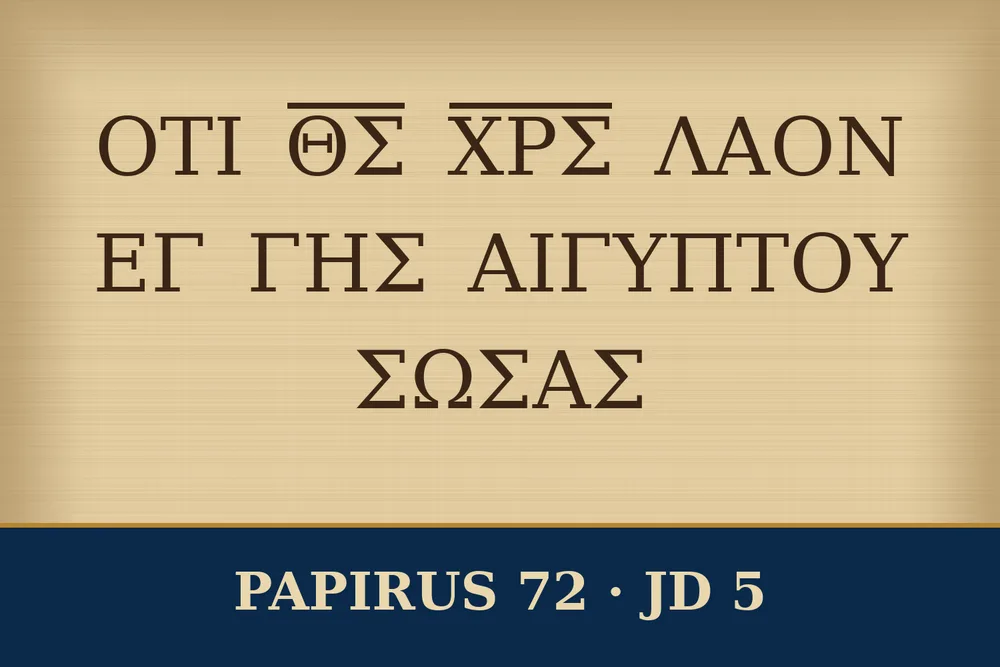
Every verse of the oldest copy of First and Second Peter and Jude, around the year 300, alongside today's Greek text and the Catholic translation of the Bible. Every difference is marked and explained.
Papyrus 72 is the oldest known copy of the First and Second Letter of Peter and the Letter of Jude. It was written in Egypt, around the year 300, by a Christian scribe who transcribed other texts into the same volume, for personal use or for his community. Today it is kept in two parts: the Epistles of Peter in the Vatican Apostolic Library, Jude in the Bodmer Foundation near Geneva.
Here, each verse of this papyrus is placed alongside today's Greek text, from which the epistles are translated today, and every difference is highlighted and explained.
- identical, letter for letter: 2,605 (80.6 %)
- same word, spelled differently: 365 (11.3 %)
- minor variations without change of meaning: 182 (5.6 %)
- slight nuance: 76 (2.4 %)
- different meaning: 4 (0.1 %)
Out of 3,232 words of today's text of the three epistles. In addition, the papyrus contains 65 words not found today; these are all explained alongside their respective verse. In 65 places the scribe personally corrected his own error.
How to read
Alongside each verse stands the Catholic translation of the Bible (World English Bible, Catholic Edition), followed by today's Greek text, and beneath it the papyrus, exactly as it was written: in capital letters, without accents. A horizontal line over a word denotes a sacred name: out of reverence, scribes wrote words such as God, Jesus, Christ, Lord, Spirit, and a few others in abbreviated form, with a bar above them. When you hover over a highlighted word, an explanation appears.
- ΑΓΕΙΟΣ same word, spelled differently (the scribe writes as it was pronounced)
- ΑΝΕΓΛΑΛΗΤΩ scribal slip or another form of the same word
- ΕΛΕΟΣ same word in a different position
- ΠΟΛΛΟΙΣ different word
- ἡμᾶς word not present in the papyrus
- ΕΣΤΙΝ word found only in the papyrus
Five passages worth knowing
Only in these five places does the papyrus read differently from today's text. In none of them is the faith of the Church altered; in four of them, the scribe refers to Christ as God or Lord even more explicitly.
First Letter of Peter
Chapter 1
Peter, an apostle of Jesus Christ, to the chosen ones who are living as foreigners in the Dispersion in Pontus, Galatia, Cappadocia, Asia, and Bithynia,
Πέτρος, ἀπόστολος Ἰησοῦ Χριστοῦ, ἐκλεκτοῖς παρεπιδήμοις διασπορᾶς Πόντου, Γαλατίας, Καππαδοκίας, Ἀσίας, καὶ Βιθυνίας,
ΠΕΤΡΟΣ ΑΠΟΣΤΟΛΟΣ ΙΥ ΧΡΥ ΕΚΛΕΚΤΟΙΣ ΠΑΡΕΠΕΙΔΗΜΟΙΣ ΔΙΑΣΠΟΡΑΣ ΠΟΝΤΟΥ ΓΑΛΑΤΕΙΑΣ ΚΑΠΑΔΟΚΕΙΑΣ ΑΣΕΙΑΣ ΚΑΙ ΒΙΘΥΝΙΑΣ
according to the foreknowledge of God the Father, in sanctification of the Spirit, that you may obey Jesus Christ and be sprinkled with his blood: Grace to you and peace be multiplied.
κατὰ πρόγνωσιν Θεοῦ Πατρός ἐν ἁγιασμῷ Πνεύματος, εἰς ὑπακοὴν καὶ ῥαντισμὸν αἵματος Ἰησοῦ Χριστοῦ: χάρις ὑμῖν καὶ εἰρήνη πληθυνθείη.
ΚΑΤΑ ΠΡΟΓΝΩΣΙΝ ΘΥ ΠΡΣ ΕΝ ΑΓΙΑΣΜΩ ΠΝΣ ΕΙΣ ΥΠΑΚΟΗΝ ΚΑΙ ΡΑΝΤΙΣΜΟΝ ΑΙΜΑΤΟΣ ΙΥ ΧΡΥ ΧΑΡΕΙΣ ΥΜΙΝ ΚΑΙ ΕΙΡΗΝΗ ΠΛΗΘΥΝΘΕΙΗ
Blessed be the God and Father of our Lord Jesus Christ, who according to his great mercy caused us to be born again to a living hope through the resurrection of Jesus Christ from the dead,
Εὐλογητὸς ὁ Θεὸς καὶ Πατὴρ τοῦ Κυρίου ἡμῶν, Ἰησοῦ Χριστοῦ, ὁ κατὰ τὸ1 πολὺ αὐτοῦ ἔλεος,1 ἀναγεννήσας ἡμᾶς2 εἰς ἐλπίδα ζῶσαν, διʼ ἀναστάσεως Ἰησοῦ Χριστοῦ ἐκ νεκρῶν,
ΕΥΛΟΓΗΤΟΣ Ο ΘΣ ΚΑΙ ΠΑΡ ΤΟΥ ΚΥ ΗΜΩΝ ΙΗΥ ΧΡΥ Ο ΚΑΤΑ ∅1 ΠΟΛΥ ΕΛΕΟΣ1 ΑΥΤΟΥ ∅1 ΑΝΑΓΕΝΝΗΣΑΣ ∅2 ΕΙΣ ΕΛΠΙΔΑΝ ΖΩΣΑΝ ΔΙ ΑΝΑΣΤΑΣΕΩΣ ΙΗΥ ΧΡΥ ΕΚ ΝΕΚΡΩΝ
- 1same meaning The words “by his great mercy” stand in a different order and without the article. Meaning is identical.
- 2slight nuance The papyrus lacks the word “us” (“who gave us new birth”). The sentence nevertheless makes clear whom God has regenerated.
to an incorruptible and undefiled inheritance that doesn’t fade away, reserved in Heaven for you,
εἰς κληρονομίαν ἄφθαρτον, καὶ ἀμίαντον, καὶ ἀμάραντον, τετηρημένην ἐν οὐρανοῖς εἰς ὑμᾶς,
ΕΙΣ ΚΛΗΡΟΝΟΜΙΑΝ ΑΦΘΑΡΤΟΝ ΚΑΙ ΑΜΙΑΝΤΟΝ ΚΑΙ ΑΜΑΡΑΝΤΟΝ ΤΕΤΗΡΗΜΕΝΗΝ ΕΝ ΟΥΡΑΝΟΙΣ ΕΙΣ ΗΜΑΣ
who by the power of God are guarded through faith for a salvation ready to be revealed in the last time.
τοὺς ἐν δυνάμει Θεοῦ1 φρουρουμένους διὰ πίστεως, εἰς σωτηρίαν ἑτοίμην ἀποκαλυφθῆναι ἐν καιρῷ ἐσχάτῳ.
ΤΟΥΣ ΕΝ ΔΥΜΙ ∅1 ΦΡΟΥΡΟΥΜΕΝΟΥΣ ΔΙΑ ΠΕΙΣΤΕΩΣ ΕΙΣ ΣΩΤΗΡΙΑΝ ΕΤΥΜΗΝ ΑΠΟΚΑΛΥΦΘΗΝΑΙ ΕΝ ΚΕΡΩ ΕΣΧΑΤΩ
- 1same meaning Today: “by the power of God”. Papyrus: simply “by power”, but the scribe wrote this word using the abbreviation reserved for sacred names, so for him too this Power signifies God himself.
In this you greatly rejoice, though now for a little while, if need be, you have been grieved in various trials,
Ἐν ᾧ ἀγαλλιᾶσθε ὀλίγον ἄρτι, εἰ δέον λυπηθέντες ἐν ποικίλοις πειρασμοῖς,
ΑΓΑΛΛΕΙΑΣΑΝΤΕΣ1 ΟΛΙΓΟΝ ΑΡΤΙ ΕΙ ΔΕΟΝ ΕΣΤΙΝ2 ΛΥΠΗΘΕΝΤΕΣ ΕΝ ΠΟΛΛΟΙΣ3 ΠΕΙΡΑΣΜΟΙΣ
- 1same meaning Today: “in this you rejoice”. Papyrus: “rejoicing”. A different verbal form, same meaning.
- 2same meaning The papyrus adds “is”: “if it is necessary”. Same meaning.
- 3slight nuance Today: “various trials”. Papyrus: “many trials”.
that the proof of your faith, which is more precious than gold that perishes, even though it is tested by fire, may be found to result in praise, glory, and honor at the revelation of Jesus Christ—
ἵνα τὸ δοκίμιον ὑμῶν τῆς πίστεως πολυτιμότερον χρυσίου τοῦ ἀπολλυμένου, διὰ πυρὸς δὲ2 δοκιμαζομένου, εὑρεθῇ εἰς ἔπαινον, καὶ δόξαν, καὶ τιμὴν, ἐν ἀποκαλύψει Ἰησοῦ Χριστοῦ.
ΕΙΝΑ ΤΟ ΔΟΚΕΙΜΟΝ1 ΤΗΣ ΠΕΙΣΤΕΩΣ ΥΜΩΝ1 ΠΟΛΥΤΕΙΜΟΤΕΡΟΝ ΧΡΥΣΕΙΟΥ ΤΟΥ ΑΠΟΛΛΥΜΕΝΟΥ ΚΑΙ2 ΔΙΑ ΠΥΡΟΣ ∅2 ΔΟΚΕΙΜΑΖΟΜΕΝΟΥ ΕΥΡΕΘΗ ΕΙΣ ΕΠΕΝΟΝ ΚΑΙ ΔΟΞΑΝ ΚΑΙ ΤΕΙΜΗΝ ΕΝ ΑΠΟΚΑΛΥΨΕΙ ΙΗΥ ΧΡΥ
- 1same meaning Today: “the genuineness of your faith”. Papyrus: another form of the same word (“that which is proven in your faith”) and “your” in a different position. Meaning is identical.
- 2same meaning Papyrus: “and tested by fire” instead of “though tested by fire”. Same meaning.
whom, not having known, you love. In him, though now you don’t see him, yet believing, you rejoice greatly with joy that is unspeakable and full of glory,
Ὃν οὐκ ἰδόντες ἀγαπᾶτε, εἰς ὃν ἄρτι μὴ ὁρῶντες πιστεύοντες δὲ, ἀγαλλιᾶσθε χαρᾷ ἀνεκλαλήτῳ καὶ δεδοξασμένῃ,
ΟΝ ΟΥΚ ΕΙΔΟΝΤΕΣ ΑΓΑΠΑΤΕ ΕΙΣ ΟΝ ΑΡΤΕΙ ΜΗ ΟΡΩΣΤΕΣ ΠΕΙΣΤΕΥΟΝΤΕΣ ΔΕ ΑΓΑΛΛΕΙΑΣΘΕ ΧΑΡΑ ΑΝΕΓΛΑΛΗΤΩ ΚΑΙ ΔΕΔΟΞΑΣΜΕΝΗ
- minor details Scribal slips or forms without change of meaning, underlined in yellow: 2
receiving the result of your faith, the salvation of your souls.
κομιζόμενοι τὸ τέλος τῆς πίστεως ὑμῶν, σωτηρίαν ψυχῶν.
ΚΟΜΕΙΖΟΜΕΝΟΙ ΤΟ ΤΕΛΟΣ ΤΗΣ ΠΙΣΤΕΩΣ ΥΜΩΝ ΣΩΤΗΡΙΑΝ ΨΥΧΩΝ
Concerning this salvation, the prophets sought and searched diligently. They prophesied of the grace that would come to you,
Περὶ ἧς σωτηρίας, ἐξεζήτησαν καὶ ἐξηραύνησαν προφῆται, οἱ περὶ τῆς εἰς ὑμᾶς χάριτος προφητεύσαντες,
ΠΕΡΕΙ ΗΣ ΣΩΤΗΡΙΑΣ ΕΞΕΖΗΤΗΣΑΝ ΚΑΙ ΕΞΗΡΑΥΝΗΣΑΝ ΠΡΟΦΗΤΑΙ Υ ΠΕΡΕΙ ΤΗΣ ΕΙΣ ΥΜΑΣ ΧΑΡΕΙΤΟΣ ΠΡΟΦΗΤΕΥΣΑΝΤΕΣ
searching for who or what kind of time the Spirit of Christ which was in them pointed to when he predicted the sufferings of Christ and the glories that would follow them.
ἐραυνῶντες εἰς τίνα ἢ ποῖον καιρὸν ἐδήλου τὸ ἐν αὐτοῖς Πνεῦμα Χριστοῦ, προμαρτυρόμενον τὰ εἰς Χριστὸν παθήματα, καὶ τὰς μετὰ ταῦτα δόξας.
ΕΡΑΥΝΩΤΕΣ ΕΙΣ ΤΙΝΑ Η ΠΟΙΟΝ ΚΕΡΟΝ ΕΔΗΛΟΥ ΤΟ ΕΝ ΑΥΤΟΙΣ ΠΝΑ ΧΡΥ ΠΡΟΜΑΡΤΥΡΟΥΜΕΝΟΝ ΤΑ ΕΙΣ ΧΡΝ ΠΑΘΗΜΑΤΑ ΚΑΙ ΤΑΣ ΜΕΤΑ ΤΑΥΤΑΣ ΔΟΞΑΣ
- minor details Scribal slips or forms without change of meaning, underlined in yellow: 3
To them it was revealed that they served not themselves, but you, in these things, which now have been announced to you through those who preached the Good News to you by the Holy Spirit sent out from heaven; which things angels desire to look into.
Οἷς ἀπεκαλύφθη ὅτι οὐχ ἑαυτοῖς, ὑμῖν δὲ διηκόνουν αὐτά, ἃ νῦν ἀνηγγέλη ὑμῖν, διὰ τῶν εὐαγγελισαμένων ὑμᾶς Πνεύματι Ἁγίῳ, ἀποσταλέντι ἀπʼ οὐρανοῦ, εἰς ἃ ἐπιθυμοῦσιν ἄγγελοι παρακύψαι.
ΟΙΣ ΑΠΕΚΑΛΥΦΘΗ ΟΤΙ ΟΥΚ ΕΑΥΤΟΙΣ ΥΜΕΙΝ ΔΕ ΔΙΗΚΟΝΟΥΝ ΑΥΤΑ Α ΝΥΝ ΑΝΗΓΓΕΛΗ ΥΜΕΙΝ ΔΙΑ ΤΩΝ ΕΥΑΓΓΕΛΕΙΣΑΜΕΝΩΝ ΥΜΕΙΝ ΠΝΑΙ ΑΓΕΙΩ ΑΠΟΣΤΑΛΕΝΤΙ ΑΠ ΟΥΡΑΝΟΥ ΕΙΣ Α ΕΠΕΙΘΥΜΟΥΣΙΝ ΑΓΓΕΛΟΙ ΠΑΡΑΚΥΨΑΙ
- minor details Scribal slips or forms without change of meaning, underlined in yellow: 2
Therefore prepare your minds for action. Be sober, and set your hope fully on the grace that will be brought to you at the revelation of Jesus Christ—
Διὸ ἀναζωσάμενοι τὰς ὀσφύας τῆς διανοίας ὑμῶν, νήφοντες, τελείως ἐλπίσατε ἐπὶ τὴν φερομένην ὑμῖν χάριν ἐν ἀποκαλύψει Ἰησοῦ Χριστοῦ.
ΔΙΟ ΑΝΑΖΩΣΑΜΕΝΟΙ ΤΑΣ ΟΣΦΥΑΣ ΤΗΣ ΔΙΑΝΟΙΑΣ ΥΜΩΝ ΝΗΦΟΝΤΕΣ ΤΕΛΕΙΩΣ ΕΛΠΕΙΣΑΤΕ ΕΠΕΙ ΤΗΝ ΦΕΡΟΜΕΝΗΝ ΥΜΙΝ ΧΑΡΕΙΝ ΕΝ ΑΠΟΚΑΛΥΨΕΙ ΙΗΥ ΧΡΥ
as children of obedience, not conforming yourselves according to your former lusts as in your ignorance,
Ὡς τέκνα ὑπακοῆς, μὴ συσχηματιζόμενοι ταῖς πρότερον ἐν τῇ1 ἀγνοίᾳ ὑμῶν ἐπιθυμίαις,
ΩΣ ΤΕΚΝΑ ΥΠΑΚΟΗΣ ΜΗ ΣΥΝΣΧΗΜΑΤΙΖΟΜΕΝΟΙ ΤΕΣ ΠΡΟΤΕΡΟΝ ∅1 ΑΓΝΟΙΑ ΥΜΩΝ ΕΠΕΙΘΥΜΕΙΑΙΣ
- 1same meaning Today: “to the desires you formerly had in ignorance”. Papyrus: “to the former desires of your ignorance”. Same meaning.
but just as he who called you is holy, you yourselves also be holy in all of your behavior,
ἀλλὰ κατὰ τὸν καλέσαντα ὑμᾶς ἅγιον, καὶ αὐτοὶ ἅγιοι ἐν πάσῃ ἀναστροφῇ γενήθητε,
ΑΛΛΑ ΚΑΤΑ ΤΟΝ ΚΑΛΕΣΑΝΤΑ ΥΜΑΣ ΑΓΙΟΝ ΚΑΙ ΑΥΤΟΙ ΑΓΕΙΟΙ ΕΝ ΠΑΣΕΙ ΑΝΑΣΤΡΟΦΗ ΓΕΝΗΘΗΤΕ
because it is written, “You shall be holy, for I am holy.”
διότι γέγραπται, “Ἅγιοι ἔσεσθε, ὅτι ἐγὼ ἅγιος.”
ΔΙΟΤΙ ΓΕΓΡΑΠΤΑΙ ΑΓΕΙΟΙ ΕΣΕΣΘΕ ΔΙΟΤΙ1 ΕΓΩ ΑΓΕΙΟΣ ΕΙΜΕΙ2
- 1same meaning Both words mean “for”.
- 2same meaning The papyrus adds “I am”: “for I am holy”. Same meaning.
If you call on him as Father, who without respect of persons judges according to each man’s work, pass the time of your living as foreigners here in reverent fear,
Καὶ εἰ Πατέρα ἐπικαλεῖσθε, τὸν ἀπροσωπολήμπτως κρίνοντα κατὰ τὸ ἑκάστου ἔργον, ἐν φόβῳ τὸν τῆς παροικίας ὑμῶν χρόνον ἀναστράφητε·
ΚΕ ΕΙ ΠΤΡΑ ΚΑΛΕΙΤΕ1 ΤΟΝ ΑΠΡΟΣΩΠΟΛΗΜΤΩΣ ΚΡΕΙΝΟΝΤΑ ΚΑΤΑ ΤΟ ΕΚΑΣΤΟΥ ΕΡΓΟΝ ΕΝ ΦΟΒΩ ΟΥΝ2 ΤΟΝ ΤΗΣ ΠΑΡΥΚΕΙΑΣ ΥΜΩΝ ΧΡΟΝΟΝ ΑΝΑΣΤΡΑΦΗΤΕ
- 1same meaning Today: “if you invoke as Father”. Papyrus: “if you call upon the Father”, writing “Father” with the abbreviation of a sacred name. Same meaning.
- 2same meaning The papyrus adds “therefore”. Same meaning.
- minor details Scribal slips or forms without change of meaning, underlined in yellow: 1
knowing that you were redeemed, not with corruptible things like silver or gold, from the useless way of life handed down from your fathers,
εἰδότες ὅτι οὐ φθαρτοῖς, ἀργυρίῳ ἢ χρυσίῳ, ἐλυτρώθητε ἐκ τῆς ματαίας ὑμῶν ἀναστροφῆς πατροπαραδότου,
ΕΙΔΟΤΕΣ ΟΤΙ ΟΥ ΦΑΡΤΟΙΣ ΑΡΓΥΡΙΩ Η ΧΡΥΣΕΙΩ ΕΛΥΤΡΩΘΗΤΕ ΕΚ ΤΗΣ ΜΑΤΕΑΣ ΥΜΩΝ ΑΝΑΣΤΡΟΦΗΣ ΠΑΤΡΟΠΑΡΑΔΟΤΟΥ
- minor details Scribal slips or forms without change of meaning, underlined in yellow: 1
but with precious blood, as of a lamb without blemish or spot, the blood of Christ,
ἀλλὰ τιμίῳ αἵματι, ὡς ἀμνοῦ ἀμώμου καὶ ἀσπίλου Χριστοῦ,
ΑΛΛΑ ΤΕΙΜΕΙΩ ΑΙΜΑΤΕΙ ΩΣ ΑΜΝΟΥ ΑΜΩΜΟΥ ΚΑΙ ΑΣΠΕΙΛΟΥ ΧΡΥ
who was foreknown indeed before the foundation of the world, but was revealed in this last age for your sake,
προεγνωσμένου μὲν πρὸ καταβολῆς κόσμου, φανερωθέντος δὲ ἐπʼ ἐσχάτου τῶν χρόνων διʼ ὑμᾶς,
ΠΡΟΕΓΝΩΣΑΜΕΝΟΥ ΜΕΝ ΠΡΟ ΚΑΤΑΒΟΛΗΣ ΚΟΣΜΟΥ ΦΑΝΕΡΩΘΕΝΤΟΣ ΔΕ ΕΠ ΕΣΧΑΤΩΝ1 ΧΡΟΝΩΝ ΔΙ ΥΜΑΣ
- 1same meaning Today: “at the end of the times”. Papyrus: “in the last times”, as Šarić also translates. Same meaning.
- minor details Scribal slips or forms without change of meaning, underlined in yellow: 1
who through him are believers in God, who raised him from the dead and gave him glory, so that your faith and hope might be in God.
τοὺς διʼ αὐτοῦ πιστοὺς εἰς Θεὸν, τὸν ἐγείραντα αὐτὸν ἐκ νεκρῶν, καὶ δόξαν αὐτῷ δόντα, ὥστε τὴν πίστιν ὑμῶν καὶ ἐλπίδα, εἶναι εἰς Θεόν.
ΤΟΥΣ ΔΙ ΑΥΤΟΥ ΠΕΙΣΤΕΥΟΝΤΑΣ1 ΕΙΣ ΘΝ ΤΟΝ ΕΓΕΙΡΑΝΤΑ ΑΥΤΟΝ ΕΚ ΝΕΚΡΩΝ ΚΑΙ ΔΟΞΑΝ ΑΥΤΩ ΔΟΝΤΑ ΩΣΤΕ ΤΗΝ ΠΕΙΣΤΕΙΝ ΥΜΩΝ ΚΑΙ ΤΗΝ2 ΕΛΠΙΔΑ ΕΙΝΑΙ ΕΙΣ ΘΝ
- 1same meaning Today: “faithful to God”. Papyrus: “who believe in God”, as Šarić also translates. Same meaning.
- 2same meaning The papyrus adds an article before “hope”. The translation does not show this difference.
Seeing you have purified your souls in your obedience to the truth through the Spirit in sincere brotherly affection, love one another from the heart fervently,
Τὰς ψυχὰς ὑμῶν1 ἡγνικότες ἐν τῇ ὑπακοῇ τῆς ἀληθείας εἰς φιλαδελφίαν ἀνυπόκριτον ἐκ καρδίας, ἀλλήλους ἀγαπήσατε ἐκτενῶς.
ΤΑΣ ΨΥΧΑΣ ∅1 ΗΓΝΙΚΟΤΕΣ ΕΝ ΤΗ ΥΠΑΚΟΗ ΤΗΣ ΑΛΗΘΙΑΣ ΕΙΣ ΦΙΛΑΔΕΛΦΙΑΝ ΑΝΥΠΟΚΡΙΤΟΝ ΕΚ ΚΑΘΑΡΑΣ2 ΚΑΡΔΙΑΣ ΑΛΛΗΛΟΥΣ ΑΓΑΠΗΣΑΤΕ ΕΚΤΕΝΩΣ
- 1same meaning The papyrus lacks “your” (“your souls”). The scribe initially wrote the word, then erased it himself. Same meaning.
- 2same meaning Papyrus: “from a pure heart”. So Šarić also reads; some modern editions do not have the word “pure”. Meaning is identical.
having been born again, not of corruptible seed, but of incorruptible, through the word of God, which lives and remains forever.
Ἀναγεγεννημένοι, οὐκ ἐκ2 σπορᾶς φθαρτῆς, ἀλλὰ ἀφθάρτου, διὰ λόγου ζῶντος Θεοῦ, καὶ μένοντος.
ΩΣ1 ΑΝΑΓΕΓΕΝΝΗΜΕΝΟΙ ΟΥΚ ∅2 ΣΠΟΡΑΣ ΦΘΑΡΤΗΣ ΑΛΛΑ ΑΦΘΑΡΤΟΥ ΔΙΑ ΛΟΓΟΥ ΖΩΝΤΟΣ ΘΥ ΚΑΙ ΜΕΝΟΝΤΟΣ
- 1same meaning The papyrus adds “as”: “as born anew”. Same meaning.
- 2same meaning The papyrus lacks the preposition “of” before “seed”. Same meaning.
For, “All flesh is like grass, and all of man’s glory like the flower in the grass. The grass withers, and its flower falls;
Διότι, “Πᾶσα σὰρξ ὡς χόρτος, καὶ πᾶσα δόξα αὐτῆς ὡς ἄνθος χόρτου.”2 “Ἐξηράνθη ὁ χόρτος, καὶ τὸ ἄνθος ἐξέπεσεν,
ΟΤΙ1 ΠΑΣΑ ΣΑΡΞ ΩΣ ΧΟΡΤΟΣ ΚΑΙ ΠΑΣΑ ΔΟΞΑ ΑΥΤΗΣ ΩΣ ΑΝΘΟΣ ∅2 ΕΞΗΡΑΝΘΗ Ο ΧΟΡΤΟΣ ΚΑΙ ΤΟ ΑΝΘΟΣ ΕΞΕΠΕΣΕΝ
- 1same meaning “For” with a different word of identical meaning.
- 2same meaning Today: “like the flower of grass”. Papyrus: simply “like a flower”. Meaning is identical.
but the Lord’s word endures forever.” This is the word of Good News which was preached to you.
τὸ δὲ ῥῆμα Κυρίου μένει εἰς τὸν αἰῶνα.” Τοῦτο δέ ἐστιν τὸ ῥῆμα τὸ εὐαγγελισθὲν εἰς ὑμᾶς.
ΤΟ ΔΕ ΡΗΜΑ ΚΥ ΜΕΝΕΙ ΕΙΣ ΤΟΝ ΕΩΝΑ ΤΟΥΤΟ ΔΕ ΕΣΤΙΝ ΤΟ ΡΗΜΑ ΤΟ ∅ ΕΙΣ ΥΜΑΣ ΕΥΑΓΓΕΛΕΙΣΘΕΝ
Chapter 2
Putting away therefore all wickedness, all deceit, hypocrisies, envies, and all evil speaking,
Ἀποθέμενοι οὖν πᾶσαν κακίαν, καὶ πάντα δόλον, καὶ ὑποκρίσεις, καὶ φθόνους, καὶ πάσας καταλαλιάς,
ΑΠΟΘΕΜΕΝΟΙ ΟΥΝ ΠΑΣΑΝ ΚΑΚΕΙΑΝ ΚΑΙ ΠΑΝ1 ΔΟΛΟΝ ΚΑΙ ΥΠΟΚΡΕΙΣΕΙΣ ΚΑΙ ΦΘΟΝΟΥΣ ΚΑΙ ΠΑΣΑΣ ΚΑΤΑΛΑΛΕΙΑΣ
- 1same meaning Today: “all guile”. Papyrus: “every guile”. Same meaning.
as newborn babies, long for the pure spiritual milk, that with it you may grow,
ὡς ἀρτιγέννητα βρέφη τὸ λογικὸν ἄδολον γάλα ἐπιποθήσατε, ἵνα ἐν αὐτῷ αὐξηθῆτε εἰς σωτηρίαν,
ΩΣ ΑΡΤΙΓΕΝΝΗΤΑ ΒΡΕΦΗ ΤΟ ΛΟΓΙΚΟΝ ΑΔΟΛΟΝ ΓΑΛΑ ΕΠΕΙΠΟΘΗΣΑΤΕ ΕΙΝΑ ΕΝ ΑΥΤΩ ΑΥΞΗΘΗΤΕ ΕΙ ΣΩΤΗΡΙΑΝ
- minor details Scribal slips or forms without change of meaning, underlined in yellow: 1
if indeed you have tasted that the Lord is gracious.
εἰ ἐγεύσασθε ὅτι χρηστὸς ὁ Κύριος.
ΕΙ ΕΓΕΥΣΑΣΘΑΙ ΕΠΕΙΣΤΕΥΣΑΤΕ1 ΟΤΙ ΧΡΣ1 Ο ΚΣ
- 1different meaning One of the most famous passages in the papyrus. Today: “if you have tasted that the Lord is good”. Papyrus: “if you have tasted, you have believed that Christ is Lord”. Greek “good” (chrestós) and “Christ” (Christós) were pronounced almost identically; the scribe wrote the abbreviation of the sacred name for Christ and added “you have believed”.
Come to him, a living stone, rejected indeed by men, but chosen by God, precious.
Πρὸς ὃν προσερχόμενοι λίθον ζῶντα, ὑπὸ ἀνθρώπων μὲν ἀποδεδοκιμασμένον, παρὰ δὲ Θεῷ ἐκλεκτὸν, ἔντιμον,
ΠΡΟΣ ΟΝ ΠΡΟΣΕΡΧΟΜΕΝΟΙ ΛΙΘΟΝ ΖΩΝΤΑ ΥΠΟ ΑΝΘΡΩΠΩΝ ΜΕΝ ΑΠΟΔΕΔΟΚΕΙΜΑΣΜΕΝΟΝ ΠΑΡΑ ΔΕ ΘΕΩ ΕΚΓΛΕΚΤΟΝ ΕΝΤΙΜΟΝ
- minor details Scribal slips or forms without change of meaning, underlined in yellow: 1
You also as living stones are built up as a spiritual house, to be a holy priesthood, to offer up spiritual sacrifices, acceptable to God through Jesus Christ.
καὶ αὐτοὶ ὡς λίθοι ζῶντες οἰκοδομεῖσθε, οἶκος πνευματικὸς, εἰς ἱεράτευμα ἅγιον ἀνενέγκαι πνευματικὰς θυσίας1 εὐπροσδέκτους Θεῷ διὰ Ἰησοῦ Χριστοῦ.
ΚΑΙ ΑΥΤΟΙ ΩΣ ΛΙΘΟΙ ΖΩΝΤΕΣ ΟΙΚΟΔΟΜΕΙΣΘΕ ΟΙΚΟΣ ΠΝΑΤΙΚΟΣ ΕΙΣ ΕΙΕΡΑΤΕΥΜΑ ΑΓΙΟΝ ΑΝΕΝΕΚΚΑΙ ΠΝΑΤΙΚΑΣ ∅1 ΕΥΠΡΟΣΔΕΚΤΟΥΣ ΤΩ1 ΘΩ ΔΙΑ ΙΗΥ ΧΡΥ
- 1slight nuance The papyrus lacks the word “sacrifices”: “to offer spiritual, acceptable to God”. The word was dropped during copying, but the sense remains clear.
- minor details Scribal slips or forms without change of meaning, underlined in yellow: 1
Because it is contained in Scripture, “Behold, I lay in Zion a chief cornerstone, chosen and precious. He who believes in him will not be disappointed.”
Διότι περιέχει ἐν Γραφῇ: “Ἰδοὺ, τίθημι ἐν Σιὼν λίθον, ἀκρογωνιαῖον ἐκλεκτὸν ἔντιμον, καὶ ὁ πιστεύων ἐπʼ αὐτῷ, οὐ μὴ καταισχυνθῇ.”
ΔΙΟΤΙ ΠΕΡΙΕΧΕΙ ΕΝ ΓΡΑΦΗ ΕΙΔΟΥ ΤΙΘΗΜΕΙ ΕΝ ΣΙΩΝ ΛΙΘΟΝ ΑΚΡΟΓΩΝΕΙΕΟΝ ΕΓΛΕΚΤΟΝ ΕΝΤΙΜΟΝ ΚΑΙ Ο ΠΕΙΣΤΕΥΩΝ ΕΠ ΑΥΤΩ ΟΥ ΜΗ ΚΑΤΕΣΧΥΘΗ
- minor details Scribal slips or forms without change of meaning, underlined in yellow: 2
For you who believe therefore is the honor, but for those who are disobedient, “The stone which the builders rejected has become the chief cornerstone,”
Ὑμῖν οὖν ἡ τιμὴ, τοῖς πιστεύουσιν· ἀπιστοῦσιν δὲ, “Λίθος ὃν ἀπεδοκίμασαν οἱ οἰκοδομοῦντες, οὗτος ἐγενήθη εἰς κεφαλὴν γωνίας”,
ΟΙΜΕΙΝ ΟΥΝ Η ΤΙΜΗ ΤΟΙΣ ΠΕΙΣΤΕΥΟΥΣΙΝ ΑΠΕΙΣΤΟΥΣΕΙ ΔΕ ΛΕΙΘΟΣ ΟΝ ΑΠΕΔΟΚΕΙΜΑΣΑΝ ΟΙ ΟΙΚΟΔΟΜΟΥΝΤΕΣ ΟΥΤΟΣ ΕΓΕΝΗΘΗ ΕΙΣ ΚΕΦΑΛΗΝ ΓΩΝΙΑΣ
and, “a stumbling stone and a rock of offense.” For they stumble at the word, being disobedient, to which also they were appointed.
καὶ, “Λίθος προσκόμματος, καὶ πέτρα σκανδάλου”· οἳ προσκόπτουσιν τῷ λόγῳ ἀπειθοῦντες, εἰς ὃ καὶ ἐτέθησαν.
ΚΑΙ ΛΙΘΟΣ ΠΡΟΣΚΟΜΑΤΟΣ ΚΑΙ ΠΕΤΡΑΝ ΣΚΑΝΔΑΛΟΥ ΟΙ ΠΡΟΣΚΟΠΤΟΥΣΙΝ ΤΩ ΛΟΓΩ ΑΠΕΙΘΟΥΝΤΕΣ ΕΙΣ Ο ΚΑΙ ΕΤΕΘΗΣΑΝ
But you are a chosen race, a royal priesthood, a holy nation, a people for God’s own possession, that you may proclaim the excellence of him who called you out of darkness into his marvelous light.
Ὑμεῖς δὲ “γένος ἐκλεκτόν”, “βασίλειον ἱεράτευμα, ἔθνος ἅγιον, λαὸς εἰς περιποίησιν”, ὅπως τὰς ἀρετὰς ἐξαγγείλητε, τοῦ ἐκ σκότους ὑμᾶς καλέσαντος, εἰς τὸ θαυμαστὸν αὐτοῦ1 φῶς·
ΥΜΕΙΣ ΔΕ ΓΕΝΟΣ ΕΓΛΕΚΤΟΝ ΒΑΣΙΛΕΙΟΝ ΕΙΕΡΑΤΕΥΜΑ ΕΘΝΟΣ ΑΓΙΟΝ ΛΑΟΣ ΕΙΣ ΠΕΡΕΙΠΟΙΗΣΕΙΝ ΟΠΩΣ ΤΑΣ ΑΡΕΤΑΣ ΕΞΑΝΓΕΙΛΗΤΕ ΤΟΥ ΕΚ ΣΚΟΤΟΥΣ ΥΜΑΣ ΚΑΛΕΣΑΝΤΟΣ ΕΙΣ ΤΟ ΘΑΥΜΑΣΤΟΝ ∅1 ΦΩΣ
- 1same meaning The papyrus lacks “his” (“into his light”). Same meaning.
- minor details Scribal slips or forms without change of meaning, underlined in yellow: 2
In the past, you were not a people, but now are God’s people, who had not obtained mercy, but now have obtained mercy.
οἵ ποτε “οὐ λαὸς, νῦν δὲ λαὸς Θεοῦ, οἱ οὐκ ἠλεημένοι, νῦν δὲ ἐλεηθέντες”.
ΟΙ ΠΟΤΕ ΟΥ ΛΑΟΣ ΝΥΝ ΔΕ ΛΑΟΣ ΘΥ ΟΙ ΟΥΚ ΗΛΕΗΜΕΝΟΙ ΝΥΝ ΔΕ ΕΛΕΗΘΕΝΤΕΣ
Beloved, I beg you as foreigners and pilgrims to abstain from fleshly lusts which war against the soul,
Ἀγαπητοί, παρακαλῶ ὡς παροίκους καὶ παρεπιδήμους, ἀπέχεσθαι τῶν σαρκικῶν ἐπιθυμιῶν, αἵτινες στρατεύονται κατὰ τῆς ψυχῆς·
ΑΓΑΠΗΤΟΙ ΠΑΡΑΚΑΛΩ ΩΣ ΠΑΡΥΚΟΥΣ ΚΑΙ ΠΑΡΕΠΕΙΔΗΜΟΥΣ ΑΠΕΧΕΣΘΕ ΤΩΝ ΣΑΡΚΙΚΩΝ ΕΠΕΙΘΥΜΙΩΝ ΑΙΤΙΝΕΣ ΣΤΡΑΤΕΥΟΝΤΑΙ ΚΑΤΑ ΤΗΣ ΨΥΧΗΣ
having good behavior among the nations, so in that of which they speak against you as evildoers, they may see your good works and glorify God in the day of visitation.
τὴν ἀναστροφὴν ὑμῶν ἐν τοῖς ἔθνεσιν ἔχοντες καλήν, ἵνα ἐν ᾧ καταλαλοῦσιν ὑμῶν ὡς κακοποιῶν, ἐκ τῶν καλῶν ἔργων ἐποπτεύοντες, δοξάσωσι τὸν Θεὸν ἐν ἡμέρᾳ ἐπισκοπῆς.
ΤΗΝ ΑΝΑΣΤΡΟΦΗΝ ΥΜΩΝ ΕΝ ΤΟΙΣ ΕΘΝΕΣΙΝ ΚΑΛΗΝ ΕΧΟΝΤΕΣ ∅ ΕΙΝΑ ΕΝ Ω ΚΑΤΑΛΑΛΟΥΣΕΙΝ ΥΜΩΝ ΩΣ ΚΑΚΟΠΟΙΩΝ ΕΚ ΤΩΝ ΚΑΛΩΝ ΕΡΓΩΝ ΕΠΟΠΤΕΥΟΝΤΕΣ ΔΟΞΑΣΩΣΙΝ ΥΜΩΝ1 ΤΟΝ ΘΝ ΕΝ ΗΜΕΡΑ ΕΠΕΙΣΚΟΠΗΣ
- 1same meaning Papyrus: “glorify your God” instead of “glorify God”. Same meaning.
Therefore subject yourselves to every ordinance of man for the Lord’s sake: whether to the king, as supreme,
Ὑποτάγητε πάσῃ ἀνθρωπίνῃ κτίσει διὰ τὸν Κύριον· εἴτε βασιλεῖ ὡς ὑπερέχοντι,
ΥΠΟΤΑΓΗΤΕ ΠΑΣΗ ΑΝΘΡΩΠΕΙΝ ΚΤΕΙΣΕΙ ΔΙΑ ΤΟΝ ΚΝ ΕΙΤΕ ΒΑΣΙΛΙ ΩΣ ΥΠΕΡΕΧΟΝΤΙ
- minor details Scribal slips or forms without change of meaning, underlined in yellow: 1
or to governors, as sent by him for vengeance on evildoers and for praise to those who do well.
εἴτε ἡγεμόσιν ὡς διʼ αὐτοῦ πεμπομένοις, εἰς ἐκδίκησιν κακοποιῶν, ἔπαινον δὲ ἀγαθοποιῶν.
ΕΙΤΕ ΗΓΕΜΟΣΙΝ ΩΣ ΔΙ ΑΥΤΟΥ ΠΕΜΠΟΜΕΝΟΙΣ ΕΙΣ ΕΚΔΙΚΗΣΙΝ ΚΑΚΟΠΟΙΩΝ ΕΠΕΝΟΝ ΔΕ ΑΓΑΘΟΠΟΙΩΝ
For this is the will of God, that by well-doing you should put to silence the ignorance of foolish men.
Ὅτι οὕτως ἐστὶν τὸ θέλημα τοῦ Θεοῦ, ἀγαθοποιοῦντας φιμοῦν τὴν τῶν ἀφρόνων ἀνθρώπων ἀγνωσίαν·
ΟΤΙ ΟΥΤΩΣ ΕΣΤΙΝ ΤΟ ΘΕΛΗΜΑ ΤΟΥ ΘΥ ΑΓΑΘΟΠΟΙΟΥΝΤΑΣ ΦΕΙΜΟΙΝ ΤΗΝ ΤΩΝ ΑΦΡΟΝΩΝ ΑΝΘΡΩΠΩΝ ΑΓΝΟΙΑΝ
- minor details Scribal slips or forms without change of meaning, underlined in yellow: 2
Live as free people, yet not using your freedom for a cloak of wickedness, but as bondservants of God.
ὡς ἐλεύθεροι, καὶ μὴ ὡς ἐπικάλυμμα ἔχοντες τῆς κακίας τὴν ἐλευθερίαν, ἀλλʼ ὡς Θεοῦ δοῦλοι.
ΩΣ ΕΛΕΥΘΕΡΟΙ ΚΑΙ ΜΗ ΩΣ ΕΠΕΙΚΑΛΥΜΜΑ ΕΧΟΝΤΕΣ ΤΗΣ ΚΑΚΕΙΑΣ ΤΗΝ ΕΛΕΥΘΕΡΙΑΝ ΑΛΛΑ ΩΣ ΘΥ ΔΟΥΛΟΙ
- minor details Scribal slips or forms without change of meaning, underlined in yellow: 1
Honor all men. Love the brotherhood. Fear God. Honor the king.
Πάντας τιμήσατε, τὴν ἀδελφότητα ἀγαπᾶτε, τὸν Θεὸν φοβεῖσθε, τὸν βασιλέα τιμᾶτε.
ΠΑΝΤΑΣ ΤΕΙΜΗΣΑΤΕ ΤΗΝ ΑΔΕΛΦΟΤΗ ΤΑ ΑΓΑΠΑΤΕ ΤΟΝ ΔΕ1 ΘΝ ΦΟΒΙΣΘΕ ΤΟΝ ΒΑΣΕΙΛΕΑ ΤΕΙΜΑΤΕ
- 1same meaning The papyrus adds “but”: “but fear God”. Same meaning.
- minor details Scribal slips or forms without change of meaning, underlined in yellow: 1
Servants, be in subjection to your masters with all respect, not only to the good and gentle, but also to the wicked.
Οἱ οἰκέται, ὑποτασσόμενοι ἐν παντὶ φόβῳ τοῖς δεσπόταις, οὐ μόνον τοῖς ἀγαθοῖς καὶ ἐπιεικέσιν, ἀλλὰ καὶ1 τοῖς σκολιοῖς.
ΟΙ ΟΙΚΕΤΕ ΥΠΟΤΑΣΣΟΜΕΝΟΙ ΕΝ ΠΑΝΤΙ ΦΟΒΩ ΤΟΙΣ ΔΕΣΠΟΤΕΣ ΟΥ ΜΟΝΟΝ ΤΟΙΣ ΑΓΑΘΟΙΣ ΚΑΙ ΕΠΕΙΕΙΚΕΣΙ ΑΛΛΑ ∅1 ΤΟΙΣ ΣΚΟΛΕΙΟΙΣ
- 1same meaning The papyrus lacks “also” in “but also to the harsh”. Same meaning.
For it is commendable if someone endures pain, suffering unjustly, because of conscience toward God.
Τοῦτο γὰρ χάρις, εἰ διὰ συνείδησιν Θεοῦ, ὑποφέρει τις λύπας πάσχων ἀδίκως.
ΤΟΥΤΟ ΓΑΡ ΧΑΡΕΙΣ ΕΙ ΔΕΙΑ ΣΥΝΕΙΔΗΣΕΙΝ ΑΓΑΘΗΝ1 ΘΥ ΥΠΟΦΕΡΕΙ ΤΕΙΣ ΛΥΠΑΣ ΠΑΣΧΩΝ ΑΔΙΚΩΣ
- 1slight nuance Today: “mindful of God”. Papyrus: “because of a good conscience before God”, just as Peter writes in 3:16 and 3:21.
For what glory is it if, when you sin, you patiently endure beating? But if when you do well, you patiently endure suffering, this is commendable with God.
Ποῖον γὰρ κλέος, εἰ ἁμαρτάνοντες καὶ κολαφιζόμενοι ὑπομενεῖτε; Ἀλλʼ εἰ ἀγαθοποιοῦντες καὶ πάσχοντες ὑπομενεῖτε, τοῦτο χάρις παρὰ Θεῷ.
ΠΟΙΟΝ ΓΑΡ ΚΛΕΟΣ ΕΙ ΑΜΑΡΤΑΝΝΟΝΤΕΣ ΚΟΛΑΖΟΜΕΝΟΙ ΥΠΟΜΕΝΕΤΕ1 ΑΛΛ ΕΙ ΑΓΑΘΟΠΟΙΟΥΝΤΕΣ ΚΑΙ ΠΑΣΧΟΝΤΕΣ ΥΠΟΜΕΝΕΤΕ ΤΟΥΤΟ ΧΑΡΕΙΣ ΠΑΡΑ ΘΩ
- 1slight nuance Today: “if when you do wrong and are beaten”. Papyrus: “if you sin and endure punishment”.
- minor details Scribal slips or forms without change of meaning, underlined in yellow: 1
For you were called to this, because Christ also suffered for us, leaving you an example, that you should follow his steps,
Εἰς τοῦτο γὰρ ἐκλήθητε, ὅτι καὶ Χριστὸς ἔπαθεν ὑπὲρ ὑμῶν, ὑμῖν ὑπολιμπάνων ὑπογραμμὸν, ἵνα ἐπακολουθήσητε τοῖς ἴχνεσιν αὐτοῦ·
ΕΙΣ ΤΟΥΤΟ ΓΑΡ ΚΑΙ1 ΕΚΛΗΘΗΤΕ ΟΤΙ ΚΑΙ ΧΡΣ ΕΠΑΘΕΝ ΠΕΡΕΙ ΥΜΩΝ ΥΜΕΙΝ ΑΠΟΛΕΙΜΠΑΝΩΝ ΥΠΟΓΡΑΜΜΟΝ ΕΙΝΑ ΕΠΑΚΟΛΟΥΘΗΣΗΤΕ ΤΟΙΣ ΕΙΧΝΕΣΕΙΝ ΑΥΤΟΥ
- 1same meaning The papyrus adds “also”: “for to this you have also been called”. Same meaning.
- minor details Scribal slips or forms without change of meaning, underlined in yellow: 2
who didn’t sin, “neither was deceit found in his mouth.”
“ὃς ἁμαρτίαν οὐκ ἐποίησεν, οὐδὲ εὑρέθη δόλος ἐν τῷ στόματι αὐτοῦ”·
ΟΣ ΑΜΑΡΤΙΑΝ ΟΥΚ ΕΠΟΙΗΣΕΝ ΟΥΔΕ ΕΥΡΕΘΗ ΔΟΛΟΣ ΕΝ ΤΩ ΣΤΟΜΑΤΙ ΑΥΤΟΥ
When he was cursed, he didn’t curse back. When he suffered, he didn’t threaten, but committed himself to him who judges righteously.
ὃς λοιδορούμενος, οὐκ ἀντελοιδόρει, πάσχων, οὐκ ἠπείλει, παρεδίδου δὲ1 τῷ κρίνοντι δικαίως·
ΟΣ ΛΟΙΔΟΡΟΥΜΕΝΟΣ ΟΥΚ ΑΝΤΕΛΟΙΔΟΡΕΙ ΠΑΣΧΩΝ ΟΥΚ ΗΠΗΛΕΙ ΠΑΡΕΔΙΔΟΥ ∅1 ΤΩ ΚΡΕΙΝΟΝΤΙ ΔΙΚΕΩΣ
- 1same meaning The papyrus lacks the conjunction “but”. Same meaning.
He himself bore our sins in his body on the tree, that we, having died to sins, might live to righteousness. You were healed by his wounds.
ὃς τὰς ἁμαρτίας ἡμῶν αὐτὸς ἀνήνεγκεν ἐν τῷ σώματι αὐτοῦ ἐπὶ τὸ ξύλον, ἵνα ταῖς ἁμαρτίαις ἀπογενόμενοι, τῇ δικαιοσύνῃ ζήσωμεν· οὗ τῷ μώλωπι ἰάθητε.
ΟΣ ΤΑΣ ΑΜΑΡΤΙΑΣ ΥΜΩΝ ΑΥΤΟΣ ΑΝΗΝΕΚΚΕΝ ΕΝ ΤΩ ΣΩΜΑΤΙ ΑΥΤΟΥ ΕΠΕΙ ΤΟ ΞΥΛΟΝ ΙΝΑ ΤΑΙΣ ΑΜΑΡΤΙΑΙΣ ΑΠΟΓΕΙΝΟΜΕΝΟΙ ΤΗ ΔΙΚΕΟΣΥΝΗ ΖΗΣΩΜΕΝ ΟΥ ΤΩ ΜΩΛΩΠΙ ΙΑΘΗΤΕ
- minor details Scribal slips or forms without change of meaning, underlined in yellow: 2
For you were going astray like sheep; but now you have returned to the Shepherd and Overseer of your souls.
Ἦτε γὰρ ὡς πρόβατα πλανώμενοι, ἀλλʼ ἐπεστράφητε νῦν ἐπὶ τὸν ποιμένα καὶ ἐπίσκοπον τῶν ψυχῶν ὑμῶν.
ΗΤΕ ΓΑΡ ΩΣ ΠΡΟΒΑΤΑ ΠΛΑΝΩΜΕΝΑ ΑΛΛ ΕΠΕΣΤΡΑΦΗΤΕ ΝΥΝ ΕΠΕΙ ΤΟΝ ΠΥΜΕΝΑ ΚΑΙ ΕΠΕΙΣΚΟΠΟΝ ΤΩΝ ΨΥΧΩΝ ΥΜΩΝ
- minor details Scribal slips or forms without change of meaning, underlined in yellow: 1
Chapter 3
In the same way, wives, be in subjection to your own husbands, so that, even if any don’t obey the Word, they may be won by the behavior of their wives without a word,
Ὁμοίως, γυναῖκες, ὑποτασσόμεναι τοῖς ἰδίοις ἀνδράσιν, ἵνα καὶ εἴ τινες ἀπειθοῦσιν τῷ λόγῳ, διὰ τῆς τῶν γυναικῶν ἀναστροφῆς ἄνευ λόγου κερδηθήσονται,
ΟΜΟΙΩΣ Ε1 ΓΥΝΕΚΕΣ ΥΠΟΤΑΣΣΟΜΕΝΕ ΤΟΙΣ ΕΙΔΙΟΙΣ ΑΝΔΡΑΣΕΙΝ ΕΙΝΑ ΚΑΙ ΕΙ ΤΙΝΕΣ ΑΠΕΙΘΟΥΣΕΙΝ ΤΩ ΛΟΓΩ ΔΙΑ ΤΗΣ ΤΩΝ ΓΥΝΕΚΩΝ ΑΝΑΣΤΡΟΦΗΣ ΑΝΕΥ ΛΟΓΟΥ ΚΕΡΔΗΘΗΣΟΝΤΑΙ
- 1same meaning The papyrus adds an article before “wives”. The translation does not show this difference.
seeing your pure behavior in fear.
ἐποπτεύσαντες τὴν ἐν φόβῳ ἁγνὴν ἀναστροφὴν ὑμῶν.
ΕΠΟΠΤΕΥΟΝΤΕΣ ΤΗΝ ΕΝ ΦΟΒΩ ΑΓΝΗΝ ΑΝΑΣΤΡΟΦΗΝ ΥΜΩΝ
- minor details Scribal slips or forms without change of meaning, underlined in yellow: 1
Let your beauty come not from the outward adorning of braiding your hair, and of wearing gold ornaments or of putting on fine clothing,
Ὧν ἔστω οὐχ ὁ ἔξωθεν ἐμπλοκῆς τριχῶν1 καὶ περιθέσεως χρυσίων ἢ ἐνδύσεως ἱματίων κόσμος,
ΩΝ ΕΣΤΩ ΟΥΚ Ο ΕΞΩΘΕΝ ΕΜΠΛΟΚΗΣ ∅1 ΚΑΙ ΠΕΡΕΙΘΕΣΕΩΣ ΧΡΥΣΙΩΝ Η ΕΝΔΥΣΕΩΣ ΗΜΑΤΙΩΝ ΚΟΣΜΟΣ
- 1same meaning Today: “braiding of hair”. Papyrus: simply “braiding”. Same meaning.
- minor details Scribal slips or forms without change of meaning, underlined in yellow: 1
but from the hidden person of the heart, in the incorruptible adornment of a gentle and quiet spirit, which is very precious in God’s sight.
ἀλλʼ ὁ κρυπτὸς τῆς καρδίας ἄνθρωπος, ἐν τῷ ἀφθάρτῳ τοῦ πρᾳέος καὶ ἡσυχίου πνεύματος, ὅ ἐστιν ἐνώπιον τοῦ Θεοῦ πολυτελές.
ΑΛΛ Ο ΚΡΥΠΤΟΣ ΤΗΣ ΚΑΡΔΙΑΣ ΑΝΘΡΩΠΟΣ ΕΝ ΤΩ ΦΘΑΡΤΩ1 ΤΟΥ ΠΡΑΕΩΣ ΚΑΙ ΗΣΥΧΙΟΥ ΠΝΣ Ο ΕΣΤΙΝ ΕΝΩΠΙΟΝ ΤΟΥ ΘΥ ΠΟΛΥΤΕΛΕΣ
- 1same meaning Today: “in imperishability”. Papyrus: “in perishable”. The scribe omitted a syllable, resulting in the opposite; the context makes clear that this is a slip.
For this is how in the past the holy women who hoped in God also adorned themselves, being in subjection to their own husbands.
Οὕτως γάρ ποτε καὶ αἱ ἅγιαι γυναῖκες αἱ ἐλπίζουσαι εἰς Θεὸν ἐκόσμουν ἑαυτάς, ὑποτασσόμεναι τοῖς ἰδίοις ἀνδράσιν,
ΟΥΤΩ ΓΑΡ ΠΟΤΕ ΚΑΙ ΑΙ ΑΓΕΙΑΙ ΓΥΝΕΚΕΣ ΑΙ ΕΛΠΕΙΖΟΥΣΑΙ ΕΙΣ ΘΝ ΕΚΟΣΜΟΥΝ ΕΑΥΤΑΣ ΥΠΟΤΑΣΟΜΕΝΕ ΤΟΙΣ ΙΔΙΟΙΣ ΑΝΔΡΑΣΕΙΝ
- minor details Scribal slips or forms without change of meaning, underlined in yellow: 1
So Sarah obeyed Abraham, calling him lord, whose children you now are if you do well and are not put in fear by any terror.
ὡς Σάρρα ὑπήκουσεν τῷ Ἀβραάμ, “κύριον”, αὐτὸν καλοῦσα, ἧς ἐγενήθητε τέκνα, ἀγαθοποιοῦσαι καὶ μὴ φοβούμεναι μηδεμίαν πτόησιν.
ΩΣ ΣΑΡΡΑ ∅ ΤΩ ΑΒΡΑΑΜ ΥΠΗΚΟΥΣΕΝ ΚΝ ΑΥΤΟΝ ΚΑΛΟΥΣΑ ΗΣ ΕΓΕΝΝΗΘΗΤΕ ΤΕΚΝΑ ΑΓΑΘΑΠΟΙΟΥΣΑΙ ΚΑΙ ΜΗ ΦΟΒΟΥΜΕΝΕ ΜΗΔΕΜΙΑΝ ΠΤΟΗΣΙΝ
- minor details Scribal slips or forms without change of meaning, underlined in yellow: 1
You husbands, in the same way, live with your wives according to knowledge, giving honor to the woman as to the weaker vessel, as also being joint heirs of the grace of life, that your prayers may not be hindered.
Οἱ ἄνδρες, ὁμοίως συνοικοῦντες κατὰ γνῶσιν, ὡς ἀσθενεστέρῳ σκεύει τῷ γυναικείῳ, ἀπονέμοντες τιμήν ὡς καὶ συγκληρονόμοις χάριτος ζωῆς, εἰς τὸ μὴ ἐγκόπτεσθαι τὰς προσευχὰς ὑμῶν.
ΟΙ ΑΝΔΡΕΣ ΟΜΟΙΩΣ ΣΥΝΟΙΚΟΥΝΤΕΣ ΚΑΤΑ ΓΝΩΣΕΙΝ ΩΣ ΑΣΘΕΝΕΣΤΕΡΩ ΣΚΕΥΕΙ ΤΩ ΓΥΝΕΚΕΙΩ ΤΙΜΗΝ ΑΠΟΝΕΜΟΝΤΕΣ ∅ ΩΣ ΚΕ ΣΥΝΚΛΗΡΟΝΟΜΟΙΣ ΧΑΡΙΤΟΣ ΖΟΗΣ ΕΩΝΙΟΥ1 ΕΙΣ ΤΟ ΜΗ ΕΚΚΟΠΤΕΣΘΕ ΤΑΣ ΠΡΟΣΕΥΧΑΣ ΥΜΩΝ
- 1slight nuance Papyrus: “joint heirs of the grace of eternal life” instead of “of the grace of life”.
- minor details Scribal slips or forms without change of meaning, underlined in yellow: 1
Finally, all of you be like-minded, compassionate, loving as brothers, tenderhearted, courteous,
Τὸ δὲ τέλος, πάντες, ὁμόφρονες, συμπαθεῖς, φιλάδελφοι, εὔσπλαγχνοι, ταπεινόφρονες,
ΤΟ ΔΕ ΤΕΛΟΣ ΠΑΝΤΕΣ ΟΜΟΦΡΟΝΕΣ ΣΥΝΠΑΘΕΙΣ ΦΙΛΑΔΕΛΦΟΙ ΕΥΣΠΛΑΝΧΝΟΙ ΤΑΠΕΙΝΟΦΡΟΝΕΣ
- minor details Scribal slips or forms without change of meaning, underlined in yellow: 2
not rendering evil for evil or insult for insult; but instead blessing, knowing that you were called to this, that you may inherit a blessing.
μὴ ἀποδιδόντες κακὸν ἀντὶ κακοῦ, ἢ λοιδορίαν ἀντὶ λοιδορίας, τοὐναντίον δὲ εὐλογοῦντες, ὅτι εἰς τοῦτο ἐκλήθητε, ἵνα εὐλογίαν κληρονομήσητε.
ΜΗ ΑΠΟΔΙΔΟΝΤΕΣ ΚΑΚΟΝ ΑΝΤΙ ΚΑΚΟΥ Η ΛΟΙΔΟΡΙΑΝ ΑΝΤΙ ΛΥΔΟΡΙΑΣ ΤΟΥΝΑΝΤΙΟΝ ΔΕ ΕΥΛΟΓΟΥΝΤΕΣ ΟΤΙ ΕΙΣ ΤΟΥΤΟ ΕΚΛΗΘΗΤΕ ΕΙΝΑ ΕΥΛΟΓΕΙΑΝ ΚΛΗΡΟΝΟΜΗΣΗΤΕ
For, “He who would love life and see good days, let him keep his tongue from evil and his lips from speaking deceit.
“Ὁ” γὰρ “θέλων ζωὴν ἀγαπᾶν, καὶ ἰδεῖν ἡμέρας ἀγαθὰς, παυσάτω τὴν γλῶσσαν ἀπὸ κακοῦ, καὶ χείλη τοῦ μὴ λαλῆσαι δόλον.
Ο ΓΑΡ ΘΕΛΩΝ ΖΟΗΝ ΑΓΑΠΑΝ ΚΑΙ ΕΙΔΕΙΝ ΗΜΕΡΑΣ ΑΓΑΘΑΣ ΠΑΥΣΑΣΘΑΙ1 ΤΗ ΓΛΩΣΑΝ ΑΠΟ ΚΑΚΟΥ ΚΑΙ ΧΕΙΛΗ ΤΟΥ ΜΗ ΛΑΛΕΙΝ ΔΟΛΟΝ
- 1same meaning Today: “let him keep his tongue”. Papyrus: a different verbal form of the same verb. Same meaning.
- minor details Scribal slips or forms without change of meaning, underlined in yellow: 1
Let him turn away from evil and do good. Let him seek peace and pursue it.
Ἐκκλινάτω δὲ ἀπὸ κακοῦ, καὶ ποιησάτω ἀγαθόν, ζητησάτω εἰρήνην καὶ διωξάτω αὐτήν.
ΕΚΚΛΙΝΑΤΩ ΔΕ ΑΠΟ ΚΑΚΟΥ ΚΑΙ ΠΟΙΗΣΑΤΩ ΑΓΑΘΟΝ ΖΗΤΗΣΑΤΩ ΕΙΡΗΝΗΝ ΚΑΙ ΔΙΩΞΑΤΩ ΑΥΤΗΝ
For the eyes of the Lord are on the righteous, and his ears open to their prayer; but the face of the Lord is against those who do evil.”
Ὅτι ὀφθαλμοὶ Κυρίου ἐπὶ δικαίους, καὶ ὦτα αὐτοῦ εἰς δέησιν αὐτῶν, πρόσωπον δὲ Κυρίου ἐπὶ ποιοῦντας κακά.”
ΟΤΙ ΟΦΘΑΛΜΟΙ ΚΥ ΕΠΕΙ ΔΙΚΕΟΥΣ ΚΑΙ ΩΤΑ ΑΥΤΟΥ ΕΙΣ ΔΕΗΣΙΝ ΑΥΤΩΝ ΠΡΟΣΩΠΟΝ ΔΕ ΚΥΡΙΟΥ ΕΠΙ ΠΟΙΟΥΝΤΑΣ ΚΑΚΑ
Now who will harm you if you become imitators of that which is good?
Καὶ τίς ὁ κακώσων ὑμᾶς, ἐὰν τοῦ ἀγαθοῦ ζηλωταὶ γένησθε;
ΚΑΙ ΤΙΣ Ο ΚΑΚΟΣΩΝ ΥΜΑΣ ΕΑΝ ΤΟΥ ΑΓΑΘΟΥ ΖΗΛΩΤΑΙ ΓΕΝΕΣΘΕ
- minor details Scribal slips or forms without change of meaning, underlined in yellow: 1
But even if you should suffer for righteousness’ sake, you are blessed. “Don’t fear what they fear, neither be troubled.”
Ἀλλʼ εἰ καὶ πάσχοιτε διὰ δικαιοσύνην, μακάριοι. “Τὸν δὲ φόβον αὐτῶν, μὴ φοβηθῆτε μηδὲ ταραχθῆτε”,1
ΑΛΛ ΕΙ ΚΕ ΠΑΣΧΟΙΤΕ ΔΙΑ ΔΙΚΕΟΣΥΝΗΝ ΜΑΚΑΡΕΙΟΙ ΤΟΝ ΔΕ ΦΟΒΟΝ ΑΥΤΩΝ ΜΗ ΦΟΒΗΘΗΤΕ ∅1
- 1slight nuance The papyrus lacks “nor be troubled” (“have no fear of them, nor be troubled”). The scribe's eye likely skipped from one similar word to another.
But sanctify the Lord God in your hearts. Always be ready to give an answer to everyone who asks you a reason concerning the hope that is in you, with humility and fear,
Κύριον δὲ τὸν Χριστὸν ἁγιάσατε ἐν ταῖς καρδίαις ὑμῶν, ἕτοιμοι ἀεὶ πρὸς ἀπολογίαν παντὶ τῷ αἰτοῦντι ὑμᾶς λόγον, περὶ τῆς ἐν ὑμῖν ἐλπίδος,
ΚΝ ΔΕ ΤΟΝ ΧΡΝ ΑΓΕΙΑΣΑΤΕ ΕΝ ΤΑΙΣ ΚΑΡΔΙΑΙ ΥΜΩΝ ΕΤΟΙΜΟΙ ΑΕΙ ΠΡΟΣ ΑΠΟΛΟΓΙΑΝ ΠΑΝΤΙ ΤΩ ΕΤΟΥΝΤΙ ΥΜΑΣ ΛΟΓΟΝ ΠΕΡΕΙ ΤΗΣ ΕΝ ΥΜΕΙΝ ΕΛΠΕΙΔΟΣ
- minor details Scribal slips or forms without change of meaning, underlined in yellow: 1
having a good conscience. Thus, while you are spoken against as evildoers, they may be disappointed who curse your good way of life in Christ.
ἀλλὰ μετὰ πραΰτητος καὶ φόβου, συνείδησιν ἔχοντες ἀγαθήν, ἵνα ἐν ᾧ καταλαλοῦσιν ὑμῶν ὡς κακοποιῶν, καταισχυνθῶσιν οἱ ἐπηρεάζοντες ὑμῶν τὴν ἀγαθὴν ἐν Χριστῷ ἀναστροφήν.
ΑΛΛΑ ΜΕΤΑ ΠΡΑΥΤΗΤΟΣ ΚΑΙ ΦΟΒΟΥ ΣΥΝΕΙΔΗΣΙΝ ΕΧΟΝΤΕΣ ΑΓΑΘΗΝ ΙΝΑ ΕΝ Ω ΚΑΤΑΛΑΛΕΙΣΘΕ ΕΣΧΥΝΘΩΣΙΝ1 ΟΙ ΕΠΗΡΕΑΖΟΝΤΕΣ ΥΜΩΝ ΤΗΝ ∅ ΕΝ ΧΡΩ ΑΓΑΘΗΝ ΑΝΑΣΤΡΟΦΗΝ
- 1slight nuance Today: “so that in the thing in which you are slandered as evildoers, they may be put to shame”. Papyrus: “so that in the thing in which you are slandered they may be put to shame”, without “as evildoers”. Meaning is identical, sentence is shorter.
For it is better, if it is God’s will, that you suffer for doing what is right than for doing evil.
Κρεῖττον γὰρ ἀγαθοποιοῦντας, εἰ θέλοι τὸ θέλημα τοῦ Θεοῦ, πάσχειν ἢ κακοποιοῦντας.
ΚΡΙΤΤΟΝ ΓΑΡ ΑΓΑΘΟΠΟΙΟΥΝΤΑΣ ΕΙ ΘΕΛΟΙ ΤΟ ΘΕΛΗΜΑ ΤΟΥ ΘΥ ΠΑΣΧΕΙΝ Η ΚΑΚΟΠΟΙΟΥΝΤΑΣ
Because Christ also suffered for sins once, the righteous for the unrighteous, that he might bring you to God, being put to death in the flesh, but made alive in the Spirit,
Ὅτι καὶ Χριστὸς ἅπαξ περὶ ἁμαρτιῶν ἀπέθανεν, δίκαιος ὑπὲρ ἀδίκων, ἵνα ὑμᾶς προσαγάγῃ τῷ Θεῷ, θανατωθεὶς μὲν2 σαρκὶ, ζῳοποιηθεὶς δὲ Πνεύματι,
ΟΤΙ Ο ΧΡΣ ΑΠΑΞ ΠΕΡΙ ΑΜΑΡΤΙΩΝ ΥΠΕΡ ΥΜΩΝ1 ΑΠΕΘΑΝΕΝ ΔΙΚΕΟΣ ΥΠΕΡ ΑΔΙΚΩΝ ΙΝΑ ΥΜΑΣ ΠΡΟΣΑΓΑΓΗ ΤΩ ΘΩ ΘΑΝΑΤΩΘΕΙΣ ∅2 ΣΑΡΚΕΙ ΖΩΟΠΟΙΗΘΕΙΣ ΔΕ ΕΝ2 ΠΝΙ
- 1slight nuance The papyrus adds “for you”: “died for sins for you”.
- 2same meaning The papyrus lacks a particle and adds “in”: “made alive in the Spirit”. Same meaning.
- minor details Scribal slips or forms without change of meaning, underlined in yellow: 1
in whom he also went and preached to the spirits in prison,
ἐν ᾧ καὶ τοῖς ἐν φυλακῇ πνεύμασιν πορευθεὶς ἐκήρυξεν,
ΕΝ Ω ΚΑΙ ΤΟΙΣ ΕΝ ΦΥΛΑΚΗ ΠΝΤΙ ΠΟΡΕΥΘΕΙΣ ΕΚΗΡΥΞΕΝ
who before were disobedient when God waited patiently in the days of Noah while the ship was being built. In it, few, that is, eight souls, were saved through water.
ἀπειθήσασίν ποτε ὅτε ἀπεξεδέχετο ἡ τοῦ Θεοῦ μακροθυμία ἐν ἡμέραις Νῶε, κατασκευαζομένης κιβωτοῦ εἰς ἣν ὀλίγοι, τοῦτʼ ἔστιν, ὀκτὼ1 ψυχαί, διεσώθησαν διʼ ὕδατος.
ΑΠΙΘΗΣΑΣΙΝ ΠΟΤΕ ΟΤΕ ΑΠΕΞΕΔΕΧΕΤΟ Η ΤΟΥ ΘΥ ΜΑΚΡΟΘΥΜΙΑ ΕΝ ΗΜΕΡΕΣ ΝΩΕ ΚΑΤΑΣΚΕΥΑΖΟΜΕΝΗΣ ΚΗΒΩΤΟΥ ΕΙΣ ΗΝ ΟΛΙΓΟΙ ΤΟΥΤΟ ΕΣΤΙΝ ∅1 ΨΥΧΑΙ ΔΙΕΣΩΘΗΣΑΝ ΔΙ ΥΔΑΤΟΣ
- 1slight nuance The papyrus lacks the numeral “eight” (“a few, that is, eight persons”), reading simply “a few persons”.
- minor details Scribal slips or forms without change of meaning, underlined in yellow: 1
This is a symbol of baptism, which now saves you—not the putting away of the filth of the flesh, but the answer of a good conscience toward God—through the resurrection of Jesus Christ,
Ὃ1 καὶ ὑμᾶς ἀντίτυπον νῦν σῴζει βάπτισμα, οὐ σαρκὸς ἀπόθεσις ῥύπου, ἀλλὰ συνειδήσεως ἀγαθῆς, ἐπερώτημα εἰς Θεόν διʼ ἀναστάσεως Ἰησοῦ Χριστοῦ,
∅1 ΚΑΙ ΥΜΑΣ ΑΝΤΙΤΥΠΟΝ ΝΥΝ ΣΩΖΕΙ ΒΑΠΤΕΙΣΜΑ ΟΥ ΣΑΡΚΟΣ ΑΠΟΘΕΣΕΙΣ ΡΥΠΟΥ ΑΛΛΑ ΣΥΝΕΙΔΗΣΕΩΣ ΑΓΑΘΗΣ ΕΠΕΡΩΤΗΜΑ ΕΙΣ ΘΝ ΔΙ ΑΝΑΣΤΑΣΕΩΣ ΙΗΥ ΧΡΥ
- 1same meaning The papyrus lacks the relative pronoun “which” at the beginning of the verse. Same meaning.
who is at the right hand of God, having gone into heaven, angels and authorities and powers being made subject to him.
ὅς ἐστιν ἐν δεξιᾷ Θεοῦ, πορευθεὶς εἰς οὐρανὸν, ὑποταγέντων αὐτῷ ἀγγέλων, καὶ ἐξουσιῶν, καὶ δυνάμεων.
ΟΥ ΕΣΤΙΝ ΕΝ ΔΕΞΙΑ ΤΟΥ1 ΘΥ ΠΟΡΕΥΘΕΙΣ ΕΙΣ ΟΥΡΑΝΟΝ ΥΠΟΤΑΓΕΝΤΩΝ ΑΥΤΩ ΑΓΓΕΛΩΝ ΚΑΙ ΕΞΟΥΣΕΙΩΝ ΚΑΙ ΔΥΝΑΜΕΩΝ
- 1same meaning The papyrus adds an article. The translation does not show this difference.
- minor details Scribal slips or forms without change of meaning, underlined in yellow: 1
Chapter 4
Therefore, since Christ suffered for us in the flesh, arm yourselves also with the same mind; for he who has suffered in the flesh has ceased from sin,
Χριστοῦ οὖν παθόντος σαρκὶ, καὶ ὑμεῖς τὴν αὐτὴν ἔννοιαν ὁπλίσασθε, ὅτι ὁ παθὼν σαρκὶ πέπαυται ἁμαρτίας,
ΧΡΥ ΟΥΝ ΠΑΘΟΝΤΟΣ ΣΑΡΚΙ ΚΑΙ ΥΜΕΙΣ ΤΗΝ ΑΥΤΗΝ ΕΝΝΟΙΑΝ ΟΠΛΙΣΑΣΘΕ ΟΤΙ Ο ΠΑΘΩΝ ΣΑΡΚΕΙ ΠΕΠΑΥΤΑΙ ΑΜΑΡΤΙΑΣ
that you no longer should live the rest of your time in the flesh for the lusts of men, but for the will of God.
εἰς τὸ μηκέτι ἀνθρώπων ἐπιθυμίαις, ἀλλὰ θελήματι Θεοῦ, τὸν ἐπίλοιπον ἐν σαρκὶ βιῶσαι χρόνον.
ΕΙΣ ΤΟ ΜΗΚΕΤΕΙ ΑΝΘΡΩΠΩΝ ΕΠΕΙΘΥΜΙΑΙΣ ΑΛΛΑ ΘΕΛΗΜΑΤΙ ΘΥ ΤΟΝ ΕΠΙΛΥΠΟΝ ΕΝ ΣΑΡΚΕΙ ΣΩΣΑΙ1 ΧΡΟΝΟΝ
- 1slight nuance Today: “to live the remaining time”. Papyrus: “to save the remaining time”. Two words sound alike (biôsai and sôsai), so it is likely a scribal slip.
For we have spent enough of our past time doing the desire of the Gentiles, and having walked in lewdness, lusts, drunken binges, orgies, carousings, and abominable idolatries.
Ἀρκετὸς γὰρ ὁ παρεληλυθὼς χρόνος τὸ βούλημα τῶν ἐθνῶν κατειργάσθαι, πεπορευμένους ἐν ἀσελγείαις, ἐπιθυμίαις, οἰνοφλυγίαις, κώμοις, πότοις, καὶ ἀθεμίτοις εἰδωλολατρίαις.
ΑΡΚΕΤΟΣ ΓΑΡ Ο ΠΑΡΕΛΗΛΥΘΩΣ ΧΡΟΝΟΣ ΤΟ ΒΟΥΛΗΜΑ ΤΩΝ ΕΘΝΩΝ ΚΑΤΙΡΓΑΣΘΑΙ ΠΕΠΟΡΕΥΜΕΝΟΥΣ ΕΝ ΑΣΕΛΓΕΙΑΙΣ ΕΠΕΙΘΥΜΙΑΙΣ ΟΙΝΟΦΡΥΚΕΙΑΙΣ ΚΩΜΟΙΣ ΠΟΤΟΙΣ ΚΑΙ ΑΘΕΜΕΙΤΟΙΣ ΕΙΔΩΛΟΛΑΤΡΙΑΙΣ
- minor details Scribal slips or forms without change of meaning, underlined in yellow: 1
They think it is strange that you don’t run with them into the same excess of riot, speaking evil of you.
Ἐν ᾧ ξενίζονται, μὴ συντρεχόντων ὑμῶν εἰς τὴν αὐτὴν τῆς ἀσωτίας ἀνάχυσιν, βλασφημοῦντες·
ΕΝ Ω ΞΕΝΙΖΟΝΤΑΙ ΜΗ ΣΥΝΤΡΕΧΟΝΤΩΝ ΥΜΩΝ ΕΙΣ ΤΗΝ ΑΥΤΗΝ ΤΗΣ ΑΣΩΤΙΑΣ ΑΝΑΧΥΣΙΝ ΒΛΑΣΦΗΜΟΥΝΤΕΣ
They will give account to him who is ready to judge the living and the dead.
οἳ ἀποδώσουσιν λόγον1 τῷ ἑτοίμως κρῖναι ζῶντας καὶ νεκρούς.
ΟΙ ΑΠΟΔΩΣΟΥΣΙΝ ∅1 ΤΩ ΕΤΟΙΜΩ ΚΡΙΝΕ ΖΩΝΤΑΣ ΚΑΙ ΝΕΚΡΟΥΣ
- 1same meaning The papyrus lacks the word “account” (“they will give account”), leaving the sentence incomplete. An obvious slip.
- minor details Scribal slips or forms without change of meaning, underlined in yellow: 1
For to this end the Good News was preached even to the dead, that they might be judged indeed as men in the flesh, but live as to God in the spirit.
Εἰς τοῦτο γὰρ καὶ νεκροῖς εὐηγγελίσθη, ἵνα κριθῶσι μὲν κατὰ ἀνθρώπους σαρκὶ, ζῶσι δὲ κατὰ Θεὸν πνεύματι.
ΕΙΣ ΤΟΥΤΟ ΓΑΡ ΚΑΙ ΝΕΚΡΟΙΣ ΕΥΗΓΓΕΛΕΙΣΘΗ ΕΙΝΑ ΚΡΙΘΩΣΙ ΜΕΝ ΚΑΤ ΑΝΘΡΩΠΟΥΣ ΣΑΡΚΙ ΖΩΣΕΙ ΔΕ ΚΑΤΑ ΘΝ ΠΝΤΙ
- minor details Scribal slips or forms without change of meaning, underlined in yellow: 1
But the end of all things is near. Therefore be of sound mind, self-controlled, and sober in prayer.
Πάντων δὲ τὸ τέλος ἤγγικεν. Σωφρονήσατε οὖν καὶ νήψατε εἰς προσευχάς·
ΠΑΝΤΩΝ ΔΕ ΤΟ ΤΕΛΟΣ ΗΓΓΕΙΚΕΝ ΣΩΦΡΟΝΗΣΑΤΕ ΟΥΝ ΚΑΙ ΝΗΨΑΤΕ ΕΙΣ ΠΡΟΣΕΥΧΑΣ
And above all things be earnest in your love among yourselves, for love covers a multitude of sins.
πρὸ πάντων, τὴν εἰς ἑαυτοὺς ἀγάπην ἐκτενῆ ἔχοντες, ὅτι ἀγάπη καλύπτει πλῆθος ἁμαρτιῶν·
ΠΡΟ ΠΑΝΤΩΝ ΤΗΝ ΕΙΣ ΑΥΤΟΥΣ ΑΓΑΠΗΝ ΕΚΤΕΝΗ ΕΧΟΝΤΕΣ ΟΤΙ ΑΓΑΠΗ ΚΑΛΥΨΕΙ1 ΠΛΗΘΟΣ ΑΜΑΡΤΙΩΝ
- 1same meaning Today: “love covers”. Papyrus: “love will cover”. Same meaning.
Be hospitable to one another without grumbling.
φιλόξενοι εἰς ἀλλήλους ἄνευ γογγυσμοῦ·
ΦΙΛΟΞΕΝΟΙ ΕΙΣ ΑΛΛΗΛΟΥΣ ΑΝΕΥ ΓΟΓΥΖΜΟΥ
- minor details Scribal slips or forms without change of meaning, underlined in yellow: 1
As each has received a gift, employ it in serving one another, as good managers of the grace of God in its various forms.
ἕκαστος καθὼς ἔλαβεν χάρισμα, εἰς ἑαυτοὺς αὐτὸ διακονοῦντες, ὡς καλοὶ οἰκονόμοι ποικίλης χάριτος Θεοῦ.
ΕΚΑΣΤΟΣ ΚΑΘΩΣ ΕΛΑΒΕΝ ΧΑΡΙΣΜΑ ΕΙΣ ΕΑΥΤΟΥΣ ΑΥΤΟ ΔΙΑΚΟΝΟΥΝΤΕΣ ΩΣ ΚΑΛΟΙ ΟΙΚΟΝΟΜΟΙ ΠΟΙΚΕΙΛΗΣ ΧΑΡΙΤΟΣ ΘΥ
If anyone speaks, let it be as it were the very words of God. If anyone serves, let it be as of the strength which God supplies, that in all things God may be glorified through Jesus Christ, to whom belong the glory and the dominion forever and ever. Amen.
Εἴ τις λαλεῖ, ὡς λόγια Θεοῦ· εἴ τις διακονεῖ, ὡς ἐξ ἰσχύος ἧς χορηγεῖ ὁ Θεός, ἵνα ἐν πᾶσιν δοξάζηται ὁ Θεὸς διὰ Ἰησοῦ Χριστοῦ, ᾧ ἐστιν ἡ1 δόξα καὶ τὸ1 κράτος εἰς τοὺς αἰῶνας τῶν αἰώνων.1 Ἀμήν!
ΕΙ ΤΕΙΣ ΛΑΛΕΙ ΩΣ ΛΟΓΕΙΑ ΘΥ ΕΙ ΤΕΙΣ ΔΙΑΚΟΝΕΙ ΩΣ ΕΞ ΙΣΧΥΟΣ ΗΣ ΧΟΡΗΓΕΙ Ο ΘΣ ΕΙΝ ΕΝ ΠΑΣΙ ΔΟΞΑΖΗΤΑΙ Ο ΘΣ ΔΙΑ ΙΗΥ ΧΡΥ Ω ΕΣΤΙΝ ∅1 ΔΟΞΑ ΚΑΙ ∅1 ΚΡΑΤΟΣ ΕΙΣ ΤΟΥΣ ΕΩΝΑΣ ∅1 ΑΜΗΝ
- 1same meaning The papyrus lacks articles and ends more briefly: “forever” instead of “forever and ever”.
- minor details Scribal slips or forms without change of meaning, underlined in yellow: 1
Beloved, don’t be astonished at the fiery trial which has come upon you to test you, as though a strange thing happened to you.
Ἀγαπητοί, μὴ ξενίζεσθε τῇ ἐν ὑμῖν πυρώσει πρὸς πειρασμὸν ὑμῖν γινομένῃ, ὡς ξένου ὑμῖν συμβαίνοντος,
ΑΓΑΠΗΤΟΙ ΜΗ ΞΕΝΕΙΖΕΣΘΕ ΕΠΕΙ1 ΤΗ ΕΝ ΥΜΙΝ ΠΥΡΩΣΕΙ ΠΡΟΣ ΠΕΙΡΑΣΜΟΝ ΥΜΕΙΝ ΓΕΙΝΟΜΕΝΗ ΩΣ ΞΕΝΟΥ ΥΜΕΝ ΣΥΜΒΕΝΟΝΤΟΣ
- 1same meaning The papyrus adds a preposition: “do not be surprised at”. Same meaning.
- minor details Scribal slips or forms without change of meaning, underlined in yellow: 1
But because you are partakers of Christ’s sufferings, rejoice, that at the revelation of his glory you also may rejoice with exceeding joy.
ἀλλὰ καθὸ κοινωνεῖτε τοῖς τοῦ Χριστοῦ παθήμασιν, χαίρετε ἵνα καὶ ἐν τῇ ἀποκαλύψει τῆς δόξης αὐτοῦ χαρῆτε ἀγαλλιώμενοι.
ΑΛΛΑ ΚΑΘΟ ΚΟΙΝΩΝΕΙΤΕ ΤΟΙΣ ΤΟΥ ΧΡΥ ΠΑΘΗΜΑΣΙΝ ΧΕΡΕΤΕ ΕΙΝΑ ΚΑΙ ΕΝ ΤΗ ΑΠΟΚΑΛΥΨΕΙ ΤΗΣ ΔΟΞΗΣ ΑΥΤΟΥ ΧΑΡΗΤΑΙ ΑΓΑΛΛΕΙΩΜΕΝΟΙ
If you are insulted for the name of Christ, you are blessed, because the Spirit of glory and of God rests on you. On their part he is blasphemed, but on your part he is glorified.
Εἰ ὀνειδίζεσθε ἐν ὀνόματι Χριστοῦ, μακάριοι, ὅτι τὸ τῆς δόξης καὶ τὸ τοῦ Θεοῦ Πνεῦμα, ἐφʼ ὑμᾶς ἀναπαύεται.
ΕΙ ΟΝΕΙΔΙΖΕΣΘΕ ΕΝ ΟΝΟΜΑΤΙ ΧΡΥ ΜΑΚΑΡΙΟΙ ΟΤΙ ΤΟ ΤΗΣ ΔΟΞΗΣ ΚΑΙ ΤΟ ΤΟΥ ΘΥ ΠΝΑ ΕΦ ΥΜΑΣ ΕΠΑΝΑΠΕΠΑΥΤΕ1
- 1same meaning Today: “rests upon you”. Papyrus: “has rested upon you”. Same meaning.
But let none of you suffer as a murderer, or a thief, or an evil doer, or a meddler in other men’s matters.
Μὴ γάρ τις ὑμῶν πασχέτω ὡς φονεὺς, ἢ κλέπτης, ἢ κακοποιὸς, ἢ ὡς ἀλλοτριεπίσκοπος.
ΜΗ ΓΑΡ ΤΙΣ ΥΜΩΝ ΠΑΣΧΕΤΩ ΩΣ ΦΟΝΕΥΣ Η ΩΣ1 ΚΛΕΠΤΗΣ Η ΩΣ1 ΚΑΚΟΠΟΙΟΣ Η ΩΣ ΑΛΛΟΤΡΙΟΙΣ ΕΠΕΙΣΚΟΠΟΣ2
- 1same meaning The papyrus repeats “as” before each word. Same meaning.
- 2same meaning Today: a single word, “a meddler in the affairs of others”. Papyrus: two words with the same meaning, “an overseer of what belongs to another”.
But if one of you suffers for being a Christian, let him not be ashamed; but let him glorify God in this matter.
Εἰ δὲ ὡς1 Χριστιανός, μὴ αἰσχυνέσθω, δοξαζέτω δὲ τὸν Θεὸν ἐν τῷ ὀνόματι τούτῳ.
ΕΙ ΔΕ ∅1 ΧΡΙΣΤΙΑΝΟΣ ΜΗ ΕΣΧΥΝΕΣΘΩ ΔΟΞΑΖΕΤΩ ΔΕ ΤΟΝ ΘΝ ΕΝ ΤΩ ΟΝΟΜΑΤΙ ΤΟΥΤΩ
- 1same meaning The papyrus lacks “as” (“if anyone suffers as a Christian”). Same meaning.
For the time has come for judgment to begin with the household of God. If it begins first with us, what will happen to those who don’t obey the Good News of God?
Ὅτι ὁ καιρὸς τοῦ ἄρξασθαι τὸ κρίμα ἀπὸ τοῦ οἴκου τοῦ Θεοῦ· εἰ δὲ πρῶτον ἀφʼ ἡμῶν, τί τὸ τέλος τῶν ἀπειθούντων τῷ τοῦ Θεοῦ εὐαγγελίῳ;
ΟΤΙ Ο ΚΕΡΟΣ ΤΟΥ ΑΡΞΑΣΘΑΙ ΤΟ ΚΡΙΜΑ ΑΠΟ ΤΟΥ ΟΙΚΟΥ ΤΟΥ ΘΥ ΕΙ ΔΕ ΠΡΩΤΟΝ ΑΦ ΗΜΩΝ ΤΙ ΤΟ ΤΕΛΟΣ ΤΩΝ ΑΠΕΙΘΟΥΝΤΩΝ ΤΩ ΤΟΥ ΘΥ ΕΥΑΓΓΕΛΕΙΩ
“If it is hard for the righteous to be saved, what will happen to the ungodly and the sinner?”
“Καὶ εἰ ὁ δίκαιος μόλις σῴζεται, ὁ ἀσεβὴς καὶ ἁμαρτωλὸς1 ποῦ φανεῖται;”
ΚΑΙ ΕΙ Ο ΜΕΝ1 ΔΙΚΕΟΣ ΜΟΛΕΙΣ ΣΩΖΕΤΑΙ Ο ΑΜΑΡΤΩΛΟΣ ΚΑΙ1 ΑΣΕΒΗΣ ∅1 ΠΟΥ ΦΑΝΕΙΤΕ
- 1same meaning The papyrus adds a particle and places “the sinner and the ungodly” in a different order. Same meaning.
Therefore let them also who suffer according to the will of God in doing good entrust their souls to him, as to a faithful Creator.
Ὥστε καὶ οἱ πάσχοντες κατὰ τὸ θέλημα τοῦ Θεοῦ, πιστῷ Κτίστῃ παρατιθέσθωσαν τὰς ψυχὰς αὐτῶν ἐν ἀγαθοποιΐᾳ.
ΩΣΤΕ ΚΑΙ ΟΙ ΠΑΣΧΟΝΤΕΣ ΚΑΤΑ ΤΟ ΘΕΛΗΜΑ ΤΟΥ ΘΥ ΠΙΣΤΩ ΚΤΕΙΣΤΗ ΠΑΡΑΤΙΘΕΣΘΩΣΑΝ ΤΑΣ ΨΥΧΑΣ ΑΥΤΩΝ ΕΝ ΑΓΑΘΟΠΟΙΕΙΑΙΣ
- minor details Scribal slips or forms without change of meaning, underlined in yellow: 1
Chapter 5
Therefore I exhort the elders among you, as a fellow elder and a witness of the sufferings of Christ, and who will also share in the glory that will be revealed:
Πρεσβυτέρους οὖν ἐν ὑμῖν παρακαλῶ, ὁ συμπρεσβύτερος καὶ μάρτυς τῶν τοῦ Χριστοῦ παθημάτων, ὁ καὶ τῆς μελλούσης ἀποκαλύπτεσθαι2 δόξης κοινωνός,
ΠΡΕΣΒΥΤΕΡΟΥΣ ΟΥΝ ΕΝ ΥΜΙΝ ΠΑΡΑΚΑΛΩ Ο ΣΥΝΠΡΕΣΒΥΤΕΡΟΣ ΚΑΙ ΜΑΡΤΥΣ ΤΩΝ ΤΟΥ ΘΥ1 ΠΑΘΗΜΑΤΩΝ Ο ΚΑΙ ΜΕΛΛΟΥΣΗΣ ΑΠΟΚΑΛΥΠΤΕΣΤΕ2 ΤΗΣ ∅2 ΔΟΞΗΣ ΚΟΙΝΩΝΟΣ
- 1different meaning Today: “witness of the sufferings of Christ”. Papyrus: “witness of the sufferings of God”. The scribe wrote the abbreviation for God instead of Christ, thus openly referring to the suffering Christ as God.
- 2same meaning “Of the glory that is to be revealed” in a different word order. Same meaning.
shepherd the flock of God which is among you, exercising the oversight, not under compulsion, but voluntarily; not for dishonest gain, but willingly;
ποιμάνατε τὸ ἐν ὑμῖν ποίμνιον τοῦ Θεοῦ, μὴ ἀναγκαστῶς, ἀλλὰ ἑκουσίως, κατὰ Θεόν, μηδὲ αἰσχροκερδῶς, ἀλλὰ προθύμως,
ΠΟΙΜΑΝΑΤΕ ΤΟ ΕΝ ΥΜΙΝ ΠΥΜΝΙΟΝ ΤΟΥ ΘΥ ΕΠΕΙΣΚΟΠΟΥΝΤΕΣ1 ΜΗ ΑΝΑΚΚΑΣΤΩΣ ΑΛΛΑ ΕΚΟΥΣΙΩΣ ΚΑΤΑ ΘΝ ΜΗΔΕ ΕΣΧΡΟΚΕΡΔΩΣ ΑΛΛΑ ΠΡΟΘΥΜΩΣ
- 1same meaning The papyrus adds “overseeing it”, as do Šarić and the Vulgate; some modern editions do not have this.
- minor details Scribal slips or forms without change of meaning, underlined in yellow: 1
not as lording it over those entrusted to you, but making yourselves examples to the flock.
μηδʼ ὡς κατακυριεύοντες τῶν κλήρων, ἀλλὰ τύποι γινόμενοι τοῦ ποιμνίου.
ΜΗΔΕ ΩΣ ΚΑΤΑΚΥΡΙΕΥΟΝΤΕΣ ΤΩΝ ΚΛΗΡΩΝ ΑΛΛΑ ΤΟΙΠΟΙ ΓΕΙΝΟΜΕΝΟΙ ΤΟΥ ΠΟΙΜΝΙΟΥ
- minor details Scribal slips or forms without change of meaning, underlined in yellow: 1
When the chief Shepherd is revealed, you will receive the crown of glory that doesn’t fade away.
Καὶ φανερωθέντος τοῦ ἀρχιποίμενος, κομιεῖσθε τὸν ἀμαράντινον τῆς δόξης στέφανον.
ΚΑΙ ΦΑΝΕΡΩΘΕΝΤΟΣ ΤΟΥ ΑΡΧΕΙΠΟΙΜΕΝΟΣ ΚΟΜΕΙΕΙΣΘΕ ΤΟΝ ΑΜΑΡΑΝΤΙΝΟΝ ΤΗΣ ΔΟΞΗΣ ΣΤΕΦΑΝΟΝ
Likewise, you younger ones, be subject to the elder. Yes, all of you clothe yourselves with humility and subject yourselves to one another; for “God resists the proud, but gives grace to the humble.”
Ὁμοίως, νεώτεροι, ὑποτάγητε πρεσβυτέροις. Πάντες, δὲ ἀλλήλοις τὴν ταπεινοφροσύνην ἐγκομβώσασθε ὅτι, “Ὁ2 Θεὸς ὑπερηφάνοις ἀντιτάσσεται, ταπεινοῖς δὲ δίδωσιν χάριν.”
ΟΜΟΙΩΣ ΝΕΩΤΕΡΟΙ ΥΠΟΤΑΓΗΤΕ ΠΡΕΒΥΤΕΡΟΙΣ ΠΑΝΤΕΣ ΔΕ ΕΝ1 ΑΛΛΗΛΟΙΣ ΤΗΝ ΤΑΠΙΝΟΦΡΟΣΥΝΗΝ ΕΝΚΟΜΒΩΣΑΣΣΘΕ ΟΤΙ ∅2 ΘΣ ΥΠΕΡΗΦΑΝΟΙΣ ΑΝΤΙΤΑΣΣΕΤΑΙ ΤΑΠΕΙΝΟΙΣ ΔΕ ΔΙΔΩΣΙΝ ΧΑΡΕΙΝ
- 1same meaning The papyrus adds a preposition: “among yourselves”. Same meaning.
- 2same meaning The papyrus lacks the article. The translation does not show this difference.
- minor details Scribal slips or forms without change of meaning, underlined in yellow: 2
Humble yourselves therefore under the mighty hand of God, that he may exalt you in due time,
Ταπεινώθητε οὖν ὑπὸ τὴν κραταιὰν χεῖρα τοῦ Θεοῦ, ἵνα ὑμᾶς ὑψώσῃ ἐν καιρῷ,
ΤΑΠΕΙΝΩΘΗΤΕ ΟΥΝ ΥΠΟ ΤΗΝ ΚΡΑΤΕΑΝ ΧΕΙΡΑ ΤΟΥ ΘΥ1 ΙΝΑ ΥΜΑΣ ΥΨΩΣΗ ΕΝ ΚΕΡΩ
- 1same meaning Same word “God's”, written as an abbreviation.
casting all your worries on him, because he cares for you.
πᾶσαν τὴν μέριμναν ὑμῶν ἐπιρίψαντες ἐπʼ αὐτόν, ὅτι αὐτῷ μέλει περὶ ὑμῶν.
ΠΑΣΑΝ ΤΗΝ ΜΕΡΙΜΝΑΝ ΥΜΩΝ ΑΠΟΡΕΙΨΑΝΤΕΣ ΕΠ ΑΥΤΟΝ ΟΤΙ ΑΥΤΩ ΜΕΛΕΙ ΠΕΡΙ ΥΜΩΝ
- minor details Scribal slips or forms without change of meaning, underlined in yellow: 1
Be sober and self-controlled. Be watchful. Your adversary, the devil, walks around like a roaring lion, seeking whom he may devour.
Νήψατε, γρηγορήσατε. Ὁ ἀντίδικος ὑμῶν, διάβολος, ὡς λέων ὠρυόμενος περιπατεῖ, ζητῶν καταπιεῖν·
ΝΗΨΑΤΕ ΓΡΗΓΟΡΗΣΑΤΕ ΟΤΙ1 Ο ΑΝΤΙΔΙΚΟΣ ΥΜΩΝ Ο1 ΔΙΑΒΟΛΟΣ ΩΣ ΛΕΩΝ ΟΡΥΟΜΕΝΟΣ ΠΕΡΕΙΠΑΤΕΙ ΖΗΤΩΝ ΤΙΝΑ1 ΚΑΤΑΠΕΙΗ
- 1same meaning The papyrus adds “for”, an article, and “whom”: “seeking whom he may devour”, as Šarić also translates. Same meaning.
Withstand him steadfast in your faith, knowing that your brothers who are in the world are undergoing the same sufferings.
ᾧ1 ἀντίστητε, στερεοὶ τῇ πίστει, εἰδότες τὰ αὐτὰ τῶν παθημάτων, τῇ ἐν τῷ κόσμῳ ὑμῶν ἀδελφότητι ἐπιτελεῖσθαι.
∅1 ΑΝΤΙΣΤΗΤΕ ΕΔΡΕΟΙ2 ΤΗ ΠΕΙΣΤΕΙ ΕΙΔΟΤΕΣ ΟΤΙ3 ΤΑ ΑΥΤΑ ΤΩΝ ΠΑΘΗΜΑΤΩΝ ΤΗ ΕΝ ΤΩ ΚΟΣΜΩ ΥΜΩΝ ΑΔΕΛΦΟΤΗΤΙ ΕΠΕΙΤΕΛΕΙΤΑΙ
- 1same meaning The papyrus lacks “whom” at the beginning. Same meaning.
- 2same meaning Today: “firm in the faith”. Papyrus: “steadfast in the faith”. Same meaning.
- 3same meaning The papyrus adds “that”: “knowing that”. Same meaning.
- minor details Scribal slips or forms without change of meaning, underlined in yellow: 1
But may the God of all grace, who called you to his eternal glory by Christ Jesus, after you have suffered a little while, perfect, establish, strengthen, and settle you.
Ὁ δὲ Θεὸς πάσης χάριτος, ὁ καλέσας ὑμᾶς εἰς τὴν αἰώνιον αὐτοῦ δόξαν ἐν Χριστῷ, ὀλίγον παθόντας, αὐτὸς καταρτίσει, στηρίξει, σθενώσει,
Ο ΔΕ ΘΣ ΠΑΣΗΣ ΧΑΡΙΤΟΣ Ο ΚΑΛΕΣΑΣ ΥΜΑΣ ΕΙΣ ΤΗΝ ΕΩΝΙΑΝ ΑΥΤΟΥ ΔΟΞΑΝ ΕΝ ΧΡΩ ΙΗΥ1 ΟΛΙΓΟΝ ΠΑΘΟΝΤΑΣ ΑΥΤΟΣ ΚΑΤΑΡΤΕΙΣΕΙ ΣΤΗΡΕΙΞΕΙ ΘΕΜΕΛΙΩΣΗ2
- 1same meaning Papyrus: “in Christ Jesus” instead of “in Christ”, as also Šarić.
- 2slight nuance Today: “will strengthen”. Papyrus: “will establish”.
- minor details Scribal slips or forms without change of meaning, underlined in yellow: 1
To him be the glory and the power forever and ever. Amen.
αὐτῷ τὸ1 κράτος εἰς τοὺς αἰῶνας τῶν αἰώνων.1 Ἀμήν!
ΑΥΤΩ ∅1 ΚΡΑΤΟΣ ΕΙΣ ΤΟΥΣ ΕΩΝΑΣ ∅1 ΑΜΗΝ
- 1same meaning Without the article and shorter: “forever” instead of “forever and ever”. Šarić also puts “and ever” in brackets.
Through Silvanus, our faithful brother, as I consider him, I have written to you briefly, exhorting and testifying that this is the true grace of God in which you stand.
Διὰ Σιλουανοῦ, ὑμῖν τοῦ πιστοῦ ἀδελφοῦ (ὡς λογίζομαι), διʼ ὀλίγων ἔγραψα, παρακαλῶν καὶ ἐπιμαρτυρῶν ταύτην εἶναι ἀληθῆ χάριν τοῦ2 Θεοῦ, εἰς ἣν στῆτε.
ΔΙΑ ΣΙΛΟΥΑΝΟΥ ΥΜΙΝ ΤΟΥ ΠΕΙΣΤΟΥ ΑΔΕΛΦΟΥ ΩΣ ΛΟΓΕΙΖΟΜΑΙ ΔΙΑ ΒΡΑΧΕΩΝ1 ΕΓΡΑΨΑ ΠΑΡΑΚΑΛΩΝ ΚΑΙ ΕΠΕΙΜΑΡΤΥΡΩΝ ΤΑΥΤΗΝ ΕΙΝΑΙ ΑΛΗΘΗ ΧΑΡΕΙΝ ∅2 ΘΥ ΕΙΣ ΗΝ ΣΤΗΤΕ
- 1same meaning “Briefly” rendered by another word of the same meaning.
- 2same meaning The papyrus lacks the article. The translation does not show this difference.
She who is in Babylon, chosen together with you, greets you. So does Mark, my son.
Ἀσπάζεται ὑμᾶς ἡ ἐν Βαβυλῶνι συνεκλεκτὴ, καὶ Μᾶρκος, ὁ υἱός μου.
ΑΣΠΑΖΕΤΕ ΥΜΑΣ Η ΕΝ ΒΑΒΥΛΩΝΙ ΣΥΝΕΚΛΕΚΤΗ ΚΑΙ ΜΑΡΚΟΣ Ο ΥΙΟΣ ΜΟΥ
Greet one another with a kiss of love. Peace be to all of you who are in Christ Jesus. Amen.
Ἀσπάσασθε ἀλλήλους ἐν φιλήματι ἀγάπης. Εἰρήνη ὑμῖν πᾶσιν, τοῖς ἐν Χριστῷ.1
ΑΣΠΑΣΑΣΘΑΙ ΑΛΛΗΛΟΥΣ ΕΝ ΦΙΛΗΜΑΤΕΙ ΑΓΑΠΗΣ ∅1
- 1slight nuance The papyrus concludes with the greeting “with a kiss of love” and lacks the final benediction “Peace to all of you who are in Christ”.
Second Letter of Peter
Chapter 1
Simon Peter, a servant and apostle of Jesus Christ, to those who have obtained a like precious faith with us in the righteousness of our God and Savior, Jesus Christ:
Σίμων Πέτρος, δοῦλος καὶ ἀπόστολος Ἰησοῦ Χριστοῦ, τοῖς ἰσότιμον ἡμῖν λαχοῦσιν πίστιν ἐν δικαιοσύνῃ τοῦ Θεοῦ ἡμῶν καὶ Σωτῆρος, Ἰησοῦ Χριστοῦ:
ΣΙΜΩΝ ΠΕΤΡΟΣ ΔΟΥΛΟΣ ΚΑΙ ΑΠΟΣΤΟΛΟΣ ΙΗΥ ΧΡΥ ΤΟΙΣ ΙΣΟΤΙΜΟΝ ΗΜΙΝ ΛΑΧΟΥΣΙΝ ΠΕΙΣΤΙΝ ΕΝ ΔΙΚΕΟΣΥΝΗ ΤΟΥ ΘΥ ΗΜΩΝ ΚΑΙ ΣΩΤΗΡΟΣ ΙΗΥ ΧΡΥ
Grace to you and peace be multiplied in the knowledge of God and of Jesus our Lord,
χάρις ὑμῖν καὶ εἰρήνη πληθυνθείη ἐν ἐπιγνώσει τοῦ Θεοῦ, καὶ1 Ἰησοῦ τοῦ Κυρίου ἡμῶν.
ΧΑΡΕΙΣ ΥΜΙΝ ΚΑΙ ΕΙΡΗΝΗ ΠΛΗΘΥΝΘΕΙΗ ΕΝ ΕΠΕΙΓΝΩΣΗ ΤΟΥ ΘΥ ∅1 ΙΗΥ ΤΟΥ ΚΥΡΙΟΥ ΗΜΩΝ
- 1different meaning Today: “in the knowledge of God and of Jesus our Lord”. Papyrus: “in the knowledge of God Jesus, our Lord”, without “and”. Thus it directly calls Jesus God, just as this epistle already does in its very first verse.
seeing that his divine power has granted to us all things that pertain to life and godliness, through the knowledge of him who called us by his own glory and virtue,
Ὡς πάντα ἡμῖν τῆς θείας δυνάμεως αὐτοῦ, τὰ πρὸς ζωὴν καὶ εὐσέβειαν δεδωρημένης, διὰ τῆς ἐπιγνώσεως τοῦ καλέσαντος ἡμᾶς, ἰδίᾳ δόξῃ καὶ ἀρετῇ,
ΩΣ ΠΑΝΤΑ ΗΜΙΝ ΤΗΣ ΘΙΑΣ ΔΥΝΑΜΕΩΣ ΑΥΤΟΥ ΤΑ ΠΡΟΣ ΖΟΗΝ ΚΑΙ ΕΥΣΕΒΙΑΝ ΔΕΔΩΡΗΜΕΝΗΣ ΔΙΑ ΤΗΣ ΕΠΕΙΓΝΩΣΕΩΣ ΤΟΥ ΚΑΛΕΣΑΝΤΟΣ ΗΜΑΣ ΔΙΑ ΔΟΞΗΣ1 ΚΑΙ ΑΡΕΤΗΣ
- 1same meaning Today: “by his own glory”. Papyrus: “by glory and virtue”. Šarić translates “by glory and power”. Same meaning.
- minor details Scribal slips or forms without change of meaning, underlined in yellow: 1
by which he has granted to us his precious and exceedingly great promises; that through these you may become partakers of the divine nature, having escaped from the corruption that is in the world by lust.
διʼ ὧν τὰ τίμια καὶ μέγιστα ἡμῖν ἐπαγγέλματα δεδώρηται, ἵνα διὰ τούτων γένησθε θείας κοινωνοὶ φύσεως, ἀποφυγόντες τῆς ἐν τῷ κόσμῳ ἐν1 ἐπιθυμίᾳ φθορᾶς.
ΔΙ ΩΝ ΤΑ ΤΕΙΜΕΙΑ ΚΑΙ ΜΕΓΕΙΣΤΑ ΕΠΑΓΓΕΛΜΑΤΑ ΗΜΙΝ ∅ ΔΕΔΩΡΗΤΕ ΙΝΑ ΔΙΑ ΤΟΥΤΩΝ ΓΕΝΗΣΘΕ ΘΕΙΑΣ ΚΟΙΝΩΝΟΙ ΦΥΣΕΩΣ ΑΠΟΦΥΓΟΝΤΕΣ ΤΗΝ ΕΝ ΤΩ ΚΟΣΜΩ ∅1 ΕΠΕΙΘΥΜΙΑΝ ΦΘΟΡΑΝ
- 1same meaning The papyrus lacks the preposition “in”. Same meaning.
- minor details Scribal slips or forms without change of meaning, underlined in yellow: 2
Yes, and for this very cause adding on your part all diligence, in your faith supply moral excellence; and in moral excellence, knowledge;
Καὶ αὐτὸ τοῦτο δὲ σπουδὴν πᾶσαν παρεισενέγκαντες, ἐπιχορηγήσατε ἐν τῇ πίστει ὑμῶν τὴν ἀρετήν, ἐν δὲ τῇ ἀρετῇ τὴν γνῶσιν,
ΚΑΙ ΑΥΤΟ ΤΟΥΤΟ ΔΕ ΣΠΟΔΗΝ ΠΑΣΑΝ ΠΑΡΕΙΣΕΝΕΓΚΑΝΤΕΣ ΕΠΕΙΧΟΡΗΓΗΣΑΤΕ ΕΝ ΤΗ ΠΕΙΣΤΙ ΥΜΩΝ ΤΗΝ ΑΡΕΤΗΝ ΕΝ ΔΕ ΤΗ ΑΡΕΤΗ ΤΗΝ ΓΝΩΣΙΝ
- minor details Scribal slips or forms without change of meaning, underlined in yellow: 1
and in knowledge, self-control; and in self-control, perseverance; and in perseverance, godliness;
ἐν δὲ τῇ γνώσει τὴν ἐγκράτειαν, ἐν δὲ τῇ ἐγκρατείᾳ τὴν ὑπομονήν, ἐν δὲ τῇ ὑπομονῇ τὴν εὐσέβειαν,
ΕΝ ΔΕ ΤΗ ΓΝΩΣΗ ΤΗΝ ΕΝΚΡΑΤΕΙΑΝ ΕΝ ΔΕ ΤΗ ΕΝΚΡΑΤΙΑ ΤΗΝ ΥΠΟΜΟΝΗΝ ΕΝ ΔΕ ΤΗ ΥΠΟΜΟΝΗ ΤΗΝ ΕΥΣΕΒΙΑΝ
- minor details Scribal slips or forms without change of meaning, underlined in yellow: 1
and in godliness, brotherly affection; and in brotherly affection, love.
ἐν δὲ τῇ εὐσεβείᾳ τὴν φιλαδελφίαν, ἐν δὲ τῇ φιλαδελφίᾳ τὴν ἀγάπην.
ΕΝ ΔΕ ΤΗ ΕΥΣΕΒΙΑ ΤΗΝ ΦΙΛΑΔΕΛΦΙΑΝ ΕΝ ΔΕ ΤΗ ΦΙΛΑΔΕΛΦΙΑ ΤΗΝ ΑΓΑΠΗΝ
For if these things are yours and abound, they make you to not be idle or unfruitful in the knowledge of our Lord Jesus Christ.
Ταῦτα γὰρ ὑμῖν ὑπάρχοντα καὶ πλεονάζοντα, οὐκ ἀργοὺς οὐδὲ ἀκάρπους καθίστησιν, εἰς τὴν τοῦ Κυρίου ἡμῶν, Ἰησοῦ Χριστοῦ, ἐπίγνωσιν.
ΤΑΥΤΑ ΓΑΡ ΥΜΙΝ ΥΠΑΡΧΟΝΤΑ ΚΑΙ ΠΛΕΟΝΑΖΟΝΤΑ ΟΥΚ ΑΡΓΟΥΣ ΟΥΔΕ ΑΚΑΡΠΟΥΣ ΚΑΘΕΙΣΤΗΣΙΝ ΕΙΣ ΤΗΝ ΤΟΥ ΚΥ ΗΜΩΝ ΙΗΥ ΧΡΥ ΕΠΙΓΝΩΣΙΝ
For he who lacks these things is blind, seeing only what is near, having forgotten the cleansing from his old sins.
ὯΙ γὰρ μὴ πάρεστιν ταῦτα, τυφλός ἐστιν, μυωπάζων, λήθην λαβὼν τοῦ καθαρισμοῦ τῶν πάλαι αὐτοῦ ἁμαρτιῶν.
Ω ΓΑΡ ΜΗ ΠΑΡΕΣΤΙΝ ΤΑΥΤΑ ΤΥΦΛΟΣ ΕΣΤΙΝ ΜΥΑΤΙΖΩΝ1 ΛΗΘΗΝ ΛΑΒΩΝ ΤΟΥ ΚΑΘΑΡΕΙΣΜΟΥ ΤΩΝ ΠΑΛΑΙ ΑΥΤΟΥ ΑΜΑΡΤΙΩΝ
- 1same meaning Today: “shortsighted”. The papyrus has this word misspelled. Same meaning.
Therefore, brothers, be more diligent to make your calling and election sure. For if you do these things, you will never stumble.
Διὸ μᾶλλον, ἀδελφοί, σπουδάσατε, βεβαίαν ὑμῶν τὴν κλῆσιν καὶ ἐκλογὴν ποιεῖσθαι, ταῦτα γὰρ ποιοῦντες οὐ μὴ πταίσητέ ποτε.
ΔΙΟ ΜΑΛΛΟΝ ΑΔΕΛΦΟΙ ΣΠΟΥΔΑΣΑΤΕ ΒΕΒΕΑΝ ΥΜΩΝ ΤΗΝ ΚΛΗΣΕΙΝ ΚΑΙ ΕΚΛΟΓΗΝ ΠΟΙΕΙΣΘΑΙ ΤΑΥΤΑ ΓΑΡ ΠΟΙΟΥΝΤΕΣ ΟΥ ΜΗ ΠΤΕΣΗΤΕ ΠΟΤΕ
For thus you will be richly supplied with the entrance into the eternal Kingdom of our Lord and Savior, Jesus Christ.
Οὕτως γὰρ πλουσίως ἐπιχορηγηθήσεται ὑμῖν ἡ εἴσοδος εἰς τὴν αἰώνιον βασιλείαν τοῦ Κυρίου ἡμῶν καὶ Σωτῆρος, Ἰησοῦ Χριστοῦ.
ΟΥΤΩΣ ΓΑΡ ΠΛΟΥΣΙΩΣ ΕΠΙΧΟΡΗΓΗΘΗΣΕΤΑΙ ΥΜΙΝ Η ΕΙΣΟΔΟΣ Η1 ΕΙΣ ΤΗΝ ΕΩΝΙΟΝ ΒΑΣΙΛΙΑΝ ΤΟΥ ΚΥ ΗΜΩΝ ΚΑΙ ΣΩΤΗΡΟΣ ΙΗΥ ΧΡΥ
- 1same meaning The papyrus adds an article. The translation does not show this difference.
Therefore I will not be negligent to remind you of these things, though you know them and are established in the present truth.
Διὸ μελλήσω ἀεὶ ὑμᾶς ὑπομιμνῄσκειν περὶ τούτων, καίπερ εἰδότας καὶ ἐστηριγμένους ἐν τῇ παρούσῃ ἀληθείᾳ.
ΔΙ ΟΥ1 ΜΕΛΛΗΣΩ ΑΙ ΥΜΑΣ ΥΠΟΜΙΜΝΗΣΚΕΙΝ ΠΕΡΕΙ ΤΟΥΤΩΝ ΚΑΙ1 ΚΑΙΠΕΡ ΕΙΕΙΔΟΤΑΣ ΚΑΙ ΕΣΤΗΡΙΓΜΕΝΟΥΣ ΕΝ ΤΗ ΠΑΡΟΥΣΗ ΑΛΗΘΙΑ
- 1same meaning Today: “therefore I intend always to remind you”. Papyrus: “wherefore I will always remind you, even though you know”. A slightly different connection with the preceding verse, same meaning.
I think it right, as long as I am in this tent, to stir you up by reminding you,
Δίκαιον δὲ ἡγοῦμαι ἐφʼ ὅσον εἰμὶ ἐν τούτῳ τῷ σκηνώματι, διεγείρειν ὑμᾶς ἐν ὑπομνήσει,
ΔΙΚΑΙΟΝ ΔΕ ΗΓΟΥΜΕ ΕΦ ΟΣΟΝ ΕΙΜΕΙ ΕΝ ΤΟΥΤΩ ΤΩ ΣΚΗΝΩΜΑΤΙ ΔΙΕΓΕΙΡΙΝ ΥΜΑΣ ΕΝ ΥΠΟΜΝΗΣΕΙ
knowing that the putting off of my tent comes swiftly, even as our Lord Jesus Christ made clear to me.
εἰδὼς ὅτι ταχινή ἐστιν ἡ ἀπόθεσις τοῦ σκηνώματός μου, καθὼς καὶ ὁ Κύριος ἡμῶν, Ἰησοῦς Χριστὸς, ἐδήλωσέν μοι.
ΙΔΩΣ ΟΤΙ ΤΑΧΕΙΝΗ ΕΣΤΙΝ Η ΑΠΟΘΕΣΙΣ ΤΟΥΤΟΥ1 ΣΚΗΝΩΜΑΤΟΣ ΜΟΥ ΚΑΘΩΣ ΚΑΙ Ο ΚΣ ΗΜΩΝ ΙΗΣ ΧΡΣ ΕΔΗΛΩΣΕΝ ΜΟΙ
- 1same meaning Today: “the putting off of my tent”. Papyrus: “the putting off of this tent of mine”. Same meaning.
Yes, I will make every effort that you may always be able to remember these things even after my departure.
Σπουδάσω δὲ καὶ ἑκάστοτε ἔχειν ὑμᾶς μετὰ τὴν ἐμὴν ἔξοδον, τὴν τούτων μνήμην ποιεῖσθαι.
ΣΠΟΥΔΑΖΩ ΔΕ ΕΚΑΣΤΟΝΤΕ1 ΕΧΕΙΝ ΥΜΑΣ ΜΕΤΑ ΤΗΝ ΕΜΗΝ ΕΞΟΔΟΝ ΤΗΝ ΤΟΥΤΩΝ ΜΝΗΜΗΝ ΠΟΙΕΙΣΘΑΙ
- 1same meaning “At all times” as a single word, spelled slightly differently. Same meaning.
- minor details Scribal slips or forms without change of meaning, underlined in yellow: 1
For we didn’t follow cunningly devised fables when we made known to you the power and coming of our Lord Jesus Christ, but we were eyewitnesses of his majesty.
Οὐ γὰρ σεσοφισμένοις μύθοις ἐξακολουθήσαντες, ἐγνωρίσαμεν ὑμῖν τὴν τοῦ Κυρίου ἡμῶν Ἰησοῦ Χριστοῦ δύναμιν καὶ παρουσίαν, ἀλλʼ ἐπόπται γενηθέντες τῆς ἐκείνου μεγαλειότητος.
ΟΥ ΓΑΡ ΣΕΣΟΦΕΙΣΜΕΝΟΙΣ ΜΥΘΟΙΣ ΕΞΑΚΟΛΟΥΘΗΣΑΝΤΕΣ ΕΓΝΩΡΙΣΑΜΕΝ ΥΜΙΝ ΤΗΝ ΤΟΥ ΚΥ ΗΜΩΝ ΙΗΥ ΧΡΥ ΔΥΝΑΜΙΝ ΚΑΙ ΠΑΡΟΥΣΙΑΝ ΑΛΛ ΕΠΟΠΤΑΙ ΓΕΝΗΘΕΝΤΕΣ ΤΗΣ ΕΚΕΙΝΟΥ ΜΕΓΑΛΙΟΤΗΤΟΣ
For he received from God the Father honor and glory when the voice came to him from the Majestic Glory, “This is my beloved Son, in whom I am well pleased.”
Λαβὼν γὰρ παρὰ Θεοῦ Πατρὸς τιμὴν καὶ δόξαν, φωνῆς ἐνεχθείσης αὐτῷ τοιᾶσδε ὑπὸ τῆς Μεγαλοπρεποῦς Δόξης, “Οὗτός ἐστιν1 ὁ Υἱός μου, ὁ ἀγαπητός εἰς ὃν ἐγὼ εὐδόκησα”·
ΛΑΒΩΝ ΓΑΡ ΠΑΡΑ ΘΥ ΠΡΣ ΤΙΜΗΝ ΚΑΙ ΔΟΞΑΝ ΦΩΝΗΣ ΕΝΕΧΘΕΙΣΗΣ ΑΥΤΩ ΤΟΙΑΣΔΕ ΥΠΟ ΤΗΣ ΜΕΓΑΛΟΠΡΕΠΟΥΣ ΔΟΞΗΣ ∅1 Ο ΥΙΟΣ ΜΟΥ Ο ΑΓΑΠΗΤΟΣ ΜΟΥ ΟΥΤΟΣ ΕΣΤΙΝ1 ΕΙΣ ΟΝ ΕΓΩ ΕΥΔΟΚΗΣΑ
- 1same meaning Words of the Father's voice in a different order: “My beloved Son, this is” instead of “This is my beloved Son”. Same meaning.
We heard this voice come out of heaven when we were with him on the holy mountain.
καὶ ταύτην τὴν φωνὴν ἡμεῖς ἠκούσαμεν ἐξ οὐρανοῦ, ἐνεχθεῖσαν σὺν αὐτῷ, ὄντες ἐν τῷ ἁγίῳ ὄρει.
ΚΑΙ ΤΑΥΤΗΝ ΤΗΝ ΦΩΝΗΝ ΗΜΕΙΣ ΗΚΟΥΣΑΜΕΝ ΕΞ ΟΥΡΑΝΟΥ ΕΝΕΧΘΕΙΣΑΝ ΣΥΝ ΑΥΤΩ ΟΝΤΕΣ ΕΝ ΤΩ ΑΓΙΩ ΟΡΕΙ
We have the more sure word of prophecy; and you do well that you heed it as to a lamp shining in a dark place, until the day dawns and the morning star arises in your hearts,
Καὶ ἔχομεν βεβαιότερον τὸν προφητικὸν λόγον, ᾧ καλῶς ποιεῖτε προσέχοντες, ὡς λύχνῳ φαίνοντι ἐν αὐχμηρῷ τόπῳ, ἕως οὗ ἡμέρα διαυγάσῃ, καὶ φωσφόρος ἀνατείλῃ ἐν ταῖς καρδίαις ὑμῶν.
ΚΑΙ ΕΧΟΜΕΝ ΒΕΒΕΩΤΕΡΟΝ ΤΟΝ ΠΡΟΦΗΤΙΚΟΝ ΛΟΓΟΝ Ω ΚΑΛΩΣ ΠΟΙΕΙΤΕ ΠΡΟΣΕΧΟΝ ΤΕΣ ΩΣ ΛΥΧΝΩ ΦΕΝΟΝΤΙ ΕΝ ΑΥΧΜΗΡΩ ΤΟΠΩ ΕΩΣ ΟΥ ΗΜΕΡΑ ΔΙΑΥΓΑΣΗ ΚΑΙ ΦΩΣΦΟΡΟΣ ΑΝΑΤΕΙΛΗ ΕΝ ΤΑΙΣ ΚΑΡΔΙΑΙΣ ΥΜΩΝ
- minor details Scribal slips or forms without change of meaning, underlined in yellow: 1
knowing this first, that no prophecy of Scripture is of private interpretation.
Τοῦτο πρῶτον γινώσκοντες, ὅτι πᾶσα προφητεία Γραφῆς ἰδίας ἐπιλύσεως οὐ γίνεται.
ΤΟΥΤΟ ΠΡΩΤΟΝ ΓΕΙΝΩΣΚΟΝΤΕΣ ΟΤΙ ΠΑΣΑ ΠΡΟΦΗΤΙΑ ΚΑΙ ΓΡΑΦΗ1 ΙΔΙΑΣ ΕΠΕΙΛΥΣΕΩΣ ΟΥ ΓΕΙΝΕΤΑΙ
- 1slight nuance Today: “no prophecy of Scripture is a matter of one's own interpretation”. Papyrus: “no prophecy nor Scripture is a matter of one's own interpretation”. Same doctrine, expressed slightly more broadly.
For no prophecy ever came by the will of man, but holy men of God spoke, being moved by the Holy Spirit.
Οὐ γὰρ θελήματι ἀνθρώπου ἠνέχθη προφητεία ποτέ, ἀλλὰ ὑπὸ Πνεύματος Ἁγίου φερόμενοι, ἐλάλησαν ἀπὸ Θεοῦ ἅγιοι2 ἄνθρωποι.
ΟΥ ΓΑΡ ΘΕΛΗΜΑΤΙ ΑΝΘΡΩΠΟΥ ΗΝΕΧΘΗ Η1 ΠΡΟΦΗΤΙΑ ΠΟΤΕ ΑΛΛΑ ΥΤΟ ΠΝΣ ΑΓΙΟΥ ΦΕΡΟΜΕΝΟΙ ΕΛΑΛΗΣΑΝ ΑΠΟ ΘΥ ∅2 ΑΝΘΡΩΠΟΙ
- 1same meaning The papyrus adds an article. The translation does not show this difference.
- 2slight nuance Today: “holy men of God spoke”. The papyrus lacks the word “holy”: “men from God spoke”. So reads also the majority of modern critical editions.
- minor details Scribal slips or forms without change of meaning, underlined in yellow: 1
Chapter 2
But false prophets also arose among the people, as false teachers will also be among you, who will secretly bring in destructive heresies, denying even the Master who bought them, bringing on themselves swift destruction.
Ἐγένοντο δὲ καὶ ψευδοπροφῆται ἐν τῷ λαῷ, ὡς καὶ ἐν ὑμῖν ἔσονται ψευδοδιδάσκαλοι, οἵτινες παρεισάξουσιν αἱρέσεις ἀπωλείας, καὶ τὸν ἀγοράσαντα αὐτοὺς Δεσπότην ἀρνούμενοι, ἐπάγοντες ἑαυτοῖς ταχινὴν ἀπώλειαν.
ΕΓΕΝΟΝΤΟ ΔΕ ΚΑΙ ΨΕΥΔΟΠΡΟΦΗΤΑΙ ΕΝ ΤΩ ΛΑΩ ΩΣ ΚΑΙ ΕΝ ΥΜΙΝ ΕΣΟΝΤΕ ΨΕΥΔΟΔΙΔΑΣΚΑΛΟΙ ΟΙΤΙΝΕΣ ΠΑΡΕΙΣΑΞΟΥΣΙΝ ΕΡΕΣΙΣ ΑΠΩΛΕΙΑΣ ΚΑΙ ΤΟΝ ΑΓΟΡΑΣΑΝΤΑ ΑΥΤΟΥΣ ΔΕΣΠΟΤΗΝ ΑΡΝΟΥΜΕΝΟΙ ΕΠΑΓΟΝΤΕΣ ΕΑΥΤΟΙΣ ΤΑΧΕΙΝΗΝ ΑΠΩΛΕΙΑΝ
Many will follow their immoral ways, and as a result, the way of the truth will be maligned.
Καὶ πολλοὶ ἐξακολουθήσουσιν αὐτῶν ταῖς ἀσελγείαις, διʼ οὓς ἡ ὁδὸς τῆς ἀληθείας βλασφημηθήσεται.
ΚΑΙ ΠΟΛΛΟΙ ΕΞΑΚΟΛΟΥΘΗΣΟΥΣΙΝ ΑΥΤΩΝ ΤΑΙΣ ΑΣΕΛΓΙΑΙΣ ΔΙ ΟΥΣ Η ΟΔΟΣ ΤΗΣ ΑΛΗΘΙΑΣ ΒΛΑΣΦΗΜΗΘΗΣΕΤΑΙ
In covetousness they will exploit you with deceptive words: whose sentence now from of old doesn’t linger, and their destruction will not slumber.
Καὶ ἐν πλεονεξίᾳ πλαστοῖς λόγοις ὑμᾶς ἐμπορεύσονται· οἷς τὸ κρίμα ἔκπαλαι οὐκ ἀργεῖ, καὶ ἡ ἀπώλεια αὐτῶν οὐ νυστάζει.
ΚΑΙ ΕΝ ΠΛΕΟΝΕΞΙΑ ΠΛΑΣΤΟΙΣ ΛΟΓΟΙΣ ΥΜΑΣ ΕΜΠΟΡΕΥΣΟΝΤΑΙ ΟΙΣ ΤΟ ΚΡΙΜΑ ΕΚΠΑΛΑΙ ΟΥΚ ΑΡΓΕΙ ΚΑΙ Η ΑΠΩΛΙΑ ΑΥΤΩΝ ΟΥ ΝΥΣΤΑΖΕΙ
For if God didn’t spare angels when they sinned, but cast them down to Tartarus, and committed them to pits of darkness to be reserved for judgment;
Εἰ γὰρ ὁ Θεὸς ἀγγέλων ἁμαρτησάντων οὐκ ἐφείσατο, ἀλλὰ σειροῖς ζόφου ταρταρώσας, παρέδωκεν εἰς κρίσιν τηρουμένους,
ΕΙ ΓΑΡ Ο ΘΣ ΑΓΓΕΛΩΝ ΑΜΑΡΤΗΣΑΝΤΩΝ ΟΥΚ ΕΦΙΣΑΤΟ ΑΛΛΑ ΣΕΙΡΑΙΣ ΖΟΦΟΥ ΤΑΡΤΑΡΩΣΑΣ ΠΑΡΕΔΩΚΕΝ ΕΙΣ ΚΡΙΣΙΝ ΤΗΡΟΥΜΕΝΟΥΣ
- minor details Scribal slips or forms without change of meaning, underlined in yellow: 1
and didn’t spare the ancient world, but preserved Noah with seven others, a preacher of righteousness, when he brought a flood on the world of the ungodly,
καὶ ἀρχαίου κόσμου οὐκ ἐφείσατο, ἀλλὰ ὄγδοον, Νῶε, δικαιοσύνης κήρυκα ἐφύλαξεν, κατακλυσμὸν κόσμῳ ἀσεβῶν ἐπάξας,
ΚΑΙ ΑΡΧΕΟΥ ΚΟΣΜΟΥ ΟΥΚ ΕΦΙΣΑΤΟ ΑΛΛ ΟΓΔΟΟΝ ΝΩΕ ΔΙΚΕΟΣΥΝΗΣ ΚΗΡΥΚΑ ΕΦΥΛΑΞΕΝ ΚΑΤΑΚΛΥΣΜΟΝ ΚΟΣΜΩ ΑΣΕΒΩΝ ΕΠΑΞΑΣ
- minor details Scribal slips or forms without change of meaning, underlined in yellow: 1
and turning the cities of Sodom and Gomorrah into ashes, condemned them to destruction, having made them an example to those who would live in an ungodly way,
καὶ πόλεις Σοδόμων καὶ Γομόρρας τεφρώσας κατέκρινεν, ὑπόδειγμα μελλόντων ἀσεβεῖν τεθεικώς,
ΚΑΙ ΠΟΛΕΙΣ ΣΟΔΟΜΩΝ ΚΑΙ ΓΟΜΟΡΑΣ ΚΑΤΕΠΡΗΣΕΝ1 ΤΕΦΡΩΣΑΣ ΚΑΤΕΚΡΙΝΕΝ ΟΙΣ ΤΟ ΔΙΓΜΑ2 ΜΕΛΛΟΝΤΩΝ ΑΣΕΒΕΣΕΙ ΤΕΘΕΙΚΩΣ
- 1same meaning The papyrus adds “burned”: “the cities of Sodom and Gomorrah he burned, reduced to ashes, and condemned”. Šarić translates in precisely this way.
- 2same meaning “Example” in another grammatical form of the word. Same meaning.
- minor details Scribal slips or forms without change of meaning, underlined in yellow: 1
and delivered righteous Lot, who was very distressed by the lustful life of the wicked
καὶ δίκαιον Λὼτ, καταπονούμενον ὑπὸ τῆς τῶν ἀθέσμων ἐν ἀσελγείᾳ ἀναστροφῆς ἐρρύσατο
ΚΑΙ ΔΙΚΕΟΝ ΛΩΤ ΚΑΤΑΠΟΝΟΥΜΕΝΟΝ ΥΠΟ ΤΗΣ ΤΩΝ ΑΘΕΣΜΩΝ ΕΝ ΑΣΣΕΛΓΙΑ ΑΝΑΣΤΡΟΦΗΣ ΕΡΥΣΑΤΟ
(for that righteous man dwelling among them was tormented in his righteous soul from day to day with seeing and hearing lawless deeds),
(βλέμματι γὰρ καὶ ἀκοῇ ὁ δίκαιος, ἐγκατοικῶν ἐν αὐτοῖς ἡμέραν ἐξ ἡμέρας, ψυχὴν δικαίαν ἀνόμοις ἔργοις ἐβασάνιζεν)·
ΒΛΕΜΜΑΤΙ ΓΑΡ ΚΑΙ ΑΚΟΗ Ο ΔΙΚΕΟΣ ΕΝΚΑΤΥΚΩΝ ΕΝ ΑΥΤΟΙΣ ΗΜΕΡΑΝ ΕΞ ΗΜΕΡΑΣ ΨΥΧΗΝ ΔΙΚΕΑΝ ΑΝΟΜΟΙΣ ΕΡΓΟΙΣ ΕΒΑΣΑΣΑΝΙΖΕΝ
- minor details Scribal slips or forms without change of meaning, underlined in yellow: 1
then the Lord knows how to deliver the godly out of temptation and to keep the unrighteous under punishment for the day of judgment,
οἶδεν Κύριος εὐσεβεῖς ἐκ πειρασμοῦ ῥύεσθαι, ἀδίκους δὲ εἰς ἡμέραν κρίσεως κολαζομένους τηρεῖν,
ΟΙΔΕΝ ΚΥΡΙΟΣ ΕΥΣΕΒΕΙΣ ΕΚ ΠΕΙΡΑΣΜΟΥ ΡΥΣΑΣΘΑΙ ΑΔΙΚΟΥΣ ΔΕ ΕΙΣ ΗΜΕΡΑΝ ΚΡΙΣΕΩΣ ΚΟΛΑΖΟΜΕΝΟΥΣ ΤΗΡΕΙΝ
- minor details Scribal slips or forms without change of meaning, underlined in yellow: 1
but chiefly those who walk after the flesh in the lust of defilement and despise authority. Daring, self-willed, they are not afraid to speak evil of dignitaries,
μάλιστα δὲ τοὺς ὀπίσω σαρκὸς ἐν ἐπιθυμίᾳ μιασμοῦ πορευομένους, καὶ κυριότητος καταφρονοῦντας. Τολμηταὶ αὐθάδεις, δόξας οὐ τρέμουσιν, βλασφημοῦντες,
ΜΑΛΛΙΣΤΑ ΔΕ ΤΟΥΣ ΟΠΕΙΣΩ ΣΑΡΚΟΣ ΕΝ ΕΠΕΙΘΥΜΕΙΑΣ ΣΑΡΚΟΣ1 ΠΟΡΕΥΟΜΕΝΟΥΣ ΚΑΙ ΚΥΡΙΟΤΗΤΟΣ ΚΑΤΑΦΡΟΝΟΥΝΤΑΣ ΤΟΛΜΗΤΑΙ ΑΥΔΑΖΕΙΣ ΔΟΞΗΣ2 ΟΥ ΤΡΕΜΟΥΣΙΝ ΒΛΑΣΦΗΜΟΥΝΤΕΣ
- 1slight nuance Today: “who follow the flesh in unclean lust”. Papyrus: “who follow the flesh in the lust of the flesh”, without the word “uncleanness”.
- 2same meaning “Glories” in the singular instead of the plural. Same meaning.
whereas angels, though greater in might and power, don’t bring a slanderous judgment against them before the Lord.
ὅπου ἄγγελοι ἰσχύϊ1 καὶ δυνάμει μείζονες ὄντες, οὐ φέρουσιν κατʼ αὐτῶν παρὰ Κυρίῳ βλάσφημον κρίσιν.
ΟΠΟΥ ΑΓΓΕΛΟΙ ∅1 ΚΑΙ ΔΥΝΑΜΕΙΣ ΜΕΙΖΟΝΕΣ ΟΝΤΕΣ ΟΥ ΦΕΡΟΥΣΙΝ ΚΑΤ ΑΥΤΩΝ ΠΑΡΑ ΚΥ ΒΛΑΣΦΗΜΟΝ ΚΡΙΣΙΝ
- 1same meaning The papyrus lacks “power” (“greater in power and might”), reading simply “greater in might”. Same meaning.
But these, as unreasoning creatures, born natural animals to be taken and destroyed, speaking evil in matters about which they are ignorant, will in their destroying surely be destroyed,
Οὗτοι δέ ὡς ἄλογα ζῷα, γεγεννημένα1 φυσικὰ εἰς ἅλωσιν καὶ φθοράν, ἐν οἷς ἀγνοοῦσιν βλασφημοῦντες, ἐν τῇ φθορᾷ αὐτῶν καὶ φθαρήσονται,
ΟΥΤΟΙ ΔΕ ΩΣ ΑΛΟΓΑ ΖΩΑ ∅1 ΦΥΣΙΚΑ ΕΙΣ ΑΛΩΣΙΝ ΚΑΙ ΦΘΟΡΑΝ ΕΝ ΟΙΣ ΑΓΝΟΟΥΣΙΝ ΒΛΑΣΦΗΜΟΥΝΤΕΣ ΕΝ ΤΗ ΦΘΟΡΑ ΑΥΤΩΝ ΚΑΙ ΚΑΙ2 ΦΘΑΡΗΣΟΝΤΑΙ
- 1same meaning The papyrus lacks the word “born” (“animals born according to nature”). Same meaning.
- 2same meaning The papyrus adds another “and”. Same meaning.
receiving the wages of unrighteousness; people who count it pleasure to revel in the daytime, spots and defects, reveling in their deceit while they feast with you;
ἀδικούμενοι μισθὸν ἀδικίας, ἡδονὴν ἡγούμενοι τὴν ἐν ἡμέρᾳ τρυφήν, σπίλοι καὶ μῶμοι ἐντρυφῶντες ἐν ταῖς ἀπάταις αὐτῶν, συνευωχούμενοι ὑμῖν,
ΑΔΙΚΟΥΜΕΝΟΙ ΜΙΣΘΟΝ ΑΔΙΚΕΙΑΣ ΗΔΟΝΗ ΗΓΟΥΜΕΝΟΙ ΤΗΝ ΕΝ ΗΜΕΡΑ ΤΡΥΦΗΣ ΣΠΕΙΛΟΙ ΚΑΙ ΜΩΜΟΙ ΕΝΤΡΥΦΟΥΝΤΕΣ ΕΝ ΤΑΙΣ ΑΠΑΤΑΙΣ ΑΥΤΩΝ ΣΥΝΕΥΩΧΟΥΜΕΝΟΙ ΥΜΙΝ
- minor details Scribal slips or forms without change of meaning, underlined in yellow: 2
having eyes full of adultery, and who can’t cease from sin, enticing unsettled souls, having a heart trained in greed, accursed children!
ὀφθαλμοὺς ἔχοντες μεστοὺς1 μοιχαλίδος, καὶ ἀκαταπαύστους ἁμαρτίας, δελεάζοντες ψυχὰς ἀστηρίκτους, καρδίαν γεγυμνασμένην πλεονεξίας ἔχοντες, κατάρας τέκνα,
ΟΦΘΑΛΜΟΥΣ ΕΧΟΝΤΕΣ ∅1 ΜΥΧΑΛΙΔΟΣ ΚΑΙ ΑΚΑΤΑΠΑΥΣΤΟΥΣ ΑΜΑΡΤΙΑΣ ΔΕΛΕΑΖΟΝΤΕΣ ΨΥΧΑΣ ΑΣΤΗΡΙΚΤΟΥΣ ΚΑΡΔΙΑΝ ΓΕΓΥΜΝΑΣΜΕΝΗΝ ΠΛΕΟΝΕΞΙΑΣ ΕΧΟΝΤΕΣ ΚΑΤΑΡΑΣ ΤΕΚΝΑ
- 1same meaning Today: “eyes full of adultery”. The papyrus lacks “full”: “eyes of adultery”. Same meaning.
Forsaking the right way, they went astray, having followed the way of Balaam the son of Beor, who loved the wages of wrongdoing;
καταλιπόντες εὐθεῖαν ὁδὸν, ἐπλανήθησαν ἐξακολουθήσαντες τῇ ὁδῷ τοῦ Βαλαὰμ τοῦ Βοσὸρ, ὃς1 μισθὸν ἀδικίας ἠγάπησεν,
ΚΑΤΑΛΙΠΟΝΤΕΣ ΕΥΘΕΙΑΝ ΟΔΟΝ ΕΠΛΑΝΗΘΗΣΑΝ ΕΞΑΚΟΛΟΥΘΗΣΑΝΤΕΣ ΤΗ ΟΔΩ ΤΟΥ ΒΑΛΛΑΑΜ ΤΟΥ ΒΟΣΟΡ ∅1 ΜΙΣΘΟΝ ΑΔΙΚΙΑΣ ΗΓΑΠΗΣΑΝ
- 1same meaning The papyrus lacks “who”, and puts the verb in the plural. Same meaning.
- minor details Scribal slips or forms without change of meaning, underlined in yellow: 1
but he was rebuked for his own disobedience. A speechless donkey spoke with a man’s voice and stopped the madness of the prophet.
ἔλεγξιν δὲ ἔσχεν ἰδίας παρανομίας, ὑποζύγιον ἄφωνον ἐν ἀνθρώπου φωνῇ φθεγξάμενον, ἐκώλυσεν τὴν τοῦ προφήτου παραφρονίαν.
ΕΛΕΓΞΙΝ ΔΕ ΕΣΧΕΝ ΙΔΙΑΣ ΠΑΡΑΝΟΜΙΑΣ ΥΠΟΖΥΓΙΟΝ ΑΦΩΝΟΝ ΕΝ ΑΝΘΡΩΠΟΙΣ ΦΩΝΗ ΦΘΕΓΞΑΜΕΝΟΝ ΕΚΩΛΥΣΕΝ ΤΗΝ ΤΟΥ ΠΡΟΦΗΤΟΥ ΠΑΡΑΦΡΟΝΙΑΝ
- minor details Scribal slips or forms without change of meaning, underlined in yellow: 1
These are wells without water, clouds driven by a storm, for whom the blackness of darkness has been reserved forever.
Οὗτοί εἰσιν πηγαὶ ἄνυδροι, καὶ ὁμίχλαι ὑπὸ λαίλαπος ἐλαυνόμεναι, οἷς ὁ1 ζόφος τοῦ σκότους τετήρηται.
ΟΥΤΟΙ ΕΙΣΙΝ ΠΗΓΑΙ ΑΝΥΔΡΟΙ ΚΑΙ ΟΜΕΙΧΛΑΙ ΥΠΟ ΛΕΛΑΠΟΣ ΕΛΑΥΝΟΜΕΝΕ ΟΙΣ ∅1 ΖΟΦΟΣ ΤΟΥ ΣΚΟΤΟΥΣ ΤΕΤΗΡΗΤΕ
- 1same meaning The papyrus lacks an article. The translation does not show this difference.
For, uttering great swelling words of emptiness, they entice in the lusts of the flesh, by licentiousness, those who are indeed escaping from those who live in error;
Ὑπέρογκα γὰρ ματαιότητος φθεγγόμενοι, δελεάζουσιν ἐν ἐπιθυμίαις σαρκὸς ἀσελγείαις, τοὺς ὀλίγως ἀποφεύγοντας τοὺς ἐν πλάνῃ ἀναστρεφομένους,
ΥΠΕΡΟΓΚΑ ΓΑΡ ΜΑΤΕΟΤΗΤΟΣ ΦΘΕΓΓΟΜΕΝΟΙ ΔΕΛΕΑΖΟΥΣΙΝ ΕΝ ΕΠΕΙΘΥΜΙΑΙΣ ΣΑΡΚΟΣ ΑΣΣΕΛΓΕΙΑΙΣ ΤΟΥΣ ΟΛΙΓΩΣ ΑΠΟΦΕΥΓΟΝΤΑΣ ΤΟΥΣ ΕΝ ΠΛΑΝΗ ΑΝΑΣΤΡΕΦΟΜΕΝΟΥΣ
promising them liberty, while they themselves are bondservants of corruption; for a man is brought into bondage by whoever overcomes him.
ἐλευθερίαν αὐτοῖς ἐπαγγελλόμενοι, αὐτοὶ δοῦλοι ὑπάρχοντες τῆς φθορᾶς· ᾧ γάρ τις ἥττηται, τούτῳ δεδούλωται.
ΕΛΕΥΘΕΡΙΑΝ ΑΥΤΟΙΣ ΕΠΑΓΓΕΛΛΟΜΕΝΟΙ ΑΥΤΟΙ ΔΟΥΛΟΙ ΥΠΑΡΧΟΝΤΕΣ ΤΗΣ ΦΘΟΡΑΣ Ω ΓΑΡ ΤΕΙΣ ΗΤΤΗΤΕ ΤΟΥΤΩ ΔΕΔΟΥΛΩΤΕ
For if, after they have escaped the defilement of the world through the knowledge of the Lord and Savior Jesus Christ, they are again entangled in it and overcome, the last state has become worse for them than the first.
Εἰ γὰρ ἀποφυγόντες τὰ μιάσματα τοῦ κόσμου, ἐν ἐπιγνώσει τοῦ Κυρίου καὶ Σωτῆρος, Ἰησοῦ Χριστοῦ, τούτοις δὲ πάλιν ἐμπλακέντες ἡττῶνται, γέγονεν αὐτοῖς τὰ ἔσχατα χείρονα τῶν πρώτων.
ΕΙ ΓΑΡ ΑΠΟΦΥΓΟΝΤΕΣ ΤΑ ΜΙΑΣΜΑΤΑ ΤΟΥ ΚΟΣΜΟΥ ΕΝ ΕΠΕΙΓΝΩΣΕΙ ΤΟΥ ΚΥΡΙΟΥ ΗΜΩΝ1 ΚΑΙ ΣΩΤΗΡΟΣ ΙΗΥ ΧΡΥ ΤΟΥΤΟΙΣ ΔΕ ΠΑΛΙΝ ΕΝΠΛΑΚΕΝΤΕΣ ΗΤΤΩΝΤΑΙ ΓΕΓΟΝΕΝ ΑΥΤΟΙΣ ΤΑ ΕΣΧΑΤΑ ΧΕΙΡΟΝΑ ΤΩΝ ΠΡΩΤΩΝ
- 1same meaning The papyrus adds “our”: “our Lord and Savior”, as also Šarić.
- minor details Scribal slips or forms without change of meaning, underlined in yellow: 1
For it would be better for them not to have known the way of righteousness, than after knowing it, to turn back from the holy commandment delivered to them.
Κρεῖττον γὰρ ἦν αὐτοῖς, μὴ ἐπεγνωκέναι τὴν ὁδὸν τῆς δικαιοσύνης, ἢ ἐπιγνοῦσιν, ὑποστρέψαι ἐκ τῆς παραδοθείσης αὐτοῖς ἁγίας ἐντολῆς.
ΚΡΙΤΤΟΝ ΓΑΡ ΗΝ ΑΥΤΟΙΣ ΜΗ ΕΓΝΩΚΕΝΕ ΤΗΝ ΟΔΟΝ ΤΗΣ ΔΙΚΑΙΟΣΥΝΗΣ Η ΕΠΕΙΓΝΟΥΣΙΝ ΥΠΟΣΤΡΕΨΕ ΕΚ ΤΗΣ ΠΑΡΑΔΟΘΕΙΣΗΣ ΑΥΤΟΙΣ ΑΓΙΑΣ ΕΝΤΟΛΗΣ
- minor details Scribal slips or forms without change of meaning, underlined in yellow: 1
But it has happened to them according to the true proverb, “The dog turns to his own vomit again,” and “the sow that has washed to wallowing in the mire.”
Συμβέβηκεν αὐτοῖς τὸ τῆς ἀληθοῦς παροιμίας: “Κύων ἐπιστρέψας ἐπὶ τὸ ἴδιον ἐξέραμα”, καί, “Ὗς λουσαμένη, εἰς κυλισμὸν βορβόρου.”
ΣΥΜΒΕΒΗΚΕΝ ΑΥΤΟΙΣ ΤΟ ΤΗΣ ΑΛΗΘΟΥ ΠΑΡΥΜΕΙΑΣ ΚΥΩΝ ΕΠΙΣΤΡΕΨΑΣ ΕΠΕΙ ΤΟ ΙΔΙΟΝ ΕΞΕΡΑΜΑ ΚΑΙ ΥΣ ΛΟΥΣΑΜΕΝΗ ΕΙΣ ΚΥΛΕΙΣΜΟΝ ΒΟΡΒΟΡΟΥ
- minor details Scribal slips or forms without change of meaning, underlined in yellow: 1
Chapter 3
This is now, beloved, the second letter that I have written to you; and in both of them I stir up your sincere mind by reminding you
Ταύτην ἤδη, ἀγαπητοί, δευτέραν ὑμῖν γράφω ἐπιστολήν, ἐν αἷς διεγείρω ὑμῶν ἐν ὑπομνήσει τὴν εἰλικρινῆ διάνοιαν,
ΤΑΥΤΗΝ ΗΔΗ ΑΓΑΠΗΤΟΙ ΔΕΥΤΕΡΑΝ ΥΜΙΝ ΓΡΑΦΩ ΕΠΙΣΤΟΛΗΝ ΕΝ ΑΙΣ ΔΙΕΓΕΙΡΩ ΥΜΩΝ ΕΝ ΥΠΟΜΝΗΣΕΙ ΤΗΝ ΙΛΕΙΚΡΙΝΗ ΔΙΑΝΥΑΝ
that you should remember the words which were spoken before by the holy prophets and the commandment of us, the apostles of the Lord and Savior,
μνησθῆναι τῶν προειρημένων ῥημάτων, ὑπὸ τῶν ἁγίων προφητῶν, καὶ τῆς τῶν ἀποστόλων ὑμῶν ἐντολῆς τοῦ Κυρίου καὶ Σωτῆρος.
ΜΝΗΣΘΗΝΑΙ ΤΩΝ ΠΡΟΕΙΡΗΜΕΝΩΝ ΡΗΜΑΤΩΝ ΥΠΟ ΤΩΝ ΑΓΙΩΝ ΠΡΟΦΗΤΩΝ ΚΑΙ ΤΗΣ ΤΩΝ ΑΠΟΣΤΟΛΩΝ ΥΜΩΝ ΕΝΤΟΛΗΣ ΤΟΥ ΚΥ ΚΑΙ ΣΩΤΗΡΟΣ
knowing this first, that in the last days mockers will come, walking after their own lusts
Τοῦτο πρῶτον γινώσκοντες, ὅτι ἐλεύσονται ἐπʼ ἐσχάτων τῶν ἡμερῶν ἐν ἐμπαιγμονῇ ἐμπαῖκται, κατὰ τὰς ἰδίας ἐπιθυμίας αὐτῶν2 πορευόμενοι,
ΤΟΥΤΟ ΠΡΩΤΟΝ ΓΕΙΝΩΣΚΟΝΤΕΣ ΟΤΙ ΕΛΕΥΣΟΝΤΑΙ ΕΠ ΕΣΧΑΤΩΝ ΤΩΝ ΗΜΕΡΩΝ ΕΝΠΕΓΜΟΝΗ1 ΕΜΠΕΚΤΑΙ ΚΑΤΑ ΤΑΣ ΙΔΙΑΣ ΕΠΕΙΘΥΜΙΑΣ ∅2 ΠΟΡΕΥΟΜΕΝΟΙ
- 1same meaning “With scoffing” without a preposition. Same meaning.
- 2same meaning The papyrus lacks “their own”. Same meaning.
and saying, “Where is the promise of his coming? For, from the day that the fathers fell asleep, all things continue as they were from the beginning of the creation.”
καὶ λέγοντες, “Ποῦ ἐστιν ἡ ἐπαγγελία τῆς παρουσίας αὐτοῦ; Ἀφʼ ἧς γὰρ οἱ πατέρες ἐκοιμήθησαν, πάντα οὕτως διαμένει ἀπʼ ἀρχῆς κτίσεως.”
ΚΑΙ ΛΕΓΟΝΤΕΣ ΠΟΥ ΕΣΤΙΝ Η ΕΠΑΓΓΕΛΙΑ ΤΗΣ ΠΑΡΟΥΣΙΑΣ ΑΥΤΟΥ ΑΦ ΗΣ ΓΑΡ ΟΙ ΠΑΤΕΡΕΣ ΕΚΟΙΜΗΘΗΣΑΝ ΠΑΝΤΑ ΟΥΤΩΣ ΔΙΑΜΕΝΕΙ ΑΠ ΑΡΧΗΣ ΚΤΕΙΣΕΩΣ
For they willfully forget that there were heavens from of old, and an earth formed out of water and amid water by the word of God,
Λανθάνει γὰρ αὐτοὺς τοῦτο θέλοντας, ὅτι οὐρανοὶ ἦσαν ἔκπαλαι, καὶ γῆ ἐξ ὕδατος καὶ διʼ ὕδατος συνεστῶσα τῷ τοῦ Θεοῦ λόγῳ,
ΛΑΝΘΑΝΕΙ ΓΑΡ ΑΥΤΟΥΣ ΤΟΥΤΟ ΘΕΛΟΝΤΑΣ ΟΤΙ ΟΥΡΑΝΟΙ ΗΣΑΝ ΕΚΠΑΛΑΙ ΚΑΙ ΓΗ ΕΞ ΥΔΑΤΟΣ ΚΑΙ ΔΙΑ ΥΔΑΤΟΣ ΣΥΝΕΣΤΩΣΗΣ ΤΩ ΤΟΥ ΘΥ ΛΟΓΩ
- minor details Scribal slips or forms without change of meaning, underlined in yellow: 2
by which means the world that existed then, being overflowed with water, perished.
διʼ ὧν ὁ τότε κόσμος ὕδατι κατακλυσθεὶς ἀπώλετο.
ΔΙ ΩΝ Ο ΤΟΤΕ ΚΟΣΜΟΣ ΥΔΑΤΙ ΚΑΤΑΚΛΥΣΘΕΙΣ ΑΠΩΛΕΤΟ
But the heavens that exist now and the earth, by the same word have been stored up for fire, being reserved against the day of judgment and destruction of ungodly men.
Οἱ δὲ νῦν οὐρανοὶ καὶ ἡ1 γῆ, τῷ αὐτῷ λόγῳ τεθησαυρισμένοι εἰσὶν, πυρὶ τηρούμενοι εἰς ἡμέραν κρίσεως καὶ ἀπωλείας τῶν1 ἀσεβῶν ἀνθρώπων.
ΟΙ ΔΕ ΝΥΝ ΟΥΡΑΝΟΙ ΚΑΙ ∅1 ΓΗ ΤΩ ΑΥΤΩ ΛΟΓΩ ΤΕΘΗΣΑΥΡΙΣΜΕΝΟΙ ΕΙΣΙΝ ΠΥΡΕΙ ΤΗΡΟΥΜΕΝΟΙ ΕΙΣ ΗΜΕΡΑΝ ΚΡΙΣΕΩΣ ΚΑΙ ΑΠΩΛΕΙΑΣ ∅1 ΑΣΕΒΩΝ ΑΝΘΡΩΠΩΝ
- 1same meaning The papyrus lacks two articles. The translation does not show this difference.
But don’t forget this one thing, beloved, that one day is with the Lord as a thousand years, and a thousand years as one day.
Ἓν δὲ τοῦτο μὴ λανθανέτω ὑμᾶς, ἀγαπητοί, ὅτι μία ἡμέρα παρὰ Κυρίῳ ὡς χίλια ἔτη, καὶ χίλια ἔτη1 ὡς ἡμέρα μία.
ΕΝ ΔΕ ΤΟΥΤΩ ΜΗ ΛΑΝΘΑΝΕΤΩ ΥΜΑΣ ΑΓΑΠΗΤΟΙ ΟΤΙ ΜΙΑ ΗΜΕΡΑ ΠΑΡΑ ΚΩ ΩΣ ΧΙΛΙΑ ΕΤΗ ∅1 ΩΣ ΗΜΕΡΑ ΜΙΑ
- 1slight nuance The papyrus lacks the words “and a thousand years”, reading “one day with the Lord is like a thousand years, like one day”. The scribe's eye skipped from identical words to identical words; a well-known type of scribal slip.
The Lord is not slow concerning his promise, as some count slowness; but he is patient with us, not wishing that anyone should perish, but that all should come to repentance.
Οὐ βραδύνει Κύριος τῆς ἐπαγγελίας, ὥς τινες βραδύτητα ἡγοῦνται, ἀλλὰ μακροθυμεῖ εἰς ὑμᾶς, μὴ βουλόμενός τινας ἀπολέσθαι, ἀλλὰ πάντας εἰς μετάνοιαν χωρῆσαι.
ΟΥ ΒΡΑΔΥΝΕΙ ΚΣ ΤΗΣ ΕΠΑΓΓΕΛΙΑΣ ΩΣ ΤΙΝΕΣ ΒΡΑΔΥΤΗΤΑ ΗΓΟΥΝΤΑΙ ΑΛΛΑ ΜΑΚΡΟΘΥΜΕΙ ΕΙΣ ΥΜΑΣ ΜΗ ΒΟΥΛΟΜΕΝΟΣ ΤΙΝΑΣ ΑΠΟΛΕΣΘΑΙ ΑΛΛΑ ΠΑΝΤΑΣ ΕΙΣ ΜΕΤΑΝΟΙΑΝ ΧΩΡΗΣΑΙ
But the day of the Lord will come as a thief in the night, in which the heavens will pass away with a great noise, and the elements will be dissolved with fervent heat; and the earth and the works that are in it will be burned up.
Ἥξει δὲ ἡμέρα Κυρίου ὡς κλέπτης, ἐν ᾗ οἱ οὐρανοὶ ῥοιζηδὸν παρελεύσονται, στοιχεῖα δὲ καυσούμενα λυθήσεται, καὶ γῆ καὶ τὰ ἐν αὐτῇ ἔργα εὑρεθήσεται.
ΗΞΕΙ ΔΕ ΗΜΕΡΑ ΚΥ ΩΣ ΚΛΕΠΤΗΣ ΕΝ Η ΟΙ ΟΥΡΑΝΟΙ ΡΥΖΗΔΟΝ ΠΑΡΕΛΕΥΣΟΝΤΑΙ ΣΤΥΧΙΑ ΔΕ ΚΑΥΣΟΥΜΕΝΑ ΛΥΘΗΣΕΤΑΙ ΚΑΙ ΓΗ ΚΑΙ ΤΑ ΕΝ ΑΥΤΗ ΕΡΓΑ ΕΥΡΕΘΗΣΕΤΑΙ ΛΥΟΜΕΝΑ1
- 1different meaning Today: “the earth and the works that are upon it will be disclosed”. Papyrus: “will be found dissolved”. This is one of the most difficult passages in the New Testament: ancient manuscripts read it in several different ways (will be found, will be burned up, will vanish), and Šarić, following the Vulgate, translates “will be burned up”.
Therefore, since all these things will be destroyed like this, what kind of people ought you to be in holy living and godliness,
Τούτων οὕτως πάντων λυομένων, ποταποὺς δεῖ ὑπάρχειν ὑμᾶς ἐν ἁγίαις ἀναστροφαῖς καὶ εὐσεβείαις,
ΤΟΥΤΩΝ ΟΥΤΩΣ ΠΑΝΤΩΣ ΛΥΟΜΕΝΩΝ ΠΟΤΑΠΟΥΣ ΔΙ ΥΠΑΡΧΕΙΝ ΥΜΑΣ ΕΝ ΑΓΕΙΑΙΣ ΑΝΑΣΤΡΟΦΑΙΣ ΚΑΙ ΕΥΣΕΒΙΑΙΣ
- minor details Scribal slips or forms without change of meaning, underlined in yellow: 1
looking for and earnestly desiring the coming of the day of God, which will cause the burning heavens to be dissolved, and the elements will melt with fervent heat?
προσδοκῶντας καὶ σπεύδοντας τὴν παρουσίαν τῆς τοῦ Θεοῦ ἡμέρας, διʼ ἣν οὐρανοὶ πυρούμενοι, λυθήσονται, καὶ στοιχεῖα καυσούμενα, τήκεται.
ΠΡΟΣΔΟΚΩΝΤΑΣ ΚΑΙ ΣΠΕΥΔΟΝΤΑΣ ΤΗΝ ΠΑΡΟΥΣΙΑΝ ΤΗΣ ΤΟΥ ΘΥ ΗΜΕΡΑΣ ΔΙ ΗΝ ΟΥΡΑΝΟΙ ΠΥΡΟΥΜΕΝΟΙ ΛΥΘΗΣΟΝΤΑΙ ΚΑΙ ΣΤΥΧΙΑ ΚΑΥΣΟΥΜΕΝΑ ΤΗΚΕΤΑΙ
But, according to his promise, we look for new heavens and a new earth, in which righteousness dwells.
Καινοὺς δὲ οὐρανοὺς καὶ γῆν καινὴν, κατὰ τὸ ἐπάγγελμα αὐτοῦ προσδοκῶμεν, ἐν οἷς δικαιοσύνη κατοικεῖ.
ΚΕΝΟΥΣ ΔΕ ΟΥΡΑΝΟΥΣ ΚΑΙ ΓΗΝ ΚΑΙΝΗΝ ΚΑΤΑ ΤΟ ΕΠΑΓΓΕΛΜΑ ΑΥΤΟΥ ΠΡΟΣΔΟΚΩΜΕΝ ΕΝ ΟΙΣ ΔΙΚΑΙΟΣΥΝΗ ΚΑΤΟΙΚΕΙ
Therefore, beloved, seeing that you look for these things, be diligent to be found in peace, without defect and blameless in his sight.
Διό, ἀγαπητοί, ταῦτα προσδοκῶντες, σπουδάσατε ἄσπιλοι καὶ ἀμώμητοι αὐτῷ εὑρεθῆναι ἐν εἰρήνῃ.
ΔΙΟ ΑΓΑΠΗΤΟΙ ΤΑΥΤΑ ΠΡΟΣΔΟΚΩΝΤΕΣ ΣΠΟΥΔΑΣΕΤΑΙ ΑΣΠΕΙΛΟΙ ΚΑΙ ΑΜΩΜΗΤΟΙ ΑΥΤΩ ΕΥΡΕΘΗΝΑΙ ΕΝ ΕΙΡΗΝΗ
- minor details Scribal slips or forms without change of meaning, underlined in yellow: 1
Regard the patience of our Lord as salvation; even as our beloved brother Paul also, according to the wisdom given to him, wrote to you,
Καὶ τὴν τοῦ Κυρίου ἡμῶν μακροθυμίαν, σωτηρίαν ἡγεῖσθε, καθὼς καὶ ὁ ἀγαπητὸς ἡμῶν ἀδελφὸς Παῦλος, κατὰ τὴν δοθεῖσαν αὐτῷ σοφίαν, ἔγραψεν ὑμῖν,
ΚΑΙ ΤΗΝ ΤΟΥ ΚΥ ΗΜΩΝ ΜΑΚΡΟΘΥΜΙΑΝ ΣΩΤΗΡΙΑΝ ΗΓΕΙΣΘΕ ΚΑΘΩΣ ΚΑΙ Ο ΑΓΑΠΗΤΟΣ ΗΜΩΝ ΑΔΕΛΦΟΣ ΠΑΥΛΟΣ ΚΑΤΑ ΤΗΝ ΔΟΘΙΣΑΝ ΑΥΤΩ ΣΟΦΙΑΝ ΕΓΡΑΨΕΝ ΥΜΕΙΝ
as also in all of his letters, speaking in them of these things. In those, there are some things that are hard to understand, which the ignorant and unsettled twist, as they also do to the other Scriptures, to their own destruction.
ὡς καὶ ἐν πάσαις ἐπιστολαῖς, λαλῶν ἐν αὐταῖς περὶ τούτων, ἐν αἷς ἐστιν δυσνόητά τινα, ἃ οἱ ἀμαθεῖς καὶ ἀστήρικτοι στρεβλοῦσιν ὡς καὶ τὰς λοιπὰς Γραφὰς, πρὸς τὴν ἰδίαν αὐτῶν ἀπώλειαν.
ΩΣ ΚΕ ΕΝ ΠΑΣΑΙΣ ΕΠΙΣΤΟΛΑΙΣ ΛΑΛΩΝ ΕΝ ΑΥΤΑΙΣ ΠΕΡΙ ΤΟΥΤΩΝ ΕΝ ΑΙΣ ΕΣΤΙΝ ΔΥΣΝΟΗΤΑ ΤΙΝΑ Α ΟΙ ΑΜΑΘΕΙΣ ΚΑΙ ΑΣΤΗΡΙΚΤΟΙ ΣΤΡΕΒΛΩΣΟΥΣΙΝ1 ΩΣ ΚΑΙ ΤΑΣ ΛΥΠΑΣ ΓΡΑΦΑΣ ΠΡΟΣ ΤΗΝ ΙΔΙΑΝ ΕΑΥΤΩΝ ΑΠΩΛΕΙΑΝ
- 1same meaning Today: “twist”. Papyrus: “will twist”. Same meaning.
You therefore, beloved, knowing these things beforehand, beware, lest being carried away with the error of the wicked, you fall from your own steadfastness.
Ὑμεῖς οὖν, ἀγαπητοί, προγινώσκοντες φυλάσσεσθε, ἵνα μὴ τῇ τῶν ἀθέσμων πλάνῃ συναπαχθέντες, ἐκπέσητε τοῦ ἰδίου στηριγμοῦ.
ΥΜΕΙΣ ΟΥΝ ΑΓΑΠΗΤΟΙ ΠΡΟΓΙΝΩΣΚΟΝΤΕΣ ΦΥΛΑΣΕΣΘΑΙ ΙΝΑ ΜΗ ΤΗ ΤΩΝ ΑΘΕΣΜΩΝ ΠΛΑΝΗΣ ΣΥΝΑΠΑΧΘΕΝΤΕΣ ΕΚΠΕΣΗΤΕ ΤΟΥ ΙΔΙΟΥ ΣΤΗΡΙΓΜΟΥ
- minor details Scribal slips or forms without change of meaning, underlined in yellow: 1
But grow in the grace and knowledge of our Lord and Savior Jesus Christ. To him be the glory both now and forever. Amen.
Αὐξάνετε δὲ ἐν χάριτι, καὶ γνώσει τοῦ Κυρίου ἡμῶν καὶ Σωτῆρος, Ἰησοῦ Χριστοῦ. Αὐτῷ ἡ δόξα καὶ νῦν καὶ εἰς ἡμέραν αἰῶνος. Ἀμήν!
ΑΥΞΑΝΕΣΘΕ ΔΕ ΕΝ ΧΑΡΙΤΙ ΚΑΙ ΓΝΩΣΗ ΤΟΥ ΚΥ ΗΜΩΝ ΚΑΙ ΣΩΤΗΡΟΣ ΙΗΥ ΧΡΥ ΑΥΤΩ Η ΔΟΞΑ ΚΑΙ ΝΥΝ ΚΑΙ ΕΙΣ ΗΜΕΡΑΝ ΑΙΩΝΟΣ ΑΜΗΝ
- minor details Scribal slips or forms without change of meaning, underlined in yellow: 1
Letter of Jude
Jude, a servant of Jesus Christ, and brother of James, to those who are called, sanctified by God the Father, and kept for Jesus Christ:
Ἰούδας, Ἰησοῦ Χριστοῦ δοῦλος, ἀδελφὸς δὲ Ἰακώβου, τοῖς ἐν Θεῷ Πατρὶ ἠγαπημένοις, καὶ Ἰησοῦ Χριστῷ τετηρημένοις κλητοῖς:
ΙΟΥΔΑΣ ΙΗΥ ΧΡΥ ΔΟΥΛΟΣ ΑΔΕΛΦΟΣ ΔΕ ΙΑΚΩΒΟΥ ΤΟΙΣ ΕΝ ΘΩ ΠΡΙ ΗΓΑΠΗΜΕΝΟΙΣ ΚΑΙ ΙΗΥ ΧΡΩ ΤΕΤΗΡΗΜΕΝΟΙΣ ΚΛΗΤΟΙΣ
May mercy, peace, and love be multiplied to you.
ἔλεος ὑμῖν, καὶ εἰρήνη, καὶ ἀγάπη πληθυνθείη.
ΕΛΕΟΣ ΥΜΙΝ ΚΑΙ ΕΙΡΗΝΗ ΚΑΙ ΑΓΑΠΗ ΠΛΗΘΥΝΘΙΗ
Beloved, while I was very eager to write to you about our common salvation, I was constrained to write to you exhorting you to contend earnestly for the faith which was once for all delivered to the saints.
Ἀγαπητοί, πᾶσαν σπουδὴν ποιούμενος γράφειν ὑμῖν περὶ τῆς κοινῆς ἡμῶν σωτηρίας, ἀνάγκην ἔσχον γράψαι ὑμῖν, παρακαλῶν ἐπαγωνίζεσθαι τῇ ἅπαξ παραδοθείσῃ τοῖς ἁγίοις πίστει.
ΑΓΑΠΗΤΟΙ ΠΑΣΑΝ ΣΠΟΥΔΗΝ ΠΟΙΗΣΑΜΕΝΟΣ ΤΟΥ1 ΓΡΑΦΙΝ ΥΜΙΝ ΠΕΡΕΙ ΤΗΣ ΚΟΙΝΗΣ ΗΜΩΝ ΣΩΤΗΡΙΑΣ ΑΝΑΓΚΗΝ ΕΣΧΟΝ ΓΡΑΨΑΙ ΥΜΙΝ ΠΑΡΑΚΑΛΩΝ ΕΠΑΓΩΝΙΖΕΣΘΕ ΤΗ ΑΠΑΞ ΠΑΡΑΔΟΘΕΙΣΗ ΤΟΙΣ ΑΓΙΟΙΣ ΠΕΙΣΤΕΙ
- 1same meaning Today: “applying all diligence”. Papyrus: a different verbal tense and an article. Same meaning.
For there are certain men who crept in secretly, even those who were long ago written about for this condemnation: ungodly men, turning the grace of our God into indecency, and denying our only Master, God, and Lord, Jesus Christ.
Παρεισέδυσαν γάρ τινες ἄνθρωποι οἱ πάλαι προγεγραμμένοι εἰς τοῦτο τὸ κρίμα, ἀσεβεῖς, τὴν τοῦ Θεοῦ ἡμῶν χάριτα μετατιθέντες εἰς ἀσέλγειαν, καὶ τὸν μόνον Δεσπότην καὶ Κύριον ἡμῶν,2 Ἰησοῦν Χριστὸν, ἀρνούμενοι.
ΠΑΡΕΙΣΕΔΥΣΑΝ ΓΑΡ ΤΙΝΕΣ ΑΝΟΙ1 ΟΙ ΠΑΛΕ ΠΡΟΓΕΓΡΑΜΕΝΟΙ ΕΙΣ ΤΟΥΤΟ ΤΟ ΚΡΙΜΑ ΑΣΕΒΕΙΣ ΤΗΝ ΤΟΥ ΘΥ ΗΜΩΝ ΧΑΡΕΙΤΑ ΜΕΤΑΤΙΘΕΝΤΕΣ ΕΙΣ ΑΣΕΛΓΕΙΑΝ ΚΑΙ ΤΟΝ ΗΜΩΝ2 ΔΕΣΠΟΤΗΝ ΚΑΙ ΚΝ ∅2 ΙΗΝ ΧΡΝ ΗΜΩΝ2 ΑΡΝΟΥΜΕΝΟΙ
- 1same meaning Same word “men”, written as an abbreviation.
- 2slight nuance The papyrus lacks the word “only” (“our only Master”), and places “our” in a different position: “and our Master and our Lord Jesus Christ”.
Now I desire to remind you, though you already know this, that the Lord, having saved a people out of the land of Egypt, afterward destroyed those who didn’t believe.
Ὑπομνῆσαι δὲ ὑμᾶς βούλομαι, εἰδότας ὑμᾶς1 ἅπαξ πάντα, ὅτι Ἰησοῦς λαὸν ἐκ γῆς Αἰγύπτου σώσας, τὸ δεύτερον τοὺς μὴ πιστεύσαντας ἀπώλεσεν.
ΥΠΟΜΝΗΣΕ ΔΕ ΥΜΑΣ ΒΟΥΛΟΜΑΙ ΕΙΔΟΤΑΣ ∅1 ΑΠΑΞ ΠΑΝΤΑΣ ΟΤΙ ΘΣ ΧΡΣ2 ΛΑΟΝ ΕΓ ΓΗΣ ΕΓΥΠΤΟΥ ΣΩΣΑΣ ΤΟ ΔΕΥΤΕΡΟΝ ΤΟΥΣ ΜΗ ΠΕΙΣΤΕΥΣΑΝΤΑΣ ΑΠΩΛΕΣΕΝ
- 1same meaning The papyrus does not repeat “you”. Same meaning.
- 2different meaning The most famous passage in the papyrus. Today: “Jesus saved a people out of Egypt” (other manuscripts: “the Lord”). Papyrus: “God Christ saved a people out of the land of Egypt”. The scribe calls Christ God and attributes the exodus from Egypt to him; Šarić notes on this verse that Jude is referring precisely to Christ.
- minor details Scribal slips or forms without change of meaning, underlined in yellow: 2
Angels who didn’t keep their first domain, but deserted their own dwelling place, he has kept in everlasting bonds under darkness for the judgment of the great day.
Ἀγγέλους τε τοὺς μὴ τηρήσαντας τὴν ἑαυτῶν ἀρχὴν, ἀλλὰ ἀπολιπόντας τὸ ἴδιον οἰκητήριον, εἰς κρίσιν μεγάλης ἡμέρας, δεσμοῖς ἀϊδίοις ὑπὸ ζόφον τετήρηκεν.
ΑΓΓΕΛΟΥΣ ΤΕ ΤΟΥΣ ΜΗ ΤΗΡΗΣΑΝΤΑΣ ΤΗΝ ΕΑΥΤΩΝ ΑΡΧΗΝ ΑΛΛΑ ΑΠΟΛΕΙΠΟΝΤΑΣ ΤΟ ΙΔΙΟΝ ΟΙΚΗΤΗΡΙΟΝ ΕΙΣ ΚΡΙΣΙΝ ΜΕΓΑΛΗΣ ΗΜΕΡΑΣ ΔΕΣΜΟΙΣ ΑΕΙΔΕΙΟΙΣ ΥΠΟ ΖΟΦΟΝ ΤΕΤΗΡΗΚΕΝ
Even as Sodom and Gomorrah and the cities around them, having in the same way as these given themselves over to sexual immorality and gone after strange flesh, are shown as an example, suffering the punishment of eternal fire.
Ὡς Σόδομα καὶ Γόμορρα, καὶ αἱ περὶ αὐτὰς πόλεις, τὸν ὅμοιον τρόπον τούτοις ἐκπορνεύσασαι, καὶ ἀπελθοῦσαι ὀπίσω σαρκὸς ἑτέρας, πρόκεινται δεῖγμα πυρὸς αἰωνίου δίκην ὑπέχουσαι.
ΩΣ ΣΟΔΟΜΑ ΚΑΙ ΓΟΜΟΡΑ ΚΑΙ Ε ΠΕΡΕΙ ΑΥΤΑΣ ΠΟΛΕΙΣ ΤΟΝ ΟΜΟΙΟΝ ΤΡΟΠΟΝ ΤΟΥΤΟΙΣ ΕΚΠΟΡΝΕΥΣΑΣΑΙ ΚΑΙ ΑΠΕΛΘΟΥΣΕ ΟΠΙΣΩ ΣΑΡΚΟΣ ΤΕΡΑΣ ΠΡΟΣΚΕΙΝΤΕ1 ΔΙΓΜΑ ΠΥΡΟΣ ΕΩΝΙΟΥ ΔΙΚΗΝ ΥΠΕΧΟΥΣΑΙ
- 1same meaning The scribe dropped the first letter of the word “other” (terás instead of heterás), and the verb has a different prefix. A slip, same meaning.
Yet in the same way, these also in their dreaming defile the flesh, despise authority, and slander celestial beings.
Ὁμοίως μέντοι καὶ οὗτοι ἐνυπνιαζόμενοι, σάρκα μὲν1 μιαίνουσιν, κυριότητα δὲ ἀθετοῦσιν, δόξας δὲ βλασφημοῦσιν.
ΟΜΟΙΩΣ ΜΕΝΤΟΙ ΚΑΙ ΟΥΤΟΙ ΕΝΥΠΝΙΑΖΟΜΕΝΟΙ ΣΑΡΚΑ ∅1 ΜΕΙΕΝΟΥΣΙΝ ΚΥΡΙΟΤΗΤΑ ΔΕ ΑΘΕΤΟΥΣΙ ΔΟΞΑΣ ΔΕ ΒΑΣΦΗΜΟΥΣΙΝ
- 1same meaning The papyrus lacks one particle. Same meaning.
- minor details Scribal slips or forms without change of meaning, underlined in yellow: 1
But Michael, the archangel, when contending with the devil and arguing about the body of Moses, dared not bring against him an abusive condemnation, but said, “May the Lord rebuke you!”
Ὁ δὲ Μιχαὴλ ὁ ἀρχάγγελος, ὅτε τῷ διαβόλῳ διακρινόμενος, διελέγετο περὶ τοῦ Μωϋσέως σώματος, οὐκ ἐτόλμησεν κρίσιν ἐπενεγκεῖν βλασφημίας, ἀλλὰ εἶπεν, “Ἐπιτιμήσαι σοι Κύριος.”
Ο ΔΕ ΜΙΧΑΗΣ Ο ΑΡΧΑΓΓΕΛΟΣ ΟΤΕ ΤΩ ΔΙΑΒΟΛΩ ΔΙΑΚΡΙΝΟΜΕΝΟΣ ΔΙΕΛΕΓΕΤΟ ΠΕΡΙ ΤΟΥ ΜΟΥΣΕΩΣ ΣΩΜΑΤΟΣ ΟΥΚ ΕΤΟΛΜΗΣΕΝ ΚΡΙΣΙΝ ΕΠΕΝΕΓΚΕΙΝ ΒΛΑΣΦΗΜΙΑΣ ΑΛΛΑ ΕΙΠΕΝ ΕΠΕΙΤΕΙΜΗΣΑΙ ΣΟΙ ΚΣ
- minor details Scribal slips or forms without change of meaning, underlined in yellow: 1
But these speak evil of whatever things they don’t know. They are destroyed in these things that they understand naturally, like the creatures without reason.
Οὗτοι δὲ ὅσα μὲν οὐκ οἴδασιν βλασφημοῦσιν, ὅσα δὲ φυσικῶς ὡς τὰ ἄλογα ζῷα ἐπίστανται, ἐν τούτοις φθείρονται.
ΟΥΤΟΙ ΔΕ ΟΣΑ ΜΕΝ ΟΥΚ ΥΔΑΣΙΝ ΒΛΑΣΦΗΜΟΥΣΙΝ ΟΣΑ ΔΕ ΦΥΣΙΚΩΣ ΩΣ ΤΑ ΑΛΟΓΑ ΖΩΑ ΕΠΕΙΣΤΑΝΤΑΙ ΕΝ ΤΟΥΤΟΙΣ ΦΘΙΡΟΝΤΑΙ
Woe to them! For they went in the way of Cain, and ran riotously in the error of Balaam for hire, and perished in Korah’s rebellion.
Οὐαὶ αὐτοῖς! Ὅτι τῇ ὁδῷ τοῦ Κάϊν ἐπορεύθησαν, καὶ τῇ πλάνῃ τοῦ Βαλαὰμ μισθοῦ ἐξεχύθησαν, καὶ τῇ ἀντιλογίᾳ τοῦ Κόρε ἀπώλοντο.
ΟΥΑΙ ΑΥΤΟΙΣ ΟΤΙ ΤΗ ΟΔΩ ΤΟΥ ΚΑΙΝ ΕΠΟΡΕΥΘΗΣΑΝ ΚΑΙ ΤΗ ΠΛΑΝΗ ΤΟΥ ΒΑΛΑΑΚ1 ΜΕΙΣΘΟΥ ΕΞΕΧΥΘΗΣΑΝ ΚΑΙ ΤΗ ΑΝΤΙΛΟΓΕΙΑ ΤΟΥ ΚΟΡΕ ΑΠΩΛΟΝΤΟ
- 1same meaning The scribe wrote “Balak” instead of “Balaam”; both names are from the same account in the Book of Numbers. A scribal slip.
These are hidden rocky reefs in your love feasts when they feast with you, shepherds who without fear feed themselves; clouds without water, carried along by winds; autumn trees without fruit, twice dead, plucked up by the roots;
Οὗτοί εἰσιν οἱ ἐν ταῖς ἀγάπαις ὑμῶν, σπιλάδες συνευωχούμενοι ἀφόβως, ἑαυτοὺς ποιμαίνοντες, νεφέλαι ἄνυδροι ὑπὸ ἀνέμων παραφερόμεναι, δένδρα φθινοπωρινὰ ἄκαρπα δὶς ἀποθανόντα ἐκριζωθέντα,
ΟΥΤΟΙ ΕΙΣΙΝ ΟΙ ΕΝ ΤΑΙΣ ΑΓΑΠΑΙΣ ΥΜΩΝ ΣΠΕΙΛΑΔΕΣ ΣΥΝΕΥΧΟΜΕΝΟΙ1 ΑΦΟΒΩΣ ΕΑΥΤΟΥΣ ΠΥΜΕΝΟΝΤΕΣ ΝΕΦΕΛΕ ΑΝΥΔΡΟΙ ΥΠΟ ΑΝΕΜΩΝ ΠΑΡΑΦΕΡΟΜΕΝΑΙ ΔΕΝΔΡΑ ΦΘΙΝΟΠΩΡΙΝΑ ΑΚΑΡΠΑ ΔΙΣ ΑΠΟΘΑΝΟΝΤΑ ΕΚΡΙΖΩΘΕΝΤΑ
- 1slight nuance Today: “feasting together with you”. Papyrus: “praying together with you”. Two similar words (syneuōchoúmenoi and syneuchómenoi); likely a scribal slip.
wild waves of the sea, foaming out their own shame; wandering stars, for whom the blackness of darkness has been reserved forever.
κύματα ἄγρια θαλάσσης ἐπαφρίζοντα τὰς ἑαυτῶν αἰσχύνας, ἀστέρες πλανῆται, οἷς ὁ1 ζόφος τοῦ σκότους εἰς αἰῶνα τετήρηται.
ΚΥΜΑΤΑ ΑΓΡΙΑ ΘΑΛΑΣΗΣ ΑΠΑΦΡΙΖΟΝΤΑ ΤΑΣ ΕΑΥΤΩΝ ΑΙΣΧΥΝΑΣ ΑΣΤΕΡΣ ΠΛΑΝΗΤΕ ΟΙΣ ∅1 ΖΟΦΟΣ ΤΟΥ ΣΚΟΤΟΥΣ ΕΙΣ ΕΩΝΑ ΤΕΤΗΡΗΤΕ
- 1same meaning The papyrus lacks the article. The translation does not show this difference.
- minor details Scribal slips or forms without change of meaning, underlined in yellow: 2
About these also Enoch, the seventh from Adam, prophesied, saying, “Behold, the Lord came with ten thousands of his holy ones,
Ἐπροφήτευσεν δὲ καὶ τούτοις ἕβδομος ἀπὸ Ἀδὰμ, Ἑνὼχ, λέγων, “Ἰδοὺ, ἦλθεν Κύριος ἐν ἁγίαις μυριάσιν αὐτοῦ,1
ΕΠΡΟΦΗΤΕΥΣΕΝ ΔΕ ΚΑΙ ΤΟΥΤΟΙΣ ΕΒΔΟΜΟΣ ΑΠΟ ΑΔΑΜ ΕΝΩΧ ΛΕΓΩΝ ΙΔΟΥ ΗΛΘΕΝ ΚΣ ΕΝ ΑΓΙΩΝ ΑΓΓΕΛΩΝ1 ΜΥΡΙΑΣΙΝ ∅1
- 1slight nuance Today: “with tens of thousands of his holy ones”. Papyrus: “with tens of thousands of holy angels”.
to execute judgment on all, and to convict all the ungodly of all their works of ungodliness which they have done in an ungodly way, and of all the hard things which ungodly sinners have spoken against him.”
ποιῆσαι κρίσιν κατὰ πάντων, καὶ ἐλέγξαι πάντας τοὺς ἀσεβεῖς περὶ πάντων τῶν ἔργων ἀσεβείας αὐτῶν, ὧν ἠσέβησαν, καὶ περὶ πάντων τῶν σκληρῶν, ὧν ἐλάλησαν κατʼ αὐτοῦ ἁμαρτωλοὶ ἀσεβεῖς.”
ΠΟΙΗΣΑΙ ΚΡΙΣΙΝ ΚΑΤΑ ΠΑΝΤΩΝ ΚΑΙ ΕΛΕΓΞΕ ΠΑΣΑΝ ΨΥΧΗΝ1 ΠΕΡΕΙ ΠΑΝΤΩΝ ΤΩΝ ΣΚΛΗΡΩΝ ΩΝ ΕΛΑΛΗΣΑΝ ΚΑΤ ΑΥΤΟΥ ΑΜΑΡΤΩΛΟΙ ΑΣΕΒΕΙΣ
- 1slight nuance Today: “to convict all the ungodly of all their ungodly deeds... and of all the harsh things”. Papyrus: “to convict every soul of all the harsh things”; the part concerning ungodly deeds is absent.
These are murmurers and complainers, walking after their lusts—and their mouth speaks proud things—showing respect of persons to gain advantage.
Οὗτοί εἰσιν γογγυσταί μεμψίμοιροι, κατὰ τὰς ἐπιθυμίας αὐτῶν πορευόμενοι, καὶ τὸ1 στόμα αὐτῶν λαλεῖ ὑπέρογκα, θαυμάζοντες πρόσωπα ὠφελείας χάριν.
ΟΥΤΟΙ ΕΙΣΙΝ ΓΟΓΓΥΣΤΕ ΜΕΜΨΙΜΟΙΡΟΙ ΚΑΤΑ ΤΑΣ ΕΠΙΘΥΜΙΑΣ ΕΑΥΤΩ ΠΟΡΕΟΜΕΝΟΙ ΚΑΙ ∅1 ΣΤΟΜΑ ΑΥΤΩΝ ΛΑΛΕΙ ΥΠΕΡΟΓΚΑ ΘΑΥΜΑΖΟΝΤΕΣ ΠΡΟΣΩΠΑ ΩΦΕΛΙΑΣ ΧΑΡΕΙΝ
- 1same meaning The papyrus lacks the article. The translation does not show this difference.
- minor details Scribal slips or forms without change of meaning, underlined in yellow: 1
But you, beloved, remember the words which have been spoken before by the apostles of our Lord Jesus Christ.
Ὑμεῖς δέ, ἀγαπητοί, μνήσθητε τῶν ῥημάτων τῶν προειρημένων ὑπὸ τῶν ἀποστόλων τοῦ Κυρίου ἡμῶν, Ἰησοῦ Χριστοῦ,
ΥΜΕΙΣ ΔΕ ΑΓΑΠΗΤΟΙ ΜΝΗΣΘΗΤΕ ΤΩΝ ΡΗΜΑΤΩΝ ΤΩΝ ΠΡΟΕΙΡΗΜΕΝΩΝ ΥΠΟ ΤΩΝ ΑΠΟΣΤΟΛΩΝ ΤΟΥ ΚΥ ΗΜΩΝ ΙΗΥ ΧΡΥ
They said to you, “In the last time there will be mockers, walking after their own ungodly lusts.”
ὅτι ἔλεγον ὑμῖν, “Ἐπʼ ἐσχάτου χρόνου ἔσονται ἐμπαῖκται κατὰ τὰς ἑαυτῶν ἐπιθυμίας πορευόμενοι τῶν ἀσεβειῶν.”
ΟΤΙ ΕΛΕΓΟΝ ΥΜΙΝ ΟΤΙ1 ΕΠ ΕΣΧΑΤΟΥ ΧΡΟΝΟΥ ΕΣΟΝΤΑΙ ΕΜΠΕΚΤΕ ΚΑΤΑ ΤΑΣ ΕΑΥΤΩΝ ΕΠΕΙΘΥΜΙΑΣ ΠΟΡΕΥΟΜΕΝΟΙ ΤΩΝ ΑΣΕΒΙΩΝ
- 1same meaning The papyrus adds “that” before the quotation. Same meaning.
These are those who cause divisions and are sensual, not having the Spirit.
Οὗτοί εἰσιν οἱ ἀποδιορίζοντες, ψυχικοί, Πνεῦμα μὴ ἔχοντες.
ΟΥΤΟΙ ΕΙΣΙΝ ΟΙ ΑΠΟΔΙΩΡΙΖΟΝΤΕΣ ΨΥΧΙΚΟΙ ΠΝΑ ΜΗ ΕΧΟΝΤΕΣ
But you, beloved, keep building up yourselves on your most holy faith, praying in the Holy Spirit.
Ὑμεῖς δέ, ἀγαπητοί, ἐποικοδομοῦντες ἑαυτοὺς1 τῇ ἁγιωτάτῃ ὑμῶν πίστει, ἐν Πνεύματι Ἁγίῳ προσευχόμενοι.
ΥΜΙΣ ΔΕ ΑΓΑΠΗΤΟΙ ∅1 ΤΗ ΕΑΥΤΩΝ ΑΓΙΟΤΗΤΙ1 ΠΕΙΣΤΙ ΑΝΥΚΟΔΟΜΕΙΣΘΑΙ1 ΕΝ ΠΝΤΙ ΑΓΙΩ ΠΡΟΣΕΥΧΟΜΕΝΟΙ ΕΑΥΤΟΙΣ1
- 1slight nuance Today: “building yourselves up on your most holy faith, praying in the Holy Spirit”. Papyrus: “by the holiness of your faith build yourselves up in the Holy Spirit, praying for yourselves”. Different order and forms, same message.
Keep yourselves in God’s love, looking for the mercy of our Lord Jesus Christ to eternal life.
Ἑαυτοὺς ἐν ἀγάπῃ Θεοῦ τηρήσατε, προσδεχόμενοι τὸ ἔλεος τοῦ Κυρίου ἡμῶν, Ἰησοῦ Χριστοῦ, εἰς ζωὴν αἰώνιον.
ΕΑΥΤΟΥΣ ΕΝ ΑΓΑΠΗ ΘΥ ΤΗΡΗΣΩΜΕΝ1 ΠΡΟΣΔΕΧΟΜΕΝΟΙ ΤΟ ΕΛΕΟΣ ΤΟΥ ΚΥ ΕΙΣ ΖΟΗΝ ΗΜΩΝ ΙΗΥ ΧΡΥ ∅ ΑΙΩΝΙΟΝ
- 1same meaning Today: “keep yourselves”. Papyrus: “let us keep ourselves”. Same meaning.
On some have compassion, making a distinction,
Καὶ1 οὓς μὲν ἐλεᾶτε διακρινομένους,
∅1 ΟΥΣ ΜΕΝ ΕΚ ΠΥΡΟΣ ΑΡΠΑΣΑΤΕ1 ΔΙΑΚΡΙΝΟΜΕΝΟΥΣ
- 1slight nuance Here the manuscripts diverge substantially. Today verses 22 and 23 have three groups: “have mercy on those who doubt, save others by snatching them out of the fire, and on others have mercy with fear”. The papyrus has two: “snatch some from the fire, and on those who doubt have mercy with fear”. Šarić has three, as does today's text.
and some save, snatching them out of the fire with fear, hating even the clothing stained by the flesh.
οὓς1 δὲ σῴζετε ἐκ πυρὸς ἁρπάζοντες, οὓς δὲ ἐλεᾶτε ἐν φόβῳ, μισοῦντες καὶ τὸν ἀπὸ τῆς σαρκὸς ἐσπιλωμένον χιτῶνα.
∅1 ΔΕ ΕΛΕΕΙΤΕ1 ΕΝ ΦΟΒΩ ΜΕΙΣΟΥΝΤΕΣ ΚΑΙ ΤΟΝ ΑΠΟ ΤΗΣ ΣΑΡΚΟΣ ΕΣΠΕΙΛΩΜΕΝΟΙ ΧΙΤΩΝΑ
- 1slight nuance See the note on the preceding verse.
- minor details Scribal slips or forms without change of meaning, underlined in yellow: 1
Now to him who is able to keep them from stumbling, and to present you faultless before the presence of his glory in great joy,
Τῷ δὲ δυναμένῳ φυλάξαι ὑμᾶς ἀπταίστους, καὶ στῆσαι κατενώπιον τῆς δόξης αὐτοῦ ἀμώμους1 ἐν ἀγαλλιάσει,
ΤΩ ΔΕ ΔΥΝΑΜΕΝΩ ΣΤΗΡΙΞΑΙ ΑΣΠΕΙΛΟΥΣ ΑΜΩΜΟΥΣ ΑΓΝΕΥΟΜΕΝΟΥΣ ΑΠΕΝΑΝΤΙ1 ΤΗΣ ΔΟΞΗΣ ΑΥΤΟΥ ∅1 ΕΝ ΑΓΑΛΛΙΑΣΙ
- 1slight nuance Today: “who is able to keep you from falling and to present you blameless before his glory”. Papyrus: “who is able to establish the unstained, blameless and pure before his glory”.
to God our Savior, who alone is wise, be glory and majesty, dominion and power, both now and forever. Amen.
μόνῳ Θεῷ Σωτῆρι1 ἡμῶν, διὰ Ἰησοῦ Χριστοῦ τοῦ Κυρίου ἡμῶν, δόξα, μεγαλωσύνη, κράτος, καὶ ἐξουσία, πρὸ παντὸς τοῦ αἰῶνος,1 καὶ νῦν, καὶ εἰς πάντας τοὺς1 αἰῶνας. Ἀμήν!
ΜΟΝΩ ΘΩ ∅1 ΗΜΩΝ ΑΥΤΩ ΔΟΞΑ ΚΡΑΤΟΣ ΤΙΜΗ1 ΔΙΑ ΙΗΥ ΧΡΥ ΤΟΥ ΚΥ ΗΜΩΝ ΑΥΤΩ1 ΔΟΞΑ ΚΑΙ1 ΜΕΓΑΛΟΣΥΝΗ ∅1 ΚΑΙ ΝΥΝ ΚΑΙ ΕΙΣ ΤΟΥΣ1 ΠΑΝΤΑΣ ∅1 ΕΩΝΑΣ ΑΜΗΝ
- 1slight nuance The concluding doxology is structured differently. Papyrus: “to our only God, to him be glory, dominion and honor through Jesus Christ our Lord, to him be glory and majesty, both now and for all ages. Amen.” Lacks the words “Savior” and “before all time”.
Sources
Transcription of Papyrus 72: Center for New Testament Restoration (Alan Bunning), greekcntr.org, license CC BY-SA 4.0. Today's Greek text: CNTR Statistical Restoration, license CC BY 4.0; this is the text compiled from all early manuscripts of the New Testament. Biblical text: World English Bible, Catholic Edition.
Images of the manuscript: First and Second Peter, Vatican Apostolic Library · Jude, Bodmer Foundation
The comparison was produced computationally, word for word, and every place where words differ has been examined and annotated by hand. This comparison is shared under the CC BY-SA 4.0 license.